


Biochemicals and Reagents
Subcategories of "Biochemicals and Reagents"
- Biomolecules(98,560 products)
- By Biological Target(101,036 products)
- By Pharmacological Effects(6,953 products)
- Cryopreservatives(21 products)
- Desinfectants and Related Compounds(28 products)
- Hormones(531 products)
- Plant Biology(6,903 products)
- Secondary Metabolites(14,369 products)
Found 130609 products of "Biochemicals and Reagents"
MAP1A (865-879) Heavy
Amino acids 865-879 of microtubule-associated protein 1A (MAP1A) light chain. MAP1A is expressed from the Map1a gene which encodes a precursor polypeptide which is cleaved to produce MAP1A heavy chain and light chain.MAP1A is a structural protein essential for the organisation of neuronal microtubules (MTs) and is abundantly expressed in the mammalian brain. MAP1A is thought to help maintain the neuronal MT network, and modulate synaptic proteins and neuronal survival in the adult central nervous system (CNS).When MAP1A is disrupted in the body it results in problems in coordination, tremors, and late-onset degeneration of cerebellar Purkinje cells.The arginine residue at position 15 of this peptide is isotopically labelled with carbon-13 (6) and nitrogen-15 (4), giving this peptide a mass increase of 10 compared to the unlabelled peptide.Purity:Min. 95%Molecular weight:1,584.9 g/molATP synthase subunit f Heavy
ATP synthase subunit f Heavy is derived from the ATP Synthase (the adenosine triphosphate synthase enzymatic complex) uses the proton-motive force produced by the electron transfer chain to synthesise ATP from ADP and inorganic phosphate. It functions in the inner mitochondrial membrane, prokaryotic members and chloroplasts. Structurally bacterial ATP synthase contains two multisubunit domains called F1 and F0. F1 which is responsible for the catalytic activity of the ATP synthase is made up of the 5 subunits α3beta;3&γ;δ&ε; and F0 contains a membrane bound sector which creates a proton channel. F1 and F0 are connected by a peripheral stalk and a central stalk which links proton translocation and catalysis. Eukaryotic ATP synthase is similar to that of bacteria in terms of topology, structure and subunit composition. The Proline residue at position 8 has been isotopically labelled with carbon-13 (5) and nitrogen-15 (1), giving this peptide a mass increase of 6 compared to the unlabelled peptide.Purity:Min. 95%Molecular weight:1,220.6 g/molMALT1 substrate
The optimal proteolytic substrate for mucosa-associated lymphoid tissue 1 (MALT1). MALT1 is an arginine-specific protease which cleaves after the C-terminal arginine residue. This peptide can be used to test MALT1 protease activity with the addition of an appropriate C-terminal tag.MALT1 has both adaptor and protease functions and is involved in controlling antigen receptor-mediated signalling to nuclear factor KB (NF-KB). When activated, MALT1 forms a complex with B-cell lymphoma/leukemia 10 (BCL10) and caspase recruitment domain-containing protein 11(CARD11)/CARD-containing MAGUK protein 1 (CARMA1), which results in NF-KB nuclear translocation. The protease function of MALT1 promotes gene transcription by inactivating negative regulators of NF-KB and JNK signalling, such as A20, RELB and CYLD. MALT1-dependent cleavage of the RNAse MCPIP1 (also known as Regnase-1) is then thought to lead to the stabilization of the resulting transcripts.Molecular weight:515.3 g/mol[5-TAMRA]/[Lys(BHQ-2)]-CoV Main Protease (Mpro) Substrate
Fluorescently labelled substrate for the severe acute respiratory syndrome coronavirus main protease (SARS-CoV Mpro). The substrate sequence is derived from residues P4-P5' of the SARS-CoV Mpro N-terminal autoprocessing site which has the sequence AVLQSGFRK. SARS-CoV Mpro is a key antiviral target.This peptide contains an N-terminal a 5-carboxytetramethylrhodamine (5-TAMRA), a widely used fluorescent dye which excites at 546 nm and emits at 579 nm and a black hole quencher 2 (BHQ-2) group. This Mpro substrate is used in Mpro inhibition assays. The compound being tested for its inhibitory capacity of Mpro is added alongside [5-TAMRA]/[Lys(BHQ-2)]-CoV, after a set time period, the amount of fluorescence released is read as a percentage inhibition by a plate reader.The fluorescence from 5-TAMRA is efficiently quenched by resonance energy transfer to the BHQ-2 group when the peptide is intact, however upon cleavage of the peptide by Mpro, 5-TAMRA and BHQ-2 are separated, allowing fluorescence to be detected. This therefore represents a useful tool for investigating Mpro activity.Molecular weight:2,048 g/molThyroglobulin (Tg-FSP) Heavy
Serum levels of thyroglobulin (Tg) is considered a valuable measurement for quantitively evaluating thyroid cancer treatment efficacy. Immunoassays are commonly used for Tg level evaluation but return many false negatives. This is due to a large proportion of patients expressing anti-Tg antibodies (TgAb), which outcompete the reagent antibodies for Tg.Liquid chromatography-tandem mass spectrometry (LC-MS/MS) is potentially better at quantification of Tg as TgAb should less influence it. Tg digestion with trypsin yields the specific peptide Tg-FSP peptide (FSPDDSAGASALL) that is a reliable target for LC-MS/MS and unique to Tg.The Tg-FSP heavy arginine residue at position 14 is isotopically labelled with carbon-13 (9) and nitrogen-15 (1), giving this peptide a mass increase of 10 compared to the unlabelled peptide. This will allow absolute quantification applications such as quantitative proteomics, the quantification of complex protein mixtures at very low concentrations, or NMR studies.Purity:Min. 95%Molecular weight:1,415.7 g/molAnti-crc antibody - serum
Cryptocephal (CRC) is a basic-leucine zipper (bZIP) transcription factor in Drosophila and the homologue of vertebrate activating transcription factor 4 (ATF4), a member of the CREB/ATF family of transcription factors. CRC interacts with EcR-B2 to promote ecdysone-dependent expression of ecdysis triggering hormone (ETH), an essential regulator of insect moulting behaviour. The crc gene is expressed throughout development and mutations in crc causes pleiotropic defects in ecdysone-regulated events during Drosophila moulting and metamorphosis. In third instar larvae, crc expression is high in targets of ecdysone signalling, such as the leg and wing imaginal discs and in the ring gland, where ecdysone is produced.
Serum. For use in WB (1:1000) and ELISA (1:1000). Reacts with UniProtKB - Q9VID3_DROME.
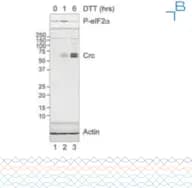
Image: Anti-crc antibody (crb2005253) (1:1000)
Western blot analysis of nuclear extract of Drosophila Schneider 2 cells (S2 cells) (50µg) treated with 2mM DTT to induced by ER stress.
Lane 1: S2 cells
Lane 2: S2 cells treated with 2mM DTT for 1 hour
Lane 3: S2 cells treated with 2mM DTT for 6 hours
Secondary: IRDye®800CW Goat anti-Rabbit IgG 1:2000Color and Shape:PowderHIV1 p24 antibody
HIV1 p24 antibody was raised in goat using purified native p24 from strain IIIB as the immunogen.Purity:Min. 95%Ac-TTAI-NH2
AAT is a highly abundant serine protease inhibitor primarily produced in the liver to protect the lung tissue. However, misfolding of AAT can result in significant liver disease, lung disease, and cancers. Defective AAT is characteristic of the misfolding protein diseases known as serpinopathies.Ion mobility mass spectrometry (IM-MS) was used to identify Ac-TTAI-amide as a ligand effecting α1-antitrypsin stability. Interaction of Ac-TTAI-amide with AAT results in increased stability and reduced polymerisation. Thus Ac-TTAI-amide is a useful target for further research in to serpinopathy management.Color and Shape:PowderMolecular weight:445.3 g/molGLK-19
Anti-microbial peptide (AMP) designed using only residues G, L, and K (GLK-19). Active against-Escherichia coli-with higher activity relative to human AMP LL-37 and also weakly active against methicillin-resistant Staphylococcus aureus (MRSA), but not-active against HIV-1. Activity against E. coli with a minimal inhibitory concentration (MIC) at 10 mM.Color and Shape:PowderMolecular weight:2,104 g/molAnti-SUMO1 antibody (N-ter) - 0.1mg/mL
SMALL UBIQUITIN-LIKE MODIFIER (SUMO) protein is a small protein which can be conjugated to target proteins, a process known as SUMOylation. SUMOylation is a key post translational modification in plants that is involved in a wide array of biological processes ranging from development to environmental sensing. SUMOylation acts in a similar way to ubiqutination in that SUMOlayed proteins are targeted for degredation in the proteasome. SUMO conjugation to its protein target involves an enzyme cascade involving activation of the SUMO polypeptide by SUMO protease and ligation of the SUMO polypeptide to lysine residues in target proteins. The removal of SUMO occurs by deconjugating SUMO protease enzymes. Plants have two SUMO E3 ligases, AtHPY2 and AtSIZ1, encoded by the Arabidopsis genome. SUMOylation is reversible due to the presence of SUMO proteases that possess de-conjugation activity and are able to cleave SUMO from target proteins.
Reacts with Arabidopsis.MKC8866
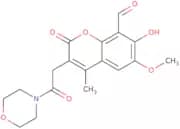
CAS:MKC8866 is a selective antagonist that targets the metabotropic glutamate receptor 2 (mGluR2), which is a type of glutamate receptor expressed in various regions of the central nervous system (CNS). Derived from pharmacological research, this compound offers critical insights into the modulation of synaptic activity and neuronal signaling through inhibition of mGluR2.Formula:C18H19NO7Purity:Min. 95%Color and Shape:PowderMolecular weight:361.35 g/molα-MSH
Alpha-melanocyte stimulating hormone (alpha-MSH) is a melanocortin family neuropeptide which plays important roles in metabolic and immune homeostasis. It is formed from the cleavage of adrenocorticotropic hormone, the cleavage product of proopiomelanocortin hormone. alpha-MSH is expressed ubiquitously to varying degrees in a wide variety of cells including the hypothalamus, monocytes and retinal pigment epithelial cells. alpha-MSH is a non-selective agonist of melanocortin receptors.alpha-MSH is a suppresser of inflammation from both innate and adaptive immune pathways, it is involved in hair and skin pigmentation (through MC1 receptor activation), has reproductive functions, cardio protective functions and regulates food intake and energy metabolism. The N-terminal of the peptide is protected by an acetyl group.Color and Shape:PowderMolecular weight:1,664.8 g/molH-NKGITWKEETLMEYLEN-OH
H-NKGITWKEETLMEYLEN-OH is a custom peptide that can be synthesized rapidly by our peptide experts in under 2 weeks. H-NKGITWKEETLMEYLEN-OH is provided at greater that >98% purity (HPLC) from Cymit Quimica for a variety of research applications. We also offer H-NKGITWKEETLMEYLEN-OH in bulk quantities in addition to our standard pack sizes.Please enquire for more information about H-NKGITWKEETLMEYLEN-OH at the technical inquiry form on this page
Purity:Min. 95%H-R^LQSLQTYV-OH
Peptide H-R^LQSLQTYV-OH is a Research Peptide with significant interest within the field academic and medical research. This peptide is available for purchase at Cymit Quimica in multiple sizes and with a specification of your choice.[5-FAM] Kemptide
Kemptide is a synthetic substrate of the PKA catalytically active subunit (PKAc), and can bind along with ATP to PKAc. It contains 5-Carboxyfluorescein (5-FAM), a widely used green fluorescent tag.
Molecular weight:1,129.5 g/molInsulysin FRET substrate [Mca]/[Dnp]
The Insulysin FRET substrate [Mca]/[Dnp] is a synthetic insulysin peptide substrate that contains an N-terminal fluorescent 7-methoxycoumarin (Mca) group and a C-terminal 2, 4-dinitrophenyl (Dnp) quencher. This FRET peptide exhibits internal fluorescence quenching when intact, however hydrolysis of the peptide between the donor/acceptor pair generates fluorescence, enabling the quantitative measure of enzymatic activity.Insulysin, also known as insulin-degrading enzyme (IDE), is a highly conserved zinc metallopeptidase that contains an inverted zincin motif (HXXEH), characteristic of the inverzincin family of proteases. Insulysin functions as a dimer and exhibits allosteric kinetics, whereby small substrate peptides and polyphosphates such as ATP can act as enzyme activators. The endopeptidase cleaves a wide variety of substrates that are diverse in length, structure and sequence and exhibits a preference for basic or bulky hydrophobic residues.Insulysin is ubiquitously expressed and is responsible for insulin catabolism and the degradation of many bioactive peptide substrates including glucagon, TGF-alpha, β-endorphin, dynorphins and atrial natriuretic peptide. Insulysin also selectively degrades amylin and β-amyloid amyloidogenic peptides at multiple sites.Fluorescence Resonance Energy Transfer (FRET) peptides are convenient tools for the study of peptidase specificity and enzymatic activity.Molecular weight:1,422.6 g/molHistone H4 (1-21)
Histone 4 (H4) is one of the four core histones (H2A, H2B, H3 and H4) which are essential for compacting eukaryotic DNA into the nucleosome. Due to the high lysine and arginine content, histones have a net positive charge and therefore electrostatically interact with negatively charged DNA. The nucleosome arises when 147 base pairs of DNA wrap around a H3-H4 tetramer and two H2A-H2B dimers, forming the histone octamer core. Like other core histones, H4 has a globular domain and a flexible N-terminal domain, the histone tail, which can undergo modifications such as acetylation, methylation, phosphorylation and ubiquitination.Gene transcriptional activation or inactivation is controlled by ATP-dependent chromatin remodelling factors and histone modifying enzymes. Both processes function to alter the positioning of the nucleosome, allowing the DNA within to be either accessible to the transcription machinery or inaccessible. H4's lysine rich tail plays a role in the higher order chromatin folding.Molecular weight:2,090.2 g/molPEN-FFW
Sal-like4 (SALL4) derived peptide able to antagonise the SALL4-NuRD complex in hepatocellular carcinoma, turning SALL4 from a dual transcription repressor-activator to a singular transcription activator. Displays antitumour effects in xenograft mouse models.Color and Shape:PowderGliadin Antibody Positive Human Plasma
Gliadin Antibody Positive Human Plasma is a life science tool for use in pharmaceutical and diagnostic applications. Please enquire for more information about Gliadin Antibody Positive Human Plasma including the price, delivery time and more detailed product information at the technical inquiry form on this page.
PMX 205
C5a receptor peptide antagonist which can ameliorate experimentally-induced colon inflammation in mice. It can also reduce fibrillar amyloid deposits, decrease hyperphosphorylated tau levels and rescue cognitive function in a mouse model of Alzheimer's Disease. Also improves hindlimb grip strength and slows disease progression in the hSOD1G93A-mouse model of amyotrophic lateral sclerosis. Orally active and brain penetrant.
Molecular weight:838.5 g/molComplement C5 (1402-1412) Heavy
Complement C5 is a fundamental factor of the complement system pathways and whose cleavage by C5 convertase produces the anaphylatoxins C5a and C5b. This cleavage occurs due to the C3b factor binding to the C3 convertases from all the complement pathways: the classical, lectin and alternative and generating the C5 convertases C4bC2aC3b and C3bBbC3b.Overall the main functions of the complement system are to mark cells for phagocytosis, the recruitment of inflammatory cells and the cell lysis of bacteria cell by the MAC. The anaphylatoxins C3a and C5a recruit neutrophils and causes the inflammatory response while the MAC produces pores in the bacterial membrane thus causing a Ca2+ influx into the cell and bacterial cell death.Complement C5 is vital for the assembly of the MAC as C5b, the product of C5, in complex with C6 can bind to target cells. C5bC6 can then form a complex with C7, C8 and C9 to create the MAC, also known as C5b-9.The complement system as a whole can be associated with the neurological diseases, bacterial meningitis, thrombotic disorders, neurological and autoimmune diseases.The arginine residue at position 11 of complement C5 (1402-1412) is isotopically labelled with carbon-13 (6) and nitrogen-14 (4).Purity:Min. 95%Molecular weight:1,203.6 g/molHLA-DRB1*1501 peptide
The HLA-DRB1*1501 peptide, is encoded by the disease-associated MHC allele histocompatibility leukocyte antigen (HLA)-DRB1*1501 which is present on the MHC region of chromosome 6. The increased frequency of the HLA-DRB*11501 haplotype found in Multiple Sclerosis (MS) patients, may contribute to the MS phenotype through disrupting T cell repertoire selection and through the presentation of self-peptides which can be targeted by the body's autoimmune response. Moreover studies investigating the accumulation of amyloid β-peptide (Aβ) as a factor producing Alzheimer's disease (AD) pathogenicity, found that HLA-DR alleles such as DRB1*1501 demonstrate immunogenic properties. It is evident that the DRB1*1501 halotype is associated with strong Aβ-T cell responses resulting in the large production of IFN- γ and IL-17. Therefore the HLA-DRB1*1501 peptide would be beneficial in studies exploring the phenotypes of autoimmune-diseases like MS and AD.Purity:Min. 95%Color and Shape:PowderMolecular weight:1,568.7 g/molWT1 (37-45) Heavy
Wilms tumor protein is a protein that is encoded by the WT1 gene on chromosome 11p in humans. WT1 is a tumour suppressor gene associated with the development of Wilms' Tumour, from which it was named. Mutations in exon 7 and 9 of WT1 have been recurrently identified in acute myeloid leukemia and associated with poorer prognosis and chemotherapy resistance.The WT1 peptide is a transcription factor that contains four zinc finger motifs at the C-terminus and a proline/glutamine-rich DNA-binding domain at the N-terminus. It has an essential role in the normal development of the urogenital system.WT1 has been ranked by the National Cancer Institute (NCI) as the Number 1 target for cancer immunotherapy.The valine is isotopically labelled with carbon-13(5) and nitrogen-15(1).
Purity:Min. 95%Color and Shape:PowderMolecular weight:891.5 g/molTrypsin protein
Trypsin is a protease that hydrolyses proteins by cleaving the peptide bond at the carboxyl side of the positively charged amino acid (Lysine or Arginine). Trypsin belongs to a family of serine proteases, as it has a serine in its active site. Trypsin can be inhibited by using trypsin inhibitor Alpha 1 Antitrypsin.Purity:>95% Pure By Sds-PageSpexin 2 (53-70) Human, Mouse, Rat
Spexin is a neuropeptide encoded by SPX genes, and homologs have been found amongst many vertebrates. The SPX genes encode a preprohormone that leads to the mature hormone spexin, which is highly conserved amongst higher vertebrates. Another form, SPX2, has been identified and named spexin 2. Both sequences of spexin and spexin 2 are highly conserved, suggesting they each play vital roles.Like spexin, spexin 2 is widely expressed in various tissues. This is an amidated spexin-2 (53-70) peptide showing similar biological function to its non- amidated version. Spexin-2, when administered to rats, decreases heart rate and increases urine flow rate. Intraventricular NPQ(53-70) delivery also causes antinociceptive activity in mice's warm water tail withdrawal assay.Molecular weight:2,158.1 g/mol[Azhx]-[Lys(Mca)]-P11-8
The P11-family of peptides comprises over 20 different peptides which self-assemble into β-sheet structures to form self-supporting isotropic hydrogels under physiological conditions (pH 7.4, 140 mM NaCl). Self-assembling peptides of the P11-family undergo one-dimensional self-assembly, forming single molecule thick, micrometer-long β-sheet nanotapes. Further assembly results in the nanotapes stacking in pairs to form ribbons which further assemble to form fibrils, then pairs of fibrils can entwine to form fibres. Such self-assembling peptides are important biomaterials and may be useful for the development of novel biomaterials for tissue engineering scaffolds and dental enamel remineralisation.Molecular weight:2,151.1 g/molTemporin L
Temporin L is a highly potent anti-microbial peptide (AMP) active against both Gram-positive and Gram-negative bacteria. Temporins are a large family of short, linear, AMPs produced in the skin of frogs belonging to Rana species, but are also found in wasp venom. Temporin L was originally isolated from the frog Rana temporaria and has the highest anti-microbial potency among tested temporins, especially against Gram-negative bacteria.Temporin L increases bacterial inner membrane permeability in a dose-dependent manner without destroying cell integrity. At low peptide concentrations, the inner membrane becomes permeable to small molecules but this does not kill the bacteria. At high concentrations, larger molecules, but not DNA, leak out, resulting in cell death. Temporin L has a different mode of action to many AMPs as it does not lyse the cells but instead forms ghost-like bacteria shells.Color and Shape:PowderMolecular weight:1,639 g/molMyoglobin antibody
The Myoglobin antibody is a highly specialized monoclonal antibody used in the field of Life Sciences. It specifically targets α-syn, an antigen found in various biological samples such as blood plasma and mesenchymal stem cells. This cytotoxic antibody has been developed to recognize specific epitopes on the α-syn protein, allowing for precise detection and analysis. Additionally, the Myoglobin antibody can be conjugated with auristatin, a potent drug, to create an antibody-drug conjugate for targeted therapy. With its high specificity and versatility, this monoclonal antibody is a valuable tool for researchers and scientists in various fields of study.[5-FAM]-Galanin (2-30)-[Cys] (Human)
Galanin is predominantly an inhibitory neuropeptide expressed in humans and other mammals' brains, spinal cords, and gut. Galanin signalling occurs through three G protein-coupled receptors. The functional role of galanin remains largely unknown- however, galanin is predominantly involved in the modulation and inhibition of neuron action potentials. Galanin has been implicated in many biologically diverse functions, including nociception, waking and sleep regulation, cognition, feeding, mood regulation and blood pressure regulation. Galanin appears to have neuroprotective activity as its biosynthesis is increased 2-10 fold upon axotomy and during seizure activity in peripheral tissues and the brain.The clinical relevance of galanin is related to several chronic neural disorders, including Alzheimer's disease, epilepsy, depression and cancer those who suffer from type 2 diabetes mellitus, depression and Alzheimer's disease often express high levels of galanin. Conversely, intervention with galanin agonists (for example, M617, M1145 and M1153) manifests anti-insulin resistance and anti-Alzheimer's disease characteristics and ameliorates or reinforces depression-like behaviour. Specifically, activation of GAL2 can alleviate such disease features in human and rodent models. This galanin (2-30) peptide has been used to characterise Galanin's binding sites and affinity for GALR receptors via competition binding analysis. Galanin (2-30) is a full agonist of the GALR2 receptor compared to its affinity for GALR1.Galanin (2-30) is provided with an N-terminal 5-FAM, a widely used green fluorescent reagent ideal for peptide labelling and detection and a C-terminal cysteine for site-specific conjugation. The excitation/emission for this reagent is 490 nm/520 nm.Color and Shape:PowderMolecular weight:3,558.6 g/molPep2-8
Proprotein convertase subtilisin/kexin type 9 (PCSK9) is negative regulator of hepatic low-density lipoprotein (LDL) receptors by promoting their degradation. This leads to an increase in plasma levels of cholesterol-LDL (LDL-c). PCSK9 binds to the LDL receptor at the epidermal growth factor precursor homology domain A (EGF-A) which leads the receptor to be targeted for degradation. Natural loss of function mutations in PCSK9 have been linked to improved coronary health and lower cholesterol levels with reduced risk of coronary heart disease. This has led to further study to find inhibitors of PCSK9 with the hope that they may be clinically relevant in the future.As discussed, PCSK9 binds to EGF-A on the LDL receptor. A peptide named pep 2-8 is a mimic of EGF-A and binds PCSK9 in the same manner observed with the LDL receptor. Pep 2-8 is a potent selective competitive inhibitor of PCSK9. Pep 2-8 restores LDL receptor function and LDL uptake of PCSK9-treated HepG2 cells. This is still an active area of research to optimise inhibition of PCSK9 for cholesterol regulation.Pep 2-8 has also been utilised as an anchor peptide in phage-display experiments to bind an extension peptide library to the groove site.Peptide Ac-TVFTSWEEYLDWV-NH2 is a Research Peptide with significant interest within the field academic and medical research. This peptide is available for purchase at Cymit Quimica in multiple sizes and with a specification of your choice.
Purity:Min. 95%Molecular weight:1,714.8 g/molAbltide
Abltide represents the optimal substrate peptide of Abl (or c-Abl), a non-receptor tyrosine kinase (NRTK) and the oncogenic Bcr-Abl tyrosine kinase (TK) (formed via a fusion between the Abelson (Abl) TK gene and the break point cluster region protein Brc). Abl was discovered as the gene from which the Abelson leukaemia virus derived its Gag-v-Abl oncogene.TKs are critical enzymes involved in multiple signalling pathways. However, Tks can promote cancer progression when deregulated, for example deregulated TK, Bcr-Abl gives rise to chronic myeloid leukaemia (CML) and Philadelphia chromosome-positive acute lymphocytic leukaemia (Ph+ ALL).Abl is activated by various signals including: growth factors, cytokines, cell adhesion, DNA damage and oxidative stress and results in the stimulation of both pro- and anti-apoptotic roles, cell proliferation or differentiation, retraction, or migration. Abl phosphorylates a large number of functionally diverse substrates, in part due to its ability to shuttle between the cytosol and the nucleus and bind both DNA and actin&mdash-two biopolymers with fundamental roles in almost all biological processes.Purity:Min. 95%Color and Shape:PowderMolecular weight:1,263.7 g/molPhosphoserine antibody
Phosphoserine antibody was raised in rabbit using phosphoserine-KLH and phosvitin mixture as the immunogen.Purity:Min. 95%Sakamototide
Sakamototide is phosphorylated by members of the 5'-adenosine monophosphate-activated protein kinase (AMPK) family of kinases as is therefore ideal for use in kinase assays to test the activity of AMPK family members. The AMPK family includes- salt inducible kinases (SIKs), NUAK's, sucrose non-fermenting (Snf1)-related kinase (SNRK), microtubule affinity regulating kinases (MARKs) and brain specific kinase/BR serine/threonine kinase (BRSK). The kinase activity of AMPK and AMPK-related kinases, is dependent on its phosphorylation at Thr175 by the upstream kinase LKB1 (also known as STK11).Color and Shape:PowderMolecular weight:1,738.9 g/molACTH (1-39) Human
Human adrenocorticotropic hormone (ACTH) also known as corticotropin. ACTH is a tropic hormone produced and secreted by the anterior pituitary gland and member of the melanocortins peptide family. ACTH is cleaved from the precursor proopiomelanocortin (POMC). ACTH is an important component of the hypothalamic-pituitary-adrenal (HPA) axis and is often produced in response to biological stress. ACTH acts to increase the production and release of cortisol via its interaction with the ACTH receptor ACTHR, also known as melanocortin type 2 receptor (MC2R). Receptor activation increases the intracellular concentration of cAMP via adenylyl cyclase.Abnormal ACTH levels in the body has been linked to primary adrenal insufficiency/Addison's disease, Cushing's disease and secondary adrenal insufficiencyColor and Shape:PowderMolecular weight:4,541.07 g/mol[Cys(Npys)]-TKD (450-463)
TKD (450-463) is an immunogenic heat shock protein 70 peptide which has been labelled at the N-terminus with Cys(Npys).Molecular weight:1,821.87 g/molH-LPRTRSGKVMRRLLR-OH
H-LPRTRSGKVMRRLLR-OH is a custom peptide that can be synthesized rapidly by our peptide experts in under 2 weeks. H-LPRTRSGKVMRRLLR-OH is provided at greater that >95% purity (HPLC) from Cymit Quimica for a variety of research applications. We also offer H-LPRTRSGKVMRRLLR-OH in bulk quantities in addition to our standard pack sizes.Please enquire for more information about H-LPRTRSGKVMRRLLR-OH at the technical inquiry form on this page
Purity:Min. 95%Fibrinopeptide
Fibrinogen is a large plasma glycoprotein with a complex structure, and one of the most abundant proteins in blood. Fibrinogen is important in fibrin clot formation, haemostasis, and inflammatory responses. Increased plasma fibrinogen indicates a proinflammatory state and is a risk factor for vascular inflammatory diseases including hypertension and atherosclerosis. Fibrinogen cleavage products act as inflammatory activators in the pathophysiology of allergic asthma.The conversion of monomeric fibrinogen into polymeric fibrin is mediated by thrombin, which binds to fibrinogen and catalyses cleavage of fibrinopeptide A (FpA) and fibrinopeptide B (FpB). Fibrinopeptide B is protected from modifications such as carbamylation by pyroglutamination of the N-terminal amino acid.Color and Shape:PowderMolecular weight:1,551.7 g/molSpexin
Spexin is a neuropeptide that is conserved amongst humans and rodents. Spexin activates galanin2/3 receptors, inducing a different active conformation of GalR2 to galanin. The broad distribution of spexin suggests multiple physiological roles including as a regulating factor in obesity and energy metabolism. Spexin is ubiquitously expressed in human tissue, however, a correlation has been found with obesity and age. Obese patients had significantly lower levels of circulating spexin than those with a healthy weight range. The significance of this suggests spexin regulates appetite, feeding behaviour, and energy expenditure. Spexin also specifically inhibits the uptake of long-chain fatty acids by adipocytes.Spexin is a central modulator of cardiovascular and renal function and can elicit central nervous system behavioural responses. As spexin levels decrease with age there is research to understand if it plays a role in age-related pathophysiology of cardiometabolic conditions. Spexin is also being considered an early biomarker for cardiovascular disease due to the magnitude with which it decreases as the pathophysiology progresses.Molecular weight:1,618.8 g/molFLAG tag (Cy3B)
FLAG tag with a GGC linker (Cy3B)Color and Shape:PowderMolecular weight:1,911.7 g/molH-ATNATLDPR-NH2
Peptide H-ATNATLDPR-NH2 is a Research Peptide with significant interest within the field academic and medical research. This peptide is available for purchase at Cymit Quimica in multiple sizes and with a specification of your choice.Ac-RGK-[AMC]
Substrate peptide for histone deacetylase (HDAC) enzymes for use in assaying HDAC activity. Histone deacetylases (HDACs) are a family of enzymes which are highly evolutionary conserved across all eukaryotes. HDACs modify histones by removing acetyl groups from the tail regions. Histone deacetylation is generally associated with reduced gene expression due to a more compact chromatin state less accessibility for transcription factors (TFs). HDACs are essential for many physiological processes including development and cellular homeostasis. They also play an important role in disease states, including neurodegenerative disorders, genetic diseases and cancers.This peptide is the fluorogenic substrate for assaying histone deacetylase (HDAC) activity in a two-step enzymatic reaction. The assay consists of the initial lysine deacetylation by HDAC followed by the release of the fluorescent group by trypsin. Fluorescence can be detected upon fluorophore release.Molecular weight:558.3 g/molH-ILDTAGREEY-OH
H-ILDTAGREEY-OH is a custom peptide that can be synthesized rapidly by our peptide experts in under 2 weeks. H-ILDTAGREEY-OH is provided at greater that >95% purity (HPLC) from Cymit Quimica for a variety of research applications. We also offer H-ILDTAGREEY-OH in bulk quantities in addition to our standard pack sizes.Please enquire for more information about H-ILDTAGREEY-OH at the technical inquiry form on this page
Purity:Min. 95%SETD8 Peptide
Setd8 is a member of the SET domain containing family of proteins and is the sole methyltransferase that catalyses monomethylation of lysine 20 on histone H4 (H4K20me1). This histone modification is involved in regulating DNA replication, chromosome condensation and gene expression.Setd8 is widely expressed and in addition to modifying histone H4, it can modify non-histone proteins, including p53. Setd8 has been shown to play a role in maintaining skin differentiation and is dysregulated in multiple cancer types.Molecular weight:1,076.7 g/molGag (18-26) [Human immunodeficiency virus type 1] acetyl/amide
CD8+ T-cell (cytotoxic T lymphocyte (CTL)) responses are important in the control of viral replication. Inducing a sustained HIV-1 specific CD8+ T-cell response is the target for vaccine development by using conserved HIV-1 epitopes. The HIV gag gene encodes p17 and p24. P17 Gag is a matrix protein that is vital to HIV life cycle, use of p17 Gag epitopes is a possibility for HIV therapies. P17 Gag targets viral RNA to the nucleus and Gag polyproteins to the cell membrane- p17 Gag accumulates in the extracellular space of tissue while interacting with receptors on various cell types to deregulate cell function.CTL recognition epitope of p17 Gag is identified as residues 77-85 to activate the immune response. Within Gag p17 is the conserved/persistently recognised epitope KIRLRPGGK (amino acids 18-26). This sequence has been used as an effective epitope in immunological assays to assess CTL response work has also shown patients targeting conserved or variable Gag epitopes including Gag p17 (18-26) effects the strength of CD8+ T-cell response and disease progression.Molecular weight:1,064.7 g/molThyroglobulin (Tg-FSP)
Thyroglobulin (Tg) is a widely used biomarker of various differentiated thyroid cancer (DTC)- Tg is a substrate for thyroid hormone production. Detection and quantification of serum thyroglobulin levels remain challenging due to Tg's size, heterogeneity, and thyroglobulin autoantibodies (TgAb). Immunoassays offer the opportunity to tailor DTC treatments, but many patients are TgAb positive, excluding them from analysis during regression.Liquid chromatography-tandem mass spectrometry (LC-MS/MS) can overcome immunoassay issues by digestion of Tg to a tryptic peptide removing the interference from TgAbs. The addition of a doubly charged peptide precursor ion, FSP peptide, allows easy detection of Tg-FSP by an anti-FSP antibody that is reliable and quantifiable.Molecular weight:1,405.7 g/molAYPGFK Protease-Activated Receptor-4 (PAR-4)
Protease activated receptors (PARs) are a distinctive four-member family of seven transmembrane G protein-coupled receptors (GPCRs) widely expressed in inflammatory cells. PARs are cleaved by certain serine proteases to expose a tethered ligand domain, this ligand domain then binds to and activates the receptors to initiate multiple signalling cascades. These PAR-activating proteases therefore represent PAR agonists. This PAR-4 agonist peptide represents the N-terminal sequence of the 'tethered ligand' and is therefore capable of activating the receptor independently of N-terminal proteolysis.Molecular weight:680.4 g/mol[5-FAM]-RKOpep
Peptide identified through phage display that binds to colorectal cancer cell line RKO cells, as well as other cancer cells including Caco-2, HCT 116 and HCT-15, but not to normal cells, possibly through targeting the monocarboxylate transporter 1, which has been implicated in colorectal cancer progression and prognosis. It contains 5-carboxyfluorescein (5-FAM), a widely used green fluorescent tag.Molecular weight:1,278.4 g/mol

![[5-TAMRA]/[Lys(BHQ-2)]-CoV Main Protease (Mpro) Substrate](/_next/image/?url=https%3A%2Fstatic.cymitquimica.com%2Fproducts%2F3D%2Fthumb-webp%2FCRB1101530.webp&w=3840&q=75)

![[5-FAM] Kemptide](/_next/image/?url=https%3A%2Fstatic.cymitquimica.com%2Fproducts%2F3D%2Fthumb-webp%2FCRB1001375.webp&w=3840&q=75)
![Insulysin FRET substrate [Mca]/[Dnp]](/_next/image/?url=https%3A%2Fstatic.cymitquimica.com%2Fproducts%2F3D%2Fthumb-webp%2FCRB1100406.webp&w=3840&q=75)

![[Azhx]-[Lys(Mca)]-P11-8](/_next/image/?url=https%3A%2Fstatic.cymitquimica.com%2Fproducts%2F3D%2Fthumb-webp%2FCRB1100526.webp&w=3840&q=75)

![[5-FAM]-Galanin (2-30)-[Cys] (Human)](/_next/image/?url=https%3A%2Fstatic.cymitquimica.com%2Fproducts%2F3D%2Fthumb-webp%2FCRB1100332.webp&w=3840&q=75)
![[Cys(Npys)]-TKD (450-463)](/_next/image/?url=https%3A%2Fstatic.cymitquimica.com%2Fproducts%2F3D%2Fthumb-webp%2FCRB1000426.webp&w=3840&q=75)

![Ac-RGK-[AMC]](/_next/image/?url=https%3A%2Fstatic.cymitquimica.com%2Fproducts%2F3D%2Fthumb-webp%2FCRB1101605.webp&w=3840&q=75)

![Gag (18-26) [Human immunodeficiency virus type 1] acetyl/amide](/_next/image/?url=https%3A%2Fstatic.cymitquimica.com%2Fproducts%2F3D%2Fthumb-webp%2FCRB1001214.webp&w=3840&q=75)
![[5-FAM]-RKOpep](/_next/image/?url=https%3A%2Fstatic.cymitquimica.com%2Fproducts%2F3D%2Fthumb-webp%2FCRB1101540.webp&w=3840&q=75)