Biochemicals and Reagents
Biochemicals and reagents are fundamental substances for research and development in fields such as biotechnology, molecular biology, pharmacology, and medicine. These products are essential for a variety of applications, including compound synthesis, biological sample analysis, metabolic process research, and drug production. At CymitQuimica, we offer a wide selection of high-quality, high-purity biochemicals and reagents suitable for various scientific and industrial needs. Our catalog includes enzymes, antibodies, nucleic acids, amino acids, and many other products, all designed to support researchers and professionals in their research and development projects, ensuring reliable and reproducible results.
Subcategories of "Biochemicals and Reagents"
- Biomolecules(99,115 products)
- By Biological Target(99,074 products)
- By Pharmacological Effects(6,785 products)
- Cryopreservatives(21 products)
- Desinfectants and Related Compounds(28 products)
- Hormones(346 products)
- Plant Biology(6,693 products)
- Secondary Metabolites(14,219 products)
Found 130577 products of "Biochemicals and Reagents"
Sort by
Purity (%)
0
100
|
0
|
50
|
90
|
95
|
100
DDAH1 antibody
<p>DDAH1 antibody was raised using the middle region of DDAH1 corresponding to a region with amino acids ALEKLQLNIVEMKDENATLDGGDVLFTGREFFVGLSKRTNQRGAEILADT</p>Purity:Min. 95%CYP8B1 Blocking Peptide
<p>A synthetic peptide for use as a blocking control in assays to test for specificity of CYP8B1 antibody, catalog no. 70R-9994</p>Purity:Min. 95%MSI2 antibody
<p>MSI2 antibody was raised using a synthetic peptide corresponding to a region with amino acids YTMDAFMLGMGMLGYPNFVATYGRGYPGFAPSYGYQFPDYLPVSQDIIFI</p>Donkey anti Mouse IgG (H + L) (biotin)
<p>This antibody reacts with heavy (gamma) chains on mouse IgG and light chains on all mouse immunoglobulins.</p>Purity:Min. 95%SEC63 antibody
<p>SEC63 antibody was raised using a synthetic peptide corresponding to a region with amino acids WWLYIADRKEQTLISMPYHVCTLKDTEEVELKFPAPGKPGNYQYTVFLRS</p>Deoxyribonuclease I antibody
<p>Deoxyribonuclease I antibody was raised in rabbit using bovine pancreatic deoxyribonuclease I as the immunogen.</p>Purity:Min. 95%FGF2 antibody
<p>FGF2 antibody was raised using a synthetic peptide corresponding to a region with amino acids RLESNNYNTYRSRKYTSWYVALKRTGQYKLGSKTGPGQKAILFLPMSAKS</p>Furadantin metabolite monoclonal antibody
<p>Mouse anti- Furadantin metabolite monoclonal antibody</p>DAZ4 antibody
<p>DAZ4 antibody was raised using the middle region of DAZ4 corresponding to a region with amino acids ITGCQLLVYNYQEYPTYPDSAFQVTTGYQLPVYNYQPFPAYPRSPFQVTA</p>Dog RBC antibody
<p>Canine RBC antibody was raised in rabbit using canine erythrocyets as the immunogen.</p>PLEKHA4 Blocking Peptide
<p>A synthetic peptide for use as a blocking control in assays to test for specificity of PLEKHA4 antibody, catalog no. 70R-3935</p>MTMR1 antibody
<p>MTMR1 antibody was raised using the C terminal of MTMR1 corresponding to a region with amino acids KEDVYTKTISLWSYINSQLDEFSNPFFVNYENHVLYPVASLSHLELWVNY</p>TUBB3 antibody
<p>The TUBB3 antibody is a highly specialized monoclonal antibody that targets the tubulin beta-3 chain (TUBB3). It plays a crucial role in various cellular processes such as cell division, intracellular transport, and maintenance of cell shape. This antibody specifically binds to TUBB3 and can be used in a variety of life science research applications.</p>ZNF440 Blocking Peptide
<p>A synthetic peptide for use as a blocking control in assays to test for specificity of ZNF440 antibody, catalog no. 20R-1234</p>Purity:Min. 95%SB-224289 Hyrochloride
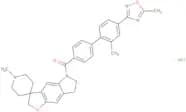
CAS:<p>SB-224289 is a drug that belongs to the class of 5-HT1A receptor agonists. It has been shown to have clinical relevance for the prognosis of locomotor activity and carcinoid syndrome. SB-224289 is a potent antagonist of the CB2 receptor, which may be used in the treatment of metastatic colorectal cancer. The drug also binds to 5-HT1A receptors, stabilizing them and preventing them from being degraded. SB-224289 provides evidence that 5-HT1A receptors are involved in carcinoid syndrome and can predict the development of carcinoid syndrome based on their binding affinity for this drug. It has been shown that SB-224289 does not bind to any other receptors, such as dopamine D2 or serotonin S2a receptors.</p>Formula:C32H32N4O3·HClPurity:Min. 95%Molecular weight:520.62 g/molABL2 antibody
<p>ABL2 antibody was raised in Mouse using a purified recombinant fragment of ABL2 expressed in E. coli as the immunogen.</p>WHSC1L1 antibody
<p>The WHSC1L1 antibody is a polyclonal antibody that is widely used in the field of life sciences. It is commonly used for various applications such as immunohistochemistry, polypeptide expression, and protein interaction studies. This antibody has been shown to specifically recognize WHSC1L1, an important protein involved in cellular processes such as gene transcription and chromatin remodeling. It can be used to detect the presence of WHSC1L1 in various samples, including cell lysates, tissue extracts, and even food extracts. The WHSC1L1 antibody is highly specific and sensitive, making it a valuable tool for researchers in both academic and industrial settings. Additionally, this antibody has been used in studies investigating the role of WHSC1L1 in diseases such as cancer and neurodegenerative disorders. Its ability to target WHSC1L1 makes it an essential tool for understanding the function of this protein and its potential as a therapeutic target.</p>Enolase 3 antibody
<p>Enolase 3 antibody was raised using a synthetic peptide corresponding to a region with amino acids EVDLHTAKGRFRAAVPSGASTGIYEALELRDGDKGRYLGKGVLKAVENIN</p>DOCK2 antibody
<p>The 6-Fluoro-3-indoxyl-beta-D-galactopyranoside is a powerful antituberculosis drug that falls under the category of rifamycins. It is highly effective in treating tuberculosis infections due to its bactericidal activity. By binding to DNA-dependent RNA polymerase, it inhibits bacterial growth by preventing transcription and replication. The potency of this drug has been demonstrated through extensive research using the patch-clamp technique on human erythrocytes. It undergoes various metabolic transformations, including hydrolysis by esterases or glucuronidases, oxidation by cytochrome P450 enzymes, reduction by glutathione reductase, or conjugation with glucuronic acid. Additionally, it specifically targets markers expressed at high levels in Mycobacterium tuberculosis strains and inhibits their cell growth in culture.</p>DPP3 antibody
<p>The DPP3 antibody is a highly specialized immunoassay tool used in Life Sciences research. It is a monoclonal antibody that specifically binds to DPP3, a protein involved in various biochemical processes. The antibody can be immobilized on an electrode surface and used for the quantitation of DPP3 in samples. This allows researchers to study the role of DPP3 in different biological systems.</p>HDAC6 antibody
<p>The HDAC6 antibody is a highly specialized monoclonal antibody used in Life Sciences research. It specifically targets and binds to the histone deacetylase 6 (HDAC6) protein, which plays a crucial role in the regulation of cell growth and division. By binding to HDAC6, this antibody exerts cytotoxic effects on cells, inhibiting their proliferation.</p>UGT3A2 antibody
<p>UGT3A2 antibody was raised using the N terminal of UGT3A2 corresponding to a region with amino acids HNVTMLNHKRGPFMPDFKKEEKSYQVISWLAPEDHQREFKKSFDFFLEET</p>TMEM195 Blocking Peptide
<p>A synthetic peptide for use as a blocking control in assays to test for specificity of TMEM195 antibody, catalog no. 70R-6814</p>Purity:Min. 95%MIP3 β antibody
<p>MIP3 beta antibody was raised in mouse using highly pure recombinant human MIP-3 beta as the immunogen. This IgG1K antibody was purified from cell culture by Protein A affinity chromatography. as the immunogen.</p>Osteomodulin antibody
<p>Osteomodulin antibody was raised using the middle region of OMD corresponding to a region with amino acids LLQLHLEHNNLEEFPFPLPKSLERLLLGYNEISKLQTNAMDGLVNLTMLD</p>Purity:Min. 95%Foxj1 antibody
<p>The Foxj1 antibody is a neutralizing antibody that targets activated mesenchymal stem cells. It is commonly used in polymerase chain reactions and nuclear extracts for various research purposes in the field of biomaterials. This specific antibody binds to the response element-binding protein, forming a protein complex that plays a crucial role in collagen synthesis. The Foxj1 antibody is widely utilized in immunoassays and has been proven effective in detecting lectins and phosphorylation sites. If you're looking for high-quality antibodies for your life sciences research, the Foxj1 antibody is an excellent choice.</p>Purity:Min. 95%PARP2 antibody
<p>The PARP2 antibody is a powerful tool for the quantitation and immobilization of PARP2, a glycoprotein involved in DNA repair. This monoclonal antibody specifically recognizes PARP2 and can be used for various applications such as Western blotting, immunoprecipitation, and immunofluorescence. It has been extensively validated for its specificity and sensitivity in detecting PARP2 in human serum samples. The PARP2 antibody can also be used in combination with streptavidin-conjugated secondary antibodies for enhanced signal detection. With its high affinity and selectivity, this antibody is an essential tool for researchers studying DNA repair pathways, anti-angiogenesis therapies, and the development of PARP inhibitors for the treatment and/or prophylaxis of various diseases.</p>PRKAA2 antibody
<p>PRKAA2 antibody was raised using the middle region of PRKAA2 corresponding to a region with amino acids AYHLIIDNRRIMNQASEFYLASSPPSGSFMDDSAMHIPPGLKPHPERMPP</p>Fmr1 antibody
<p>Fmr1 antibody was raised in rabbit using the C terminal of Fmr1 as the immunogen</p>Purity:Min. 95%SNRK antibody
<p>SNRK antibody was raised using the middle region of SNRK corresponding to a region with amino acids SSSETSDDDSESRRRLDKDSGFTYSWHRRDSSEGPPGSEGDGGGQSKPSN</p>HAV VP1 antibody
<p>The HAV VP1 antibody is a monoclonal antibody that is used in the field of Life Sciences. It specifically targets the protein known as VP1, which is a growth factor involved in various cellular processes. This antibody has been shown to have neutralizing properties, meaning it can block the activity of VP1 and prevent its effects on cells. The HAV VP1 antibody has also been used in studies involving other drugs such as sorafenib and trastuzumab, where it enhances their cytotoxic effects. Additionally, this antibody has shown binding affinity towards collagen and mycoplasma genitalium, indicating its potential use in research related to these entities. Furthermore, it has been found to have anti-acth antibodies and egf-like properties, further expanding its potential applications within the scientific community.</p>LYL1 antibody
<p>LYL1 antibody was raised in Rat using LYL1 peptide coupled to carrier protein as the immunogen.</p>MAT2B antibody
<p>MAT2B antibody was raised using the middle region of MAT2B corresponding to a region with amino acids GNLAKEAAAVGAFLIYISSDYVFDGTNPPYREEDIPAPLNLYGKTKLDGE</p>FAM3D antibody
<p>FAM3D antibody was raised using the middle region of FAM3D corresponding to a region with amino acids LVASYDDPGTKMNDESRKLFSDLGSSYAKQLGFRDSWVFIGAKDLRGKSP</p>Sec11c antibody
<p>Sec11c antibody was raised in rabbit using the C terminal of Sec11c as the immunogen</p>Purity:Min. 95%PTOV1 antibody
<p>PTOV1 antibody was raised in rabbit using the N terminal of PTOV1 as the immunogen</p>Purity:Min. 95%Rabbit anti Mouse IgG1 (Alk Phos)
<p>Rabbit anti-mouse IgG1 (Alk Phos) was raised in rabbit using murine IgG1 heavy chain as the immunogen.</p>Purity:Min. 95%AChE antibody
<p>The AChE antibody is a powerful tool in the field of Life Sciences. It is available as both polyclonal and monoclonal antibodies, offering researchers a range of options for their experiments. This antibody specifically targets acetylcholinesterase (AChE), an enzyme involved in the breakdown of the neurotransmitter acetylcholine.</p>PNPLA8 antibody
<p>PNPLA8 antibody was raised using the middle region of PNPLA8 corresponding to a region with amino acids IDNRTRALVQALRRTTDPKLCITRVEELTFHLLEFPEGKGVAVKERIIPY</p>DNA PKcs antibody
<p>The DNA PKcs antibody is a highly versatile and multidrug antibody used in the field of Life Sciences. It is a monoclonal antibody that specifically targets the DNA-dependent protein kinase catalytic subunit (DNA PKcs). This antibody has been extensively studied for its ability to interact with actin filaments and heterologous polypeptides, making it an invaluable tool for researchers studying cellular processes such as cell migration and cytoskeletal dynamics.</p>Purity:Min. 95%Connexin 26 antibody
<p>Connexin 26 antibody is a powerful tool used in life sciences research to study the biological effects of this protein. It is an antigen-binding molecule that specifically targets and binds to connexin 26, a protein involved in cell communication. This antibody has been shown to inhibit cell proliferation by blocking the interaction between connexin 26 and epidermal growth factor (EGF) or parathyroid hormone-related peptide (PTHrP). Additionally, connexin 26 antibody has potent antitumor activity, as demonstrated by its ability to reduce microvessel density in tumor tissues. It is available in both polyclonal and monoclonal forms, with each offering unique advantages for different research applications. Whether you're studying cellular communication or investigating potential therapeutic targets, connexin 26 antibody is an essential tool with diverse applications in the field of life sciences.</p>Peroxiredoxin 3 antibody
<p>Peroxiredoxin 3 antibody was raised using the N terminal of PRDX3 corresponding to a region with amino acids AIPWGISATAALRPAACGRTSLTNLLCSGSSQAPYFKGTAVVNGEFKDLS</p>Caspase 3 antibody
<p>The Caspase 3 antibody is a highly specialized antibody used in Life Sciences research. It specifically targets and detects the activated form of caspase 3, an enzyme involved in programmed cell death (apoptosis). This polyclonal antibody is designed to recognize and bind to caspase 3, allowing for its detection and analysis in various experimental settings.</p>IgG2a Negative Control Ab BSA/Azide Free
<p>IgG2a Negative Control Monoclonal Antibody BSA/Azide Free</p>AXUD1 antibody
<p>AXUD1 antibody was raised in mouse using recombinant Human Axin1 Up-Regulated 1 (Axud1)</p>CEA antibody
<p>The CEA antibody is a highly specialized monoclonal antibody used in the field of Life Sciences. It has been extensively studied and proven effective in various applications, including antiestrogen therapy. This antibody specifically targets and binds to the carcinoembryonic antigen (CEA), a protein that is overexpressed in certain types of cancer cells.</p>Trpv6 antibody
<p>Trpv6 antibody was raised in rabbit using the middle region of Trpv6 as the immunogen</p>Purity:Min. 95%SFRS2 antibody
<p>SFRS2 antibody was raised in rabbit using the C terminal of SFRS2 as the immunogen</p>Vitamin D3 Protein
<p>Vitamin D3 Protein is a highly versatile supplement that offers numerous health benefits. It acts as an interferon and TNF-α growth factor, making it an essential component in Life Sciences research. This protein has neutralizing properties and can effectively bind to transferrin, ensuring optimal bioavailability.</p>Purity:Min. 95%Cecropin A
<p>Cecropin A is an antimicrobial peptide active against Gram-positive and Gram-negative bacteria.<br>Some studies have suggested that cecropin A binds to negatively charged membrane lipids and form a packed layer which permeabilize the membranes and help to kill bacteria. It was shown that cecropin A presents a LC50 of 0.9 µM and a LC90 of 1.7 µM against certain E.Coli strains.<br>Besides its well-known antimicrobial properties, studies have demonstrated tumoricidal activity of cecropin A against leukemia, lymphoma, colon carcinoma cell lines and other tumour cell lines.<br>Furthermore, Cecropin A has a fungicidal activity. A study has shown that cecropin A reaches a complete lethality at approximately 25 mM for germinating conidia of Aspergillus spp. and a complete lethality for nongerminated and germinated conidia of Fusarium spp. at 1.5 mM.</p>Formula:C184H313N53O46Molecular weight:4,003.87 g/molLactoferrin antibody
<p>The Lactoferrin antibody is a powerful tool in the field of Life Sciences. It is a Monoclonal Antibody that specifically targets and binds to Lactoferrin, an iron-binding protein found in various biological fluids. This antibody has been extensively studied and proven to have high affinity and specificity for Lactoferrin.</p>Calcitonin Peptide
<p>Calcitonin peptides are a group of proteins that play a vital role in the field of Life Sciences. These peptides have been extensively studied for their various applications, including electrospinning, glucagon regulation, retinoid metabolism, and more. With their unique structure consisting of amino acid residues, calcitonin peptides have shown potential as inhibitors for certain diseases. They have also been used in the development of Proteins and Antigens for immunoassays and other diagnostic applications.</p>Purity:Source Synthetically Derived Human Calcitonin.C6ORF140 antibody
<p>C6ORF140 antibody was raised using the N terminal Of C6Orf140 corresponding to a region with amino acids NPFQKEVVLDSWPDFKAVITRRQREAETDNLDHYTNAYAVFYKDVRAYRQ</p>SPRED2 Blocking Peptide
<p>A synthetic peptide for use as a blocking control in assays to test for specificity of SPRED2 antibody, catalog no. 70R-10053</p>Purity:Min. 95%Toll-like receptor 4 antibody (biotin)
<p>Mouse monoclonal Toll-like receptor 4 antibody (biotin)</p>TIPIN antibody
<p>TIPIN antibody was raised in rabbit using the N terminal of TIPIN as the immunogen</p>Purity:Min. 95%MKK4 antibody
<p>The MKK4 antibody is a highly effective active agent used in the field of Life Sciences. It is a polyclonal antibody that specifically targets and binds to MKK4, an important protein involved in cell signaling pathways. This antibody has been extensively studied and proven to be highly specific and sensitive in detecting MKK4 levels in various biological samples.</p>