Biochemicals and Reagents
Biochemicals and reagents are fundamental substances for research and development in fields such as biotechnology, molecular biology, pharmacology, and medicine. These products are essential for a variety of applications, including compound synthesis, biological sample analysis, metabolic process research, and drug production. At CymitQuimica, we offer a wide selection of high-quality, high-purity biochemicals and reagents suitable for various scientific and industrial needs. Our catalog includes enzymes, antibodies, nucleic acids, amino acids, and many other products, all designed to support researchers and professionals in their research and development projects, ensuring reliable and reproducible results.
Subcategories of "Biochemicals and Reagents"
- Biomolecules(99,117 products)
- By Biological Target(99,161 products)
- By Pharmacological Effects(6,787 products)
- Cryopreservatives(21 products)
- Desinfectants and Related Compounds(28 products)
- Hormones(346 products)
- Plant Biology(6,710 products)
- Secondary Metabolites(14,222 products)
Found 130581 products of "Biochemicals and Reagents"
Sort by
Purity (%)
0
100
|
0
|
50
|
90
|
95
|
100
CRP antibody
<p>CRP antibody was raised in Mouse using Human C-reactive protein as the immunogen.</p>CDC6 antibody
<p>The CDC6 antibody is a powerful tool used in the field of Life Sciences. It is an antibody that specifically targets CDC6, a protein involved in DNA replication and cell cycle regulation. This antibody has been extensively tested and validated for use in various applications, including immunohistochemistry, western blotting, and flow cytometry.</p>PRL antibody
<p>The PRL antibody is a monoclonal antibody known as trastuzumab. It is used in the treatment of certain types of cancer, particularly breast cancer that overexpresses the HER2 protein. This antibody works by binding to the HER2 receptors on cancer cells, inhibiting their growth and promoting cell death. In addition to its anti-cancer properties, trastuzumab has been shown to have other therapeutic effects. It can enhance the activity of lysozyme, an enzyme involved in immune defense, and stimulate tyrosine kinase receptors, which play a role in cell growth and development. Furthermore, trastuzumab has been found to inhibit insulin-like growth factor signaling and dopamine release, both of which are implicated in tumor progression. Overall, this monoclonal antibody offers targeted therapy for HER2-positive cancers and holds promise for improving patient outcomes.</p>SNIP1 antibody
<p>SNIP1 antibody was raised in rabbit using the middle region of SNIP1 as the immunogen</p>Purity:Min. 95%Aquaporin 5 antibody
<p>Aquaporin 5 antibody is a polyclonal antibody that specifically targets the Aquaporin 5 protein. Aquaporins are a family of integral membrane proteins that facilitate the transport of water across cell membranes. Aquaporin 5 is primarily found in the salivary glands, lungs, and lacrimal glands, where it plays a crucial role in regulating fluid secretion.</p>Rabbit anti Goat IgG (H + L) (rhodamine)
<p>This antibody reacts with heavy chains on Goat IgG and light chains on all Goat immunoglobulins.</p>Purity:Min. 95%Adrenomedullin antibody
<p>The Adrenomedullin antibody is a highly specialized monoclonal antibody used in the field of Life Sciences. It is designed to target and neutralize the activity of Adrenomedullin, a glycopeptide hormone involved in various physiological processes. This antibody specifically binds to Adrenomedullin dimers and prevents their interaction with receptors, thereby blocking the downstream signaling pathways.</p>HBP1 antibody
<p>HBP1 antibody was raised in rabbit using the middle region of HBP1 as the immunogen</p>Purity:Min. 95%TMLHE antibody
<p>TMLHE antibody was raised using the middle region of TMLHE corresponding to a region with amino acids PWNKELYLIRYNNYDRAVINTVPYDVVHRWYTAHRTLTIELRRPENEFWV</p>BACH1 antibody
<p>The BACH1 antibody is a polyclonal antibody commonly used in Life Sciences research. It is specifically designed to target and bind to the activated form of BACH1, a human protein involved in various cellular processes. This antibody is highly reactive and can be used in immunoassays to detect and quantify BACH1 levels in biological samples.</p>KRT8 antibody
<p>The KRT8 antibody is a growth factor that belongs to the class of monoclonal antibodies. It is designed to specifically target and bind to keratin 8, a protein found in various tissues. This antibody can be used for research purposes, such as detecting and quantifying levels of keratin 8 in samples. The KRT8 antibody is conjugated with magnetic particles, allowing for easy separation and purification of the target protein. With its high specificity and affinity, this monoclonal antibody ensures accurate and reliable results in various applications within the life sciences field. Additionally, it has been shown to have erbb2 inhibitory properties and interacts with spleen ferritin, a metal-binding protein. Its multispecific nature allows for versatility in experimental designs.</p>IFN γ antibody
<p>IFN Gamma antibody was raised in mouse using recombinant interferon gamma as the immunogen.</p>ODC1 antibody
<p>The ODC1 antibody is a cytotoxic conjugate that targets the growth factor ODC1. It is a monoclonal antibody that specifically binds to ODC1, inhibiting its activity and preventing cell growth. This antibody has been extensively studied and shown to have potent cytotoxic effects on cancer cells. It is also glycosylated, which enhances its stability and binding affinity. The ODC1 antibody has been used in various research applications, including the development of targeted therapies for cancer treatment. Additionally, it has been investigated as a potential diagnostic tool for detecting autoantibodies against ODC1 in human serum. This antibody shows promise in combination with other therapeutic agents, such as anti-CD20 antibodies or anti-CD33 antibodies, as well as inhibitors of epidermal growth factor (EGF) signaling pathways. Its unique mechanism of action makes it a valuable tool for researchers and clinicians working in the field of oncology.</p>KRT3 antibody
<p>KRT3 antibody was raised in rabbit using the C terminal of KRT3 as the immunogen</p>Purity:Min. 95%Caspase 8 antibody
<p>The Caspase 8 antibody is a highly specific monoclonal antibody that binds to caspase 8, a protein involved in the regulation of cell death. This antibody is commonly used in research and diagnostics within the field of Life Sciences. It has been shown to effectively detect and quantify caspase 8 levels in various samples, including human serum and tissue lysates. The Caspase 8 antibody can be used in applications such as Western blotting, immunohistochemistry, and flow cytometry. Its high affinity binding to caspase 8 allows for accurate detection and analysis of this important protein complex. With its neutralizing properties, this antibody provides valuable insights into the mechanisms of cell death and apoptosis regulation. Trust the Caspase 8 antibody for reliable results in your research endeavors within the Life Sciences field.</p>SATB1 antibody
<p>The SATB1 antibody is a highly specialized monoclonal antibody that has been developed for targeted therapy in various medical applications. This antibody specifically targets and binds to SATB1, a protein that plays a crucial role in gene regulation and cellular function. By binding to SATB1, this antibody can modulate its activity and inhibit the growth of certain cells.</p>POSTN antibody
<p>POSTN antibody was raised using the middle region of POSTN corresponding to a region with amino acids VTKFIEGGDGHLFEDEEIKRLLQGDTPVRKLQANKKVQGSRRRLREGRSQ</p>Purity:Min. 95%TDGF1 antibody
<p>The TDGF1 antibody is a monoclonal antibody that targets E-cadherin, a basic protein involved in cell adhesion. It acts as a neutralizing agent against epidermal growth factor (EGF), a potent growth factor that plays a crucial role in cell proliferation and differentiation. The TDGF1 antibody is widely used in the field of life sciences for various applications, including immunohistochemistry and Western blotting.</p>Goat anti Rat IgG (H + L) (HRP)
<p>This antibody reacts with heavy (gamma) chains on rat IgG and light chains on all rat immunoglobulins.</p>Purity:Min. 95%BFSP1 antibody
<p>BFSP1 antibody was raised using the N terminal of BFSP1 corresponding to a region with amino acids QVESNRQRVRDLEAERARLERQGTEAQRALDEFRSKYENECECQLLLKEM</p>CNPase antibody
<p>The CNPase antibody is a monoclonal antibody used in Life Sciences research. It is designed to specifically target and bind to CNPase, a protein involved in myelination. This antibody can be used for various applications, such as immunohistochemistry, Western blotting, and ELISA assays. It has been shown to effectively detect CNPase in human serum and tissues, making it a valuable tool for studying the role of this protein in various biological processes. Additionally, the CNPase antibody has been demonstrated to have high specificity and sensitivity, ensuring accurate and reliable results. With its ability to recognize and bind to CNPase with high affinity, this antibody is an essential tool for researchers in the field of neuroscience and neurobiology.</p>Purity:Min. 95%ALAS2 antibody
<p>ALAS2 antibody was raised using the C terminal of ALAS2 corresponding to a region with amino acids PTVPRGEELLRLAPSPHHSPQMMEDFVEKLLLAWTAVGLPLQDVSVAACN</p>NUP50 antibody
<p>NUP50 antibody was raised using the C terminal of NUP50 corresponding to a region with amino acids TTQSKPVSSPFPTKPLEGQAEGDSGECKGGDEEENDEPPKVVVTEVKEED</p>LONRF2 antibody
<p>LONRF2 antibody was raised using the middle region of LONRF2 corresponding to a region with amino acids IGISRFRVLSHRHRDGYNTADIEYLEDEKVEGPEYEELAALHDSVHQQSV</p>Purity:Min. 95%SRF antibody
<p>The SRF antibody is a polyclonal antibody that targets the Serum Response Factor (SRF). SRF is a transcription factor that plays a crucial role in regulating gene expression, particularly in response to various stimuli such as interleukin-6, cholinergic signaling, and interferon. This antibody is widely used in life sciences research to study the function and regulation of SRF.</p>Gpt protein
<p>Gpt protein is a versatile binding protein that plays a crucial role in the Life Sciences field. It is widely used in various applications such as biomass analysis, hybridization studies, and protein-protein interactions. Gpt protein has the ability to bind to specific target molecules, including annexin, inhibitors, emission factors, viscosity modifiers, osteopontin, neutralizing antibodies, growth factors, and interferons. Its unique properties make it an essential tool for researchers working on Proteins and Antigens. With its high affinity and specificity, Gpt protein enables accurate detection and quantification of target molecules in biological samples. Whether you are conducting research or developing diagnostic assays, Gpt protein is an indispensable component that ensures reliable results.</p>Purity:Min. 95%KLRA1 antibody
<p>KLRA1 antibody was raised using the N terminal of KLRA1 corresponding to a region with amino acids NDQGEIYSTLRFLQSPSESQNRLRPDDTQRPGKTDDKEFSVPWHLIAVTL</p>Purity:Min. 95%MVK antibody
<p>MVK antibody was raised using the N terminal of MVK corresponding to a region with amino acids LAVLAFLYLYLSICRKQRALPSLDIVVWSELPPGAGLGSSAAYSVCLAAA</p>FZD2 antibody
<p>FZD2 antibody was raised using a synthetic peptide corresponding to a region with amino acids MRPRSALPRLLLPLLLLPAAGPAQFHGEKGISIPDHGFCQPISIPLCTDI</p>Purity:Min. 95%PPP1CA antibody
<p>PPP1CA antibody was raised using the N terminal of PPP1CA corresponding to a region with amino acids MSDSEKLNLDSIIGRLLEGSRVLTPHCAPVQGSRPGKNVQLTENEIRGLC</p>SLC25A38 antibody
<p>SLC25A38 antibody was raised using the middle region of SLC25A38 corresponding to a region with amino acids VGIYFGTLYSLKQYFLRGHPPTALESVMLGVGSRSVAGVCMSPITVIKTR</p>Purity:Min. 95%PIM1 antibody
<p>PIM1 antibody was raised using the N terminal of PIM1 corresponding to a region with amino acids MLLSKINSLAHLRAAPCNDLHATKLAPGKEKEPLESQYQVGPLLGSGGFG</p>ST3GAL1 antibody
<p>ST3GAL1 antibody was raised using the C terminal of ST3GAL1 corresponding to a region with amino acids YVFDNWLQGHGRYPSTGILSVIFSMHVCDEVDLYGFGADSKGNWHHYWEN</p>Purity:Min. 95%PCNA antibody
<p>The PCNA antibody is a monoclonal antibody used in the field of Life Sciences. It specifically targets proliferating cell nuclear antigen (PCNA), which plays a crucial role in DNA replication and repair. This antibody can be used for various applications, including immunohistochemistry, Western blotting, and flow cytometry.</p>GABARAP antibody
<p>GABARAP antibody was raised using a synthetic peptide corresponding to a region with amino acids KFVYKEEHPFEKRRSEGEKIRKKYPDRVPVIVEKAPKARIGDLDKKKYLV</p>Drebrin antibody
<p>Drebrin antibody was raised in mouse using a synthetic c-terminal peptide coupled KLH as the immunogen.</p>CD20 antibody
<p>The CD20 antibody is a monoclonal antibody that specifically targets the CD20 protein found on the surface of B cells. It is used in the treatment of various autoimmune disorders, such as rheumatoid arthritis and multiple sclerosis. The CD20 antibody works by binding to the CD20 protein, which triggers an immune response that leads to the destruction of B cells. This can help reduce inflammation and alleviate symptoms associated with these conditions. Additionally, the CD20 antibody has shown promising results in clinical trials for the treatment of certain types of cancer, including lymphoma.</p>cRAF antibody
<p>The cRAF antibody is a powerful tool used in the field of Life Sciences. It is a polyclonal antibody that specifically targets cRAF, a protein involved in the mitogen-activated protein kinase (MAPK) pathway. This pathway plays a crucial role in cell proliferation, differentiation, and survival. The cRAF antibody has been extensively studied and shown to have neutralizing effects on various factors such as TNF-α, hepcidin, and parathyroid hormone-related peptide.</p>ITGA7 antibody
<p>The ITGA7 antibody is a highly specialized monoclonal antibody designed to target and inhibit the activity of the protein kinase CDK4/6. It is commonly used in antiestrogen therapy and has been shown to effectively block the growth factor signaling pathway. This antibody specifically binds to the bromodomain of the target protein, preventing its interaction with fatty acids and disrupting downstream signaling cascades. In addition, the ITGA7 antibody has natriuretic properties, further contributing to its therapeutic potential. This high-quality antibody is widely used in Life Sciences research and is available in both polyclonal and monoclonal forms. With its exceptional specificity and potency, the ITGA7 antibody is a valuable tool for studying protein-protein interactions and developing novel therapeutic strategies.</p>Pyrimidyn-7
CAS:<p>Pyrimidyn-7 is a pharmacologically active ligand that binds to the receptor and activates ion channels. It is an inhibitor of potassium channels, which regulate the flow of potassium ions across the neuronal membrane. A high purity pyrimidyn-7 was obtained by recrystallization from methanol. The purity was determined to be >99% by HPLC analysis and confirmed by IR spectroscopy and elemental analysis.</p>Formula:C8H8N2SPurity:Min. 95%Molecular weight:164.23 g/molMethyltetrazine Agarose
<p>Methyltetrazine agarose is a 6% crosslinked agarose resin that is activated with methyltetrazine functional groups for covalent immobilization of TCO-modified biomolecules via a Diels–Alder reaction. Applications are preparation of protein agarose media with almost quantitative capture of proteins.<br>Activation level: 10-20 µmol methyltetrazine groups per mL resin<br>Bead size: 50-150 µm</p>Purity:Min. 95%NKH 477
CAS:<p>NKH 477 is a drug that has been shown to increase the amount of calcium in the cytosol of cells. It has been found to be effective at low doses, which may be due to its ability to activate phospholipase C and stimulate the release of calcium from intracellular stores. NKH477 is an analogue of glucagon-like peptide 1 (GLP-1) and has been shown to have similar effects on cardiac muscle, but with less effect on pancreatic beta cells.<br>The effect of NKH 477 on cardiac muscle was studied in vitro using papillary muscle strips from guinea pig hearts. The drug was shown to cause relaxation of the muscles by stimulating ryanodine receptors, which are responsible for releasing calcium from intracellular stores. This drug may also have potential as a treatment for type 2 diabetes mellitus by activating GLP-1 receptors in the pancreas.</p>Formula:C27H44ClNO8Purity:Min. 95%Molecular weight:546.09 g/molWX-132-18b
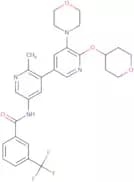
CAS:<p>WX-132-18b is a stilbene derivative that inhibits the growth of cancer cells. It binds to microtubules and induces the production of reactive oxygen species, which leads to an increase in mitochondrial membrane potential. This compound has been shown to have potent anti-tumor activity in vitro assays and inhibits the proliferation of mutant melanoma cells. The drug also has a cytotoxic effect on tumor vasculature and induces cancer cell apoptosis through inhibition of protein synthesis. WX-132-18b also increases microvessel density in tumors, which may be due to its ability to inhibit tumor angiogenesis.</p>Formula:C28H29F3N4O4Purity:Min. 95%Molecular weight:542.5 g/molSB 225002
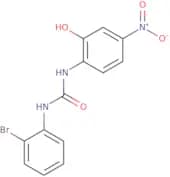
CAS:<p>SB 225002 is an integrin antagonist that inhibits the interaction between neutrophils and cancer cells, thereby preventing cellular transformation. This drug blocks the binding of growth factor-β1 to integrin receptors on the surface of tumor cells, leading to the inhibition of tumor growth and metastasis. SB225002 has been shown to inhibit tumor growth in mice models by blocking a receptor activity and inducing caspase-independent cell death. SB 225002 also inhibits the binding of toll-like receptors (TLRs) to ligands such as lipopolysaccharide (LPS), which leads to less production of inflammatory cytokines and chemokines. SB 225002 has been shown to be effective against a number of different types of cancer cells, including breast, prostate, pancreatic, colon, lung, liver, bladder, and leukemia cells.</p>Formula:C13H10BrN3O4Purity:Min. 95%Molecular weight:352.14 g/molPF 06747775
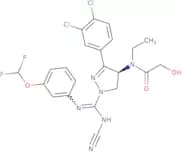
CAS:<p>PF 06747775 is a growth factor that binds to the epidermal growth factor receptor (EGFR) and toll-like receptor 4 (TLR4), thereby inhibiting their downstream signaling. PF 06747775 has been shown to be effective in treating cancer, inflammatory diseases, and other diseases characterized by uncontrolled cell proliferation. It also inhibits the activity of CDK4/6, which regulates the G0/G1 phase transition in cells. PF 06747775 is administered systemically as a microsphere formulation for oral delivery. The drug is currently in Phase II clinical trials for its potential use as a treatment for cancer and inflammatory diseases.</p>Formula:C18H22FN9O2Purity:Min. 95%Molecular weight:415.4 g/molBAY 598
CAS:<p>Inhibitor of SMYD2 methyltransferase</p>Formula:C22H20Cl2F2N6O3Purity:Min. 95%Molecular weight:525.34 g/mol(R)-Telaprevir
CAS:<p>Telaprevir is a small molecule that binds to the cytoplasmic domain of the human immunodeficiency virus type 1 (HIV-1) envelope protein, blocking its fusion with host cells. Telaprevir is also an inhibitor of hepatitis C virus (HCV) NS3 protease. The binding of telaprevir to HIV-1 and HCV is selective and reversible. This drug has been shown to be effective in inhibiting the replication of HIV-1 and HCV in vitro, as well as in clinical trials. Telaprevir binds to the active site of the protease, preventing cleavage of a polyprotein into three parts: p7, p2, and p6.<br>Telaprevir is an ion channel blocker that inhibits potassium channels. It can be used as a research tool for studying ligand-receptor interactions or protein interactions with peptides. Telaprevir is a high purity product with CAS No.</p>Formula:C36H53N7O6Purity:Min. 95%Molecular weight:679.8 g/molPropargyl caffeamide
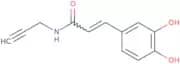
CAS:<p>Propargyl caffeamide is a reactive molecule that can be used for the diagnosis of viral infections. It reacts with factor receptor, which is a protein on the surface of cells that is involved in the immune system. The virus-receptor complex will cause a diagnostic reaction that can be detected by microscopy or flow cytometry. The morphology of Propargyl caffeamide, as well as its anti-cancer and anti-inflammatory properties, has been studied extensively. Propargyl caffeamide was found to inhibit tumor growth and metastasis in mice. This drug also inhibits pancreatic cancer cell proliferation and induces apoptosis in vitro.</p>Formula:C12H11NO3Purity:Min. 95%Molecular weight:217.22 g/molCHIR 99021 hydrochloride
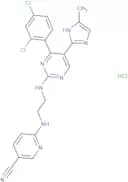
CAS:<p>Potent and selective inhibitor of the glycogen synthase kinase GSK-3. Promotes cell renewal in embryonic stem cells by modulating Notch, MAPK and TGF-β signalling pathways, which are involved in pluripotency. It also affects the Wnt/β-catenin pathway and alters expression of genes coding for proteins, epigenetic regulatory elements and non-coding RNAs. The combination of CHIR 99021 and basic fibroblast growth factor (bFGF) allows long-term self-renewal in adult mouse retinal progenitor cells.</p>Formula:C22H18Cl2N8·HClPurity:Min. 95%Molecular weight:501.8 g/molD-(+)-Sn-1-o-arachidonoyl-glyceryl-3-phosphate (arachidonoyl lpa)
CAS:<p>D-(+)-Sn-1-o-arachidonoyl-glyceryl-3-phosphate, also known as arachidonoyl LPA, is a bioactive lipid molecule that plays an important role in various biological processes. It contains an acyl group that is essential for its biological activity. Arachidonoyl LPA has been shown to regulate the cell cycle and promote cell proliferation in endothelial cells. It is found in plasma at low levels but can be elevated in certain metabolic diseases and cancer. Arachidonoyl LPA has an inhibitory effect on the growth of carcinoma cells and has been identified as an endogenous ligand for the lysophosphatidic acid receptor, which is involved in regulating cell proliferation and migration. As an inhibitor of this receptor, arachidonoyl LPA may have potential therapeutic applications for cancer treatment and other diseases related to abnormal cell growth. Its unique biological activity makes it a valuable tool for studying cellular signaling pathways</p>Formula:C23H42NO7PPurity:Min. 95%Molecular weight:475.6 g/mol(2R,3S)-3-((9-Isopropyl-6-((pyridin-3-ylmethyl)amino)-9H- purin-2-yl)amino)pentan-2-ol
CAS:<p>(2R,3S)-3-((9-Isopropyl-6-((pyridin-3-ylmethyl)amino)-9H-purin-2-yl)amino)pentan-2-ol is a small molecule that binds to an ion channel receptor. This ligand has been shown to inhibit the activation of these channels by certain neurotransmitters, leading to potential therapeutic applications in diseases such as epilepsy or chronic pain. (2R,3S)-3-((9-Isopropyl-6-(pyridin 3 ylmethyl)amino)-9H purin 2 yl)amino)pentan 2 ol also binds to the GABA receptor with high affinity and specificity. It is a potent inhibitor of chloride currents in neurons and can be used as a research tool for studying protein interactions and mechanisms of action.</p>Formula:C19H27N7OPurity:Min. 95%Molecular weight:369.5 g/mol(Z)-16-(Ethylcarbamoylamino)hexadec-11-enoic acid
CAS:<p>Please enquire for more information about (Z)-16-(Ethylcarbamoylamino)hexadec-11-enoic acid including the price, delivery time and more detailed product information at the technical inquiry form on this page</p>Formula:C19H36N2O3Purity:Min. 95%Molecular weight:340.5 g/molKo-3290
CAS:<p>Ko-3290 is an α/β-adrenergic receptor agonist that can be used as a bronchodilator in the treatment of asthma. Ko-3290 has been shown to decrease blood pressure and increase cardiac output in supine dogs. In addition, it has been shown to stimulate lipolysis and inhibit insulin release. This drug also has the potential to differentiate between species, which is important for the treatment of human patients. The effects of Ko-3290 on metabolic parameters (e.g., serum insulin, fatty acids) are not always consistent across different species, so it is important to monitor these levels when administering this drug to humans.</p>Formula:C19H25N3O3Purity:Min. 95%Molecular weight:343.4 g/molRat Pan T cell antibody (biotin)
<p>Rat pan T cell antibody (biotin) was raised in mouse using rat lymphocytes as the immunogen.</p>Purity:Min. 95%Flt3 Ligand protein
<p>Region of Flt Ligand protein corresponding to amino acids TQDCSFQHSP ISSDFAVKIR ELSDYLLQDY PVTVASNLQD EELCGGLWRL VLAQRWMERL KTVAGSKMQG LLERVNTEIH FVTKCAFQPP PSCLRFVQTN ISRLLQETSE QLVALKPWIT RQNFSRCLEL QCQPDSSTLP PPWSPRPLEA TAPTA.</p>Purity:Min. 95%Nocloprost
CAS:<p>Nocloprost is a synthetic analog of prostaglandin F2α. It is a specific agonist for the prostaglandin receptor, which is found in the epidermal growth factor, protein data, and hematopoietic cells. Nocloprost is taken up by these cells and causes an increase in cytosolic calcium levels. This leads to activation of pancreatic enzymes and hydrochloric acid production. The chemical name for nocloprost is 4-oxo-1-(2-propenyl)-5-(3-phenylpropyl)penta-1,4-dienoic acid methyl ester. The molecular formula is C14H22O3 with a molecular weight of 258.34 g/mol.</p>Formula:C22H37ClO4Purity:Min. 95%Molecular weight:401 g/molRac1 Inhibitor F56, control peptide
CAS:<p>The Rac1 inhibitor F56 is a research tool that can be used to study the activation, ligand binding, and receptor-mediated signaling of Rac1. It is a potent inhibitor that inhibits the activity of Rac1 in cells. The Rac1 Inhibitor F56 is a high purity, water soluble peptide with an average MW of 527 Da. It has been shown to inhibit ion channels and protein synthesis in cell cultures.</p>Formula:C72H116N18O23SPurity:Min. 95%Molecular weight:1,633.9 g/mold9-Triacetylnormorphine
CAS:Controlled Product<p>d9-Triacetylnormorphine is a potent activator of opioid receptors and an inhibitor of ion channels. It can be used as a research tool in the study of pharmacology, protein interactions, receptor peptides, ligand binding, and ion channel physiology. d9-Triacetylnormorphine binds to the mu opioid receptor with high affinity and acts as an antagonist at the kappa opioid receptor. This drug also inhibits voltage-gated potassium channels (VGPCs) by binding to their extracellular domain. d9-Triacetylnormorphine has been shown to inhibit VGPCs by stabilizing the open state of VGPCs.</p>Formula:C22H14D9NO6Purity:Min. 95%Molecular weight:406.48 g/mol(4E)-5-(4-Hydroxyphenyl)-2-[(2E)-3-(4-hydroxyphenyl)-1-oxo-2-propen-1-yl]-3-oxo-N-phenyl-4-pentenamide
CAS:<p>Please enquire for more information about (4E)-5-(4-Hydroxyphenyl)-2-[(2E)-3-(4-hydroxyphenyl)-1-oxo-2-propen-1-yl]-3-oxo-N-phenyl-4-pentenamide including the price, delivery time and more detailed product information at the technical inquiry form on this page</p>Formula:C26H21NO5Purity:Min. 95%Molecular weight:427.4 g/molGalactosyl cholesterol
CAS:<p>Galactosyl cholesterol is a synthetic compound with anticancer and anti-inflammatory properties. Galactosyl cholesterol has been shown to inhibit lipoprotein lipase (LPL), which is an enzyme that hydrolyzes triglycerides into glycerol and fatty acids. This inhibition prevents the hydrolysis of cholesterol esters, leading to the accumulation of glycoconjugates in tissues. Galactosyl cholesterol also inhibits cancer cells by interfering with the uptake of glucose and glycogen, inhibiting glycolysis, and disrupting protein synthesis.</p>Formula:C33H56O6Purity:Min. 95%Molecular weight:548.79 g/molSimfibrate
CAS:<p>Simfibrate is a peptide that is an inhibitor of protein interactions. It has been shown to inhibit the binding of proteins to their receptors, and may be used as a research tool in the study of receptor-ligand interactions. Simfibrate also activates some receptors by binding to them.</p>Formula:C23H26Cl2O6Purity:Min. 95%Molecular weight:469.4 g/molGHRP-6
CAS:<p>Custom research peptide; min purity 95%. For different specs please use the Peptide Quote Tool</p>Formula:C46H56N12O6Molecular weight:873.01 g/mol(2S)-N-[(4-Carbamimidoylphenyl)methyl]-1-(3-cyclopentylpropanoyl)pyrrolidine-2-carboxamide
CAS:<p>(2S)-N-[(4-Carbamimidoylphenyl)methyl]-1-(3-cyclopentylpropanoyl)pyrrolidine-2-carboxamide is a research tool that inhibits ion channels. It is an inhibitor of ligand-gated ion channels and voltage-gated ion channels. This compound binds to a receptor site in the channel and prevents ions from passing through the channel. It has been shown to inhibit ligand-gated ion channels such as nicotinic acetylcholine receptors, serotonin receptors, and GABA receptors. (2S)-N-[(4-Carbamimidoylphenyl)methyl]-1-(3-cyclopentylpropanoyl)pyrrolidine-2-carboxamide also inhibits voltage gated ion channels such as calcium, sodium, potassium, and chloride channels. This compound can be used in pharmacology studies to explore the structure of ligand</p>Purity:Min. 95%Linatine
CAS:<p>Linatine is a peptide with molecular weight of 699 Da. It inhibits the activation of protein kinase C and protein tyrosine phosphatase. Linatine can also activate protein kinase A, but not as much as for protein kinase C. This is due to its high affinity for the substrate site on protein kinase A. Linatine has been shown to be a good research tool for studying ion channels and receptors in cell biology studies.</p>Formula:C10H17N3O5Purity:Min. 95%Molecular weight:259.26 g/molMYPT1 antibody
<p>The MYPT1 antibody is a highly specific monoclonal antibody that targets the phosphatase, oncogene homolog protein. It plays a crucial role in various cellular processes, including cell growth and differentiation. This antibody recognizes the tetramerization domain of MYPT1 and has been shown to be effective in detecting MYPT1 expression in cutaneous systemic sclerosis.</p>α 1 Microglobulin protein
<p>Alpha 1 Microglobulin protein is a native protein found in human serum. It can be used as an electrode to detect the presence of steroids, adeno-associated virus, and other proteins and antigens. This protein can also serve as a target molecule for the development of inhibitors or monoclonal antibodies. Studies have shown that alpha 1 Microglobulin protein interacts with β-catenin and plays a role in cell signaling pathways. Additionally, it has been identified as an oncogene homolog and may be involved in various processes related to cancer development. Researchers in the field of life sciences can utilize this protein for further studies and experiments.</p>Purity:Min. 95%FABP3 protein (His tag)
<p>1-133 amino acids: MRGSHHHHHH GMASMTGGQQ MGRDLYDDDD KDRWGSHMVD AFLGTWKLVD SKNFDDYMKS LGVGFATRQV ASMTKPTTII EKNGDILTLK THSTFKNTEI SFKLGVEFDE TTADDRKVKS IVTLDGGKLV HLQKWDGQET TLVRELIDGK LILTLTHGTA VCTRTYEKEA</p>Purity:Min. 95%BRS3 antibody
<p>BRS3 antibody was raised in rabbit using a synthetic peptide conjugated to KLH as the immunogen.</p>Purity:Min. 95%MIA2 antibody
<p>MIA2 antibody was raised in rabbit using human highly pure recombinant human MIA-2 as the immunogen.</p>Purity:Min. 95%



































![(4E)-5-(4-Hydroxyphenyl)-2-[(2E)-3-(4-hydroxyphenyl)-1-oxo-2-propen-1-yl]-3-oxo-N-phenyl-4-pentena…](/_next/image/?url=https%3A%2Fstatic.cymitquimica.com%2Fproducts%2F3D%2Fthumb-webp%2FFAC63943.webp&w=3840&q=75)

![(2S)-N-[(4-Carbamimidoylphenyl)methyl]-1-(3-cyclopentylpropanoyl)pyrrolidine-2-carboxamide](/_next/image/?url=https%3A%2Fstatic.cymitquimica.com%2Fproducts%2F3D%2Fthumb-webp%2FBC178189.webp&w=3840&q=75)