Biochemicals and Reagents
Biochemicals and reagents are fundamental substances for research and development in fields such as biotechnology, molecular biology, pharmacology, and medicine. These products are essential for a variety of applications, including compound synthesis, biological sample analysis, metabolic process research, and drug production. At CymitQuimica, we offer a wide selection of high-quality, high-purity biochemicals and reagents suitable for various scientific and industrial needs. Our catalog includes enzymes, antibodies, nucleic acids, amino acids, and many other products, all designed to support researchers and professionals in their research and development projects, ensuring reliable and reproducible results.
Subcategories of "Biochemicals and Reagents"
- Biomolecules(99,130 products)
- By Biological Target(99,159 products)
- By Pharmacological Effects(6,787 products)
- Cryopreservatives(21 products)
- Desinfectants and Related Compounds(28 products)
- Hormones(346 products)
- Plant Biology(6,747 products)
- Secondary Metabolites(14,222 products)
Found 130579 products of "Biochemicals and Reagents"
Sort by
Purity (%)
0
100
|
0
|
50
|
90
|
95
|
100
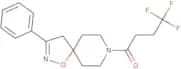
SMARt-420
CAS:<p>SMARt-420 is an experimental molecule that has been shown to have antimycobacterial activity against Mycobacterium tuberculosis. SMARt-420 is a non-natural chemical compound with a mycolic acid moiety, which can be synthesized from pentadecyl acetic acid. The synthesis of SMARt-420 has been achieved in a way that circumvents the biosynthetic pathway of mycolic acids and therefore does not require modification of the mycobacterial cell. SMARt-420 was found to have a high affinity for the M. tuberculosis cell membrane, inhibiting the growth and survival of this bacterium by affecting its lipid composition and membrane integrity. In addition, SMARt-420 inhibits cell wall biosynthesis by binding to the enzyme enoylpyruvyl transferase (Ept) in an irreversible fashion, blocking acetylation reactions that are essential for crosslinking of mycolic acids with glycer</p>Formula:C17H19F3N2O2Purity:Min. 95%Molecular weight:340.34 g/mol4-(1H-Benzo[D]imidazol-1-yl)-N-(4-(2-oxo-1,2,3,4-tetrahydroquinolin-6-yl)thiazol-2-yl)benzamide
CAS:Controlled Product<p>4-(1H-Benzo[D]imidazol-1-yl)-N-(4-(2-oxo-1,2,3,4-tetrahydroquinolin-6-yl)thiazol-2-yl)benzamide (AQBT) is a potent and selective inhibitor of ion channels. AQBT has a high affinity for Na+ currents in the CNS and peripheral nervous system of rats. It is a potent blocker of α7 nicotinic acetylcholine receptors. This compound also inhibits the activity of the neuronal γ amino butyric acid type A receptor (GABAAR).</p>Formula:C26H19N5O2SPurity:Min. 95%Molecular weight:465.5 g/molPSB 11 hydrochloride
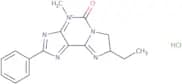
CAS:<p>PSB 11 hydrochloride is a receptor antagonist that inhibits the adenosine A3 receptor. It is used as a therapeutic agent for atherosclerosis and other cardiovascular diseases. PSB 11 hydrochloride has been shown to inhibit the progression of atherosclerosis in animal models and to reduce the incidence of myocardial infarction in patients with coronary artery disease. PSB 11 hydrochloride binds to the A3 receptor and blocks adenosine binding, inhibiting its vasodilatory effects. This drug also prevents platelet aggregation, which may be beneficial in preventing thrombus formation.</p>Formula:C16H18ClN5OPurity:Min. 95%Molecular weight:331.8 g/molRolofylline metabolite M1-cis
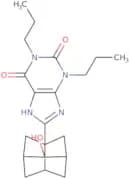
CAS:<p>Rolofylline metabolite M1-cis is a peptide that acts as an activator of ion channels. It is used in research to study the interactions between proteins and receptors. Rolofylline metabolite M1-cis has been shown to inhibit the interaction between the receptor for epidermal growth factor (EGF) and its ligand, EGF. This inhibition leads to reduced cell proliferation and decreased cell migration in cultured cells. Rolofylline metabolite M1-cis binds to the receptor for EGF, preventing it from binding with its ligand, which inhibits cell proliferation.</p>Formula:C20H28N4O3Purity:Min. 95%Molecular weight:372.5 g/molPD 173955-Analog1
CAS:<p>PD 173955-Analog1 is a synthetic small molecule inhibitor, which is derived from a class of tyrosine kinase inhibitors commonly used in biochemical research. It functions by targeting the ATP-binding site of tyrosine kinases, leading to the inhibition of kinase activity. This interruption of signaling pathways is crucial for understanding the biological processes involved in cell proliferation and oncogenesis.</p>Formula:C21H14Cl2N4O3Purity:Min. 95%Color and Shape:PowderMolecular weight:441.27 g/molBtk inhibitor 2
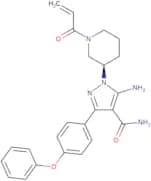
CAS:<p>Btk inhibitor 2 is a protein kinase inhibitor that was developed to target the B-cell lymphoma tumor necrosis factor receptor. It binds to the ATP binding site of Btk and prevents activation of the kinase. This drug has been shown to be effective in treating cancer by inhibiting cancer-related genes and promoting apoptosis in cancer cells. The drug has also been shown to have an effect on skeletal muscle, with a dose-dependent response for increasing muscle mass and decreasing fat content.</p>Formula:C24H25N5O3Purity:Min. 95%Molecular weight:431.49 g/molJNJ-42153605
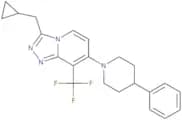
CAS:<p>JNJ-42153605 is a novel allosteric modulator of the NMDA receptor. It is an agonist at the MGLUR2 receptor and has been shown to have a long-term treatment effect in animal models. JNJ-42153605 has also been shown to be effective in clinical trials for the treatment of patients with major depressive disorder and schizophrenia. The onset latency of this drug is less than one hour and its effects last up to 24 hours. This drug binds to glutamate receptors, which are ionotropic receptors that mediate fast synaptic transmission. JNJ-42153605 acts as an allosteric modulator by binding to a site that is different from the agonist binding site, but near it. The binding of JNJ-42153605 at this site increases the affinity of glutamate for its receptor, leading to increased uptake and activation of ion channels. This leads to excitatory postsynaptic potentials (EPSPs) and</p>Formula:C22H23F3N4Purity:Min. 95%Molecular weight:400.44 g/molBenazepril
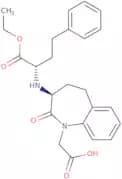
CAS:<p>Benazepril is a drug that is used to treat hypertension and congestive heart failure. It is also used in the treatment of renal disease, diabetic nephropathy, and post-myocardial infarction syndrome. Benazepril inhibits angiotensin I-converting enzyme (ACE), an enzyme involved in the conversion of angiotensin I to angiotensin II. This leads to decreased activity of the renin-angiotensin system, which results in reduced blood pressure and vasodilation. Benazepril has been shown to have beneficial effects on cardiac remodelling and fibrosis due to its ability to inhibit injury caused by growth factor-β1. The low dose group had better outcomes than the high dose group with respect to cardiac effects, such as papillary muscle thickening and tubulointerstitial injury. These effects were reversed following discontinuation of benazepril therapy.</p>Formula:C24H28N2O5Purity:Min. 95%Molecular weight:424.49 g/molI-Cbp 112 hydrochloride
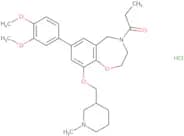
CAS:<p>I-Cbp 112 hydrochloride is a small molecule inhibitor that is synthetically derived. Its primary mode of action involves the selective inhibition of bromodomain-containing proteins, specifically targeting interactions between bromodomains and acetylated lysine residues on histone tails. This results in modulation of transcriptional regulation by interfering with the reader functions of bromodomains, thereby impacting chromatin remodeling and gene expression pathways.</p>Formula:C27H37ClN2O5Purity:Min. 95%Molecular weight:505 g/molKDM5A-IN-1
CAS:<p>KDM5A-IN-1 is a switchable organic solvent that is resistant to an electron microscope. It has been shown to be a stator, diode, and switchable conditioning agent. KDM5A-IN-1 has been shown to have a role in the oxytocin receptor and is used as a conditioning agent for particles in sectioning. A phylogenetic tree of KDM5A-IN-1 shows it belongs to the secoisolariciresinol class of compounds. KDM5A-IN-1 has also been shown to be constant with silicon and secoisolariciresinol.</p>Formula:C15H22N4O2Purity:Min. 95%Molecular weight:290.36 g/mol14:0-12:0 NBD pa
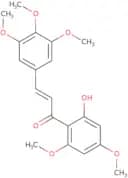
CAS:<p>14:0-12:0 NBD PA is a fluorescent phospholipid analog, which is a synthetic lipid derived from phosphatidic acid. It features a nitrobenzoxadiazole (NBD) moiety covalently attached to the acyl chain, making it a powerful tool to study biomembrane properties and lipid-protein interactions. The mode of action involves its ability to integrate into lipid bilayers, where the NBD group provides a fluorescent signal when illuminated with specific wavelengths. This enables visualization and tracking of lipid dynamics in real-time.</p>Formula:C35H62N5O11PPurity:Min. 95%Molecular weight:759.87 g/mol1-(2-Hydroxy-4,6-dimethoxyphenyl)-3-(3,4,5-trimethoxyphenyl)-2-propen-1-one
CAS:<p>1-(2-Hydroxy-4,6-dimethoxyphenyl)-3-(3,4,5-trimethoxyphenyl)-2-propen-1-one is a peptide that is used as a research tool in cell biology and pharmacology. It can be used to inhibit the activity of ion channels and receptors. This product has high purity and is an activator of ligand binding.</p>Formula:C20H22O7Purity:Min. 95%Molecular weight:374.38 g/molEsomeprazole magnesium hydrate
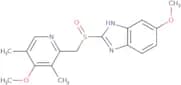
CAS:<p>Esomeprazole magnesium hydrate is a proton pump inhibitor that inhibits the secretion of acid by the stomach. It is used for the treatment of gastroesophageal reflux disease and peptic ulcers. Esomeprazole magnesium hydrate belongs to a group of drugs called nonsteroidal anti-inflammatory drugs (NSAIDs). NSAIDs inhibit prostaglandin synthesis, which is required for pain and inflammation. The effects of this drug are dose-dependent. Esomeprazole magnesium hydrate has been shown to be toxic in animal studies, with effects on stomach, liver, kidneys, heart, lungs, and spleen. This drug has also been shown to interact with other medications such as omeprazole sodium and omeprazole.</p>Formula:C17H19N3O3SPurity:Min. 95%Molecular weight:345.4 g/molRuncaciguat
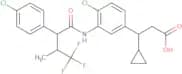
CAS:<p>Runcaciguat is a compound that inhibits the mineralocorticoid receptor. Runcaciguat has been shown to improve symptoms of chronic kidney disease and reduces the incidence of cancer in patients with chronic kidney disease. This drug also inhibits the activity of serine proteases, which are enzymes that break down proteins. Runcaciguat has been shown to inhibit soluble guanylate cyclase, which is an enzyme that converts GTP into cGMP, causing a decrease in cGMP levels and subsequent relaxation of blood vessels. This can help increase renal blood flow in patients with metabolic disorders or endometriosis. Clinical studies have indicated that runcaciguat may be effective in treating cardiac diseases such as hypertension and congestive heart failure (CHF).</p>Formula:C23H22Cl2F3NO3Purity:Min. 95%Molecular weight:488.3 g/molITIC
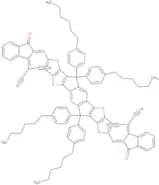
CAS:<p>ITIC is a low energy dye with a wide absorption band in the visible region. ITIC has been used to detect fatty acids and cholesterol, as well as other molecules like human serum albumin, hemoglobin, and proteins. The molecule can be detected using laser ablation-inductively coupled plasma-mass spectrometry (LA-ICPMS) and x-ray absorption spectroscopy (XAS). The detection sensitivity of ITIC is much higher than that of other dyes. The chemical stability of ITIC has been shown by its photostability, which means it does not degrade when exposed to light. ITIC can be used for many applications such as for detecting fatty acids in milk or for determining the concentration of cholesterol in blood samples.</p>Formula:C94H82N4O2S4Purity:Min. 95%Molecular weight:1,427.94 g/molBr-PBTC
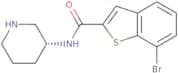
CAS:<p>Br-PBTC is a potentiator of the effects of estradiol. It has been shown to have allosteric modulating activity on α subunit nicotinic acetylcholine receptors, which are involved in the pharmacological effect of Br-PBTC. The sequence analysis of the receptor revealed that Br-PBTC interacts with 17β-estradiol and enhances its binding affinity to the receptor. This interaction may be due to an increase in the number of estradiol molecules bound to the receptor, or by increased conformational changes induced by Br-PBTC at the receptor site.</p>Formula:C14H15BrN2OSPurity:Min. 95%Molecular weight:339.25 g/molYM 750
CAS:<p>YM 750 is an anti-atherogenic drug that inhibits the formation of atherogenic low density lipoproteins (LDL) by inhibiting cholesterol acyltransferase. It also has inhibitory effects on thp-1 cells, which are human monocytic leukemia cells. YM 750 reduces the expression of a number of proteins in these cells, including apoptotic proteins and proteins involved in cellular differentiation. YM 750 is being investigated as a potential therapy for metabolic disorders and may be useful in the treatment of diabetes mellitus type 2.</p>Formula:C31H36N2OPurity:Min. 95%Molecular weight:452.63 g/molPDP-EA
CAS:<p>PDP-EA is a research tool that belongs to the class of activators. It is an agonist for the EP2 and EP4 receptors, and an antagonist for the EP1 receptor. PDP-EA has been shown to activate Ca2+ channels in rat sensory neurons, leading to increased neuronal excitability. PDP-EA also inhibits protein interactions with Ligands, Receptors and Cell Biology. This chemical was originally designed as a potential therapeutic agent for the treatment of hypertension.</p>Formula:C25H43NO3Purity:Min. 95%Molecular weight:405.61 g/molEC 1167
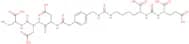
CAS:<p>EC 1167 is a diagnostic agent that can be used to identify prostate cancer cells. It is a conjugate of an antibody fragment and a toxic metal, which binds to the prostate-specific membrane antigen (PSMA). EC 1167 has been shown to be successful in the detection of PSMA in human serum samples, as well as in cell cultures of prostate cancer cells. The physicochemical properties of EC 1167 are quantified by measuring its fluorescence intensity and lifetime. It has been found that EC 1167 binds specifically to PSMA with high affinity and low non-specific binding.</p>Formula:C33H45N7O17SPurity:Min. 95%Molecular weight:843.8 g/molp38 MAP Kinase Inhibitor VI, JX401
CAS:<p>**p38 MAP Kinase Inhibitor VI, JX401** is a potent and selective small molecule inhibitor, which is synthesized through precise chemical processes involving advanced organic synthesis techniques. Featuring a high specificity for p38 MAP kinase, this inhibitor works by blocking the ATP-binding site of the kinase, thereby obstructing its catalytic activity. This inhibition impedes the downstream signaling pathways that are crucial for inflammatory responses, cell differentiation, and apoptosis, making it an invaluable tool in research contexts.</p>Formula:C21H25NO2SPurity:Min. 95%Molecular weight:355.49 g/molSirt-IN-2
CAS:<p>Pan SIRT1/ 2/3 inhibitor</p>Formula:C15H21N5O3S2Purity:Min. 95%Molecular weight:383.49 g/molPF 5006739
CAS:<p>PF 5006739 is a synthetic casein kinase 1 (CK1) inhibitor. It has been shown to inhibit the activity of CK1 in vitro and in vivo, which may be important for the treatment of cancers with mutations in CK1. PF 5006739 also has potential as a therapeutic for animal models of metabolic disorders and neurodegenerative diseases. It inhibits the activity of p38 MAP kinases, which are involved in inflammatory responses and cancer development. PF 5006739 is a potent inhibitor of adipose tissue casein kinase 1 (AT-CK1), which prevents the activation of lipolysis proteins such as hormone-sensitive lipase (HSL).</p>Formula:C22H22FN7OPurity:Min. 95%Molecular weight:419.46 g/molPffbt4T-2od
CAS:<p>Pffbt4T-2od is a low-energy compound that exhibits patterning, transport properties, and efficiencies. Pffbt4T-2od has been shown to be a model system for the study of organic molecules with alternating electron donor and acceptor groups. Functional groups on the molecule can be activated by an electrochemical reaction, which leads to the formation of morphologies. The molecule also has high values in the hydrocarbon solvent, which are associated with its ability to dissolve other substances.</p>Formula:(C62H88F2N2S5)nPurity:Min. 95%CK-548
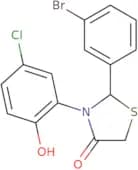
CAS:<p>CK-548 is a monoclonal antibody that binds to the surface glycoprotein and inhibits the binding of human pathogens to cells. The irreversible inhibition of this process prevents the virus from entering into the cell, thus inhibiting replication. CK-548 has been shown to be effective against hiv infection by preventing HIV from attaching to a chemokine receptor on the surface of CD4+ T cells. CK-548 has also been shown to inhibit viral transmission in vitro and in vivo.</p>Formula:C15H11BrClNO2SPurity:Min. 95%Molecular weight:384.68 g/mol2,2-Iminobispropanenitrile
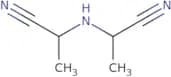
CAS:<p>Please enquire for more information about 2,2-Iminobispropanenitrile including the price, delivery time and more detailed product information at the technical inquiry form on this page</p>Formula:C6H9N3Purity:Min. 95%Molecular weight:123.16 g/molLP117
CAS:<p>LP117 is a drug transporter that is located in the mitochondrial membrane and regulates the mitochondrial membrane potential. It is also a postsynaptic potential that interacts with synaptic transmission in the central nervous system. LP117 has been shown to be effective against cancer, as it inhibits cancer cell viability. This drug also inhibits reflexes, which are responses to stimuli that are initiated by sensory receptors in the body and transmitted along nerve pathways to the brain or spinal cord. The treatment of abdominal cancers with LP117 may be due to its interaction with ganglia, which are clusters of neurons situated outside the brain and spinal cord.</p>Formula:C21H23ClN4O2SPurity:Min. 95%Molecular weight:430.95 g/mol5-Amino-N-tert-butyl-4-(3-methoxyphenyl)-2-(methylthio)-6-thieno[2,3-d]pyrimidinecarboxamide
CAS:<p>5-Amino-N-tert-butyl-4-(3-methoxyphenyl)-2-(methylthio)-6-thieno[2,3-d]pyrimidinecarboxamide (MTBPC) is a hydrogen bond activator. It activates the human chorionic gonadotropin (hCG) receptor and other hormone receptors. MTBPC has been shown to have allosteric binding properties and can modulate the activity of certain enzymes. MTBPC has been shown to have an activating effect on recombinant proteins and is used for biochemical analysis as a model molecule. This molecule can also be used for modelling purposes as well as in the study of extracellular activation mechanisms. MTBPC has been shown to have pleiotropic effects on biochemical processes that are associated with hormone receptors and their activity.</p>Formula:C19H22N4O2S2Purity:Min. 95%Molecular weight:402.5 g/molEbastine-d5
CAS:<p>Ebastine-d5 is a selective inhibitor of the histamine H1 receptor. It binds to the ligand binding site of the H1 receptor and blocks the activity of this receptor. This drug has been shown to be an effective treatment for allergic rhinitis, chronic urticaria, and other allergic conditions. Ebastine-d5 is used in research as a tool to study protein interactions and receptor function.</p>Formula:C32H34D5NO2Purity:Min. 95%Molecular weight:474.69 g/molGastric mucin
CAS:<p>Mucin is majorly composed of carbohydrate units, the monomer of mucin being about 640 kDa.</p>Purity:Min. 95%Molecular weight:1,000 g/molAlkyne-agarose
<p>Alkyne-Agarose targets azide-modified proteins with an activation level of 10-20 umol alkyne groups per mL resin. <br>Alkyne-Agarose is a 6% crosslinked agarose resin that is activated with terminal alkyne functional groups for covalent capturing azide-tagged biomolecules. This product is adequate to work in batch or column purification (low pressure).</p>Color and Shape:PowderCBX6 Blocking Peptide
<p>A synthetic peptide for use as a blocking control in assays to test for specificity of CBX6 antibody, catalog no. 20R-1213</p>Purity:Min. 95%SURF1 protein (His tag)
<p>80-273 amino acids: MGSSHHHHHH SSGLVPRGSH MQVQRRKWKL NLIAELESRV LAEPVPLPAD PMELKNLEYR PVKVRGCFDH SKELYMMPRT MVDPVREARE GGLISSSTQS GAYVVTPFHC TDLGVTILVN RGFVPRKKVN PETRQKGQIE GEVDLIGMVR LTETRQPFVP ENNPERNHWH YRDLEAMARI TGAEPIFIDA NFQSTVPGGP IGGQTRVTLR NEHLQ</p>Purity:Min. 95%TYRO3 antibody
<p>The TYRO3 antibody is a powerful tool in the field of Life Sciences. This monoclonal antibody has been developed to specifically target and neutralize the TYRO3 protein, which plays a crucial role in various cellular processes. By binding to TYRO3, this antibody effectively inhibits its function and can be used for a wide range of applications.</p>HRG Blocking Peptide
<p>A synthetic peptide for use as a blocking control in assays to test for specificity of HRG antibody, catalog no. 70R-5345</p>Purity:Min. 95%Tropomyosin 3 Blocking Peptide
<p>A synthetic peptide for use as a blocking control in assays to test for specificity of TPM3 antibody, catalog no. 70R-4890</p>Purity:Min. 95%SOCS3 antibody
<p>The SOCS3 antibody is a highly specialized monoclonal antibody that targets the suppressor of cytokine signaling 3 (SOCS3) protein. This antibody has been extensively studied and has shown great potential in various research applications.</p>Cortactin antibody
<p>The Cortactin antibody is a powerful tool for researchers studying various cellular processes. It specifically targets Cortactin, a protein that plays a crucial role in cell growth and migration. This antibody can be used to investigate the effects of growth factors and tumor necrosis factor-alpha (TNF-α) on Cortactin localization and activity.</p>AmpliStain anti Mouse/Rabbit 1 Step (HRP)
<p>Mouse/Rabbit antigen staining reagent for use in IHC</p>Purity:Min. 95%DDAH1 antibody
<p>DDAH1 antibody was raised using the middle region of DDAH1 corresponding to a region with amino acids ALEKLQLNIVEMKDENATLDGGDVLFTGREFFVGLSKRTNQRGAEILADT</p>Purity:Min. 95%CYP8B1 Blocking Peptide
<p>A synthetic peptide for use as a blocking control in assays to test for specificity of CYP8B1 antibody, catalog no. 70R-9994</p>Purity:Min. 95%MSI2 antibody
<p>MSI2 antibody was raised using a synthetic peptide corresponding to a region with amino acids YTMDAFMLGMGMLGYPNFVATYGRGYPGFAPSYGYQFPDYLPVSQDIIFI</p>Donkey anti Mouse IgG (H + L) (biotin)
<p>This antibody reacts with heavy (gamma) chains on mouse IgG and light chains on all mouse immunoglobulins.</p>Purity:Min. 95%SEC63 antibody
<p>SEC63 antibody was raised using a synthetic peptide corresponding to a region with amino acids WWLYIADRKEQTLISMPYHVCTLKDTEEVELKFPAPGKPGNYQYTVFLRS</p>Deoxyribonuclease I antibody
<p>Deoxyribonuclease I antibody was raised in rabbit using bovine pancreatic deoxyribonuclease I as the immunogen.</p>Purity:Min. 95%FGF2 antibody
<p>FGF2 antibody was raised using a synthetic peptide corresponding to a region with amino acids RLESNNYNTYRSRKYTSWYVALKRTGQYKLGSKTGPGQKAILFLPMSAKS</p>Chk2 antibody
<p>The Chk2 antibody is a highly specific antibody that is used in Life Sciences research to detect and study the Chk2 protein. This protein plays a crucial role in cell cycle regulation and DNA damage response. The Chk2 antibody is generated using high-quality monoclonal or polyclonal antibodies, ensuring accurate and reliable results.</p>CD103 antibody (Azide Free)
<p>CD103 antibody was raised in hamster using murine CD103 as the immunogen.</p>Retinoblastoma antibody
<p>The Retinoblastoma antibody is a highly specialized antibody used in the field of Life Sciences. It belongs to the group of Polyclonal Antibodies and is also available as a monoclonal antibody. This antibody specifically targets and binds to the Retinoblastoma protein, which plays a crucial role in regulating cell division and preventing tumor formation.</p>Goat anti Bovine IgG (H + L)
<p>Goat anti-Bovine IgG (H + L) was raised in goat using purified Bovine IgG (H&L) as the immunogen.</p>Purity:Min. 95%EIF4A3 Blocking Peptide
<p>A synthetic peptide for use as a blocking control in assays to test for specificity of EIF4A3 antibody, catalog no. 70R-8178</p>Purity:Min. 95%Mouse anti Rabbit IgG
<p>Mouse anti Rabbit IgG is a growth factor that plays a crucial role in various biological processes. It is an antibody that specifically targets and binds to Rabbit IgG, inhibiting its activity. This monoclonal antibody has been extensively studied and proven to be highly effective in research applications.</p>Purity:Min. 95%TNFRSF1B protein
<p>TNFRSF1B protein is a medication that contains excipients and is classified as a monoclonal antibody. It is used in the treatment of various conditions, including influenza hemagglutinin, neutralizing monoclonal antibodies, erythropoietin, peptide agents, carbon quantum, oligodeoxynucleotides, Proteins and Antigens. TNFRSF1B protein works by targeting specific proteins and antigens in the body to provide therapeutic effects. It has been shown to have an impact on various biological processes, such as TGF-beta signaling, collagen synthesis, angiotensin-converting enzyme regulation, and adipose tissue metabolism. With its unique mechanism of action and wide range of applications, TNFRSF1B protein offers promising therapeutic potential for patients with different medical conditions.</p>Purity:Min. 95%Streptavidin Poly-HRP20 Conjugate
<p>Streptavidin Poly-HRP20 Conjugate (diluted to 10 µg/mL in stabilizer 85R-1028).</p>Purity:Min. 95%CLPB antibody
<p>CLPB antibody was raised using a synthetic peptide corresponding to a region with amino acids ELIQLVNKELNFWAKRAKQRHNITLLWDREVADVLVDGYNVHYGARSIKH</p>Donkey anti Goat IgG (H + L) (Texas Red)
<p>Donkey anti-goat IgG (H + L) was raised in donkey using goat IgG whole molecule as the immunogen.</p>Purity:Min. 95%ApoBEC4 antibody
<p>ApoBEC4 antibody was raised using a synthetic peptide corresponding to a region with amino acids VRHLNMPQMSFQETKDLGRLPTGRSVEIVEITEQFASSKEADEKKKKKGK</p>CD20 antibody
<p>The 6-Fluoro-3-indoxyl-beta-D-galactopyranoside is a powerful antituberculosis drug belonging to the class of rifamycins. It is highly effective in treating tuberculosis infections. This active compound exhibits bactericidal activity by inhibiting bacterial growth through its binding to DNA-dependent RNA polymerase, preventing transcription and replication. Its efficacy has been demonstrated through extensive research using the patch-clamp technique on human erythrocytes. The drug undergoes various metabolic transformations, including hydrolysis by esterases or glucuronidases, oxidation by cytochrome P450 enzymes, reduction by glutathione reductase, or conjugation with glucuronic acid. Additionally, it specifically targets markers expressed at high levels in Mycobacterium tuberculosis strains, inhibiting their cell growth in culture.</p>KSHV ORF62 antibody
<p>KSHV ORF62 antibody was raised in Mouse using a purified recombinant fragment of human KSHV ORF62 expressed in E. coli as the immunogen.</p>DNMT3B antibody
<p>The DNMT3B antibody is a polyclonal antibody that specifically targets the DNMT3B protein. This protein is involved in DNA methylation, a process that plays a crucial role in gene expression and regulation. The DNMT3B antibody can be used in various life science applications, including immunohistochemistry, western blotting, and flow cytometry.</p>CDK1 antibody
<p>The CDK1 antibody is a monoclonal antibody used in Life Sciences research. It specifically targets and binds to the cyclin-dependent kinase 1 (CDK1) protein, which plays a crucial role in cell cycle regulation. This antibody is widely used in studies investigating the effects of CDK1 on various cellular processes.</p>PGDS antibody
<p>PGDS antibody was raised using the N terminal of PGDS corresponding to a region with amino acids EQADWPEIKSTLPFGKIPILEVDGLTLHQSLAIARYLTKNTDLAGNTEME</p>GABARAP Blocking Peptide
<p>A synthetic peptide for use as a blocking control in assays to test for specificity of GABARAP antibody, catalog no. 70R-9625</p>Purity:Min. 95%bRAF antibody
<p>The bRAF antibody is a highly reactive and immobilizing antibody that is used in Life Sciences research. It is capable of neutralizing the binding proteins associated with bRAF, an important protein involved in cell signaling pathways. This antibody can be used for various applications, including Western blotting, immunoprecipitation, and immunofluorescence. The bRAF antibody has been shown to be effective in detecting the presence of bRAF in human serum samples and mesenchymal stem cells. It is available as both polyclonal and monoclonal antibodies, allowing researchers to choose the best option for their specific needs. With its high specificity and affinity, the bRAF antibody provides accurate and reliable results for a wide range of experiments.</p>AFP antibody
<p>The AFP antibody is a highly sensitive diagnostic reagent used in the field of Life Sciences. This monoclonal antibody is specifically designed to detect and bind to alpha-fetoprotein (AFP), a biomarker often associated with various diseases and conditions. The ultrasensitive detection capabilities of this antibody make it an invaluable tool for researchers and clinicians alike.</p>PGK1 antibody
<p>PGK1 antibody was raised using the N terminal of PGK1 corresponding to a region with amino acids PEVEKACANPAAGSVILLENLRFHVEEEGKGKDASGNKVKAEPAKIEAFR</p>FEZF1 antibody
<p>FEZF1 antibody was raised in rabbit using the C terminal of FEZF1 as the immunogen</p>Purity:Min. 95%TBC1D14 Blocking Peptide
<p>A synthetic peptide for use as a blocking control in assays to test for specificity of TBC1D14 antibody, catalog no. 70R-4318</p>Purity:Min. 95%β Tubulin antibody
<p>Beta Tubulin antibody was raised using the N terminal of TUBB corresponding to a region with amino acids YHGDSDLQLDRISVYYNEATGGKYVPRAILVDLEPGTMDSVRSGPFGQIF</p>Purity:Min. 95%C1ORF190 antibody
<p>C1ORF190 antibody was raised using the middle region of C1Orf190 corresponding to a region with amino acids SIGSFLDTVAPSELDEQGPPGAPRSEMDWAKVIAGGERARTEVDVAATRL</p>FSH antibody
<p>FSH antibody was raised in mouse using high purity intact FSH from human pituitary gland as the immunogen.</p>HS2ST1 antibody
<p>HS2ST1 antibody was raised using the N terminal of HS2ST1 corresponding to a region with amino acids GLLRIMMPPKLQLLAVVAFAVAMLFLENQIQKLEESRSKLERAIARHEVR</p>Purity:Min. 95%Rabbit anti Goat IgG (H + L) (Agarose Conjugated)
<p>Rabbit anti goat IgG (H + L) (agarose conjugated) was raised in rabbit using goat IgG whole molecule as the immunogen.</p>Purity:Min. 95%EIF4E antibody
<p>The EIF4E antibody is a growth factor that plays a crucial role in cellular processes related to telomerase and protein synthesis. This antibody, widely used in Life Sciences research, specifically targets EIF4E dimers in order to inhibit its activity. By blocking the function of EIF4E, this antibody prevents the translation initiation process necessary for protein synthesis.</p>NSUN6 antibody
<p>NSUN6 antibody was raised using the N terminal of NSUN6 corresponding to a region with amino acids SIFPKISLRPEVENYLKEGFMNKEIVTALGKQEAERKFETLLKHLSHPPS</p>WWP1 Blocking Peptide
<p>A synthetic peptide for use as a blocking control in assays to test for specificity of WWP1 antibody, catalog no. 70R-5902</p>Purity:Min. 95%PSME2 antibody
<p>PSME2 antibody was raised in rabbit using the middle region of PSME2 as the immunogen</p>Purity:Min. 95%BRAK protein
<p>Region of BRAK protein corresponding to amino acids SKCKCSRKGP KIRYSDVKKL EMKPKYPHCE EKMVIITTKS VSRYRGQEHC LHPKLQSTKR FIKWYNAWNE KRRVYEE.</p>Purity:Min. 95%TFE3 antibody
<p>The TFE3 antibody is a powerful tool used in Life Sciences research to target and detect the TFE3 protein. It is a monoclonal antibody that specifically binds to TFE3, a transcription factor involved in various cellular processes. This antibody can be used in applications such as immunohistochemistry, Western blotting, and flow cytometry to study the expression and localization of TFE3.</p>C15ORF24 antibody
<p>C15ORF24 antibody was raised using the middle region of C15Orf24 corresponding to a region with amino acids VDITSKGKMRARYVNYIKTSEVVRLPYPLQMKSSGPPSYFIKRESWGWTD</p>Purity:Min. 95%GFAP antibody
<p>The GFAP antibody is a highly specific monoclonal antibody that is used in Life Sciences research. It is designed to specifically target and bind to Glial Fibrillary Acidic Protein (GFAP), which is an intermediate filament protein found in astrocytes. This antibody has been extensively validated for use in various applications, including immunohistochemistry, western blotting, and ELISA.</p>Purity:Min. 95%EPRS antibody
<p>EPRS antibody was raised using the middle region of EPRS corresponding to a region with amino acids KSEKQNKPQKQNDGQRKDPSKNQGGGLSSSGAGEGQGPKKQTRLGLEAKK</p>Helicobacter pylori antibody
<p>Helicobacter pylori antibody was raised in mouse using purified H. pylori antigen as the immunogen.</p>Troponin I protein (Cardiac)
<p>The Troponin complex contains three subunits, I, T and C, of approximately 100 kDa each. Cardiac specific Troponin I and Troponin T have been shown as better indicators of Myocardial Infarction than CK-MB. In conjunction with ECG, Troponin measurement has a very high diagnostic efficiency. Extract grade Troponin is an excellent source for controls.</p>Purity:0.1-5% Of The Total Protein Is Troponin IAFP protein
<p>The 6-Fluoro-3-indoxyl-beta-D-galactopyranoside is a powerful antituberculosis drug belonging to the class of rifamycins. It is highly effective in treating tuberculosis infections and contains active compounds that exhibit strong bactericidal activity. By binding to DNA-dependent RNA polymerase, this drug inhibits bacterial growth, preventing transcription and replication. Its potency has been demonstrated through extensive testing using the patch-clamp technique on human erythrocytes. Metabolized through various transformations, including hydrolysis by esterases or glucuronidases, oxidation by cytochrome P450 enzymes, reduction by glutathione reductase, or conjugation with glucuronic acid, this drug specifically targets markers expressed at high levels in Mycobacterium tuberculosis strains. With its ability to inhibit cell growth in culture, it proves to be an effective solution for combating tuberculosis infections.</p>Purity:Min. 95%SARS-CoV-2 Spike Antibody
<p>The SARS-CoV-2 Spike Antibody is a powerful tool for detecting and studying the novel coronavirus. This antibody specifically targets the spike protein of the virus, which plays a crucial role in viral entry into host cells. It is produced through a hybridoma cell line, ensuring high specificity and sensitivity.</p>Purity:>95% By Sds-PageDNMT3B antibody
<p>The DNMT3B antibody is a highly specialized monoclonal antibody that targets and inhibits the activity of DNMT3B, an enzyme involved in DNA methylation. This antibody has been shown to have anti-VEGF (vascular endothelial growth factor) properties, making it a potential therapeutic option for diseases characterized by abnormal blood vessel growth. Additionally, the DNMT3B antibody has been found to be nephrotoxic, affecting the kidneys' function. It interacts with endogenous hematopoietic cells and can bind to various proteins in human serum, including albumin and fibrinogen. The DNMT3B antibody is commonly used in life sciences research, particularly in studies related to insulin regulation and activation pathways. Whether you're looking to explore the role of DNMT3B in disease progression or investigate potential therapeutic interventions, this high-quality monoclonal antibody is an invaluable tool for your research endeavors.</p>ATG16L1 Blocking Peptide
<p>A synthetic peptide for use as a blocking control in assays to test for specificity of ATG16L1 antibody, catalog no. 70R-9631</p>Purity:Min. 95%ErbB2 antibody
<p>The ErbB2 antibody is a highly effective and versatile product that offers a wide range of benefits. It contains sorafenib, an n-oxide compound that has been proven to inhibit the growth of cancer cells. Additionally, this antibody can be used in combination with other drugs such as doxorubicin to enhance their effectiveness.</p>CD49d antibody (Azide Free)
<p>CD49d antibody was raised in rat using the alpha-4 chain of the VLA-4 integrin heterodimer as the immunogen.</p>PPARD antibody
<p>The PPARD antibody is a neutralizing antibody that belongs to the class of low-molecular-weight antibodies in the field of Life Sciences. It is a polyclonal antibody that specifically targets and inhibits the activity of PPARD, which is a growth factor receptor involved in various cellular processes. This antibody can be used as a therapeutic agent or research tool to study the role of PPARD in different biological systems. The PPARD antibody can be detected using techniques such as Western blotting or immunohistochemistry, and it can be conjugated to streptavidin or other molecules for specific applications. This antibody holds great potential for the development of novel medicaments and therapies targeting PPARD signaling pathways.</p>HA tag antibody
<p>The HA tag antibody is a valuable tool in the field of Life Sciences. It is commonly used to detect and study proteins that have been tagged with the HA epitope. The HA tag, derived from the influenza hemagglutinin protein, consists of a short peptide sequence (YPYDVPDYA) that can be easily recognized by specific antibodies.</p>Purity:Min. 95%PKR1 antibody
<p>The PKR1 antibody is a highly specialized chemokine that is activated in various Life Sciences applications. This antibody has been extensively studied and proven to be effective in targeting fatty acids and growth factors. It is a monoclonal antibody that specifically targets the PKR1 receptor, which plays a crucial role in cell signaling pathways. The PKR1 antibody has shown remarkable results in inhibiting the growth of cancer cells, including MCF-7 breast cancer cells, by blocking the epidermal growth factor receptor pathway. Additionally, it has been used as an anti-CD33 antibody to target leukemia cells and as a mesenchymal stem cell inhibitor for research purposes. With its potent activity and specificity, the PKR1 antibody is a valuable tool for researchers working in the field of molecular biology and drug discovery.</p>NUDT9 antibody
<p>NUDT9 antibody was raised using a synthetic peptide corresponding to a region with amino acids SPKFNEKDGHVERKSKNGLYEIENGRPRNPAGRTGLVGRGLLGRWGPNHA</p>β NGF antibody
<p>beta NGF antibody was raised in mouse using highly pure recombinant human beta-NGF as the immunogen.</p>TOR1B Blocking Peptide
<p>A synthetic peptide for use as a blocking control in assays to test for specificity of TOR1B antibody, catalog no. 70R-1899</p>Purity:Min. 95%Troponin I protein (Skeletal Muscle) (Bovine)
<p>Purified native Bovine Troponin I protein (Skeletal Muscle)</p>Purity:Min. 95%C5ORF39 antibody
<p>C5ORF39 antibody was raised using the N terminal Of C5Orf39 corresponding to a region with amino acids EQHFLGCVKRAWDSAEVAPEPQPPPIVSSEDRGPWPLPLYPVLGEYSLDS</p>Rabbit anti Chicken IgG (Texas Red)
<p>Rabbit anti-chicken IgG was raised in rabbit using chicken IgG F(ab')2 fragment as the immunogen.</p>Purity:Min. 95%KCTD4 antibody
<p>KCTD4 antibody was raised using the middle region of KCTD4 corresponding to a region with amino acids RSQGLRIFCNAPDFISKIKSRIVLVSKSRLDGFPEEFSISSNIIQFKYFI</p>Estriol antibody
<p>The Estriol antibody is a powerful tool used in research and diagnostics. It is an antibody that specifically targets estriol, a hormone found in the human body. This antibody has been extensively studied for its role in various physiological processes.</p>Purity:Min. 95%Factor IX antibody
<p>Factor IX antibody was raised in sheep using human Factor IX purified from plasma as the immunogen.</p>Purity:Min. 95%Hexaprofen
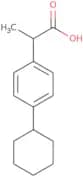
CAS:<p>Hexaprofen is an analog of medicinal importance that has been shown to have anticancer properties. It acts as a kinase inhibitor, inhibiting the activity of protein kinases involved in cancer cell growth and proliferation. Hexaprofen has been studied extensively for its ability to induce apoptosis in human cancer cells, making it a promising candidate for cancer treatment. In addition to its anticancer properties, hexaprofen has also been found to inhibit the activity of certain enzymes involved in inflammation, making it a potential anti-inflammatory agent. This compound can be found in Chinese medicinal plants and has been isolated from urine samples of patients with tumors. Its unique characteristics make it a valuable tool for further research into cancer treatment and drug development.</p>Formula:C15H20O2Purity:Min. 95%Molecular weight:232.32 g/molZNF228 Blocking Peptide
<p>A synthetic peptide for use as a blocking control in assays to test for specificity of ZNF228 antibody, catalog no. 70R-8304</p>Purity:Min. 95%GAP 43 antibody
<p>GAP 43 antibody was raised in rabbit using synthetic GAP-43 (221-226) conjugated to BSA as the immunogen.</p>Purity:Min. 95%BIKE antibody
<p>The BIKE antibody is a monoclonal antibody that has the ability to neutralize and react with specific targets in adipose tissue. This antibody is commonly used in Life Sciences research for the detection and immobilization of activated nuclear β-catenin. It can be used in various applications, such as electrochemical impedance spectroscopy, where it plays a crucial role in detecting and measuring changes in electrical properties. The BIKE antibody is highly specific and can bind to its target with high affinity, making it an essential tool for researchers working in the field of molecular biology. Whether you're studying protein-protein interactions or analyzing cellular signaling pathways, this monoclonal antibody is a valuable asset to have in your toolkit.</p>UGT1A1 antibody
<p>UGT1A1 antibody was raised using the N terminal of UGT1A1 corresponding to a region with amino acids DGSHWLSMLGAIQQLQQRGHEIVVLAPDASLYIRDGAFYTLKTYPVPFQR</p>Purity:Min. 95%INSIG1 Blocking Peptide
<p>A synthetic peptide for use as a blocking control in assays to test for specificity of INSIG1 antibody, catalog no. 70R-6486</p>Purity:Min. 95%SCFD1 antibody
<p>SCFD1 antibody was raised using the N terminal of SCFD1 corresponding to a region with amino acids SAVTQVAKVFDQYLNFITLEDDMFVLCNQNKELVSYRAINRPDITDTEME</p>RP11-50D16.3 antibody
<p>RP11-50D16.3 antibody was raised using the middle region of Rp11-50D16.3 corresponding to a region with amino acids LVQVLGTPGKKGTSLNPLQFDNPAELYVEDTGDIYIVDGDGGLNNRLIKL</p>Purity:Min. 95%C1orf83 antibody
<p>C1orf83 antibody was raised in rabbit using the N terminal of C1ORF83 as the immunogen</p>Purity:Min. 95%AKR1B1 antibody
<p>The AKR1B1 antibody is a highly specialized growth factor that plays a crucial role in regulating plasma levels of glycoproteins. This monoclonal antibody specifically targets and binds to AKR1B1, inhibiting its proteolytic activity. By blocking the action of AKR1B1, this antibody effectively reduces the levels of autoantibodies and lectins in the body. With its unique antigen binding domain, this antibody has the ability to recognize and bind to specific acid residues on AKR1B1, resulting in its neutralization. In addition, this antibody exhibits exceptional stability at low pH levels, making it suitable for various applications in Life Sciences research. Its cyclic peptide structure further enhances its efficacy and specificity as an effective tool for studying AKR1B1-related processes.</p>Chlamydia trachomatis antibody (biotin)
<p>Chlamydia trachomatis antibody (biotin) was raised in goat using purified MOMP from strain L2 as the immunogen.</p>ZNF793 antibody
<p>ZNF793 antibody was raised in rabbit using the middle region of ZNF793 as the immunogen</p>Purity:Min. 95%RSAD1 antibody
<p>RSAD1 antibody was raised in rabbit using the middle region of RSAD1 as the immunogen</p>Purity:Min. 95%p53 antibody
<p>The p53 antibody is a powerful tool used in the field of life sciences. It is a monoclonal antibody that specifically targets the p53 protein, which plays a crucial role in regulating cell growth and preventing tumor formation. This antibody is widely used in research to study the function and expression of p53 in various biological systems.</p>A1BG antibody
<p>A1BG antibody was raised in rabbit using the C terminal of A1BG as the immunogen</p>Purity:Min. 95%TIMP3 protein
<p>The TIMP3 protein is a reactive monoclonal antibody that falls under the category of Recombinant Proteins & Antigens in the Life Sciences field. It has been shown to exhibit cytotoxic properties and acts as an inhibitor of various proteins and antigens. The TIMP3 protein has neutralizing effects on alpha-fetoprotein, hepcidin, and myocardial depressant factor. This versatile protein can be used for various applications such as electrophoresis, antifreeze treatments, and the development of neutralizing antibodies. With its wide range of functionalities, the TIMP3 protein is a valuable tool for researchers and scientists in the field of Life Sciences.</p>Purity:Min. 95%COPA antibody
<p>COPA antibody was raised using the N terminal of COPA corresponding to a region with amino acids PWILTSLHNGVIQLWDYRMCTLIDKFDEHDGPVRGIDFHKQQPLFVSGGD</p>Purity:Min. 95%Urgcp antibody
<p>Urgcp antibody was raised in rabbit using the N terminal of Urgcp as the immunogen</p>Purity:Min. 95%ASK1-IN-1
CAS:<p>ASK1-IN-1 is an analog inhibitor of the protein kinase ASK1, which plays a crucial role in apoptosis and cancer cell growth. It has been shown to be effective against various types of cancer cells, including human and Chinese hamster ovary cells. ASK1-IN-1 works by blocking the activity of ASK1, preventing it from activating downstream kinases that promote tumor growth. This potent anticancer agent is derived from a natural toxin and has been extensively studied for its potential as a cancer treatment. ASK1-IN-1 is part of a new class of kinase inhibitors that show promise in the development of targeted cancer therapies.</p>Formula:C19H19N9O2Purity:Min. 95%Molecular weight:405.4 g/molPrmt7 antibody
<p>Prmt7 antibody was raised in rabbit using the C terminal of Prmt7 as the immunogen</p>Purity:Min. 95%CRYAB antibody
<p>The CRYAB antibody is a powerful tool in the field of Life Sciences. This monoclonal antibody is designed for ultrasensitive detection and neutralizing activity against alpha-fetoprotein (AFP) in human serum. It has been extensively tested and proven to be a reliable and accurate method for detecting AFP levels in various biological samples.</p>ZFYVE19 antibody
<p>ZFYVE19 antibody was raised in rabbit using the C terminal of ZFYVE19 as the immunogen</p>Purity:Min. 95%ATG3 Blocking Peptide
<p>A synthetic peptide for use as a blocking control in assays to test for specificity of ATG3 antibody, catalog no. 70R-9260</p>Purity:Min. 95%FBXO32 antibody
<p>FBXO32 antibody was raised in rabbit using the N terminal of FBXO32 as the immunogen</p>Purity:Min. 95%MCL1 antibody
<p>The MCL1 antibody is a monoclonal antibody that targets the MCL1 protein, which plays a crucial role in cell survival and apoptosis. This antibody specifically binds to the tyrosine residue of the MCL1 protein, inhibiting its activity and promoting cell death. It has been shown to be effective in blocking the growth factor and neurotrophic effects of MCL1, making it a promising therapeutic option for various diseases.</p>TARC antibody
<p>TARC antibody was raised in rabbit using highly pure recombinant human TARC as the immunogen.</p>Purity:Min. 95%ZRANB1 antibody
<p>ZRANB1 antibody was raised in rabbit using the C terminal of ZRANB1 as the immunogen</p>Purity:Min. 95%E cadherin antibody
<p>The E cadherin antibody is a monoclonal antibody that targets the E-cadherin protein. It acts as a superoxide inhibitor and can be used in various research applications in the Life Sciences field. This antibody specifically recognizes and binds to E-cadherin, a glycosylated protein involved in cell adhesion. It can be used for studying e-cadherin expression and function, as well as for detecting changes in its glycan modifications. The E cadherin antibody is also useful for investigating the role of interferon in adipocyte activation and glycopeptide signaling pathways. With its high specificity and sensitivity, this antibody is an essential tool for researchers interested in studying adipose tissue biology and related processes.</p>Thioredoxin 2 protein
<p>60-166 amino acids: MTTFNIQDGP DFQDRVVNSE TPVVVDFHAQ WCGPCKILGP RLEKMVAKQH GKVVMAKVDI DDHTDLAIEY EVSAVPTVLA MKNGDVVDKF VGIKDEDQLE AFLKKLIG</p>Purity:Min. 95%Cytokeratin 10 antibody
<p>Cytokeratin 10 antibody was raised using a synthetic peptide corresponding to a region with amino acids EKVTMQNLNDRLASYLDKVRALEESNYELEGKIKEWYEKHGNSHQGEPRD</p>

![4-(1H-Benzo[D]imidazol-1-yl)-N-(4-(2-oxo-1,2,3,4-tetrahydroquinolin-6-yl)thiazol-2-yl)benzamide](/_next/image/?url=https%3A%2Fstatic.cymitquimica.com%2Fproducts%2F3D%2Fthumb-webp%2FFRB76975.webp&w=3840&q=75)


![5-Amino-N-tert-butyl-4-(3-methoxyphenyl)-2-(methylthio)-6-thieno[2,3-d]pyrimidinecarboxamide](/_next/image/?url=https%3A%2Fstatic.cymitquimica.com%2Fproducts%2F3D%2Fthumb-webp%2FBMA84737.webp&w=3840&q=75)