Biochemicals and Reagents
Biochemicals and reagents are fundamental substances for research and development in fields such as biotechnology, molecular biology, pharmacology, and medicine. These products are essential for a variety of applications, including compound synthesis, biological sample analysis, metabolic process research, and drug production. At CymitQuimica, we offer a wide selection of high-quality, high-purity biochemicals and reagents suitable for various scientific and industrial needs. Our catalog includes enzymes, antibodies, nucleic acids, amino acids, and many other products, all designed to support researchers and professionals in their research and development projects, ensuring reliable and reproducible results.
Subcategories of "Biochemicals and Reagents"
- Biomolecules(99,185 products)
- By Biological Target(99,150 products)
- By Pharmacological Effects(6,789 products)
- Cryopreservatives(21 products)
- Desinfectants and Related Compounds(28 products)
- Hormones(346 products)
- Plant Biology(6,764 products)
- Secondary Metabolites(14,307 products)
Found 130581 products of "Biochemicals and Reagents"
Sort by
Purity (%)
0
100
|
0
|
50
|
90
|
95
|
100
anti-6xHIS Tag Antibody (FITC)
<p>Citations using this FITC Conjugated Chicken anti-6xHIS Tag Antibody:</p>TWEAK antibody
<p>TWEAK antibody was raised in goat using highly pure recombinant human TWEAK as the immunogen.</p>Purity:Min. 95%ALDH6A1 antibody
<p>ALDH6A1 antibody was raised using the middle region of ALDH6A1 corresponding to a region with amino acids AVLVGEAKKWLPELVEHAKNLRVNAGDQPGADLGPLITPQAKERVCNLID</p>Purity:Min. 95%OR13C9 antibody
<p>OR13C9 antibody was raised in rabbit using the middle region of OR13C9 as the immunogen</p>Purity:Min. 95%OR1D2 antibody
<p>The OR1D2 antibody is a highly specialized fibroin that exhibits cytotoxic properties. This antibody specifically targets TGF-beta, a key protein involved in various cellular processes. It also interacts with fibrinogen, a crucial protein for blood clotting. The OR1D2 antibody is available as both polyclonal and monoclonal antibodies, providing flexibility for different research needs. In addition, it has been shown to inhibit caspase-9 activity, an enzyme involved in apoptosis. Researchers in the life sciences field can utilize this antibody as a valuable tool for studying signal transduction pathways and family kinase inhibitors. Its immobilization capabilities make it ideal for binding proteins on surfaces or electrodes, facilitating various experimental setups.</p>EIF4H Blocking Peptide
<p>A synthetic peptide for use as a blocking control in assays to test for specificity of EIF4H antibody, catalog no. 70R-4728</p>Purity:Min. 95%P54 antibody
<p>The P54 antibody is a highly specialized protein that belongs to the family of kinase inhibitors. It is commonly used in Life Sciences research and has shown promising results in various studies. This polyclonal antibody specifically binds to proteins involved in the regulation of cell growth, such as epidermal growth factor (EGF) and androgen receptors.</p>FAK antibody
<p>FAK antibody was raised in Mouse using a purified recombinant fragment of human FAK expressed in E. coli as the immunogen.</p>ADRB3 antibody
<p>The ADRB3 antibody is a highly specialized antibody used in the field of Life Sciences. It is a polyclonal antibody that targets the adrenergic receptor beta-3 (ADRB3), which plays a crucial role in various physiological processes such as adipose tissue metabolism and regulation of energy expenditure. This antibody has been extensively studied and proven to have neutralizing properties against ADRB3, making it an essential tool for researchers studying growth factors, alpha-fetoprotein, and other related molecules.</p>Purity:Min. 95%RBM9 antibody
<p>RBM9 antibody was raised using the middle region of RBM9 corresponding to a region with amino acids TAAAAAAAAYSDGYGRVYTADPYHALAPAASYGVGAVASLYRGGYSRFAP</p>2-((1-(2-Chloroacetyl)-1,2,3,4-tetrahydroquinolin-6-yl)oxy)acetic acid
CAS:<p>2-((1-(2-Chloroacetyl)-1,2,3,4-tetrahydroquinolin-6-yl)oxy)acetic acid is a research tool that can be used to activate the ion channels in cells. It also binds to the antibody and receptor sites on cells, which can inhibit protein interactions. This compound has been shown to inhibit ligand binding and receptor activity by interfering with the interaction of peptides with their receptors. 2-((1-(2-Chloroacetyl)-1,2,3,4-tetrahydroquinolin-6-yl)oxy)acetic acid is suitable for use in pharmacology studies.</p>Formula:C13H14ClNO4Purity:Min. 95%Molecular weight:283.71 g/molElubrixin (tosylate)
CAS:<p>Elubrixin is a peptide that belongs to the group of activators. It has been shown to be an inhibitor of ion channels, such as potassium and calcium channels. Elubrixin selectively binds to receptors and ligands, which may lead to the inhibition of protein interactions. It also has an effect on cell biology, as it can inhibit the activity of G-protein coupled receptors by binding with them. Elubrixin is soluble in water and is available in high purity.</p>Formula:C24H25Cl2FN4O7S2Purity:Min. 95%Molecular weight:635.5 g/molMabuterol hydrochloride
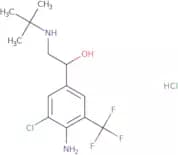
CAS:<p>β2 adrenoreceptor agonist</p>Formula:C13H18ClF3N2O·HClPurity:Min. 95%Color and Shape:White PowderMolecular weight:347.2 g/molH4R antagonist 1
CAS:<p>H4R antagonist 1 is a high-affinity human H4 receptor antagonist. It blocks the binding of histamine to H4 receptors in cells and inhibits the effects of histamine on ion channels. H4R antagonist 1 has been shown to inhibit phospholipase C, protein kinase C, and MAPK. This antibody can be used for research purposes in Cell Biology, Pharmacology, and Life Science.</p>Formula:C11H11BrN8Purity:Min. 95%Molecular weight:335.16 g/molPIM-447 dihydrochloride
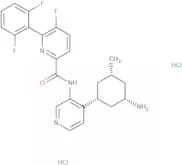
CAS:<p>PIM-447 dihydrochloride is a potent small molecule kinase inhibitor, which is synthesized as a selective inhibitor of PIM kinases. These kinases, part of the serine/threonine kinase family, are implicated in various cellular processes, including cell cycle progression and survival, making them a target of interest in oncology research. PIM-447 acts by binding to the ATP-binding pocket of PIM kinases, thereby inhibiting their activity and disrupting downstream signaling pathways that promote tumor growth and survival.</p>Formula:C24H25Cl2F3N4OPurity:Min. 95%Molecular weight:513.38 g/molCER11-2′R(d9)
CAS:Controlled Product<p>CER11-2′R(d9) is a research tool that can be used in the study of protein interactions and cell biology. This compound is an activator and ligand for the receptor. CER11-2′R(d9) has been shown to inhibit ion channels by binding to the protein and blocking its activity. CER11-2′R(d9) is also an inhibitor of peptidases, which are enzymes that break down proteins into smaller units. It has been shown to inhibit the enzyme cathepsin B, which plays a role in inflammation.</p>Formula:C34H60D9NO4Purity:Min. 95%Molecular weight:564.97 g/molBrl 15572 hydrochloride
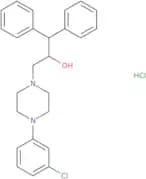
CAS:<p>Brl 15572 hydrochloride is a selective adenosine A2B receptor antagonist, which is a synthetic chemical compound designed for research purposes. It originates from the synthesis of pharmacological agents aimed at interfering with adenosine receptor-mediated pathways in human physiology. This compound acts by binding to the adenosine A2B receptors with high specificity, inhibiting their activity, and preventing the natural ligand, adenosine, from exerting its effects.</p>Formula:C25H28Cl2N2OPurity:Min. 95%Molecular weight:443.4 g/molNSC 135130
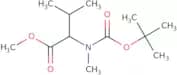
CAS:<p>NSC 135130 is a synthetic compound that serves as an antioxidant and anti-inflammatory agent. It is derived through chemical synthesis, a process involving the combination of various elements and compounds to produce a novel substance with specific desired properties. The mode of action of NSC 135130 primarily involves the scavenging of free radicals and modulation of inflammatory pathways, thus helping to mitigate oxidative stress and inflammation at the cellular level.</p>Formula:C12H23NO4Purity:Min. 95%Molecular weight:245.32 g/molPosenacaftor sodium
CAS:Posenacaftor is a small molecule that belongs to the class of peptide inhibitors. It inhibits Protein interactions and is an activator of the ATP-binding cassette transporter A1 (ABCA1). Posenacaftor is used as a research tool to study the role of ABCA1 in lipid metabolism, as well as to study other proteins and their ligands. This drug has been shown to inhibit the activity of ion channels, which may have implications for treatment of epilepsy. Posenacaftor also binds to receptor sites on cells and blocks them, preventing calcium from entering into cells. This process leads to decreased inflammation and muscle contraction.Formula:C27H26NNaO5Purity:Min. 95%Molecular weight:467.5 g/molYHO-13351
CAS:<p>YHO-13351 is an investigational pharmaceutical compound classified as a small molecule inhibitor. It is synthesized through a series of complex chemical processes involving precise modifications and optimizations to achieve high specificity and potency. This compound operates by selectively inhibiting certain molecular pathways that are implicated in pathological conditions, particularly those involving aberrant cellular proliferation and survival mechanisms.</p>Formula:C27H37N3O7S2Purity:Min. 95%Molecular weight:579.73 g/mol2-γ-Linolenoyl-1,3-dilinoleoyl-sn-glycerol
CAS:<p>2-γ-Linolenoyl-1,3-dilinoleoyl-sn-glycerol is a research tool that has been used in the study of cell biology. It is an activator and ligand that binds to receptors and ion channels. 2-γ-Linolenoyl-1,3-dilinoleoyl-sn-glycerol has shown to be an inhibitor of protein interactions with peptides and other proteins in the life science industry.</p>Formula:C57H96O6Purity:Min. 95%Molecular weight:877.4 g/molRat Ig fraction
<p>Purified Rat Ig fraction for use as a control or blocking reagent</p>Purity:Min. 95%DNAJB4 Blocking Peptide
<p>A synthetic peptide for use as a blocking control in assays to test for specificity of DNAJB4 antibody, catalog no. 70R-9161</p>Purity:Min. 95%C9ORF43 antibody
<p>C9ORF43 antibody was raised using the middle region of C9Orf43 corresponding to a region with amino acids PEAQAARQKKISFNFSEIMASTGWNSELKLLRILQDTDDEDEEDQSSGAE</p>PCTK1 antibody
<p>PCTK1 antibody was raised in rabbit using the N terminal of PCTK1 as the immunogen</p>CCDC74A antibody
<p>CCDC74A antibody was raised using the middle region of CCDC74A corresponding to a region with amino acids FPKVSTKSLSKKCLSPPVAERAILPALKQTPKNNFAERQKRLQAMQKRRL</p>MUC1 antibody
<p>The 6-Fluoro-3-indoxyl-beta-D-galactopyranoside is a powerful antituberculosis drug that falls under the class of rifamycins. It is highly effective in treating tuberculosis infections and contains active compounds with bactericidal activity. This drug works by binding to DNA-dependent RNA polymerase, inhibiting bacterial growth by preventing transcription and replication. It has been extensively studied using the patch-clamp technique on human erythrocytes, proving its high frequency of human activity. The drug undergoes various metabolic transformations, including hydrolysis by esterases or glucuronidases, oxidation by cytochrome P450 enzymes, reduction by glutathione reductase, or conjugation with glucuronic acid. Additionally, it specifically targets markers expressed at high levels in Mycobacterium tuberculosis strains and inhibits cell growth in culture.</p>FXYD5 antibody
<p>FXYD5 antibody was raised using the middle region of FXYD5 corresponding to a region with amino acids SERPSPSTDVQTDPQTLKPSGFHEDDPFFYDEHTLRKRGLLVAAVLFITG</p>Purity:Min. 95%MFNG antibody
<p>MFNG antibody was raised using the C terminal of MFNG corresponding to a region with amino acids QLLRTAQLPEQVTLSYGVFEGKLNVIKLQGPFSPEEDPSRFRSLHCLLYP</p>Purity:Min. 95%PIP4K2A Blocking Peptide
<p>A synthetic peptide for use as a blocking control in assays to test for specificity of PIP4K2A antibody, catalog no. 70R-2708</p>Purity:Min. 95%Goat anti Rabbit IgG (FITC)
<p>Goat anti-rabbit IgG (FITC) was raised in goat using rabbit IgG F(ab')2 fragment as the immunogen.</p>Purity:Min. 95%Klhdc9 Blocking Peptide
<p>A synthetic peptide for use as a blocking control in assays to test for specificity of Klhdc9 antibody, catalog no. 70R-9125</p>DMRTA2 Blocking Peptide
<p>A synthetic peptide for use as a blocking control in assays to test for specificity of DMRTA2 antibody, catalog no. 70R-7974</p>Purity:Min. 95%RASGEF1C Blocking Peptide
<p>A synthetic peptide for use as a blocking control in assays to test for specificity of RASGEF1C antibody, catalog no. 70R-5811</p>Purity:Min. 95%Testosterone-BSA
<p>Testosterone-BSA is a cationic compound that is derived from indole-3-carbinol and diindolylmethane. It acts as a growth factor and is commonly used in research studies related to hormone biology. Testosterone-BSA can be conjugated with other molecules such as streptavidin or monoclonal antibodies for various applications, including hybridization assays or protein detection. This compound has been extensively studied in the field of life sciences, specifically in the areas of proteins and antigens. It has also been used to investigate the interaction between testosterone and its receptor, such as the erythropoietin receptor, in liver microsomes.</p>Purity:Min. 95%CDK3 antibody
<p>The CDK3 antibody is a powerful tool used in Life Sciences research. It is an antibody that specifically targets and inhibits cyclin-dependent kinase 3 (CDK3), a protein kinase involved in cell cycle regulation. This monoclonal antibody has been extensively tested and validated for its specificity and effectiveness in various experimental settings.</p>NICN1 antibody
<p>NICN1 antibody was raised in rabbit using the middle region of NICN1 as the immunogen</p>LGALS3 Blocking Peptide
<p>A synthetic peptide for use as a blocking control in assays to test for specificity of LGALS3 antibody, catalog no. 70R-3061</p>Purity:Min. 95%ARPC3 antibody
<p>ARPC3 antibody was raised using the N terminal of ARPC3 corresponding to a region with amino acids MPAYHSSLMDPDTKLIGNMALLPIRSQFKGPAPRETKDTDIVDEAIYYFK</p>SARS Ag Spike Mosaic Protein
<p>E.coli derived recombinant. The protein contains the C-terminal t section of the Spike protein immunodominant regions</p>Purity:Min. 95%FABP1 antibody
<p>The FABP1 antibody is a polyclonal antibody that targets fibronectin, a growth factor found in adipose tissue. It is commonly used in life sciences research to study various cellular processes and signaling pathways. The FABP1 antibody has been shown to specifically bind to activated epidermal growth factor (EGF), oncostatin, and TGF-beta, which are important regulators of cell growth and differentiation. Additionally, it has been demonstrated to interact with β-catenin and E-cadherin, proteins involved in cell adhesion and signaling. The FABP1 antibody can be used for immunohistochemistry or Western blotting experiments to investigate the expression and localization of its target protein. Its high specificity and sensitivity make it a valuable tool for researchers studying cell antigen expression, microvessel density, or collagen deposition in various tissues.</p>Endogl1 Blocking Peptide
<p>A synthetic peptide for use as a blocking control in assays to test for specificity of Endogl1 antibody, catalog no. 70R-8657</p>Purity:Min. 95%TXN protein (His tag)
<p>1-105 amino acids: MGSSHHHHHH SSGLVPRGSH MVKQIESKTA FQEALDAAGD KLVVVDFSAT WCGPCKMIKP FFHSLSEKYS NVIFLEVDVD DCQDVASECE VKCMPTFQFF KKGQKVGEFS GANKEKLEAT INELV</p>Purity:Min. 95%Claudin 13 antibody
<p>Claudin 13 antibody was raised using the C terminal Of Cldn13 corresponding to a region with amino acids SSLSLAWTSSLLLLLGGILLCVNIPVCRDFPRCIETPSARPSGANNDTLD</p>FAM26A Blocking Peptide
<p>A synthetic peptide for use as a blocking control in assays to test for specificity of FAM26A antibody, catalog no. 70R-4293</p>Purity:Min. 95%IKZF3 Blocking Peptide
<p>A synthetic peptide for use as a blocking control in assays to test for specificity of IKZF3 antibody, catalog no. 70R-8301</p>Purity:Min. 95%SUV39H1 antibody
<p>The SUV39H1 antibody is a high-quality polyclonal antibody that specifically targets the SUV39H1 protein. This protein is a histone methyltransferase that plays a crucial role in gene regulation and chromatin organization. The SUV39H1 antibody is designed to detect and bind to the activated form of SUV39H1, making it an essential tool for researchers studying epigenetics and gene expression.</p>PDGF CC protein
<p>Region of PDGF CC protein corresponding to amino acids MVVDLNLLTE EVRLYSCTPR NFSVSIREEL KRTDTIFWPG CLLVKRCGGN CACCLHNCNE CQCVPSKVTK KYHEVLQLRP KTGVRGLHKS LTDVALEHHE ECDCVCRGST GG.</p>Purity:Min. 95%DBX2 antibody
<p>DBX2 antibody was raised in rabbit using the N terminal of DBX2 as the immunogen</p>Purity:Min. 95%FAM135B antibody
<p>FAM135B antibody was raised using the middle region of FAM135B corresponding to a region with amino acids TLVSTGLWLMQKLKKSGSLLQLTFRDNADLRKCFLYQLSQKTGLQYFKNV</p>RBJ antibody
<p>RBJ antibody was raised using the middle region of RBJ corresponding to a region with amino acids CVDESEGRLWAESKGFLYFETSAQTGEGINEMFQTFYISIVDLCENGGKR</p>Purity:Min. 95%Influenza B Virus Nucleoprotein antibody
<p>Influenza B Virus Nucleoprotein antibody was raised in Mouse using a purified recombinant fragment of Influenza B virus Nucleoprotein (stain:B/Lee/40) expressed in E. coli as the immunogen.</p>PSMB5 Blocking Peptide
<p>A synthetic peptide for use as a blocking control in assays to test for specificity of PSMB5 antibody, catalog no. 70R-2350</p>Purity:Min. 95%RGS16 antibody
<p>The RGS16 antibody is a powerful tool in the field of Life Sciences. It is a monoclonal antibody that specifically targets RGS16, a protein involved in various cellular processes. This antibody has been extensively studied and proven to be highly effective in neutralizing RGS16 activity.</p>PEPT1 antibody
<p>The PEPT1 antibody is a highly specialized antibody that plays a crucial role in the field of life sciences. It is a polyclonal antibody that targets and neutralizes the growth factor known as colony-stimulating factor (CSF). This antibody has been extensively studied and proven to be effective in inhibiting the cytotoxic effects of CSF, making it a valuable tool in research and medical applications.</p>TMEM222 antibody
<p>TMEM222 antibody was raised in rabbit using the C terminal of TMEM222 as the immunogen</p>ApoH antibody
<p>ApoH antibody was raised in goat using human Beta-2-Glycoprotein purified from plasma as the immunogen.</p>Purity:Min. 95%Rabbit anti Rat IgG (biotin)
<p>Rabbit anti-rat IgG (biotin) was raised in rabbit using rat IgG F(c) fragment as the immunogen.</p>Purity:Min. 95%CSE1L antibody
<p>CSE1L antibody was raised in rabbit using the N terminal of CSE1L as the immunogen</p>EXOSC10 antibody
<p>EXOSC10 antibody was raised using the middle region of EXOSC10 corresponding to a region with amino acids ACKAAAEQAISVRQQVVLENAAKKRERATSDPRTTEQKQEKKRLKISKKP</p>uPA antibody
<p>The uPA antibody is a highly effective monoclonal antibody that has neutralizing properties against urokinase plasminogen activator (uPA). It belongs to the class of antibodies known for their ability to target and inhibit specific proteins. This antibody has been extensively studied in the field of Life Sciences and has shown promising results in various applications.</p>Ly108 antibody
<p>The Ly108 antibody is a cytotoxic antibody that belongs to the class of monoclonal antibodies. It has been shown to target and destroy cells expressing Ly108, making it an effective treatment for certain diseases. This antibody has the ability to bind to multiple targets, including autoantibodies, growth factors such as interleukin-6 and interferon, fibronectin, collagen, glycoproteins, and erythropoietin. In the field of life sciences, the Ly108 antibody is widely used for research purposes and in the development of therapeutic drugs. It has also been used in combination with other monoclonal antibodies like trastuzumab to enhance their efficacy. With its versatile targeting capabilities, the Ly108 antibody offers promising potential for various applications in medical and scientific fields.</p>KCNMA1 Blocking Peptide
<p>A synthetic peptide for use as a blocking control in assays to test for specificity of KCNMA1 antibody, catalog no. 70R-5152</p>Purity:Min. 95%C6ORF134 Blocking Peptide
<p>A synthetic peptide for use as a blocking control in assays to test for specificity of C6orf134 antibody, catalog no. 70R-3866</p>Purity:Min. 95%PIGT Blocking Peptide
<p>A synthetic peptide for use as a blocking control in assays to test for specificity of PIGT antibody, catalog no. 70R-7406</p>Purity:Min. 95%Rabbit anti Mouse κ Chain
<p>Rabbit anti-mouse kappa chain was raised in rabbit using murine kappa light chain fragment as the immunogen.</p>Purity:Min. 95%HTR5A antibody
<p>HTR5A antibody was raised in rabbit using a synthetic peptide conjugated to KLH as the immunogen.</p>Purity:Min. 95%eNOS antibody
<p>The eNOS antibody is a highly effective and specialized antibody that is used in various scientific and medical research applications. It is specifically designed to target and inhibit the activity of endothelial nitric oxide synthase (eNOS), an enzyme involved in the production of nitric oxide.</p>CD106 antibody
<p>The CD106 antibody is a highly specialized monoclonal antibody used in Life Sciences research. It is specifically designed to bind to the CD106 antigen, a cell surface protein involved in various immune responses and inflammation processes. This mouse monoclonal antibody has been extensively tested and validated for its high affinity and specificity in peptide binding assays.</p>SIRT5 Blocking Peptide
<p>A synthetic peptide for use as a blocking control in assays to test for specificity of SIRT5 antibody, catalog no. 70R-2942</p>Purity:Min. 95%SH3RF1 antibody
<p>SH3RF1 antibody was raised using the middle region of SH3RF1 corresponding to a region with amino acids LLKLLSGASTKRKPRVSPPASPTLEVELGSAELPLQGAVGPELPPGGGHG</p>E2F5 antibody
<p>E2F5 antibody was raised in mouse using recombinant Human Transcription Factor E2F-5</p>SPDEF antibody
<p>SPDEF antibody was raised in rabbit using the C terminal of SPDEF as the immunogen</p>Purity:Min. 95%MSI1 antibody
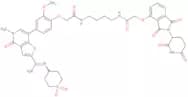
<p>MSI1 antibody was raised in rabbit using residues 5-21 [APQPGLASPDSPHDPCK] of the human mushashi protein as the immunogen.</p>Purity:Min. 95%Protac brd9 degrader-1
CAS:<p>Protac BRD9 Degrader-1 is a small molecule degrader, which is a bifunctional molecule derived from proteolysis-targeting chimera (PROTAC) technology. It operates by harnessing the ubiquitin-proteasome system to selectively degrade the BRD9 protein. The molecule consists of two ligands: one binds to the target protein, BRD9, and the other recruits an E3 ubiquitin ligase. This forms a ternary complex, leading to the ubiquitination and subsequent degradation of BRD9.</p>Formula:C42H45N7O12S2Purity:Min. 95%Molecular weight:904 g/molATP Synthase γ Chain, Mitochondria, human, recombinant
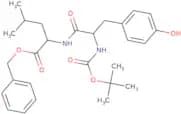
<p>This is a vivitide catalogue product. Please send your vivitide product enquiry to sales@vivitide.com for an up-to-date price and availability.</p>Purity:Min. 95%Boc-Tyr-Leu-obzl
CAS:<p>Please enquire for more information about Boc-Tyr-Leu-obzl including the price, delivery time and more detailed product information at the technical inquiry form on this page</p>Formula:C27H36N2O6Purity:Min. 95%Molecular weight:484.6 g/molUBE4A antibody
<p>UBE4A antibody was raised using a synthetic peptide corresponding to a region with amino acids QYAPQLAEALIKVFVDIEFTGDPHQFEQKFNYRRPMYPILRYMWGTDTYR</p>LENG4 Blocking Peptide
<p>A synthetic peptide for use as a blocking control in assays to test for specificity of LENG4 antibody, catalog no. 70R-1902</p>Purity:Min. 95%CDCP1 antibody
<p>The CDCP1 antibody is a highly specialized product in the field of Life Sciences. It belongs to the class of monoclonal antibodies and is used for various applications such as immunoassays, cell cytotoxicity studies, and research in the field of anticancer agents.</p>ENDOG Blocking Peptide
<p>A synthetic peptide for use as a blocking control in assays to test for specificity of ENDOG antibody, catalog no. 70R-5315</p>Purity:Min. 95%SEMA4B antibody
<p>SEMA4B antibody was raised using the N terminal of SEMA4B corresponding to a region with amino acids KGRCPFDPNFKSTALVVDGELYTGTVSSFQGNDPAISRSQSLRPTKTESS</p>Purity:Min. 95%ACTA1 antibody
<p>The ACTA1 antibody is a polyclonal antibody that specifically targets the ACTA1 protein. This protein plays a crucial role in muscle contraction and is found predominantly in skeletal muscle fibers. The ACTA1 antibody can be used for various applications, including immunohistochemistry, western blotting, and ELISA. It has been validated for use in human serum samples and has shown high specificity and sensitivity.</p>CREG2 antibody
<p>CREG2 antibody was raised using the N terminal of CREG2 corresponding to a region with amino acids VSSVSWAVTNEVDEELDSASTEEAMPALLEDSGSIWQQSFPASAHKEDAH</p>Purity:Min. 95%Glycoprotein 2 Blocking Peptide
<p>A synthetic peptide for use as a blocking control in assays to test for specificity of GP2 antibody, catalog no. 70R-6818</p>Purity:Min. 95%LSM1 antibody
<p>LSM1 antibody was raised using a synthetic peptide corresponding to a region with amino acids SDTPLQQVSIEEILEEQRVEQQTKLEAEKLKVQALKDRGLSIPRADTLDE</p>Met antibody
<p>Met antibody is a polyclonal antibody that specifically targets the tyrosine kinase receptor known as c-Met. This antibody has neutralizing properties, meaning it can inhibit the activity of c-Met and its downstream signaling pathways. By binding to the protein complex formed by c-Met and its ligand, this antibody prevents the activation of various cellular processes involved in cell growth, survival, migration, and invasion.</p>Purity:Min. 95%MAOA Blocking Peptide
<p>A synthetic peptide for use as a blocking control in assays to test for specificity of MAOA antibody, catalog no. 70R-2465</p>Purity:Min. 95%SHANK1a antibody
<p>SHANK1a antibody was raised in rabbit using residues [SGPIYPGLFDIRSS] of the C terminus of the Shank1a protein as the immunogen.</p>Purity:Min. 95%ACSS2 antibody
<p>The ACSS2 antibody is a colony-stimulating antibody that activates the production of specific proteins in human serum. It is widely used in the field of Life Sciences for various research purposes. This monoclonal antibody specifically targets c-myc, a protein involved in cell growth and proliferation. By binding to c-myc, the ACSS2 antibody can modulate its activity and regulate cellular processes. Additionally, this antibody has been shown to interact with other proteins such as alpha-fetoprotein (AFP), interferon-gamma (IFN-gamma), glutamate receptors, and phosphatase enzymes. Its acidic nature allows it to effectively target fatty acids and participate in metabolic pathways related to lipid metabolism. With its wide range of applications, the ACSS2 antibody is an essential tool for researchers in the Life Sciences field.</p>ZHX3 antibody
<p>ZHX3 antibody was raised in rabbit using the middle region of ZHX3 as the immunogen</p>Purity:Min. 95%IL9 protein (Mouse)
<p>Region of IL9 protein corresponding to amino acids MQRCSTTWGI RDTNYLIENL KDDPPSKCSC SGNVTSCLCL SVPTDDCTTP CYREGLLQLT NATQKSRLLP VFHRVKRIVE VLKNITCPSF SCEKPCNQTM AGNTMSFLKS LLGTFQKTEM QRQKSRP.</p>Purity:Min. 95%CCDC60 Blocking Peptide
<p>A synthetic peptide for use as a blocking control in assays to test for specificity of CCDC60 antibody, catalog no. 70R-4198</p>Purity:Min. 95%INSIG1 antibody
<p>INSIG1 antibody was raised using the middle region of INSIG1 corresponding to a region with amino acids WWVPPCCGTASAVIGLLYPCIDRHLGEPHKFKREWSSVMRCVAVFVGINH</p>Purity:Min. 95%Goat anti Mouse IgG (20 nm Gold Colloid)
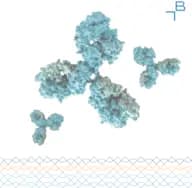
<p>Goat anti-mouse IgG antibody was raised in goat using murine IgG as the immunogen.</p>Purity:Min. 95%UGCGL1 antibody
<p>UGCGL1 antibody was raised using the middle region of UGCGL1 corresponding to a region with amino acids AAVRIVPEWQDYDQEIKQLQIRFQKEKETGALYKEKTKEPSREGPQKREE</p>PHF11 Blocking Peptide
<p>A synthetic peptide for use as a blocking control in assays to test for specificity of PHF11 antibody, catalog no. 70R-8322</p>Purity:Min. 95%RIBC1 antibody
<p>RIBC1 antibody was raised using the middle region of RIBC1 corresponding to a region with amino acids ANANKAQAAVQAGRQRCERQREQKANLAEIQHQSTSDLLTENPQVAQHPM</p>HSFY1 Blocking Peptide
<p>A synthetic peptide for use as a blocking control in assays to test for specificity of HSFY1 antibody, catalog no. 20R-1101</p>Purity:Min. 95%SLC13A2 Blocking Peptide
<p>A synthetic peptide for use as a blocking control in assays to test for specificity of SLC13A2 antibody, catalog no. 70R-7364</p>Purity:Min. 95%FAM50B Blocking Peptide
<p>A synthetic peptide for use as a blocking control in assays to test for specificity of FAM50B antibody, catalog no. 70R-3889</p>FLJ33706 antibody
<p>FLJ33706 antibody was raised in rabbit using the C terminal of FLJ33706 as the immunogen</p>Purity:Min. 95%SAE1 Blocking Peptide
<p>A synthetic peptide for use as a blocking control in assays to test for specificity of SAE1 antibody, catalog no. 70R-3174</p>Purity:Min. 95%Rabbit anti Human IgG (H + L) (FITC)
<p>This antibody reacts with heavy (gamma) chains on human IgG and light chains on all human immunoglobulins.</p>Purity:Min. 95%SYT16 Blocking Peptide
<p>A synthetic peptide for use as a blocking control in assays to test for specificity of SYT16 antibody, catalog no. 70R-9790</p>Purity:Min. 95%DCK antibody
<p>DCK antibody was raised using the middle region of DCK corresponding to a region with amino acids ATPETCLHRIYLRGRNEEQGIPLEYLEKLHYKHESWLLHRTLKTNFDYLQ</p>IQCF1 Blocking Peptide
<p>A synthetic peptide for use as a blocking control in assays to test for specificity of IQCF1 antibody, catalog no. 70R-7015</p>Purity:Min. 95%Normal Bovine Serum (Protease/IgG free)
<p>Normal Bovine Serum which has been lipid extracted and dialyzed against 10 mM Sodium Phosphate, 0.15 M Sodium Chloride, pH 7.2</p>Purity:Min. 95%DPP4 protein
<p>39-766 amino acids: ADP-R KTYTLTDYLK NTYRLKLYSL RWISDHEYLY KQENNILVFN AEYGNSSVFL ENSTFDEFGH SINDYSISPD GQFILLEYNY VKQWRHSYTA SYDIYDLNKR QLITEERIPN NTQWVTWSPV GHKLAYVWNN DIYVKIEPNL PSYRITWTGK EDIIYNGITD WVYEEEVFSA YSALWWSPNG TFLAYAQFND TEVPLIEYSF YSDESLQYPK TVRVPYPKAG AVNPTVKFFV VNTDSLSSVT NATSIQITAP ASMLIGDHYL CDVTWATQER ISLQWLRRIQ NYSVMDICDY DESSGRWNCL VARQHIEMST TGWVGRFRPS EPHFTLDGNS FYKIISNEEG YRHICYFQID KKDCTFITKG TWEVIGIEAL TSDYLYYISN EYKGMPGGRN LYKIQLSDYT KVTCLSCELN PERCQYYSVS FSKEAKYYQL RCSGPGLPLY TLHSSVNDKG LRVLEDNSAL DKMLQNVQMP SKKLDFIILN ETKFWYQMIL PPHFDKSKKY PLLLDVYAGP CSQKADTVFR LNWATYLAST ENIIVASFDG RGSGYQGDKI MHAINRRLGT FEVEDQIEAA RQFSKMGFVD NKRIAIWGWS YGGYVTSMVL GSGSGVFKCG IAVAPVSRWE YYDSVYTERY MGLPTPEDNL DHYRNSTVMS RAENFKQVEY LLIHGTADDN VHFQQSAQIS KALVDVGVDF QAMWYTDEDH GIASSTAHQH IYTHMSHFIK QCFSLP-SGRLVPRGSHHHHHH</p>Purity:Min. 95%KIAA0515 antibody
<p>KIAA0515 antibody was raised using the N terminal of KIAA0515 corresponding to a region with amino acids ATASQPPESLPQPGLQKSVSNLQKPTQSISQENTNSVPGGPKSWAQLNGK</p>Lysozyme antibody
<p>Lysozyme antibody was raised in rabbit using lysozyme from hen egg white as the immunogen.</p>Purity:Min. 95%MAP4K2 antibody
<p>MAP4K2 antibody was raised using the N terminal of MAP4K2 corresponding to a region with amino acids TVTSELAAVKIVKLDPGDDISSLQQEITILRECRHPNVVAYIGSYLRNDR</p>Purity:Min. 95%PAK4 antibody
<p>The 6-Fluoro-3-indoxyl-beta-D-galactopyranoside is a powerful antituberculosis drug that falls under the class of rifamycins. It is highly effective in treating tuberculosis infections as it contains active compounds with bactericidal activity. This drug works by binding to DNA-dependent RNA polymerase, preventing transcription and replication, thereby inhibiting bacterial growth. Its efficacy has been demonstrated through extensive testing using the patch-clamp technique on human erythrocytes.</p>TTF1 antibody
<p>TTF1 antibody was raised in mouse using Rat TTF-1 recombinant protein as the immunogen.</p>CNPase antibody
<p>The 6-Fluoro-3-indoxyl-beta-D-galactopyranoside is a powerful antituberculosis drug that belongs to the class of rifamycins. It is specifically designed to target and treat tuberculosis infections by inhibiting bacterial growth. By binding to DNA-dependent RNA polymerase, this drug prevents transcription and replication, making it highly effective in combating tuberculosis. Additionally, it has been extensively tested on human erythrocytes using a patch-clamp technique, proving its high frequency of human activity. The active form of this drug undergoes various metabolic transformations, including hydrolysis by esterases or glucuronidases, oxidation by cytochrome P450 enzymes, reduction by glutathione reductase, or conjugation with glucuronic acid. It also binds specifically to markers expressed at high levels in Mycobacterium tuberculosis strains and inhibits cell growth in culture.</p>OTUB2 Blocking Peptide
<p>A synthetic peptide for use as a blocking control in assays to test for specificity of OTUB2 antibody, catalog no. 70R-9723</p>SLC6A15 Blocking Peptide
<p>A synthetic peptide for use as a blocking control in assays to test for specificity of SLC6A15 antibody, catalog no. 70R-6262</p>Purity:Min. 95%ALOX12 antibody
<p>The ALOX12 antibody is a biomolecule that plays a crucial role in various biological processes. It has been shown to regulate the viscosity of cellular membranes and modulate the activity of the mineralocorticoid receptor, which is involved in salt and water balance in the body. Additionally, this antibody can interact with growth factors and other proteins to regulate cell growth and differentiation.</p>SFRS1 antibody
<p>SFRS1 antibody was raised using a synthetic peptide corresponding to a region with amino acids EFVRKEDMTYAVRKLDNTKFRSHEGETAYIRVKVDGPRSPSYGRSRSRSR</p>MSH4 Blocking Peptide
<p>A synthetic peptide for use as a blocking control in assays to test for specificity of MSH4 antibody, catalog no. 70R-5592</p>Purity:Min. 95%Dienestrol antibody
<p>The Dienestrol antibody is a specialized antibody used in the field of Life Sciences. It specifically targets and interacts with fibrinogen, a cell antigen involved in blood clotting. This antibody has been extensively studied for its ability to modulate triglyceride lipase activity and inhibit lipoprotein lipase. Both polyclonal and monoclonal antibodies have been developed for this purpose. Additionally, the Dienestrol antibody has shown potential in regulating interleukin-6 levels, a key cytokine involved in inflammation. Its binding to specific regions of lipase and endothelial growth factor receptors may also contribute to its therapeutic potential. Researchers are actively exploring the use of this antibody in various applications, including autoimmune disorders and cancer research.</p>Purity:Min. 95%ANXA1 antibody
<p>ANXA1 antibody was raised in rabbit using the N terminal of ANXA1 as the immunogen</p>Purity:Min. 95%DDX49 antibody
<p>DDX49 antibody was raised using a synthetic peptide corresponding to a region with amino acids ELAYQIAEQFRVLGKPLGLKDCIIVGGMDMVAQALELSRKPHVVIATPGR</p>BCMA protein
<p>Region of BCMA protein corresponding to amino acids AGQCSQNEYF DSLLHACIPC QLRCSSNTPP LTCQRYCNAS VTNSVKGTNA.</p>Purity:Min. 95%B4GALNT1 antibody
<p>B4GALNT1 antibody was raised using the middle region of B4GALNT1 corresponding to a region with amino acids GLGSLRVGSCSDVVVDHASKLKLPWTSRDAGAETYARYRYPGSLDESQMA</p>Purity:Min. 95%AKR1B10 protein
<p>1-316 amino acids: MATFVELSTK AKMPIVGLGT WKSPLGKVKE AVKVAIDAGY RHIDCAYVYQ NEHEVGEAIQ EKIQEKAVKR EDLFIVSKLW PTFFERPLVR KAFEKTLKDL KLSYLDVYLI HWPQGFKSGD DLFPKDDKGN AIGGKATFLD AWEAMEELVD EGLVKALGVS NFSHFQIEKL LNKPGLKYKP VTNQVECHPY LTQEKLIQYC HSKGITVTAY SPLGSPDRPW AKPEDPSLLE DPKIKEIAAK HKKTAAQVLI RFHIQRNVIV IPKSVTPARI VENIQVFDFK LSDEEMATIL SFNRNWRACN VLQSSHLEDY PFDAEY</p>Purity:>95% By Sds-Page.SCCPDH antibody
<p>SCCPDH antibody was raised using a synthetic peptide corresponding to a region with amino acids FSFGYFSKQGPTQKQIDAASFTLTFFGQGYSQGTGTDKNKPNIKICTQVK</p>Purity:Min. 95%