Biochemicals and Reagents
Biochemicals and reagents are fundamental substances for research and development in fields such as biotechnology, molecular biology, pharmacology, and medicine. These products are essential for a variety of applications, including compound synthesis, biological sample analysis, metabolic process research, and drug production. At CymitQuimica, we offer a wide selection of high-quality, high-purity biochemicals and reagents suitable for various scientific and industrial needs. Our catalog includes enzymes, antibodies, nucleic acids, amino acids, and many other products, all designed to support researchers and professionals in their research and development projects, ensuring reliable and reproducible results.
Subcategories of "Biochemicals and Reagents"
- Biomolecules(99,130 products)
- By Biological Target(99,159 products)
- By Pharmacological Effects(6,787 products)
- Cryopreservatives(21 products)
- Desinfectants and Related Compounds(28 products)
- Hormones(346 products)
- Plant Biology(6,747 products)
- Secondary Metabolites(14,222 products)
Found 130579 products of "Biochemicals and Reagents"
Sort by
Purity (%)
0
100
|
0
|
50
|
90
|
95
|
100
Akt antibody (Thr308)
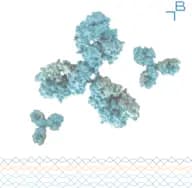
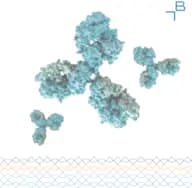
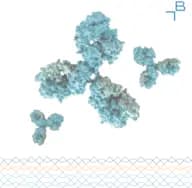
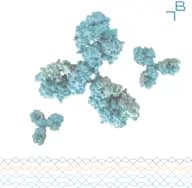
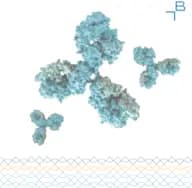
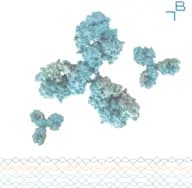
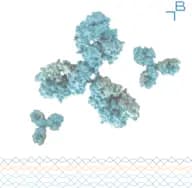
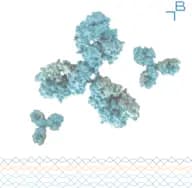
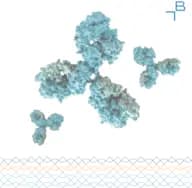
<p>Also known as Protein Kinase B (PKB), Akt is a signaling protein in cells that regulates important processes like cell growth, survival, metabolism, and proliferation. It functions within the PI3K/Akt pathway, one of the primary pathways for cell survival and growth. This pathway is activated by growth factors and hormones such as insulin. Upon activation, Akt is recruited to the cell membrane, where it is phosphorylated by kinases like PDK1, triggering its full activation. Akt can then influence downstream processes, inhibiting apoptosis to promote cell survival, supporting cell growth via pathways like mTOR, and enhancing glucose metabolism.Akt plays a key role in diseases like cancer and diabetes. Dysregulation of the Akt pathway is frequently observed in cancer, often due to mutations in pathway components such as PI3K, PTEN, or Akt itself, resulting in increased cell survival, growth, and resistance to therapies. In diabetes, insulin resistance diminishes Akt pathway responsiveness, reducing glucose uptake and leading to elevated blood glucose levels. Thus, the Akt pathway is a focal point in therapeutic research, particularly for diseases where its regulatory effects on cell growth and metabolism are implicated.</p>UCP1 antibody
<p>UCP1 antibody was raised in rabbit using a 12 amino acid peptide from mouse/rat UCP1 as the immunogen.</p>Purity:Min. 95%DRAM Blocking Peptide
<p>A synthetic peptide for use as a blocking control in assays to test for specificity of DRAM antibody, catalog no. 70R-9619</p>Purity:Min. 95%SLIT2 antibody
<p>The SLIT2 antibody is a highly specialized monoclonal antibody used in Life Sciences research. It targets the mitogen-activated protein SLIT2, which plays a crucial role in cell growth and development. This antibody has been shown to inhibit the activity of SLIT2, making it an invaluable tool for studying the function of this growth factor.</p>PYK2 antibody
<p>The PYK2 antibody is a highly specialized monoclonal antibody used in the field of Life Sciences. It is designed to specifically target and neutralize the activity of the colony-stimulating factor (CSF) receptor known as PYK2. This antibody has been extensively tested and proven to effectively bind to PYK2, inhibiting its receptor binding and downstream signaling pathways.</p>FAM126A Blocking Peptide
<p>A synthetic peptide for use as a blocking control in assays to test for specificity of FAM126A antibody, catalog no. 70R-10016</p>Purity:Min. 95%FAM119A antibody
<p>FAM119A antibody was raised using the middle region of FAM119A corresponding to a region with amino acids LGAGTGLVGIVAALLGAHVTITDRKVALEFLKSNVQANLPPHIQTKTVVK</p>GluR1 antibody
<p>The GluR1 antibody is a polyclonal antibody that is used in Life Sciences research. It has been specifically designed to detect and bind to the GluR1 receptor, which is an ionotropic glutamate receptor involved in synaptic transmission. This antibody can be used in various applications, such as electrochemical impedance spectroscopy and transcription-polymerase chain reaction (PCR), to study the function and expression of the GluR1 receptor. Additionally, it can be used in agglutination assays to measure the interaction between the GluR1 receptor and other molecules, such as glycine or gamma-aminobutyric acid (GABA). The GluR1 antibody has high specificity and affinity for its target, making it a valuable tool for researchers studying neuronal signaling pathways and synaptic plasticity. Furthermore, this antibody has shown antioxidant activity and may have potential therapeutic applications in neurodegenerative diseases.</p>Purity:Min. 95%Avidin antibody (biotin)
<p>Avidin antibody (biotin) was raised in rabbit using avidin isolated from hen egg white as the immunogen.</p>Methylprednisolone antibody
<p>The Methylprednisolone antibody is a monoclonal antibody that falls under the category of Life Sciences. This hormone peptide antibody specifically targets and binds to methylprednisolone, a steroid hormone. It has a glycan structure that plays a crucial role in neutralizing the effects of methylprednisolone.</p>Purity:Min. 95%Carboxypeptidase B2 Blocking Peptide
<p>A synthetic peptide for use as a blocking control in assays to test for specificity of CPB2 antibody, catalog no. 70R-5364</p>Purity:Min. 95%ZNF488 antibody
<p>ZNF488 antibody was raised in rabbit using the C terminal of ZNF488 as the immunogen</p>Purity:Min. 95%ZNF674 antibody
<p>ZNF674 antibody was raised in rabbit using the N terminal of ZNF674 as the immunogen</p>Purity:Min. 95%ATP11B antibody
<p>ATP11B antibody was raised using the N terminal of ATP11B corresponding to a region with amino acids DIVRIAKDEIFPADLVLLSSDRLDGSCHVTTASLDGETNLKTHVAVPETA</p>Purity:Min. 95%Factor X antibody
<p>Factor X antibody was raised in goat using human Factor X purified from plasma as the immunogen.</p>Purity:Min. 95%Goat anti Mouse IgG (H + L) (biotin)
<p>This antibody reacts with heavy (gamma) chains on mouse IgG and light chains on all mouse immunoglobulins.</p>Purity:Min. 95%SOHLH2 Blocking Peptide
<p>A synthetic peptide for use as a blocking control in assays to test for specificity of SOHLH2 antibody, catalog no. 70R-8335</p>Purity:Min. 95%RNASEH2A antibody
<p>RNASEH2A antibody was raised using the middle region of RNASEH2A corresponding to a region with amino acids AQTILEKEAEDVIWEDSASENQEGLRKITSYFLNEGSQARPRSSHRYFLE</p>TIMP1 monoclonal antibody
<p>The TIMP1 monoclonal antibody is a highly specialized antibody that specifically targets and neutralizes the activity of tissue inhibitor of metalloproteinase 1 (TIMP1). TIMP1 is a protein involved in various biological processes, including dopamine regulation, adiponectin signaling, and chemokine activity.</p>TACC2 antibody
<p>The 6-Fluoro-3-indoxyl-beta-D-galactopyranoside is a powerful antituberculosis drug belonging to the rifamycins class. It is specifically designed to combat tuberculosis infections by targeting active compounds and exerting bactericidal activity. This drug works by binding to DNA-dependent RNA polymerase, inhibiting transcription and replication, thus preventing the growth of bacteria. Its efficacy has been demonstrated through extensive research using advanced techniques like the patch-clamp technique on human erythrocytes. 6-Fluoro-3-indoxyl-beta-D-galactopyranoside undergoes various metabolic transformations, including hydrolysis, oxidation, reduction, and conjugation with glucuronic acid. Additionally, it selectively binds to markers expressed at high levels in Mycobacterium tuberculosis strains, inhibiting their cell growth in culture.</p>INSIG2 antibody
<p>INSIG2 antibody was raised using the N terminal of INSIG2 corresponding to a region with amino acids MAEGETESPGPKKCGPYISSVTSQSVNLMIRGVVLFFIGVFLALVLNLLQ</p>Purity:Min. 95%Tmem110 Blocking Peptide
<p>A synthetic peptide for use as a blocking control in assays to test for specificity of Tmem110 antibody, catalog no. 70R-9362</p>Purity:Min. 95%PAOX antibody
<p>PAOX antibody was raised using a synthetic peptide corresponding to a region with amino acids RGSAVGMEGGRPPPQSVGPAGAAAQAQALAGPSLLCSTRVGGRLGPSFLL</p>RIT1 Blocking Peptide
<p>A synthetic peptide for use as a blocking control in assays to test for specificity of RIT1 antibody, catalog no. 70R-10368</p>Purity:Min. 95%anti-Plasmodium aldolase Antibody (HRP)
<p>HRP Conjugated Rabbit anti-Plasmodium aldolase Antibody</p>anti-C-Myc Antibody (FITC)
<p>Please enquire for more information about anti-C-Myc Antibody (FITC) including the price, delivery time and more detailed product information at the technical inquiry form on this page</p>anti-6xHIS Tag Antibody (FITC)
<p>Citations using this FITC Conjugated Chicken anti-6xHIS Tag Antibody:</p>Verosudil
CAS:<p>Verosudil is a research tool that binds to the activator of phosphodiesterase 5 and 6, which are enzymes that break down cyclic nucleotides. Verosudil also inhibits ion channels, such as voltage-gated sodium channels. It is most commonly used in studies involving antibody-antigen interactions and protein interactions. Verosudil has high purity, with a CAS number of 1414854-42-4.</p>Formula:C17H17N3O2SPurity:Min. 95%Molecular weight:327.4 g/mol2-((1-(2-Chloroacetyl)-1,2,3,4-tetrahydroquinolin-6-yl)oxy)acetic acid
CAS:<p>2-((1-(2-Chloroacetyl)-1,2,3,4-tetrahydroquinolin-6-yl)oxy)acetic acid is a research tool that can be used to activate the ion channels in cells. It also binds to the antibody and receptor sites on cells, which can inhibit protein interactions. This compound has been shown to inhibit ligand binding and receptor activity by interfering with the interaction of peptides with their receptors. 2-((1-(2-Chloroacetyl)-1,2,3,4-tetrahydroquinolin-6-yl)oxy)acetic acid is suitable for use in pharmacology studies.</p>Formula:C13H14ClNO4Purity:Min. 95%Molecular weight:283.71 g/molElubrixin (tosylate)
CAS:<p>Elubrixin is a peptide that belongs to the group of activators. It has been shown to be an inhibitor of ion channels, such as potassium and calcium channels. Elubrixin selectively binds to receptors and ligands, which may lead to the inhibition of protein interactions. It also has an effect on cell biology, as it can inhibit the activity of G-protein coupled receptors by binding with them. Elubrixin is soluble in water and is available in high purity.</p>Formula:C24H25Cl2FN4O7S2Purity:Min. 95%Molecular weight:635.5 g/molMabuterol hydrochloride
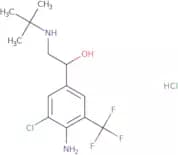
CAS:<p>β2 adrenoreceptor agonist</p>Formula:C13H18ClF3N2O·HClPurity:Min. 95%Color and Shape:White PowderMolecular weight:347.2 g/molH4R antagonist 1
CAS:<p>H4R antagonist 1 is a high-affinity human H4 receptor antagonist. It blocks the binding of histamine to H4 receptors in cells and inhibits the effects of histamine on ion channels. H4R antagonist 1 has been shown to inhibit phospholipase C, protein kinase C, and MAPK. This antibody can be used for research purposes in Cell Biology, Pharmacology, and Life Science.</p>Formula:C11H11BrN8Purity:Min. 95%Molecular weight:335.16 g/molPIM-447 dihydrochloride
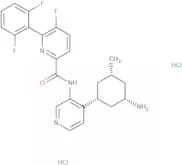
CAS:<p>PIM-447 dihydrochloride is a potent small molecule kinase inhibitor, which is synthesized as a selective inhibitor of PIM kinases. These kinases, part of the serine/threonine kinase family, are implicated in various cellular processes, including cell cycle progression and survival, making them a target of interest in oncology research. PIM-447 acts by binding to the ATP-binding pocket of PIM kinases, thereby inhibiting their activity and disrupting downstream signaling pathways that promote tumor growth and survival.</p>Formula:C24H25Cl2F3N4OPurity:Min. 95%Molecular weight:513.38 g/molCER11-2′R(d9)
CAS:Controlled Product<p>CER11-2′R(d9) is a research tool that can be used in the study of protein interactions and cell biology. This compound is an activator and ligand for the receptor. CER11-2′R(d9) has been shown to inhibit ion channels by binding to the protein and blocking its activity. CER11-2′R(d9) is also an inhibitor of peptidases, which are enzymes that break down proteins into smaller units. It has been shown to inhibit the enzyme cathepsin B, which plays a role in inflammation.</p>Formula:C34H60D9NO4Purity:Min. 95%Molecular weight:564.97 g/molIDO1-IN-5
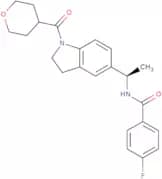
CAS:<p>IDO1-IN-5 is a magnetic assembly that generates an annular permeable field. The assembly consists of three parts: IDO1, IN-5 and the magnet. IDO1 is a polarized, on-line, axial, perforating ID assembly. IN-5 is an annular, magnetic assembly that generates the permeable field. The magnet can be positioned directly on top of the ID assembly to generate a polarized permeable field or placed at an angle to create a perforating field. This product utilizes polarization to generate a magnetic permeable field.</p>Formula:C23H25FN2O3Purity:Min. 95%Molecular weight:396.45 g/molBrl 15572 hydrochloride
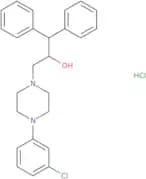
CAS:<p>Brl 15572 hydrochloride is a selective adenosine A2B receptor antagonist, which is a synthetic chemical compound designed for research purposes. It originates from the synthesis of pharmacological agents aimed at interfering with adenosine receptor-mediated pathways in human physiology. This compound acts by binding to the adenosine A2B receptors with high specificity, inhibiting their activity, and preventing the natural ligand, adenosine, from exerting its effects.</p>Formula:C25H28Cl2N2OPurity:Min. 95%Molecular weight:443.4 g/molNSC 135130
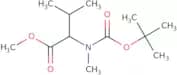
CAS:<p>NSC 135130 is a synthetic compound that serves as an antioxidant and anti-inflammatory agent. It is derived through chemical synthesis, a process involving the combination of various elements and compounds to produce a novel substance with specific desired properties. The mode of action of NSC 135130 primarily involves the scavenging of free radicals and modulation of inflammatory pathways, thus helping to mitigate oxidative stress and inflammation at the cellular level.</p>Formula:C12H23NO4Purity:Min. 95%Molecular weight:245.32 g/molPosenacaftor sodium
CAS:<p>Posenacaftor is a small molecule that belongs to the class of peptide inhibitors. It inhibits Protein interactions and is an activator of the ATP-binding cassette transporter A1 (ABCA1). Posenacaftor is used as a research tool to study the role of ABCA1 in lipid metabolism, as well as to study other proteins and their ligands. This drug has been shown to inhibit the activity of ion channels, which may have implications for treatment of epilepsy. Posenacaftor also binds to receptor sites on cells and blocks them, preventing calcium from entering into cells. This process leads to decreased inflammation and muscle contraction.</p>Formula:C27H26NNaO5Purity:Min. 95%Molecular weight:467.5 g/molYHO-13351
CAS:<p>YHO-13351 is an investigational pharmaceutical compound classified as a small molecule inhibitor. It is synthesized through a series of complex chemical processes involving precise modifications and optimizations to achieve high specificity and potency. This compound operates by selectively inhibiting certain molecular pathways that are implicated in pathological conditions, particularly those involving aberrant cellular proliferation and survival mechanisms.</p>Formula:C27H37N3O7S2Purity:Min. 95%Molecular weight:579.73 g/molBM152054
CAS:<p>BM152054 is a research tool that binds to the receptor and activates it. It is a ligand that binds to the receptor on the cell surface, which is a protein involved in cell biology. BM152054 has been used for research on ion channels, especially calcium and potassium channels, and their interactions with other proteins. This compound inhibits peptide binding to the receptor by blocking access to the site of attachment. There are many different types of receptors in cells, each specialized in recognizing one type of molecule or another. Receptors are important for cell-cell communication and signaling.</p>Formula:C22H18N2O4S3Purity:Min. 95%Molecular weight:470.6 g/molAWAT1 Blocking Peptide
<p>A synthetic peptide for use as a blocking control in assays to test for specificity of DGAT2L3 antibody, catalog no. 70R-6782</p>Purity:Min. 95%Donkey anti Rat IgG (H + L) (biotin)
<p>This antibody reacts with heavy (gamma) chains on rat IgG and light chains on all rat immunoglobulins.</p>Purity:Min. 95%RAD54B Blocking Peptide
<p>A synthetic peptide for use as a blocking control in assays to test for specificity of RAD54B antibody, catalog no. 70R-5648</p>Purity:Min. 95%SPDYA antibody
<p>SPDYA antibody was raised using a synthetic peptide corresponding to a region with amino acids HTAGVTEKHSQDSYNSLSMDIIGDPSQAYTGSEVVNDHQSNKGKKTNFLK</p>SCARB2 Blocking Peptide
<p>A synthetic peptide for use as a blocking control in assays to test for specificity of SCARB2 antibody, catalog no. 70R-10351</p>Purity:Min. 95%HSP90B1 protein (His tag)
<p>22-803 amino acids: MRGSHHHHHH GMASMTGGQQ MGRDLYDDDD KDRWGSMDDE VDVDGTVEED LGKSREGSRT DDEVVQREEE AIQLDGLNAS QIRELREKSE KFAFQAEVNR MMKLIINSLY KNKEIFLREL ISNASDALDK IRLISLTDEN ALSGNEELTV KIKCDKEKNL LHVTDTGVGM TREELVKNLG TIAKSGTSEF LNKMTEAQED GQSTSELIGQ FGVGFYSAFL VADKVIVTSK HNNDTQHIWE SDSNEFSVIA DPRGNTLGRG TTITLVLKEE ASDYLELDTI KNLVKKYSQF INFPIYVWSS KTETVEEPME EEEAAKEEKE ESDDEAAVEE EEEEKKPKTK KVEKTVWDWE LMNDIKPIWQ RPSKEVEEDE YKAFYKSFSK ESDDPMAYIH FTAEGEVTFK SILFVPTSAP RGLFDEYGSK KSDYIKLYVR RVFITDDFHD MMPKYLNFVK GVVDSDDLPL NVSRETLQQH KLLKVIRKKL VRKTLDMIKK IADDKYNDTF WKEFGTNIKL GVIEDHSNRT RLAKLLRFQS SHHPTDITSL DQYVERMKEK QDKIYFMAGS SRKEAESSPF VERLLKKGYE VIYLTEPVDE YCIQALPEFD GKRFQNVAKE GVKFDESEKT KESREAVEKE FEPLLNWMKD KALKDKIEKA VVSQRLTESP CALVASQYGW SGNMERIMKA QAYQTGKDIS TNYYASQKKT FEINPRHPLI RDMLRRIKED EDDKTVLDLA VVLFETATLR SGYLLPDTKA YGDRIERMLR LSLNIDPDAK VEEEPEEEPE ETAEDTTEDT EQDEDEEMDV GTDEEEETAK ESTAEKDEL</p>Purity:Min. 95%Goat anti Rabbit IgG (H + L) (Texas Red)
<p>Goat anti-rabbit IgG (H+L) was raised in goat using rabbit IgG whole molecule as the immunogen.</p>Purity:Min. 95%LAT antibody
<p>The LAT antibody is a highly specialized monoclonal antibody that has a wide range of applications in the field of Life Sciences. It is an activated globulin that specifically targets and neutralizes influenza hemagglutinin, which is a key protein involved in viral entry into host cells. Additionally, the LAT antibody has been shown to inhibit family kinase activity, making it a potential therapeutic agent for various diseases.</p>PLSCR1 antibody
<p>The 6-Fluoro-3-indoxyl-beta-D-galactopyranoside is a powerful antituberculosis drug that falls under the class of rifamycins. It is highly effective in treating tuberculosis infections and contains active compounds with bactericidal activity. This drug works by binding to DNA-dependent RNA polymerase, preventing transcription and replication, thus inhibiting bacterial growth. Studies have shown its high efficacy through patch-clamp technique on human erythrocytes. The drug undergoes various metabolic transformations, including hydrolysis by esterases or glucuronidases, oxidation by cytochrome P450 enzymes, reduction by glutathione reductase, or conjugation with glucuronic acid. Additionally, it specifically targets markers expressed in Mycobacterium tuberculosis strains and inhibits cell growth in culture.</p>Serpin B5 antibody
<p>The Serpin B5 antibody is a high-flux non-coding RNA that acts as an inducer in Life Sciences assays. It is used to study the role of sirtuins and inhibitors in various biological processes. This antibody specifically targets and binds to Serpin B5, which is a protein involved in regulating protease activity. By blocking the function of Serpin B5, this antibody can be used as a tool to investigate the effects of its inhibition on cellular processes. Additionally, the Serpin B5 antibody can be used as an active agent in serum marker assays or for extracting and purifying Serpin B5 from biological samples. This polyclonal antibody provides high specificity and sensitivity, making it an essential tool for researchers in the field of Life Sciences.</p>Cytokeratin 8 protein
<p>Cytokeratin 8 protein is a vital component of the cytoskeleton and is involved in maintaining the structural integrity of cells. It contains an amino group and histidine residues that contribute to its function. This protein has been found to be associated with multidrug resistance, as it plays a role in the transport of drugs across cell membranes. In addition to its structural role, cytokeratin 8 protein also has other functions. It interacts with fibrinogen, a blood clotting factor, and growth factors such as epidermal growth factor. These interactions are important for various cellular processes, including wound healing and tissue regeneration. Cytokeratin 8 protein can undergo post-translational modifications, such as carbonylation, which may affect its function. Research in Life Sciences has shown that monoclonal antibodies targeting this protein can be used for diagnostic purposes or as therapeutic agents. Autoantibodies against cytokeratin 8 protein have been associated with certain autoimmune diseases, such as</p>Purity:≥95% By Sds-PageCDH23 Blocking Peptide
<p>A synthetic peptide for use as a blocking control in assays to test for specificity of CDH23 antibody, catalog no. 70R-6179</p>Purity:Min. 95%TP63 protein
<p>The TP63 protein is a trifunctional protein that plays a crucial role in various biological processes. It is involved in the regulation of cell proliferation, differentiation, and apoptosis. TP63 has been extensively studied using techniques such as polymerase chain reaction (PCR) and molecular docking.</p>Purity:Min. 95%Masp2 Blocking Peptide
<p>A synthetic peptide for use as a blocking control in assays to test for specificity of Masp2 antibody, catalog no. 70R-8508</p>Purity:Min. 95%NSUN4 antibody
<p>NSUN4 antibody was raised using the N terminal of NSUN4 corresponding to a region with amino acids QKYGALVNNFAAWDHVSAKLEQLSAKDFVNEAISHWELQSEGGQSAAPSP</p>Ankrd13d antibody
<p>Ankrd13d antibody was raised in rabbit using the middle region of Ankrd13d as the immunogen</p>Purity:Min. 95%RAGE antibody
<p>The RAGE antibody is a glycation-specific polyclonal antibody that targets the receptor for advanced glycation end products (RAGE). This antibody plays a crucial role in various pathological conditions, including thrombotic microangiopathy and atypical hemolytic uremic syndrome. It binds to RAGE and inhibits the interaction between RAGE and its ligands, such as advanced glycation end products (AGEs) and high mobility group box 1 (HMGB1). By blocking this interaction, the RAGE antibody can prevent the activation of downstream signaling pathways involved in inflammation and tissue damage. Additionally, this antibody has been used in research studies to investigate the role of RAGE in various diseases, including cancer and neurodegenerative disorders. The RAGE antibody is available as both monoclonal and polyclonal antibodies, providing researchers with options to suit their specific experimental needs.</p>Purity:Min. 95%CD122 antibody
<p>CD122 antibody is a monoclonal antibody that has been shown to be effective in the treatment of thrombotic thrombocytopenic purpura (TTP). TTP is a rare blood disorder characterized by the formation of blood clots in small blood vessels throughout the body. CD122 antibody works by inhibiting the activity of glycoprotein CD122, which plays a role in the development and function of certain immune cells. By blocking CD122, this antibody helps reduce microvessel density and prevent the formation of blood clots.</p>DUSP19 Blocking Peptide
<p>A synthetic peptide for use as a blocking control in assays to test for specificity of DUSP19 antibody, catalog no. 70R-4137</p>Purity:Min. 95%RGS16 antibody
<p>The RGS16 antibody is a powerful tool in the field of Life Sciences. It is a monoclonal antibody that specifically targets and inhibits the activity of RGS16, a protein kinase involved in various cellular processes. Through molecular docking and DNA aptamer immobilization techniques, this antibody has been designed to have a high affinity for RGS16, allowing for precise and effective inhibition.</p>CCDC16 antibody
<p>CCDC16 antibody was raised in rabbit using the N terminal of CCDC16 as the immunogen</p>Purity:Min. 95%SGK3 antibody
<p>SGK3 antibody was raised in rabbit using a synthetic peptide conjugated to KLH as the immunogen.</p>Purity:Min. 95%ARL13B antibody
<p>ARL13B antibody was raised using the middle region of ARL13B corresponding to a region with amino acids RVEPLNIDDCAPESPTPPPPPPPVGWGTPKVTRLPKLEPLGETHHNDFYR</p>SGPP2 Blocking Peptide
<p>A synthetic peptide for use as a blocking control in assays to test for specificity of SGPP2 antibody, catalog no. 70R-1195</p>Purity:Min. 95%PSA antibody
<p>The PSA antibody is a monoclonal antibody that specifically targets the prostate-specific antigen (PSA) found in human serum. It is designed to bind to PSA and inhibit its activity. This antibody is produced using histidine-tagged recombinant proteins and has been shown to effectively detect PSA levels in various diagnostic tests, such as enzyme-linked immunosorbent assays (ELISA) or immunohistochemistry.</p>HIST2H2BF Blocking Peptide
<p>A synthetic peptide for use as a blocking control in assays to test for specificity of HIST2H2BF antibody, catalog no. 70R-2096</p>Purity:Min. 95%GOLM1 antibody
<p>The 6-Fluoro-3-indoxyl-beta-D-galactopyranoside is a powerful antituberculosis drug that falls under the class of rifamycins. It is highly effective in treating tuberculosis infections and contains active compounds with bactericidal activity. This drug works by binding to DNA-dependent RNA polymerase, preventing transcription and replication, thus inhibiting bacterial growth. Its efficacy has been proven through extensive testing using the patch-clamp technique on human erythrocytes. The active form of this drug undergoes various metabolic transformations, including hydrolysis by esterases or glucuronidases, oxidation by cytochrome P450 enzymes, reduction by glutathione reductase, or conjugation with glucuronic acid. Additionally, it specifically targets markers expressed at high levels in Mycobacterium tuberculosis strains, inhibiting their cell growth in culture.</p>CDK2AP1 protein (His tag)
<p>1-115 amino acids: MRGSHHHHHH GMASMTGGQQ MGRDLYDDDD KDRWGSHMSY KPNLAAHMPA AALNAAGSVH SPSTSMATSS QYRQLLSDYG PPSLGYTQGT GNSQVPQSKY AELLAIIEEL GKEIRPTYAG SKSAMERLKR GIIHARGLVR ECLAETERNA RS</p>Purity:Min. 95%Rho antibody
<p>The Rho antibody is a monoclonal antibody that targets sclerostin, a protein that acts as an inhibitor of bone formation. By binding to sclerostin, this antibody enhances osteoblast activity and promotes bone growth. It has also been shown to inhibit phosphatase activity, which further supports bone formation. Additionally, the Rho antibody has been found to have cytotoxic effects on certain cancer cells and can interfere with endothelial growth factor signaling. This antibody is widely used in Life Sciences research for studying bone development and growth factors. It is available as both a monoclonal and polyclonal antibody, offering researchers different options for their specific needs. Whether you are studying bone biology or investigating potential therapeutic targets, the Rho antibody is a valuable tool in your research arsenal.</p>Goat anti Rabbit IgG (H + L) (Fab'2) (biotin)
<p>Goat anti-rabbit IgG (H+L) (Fab'2) (biotin) was raised in goat using rabbit IgG whole molecule as the immunogen.</p>Purity:Min. 95%PI4KB antibody
<p>PI4KB antibody was raised using the N terminal of PI4KB corresponding to a region with amino acids LILSDELKPAHRKRELPSLSPAPDTGLSPSKRTHQRSKSDATASISLSSN</p>ISG15 antibody
<p>The ISG15 antibody is a monoclonal antibody that exhibits cytotoxic activity against various targets. It specifically binds to ISG15, a protein involved in immune response and antiviral defense. This antibody has been extensively used in Life Sciences research for assays related to glp-1, lipoprotein lipase, elastase protein, natriuretic factors, fibrinogen, myostatin, alpha-synuclein (α-syn), and other targets. Its high specificity and affinity make it an excellent tool for studying the role of ISG15 in various biological processes. Whether you are conducting experiments or developing diagnostics, the ISG15 antibody is a valuable asset in your scientific endeavors.</p>SH3BGRL3 antibody
<p>The SH3BGRL3 antibody is a theranostic tool used in the field of Life Sciences. It plays a crucial role in various biological processes and has been extensively studied for its potential therapeutic applications. This antibody specifically targets SH3BGRL3, a proline-rich protein involved in cytokine receptor signaling and caveolin-1 regulation.</p>Chicken anti Rat IgG (H + L) (HRP)
<p>This antibody reacts with heavy (gamma) chains on rat IgG and light chains on all rat immunoglobulins.</p>Purity:Min. 95%C17ORF39 antibody
<p>C17ORF39 antibody was raised using the C terminal Of C17Orf39 corresponding to a region with amino acids SFAGFYYICFQKSAASIEGYYYHRSSEWYQSLNLTHVPEHSAPIYEFR</p>POR antibody
<p>The POR antibody is a monoclonal antibody that specifically targets the POR protein. It is used in various applications in the field of Life Sciences, including research and diagnostics. The POR antibody is made using magnetic iron oxide as a carrier, which enhances its stability and binding efficiency. It has been extensively tested and validated for its specificity and sensitivity.</p>PPIL1 protein
<p>1-166 amino acids: MAAIPPDSWQ PPNVYLETSM GIIVLELYWK HAPKTCKNFA ELARRGYYNG TKFHRIIKDF MIQGGDPTGT GRGGASIYGK QFEDELHPDL KFTGAGILAM ANAGPDTNGS QFFVTLAPTQ WLDGKHTIFG RVCQGIGMVN RVGMVETNSQ DRPVDDVKII KAYPSGLEHH HHHH</p>Purity:Min. 95%Synuclein α antibody
<p>Synuclein Alpha antibody was raised using a synthetic peptide corresponding to a region with amino acids VTNVGGAVVTGVTAVAQKTVEGAGSIAAATGFVKKDQLGKEGYQDYEPEA</p>Purity:Min. 95%ABI1 antibody
<p>The ABI1 antibody is a polyclonal antibody that is used in life sciences research. It specifically targets and neutralizes the alpha-fetoprotein, c-myc, hemoglobin, protein, collagen, interferon-gamma (IFN-gamma), telomerase, fibronectin, and growth factor. This antibody is widely used in various applications such as immunohistochemistry, western blotting, and enzyme-linked immunosorbent assay (ELISA). Its high specificity and affinity make it an essential tool for studying the role of these proteins in different biological processes. Whether you are conducting basic research or exploring potential therapeutic targets, the ABI1 antibody will provide valuable insights into cellular functions and signaling pathways. Trust this reliable antibody to enhance your scientific discoveries and advance your understanding of complex biological systems.</p>Ponesimod
CAS:<p>Sphingosine-1-phosphate receptor 1 (S1P1) immunomodulator; for MS and psoriasis</p>Formula:C23H25ClN2O4SPurity:Min. 95%Molecular weight:460.97 g/molDC0-NH2
CAS:<p>DC0-NH2 is a peptide that belongs to the class of inhibitor. It has been shown to inhibit the interaction between Ligands and Receptors. DC0-NH2 also has an activating effect on Protein interactions. This compound has a high purity and can be used as a research tool for studying ion channels and antibody-antigen interactions.</p>Formula:C31H24ClN5O3Purity:Min. 95%Molecular weight:550 g/molEnt-ticagrelor
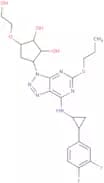
CAS:<p>Ent-ticagrelor is a chirally pure pharmaceutical compound, categorized as a P2Y12 receptor antagonist, derived synthetically. This stereoisomer exemplifies the principle of stereochemistry in drug development, focusing on molecular specificity. Its mode of action involves selective binding to the P2Y12 adenosine diphosphate (ADP) receptors on platelets. This binding effectively inhibits the ADP-mediated activation of the GPIIb/IIIa receptor complex, which is crucial for platelet aggregation and clot formation.</p>Formula:C23H28F2N6O4SPurity:Min. 95%Molecular weight:522.6 g/molMouse Leukemia virus protein
<p>The Mouse Leukaemia Virus Protein is a potent inhibitor of family kinases, growth factors, and chemokines. This protein exhibits cytotoxic and nephrotoxic effects and has been shown to interact with CXCR4, hepatocyte growth factor, autoantibodies, superoxide, telomerase, and necrosis factor-related apoptosis-inducing ligand. It can be used in various research applications such as the study of protein-protein interactions, signal transduction pathways, and cellular responses. The Mouse Leukaemia Virus Protein is available as a high-quality monoclonal antibody that has been purified using colloidal techniques. It is suitable for use in experiments involving mesenchymal stem cells or other cell types expressing the target antigen.</p>Purity:Min. 95%SCGF β antibody
<p>SCGF beta antibody was raised in goat using highly pure recombinant human SCGF-beta as the immunogen.</p>Purity:Min. 95%Cat RBC antibody
<p>Cat RBC antibody was raised in rabbit using feline erythrocytes as the immunogen.</p>PABPC4 Blocking Peptide
<p>A synthetic peptide for use as a blocking control in assays to test for specificity of DHCR24 antibody, catalog no. 70R-6954</p>Purity:Min. 95%LGALS3BP antibody
<p>The LGALS3BP antibody is a powerful tool used in the field of Life Sciences. It is a monoclonal antibody that has been extensively studied for its neutralizing effects on various proteins and compounds. This antibody has shown potential in inhibiting the activity of taxol, a widely used chemotherapy drug, as well as alpha-fetoprotein, a biomarker for certain types of cancer. The LGALS3BP antibody can also be used in the development of expression plasmids for gene therapy research and in the creation of nanocomposites for targeted drug delivery. Additionally, this antibody has been utilized in the detection and quantification of glutamate levels using electrode-based assays. With its versatility and effectiveness, the LGALS3BP antibody is an indispensable tool for researchers in the Life Sciences field.</p>ATP Synthase γ Chain, Mitochondria, human, recombinant
<p>This is a vivitide catalogue product. Please send your vivitide product enquiry to sales@vivitide.com for an up-to-date price and availability.</p>Purity:Min. 95%Boc-Tyr-Leu-obzl
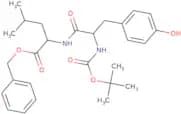
CAS:<p>Please enquire for more information about Boc-Tyr-Leu-obzl including the price, delivery time and more detailed product information at the technical inquiry form on this page</p>Formula:C27H36N2O6Purity:Min. 95%Molecular weight:484.6 g/molUBE4A antibody
<p>UBE4A antibody was raised using a synthetic peptide corresponding to a region with amino acids QYAPQLAEALIKVFVDIEFTGDPHQFEQKFNYRRPMYPILRYMWGTDTYR</p>LENG4 Blocking Peptide
<p>A synthetic peptide for use as a blocking control in assays to test for specificity of LENG4 antibody, catalog no. 70R-1902</p>Purity:Min. 95%CDCP1 antibody
<p>The CDCP1 antibody is a highly specialized product in the field of Life Sciences. It belongs to the class of monoclonal antibodies and is used for various applications such as immunoassays, cell cytotoxicity studies, and research in the field of anticancer agents.</p>ENDOG Blocking Peptide
<p>A synthetic peptide for use as a blocking control in assays to test for specificity of ENDOG antibody, catalog no. 70R-5315</p>Purity:Min. 95%SEMA4B antibody
<p>SEMA4B antibody was raised using the N terminal of SEMA4B corresponding to a region with amino acids KGRCPFDPNFKSTALVVDGELYTGTVSSFQGNDPAISRSQSLRPTKTESS</p>Purity:Min. 95%ACTA1 antibody
<p>The ACTA1 antibody is a polyclonal antibody that specifically targets the ACTA1 protein. This protein plays a crucial role in muscle contraction and is found predominantly in skeletal muscle fibers. The ACTA1 antibody can be used for various applications, including immunohistochemistry, western blotting, and ELISA. It has been validated for use in human serum samples and has shown high specificity and sensitivity.</p>CREG2 antibody
<p>CREG2 antibody was raised using the N terminal of CREG2 corresponding to a region with amino acids VSSVSWAVTNEVDEELDSASTEEAMPALLEDSGSIWQQSFPASAHKEDAH</p>Purity:Min. 95%Glycoprotein 2 Blocking Peptide
<p>A synthetic peptide for use as a blocking control in assays to test for specificity of GP2 antibody, catalog no. 70R-6818</p>Purity:Min. 95%LSM1 antibody
<p>LSM1 antibody was raised using a synthetic peptide corresponding to a region with amino acids SDTPLQQVSIEEILEEQRVEQQTKLEAEKLKVQALKDRGLSIPRADTLDE</p>Met antibody
<p>Met antibody is a polyclonal antibody that specifically targets the tyrosine kinase receptor known as c-Met. This antibody has neutralizing properties, meaning it can inhibit the activity of c-Met and its downstream signaling pathways. By binding to the protein complex formed by c-Met and its ligand, this antibody prevents the activation of various cellular processes involved in cell growth, survival, migration, and invasion.</p>Purity:Min. 95%MAOA Blocking Peptide
<p>A synthetic peptide for use as a blocking control in assays to test for specificity of MAOA antibody, catalog no. 70R-2465</p>Purity:Min. 95%SHANK1a antibody
<p>SHANK1a antibody was raised in rabbit using residues [SGPIYPGLFDIRSS] of the C terminus of the Shank1a protein as the immunogen.</p>Purity:Min. 95%ACSS2 antibody
<p>The ACSS2 antibody is a colony-stimulating antibody that activates the production of specific proteins in human serum. It is widely used in the field of Life Sciences for various research purposes. This monoclonal antibody specifically targets c-myc, a protein involved in cell growth and proliferation. By binding to c-myc, the ACSS2 antibody can modulate its activity and regulate cellular processes. Additionally, this antibody has been shown to interact with other proteins such as alpha-fetoprotein (AFP), interferon-gamma (IFN-gamma), glutamate receptors, and phosphatase enzymes. Its acidic nature allows it to effectively target fatty acids and participate in metabolic pathways related to lipid metabolism. With its wide range of applications, the ACSS2 antibody is an essential tool for researchers in the Life Sciences field.</p>ZHX3 antibody
<p>ZHX3 antibody was raised in rabbit using the middle region of ZHX3 as the immunogen</p>Purity:Min. 95%IL9 protein (Mouse)
<p>Region of IL9 protein corresponding to amino acids MQRCSTTWGI RDTNYLIENL KDDPPSKCSC SGNVTSCLCL SVPTDDCTTP CYREGLLQLT NATQKSRLLP VFHRVKRIVE VLKNITCPSF SCEKPCNQTM AGNTMSFLKS LLGTFQKTEM QRQKSRP.</p>Purity:Min. 95%CCDC60 Blocking Peptide
<p>A synthetic peptide for use as a blocking control in assays to test for specificity of CCDC60 antibody, catalog no. 70R-4198</p>Purity:Min. 95%H2AFY antibody
<p>H2AFY antibody was raised using the N terminal of H2AFY corresponding to a region with amino acids MSSRGGKKKSTKTSRSAKAGVIFPVGRMLRYIKKGHPKYRIGVGAPVYMA</p>Karyopherin α 5 Blocking Peptide
<p>A synthetic peptide for use as a blocking control in assays to test for specificity of KPNA5 antibody, catalog no. 70R-2092</p>Purity:Min. 95%AP2B1 antibody
<p>AP2B1 antibody was raised using the C terminal of AP2B1 corresponding to a region with amino acids GAVDLLGGGLDSLLGSDLGGGIGGSPAVGQSFIPSSVPATFAPSPTPAVV</p>Stabilized Troponin I protein (Cardiac)
<p>Purified recombinant Human Stabilized Troponin I protein (Cardiac)</p>Purity:Min. 95%CXORF9 Blocking Peptide
<p>A synthetic peptide for use as a blocking control in assays to test for specificity of CXorf9 antibody, catalog no. 70R-4377</p>Purity:Min. 95%MARK antibody
<p>The MARK antibody is a highly specialized monoclonal antibody that targets choline acetyltransferase (ChAT), an enzyme involved in the synthesis of the neurotransmitter acetylcholine. This antibody specifically recognizes and binds to ChAT, allowing for the detection and quantification of ChAT levels in various biological samples.</p>GZMA antibody
<p>GZMA antibody was raised in rabbit using the C terminal of GZMA as the immunogen</p>Purity:Min. 95%TRIM28 antibody
<p>The TRIM28 antibody is a polyclonal antibody that belongs to the class of antibodies used in life sciences research. It specifically targets and neutralizes the TRIM28 protein, which is involved in various cellular processes. This antibody has been shown to be effective in detecting and quantifying TRIM28 in human serum samples. It can also be used to study the role of TRIM28 in different cell types and its interaction with other proteins, such as histidine or chemokines. The TRIM28 antibody is a valuable tool for researchers working on understanding the function of this protein and its potential implications in various diseases.</p>CHRNA3 antibody
<p>CHRNA3 antibody was raised in rabbit using the N terminal of CHRNA3 as the immunogen</p>Purity:Min. 95%JAK2 antibody
<p>The JAK2 antibody is a monoclonal antibody that is widely used in the field of Life Sciences. It specifically targets and binds to the Janus kinase 2 (JAK2) protein, which plays a crucial role in various cellular processes. The JAK2 antibody has been extensively studied for its ability to inhibit the activation of JAK2 and downstream signaling pathways, including the β-catenin pathway. This inhibition can have significant implications in liver microsomes, collagen synthesis, growth factor signaling, oncostatin M-induced gene expression, calmodulin-dependent kinase activity, and more.</p>ZNF651 Blocking Peptide
<p>A synthetic peptide for use as a blocking control in assays to test for specificity of ZNF651 antibody, catalog no. 20R-1109</p>Purity:Min. 95%GRIK5 Blocking Peptide
<p>A synthetic peptide for use as a blocking control in assays to test for specificity of GRIK5 antibody, catalog no. 70R-5212</p>Purity:Min. 95%Sulfadiazine-BSA
<p>Sulfadiazine-BSA is a haptene conjugate that is commonly used in Life Sciences for various applications. It is often used in research to study the binding interactions between antibodies and antigens. Sulfadiazine-BSA has been shown to have high affinity for antibodies, making it an ideal tool for immunoassays and antibody-based detection methods. In addition, this conjugate has been used to develop recombinant viruses for vaccine production. Sulfadiazine-BSA exhibits acidic properties and can be used to measure the viscosity of blood serum samples. It has also been used as a monoclonal antibody in studies involving alpha-fetoprotein and inhibitory factors. Furthermore, this product is commonly employed in research related to proteins and antigens, where it has been shown to inhibit hemolysis in human serum samples.</p>Purity:Min. 95%SR140 Blocking Peptide
<p>A synthetic peptide for use as a blocking control in assays to test for specificity of SR140 antibody, catalog no. 70R-4843</p>Purity:Min. 95%RGS7 Blocking Peptide
<p>A synthetic peptide for use as a blocking control in assays to test for specificity of RGS7 antibody, catalog no. 20R-1256</p>Purity:Min. 95%MUC2 antibody
<p>The MUC2 antibody is a highly specialized polyclonal antibody used in the field of Life Sciences. It targets the MUC2 protein, which plays a crucial role in maintaining the integrity of the mucosal barrier in various tissues. This antibody can be used for research purposes to study the function and regulation of MUC2 in different biological processes.</p>RAB3IP antibody
<p>RAB3IP antibody was raised using a synthetic peptide corresponding to a region with amino acids SPDLLGVYESGTQEQTTSPSVIYRPHPSALSSVPIQANALDVSELPTQPV</p>Rb antibody
<p>The Rb antibody is a highly potent mitogen that belongs to the class of monoclonal antibodies in the field of Life Sciences. It acts as a growth factor and has been extensively studied for its role in oncolytic adenovirus therapy. The Rb antibody is known to activate the mitogen-activated protein (MAP) pathway, which plays a crucial role in cell proliferation and differentiation.</p>IL18RAP Blocking Peptide
<p>A synthetic peptide for use as a blocking control in assays to test for specificity of IL18RAP antibody, catalog no. 70R-1665</p>Purity:Min. 95%SR140 antibody
<p>SR140 antibody was raised using the N terminal of SR140 corresponding to a region with amino acids NLSRPLLENKLKAFSIGKMSTAKRTLSKKEQEELKKKEDEKAAAEIYEEF</p>