Biochemicals and Reagents
Subcategories of "Biochemicals and Reagents"
- Biomolecules(98,574 products)
- By Biological Target(100,726 products)
- By Pharmacological Effects(6,937 products)
- Cryopreservatives(21 products)
- Desinfectants and Related Compounds(28 products)
- Hormones(439 products)
- Plant Biology(6,907 products)
- Secondary Metabolites(14,367 products)
Found 130493 products of "Biochemicals and Reagents"
NUDT21 antibody
NUDT21 antibody was raised in mouse using recombinant Human Nudix (Nucleoside Diphosphate Linked Moiety X)-Type Motif 21 (Nudt21)JNJ 42041935
CAS:JNJ 42041935 is a pharmacologic agent that inhibits the growth of cancer cells and may be used to treat chronic kidney disease. This drug binds to the extracellular matrix, which prevents the proliferation of cells in the tissue. JNJ 42041935 has been shown to inhibit the production of messenger RNA in urine samples taken from patients with chronic kidney disease. The clinical studies have shown that JNJ 42041935 can reduce the incidence of leukemia and blood disorders. The effective dose for this drug is not yet known, but it is thought that it may be around 1-10 mg/kg daily. It is also unknown how long JNJ 42041935 will remain in the body or what its excretion rate is.
Formula:C12H6ClF3N4O3Purity:Min. 95%Molecular weight:346.65 g/molHKR1 antibody
HKR1 antibody was raised in rabbit using the N terminal of HKR1 as the immunogenPurity:Min. 95%AIF antibody
The AIF antibody is a monoclonal antibody that specifically targets the apoptosis-inducing factor (AIF). This antibody has been widely used in life sciences research to study the role of AIF in various cellular processes. It acts as a neutralizing agent, inhibiting the activity of AIF and preventing its interaction with other proteins in the cell. The AIF antibody has shown promise as a potential therapeutic agent for diseases involving abnormal cell growth, such as cancer. Its ability to bind to specific antigens makes it a valuable tool for researchers studying protein complexes and signaling pathways. Additionally, this antibody has been found to interact with other molecules involved in lipid metabolism, insulin-like growth factor signaling, and nuclear receptors such as the mineralocorticoid receptor.Pamatolol
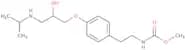
CAS:Pamatolol is a beta-blocker that is used in the treatment of high blood pressure and heart disease. It has been shown to inhibit the production of fatty acids in rat liver microsomes, which may play an important role in cancer. Pamatolol has also been shown to have anti-inflammatory effects and to inhibit the production of cytokines, such as IL-1β, IL-6, and TNF-α. The drug also inhibits the activity of 2-adrenergic receptors, which are involved in inflammatory bowel disease. This medication does not affect the activity of prostaglandin H synthase (prostaglandin C synthase), which plays an important role in inflammatory bowel disease. Pamatolol has been shown to be effective against human liver cells, but long-term studies on its toxicity are still required.Formula:C16H26N2O4Purity:Min. 95%Molecular weight:310.39 g/molDes-methylformate eplerenone
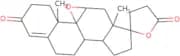
CAS:Please enquire for more information about Des-methylformate eplerenone including the price, delivery time and more detailed product information at the technical inquiry form on this page
Formula:C22H28O4Purity:Min. 95%Molecular weight:356.5 g/molTG02 (Double bond E)
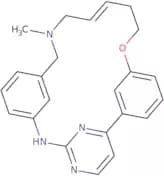
CAS:TG02 is a high-purity synthetic peptide that acts as an activator of the protein receptor. TG02 can be used as a research tool for cell biology and pharmacology studies. It has been shown to activate ion channels and ligand-gated ion channels, including nicotinic acetylcholine receptors, 5-HT3 receptors, NMDA receptors, and GABA A receptors. TG02 also has been shown to inhibit the activity of Ligands that bind to these same protein receptor. TG02 is a small molecule that binds to the GluR2 subunit of the AMPA receptor in rat brain tissue with an IC 50 value of 0.27 μM.Formula:C23H24N4OPurity:Min. 95%Molecular weight:372.46 g/molUSP48 antibody
USP48 antibody was raised using the C terminal of USP48 corresponding to a region with amino acids PQSGEWYKFNDEDIEKMEGKKLQLGIEEDLAEPSKSQTRKPKCGKGTHCSPurity:Min. 95%WEHI-345 analog
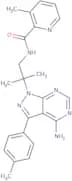
CAS:WEHI-345 analog is a peptide that can be used as a research tool. It can be used to study protein interactions, antibody binding, cell biology, ligand binding, pharmacology, and life science. WEHI-345 analog has been shown to inhibit receptors and ion channels. The CAS number for this compound is 1354825-62-9. This compound is of high purity and has been shown to activate some ion channels.
Formula:C23H25N7OPurity:Min. 95%Molecular weight:415.49 g/molSSRP1 antibody
The SSRP1 antibody is a highly potent growth factor that acts as a phosphatase in various bioassays. It is specifically activated by human serum and has neutralizing properties. This antibody, widely used in Life Sciences research, targets tyrosine kinase receptors and 3-kinases to regulate cellular processes. It can be utilized in electrode-based experiments and is commonly employed in the field of Antibodies research. Additionally, the SSRP1 antibody has been found to exhibit genotoxic effects and shows potential as an anti-beta amyloid agent for combating amyloid protein-related disorders.
GSK2945
CAS:GSK2945 is a potent and selective activator of the human TRPA1 ion channel. It shows no cytotoxicity at concentrations up to 1 μM. GSK2945 binds to the extracellular domain of TRPA1, activating the channel by increasing its open probability. GSK2945 has been shown to be selective for TRPA1 over TRPV1, TRPM8, and other ion channels.Formula:C20H18Cl2N2O2SPurity:Min. 95%Molecular weight:421.3 g/mol4-[2-(Cyclopropylmethoxy)-5-(methylsulfonyl)phenyl]-2-methyl-1(2H)-isoquinolinone
CAS:4-[2-(Cyclopropylmethoxy)-5-(methylsulfonyl)phenyl]-2-methyl-1(2H)-isoquinolinone is a small molecule that binds to the leucine-binding site of the NMDA receptor and blocks the channel. This inhibition causes an increase in extracellular glutamate, which inhibits neuronal activity. 4-[2-(Cyclopropylmethoxy)-5-(methylsulfonyl)phenyl]-2-methyl-1(2H)-isoquinolinone is used as a research tool to study ion channels and their interactions with other proteins. It has been shown to bind to peptides in high purity, and can be used for antibody production.
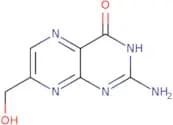
Formula:C21H21NO4SPurity:Min. 95%Molecular weight:383.5 g/mol2-Amino-7-(hydroxymethyl)-4(3H)-pteridinone
CAS:Please enquire for more information about 2-Amino-7-(hydroxymethyl)-4(3H)-pteridinone including the price, delivery time and more detailed product information at the technical inquiry form on this page
Formula:C7H7N5O2Purity:Min. 95%Molecular weight:193.16 g/molPhm-27 (human)
CAS:Phm-27 (human) is a peptide that is an activator of the human protein C receptor. It has been shown to inhibit the activity of ion channels and increase cell permeability, as well as act as an anti-inflammatory agent. Phm-27 binds to three different types of receptors: GPCRs, immunoglobulin superfamily proteins, and protease receptors. This peptide also inhibits the binding between two ligands, such as a hormone and its receptor.
Formula:C135H214N34O40SPurity:Min. 95%Molecular weight:2,985.4 g/molNSC305787
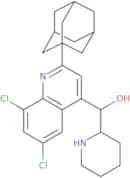
CAS:NSC305787 is a small molecule modulator, which is derived from synthetic sources. It exhibits its mode of action by interfering with specific cell signaling pathways, ultimately influencing cellular processes. The compound is particularly known for its ability to inhibit or modify the activity of certain proteins involved in these pathways, offering insight into cellular behavior and potential intervention points for various biological systems.
Formula:C25H30Cl2N2OPurity:Min. 95%Molecular weight:445.42 g/molCDC7 antibody
The CDC7 antibody is a powerful tool in the field of life sciences. It is a polyclonal antibody that specifically targets CDC7, a protein kinase involved in the regulation of cell cycle progression and DNA replication. This antibody can be used for various applications, such as immunofluorescence, Western blotting, and immunohistochemistry.




![4-[2-(Cyclopropylmethoxy)-5-(methylsulfonyl)phenyl]-2-methyl-1(2H)-isoquinolinone](/_next/image/?url=https%3A%2Fstatic.cymitquimica.com%2Fproducts%2F3D%2Fthumb-webp%2FGTC73898.webp&w=3840&q=75)