Biochemicals and Reagents
Subcategories of "Biochemicals and Reagents"
- Biomolecules(98,937 products)
- By Biological Target(100,608 products)
- By Pharmacological Effects(6,817 products)
- Cryopreservatives(21 products)
- Desinfectants and Related Compounds(28 products)
- Hormones(346 products)
- Plant Biology(6,771 products)
- Secondary Metabolites(14,352 products)
Found 130623 products of "Biochemicals and Reagents"
(2,4-Difluoro-3-phenoxyphenyl)methanamine
CAS:2,4-Difluoro-3-phenoxyphenyl)methanamine is a high purity, cell biology research tool that can be used in pharmacology. It is an inhibitor of the ion channel and activator of the receptor. The antibody interacts with protein and has been shown to inhibit ligand binding to the receptor. This chemical compound has CAS number 1401839-25-5.Formula:C13H11F2NOPurity:Min. 95%Molecular weight:235.23 g/mol6-Fluoro-2-(2-methylphenyl)-1,2-benzothiazol-3-one
CAS:6-Fluoro-2-(2-methylphenyl)-1,2-benzothiazol-3-one is a research tool used to study protein interactions. It is an inhibitor of ligand binding to receptor, peptides and ion channels. 6FLBT inhibits the activation of the high affinity form of acetylcholine receptor (AChR) in rat spinal cord neurons in vitro. Its inhibitory activity on AChR was found to be competitive with that of carbamylcholine (CCh). The IC50 values were found to be 0.6 μM and 3 μM respectively. In addition, 6FLBT has been shown to inhibit the binding of cAMP analogues to cell membranes at concentrations between 1 nM and 10 μM. 6FLBT has also been shown to inhibit the binding of cAMP analogues to cell membranes at concentrations between 1 nM and 10 μM.
Formula:C14H10FNOSPurity:Min. 95%Molecular weight:259.3 g/molPDGFR Tyrosine Kinase Inhibitor VII
CAS:PDGFR Tyrosine Kinase Inhibitor VII is a protein-based drug that binds to the PDGFR tyrosine kinase receptor and inhibits its activity. This binding prevents the activation of the PDGFR, which is necessary for cell signaling. PDGFR Tyrosine Kinase Inhibitor VII has been shown to be effective against cancer cells in vitro and in vivo. It is also used as a complementary treatment for patients with chronic myelogenous leukemia. The mechanism of action of PDGFR Tyrosine Kinase Inhibitor VII is to inhibit the growth and spread of cancer cells by preventing them from proliferating.Formula:C24H22N2O3Purity:Min. 95%Molecular weight:386.44 g/molIKK-IN-1
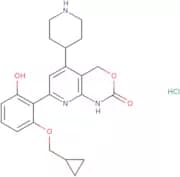
CAS:IKK-IN-1 is a recombinant, high purity, protein that belongs to the Receptor, Ligand, Activator group of proteins. It is an inhibitor of Protein interactions and has been shown to activate ion channels. IKK-IN-1 is a research tool that can be used in Cell Biology and Ion channels studies. IKK-IN-1 has been shown to inhibit the activation of AP-1 by TNF-α in Jurkat cells. The antibody against IKK-IN-1 has been shown to inhibit the binding activity of this protein with its ligands.
Formula:C22H26ClN3O4Purity:Min. 95%Molecular weight:431.91 g/molEstradiol dicypionate
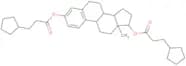
CAS:Estradiol dicypionate is a medicinal compound that has been used to treat various conditions related to the female reproductive system. It is an analog of the hormone estradiol and is commonly used as an inhibitor of kinases, which are enzymes involved in cell signaling pathways. Estradiol dicypionate has been shown to have anticancer properties, inhibiting tumor growth and inducing apoptosis in cancer cells. This compound has also been found to be effective against certain types of cancer, particularly those affecting the breast and prostate. In Chinese medicine, estradiol dicypionate is often used as a natural remedy for menopause symptoms due to its ability to regulate hormonal imbalances. It can be detected in human urine and has been studied extensively as a potential treatment for various diseases.Formula:C34H48O4Purity:Min. 95%Molecular weight:520.7 g/molIXA6
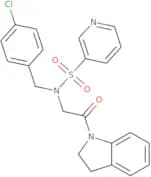
CAS:IXA6 is a protein-based analog that has been shown to have potent anticancer properties. It works by inhibiting the activity of kinases, which are enzymes that play a crucial role in cell cycle regulation and proliferation. IXA6 has been found to induce apoptosis, or programmed cell death, in cancer cells. This medicinal compound has been extensively studied in Chinese hamster ovary (CHO) cells and human urine, and it has demonstrated significant tumor growth inhibition in various cancer cell lines. IXA6 is a promising candidate for the development of novel cancer therapies due to its potent inhibitor activity against tumor growth and its ability to induce apoptosis.Formula:C22H20ClN3O3SPurity:Min. 95%Molecular weight:441.9 g/molCCG-222740
CAS:CCG-222740 is a small molecule inhibitor, which is derived from synthetic chemistry advancements aimed at developing targeted cancer therapies. It operates by modulating specific signaling pathways that are known to contribute to tumor growth and survival. Specifically, CCG-222740 targets the Rho GTPase family, which is involved in regulating cytoskeletal dynamics and cell proliferation.
Formula:C23H19ClF2N2O3Purity:Min. 95%Molecular weight:444.86 g/mol2-{2-[2-(Difluoromethoxy)-5-{5H,6H,7H-pyrrolo[3,4-b]pyridine-6-carbonyl}phenyl]ethynyl}pyridine
CAS:2-{2-[2-(Difluoromethoxy)-5-{5H,6H,7H-pyrrolo[3,4-b]pyridine-6-carbonyl}phenyl]ethynyl}pyridine is a research tool that can be used in the study of ion channels and ligands. 2-{2-[2-(Difluoromethoxy)-5-{5H,6H,7H-pyrrolo[3,4-b]pyridine-6-carbonyl}phenyl]ethynyl}pyridine has been shown to have an inhibitory effect on Ligand binding to Receptor. This compound is also being studied as a potential therapeutic for Alzheimer's disease and other neurological disorders.Formula:C22H15F2N3O2Purity:Min. 95%Molecular weight:391.4 g/molODM-204
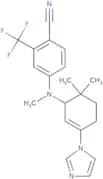
CAS:ODM-204 is a potent anticancer drug that has shown effectiveness in inhibiting the growth of cancer cells. It is a medicinal inhibitor that targets specific kinases and proteins involved in cancer cell cycle regulation, inducing apoptosis and preventing tumor growth. ODM-204 is an analog of other well-known cancer inhibitors, but it has been found to be more effective in human and Chinese cancer cells. This drug has also been found in urine samples of patients who have received treatment with ODM-204, indicating its potential as a therapeutic option for various types of cancer. Overall, ODM-204 shows great promise in the fight against cancer and could potentially offer new hope for patients battling this disease.Formula:C20H21F3N4Purity:Min. 95%Molecular weight:374.4 g/mol2,8-Dimethyl-5-phenethyl-2,3,4,5-tetrahydro-1H-pyrido[4,3-b]indole hydrochloride
CAS:2,8-Dimethyl-5-phenethyl-2,3,4,5-tetrahydro-1H-pyrido[4,3-b]indole hydrochloride is a research tool that belongs to the class of ligands. It has been used in the study of ion channels and receptor protein interactions. 2,8-Dimethyl-5-phenethyl-2,3,4,5-tetrahydro-1H-pyrido[4,3-b]indole hydrochloride binds to the beta subunit of voltage gated potassium channels on nerve cells and inhibits its function. This inhibition leads to decreased neurotransmitter release and increased neuronal firing.Formula:C21H25ClN2Purity:Min. 95%Molecular weight:340.9 g/mol2-(1-Chlorocyclohexyl)cyclohexanone
CAS:Please enquire for more information about 2-(1-Chlorocyclohexyl)cyclohexanone including the price, delivery time and more detailed product information at the technical inquiry form on this page
Formula:C12H19ClOPurity:Min. 95%Molecular weight:214.73 g/molTelotristat Etiprate
CAS:Inhibitor of tryptophan hydroxylase and serotonin synthesisFormula:C27H26ClF3N6O3·C9H9NO3Purity:Min. 95%Molecular weight:754.15 g/molTrenizine
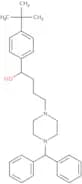
CAS:Trenizine is an anticancer drug that works by inhibiting protein kinases, which are enzymes that play a crucial role in the growth and survival of cancer cells. It is a potent inhibitor of tumor cell proliferation and has been shown to induce apoptosis, or programmed cell death, in cancer cells. Trenizine is derived from medicinal Chinese herbs and is an analog of a urine-derived compound that has been used traditionally for its anti-cancer properties. This drug has shown promising results in preclinical studies as an inhibitor of various kinases involved in cancer progression. Its unique mechanism of action makes it a promising candidate for the treatment of various types of cancers.
Formula:C31H40N2OPurity:Min. 95%Molecular weight:456.7 g/molXMD 8-92 trifluoroacetate
CAS:Please enquire for more information about XMD 8-92 trifluoroacetate including the price, delivery time and more detailed product information at the technical inquiry form on this page
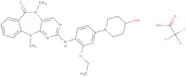
Formula:C28H31F3N6O5Purity:Min. 95%Molecular weight:588.6 g/molGSTO-IN-2
CAS:GSTO-IN-2 is a mitochondrial inhibitor that has been shown to be a potent and selective inhibitor of the enzyme, cytochrome P450. GSTO-IN-2 is an informative marker of cellular oxidative stress and can be used in biomedical research. This compound has been shown to outperform other inhibitors in terms of efficiency, which may be due to its ability to bind tightly to the target.Formula:C33H52N2O9Purity:Min. 95%Molecular weight:620.8 g/molCyproheptadine-10,11-epoxide
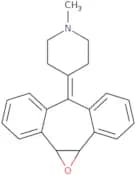
CAS:Cyproheptadine-10,11-epoxide is an analog with anticancer properties that inhibits protein kinases. This compound has been shown to be effective in inhibiting tumor cell growth and inducing apoptosis in cancer cells. Cyproheptadine-10,11-epoxide is a potent inhibitor of several kinases, including those involved in the regulation of cell proliferation and survival. It has been found in human urine and is considered a potential medicinal agent for the treatment of cancer. This compound has also been studied extensively in Chinese traditional medicine as an inhibitor of tumor growth and proliferation. Overall, cyproheptadine-10,11-epoxide shows great promise as a potential therapeutic option for cancer patients.Formula:C21H21NOPurity:Min. 95%Molecular weight:303.4 g/molIrganox 1141
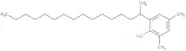
CAS:Irganox 1141 is a medicinal compound that has been shown to exhibit anticancer properties. It works by inhibiting the activity of kinases, which are enzymes involved in cell cycle regulation and cancer cell growth. This compound has been tested on Chinese hamster ovary cells and human tumor cell lines, and has demonstrated potent inhibition of protein analogs involved in cancer progression. In addition, Irganox 1141 has been shown to induce apoptosis (programmed cell death) in cancer cells, making it a promising candidate for future cancer therapies. Its efficacy as an inhibitor of tumor growth has been demonstrated in urine samples from patients with various types of cancer.Formula:C24H42OPurity:Min. 95%Molecular weight:346.6 g/mol2-{[4-Ethyl-5-(pyridin-4-yl)-4H-1,2,4-triazol-3-yl]sulfanyl}-N-[4-(propan-2-yl)phenyl]acetamide
CAS:2-{[4-Ethyl-5-(pyridin-4-yl)-4H-1,2,4-triazol-3-yl]sulfanyl}-N-[4-(propan-2-yl)phenyl]acetamide is a peptide inhibitor of protein interactions. It is used in research as a tool to study the function of proteins and receptors. 2-[(4'-Ethy1,5'-dihydrospiro[imidazole]-4,5'1'(4H)-pyridin]-3'-yl)sulfanyl]-N-[4-(propan2' yl)phenyl]acetamide is highly purified with an ionic strength of 150 mM NaCl and pH 7.0.Formula:C20H23N5OSPurity:Min. 95%Molecular weight:381.5 g/molDihydromonacolin L
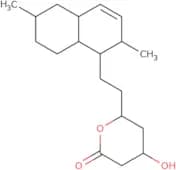
CAS:Dihydromonacolin L is a kinase inhibitor that has shown promise in the treatment of cancer. It is derived from Chinese medicinal herbs and has been found to induce apoptosis, or programmed cell death, in cancer cells. Dihydromonacolin L has been shown to be effective against a variety of tumors, including leukemia, by inhibiting the cell cycle and inducing apoptosis. This compound is an attractive target for anticancer drug development due to its potent inhibitory activity against protein kinases. In recent studies, it has been found that Dihydromonacolin L can enhance the anticancer effects of nintedanib, another cancer drug. Overall, Dihydromonacolin L shows great potential as a new class of anticancer agents with promising therapeutic applications.
Formula:C19H30O3Purity:Min. 95%Molecular weight:306.4 g/mol




![2-{2-[2-(Difluoromethoxy)-5-{5H,6H,7H-pyrrolo[3,4-b]pyridine-6-carbonyl}phenyl]ethynyl}pyridine](/_next/image/?url=https%3A%2Fstatic.cymitquimica.com%2Fproducts%2F3D%2Fthumb-webp%2FDAC29112.webp&w=3840&q=75)
![2,8-Dimethyl-5-phenethyl-2,3,4,5-tetrahydro-1H-pyrido[4,3-b]indole hydrochloride](/_next/image/?url=https%3A%2Fstatic.cymitquimica.com%2Fproducts%2F3D%2Fthumb-webp%2FLSB35448.webp&w=3840&q=75)



![2-{[4-Ethyl-5-(pyridin-4-yl)-4H-1,2,4-triazol-3-yl]sulfanyl}-N-[4-(propan-2-yl)phenyl]acetamide](/_next/image/?url=https%3A%2Fstatic.cymitquimica.com%2Fproducts%2F3D%2Fthumb-webp%2FKYA55072.webp&w=3840&q=75)