Biochemicals and Reagents
Subcategories of "Biochemicals and Reagents"
- Biomolecules(98,560 products)
- By Biological Target(101,036 products)
- By Pharmacological Effects(6,953 products)
- Cryopreservatives(21 products)
- Desinfectants and Related Compounds(28 products)
- Hormones(531 products)
- Plant Biology(6,903 products)
- Secondary Metabolites(14,369 products)
Found 130609 products of "Biochemicals and Reagents"
GSK 2018682
CAS:GSK 2018682 is a small molecule inhibitor of histone H3 acetylation. GSK 2018682 decreases the levels of the inflammatory response in mice by inhibiting the production of pro-inflammatory cytokines and chemokines. It binds to p21, which inhibits cell cycle progression, thereby preventing tumor growth. GSK 2018682 also has inhibitory properties on solid tumours and dimethyl fumarate (DMT) metabolism, as well as side-effect profiles that are not limited to hepatic steatosis or intracellular targets. The specific effects of GSK 2018682 on bowel disease or autoimmune diseases are not yet known.Formula:C22H21ClN4O4Purity:Min. 95%Molecular weight:440.88 g/mol(2E,4E)-N-[2-(3,4-Dimethoxyphenyl)ethyl]dodeca-2,4-dienamide
CAS:2,4-Dienamide is a potent and selective inhibitor of the Kv1.3 voltage-gated potassium channel. It binds to the Cys-loop receptor and prevents ion flow through the channel. This inhibition has been shown to suppress inflammatory responses in mouse models of colitis, arthritis, and asthma. 2,4-Dienamide has also been shown to be an activator for G protein coupled receptors (GPCRs), leading to increased intracellular calcium levels in cells. The effects of 2,4-dienamide on receptor function can be inhibited by peptides that bind to the same site as 2,4-dienamide as well as by antibodies against the ligand binding domain of Kv1.3 channels.Formula:C22H33NO3Purity:Min. 95%Molecular weight:359.5 g/molS 12
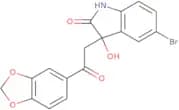
CAS:S 12 is a polymerase chain that has been shown to be effective in patients with diabetes and women. It has transport properties and can be used for the treatment of fatty acid deficiency. S 12 has been shown to have a chemical stability in femoral vein, which could be due to its thermal expansion. S 12 has low light inhibitory properties and is titrated calorimetry-stable at doses of 10 μM. Logistic regression was used to determine the dose groups for the drug, where the bacterial strain was used as an independent variable.Formula:C17H12BrNO5Purity:Min. 95%Molecular weight:390.2 g/molGlutaminyl cyclase inhibitor 2
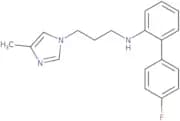
CAS:Glutaminyl cyclase inhibitor 2 is a potent and selective inhibitor of glutaminyl cyclase, an enzyme that catalyzes the conversion of glutamate to γ-glutamyl dipeptides. The binding site on glutaminyl cyclase has been identified as the amino acid residues at positions D265 and D286. Glutaminyl cyclase inhibitor 2 is supplied in a buffer containing 10 mM HEPES (pH 7.4), 150 mM NaCl, and 0.05% sodium azide, with a purity of >98%. This product has also been successfully used for its ability to inhibit protein interactions, ion channel activity, and receptor signaling.
Glutaminyl Cyclase Inhibitor 2 is a research tool that can be used for cell biology and pharmacology studies. It is also useful for determining the function of proteins involved in signal transduction pathways such as G-protein coupled receptors (GPCRs).Formula:C19H20FN3Purity:Min. 95%Molecular weight:309.4 g/mol4-[[5-Bromo-4-[(Z)-(2,4-dioxo-3-phenacyl-1,3-thiazolidin-5-ylidene)methyl]-2-ethoxyphenoxy]methyl]benzoic acid
CAS:4-[[5-Bromo-4-[(Z)-(2,4-dioxo-3-phenacyl-1,3-thiazolidin-5-ylidene)methyl]-2-ethoxyphenoxy]methyl]benzoic acid is a synthetic organic compound, which is primarily utilized in the development of pharmaceutical treatments. This compound is derived through complex organic synthesis, involving thiazolidine derivatives and halogenated phenoxy structures. Its mode of action often involves the modulation of specific biochemical pathways, typically through binding or inhibiting key molecular targets, which can provide therapeutic benefits in various disease models.Formula:C28H22BrNO7SPurity:Min. 95%Molecular weight:596.4 g/molHWL-088
CAS:HWL-088 is an analog of a Chinese medicinal compound that has shown potent anticancer activity. It works by inhibiting kinases, which are enzymes involved in cell signaling and regulation. HWL-088 has been shown to induce apoptosis, or programmed cell death, in cancer cells. This compound is a potent inhibitor of protein kinases, which play a crucial role in the growth and proliferation of cancer cells. HWL-088 has also demonstrated efficacy against various human tumor cell lines. Additionally, this compound can be detected in urine after administration, making it a promising candidate for clinical use as an anticancer agent.
Formula:C22H19FO4Purity:Min. 95%Molecular weight:366.4 g/molST-836
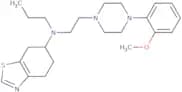
CAS:ST-836 is an advanced agricultural chemical, which is derived from synthetic organic chemistry with precise molecular engineering. It operates primarily through biochemical interactions that enhance nutrient uptake and promote plant growth. By targeting specific plant enzymes, ST-836 enhances metabolic pathways, leading to improved resilience and productivity in crops.Formula:C23H34N4OSPurity:Min. 95%Molecular weight:414.61 g/molBisabolol oxide B
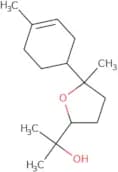
CAS:Bisabolol oxide B is a medicinal compound that has been found to have anticancer properties. It has been shown to inhibit the activity of kinases, which are enzymes that play a crucial role in cell signaling and regulation. Bisabolol oxide B has been studied extensively in Chinese medicine and has been found to induce apoptosis (programmed cell death) in cancer cells. This compound is an analog of a naturally occurring protein kinase inhibitor and has been shown to be effective against various types of tumors. In addition, bisabolol oxide B can be detected in human urine and may have potential as a diagnostic marker for certain types of cancer. Overall, this compound holds great promise as a potent anticancer agent with significant therapeutic potential.Formula:C15H26O2Purity:Min. 95%Molecular weight:238.37 g/molGSK 163090
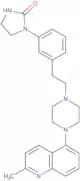
CAS:Antagonist of 5-HT1A/B/D receptorsFormula:C25H29N5OPurity:Min. 95%Molecular weight:415.53 g/molNSC 146109 hydrochloride
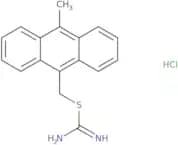
CAS:NSC 146109 is a potent apoptosis inducer that binds to the Bcl-2 family of proteins and inhibits their anti-apoptotic activities. NSC 146109 has been shown to inhibit protease activity and fatty acid synthesis, which are both required for tumor cell growth. It also prevents the inhibition of p21, an inhibitor of cyclin-dependent kinases. In addition, NSC 146109 induces mitochondrial membrane potential and nuclear DNA fragmentation, leading to apoptosis. The mechanism by which it triggers apoptosis is not fully understood; however, it has been suggested that the molecule may interfere with transcriptional regulation in the cell nucleus.Formula:C17H16N2S·HClPurity:Min. 95%Molecular weight:316.85 g/molSLX-2119
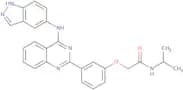
CAS:SLX-2119 is a small molecule that has been shown to have anti-fibrotic properties. It inhibits the growth of 3T3-L1 preadipocytes and reduces the expression of growth factor-β1, which is a key mediator in fibrosis. This drug also has potential as a biomarker for kidney fibrosis and malignant brain tumors. SLX-2119 is able to inhibit ROCK2, which may be an important pathogenic mechanism in bowel disease. The drug is metabolized by CYP450 enzymes and its metabolites are excreted through urine or bile. This compound has been shown to cause cell lysis in vitro, but this effect has not been observed in vivo.Formula:C26H24N6O2Purity:Min. 95%Molecular weight:452.52 g/mol5-(3-Methoxyphenoxy)-N2-[4-(1-methylethyl)phenyl]-2,4-quinazolinediamine
CAS:5-(3-Methoxyphenoxy)-N2-[4-(1-methylethyl)phenyl]-2,4-quinazolinediamine is a fluorescent ligand that binds to the ion channel receptor site of nicotinic acetylcholine receptors. The binding of this ligand to the receptor site leads to increased permeability of the channel, which in turn causes an influx of ions into the cell. This results in depolarization of the nerve cell and subsequent activation. This compound is used as a research tool for studying protein interactions and as a pharmacological agent for identifying drugs that may be useful in treating diseases characterized by receptor dysfunction. It has also been shown to be an inhibitor of acetylcholinesterase, which can help to combat Alzheimer's disease.
Formula:C24H24N4O2Purity:Min. 95%Molecular weight:400.5 g/molAH 6809
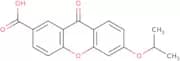
CAS:AH 6809 is an antagonist of the prostaglandin 2 (PGE2) receptor, which is a member of the G protein-coupled receptor superfamily. It has been shown to inhibit PGE2 release in human colon cells and mouse models of colitis. AH 6809 inhibits the expression of IL-6, IL-8, and TNF-α in human monocytes stimulated with lipopolysaccharide (LPS). This drug also decreases activation of NF-κB, a transcription factor that regulates inflammatory responses. The mechanism by which AH 6809 works is not yet understood.Formula:C17H14O5Purity:Min. 95%Molecular weight:298.29 g/molNiflumic acid-d5
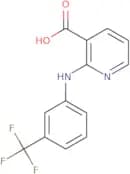
CAS:Please enquire for more information about Niflumic acid-d5 including the price, delivery time and more detailed product information at the technical inquiry form on this pageFormula:C13H9F3N2O2Purity:Min. 95%Molecular weight:285.24 g/molN-Benzyloxycarbonyl-Gly-Leu-Phe-CH2Cl
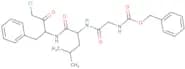
CAS:N-Benzyloxycarbonyl-Gly-Leu-Phe-CH2Cl is a protease inhibitor that belongs to the group of serine protease inhibitors. It inhibits soybean trypsin, a serine protease, by binding to its active site and blocking the enzyme's activity. In rat neutrophils, N-Benzyloxycarbonyl-Gly-Leu-Phe-CH2Cl inhibits the ubiquitin-proteasome pathway by binding to ubiquitin and blocking its degradation. The drug also binds to collagen and has been shown to inhibit the activation of monoclonal antibody. In skin models, N-Benzyloxycarbonyl-Gly-Leu-Phe-CH2Cl has inhibited the production of chemotactic activity in response to chloromethyl ketone, which is a specific activator of neutrophils. This drug also has an acidic pH optimum that is
Formula:C26H32ClN3O5Purity:Min. 95%Molecular weight:502 g/molTAK 875
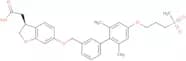
CAS:Inhibits GPR40, a GPCR that is also known as free fatty acid receptor 1Formula:C29H32O7SPurity:Min. 95%Molecular weight:524.63 g/molCer1 (d18:1/26:0/18:1(d9))
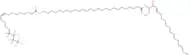
CAS:Controlled ProductCer1 is a synthetic, non-natural amino acid. It is an activator of G protein coupled receptors, which are involved in the transmission of signals from outside the cell to inside the cell. Cer1 can be used as a research tool for studying receptor activation and signal transduction pathways. In addition, it has been shown that Cer1 can inhibit ion channels, ligands and antibodies.Formula:C62H110D9NO5Purity:Min. 95%Molecular weight:967.67 g/molTAK 21D
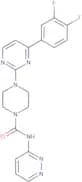
CAS:TAK 21D is a drug that may be used for the treatment of neurodegenerative disorders. It is a combination of two drugs, TAK-875 and tetrabenazine, which work in different ways to treat neurodegenerative diseases. TAK-875 is a potent inhibitor of protein synthesis and cell death, while tetrabenazine inhibits the release of dopamine from nerve cells. The combination of these two drugs was shown to have synergistic effects on neuronal cell death in vitro and in vivo. Additional studies are needed to determine whether this drug combination will be successful in treating neurodegenerative disorders.Formula:C19H17F2N7OPurity:Min. 95%Molecular weight:397.4 g/molValsartan-d3
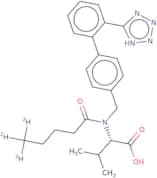
CAS:Controlled ProductValsartan-d3 is a deuterated version of valsartan, which is a pharmacological compound used for research purposes. This isotopically labeled compound is derived through the strategic substitution of hydrogen atoms with deuterium in the valsartan molecule. The incorporation of deuterium, a stable isotope of hydrogen, enhances the compound's utility in various scientific applications without altering its fundamental biological activity.Formula:C24H26D3N5O3Purity:Min. 95%Molecular weight:438.54 g/molVE 821
CAS:VE 821 is a chemical inhibitor that inhibits the activity of the protein ornithine decarboxylase (ODC). This enzyme is essential for the synthesis of polyamines, which are essential for cell growth. VE 821 has been shown to be effective in inhibiting the growth of solid tumours and leukemia cells. It also inhibits the production of DNA, RNA, and proteins by cells. VE 821 has minimal toxicity to healthy cells, and has been shown to work synergistically with other pharmacological agents such as radiation therapy.
Formula:C18H16N4O3SPurity:Min. 95%Molecular weight:368.41 g/mol

![(2E,4E)-N-[2-(3,4-Dimethoxyphenyl)ethyl]dodeca-2,4-dienamide](/_next/image/?url=https%3A%2Fstatic.cymitquimica.com%2Fproducts%2F3D%2Fthumb-webp%2FIJD10073.webp&w=3840&q=75)
![4-[[5-Bromo-4-[(Z)-(2,4-dioxo-3-phenacyl-1,3-thiazolidin-5-ylidene)methyl]-2-ethoxyphenoxy]methyl]…](/_next/image/?url=https%3A%2Fstatic.cymitquimica.com%2Fproducts%2F3D%2Fthumb-webp%2FXUA83610.webp&w=3840&q=75)

![5-(3-Methoxyphenoxy)-N2-[4-(1-methylethyl)phenyl]-2,4-quinazolinediamine](/_next/image/?url=https%3A%2Fstatic.cymitquimica.com%2Fproducts%2F3D%2Fthumb-webp%2FXID82624.webp&w=3840&q=75)