Antibiotics
Antibiotics are compounds designed to destroy or inhibit the growth of various microorganisms, playing a crucial role in treating infections and preventing the spread of diseases. This category offers a diverse range of active ingredients specifically for research in the biochemical field. These compounds are essential tools in studying bacterial mechanisms, resistance patterns, and the development of new therapeutic agents. Researchers can explore a wide variety of antibiotics to understand their effects, optimize their use, and develop novel treatments to combat emerging microbial threats. The availability of such a broad spectrum of antibiotics supports advanced research and innovation in microbiology and pharmaceutical sciences.
Subcategories of "Antibiotics"
- Macrolide Antibiotics(26 products)
- Steroidal Antibiotics(31 products)
- Tetracycline Antibiotics(20 products)
- β-Lactam Antibiotics(11 products)
Found 4099 products of "Antibiotics"
Sort by
Purity (%)
0
100
|
0
|
50
|
90
|
95
|
100
Cefatrizine propylene glycol
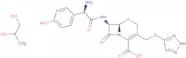
CAS:<p>Cefatrizine propylene glycol is a cephalosporin antibiotic with action against gram-positive and gram-negative bacteria and is used for treating respiratory and skin infections.</p>Formula:C21H26N6O7S2Purity:Min. 95%Color and Shape:PowderMolecular weight:538.6 g/molTubulysin A
CAS:<p>Tubulysin A is a natural cytotoxic agent, which is derived from myxobacteria. The compound originates from strains such as Archangium gephyra and Angiococcus disciformis, known for their prolific production of secondary metabolites. Tubulysin A exerts its mode of action by disrupting microtubule dynamics, which are essential for cell division and intracellular transport. It specifically binds to the microtubules and inhibits their polymerization, leading to cell cycle arrest and apoptosis in rapidly dividing cells.</p>Formula:C43H65N5O10SPurity:Min. 95%Molecular weight:844.07 g/molHerbicidin C
CAS:<p>Herbicidin C is an antibiotic, which is derived from a microbial source, specifically from certain strains of actinobacteria. This compound functions as an inhibitor, interfering with specific metabolic pathways within target organisms. Its mode of action involves disrupting the synthesis of critical proteins, which are essential for cell survival and growth.</p>Formula:C17H21N5O9Purity:Min. 95%Molecular weight:439.38 g/molErythromycin thiocyanate
CAS:<p>Erythromycin thiocyanate is a macrolide antibiotic derivative with action on bacterial protein synthesis inhibition and is used for research and pharmaceutical applications.</p>Formula:C37H67NO13•CHNSPurity:Min. 95%Color and Shape:PowderMolecular weight:793.02 g/molArbekacin
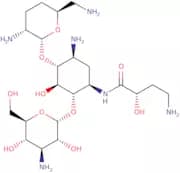
CAS:<p>Inhibitor of DNA replication; aminoglycoside class</p>Formula:C22H44N6O10Purity:Min. 95%Molecular weight:552.62 g/molBiapenem
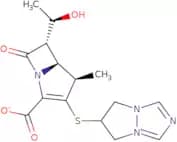
CAS:<p>Biapenem is a carbapenem antibiotic and is used for the treatment of bacterial infections. It inhibits bacterial cell wall synthesis by binding to penicillin-binding proteins.</p>Formula:C15H18N4O4SPurity:Min. 95%Color and Shape:White PowderMolecular weight:350.39 g/molDifloxacin
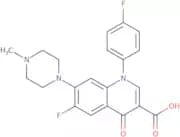
CAS:<p>Difloxacin is a fluoroquinolone antibiotic, which is a synthetic compound derived from chemical synthesis methods. Its source involves complex organic chemistry that modifies the quinolone backbone to enhance its antibacterial properties. Difloxacin functions by inhibiting bacterial DNA gyrase and topoisomerase IV, which are critical enzymes involved in DNA replication, transcription, and repair. This inhibition leads to the prevention of cellular division and ultimately results in bacterial cell death.</p>Formula:C21H19F2N3O3Purity:Min. 95%Molecular weight:399.39 g/molFluconazole-d4
CAS:Fluconazole-d4 is a deuterated compound of Fluconazole. Fluconazole has a CAS number of 86386-73-4. Triazole antifungal agent that is used to treat oropharyngeal candidiasis and cryptococcal meningitis in AIDS.Formula:C13H8D4F2N6OColor and Shape:SolidMolecular weight:310.30Spiramycin Embonate
CAS:Controlled Product<p>Applications Spiramycin Embonate is an antibiotic that is used in biological studies in the role of multidrug resistance of Strenotrophomonas maltophilia.<br>References Huang, Y., et al.: J. Antimicrob. Chemother., 68, 1987 (2013); Poole, K., et al.: Mol. Microbiol., 21, 713 (1996)<br></p>Formula:C66H90N2O20Color and Shape:NeatMolecular weight:1231.42Desacetyl-7-ACA Lactone Hydrochloride
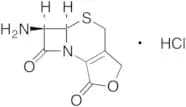
CAS:<p>Applications Desacetyl-7-ACA lactone Hydrochlorideis a lactone derivative of 7-Aminocephalosporanic acid (A603415), a fundamental building block in the synthesis of cephalosporin antibiotics.<br>References Fritz-Wolf, K., et al.: Prot. Sci., 11, 92 (2002); Parmar, A., et al.: Crit. Rev. Biotech., 18, 1 (1998)<br></p>Formula:C8H8N2O3S•(HCl)Color and Shape:White SolidMolecular weight:248.69Chloroquine dihydrochloride
CAS:<p>Chloroquine: treats malaria, amebiasis, rheumatoid arthritis, lupus; works by inhibiting parasites in red blood cells.</p>Formula:C18H27Cl2N3Color and Shape:SolidMolecular weight:356.33AB47
CAS:AB47 is a bacterial peptide deformylases inhibitor.Formula:C10H9BrN2O2Purity:98%Color and Shape:SolidMolecular weight:269.09Ceftiofur
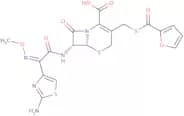
CAS:<p>Ceftiofur is a third-generation cephalosporin antibiotic with action on bacterial cell wall synthesis and is used for treating bacterial infections in veterinary medicine.</p>Formula:C19H17N5O7S3Purity:Min. 95%Color and Shape:Off-White PowderMolecular weight:523.57 g/molKitasamycin
CAS:<p>Kitasamycin is a macrolide antibiotic with a mode of action that inhibits bacterial protein synthesis by binding to the 50S ribosomal subunit. It is used for treating bacterial infections in veterinary medicine.</p>Formula:C40H67NO14Purity:Min. 95%Color and Shape:White PowderMolecular weight:785.96 g/molAmpicillin trihydrate
CAS:<p>Antibiotic of penicillin class; inhibits bacterial cell wall biogenesis</p>Formula:C16H19N3O4S·3H2OColor and Shape:White PowderMolecular weight:403.45 g/molLincomycin hydrochloride
CAS:<p>Lincomycin is active against gram-positive bacteria such as staphylococci, streptococci, pneumococci, diphtheria bacillus, and clostridia. It is used to treat severe bacterial infections including: sepsis, osteomyelitis, septic endocarditis, pneumonia, pulmonary abscess, infected wounds, purulent meningitis and severe pseudomembranous colitis. Lincomycin is an alternative antibiotic for penicillin-resistant gram-positive bacteria.</p>Formula:C18H35ClN2O6SPurity:Min. 95%Color and Shape:Off-White PowderMolecular weight:443 g/molSpiramycin
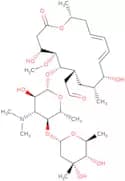
CAS:Formula:C43H74N2O14Purity:>90.0%(HPLC)Color and Shape:White to Almost white powder to crystalMolecular weight:843.07Sulopenem
CAS:<p>Sulopenem is a thiopenem antibiotic with action on bacterial cell wall synthesis and is used for treating uncomplicated urinary tract infections.</p>Formula:C12H15NO5S3Purity:Min. 95%Color and Shape:Off-White Yellow PowderMolecular weight:349.45 g/molEnrofloxacin
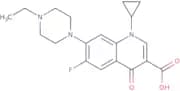
CAS:<p>Enrofloxacin is a fluoroquinolone antibiotic with action on bacterial DNA gyrase and topoisomerase IV and is used for treating bacterial infections in animals.</p>Formula:C19H22FN3O3Purity:Min. 95%Color and Shape:White PowderMolecular weight:359.39 g/molAzlocillin sodium salt
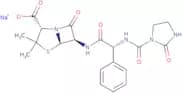
CAS:<p>Azlocillin sodium salt is a penicillin antibiotic and is used for the treatment of bacterial infections. It inhibits bacterial cell wall synthesis.</p>Formula:C20H23N5O6SNaPurity:Min. 90 Area-%Color and Shape:White PowderMolecular weight:484.48 g/mol