Heterocycles with Nitrogen (N)
Subcategories of "Heterocycles with Nitrogen (N)"
- Azepane(436 products)
- Benzotriazoles(438 products)
- Diazepanes(335 products)
- Imidazoles(4,031 products)
- Imidazolines(385 products)
- Isoxazole(1,088 products)
- Piperazines(3,758 products)
- Piperidines(8,442 products)
- Pyrazines(1,304 products)
- Pyrazole(5,960 products)
- Pyrazolidine(21 products)
- Pyrazoline(143 products)
- Pyridazine(860 products)
- Pyridines(22,005 products)
- Pyrimidine(6,084 products)
- Pyrroles(2,449 products)
- Pyrrolidines(5,840 products)
- Pyrroline(48 products)
- Pyrrolo[1,2-b]pyridazine(10 products)
- Tetrazole(531 products)
- Triazines(466 products)
- Triazoles(1,689 products)
Found 17862 products of "Heterocycles with Nitrogen (N)"
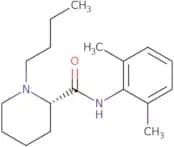
1-Butyl-N-(2,6-dimethylphenyl)-piperidine-2-carboxamide
CAS:Ropivacaine is a local anaesthetic of the amino ester group that is used to provide relief from pain caused by surgery or other medical procedures. It is a potent inhibitor of the enzyme activity of cholinesterases, which are enzymes responsible for the degradation of acetylcholine. Ropivacaine also inhibits the activity of cardiac Na+/K+ ATPase and Na+-Ca2+ exchanger, thereby reducing the excitability and contractility of heart muscle. This drug has shown pharmacokinetic properties in maternal blood that are similar to those observed in plasma, indicating that it can cross the placenta. Ropivacaine has been shown to have bactericidal effects against bacterial strains such as Escherichia coli and Staphylococcus aureus. In addition, ropivacaine has been shown to inhibit colorectal adenocarcinoma cells in vitro and in vivo. LevobupivacaineFormula:C18H28N2OPurity:Min. 95%Color and Shape:White/Off-White SolidMolecular weight:288.43 g/molMethyl 2,4-dichloropyrimidine-5-carboxylate
CAS:Methyl 2,4-dichloropyrimidine-5-carboxylate is a versatile building block for the synthesis of complex compounds. It has been used as a reagent for research, and as an intermediate in the synthesis of pharmaceuticals and other chemicals. Methyl 2,4-dichloropyrimidine-5-carboxylate can be used as a high quality intermediate for the production of pharmaceuticals, such as Tamsulosin. This compound is also known to have useful scaffold properties.Formula:C6H4N2O2Cl2Purity:Min. 95%Color and Shape:White PowderMolecular weight:207.01 g/molAzathioprine
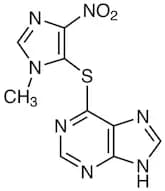
CAS:Formula:C9H7N7O2SPurity:>98.0%(T)(HPLC)Color and Shape:Light yellow to Yellow to Green powder to crystalMolecular weight:277.264-Cyanoindole
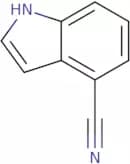
CAS:The 4-cyanoindole is a fluorescent molecule that binds to proteins and affects protein homeostasis. It has been shown to bind to the sodium salt form of proteins, which are typically found in human liver cells. The binding of 4-cyanoindole to these proteins leads to its reduction by borohydride and fluorescence resonance energy transfer (FRET) between the molecule and the protein. This binding can be detected using a fluorescence lifetime spectroscopy technique, which detects changes in the fluorescence's lifetime as well as intensity. The binding of 4-cyanoindole to proteins has been shown to have anti-cancer properties. It has also been used for detection of monoclonal antibodies against cancer cells or for fluorescent labeling of cancer cells for immunofluorescent microscopy.Formula:C9H6N2Color and Shape:White PowderMolecular weight:142.16 g/mol6-Aza-5-methyl-1H-indazole
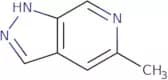
CAS:6-Aza-5-methyl-1H-indazole is a chemical compound that acts as a building block for the synthesis of pharmaceuticals and other compounds. It is used in research for the development of new drugs, such as antihypertensive agents, antibiotics, and immunosuppressants. 6-Aza-5-methyl-1H-indazole has been shown to be an effective intermediate in the synthesis of many complex compounds, including cephalosporins, penicillins, carbapenems, and aminoglycosides. This versatile reagent can be used to synthesize a wide variety of organic compounds.
Formula:C7H7N3Purity:Min. 95%Color and Shape:White To Beige SolidMolecular weight:133.15 g/mol4-Aminopyrazolo[3,4-d]pyrimidine
CAS:4-Aminopyrazolo[3,4-d]pyrimidine is a potent adenosine nucleotide analog that also lowers LDL cholesterol in the blood. It is used as a model system to study the uptake of nucleotides by Leishmania. 4-Aminopyrazolo[3,4-d]pyrimidine has been shown to be active against Leishmania parasites in vivo and at physiological levels. This drug has high resistance to leishmaniasis and can be used as an analog for ATP. 4-Aminopyrazolo[3,4-d]pyrimidine binds to the receptor activity on liver cells and stimulates epidermal growth factor production. It also interacts with the nucleotide levels in cells by acting as an analog for ATP.Formula:C5H5N5Purity:Min. 95%Color and Shape:Red PowderMolecular weight:135.13 g/mol5-Amino-6-(methylamino)quinoline
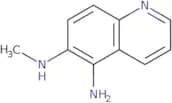
CAS:5-Amino-6-(methylamino)quinoline is a molecule that inhibits the enzymatic activity of tyrosine phosphatases and has been shown to inhibit the growth of typhimurium ta98, which is resistant to quinoxaline. It has also been shown to be mutagenic in vitro. 5-Amino-6-(methylamino)quinoline has an imidazole ring and is synthesized from 2-methylbenzothiazole and N,N'-dimethylethylenediamine. The synthesis of this compound takes place in two steps with the first step being an oxidative cyclization followed by a reductive amination.Formula:C10H11N3Purity:Min. 95%Color and Shape:Green Brown To Brown SolidMolecular weight:173.21 g/mol4-Nitro-7-(1-piperazinyl)-2,1,3-benzoxadiazole
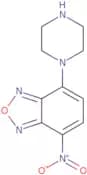
CAS:4-Nitro-7-(1-piperazinyl)-2,1,3-benzoxadiazole is an analytical method for the determination of human serum and heart tissue. The dextran sulfate derivative of 4-nitro-7-(1-piperazinyl)-2,1,3-benzoxadiazole is fluorescent and reacts with trifluoroacetic acid to form a fluorescent derivative. This fluorescent derivative can be detected by spectrophotometry at excitation and emission wavelengths of 350 nm and 400 nm respectively. 4N7PB binds to fatty acids in biological samples (e.g., serum) through its piperazine moiety and fluoresces when excited by light at 340 nm. This reaction can be used as a probe for the presence of fatty acid metabolites in blood or other body fluids such as urine or cerebrospinal fluid. Chemical structures include: 4N7PB cis-(Formula:C10H11N5O3Purity:Min. 95%Color and Shape:SolidMolecular weight:249.23 g/mol3-Iodo-2-methylpyridine
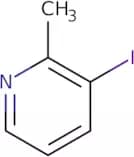
CAS:3-Iodo-2-methylpyridine is a fluorescent probe that is used to measure mitochondrial membrane potential in muscle cells. It has been shown to be effective in the treatment of autoimmune diseases and HIV infection. 3-Iodo-2-methylpyridine is soluble in water, alcohols, ethers, and chloroform. This compound has a liquid crystal composition and can form crystals with different morphologies upon cooling. 3-Iodo-2-methylpyridine has been used as an optical probe for the detection of silicon in biological samples. The hydroxy group on this molecule makes it active against nitro groups.Formula:C6H6INPurity:Min. 95%Color and Shape:Yellow PowderMolecular weight:219.02 g/molImidazo[1,2-a]pyridin-2-yl-methylamine dihydrochloride
CAS:Imidazo[1,2-a]pyridin-2-yl-methylamine dihydrochloride is a fine chemical that is used as an intermediate in the synthesis of various compounds. It has been found to be an excellent building block for complex compounds and useful scaffold for a variety of research chemicals. Imidazo[1,2-a]pyridin-2-yl-methylamine dihydrochloride is also a reaction component that can be used in the synthesis of speciality chemicals and pharmaceuticals. Imidazo[1,2-a]pyridin-2-yl-methylamine dihydrochloride is soluble in water and methanol and can be stored at room temperature. This product has a CAS number of 452967-56-5.Formula:C8H9N3·2HClPurity:Min. 95%Color and Shape:PowderMolecular weight:220.1 g/mol7-Methoxyquinoline
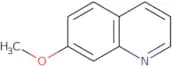
CAS:7-Methoxyquinoline is a drug that belongs to the group of histone deacetylase inhibitors. It has been shown to inhibit monooxygenase and cytochrome p-450, which are enzymes involved in the metabolism of drugs. 7-Methoxyquinoline can be used as a fluorescent probe for reactions involving histones or other proteins with similar chemical structures. It is also used as an inhibitor in biochemical assays, such as fluorometric assays. 7-Methoxyquinoline can be prepared by reacting hydrazine with methoxyacetic acid followed by hydrolysis of the resulting hydrazone. This process yields a mixture of products, some of which are substituted with methoxy groups at different positions on the benzene ring.Formula:C10H9NOPurity:Min. 95%Color and Shape:Colorless PowderMolecular weight:159.18 g/mol3-Methylpyridine
CAS:3-Methylpyridine is a compound that can be used in the treatment of wastewater. It has been shown to have high adsorption capacity for malonic acid and a Langmuir adsorption isotherm with high values. 3-Methylpyridine is stable in acidic conditions and has been shown to efficiently remove nitrogen from wastewater. The coordination geometry of 3-methylpyridine is octahedral, which makes it capable of removing hydrogen fluoride from wastewater. This compound also has the ability to transfer reactions and can be used for titration calorimetry.Formula:C6H7NPurity:Min. 95%Color and Shape:Colorless Clear LiquidMolecular weight:93.13 g/mol[1-(3-Methylpyridin-2-yl)ethyl]amine
CAS:1-(3-Methylpyridin-2-yl)ethyl]amine is a fine chemical that is a useful building block for research chemicals, reagents and speciality chemicals. It is used as a reaction component and as an intermediate in the synthesis of various complex compounds. 1-(3-Methylpyridin-2-yl)ethyl]amine is also versatile and can be used as a scaffold in organic synthesis.Formula:C8H12N2Purity:Min. 95%Color and Shape:Colorless PowderMolecular weight:136.19 g/mol6-Fluoropyridine-2-carbonyl chloride
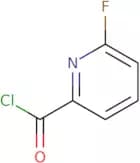
CAS:6-Fluoropyridine-2-carbonyl chloride (6FC) is a versatile building block that is used in the synthesis of complex compounds. It is also a reagent for organic chemistry, research chemicals, and speciality chemicals. 6FC has been shown to be useful as a building block for the preparation of high quality and useful intermediates. The compound reacts with nucleophiles in good yields to produce amines, nitriles, alcohols, and carboxylic acids. 6FC can also be used as a reaction component in organic reactions. It has been shown to be an excellent scaffold for the synthesis of bioactive molecules such as amino acid derivatives and natural products.Formula:C6H3ClFNOPurity:Min. 95%Color and Shape:White PowderMolecular weight:159.55 g/mol2-Nitroimidazole
CAS:2-Nitroimidazole is a compound that has been shown to have significant cytotoxicity against tumor cells. It is also an anti-cancer drug with a matrix effect on solid tumours, and has been shown to inhibit the synthesis of DNA, RNA, and proteins in vitro. 2-Nitroimidazole is also active against infectious diseases such as HIV, herpes simplex virus type 1, and influenza A virus. The biological properties of this compound are currently being studied by analytical methods such as LC/MS and HPLC/UV.Formula:C3H3N3O2Purity:Min. 95%Color and Shape:PowderMolecular weight:113.07 g/mol2-Pyridin-4-yl-1,3-benzoxazol-5-amine
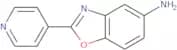
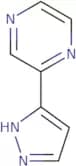
CAS:2-Pyridin-4-yl-1,3-benzoxazol-5-amine is a fine chemical that is useful as a building block in organic synthesis. It can be used in the preparation of other chemicals and pharmaceuticals. This compound is also used as a reagent in research. 2-Pyridin-4-yl-1,3-benzoxazol-5-amine has been shown to be an excellent intermediate for the synthesis of complex compounds. It can also be used as a scaffold for drug design with versatile chemical reactivity.Formula:C12H9N3OPurity:Min. 95%Color and Shape:PowderMolecular weight:211.22 g/mol2-(1H-Pyrazol-3-yl)pyrazine
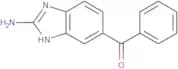
CAS:2-(1H-Pyrazol-3-yl)pyrazine is a dinuclear compound that has been shown to inhibit the activity of anions. It has also been used in the treatment of diabetes by increasing the thermal expansion of beta cells and decreasing insulin resistance. 2-(1H-Pyrazol-3-yl)pyrazine has been shown to have magnetic properties, which can be exploited for its use in medicine. This compound is a single crystal x-ray diffraction research tool that is used to aid in understanding the structural changes that occur during thermal expansion. This compound also expands when heated, which may be due to an increase in volume or less electron density as a result of loss of hydrogens.Formula:C7H6N4Purity:Min. 95%Color and Shape:White PowderMolecular weight:146.15 g/mol2-Amino-5(6)-benzoylbenzimidazole
CAS:2-Amino-5(6)-benzoylbenzimidazole is an antifilarial and anthelmintic drug that belongs to the benzimidazole class. It is used for the treatment of filarial infections in humans, including lymphatic filariasis, which is caused by worms transmitted by mosquitoes. 2-Amino-5(6)-benzoylbenzimidazole has low bioavailability due to its poor water solubility. The drug can be administered orally or topically and is metabolized in the liver. The metabolites are excreted in urine as glucuronides and sulfates.
Formula:C14H11N3OPurity:Min. 95%Color and Shape:PowderMolecular weight:237.26 g/molIndole-3-acetonitrile
CAS:Indole-3-acetonitrile is a natural product that belongs to the class of antimicrobial agents. It has been shown to have antiinflammatory activity in mice and to inhibit enzyme activities in the plasma of rats. This compound was also found to be an inhibitor of indole synthesis, which may provide insight into its potential use as a therapeutic agent for cancer treatment. Indole-3-acetonitrile has been shown to have antimicrobial properties against galleria mellonella, which are insect larvae that are used as model organisms for research on development and genetics. The biological properties of this compound have been studied using structural analysis and biochemical research.Formula:C10H8N2Purity:Min. 95%Color and Shape:Yellow To Brown SolidMolecular weight:156.18 g/mol3-Aminoquinuclidine dihydrochloride
CAS:3-Aminoquinuclidine dihydrochloride (3-AQDH) is a chiral quinuclidine derivative that is an acetylcholine receptor agonist. It has been shown to bind to the α7 nicotinic acetylcholine receptor with high affinity and selectivity. 3-AQDH has also been shown to crosslink the cholinergic receptor, which may lead to increased sensitivity of the receptor. The binding constants between 3-AQDH and the α7 nicotinic acetylcholine receptors are very high and it has been shown to be enantiopure in its synthesis. 3-AQDH also has a hydrophilic interaction chromatography profile, which separates it from other compounds. This agent may have potential use as a drug for treating Alzheimer's disease and Parkinson's disease due to its ability to inhibit acetylcholinesterase activity.
Purity:Min. 95%Color and Shape:PowderMolecular weight:199.12 g/mol2-Amino-6-methoxypurine
CAS:Intermediate in the synthesis of nelarabine
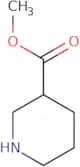
Formula:C6H7N5OPurity:Min. 95%Color and Shape:PowderMolecular weight:165.15 g/molMethyl piperidine-3-carboxylate
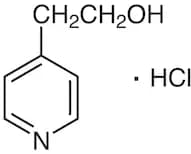
CAS:Methyl piperidine-3-carboxylate (PMP) is a potent inhibitor of the enzyme ido1, which is involved in the metabolism of tryptophan to serotonin. It was synthesized by reacting methyl piperidine-3-carboxylate with 3 equivalents of 1,2-propanediol and 2 equivalents of potassium carbonate in an aqueous solution at room temperature for 2 hours. This reaction yields PMP as a white solid that can be characterized by nuclear magnetic resonance spectroscopy and thin layer chromatography. PMP has been shown to inhibit the enzymatic activity of ido1 and may be useful in the treatment of neurodegenerative diseases because it inhibits the production of serotonin.Formula:C7H13NO2Purity:Min. 95%Color and Shape:PowderMolecular weight:143.18 g/mol4-Pyridineethanol Hydrochloride
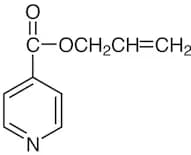
CAS:Formula:C7H9NO·HClPurity:>98.0%(T)(HPLC)Color and Shape:White to Almost white powder to crystalMolecular weight:159.61Allyl Isonicotinate
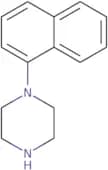
CAS:Formula:C9H9NO2Purity:>98.0%(GC)Color and Shape:Colorless to Light yellow to Light orange clear liquidMolecular weight:163.181-(1-Naphthyl)piperazine hydrochloride
CAS:1-(1-Naphthyl)piperazine hydrochloride is a 5-HT3 receptor antagonist that has been shown to act as a potent serotonergic agent in the central nervous system of mammals. It is believed to inhibit the presynaptic serotonin uptake, resulting in an increase of serotonin concentration at the postsynaptic 5-HT1A receptor cells. 1-(1-Naphthyl)piperazine hydrochloride has also been shown to be a potent 5-HT1A receptor agonist and has antinociceptive effects following administration. This drug has been found to be more selective for the peripheral nervous system than other drugs of this type. It does not cross the blood-brain barrier and therefore does not interfere with mental function or behavior.Formula:C14H16N2·HClPurity:Min. 95%Molecular weight:248.75 g/mol5,6,7,7a-Tetrahydrothieno[3,2-c]pyridin-2(4H)-one Hydrochloride
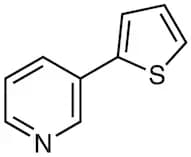
CAS:Formula:C7H9NOS·HClPurity:>97.0%(T)Color and Shape:Light yellow to Brown to Dark green powder to crystalMolecular weight:191.673-(2-Thienyl)pyridine
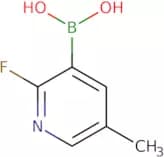
CAS:Formula:C9H7NSPurity:>98.0%(GC)Color and Shape:White to Yellow to Green clear liquidMolecular weight:161.222-Fluoro-5-methylpyridine-3-boronic acid
CAS:2-Fluoro-5-methylpyridine-3-boronic acid is a high quality chemical with CAS No. 1072952-45-4 that is a useful building block for the synthesis of complex compounds and speciality chemicals. 2-Fluoro-5-methylpyridine-3-boronic acid is also a versatile building block that can be used in organic reactions as a reaction component for the synthesis of speciality chemicals and other reagents. It can also be used to make fluoroquinolones and related pharmaceuticals, which are used to treat bacterial infections. This compound has many uses in research, including being a valuable scaffold for the synthesis of new drugs.Formula:C6H7BFNO2Purity:Min. 95%Color and Shape:White PowderMolecular weight:154.93 g/mol2,2'-Bipyridine-6,6'-(1H,1'H)dione
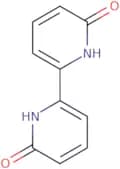
CAS:2,2'-Bipyridine-6,6'-(1H,1'H)dione is a high-quality compound that is used as a reagent to provide a variety of useful compounds. This compound can be used as a building block for various chemical syntheses or as a component in many reactions. It is also a versatile building block and can be used in the synthesis of other compounds. 2,2'-Bipyridine-6,6'-(1H,1'H)dione has been shown to be an effective intermediate for organic synthesis.Formula:C10H8N2O2Purity:Min. 95%Color and Shape:Off-White To Light Brown SolidMolecular weight:188.18 g/mol2,3-Diethyl-5-methylpyrazine
CAS:2,3-Diethyl-5-methylpyrazine is a methyl ketone that is used as a model for fatty acids. It has been shown to be an important precursor for the synthesis of unsaturated ketones. 2,3-Diethyl-5-methylpyrazine can be produced by the reaction of acetone with ethylene and then subjected to acid catalyzed cyclization. This compound also has a characteristic odor that has been described as "fruity" or "spicy." It is used in the production of butyric acid, which is an important industrial chemical.Formula:C9H14N2Purity:Min. 95%Color and Shape:Colorless PowderMolecular weight:150.22 g/mol4-Methoxy-3-nitropyridine
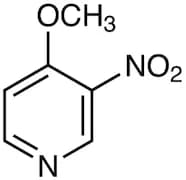
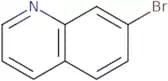
CAS:Formula:C6H6N2O3Purity:>98.0%(GC)Color and Shape:Light orange to Yellow to Green powder to crystalMolecular weight:154.137-Bromoquinoline
CAS:7-Bromoquinoline is a synthetic molecule that was first synthesized in the early 1980s. It is an analog of 7-bromoquinoline, which has been shown to have cytotoxic properties against cancer cells. The synthesis of 7-bromoquinoline involves a cross-coupling reaction with chloroacetonitrile and N-methylformamide. The nmr spectra for this compound are very similar to those for 7-bromoquinoine, but it lacks the secondary amine peak at δ 10.7 ppm. Primary culture cells were used to test the bioactivity of 7-bromoquinoline, and these cells were disrupted by adding trypsin after incubation with various concentrations of 7-bromoquinoline. This study showed that the quinoline derivatives had cytotoxic effects on cultured cells at low concentrations, suggesting that they may be useful as anticancer agents. Molecular modeling studies show thatFormula:C9H6BrNPurity:Min. 95%Color and Shape:PowderMolecular weight:208.05 g/mol4,5,6-Pyrimidinetriamine sulfate hydrate
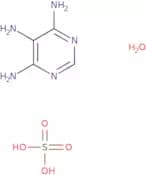
CAS:4,5,6-Pyrimidinetriamine sulfate hydrate is a pyrimidine derivative that can be used as a building block for the synthesis of a wide range of compounds. It is used as a starting material in organic chemistry and pharmaceuticals. 4,5,6-Pyrimidinetriamine sulfate hydrate is also used in research and development as an intermediate or reagent.Formula:C4H7N5·H2SO4·xH2OPurity:Min. 95%Molecular weight:223.21 g/mol2-Aminomethyl-3-chloropyrazine
CAS:2-Aminomethyl-3-chloropyrazine is a potent inhibitor of the tyrosine kinase, which is an enzyme that controls the transmission of signals from outside the cell to inside. It inhibits collagen production by cells, thereby preventing cancer formation. 2-Aminomethyl-3-chloropyrazine has been shown to inhibit tumor growth in mice and rats. This drug also inhibits the activity of certain enzymes, including piperidine oxidase and xanthine oxidase, which are involved in the production of reactive oxygen species that can cause cancer. The drug's selectivity for tumor cells makes it a potential candidate for treating cancer.Formula:C5H5ClN3Purity:Min. 95%Molecular weight:143.58 g/mol3-Hydrazinopyridine 2HCl
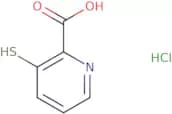
CAS:3-Hydrazinopyridine 2HCl is a carboxylic acid that occurs naturally in the form of its dihydrochloride salt, 3-hydrazinopyridine dihydrochloride. It is an intermediate in the synthesis of numerous other compounds and has been used as a precursor to maleic anhydride. 3-Hydrazinopyridine 2HCl is also a reagent for the production of dialkylated or chlorinated derivatives. The hydrolysis of 3-hydrazinopyridine 2HCl with sodium hydroxide yields acetic acid, which can be oxidized to form maleic acid, or reduced to form acrylonitrile.Formula:C5H9Cl2N3Purity:Min. 95%Color and Shape:PowderMolecular weight:182.05 g/mol3-Mercapto-2-pyridinecarboxylic acid hydrochloride
CAS:3-Mercapto-2-pyridinecarboxylic acid hydrochloride (3MP) is a small molecule that is a phosphoenolpyruvate carboxykinase inhibitor. The inhibition of this enzyme leads to an accumulation of 3-phosphoglyceric acid and inhibits the conversion of pyruvate to acetyl CoA, which results in the accumulation of reactive oxygen species. 3MP has been shown to inhibit the activity of mitochondrial phosphoenolpyruvate carboxykinase (PEPCK) in porcine hepatocytes, leading to decreased triglycerides and increased glucose uptake. It also inhibits PEPCK activity in vitro in cultured human cells, leading to increased HSP70 levels and exacerbated oxidative stress.
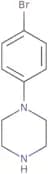
Formula:C6H5NO2S·HClPurity:Min. 95%Color and Shape:PowderMolecular weight:191.64 g/mol1-(4-Bromophenyl)piperazine
CAS:Controlled Product1-(4-Bromophenyl)piperazine is a chemical that is used in the synthesis of pharmaceuticals, such as antidepressants. It has been shown to inhibit monoamine neurotransmitter reuptake, including serotonin and dopamine. It also has an inhibitory effect on 5-hydroxytryptamine (5HT) release from nerve terminals and its binding to the 5HT7 receptor. 1-(4-Bromophenyl)piperazine can be used in chromatographic methods for validation of impurities, potential impurities, and other substances.
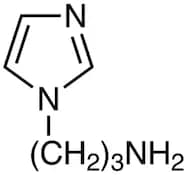
Formula:C10H13BrN2Purity:Min. 95 Area-%Color and Shape:PowderMolecular weight:241.13 g/mol1-(3-Aminopropyl)imidazole
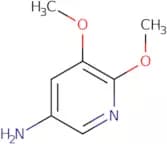
CAS:Formula:C6H11N3Purity:>97.0%(GC)Color and Shape:Colorless to Almost colorless clear liquidMolecular weight:125.185,6-Dimethoxypyridin-3-amine
CAS:5,6-Dimethoxypyridin-3-amine is an organic compound with the formula CHN. It is a versatile building block in organic chemistry. 5,6-Dimethoxypyridin-3-amine can be used as a reagent in the synthesis of other compounds or as a reactant to form new compounds. 5,6-Dimethoxypyridin-3-amine is soluble in organic solvents and reacts with most common electrophiles to give substituted products. 5,6-Dimethoxypyridin-3-amine has been found to be useful as an intermediate in the synthesis of a variety of natural products and pharmaceuticals.Formula:C7H10N2O2Purity:Min. 95%Color and Shape:Purple PowderMolecular weight:154.17 g/mol4-(2-Aminoanilino)pyridine
CAS:4-(2-Aminoanilino)pyridine is a pyridine that has been shown to be an impurity in the acid salt of 4-(2-aminophenyl)pyridine. It is an acidified impurity that can form when the pyridine reacts with hydrochloric acid or sulfuric acid.Formula:C11H11N3Purity:Min. 95%Color and Shape:PowderMolecular weight:185.23 g/mol2-(Hydroxymethyl)pyridine
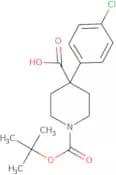
CAS:2-(Hydroxymethyl)pyridine is a metal chelate that has been shown to be a potent inhibitor of picolinic acid amidohydrolase. This enzyme is responsible for the conversion of picolinic acid to nicotinamide adenine dinucleotide (NAD), which is a cofactor in the citric acid cycle. The 2-(hydroxymethyl)pyridine-picolinic acid complex inhibits the activity of this enzyme, blocking the conversion of NAD into nicotinamide adenine dinucleotide phosphate (NADP). This inhibition leads to higher levels of NAD and lower levels of NADP, which may lead to an increase in metabolic activity by increasing the availability of ATP. 2-(Hydroxymethyl)pyridine has been shown to have immunosuppressive properties, as well as anti-inflammatory properties. It also has been shown to be effective against bowel disease and infectious diseases.Formula:C6H7NOPurity:Min. 95%Color and Shape:Clear LiquidMolecular weight:109.13 g/molBoc-4-(4-chlorophenyl)-piperidine-4-carboxylic acid
CAS:Boc-4-(4-chlorophenyl)-piperidine-4-carboxylic acid is a versatile building block that can be used to synthesize complex compounds. It is a high quality, research chemical that can be used as a reagent or speciality chemical. Boc-4-(4-chlorophenyl)-piperidine-4-carboxylic acid is an intermediate for the synthesis of pharmacologically active compounds and has been used as a reaction component in the synthesis of other useful scaffolds. CAS No. 644981-94-2Formula:C17H22ClNO4Purity:Min. 95%Color and Shape:White PowderMolecular weight:339.81 g/mol7-Chloroquinoline-3-carboxylicacid
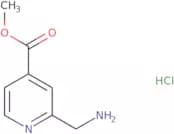
CAS:7-Chloroquinoline-3-carboxylicacid (7CQCA) is a synthetic compound that has been shown to have regulatory, immunomodulatory, and anticancer properties. It is a potent inhibitor of mammalian DNA polymerase beta and it has been shown to induce apoptosis in human prostate cancer cells by inhibiting the production of cAMP. 7CQCA also inhibits the proliferation of mouse CD1 leukemia cells in vitro and induces apoptosis in these cells. The compound was found to be more effective when used with other agents such as triticum aestivum extract, which may be due to its synergistic interaction with these compounds.Formula:C10H6ClNO2Purity:Min. 95%Color and Shape:Off-White PowderMolecular weight:207.61 g/molMethyl 2-(aminomethyl)pyridine-4-carboxylate HCl
CAS:Methyl 2-(aminomethyl)pyridine-4-carboxylate HCl is a fine chemical that is used as a building block, reagent, and speciality chemical. It has been shown to be an effective intermediate in the synthesis of complex compounds. Methyl 2-(aminomethyl)pyridine-4-carboxylate HCl also has a versatile scaffold for organic synthesis.
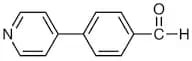
Formula:C8H11ClN2O2Purity:Min. 95%Color and Shape:PowderMolecular weight:202.64 g/mol4-(4-Pyridyl)benzaldehyde
CAS:Formula:C12H9NOPurity:>98.0%(GC)Color and Shape:White to Orange to Green powder to crystalMolecular weight:183.212-Chloro-3-fluoropyridine
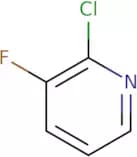
CAS:2-Chloro-3-fluoropyridine is a chemical compound that is classified as an allosteric modulator. It has a profile of physicochemical and spectrometric properties, which includes a pyridine ring with two chloro substituents and one fluorine atom. 2-Chloro-3-fluoropyridine can be transported by organic solvents such as benzene or chloroform, but not by water. This chemical reacts with copper chloride to form a cross-coupling reaction, which may be useful for the synthesis of complex organic molecules. 2-Chloro-3-fluoropyridine also has biological properties that include being a ligand for some receptors in the brain and central nervous system, as well as having antioxidant activity.
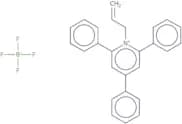
Formula:C5H3ClFNPurity:Min. 95%Color and Shape:Clear LiquidMolecular weight:131.54 g/molN-Propyl-2-ene-2,4,6-triphenylpyridinium tetrafluoroborate
CAS:N-Propyl-2,4,6-triphenylpyridinium tetrafluoroborate (NPPBF) is a versatile building block with a wide range of applications in the synthesis of complex compounds. It is a fine chemical that has been used as a reagent, speciality chemical, and useful scaffold for research chemicals. NPPBF has been shown to be an intermediate in the synthesis of various pharmaceuticals and agrochemicals. It can also be used as a reaction component in organic synthesis. The compound is soluble in polar solvents such as DMF, DMSO, THF, and acetonitrile.Formula:C26H22N•BF4Purity:Min. 95%Molecular weight:435.26 g/mol2,5-Dichloro-3-(trifluoromethyl)pyridine
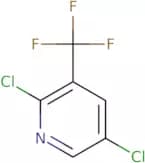
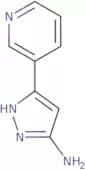
CAS:2,5-Dichloro-3-(trifluoromethyl)pyridine is a hypochlorite that is produced by the reaction of hydrazine and fluoro with sodium hypochlorite. It is a colorless solid with a molecular weight of 180.2. The compound has been used in spectroscopy to study the reaction mechanism of hypochlorites with various substrates.Formula:C6H2Cl2F3NPurity:Min. 95%Color and Shape:Slightly Yellow PowderMolecular weight:215.99 g/mol5-Pyridin-3-yl-2H-pyrazol-3-ylamine
CAS:5-Pyridin-3-yl-2H-pyrazol-3-ylamine is a fine chemical with applications in the research and development of pharmaceuticals, agrochemicals, and other speciality chemicals. 5-Pyridin-3-yl-2H-pyrazol-3-ylamine is also a versatile building block for the synthesis of complex molecules. This compound can be used as a reagent or intermediate in organic reactions. It is also an excellent scaffold for the synthesis of complex molecules.Formula:C8H8N4Purity:Min. 95%Color and Shape:Off-white to pale yellow or beige solid.Molecular weight:160.18 g/mol2,6-Dimethyl-1,4-diphenylpyridinium tetrafluoroborate
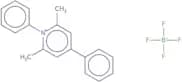
CAS:2,6-Dimethyl-1,4-diphenylpyridinium tetrafluoroborate is a high quality reagent that can be used as a useful intermediate in the synthesis of fine chemicals. It is used as an important building block in the synthesis of many organic compounds and is also an important reaction component. This compound has a wide range of uses and can be used as a versatile building block in organic synthesis or as a speciality chemical for research purposes.Formula:C19H18N·BF4Purity:Min. 95%Molecular weight:347.16 g/mol



![4-Aminopyrazolo[3,4-d]pyrimidine](/_next/image/?url=https%3A%2Fstatic.cymitquimica.com%2Fproducts%2F3D%2Fthumb-webp%2FFA33756.webp&w=3840&q=75)
![Imidazo[1,2-a]pyridin-2-yl-methylamine dihydrochloride](/_next/image/?url=https%3A%2Fstatic.cymitquimica.com%2Fproducts%2F3D%2Fthumb-webp%2FFI51742.webp&w=3840&q=75)

![[1-(3-Methylpyridin-2-yl)ethyl]amine](/_next/image/?url=https%3A%2Fstatic.cymitquimica.com%2Fproducts%2F3D%2Fthumb-webp%2FFM121577.webp&w=3840&q=75)



![5,6,7,7a-Tetrahydrothieno[3,2-c]pyridin-2(4H)-one Hydrochloride](/_next/image/?url=https%3A%2Fstatic.cymitquimica.com%2Fproducts%2F3B%2Fthumb-webp%2FT2984.webp&w=3840&q=75)