


Heterocycles with Nitrogen (N)
In this category, you will find a wide variety of nitrogen-containing heterocycles. Heterocycles are carbon chains that form a cycle in which at least one position is occupied by a heteroatom, in this case, nitrogen. These compounds are integral in the synthesis of pharmaceuticals, agrochemicals, and dyes, offering unique reactivity and stability. At CymitQuimica, we provide a comprehensive selection of high-quality nitrogen-containing heterocycles to support your research and industrial applications
Subcategories of "Heterocycles with Nitrogen (N)"
- Azepane(434 products)
- Benzotriazoles(436 products)
- Diazepanes(331 products)
- Imidazoles(4,006 products)
- Imidazolines(385 products)
- Isoxazole(1,077 products)
- Piperazines(3,735 products)
- Piperidines(8,398 products)
- Pyrazines(1,299 products)
- Pyrazole(5,919 products)
- Pyrazolidine(21 products)
- Pyrazoline(142 products)
- Pyridazine(856 products)
- Pyridines(21,911 products)
- Pyrimidine(6,038 products)
- Pyrroles(2,440 products)
- Pyrrolidines(5,814 products)
- Pyrroline(48 products)
- Pyrrolo[1,2-b]pyridazine(10 products)
- Tetrazole(510 products)
- Triazines(462 products)
- Triazoles(1,679 products)
Show 14 more subcategories
Found 17855 products of "Heterocycles with Nitrogen (N)"
Sort by
Purity (%)
0
100
|
0
|
50
|
90
|
95
|
100
2-Ethyl-3(5 or 6)-dimethylpyrazine, mixture of isomers
CAS:<p>2-Ethyl-3(5 or 6)-dimethylpyrazine, mixture of isomers is a high quality chemical. It has been used as an intermediate in the synthesis of pharmaceuticals, agricultural chemicals, and other speciality chemicals. 2-Ethyl-3(5 or 6)-dimethylpyrazine, mixture of isomers is a versatile building block that can be used to synthesize complex compounds. It can also act as a reagent for the synthesis of other compounds. The CAS number for this compound is 27043-05-6.</p>Formula:C8H12N2Purity:Min. 99.0 Area-%Molecular weight:136.19 g/molRef: 3D-W-108294
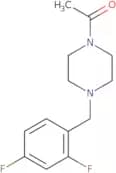
1kgTo inquire100gTo inquire250gTo inquire500gTo inquire2500gTo inquire-Unit-kgkgTo inquire1-Acetyl-4-(2,4-difluorobenzyl)piperazine
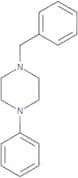
CAS:Controlled Product<p>Please enquire for more information about 1-Acetyl-4-(2,4-difluorobenzyl)piperazine including the price, delivery time and more detailed product information at the technical inquiry form on this page</p>Formula:C13H16F2N2OPurity:Min. 95%Molecular weight:254.28 g/mol1-Benzyl-4-phenylpiperazine
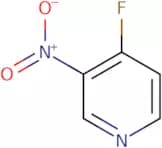
CAS:Controlled Product<p>1-Benzyl-4-phenylpiperazine is a type of phenylpiperazine that has hydroxy, phenyl ring, alkylthio, naphthyl and dopamine. It is an agonist for the D2 receptor and a specific ligand for the serotonin 5HT1A receptor. 1-Benzyl-4-phenylpiperazine has been shown to be effective in treating depression and psychotic depression. This drug can also be used as a substance in research on the neuropsychology of depression.</p>Formula:C17H20N2Purity:Min. 95%Color and Shape:Clear LiquidMolecular weight:252.35 g/mol4-Fluoro-3-nitropyridine
CAS:<p>4-Fluoro-3-nitropyridine is a reactive chemical that can react with alcohols, amines, and amino acids. It has been shown to have absorption spectra in the ultraviolet region of the light spectrum. 4-Fluoro-3-nitropyridine is also a pyridine derivative.</p>Formula:C5H3FN2O2Purity:Min. 95%Color and Shape:Off-White PowderMolecular weight:142.09 g/mol4-(Aminomethyl)pyridin-2-amine
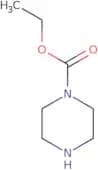
CAS:<p>4-(Aminomethyl)pyridin-2-amine is a reversible inhibitor of the cytochrome P450 system, which is responsible for the metabolism of drugs. It inhibits the activity of cytochrome P450 enzymes and prevents the conversion of prodrugs to active metabolites. This drug has been shown to inhibit myocardial injury caused by ischemia-reperfusion or overload. 4-(Aminomethyl)pyridin-2-amine has also been shown to have inhibitory activities on myocardial cells in culture, as well as on cardiomyocytes in vivo. In addition, it appears that this drug may be useful for reversing cardiac hypertrophy and heart failure, which are associated with a number of diseases including hypertension and diabetes mellitus. The pharmacokinetic profile of 4-(aminomethyl)pyridin-2-amine has been studied in humans. The half-life is short (1</p>Formula:C6H9N3Purity:Min. 95%Molecular weight:123.16 g/molEthyl N-piperazinecartoxylate
CAS:<p>Ethyl N-piperazinecartoxylate is an organic compound that has been shown to inhibit the growth of Mycobacterium tuberculosis, Mycobacterium avium complex, and other mycobacteria. It is a potent anti-tuberculosis agent with a tuberculostatic activity against M. tuberculosis inactivated by ethyl nitrite. Ethyl N-piperazinecartoxylate inhibits the synthesis of DNA, RNA, and proteins by inhibiting the bacterial enzyme RNA polymerase. The antimycobacterial activity of this drug is also due to its ability to inhibit protein synthesis at the ribosome level. This drug has been shown to have antihypertensive activity as it blocks adrenergic receptors in blood vessels and thereby reduces blood pressure.</p>Formula:C7H14N2O2Purity:Min. 95%Molecular weight:158.2 g/mol3,3-Dimethylpiperidine
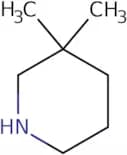
CAS:<p>3,3-dimethylpiperidine is a chemical compound that is used in wastewater treatment. It has been shown to inhibit the production of serotonin and other substances by binding to serotonin receptors. 3,3-dimethylpiperidine has been shown to be selective for the l-type of calcium channels, which are involved in blood vessel contraction and relaxation. This chemical has also been shown to increase the permeability of cell membranes, which may be due to its ability to bind with receptor sites on cell membranes. The binding of 3,3-dimethylpiperidine with these sites leads to an increase in the hydrophilicity of the membrane surface and an increase in receptor binding.</p>Formula:C7H15NPurity:Min. 95%Color and Shape:Clear LiquidMolecular weight:113.2 g/mol3-Piperidineacetic acid ethyl ester hydrochloride
CAS:<p>Please enquire for more information about 3-Piperidineacetic acid ethyl ester hydrochloride including the price, delivery time and more detailed product information at the technical inquiry form on this page</p>Formula:C9H17NO2·HClPurity:Min. 95%Color and Shape:PowderMolecular weight:207.7 g/mol1-(2-Fluorobenzyl)piperazine
CAS:Controlled Product<p>1-(2-Fluorobenzyl)piperazine (1FP) is an inhibitor of cholinesterase, which is an enzyme that breaks down the neurotransmitter acetylcholine. It binds to the active site of the enzyme and prevents it from functioning. 1FP has a high affinity for benzylpiperazine (BZP), but lower affinity for phenylpiperazine (PP). The conformational kinetic study showed that 1FP inhibits BZP more effectively than PP. This is due to the fact that 1FP has a higher dihedral angle, making it more likely to bind in the active site of BZP.</p>Purity:Min. 95%4-(3-Phenyl-1,2,4-oxadiazol-5-yl)piperidine hydrochloride
CAS:<p>Please enquire for more information about 4-(3-Phenyl-1,2,4-oxadiazol-5-yl)piperidine hydrochloride including the price, delivery time and more detailed product information at the technical inquiry form on this page</p>Formula:C13H15N3OPurity:Min. 95%Molecular weight:229.28 g/mol4-Piperazinylphenylboronic acid, pinacol ester
CAS:<p>Please enquire for more information about 4-Piperazinylphenylboronic acid, pinacol ester including the price, delivery time and more detailed product information at the technical inquiry form on this page</p>Formula:C16H25BN2O2Purity:Min. 95%Color and Shape:PowderMolecular weight:288.19 g/mol5-Boc-octahydro-pyrrolo[3,4-c]pyridine
CAS:<p>Please enquire for more information about 5-Boc-octahydro-pyrrolo[3,4-c]pyridine including the price, delivery time and more detailed product information at the technical inquiry form on this page</p>Formula:C12H22N2O2Purity:Min. 95%Molecular weight:226.32 g/mol2-Benzyl-piperazine
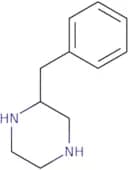
CAS:<p>2-Benzyl-piperazine is a pharmacological agent that has been shown to have anabolic effects in animals and humans. It is a crystalline solid with a molecular weight of 248.2 g/mol. 2-Benzyl-piperazine is used in the treatment of chronic renal failure, as well as the prevention of kidney stone formation in patients with recurrent calcium oxalate stones, or those who have experienced at least one episode of calcium oxalate stone formation. 2-Piperazine inhibits the activity of an enzyme called carbonic anhydrase, which is found in many tissues and facilitates reactions that produce bicarbonate ions from carbon dioxide and water molecules. The piperazine ring also has two methyl substituents, which can be modified to create bioisosteric analogues. These modifications may alter the properties of 2-benzyl-piperazine such as its solubility or metabolic stability. 2-Benzyl-piper</p>Formula:C11H16N2Purity:Min. 95%Color and Shape:PowderMolecular weight:176.26 g/mol1-(4-Methoxyphenyl)-7-oxo-6-(4-(2-oxopiperidin-1-yl)phenyl)-4,5,6,7-tetrahydro-1H-pyrazolo[3,4-c]pyridine-3-carboxylic acid
CAS:<p>Apixaban is a novel, orally active, and selective factor Xa inhibitor. It is the first oral anticoagulant that has been developed to inhibit both free and clot-bound thrombin. Apixaban binds reversibly to the active site of factor Xa and inhibits factor Xa-mediated conversion of prothrombin to thrombin, resulting in an increased concentration of prothrombin in blood. Apixaban also inhibits the activity of thrombin-activated protein C (APC) that degrades fibrin clots by proteolytic cleavage of fibrinogen. This drug has a crystalline form with a particle size between 10 and 100 μm.</p>Formula:C25H24N4O5Purity:Min. 95%Molecular weight:460.48 g/mol7-[(4Methoxyphenyl)methyl]-5-methyl-2H-pyrazolo[3,4-d]pyrimidine-4,6(5H,7H)-dione
CAS:Controlled Product<p>Please enquire for more information about 7-[(4Methoxyphenyl)methyl]-5-methyl-2H-pyrazolo[3,4-d]pyrimidine-4,6(5H,7H)-dione including the price, delivery time and more detailed product information at the technical inquiry form on this page</p>Formula:C14H14N4O3Purity:Min. 95%Molecular weight:286.29 g/mol6-Amino-1,3,5-triazine-2,4-diol
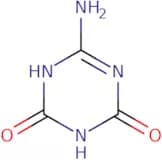
CAS:<p>6-Amino-1,3,5-triazine-2,4-diol is a chemical that is soluble in water and has been shown to be an effective inhibitor of cyanuric acid degradation. It has been used in wastewater treatment and as a model system for the study of melamine and cyanuric acid interactions. 6-Amino-1,3,5-triazine-2,4-diol binds to cyanuric acid by forming a complex with it. This prevents the formation of reactive intermediates that lead to the degradation of cyanuric acid. 6-Amino-1,3,5-triazine-2,4-diol also inhibits the oxidation catalyst activity of sodium carbonate at pH 8.5. The toxicity of this chemical has been studied in rats and was found to be low.</p>Formula:C3H4N4O2Purity:Min. 95%Molecular weight:128.09 g/molImidazo[1,2-a]pyridin-8-ylamine dihydrochloride
CAS:<p>Imidazo[1,2-a]pyridin-8-ylamine dihydrochloride is an arylation agent that reacts with nucleophiles to form an amide linkage. Imidazo[1,2-a]pyridin-8-ylamine dihydrochloride is used in the synthesis of carboxylic acid derivatives and other biomolecules. It can be used for selective functionalization of unsymmetrical carboxylic acids.</p>Formula:C7H7N3·2HClPurity:Min. 95%Molecular weight:206.07 g/mol2,3,5-Trimethylpyridine
CAS:<p>2,3,5-Trimethylpyridine is an organic compound that is used in the production of pharmaceuticals. It is a colorless liquid with a strong odor. 2,3,5-Trimethylpyridine reacts with hydrochloric acid to produce an n-oxide and hydrogen chloride gas. This reaction can be carried out in solution or as a solid phase microextraction experiment. The optimal reaction conditions for this process are determined by measuring the yield of the desired product and the amount of byproducts formed during the reaction. The reaction can be inhibited by adding pump inhibitors such as methyl ethyl ketone or an organic solvent such as acetonitrile. The structures of 2,3,5-Trimethylpyridine have been determined using X-ray crystallography and phosphotungstic acid. Deionized water and chlorides react with 2,3,5-Trimethylpyridine to form a white precipitate. This product</p>Formula:C8H11NPurity:Min. 98 Area-%Color and Shape:Clear LiquidMolecular weight:121.18 g/mol4-Bromo-7-methoxy-1H-pyrrolo[2,3-c]pyridine
CAS:<p>Please enquire for more information about 4-Bromo-7-methoxy-1H-pyrrolo[2,3-c]pyridine including the price, delivery time and more detailed product information at the technical inquiry form on this page</p>Purity:Min. 95%7-Methylindole-2-carboxylic acid
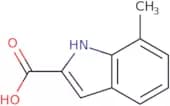
CAS:<p>7-Methylindole-2-carboxylic acid is a versatile building block that is used in the synthesis of complex compounds and research chemicals. It has been shown to be useful as a reagent, speciality chemical, and useful building block for the preparation of high quality materials with CAS No. 18474-60-7. 7-Methylindole-2-carboxylic acid is also an intermediate in the synthesis of some pharmaceuticals, such as amitriptyline (Tryptanol) and diazepam (Valium).</p>Formula:C10H9NO2Molecular weight:175.19 g/mol2-Amino-1,3,5-triazine
CAS:<p>2-Amino-1,3,5-triazine is a hydrogen bond donor that has been shown to have growth inhibiting effects. It reduces the viscosity of aqueous solutions and is used as an enantiopure for amines. 2-Amino-1,3,5-triazine can be used in reactions with metal surfaces to produce surface coatings or used as a bifunctional crosslinking agent for polymer materials. 2-Amino-1,3,5-triazine has been shown to have degenerative disease inhibitory activity and inflammatory disease inhibitory activity. It also inhibits the production of inflammatory cytokines such as tumor necrosis factor alpha (TNFα) and interleukin 6 (IL6).</p>Formula:C3H4N4Purity:Min. 95%Molecular weight:96.09 g/mol1-Benzyl-4-piperidinol
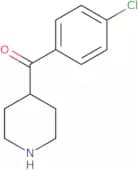
CAS:<p>1-Benzyl-4-piperidinol is a n-hexane soluble synthetic compound. It has been shown to inhibit the cholesterol acyltransferase enzyme in rat liver microsomes, which is involved in the synthesis of cholesterol. 1-Benzyl-4-piperidinol can also be used for the treatment of cancers, such as prostate adenocarcinoma, due to its potent antagonistic activity against prostate cancer cells. This compound has also been shown to induce apoptosis in cancer cells and inhibit growth. The mechanism of action may be due to bond cleavage and inhibition of protein synthesis.</p>Formula:C12H17NOPurity:Min. 95%Molecular weight:191.27 g/mol4-(4-Chlorobenzoyl)piperidine
CAS:<p>Please enquire for more information about 4-(4-Chlorobenzoyl)piperidine including the price, delivery time and more detailed product information at the technical inquiry form on this page</p>Purity:Min. 95%7-[(3R)-3-[(N-Acetyl)amino]-1-oxo-4-(2,4,5-trifluorophenyl)butyl]-5,6,7,8-tetrahydro-3-(trifluoromethyl)-1,2,4-triazolo[4,3-a]pyrazi ne
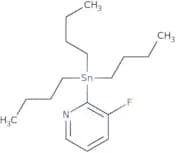
CAS:<p>Please enquire for more information about 7-[(3R)-3-[(N-Acetyl)amino]-1-oxo-4-(2,4,5-trifluorophenyl)butyl]-5,6,7,8-tetrahydro-3-(trifluoromethyl)-1,2,4-triazolo[4,3-a]pyrazi ne including the price, delivery time and more detailed product information at the technical inquiry form on this page</p>Formula:C18H17F6N5O2Purity:Min. 95%Molecular weight:449.35 g/mol3-Fluoro-2-(tributylstannyl)pyridine
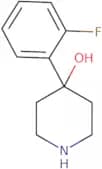
CAS:Controlled Product<p>Please enquire for more information about 3-Fluoro-2-(tributylstannyl)pyridine including the price, delivery time and more detailed product information at the technical inquiry form on this page</p>Formula:C17H30FNSnPurity:Min. 95%Molecular weight:386.14 g/mol4-(2-Fluorophenyl)-4-piperidinol
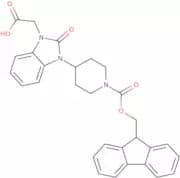
CAS:<p>Please enquire for more information about 4-(2-Fluorophenyl)-4-piperidinol including the price, delivery time and more detailed product information at the technical inquiry form on this page</p>Formula:C11H14FNOPurity:Min. 95%Molecular weight:195.23 g/molFmoc-4-(3-carboxymethyl-2-keto-one-benzimidazolyl)piperidine
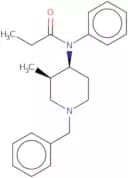
CAS:Controlled Product<p>Please enquire for more information about Fmoc-4-(3-carboxymethyl-2-keto-one-benzimidazolyl)piperidine including the price, delivery time and more detailed product information at the technical inquiry form on this page</p>Formula:C29H27N3O5Purity:Min. 95%Molecular weight:497.54 g/molrac-cis-1-benzyl-2-methyl-4-(N-propananilido)piperidine
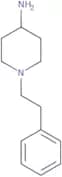
CAS:Controlled Product<p>Racemic cis-1-benzyl-2-methyl-4-(N-propananilido)piperidine (SBP) is a synthetic opioid analgesic that has been shown to bind to the μ-opioid receptor. It is the racemic form of the more potent S(+)-isomer. SBP is metabolized in vivo by cytochrome P450 2C19 and cytochrome P450 3A5, and its metabolites can be detected in human liver. The metabolism of SBP also produces propanamide as an intermediate. Recreational use of SBP has been reported with adverse effects including nausea, vomiting, headache, and dizziness.</p>Formula:C22H28N2OPurity:Min. 95%Molecular weight:336.47 g/mol1-(2-Phenylethyl)piperidin-4-amine dihydrochloride
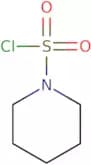
CAS:Controlled Product<p>Please enquire for more information about 1-(2-Phenylethyl)piperidin-4-amine dihydrochloride including the price, delivery time and more detailed product information at the technical inquiry form on this page</p>Formula:C13H20N2Purity:Min. 95%Molecular weight:204.31 g/molPiperidine-1-sulfonyl chloride
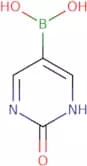
CAS:<p>Piperidine-1-sulfonyl chloride (PSC) is a compound that has been found to have neuroprotective properties. PSC inhibits the production of nitric oxide and peroxynitrite, which are reactive oxygen species (ROS) that damage cells and DNA. PSC also prevents the formation of ROS by inhibiting the activation of protein kinase C and phospholipase A2. The neuroprotective effects of PSC may be due to its ability to inhibit matrix metalloproteinases, which are enzymes that break down tissue in response to injury or disease. This drug has also been shown to have high cytotoxicity against cancer cell lines in vitro. Piperidine-1-sulfonyl chloride is a chemical compound with neuroprotective properties. It inhibits the production of nitric oxide and peroxynitrite, which are reactive oxygen species (ROS) that damage cells and DNA. PSC also prevents the formation</p>Formula:C5H10ClNO2SPurity:Min. 95%Molecular weight:183.66 g/mol2-Hydroxypyrimidine-5-boronicacid
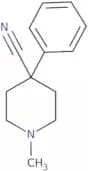
CAS:<p>Please enquire for more information about 2-Hydroxypyrimidine-5-boronicacid including the price, delivery time and more detailed product information at the technical inquiry form on this page</p>Formula:C4H5BN2O3Purity:Min. 95%Molecular weight:139.91 g/mol1-Methyl-4-phenylpiperidine-4-carbonitrile
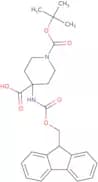
CAS:Controlled Product<p>Please enquire for more information about 1-Methyl-4-phenylpiperidine-4-carbonitrile including the price, delivery time and more detailed product information at the technical inquiry form on this page</p>Formula:C13H16N2Purity:Min. 95%Molecular weight:200.28 g/molN-Boc-amino-(4-N-fmoc-piperidinyl)carboxylic acid
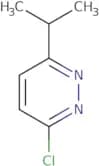
CAS:<p>Please enquire for more information about N-Boc-amino-(4-N-fmoc-piperidinyl)carboxylic acid including the price, delivery time and more detailed product information at the technical inquiry form on this page</p>Formula:C26H30N2O6Purity:Min. 95%Molecular weight:466.53 g/mol3-Chloro-6-isopropylpyridazine
CAS:<p>Please enquire for more information about 3-Chloro-6-isopropylpyridazine including the price, delivery time and more detailed product information at the technical inquiry form on this page</p>Formula:C7H9ClN2Purity:Min. 95%Molecular weight:156.61 g/mol3-Fluoro-4-(tributylstannyl)pyridine
CAS:Controlled Product<p>3-Fluoro-4-(tributylstannyl)pyridine is a high affinity, selective, and membrane permeable ligand of the A2B adenosine receptor. It has been shown to be a potent antagonist of A2B receptors in vitro. This compound has also been shown to have a lower affinity for A1, A3, and A4 receptors. 3-Fluoro-4-(tributylstannyl)pyridine has been shown to have high brain uptake in vivo studies. 3-Fluoro-4-(tributylstannyl)pyridine binds to the x-ray structure of the adenosine receptor with high affinity and penetrability. The binding site is proposed to be located on the extracellular side of the receptor near the interface with the second transmembrane domain. In vivo studies have shown that 3-fluoro-4-(tributylstannyl)p</p>Formula:C17H30FNSnPurity:Min. 95%Molecular weight:386.14 g/mol1-(2-Chlorophenyl)-2-(2H-tetrazol-2-yl)ethanone
CAS:<p>Please enquire for more information about 1-(2-Chlorophenyl)-2-(2H-tetrazol-2-yl)ethanone including the price, delivery time and more detailed product information at the technical inquiry form on this page</p>Formula:C9H7ClN4OPurity:Min. 95%Molecular weight:222.63 g/mol2,5-Difluoropyridine
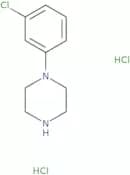
CAS:<p>2,5-Difluoropyridine is a ligand that is used in the synthesis of pharmaceuticals and other organic compounds. 2,5-Difluoropyridine is typically activated by a metal ion (e.g., palladium) to form an organometallic complex. The orientation of substituents on the difluoropyridine ring can affect its reactivity and selectivity. For example, chlorine atoms interact with the electrophilic carbon atom in the ring and orientations with electron withdrawing groups are more reactive than those with electron donating groups. 2,5-Difluoropyridine can be used as a cross-coupling reagent for Grignard reactions and nucleophilic substitution reactions. It also has been shown to inhibit human erythrocyte pyruvate kinase activity in vitro and may be useful for the treatment of diabetic complications such as neuropathy or retinopathy.</p>Formula:C5H3F2NPurity:Min. 95%Color and Shape:Clear LiquidMolecular weight:115.08 g/mol1-(3-Chlorophenyl)piperazine dihydrochloride
CAS:Controlled Product<p>1-(3-Chlorophenyl)piperazine dihydrochloride is a serotonin antagonist that has been shown to cause an increase in cortisol levels. It is also a serotonergic agent, which may be related to its antidepressant activity. 1-(3-Chlorophenyl)piperazine dihydrochloride has been shown to have a matrix effect on the brain and can be used as a drug for treating primary pulmonary hypertension. It can also induce behavioral changes and stimulate ovarian activity. The compound 1-(3-Chlorophenyl)piperazine dihydrochloride is an antagonist of 5-HT2C receptors, and it has no affinity for the 5-HT2A receptor.</p>Formula:C10H15Cl3N2Purity:Min. 95%Color and Shape:White To Yellow Or Beige SolidMolecular weight:269.6 g/molZofenoprilat-d5
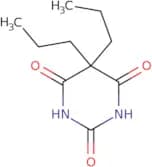
CAS:Controlled Product<p>Please enquire for more information about Zofenoprilat-d5 including the price, delivery time and more detailed product information at the technical inquiry form on this page</p>Formula:C15H14D5NO3S2Purity:Min. 95%Molecular weight:330.48 g/mol5,5-Dipropylpyrimidine-2,4,6(1H,3H,5H)-trione
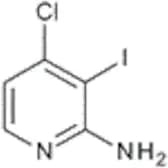
CAS:Controlled Product<p>5,5-Dipropylpyrimidine-2,4,6(1H,3H,5H)-trione is a molecule that is used as a food additive. It has been shown to inhibit the growth of cancer cells in heart tissue. The optimum concentration for this compound is 0.02% (w/v) and it has been found to be effective at concentrations up to 0.1%. The protonation of 5,5-dipropylpyrimidine-2,4,6(1H,3H,5H)-trione depends on its pH value and it can be protonated by potassium ions or sodium ions. The polycarboxylic acid form of 5,5-dipropylpyrimidine-2,4,6(1H,3H,5H)-trione is more stable than its free acid form. This molecule has also been shown to have properties similar to those of</p>Formula:C10H16N2O3Purity:Min. 95%Molecular weight:212.25 g/mol4-Chloro-3-iodopyridin-2-amine
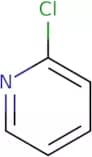
CAS:<p>Please enquire for more information about 4-Chloro-3-iodopyridin-2-amine including the price, delivery time and more detailed product information at the technical inquiry form on this page</p>Formula:C5H4ClIN2Purity:Min. 95%Molecular weight:254.46 g/mol2-Chloropyridine
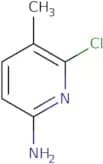
CAS:Controlled Product<p>2-Chloropyridine is a molecule that reacts with hydrochloric acid to produce hydrogen chloride and 2-chloropyridine. The reaction mechanism involves a photoelectron and hydrogen bonding interactions. The chlorine atom in the original molecule will be replaced by a hydrogen atom, while the other chlorine atom becomes part of the product, hydrogen chloride. This reaction occurs in solution at room temperature.</p>Formula:C5H4ClNPurity:Min. 95%Color and Shape:PowderMolecular weight:113.54 g/mol6-Chloro-5-methylpyridin-2-amine
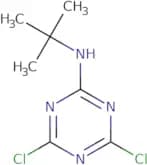
CAS:<p>6-Amino-2-chloro-3-methylpyridine is a heteroaromatic compound that belongs to the class of imidazopyridine. It is a monomer used in research, and can be transformed into the cross-coupling reaction with electron irradiation, which provides an efficient method for synthesizing other heteroaromatic compounds. 6-Amino-2-chloro-3-methylpyridine has low ionization potential and can be used as a drug discovery agent.</p>Formula:C6H7ClN2Purity:Min. 95%Molecular weight:142.59 g/mol2-(tert-Butylamino)-4,6-dichloro-1,3,5-triazine
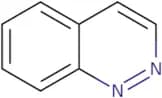
CAS:<p>Please enquire for more information about 2-(tert-Butylamino)-4,6-dichloro-1,3,5-triazine including the price, delivery time and more detailed product information at the technical inquiry form on this page</p>Formula:C7H10Cl2N4Purity:Min. 95%Molecular weight:221.09 g/molCinnoline
CAS:<p>Cinnoline is a chemical compound that is structurally similar to phenol, containing a hydroxyl group, two nitrogen atoms and a cyclic structure. Cinnoline has been shown to have anti-inflammatory activity in rats with adjuvant-induced arthritis. The mechanism of the anti-inflammatory effect of cinnoline is not fully understood, but it may be due to its stability and ability to bind to biological molecules or its conformational properties. Cinnoline does not react with nitric acid, making it a good candidate for use in infectious diseases such as tuberculosis. It has also been shown to be stable in human serum and has low pharmacokinetic properties. The fluorescence intensity of cinnoline was found to increase when exposed to an electrochemical potential and can be used as a probe molecule for pharmacokinetics studies.</p>Formula:C8H6N2Purity:Min. 95%Color and Shape:PowderMolecular weight:130.15 g/mol3-[(2S)-1,2,3,6-Tetrahydropyridin-2-Yl]Pyridine
CAS:<p>3-[(2S)-1,2,3,6-Tetrahydropyridin-2-Yl]Pyridine is a compound that is derived from the plant metabolism. It has been shown to have a nicotine-like effect on locomotor activity in rats. 3-[(2S)-1,2,3,6-Tetrahydropyridin-2-Yl]Pyridine has also been shown to inhibit antibody production in mice and to be effective against bowel disease. The compound has also been studied for its ability to treat metabolic disorders such as diabetes. 3-[(2S)-1,2,3,6-Tetrahydropyridin-2-Yl]Pyridine is not toxic when administered orally over a long period of time.</p>Formula:C10H12N2Purity:Min. 95%Molecular weight:160.22 g/mol1-[(2-Pyridyl)methyl]piperazine
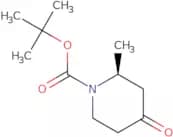
CAS:Controlled Product<p>1-[(2-Pyridyl)methyl]piperazine is a fluorescent organic solvent. It is a piperazine derivative with low detection limit, which can be used for the detection of metal ions. 1-[(2-Pyridyl)methyl]piperazine has also been shown to be a hyperpolarizing agent in organic solvents and has been used as an optical sensor for 4-chloro-7-nitrobenzofurazan, which is a compound that exhibits fluorescence properties. 1-[(2-Pyridyl)methyl]piperazine can be used as a linker in microscopy techniques to immobilize biomolecules on the surface of glass slides.</p>Formula:C10H15N3Purity:Min. 95%Molecular weight:177.25 g/moltert-butyl (2S)-2-Methyl-4-oxopiperidine-1-carboxylate
CAS:<p>Please enquire for more information about tert-butyl (2S)-2-Methyl-4-oxopiperidine-1-carboxylate including the price, delivery time and more detailed product information at the technical inquiry form on this page</p>Formula:C11H19NO3Purity:Min. 95%Molecular weight:213.27 g/mol7-Chlorothieno[3,2-B]Pyridine
CAS:<p>7-Chlorothieno[3,2-B]pyridine is a nucleophilic compound that is used as an inhibitor of the tyrosine kinase enzyme. It binds to the ATP binding site and blocks the enzymatic activity of the enzyme, preventing cell proliferation. 7-Chlorothieno[3,2-B]pyridine has been shown to inhibit growth in tumour cell lines and has been shown to be effective against tyrosine kinase receptor positive cancer cells. This drug also shows a cytotoxic activity against tumour cells in vivo, which may be due to its ability to inhibit factor receptor and receptor tyrosine.</p>Formula:C7H4ClNSPurity:Min. 95%Molecular weight:169.63 g/mol1-(2-Isopropoxybenzyl)piperazine
CAS:Controlled Product<p>Please enquire for more information about 1-(2-Isopropoxybenzyl)piperazine including the price, delivery time and more detailed product information at the technical inquiry form on this page</p>Formula:C14H22N2OPurity:Min. 95%Molecular weight:234.34 g/mol





![5-Boc-octahydro-pyrrolo[3,4-c]pyridine](/_next/image/?url=https%3A%2Fstatic.cymitquimica.com%2Fproducts%2F3D%2Fthumb-webp%2FFB147002.webp&w=3840&q=75)
![1-(4-Methoxyphenyl)-7-oxo-6-(4-(2-oxopiperidin-1-yl)phenyl)-4,5,6,7-tetrahydro-1H-pyrazolo[3,4-c]p…](/_next/image/?url=https%3A%2Fstatic.cymitquimica.com%2Fproducts%2F3D%2Fthumb-webp%2FFM155764.webp&w=3840&q=75)
![7-[(4Methoxyphenyl)methyl]-5-methyl-2H-pyrazolo[3,4-d]pyrimidine-4,6(5H,7H)-dione](/_next/image/?url=https%3A%2Fstatic.cymitquimica.com%2Fproducts%2F3D%2Fthumb-webp%2FFM168534.webp&w=3840&q=75)
![Imidazo[1,2-a]pyridin-8-ylamine dihydrochloride](/_next/image/?url=https%3A%2Fstatic.cymitquimica.com%2Fproducts%2F3D%2Fthumb-webp%2FFI51744.webp&w=3840&q=75)

![4-Bromo-7-methoxy-1H-pyrrolo[2,3-c]pyridine](/_next/image/?url=https%3A%2Fstatic.cymitquimica.com%2Fproducts%2F3D%2Fthumb-webp%2FFB141995.webp&w=3840&q=75)

![7-[(3R)-3-[(N-Acetyl)amino]-1-oxo-4-(2,4,5-trifluorophenyl)butyl]-5,6,7,8-tetrahydro-3-(trifluorom…](/_next/image/?url=https%3A%2Fstatic.cymitquimica.com%2Fproducts%2F3D%2Fthumb-webp%2FFA104169.webp&w=3840&q=75)




![3-[(2S)-1,2,3,6-Tetrahydropyridin-2-Yl]Pyridine](/_next/image/?url=https%3A%2Fstatic.cymitquimica.com%2Fproducts%2F3D%2Fthumb-webp%2FFT31535.webp&w=3840&q=75)
![1-[(2-Pyridyl)methyl]piperazine](/_next/image/?url=https%3A%2Fstatic.cymitquimica.com%2Fproducts%2F3D%2Fthumb-webp%2FFP156984.webp&w=3840&q=75)
![7-Chlorothieno[3,2-B]Pyridine](/_next/image/?url=https%3A%2Fstatic.cymitquimica.com%2Fproducts%2F3D%2Fthumb-webp%2FFC53344.webp&w=3840&q=75)
