Heterocycles with Nitrogen (N)
In this category, you will find a wide variety of nitrogen-containing heterocycles. Heterocycles are carbon chains that form a cycle in which at least one position is occupied by a heteroatom, in this case, nitrogen. These compounds are integral in the synthesis of pharmaceuticals, agrochemicals, and dyes, offering unique reactivity and stability. At CymitQuimica, we provide a comprehensive selection of high-quality nitrogen-containing heterocycles to support your research and industrial applications
Subcategories of "Heterocycles with Nitrogen (N)"
- Azepane(434 products)
- Benzotriazoles(436 products)
- Diazepanes(331 products)
- Imidazoles(4,011 products)
- Imidazolines(385 products)
- Isoxazole(1,077 products)
- Piperazines(3,736 products)
- Piperidines(8,406 products)
- Pyrazines(1,299 products)
- Pyrazole(5,921 products)
- Pyrazolidine(21 products)
- Pyrazoline(142 products)
- Pyridazine(856 products)
- Pyridines(21,917 products)
- Pyrimidine(6,041 products)
- Pyrroles(2,443 products)
- Pyrrolidines(5,816 products)
- Pyrroline(48 products)
- Pyrrolo[1,2-b]pyridazine(10 products)
- Tetrazole(510 products)
- Triazines(462 products)
- Triazoles(1,680 products)
Show 14 more subcategories
Found 17855 products of "Heterocycles with Nitrogen (N)"
Sort by
Purity (%)
0
100
|
0
|
50
|
90
|
95
|
100
2-Chloropyridine-3,5-dicarbonitrile
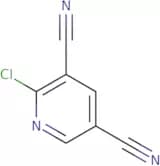
CAS:<p>2-Chloropyridine-3,5-dicarbonitrile is a potential drug that can be used as an anionic linker in the synthesis of donepezil. Donepezil is a pharmacological agent that inhibits the enzyme acetylcholinesterase and may be effective in treating Alzheimer's disease. 2-Chloropyridine-3,5-dicarbonitrile has been shown to have good profile against cholinesterase inhibitors. It binds to the active site of acetylcholinesterase and inhibits its activity. This inhibition prevents the breakdown of acetylcholine, which is required for memory and cognitive function. 2-Chloropyridine-3,5-dicarbonitrile also has molecular modeling properties and has been studied at the μm range.</p>Formula:C7H2ClN3Purity:Min. 95%Molecular weight:163.56 g/mol2-Aminomethylpyrazine
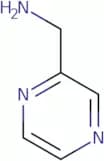
CAS:<p>2-Aminomethylpyrazine (2-AP) is a molecule that has been studied for its potential as an anti-cancer agent. It has been shown to bind to the DNA of tumor cells and prevent them from dividing, leading to cell death. 2-AP also prevents the production of survivin, which is a protein that promotes cancer cell growth and survival. 2-AP can be used in positron emission tomography (PET) scans to detect tumors, and has shown promise in treating acute myeloid leukemia.</p>Formula:C5H7N3Purity:Min. 95%Molecular weight:109.13 g/mol4-Pyridazinecarboxylic acid
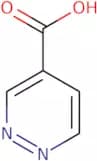
CAS:<p>4-Pyridazinecarboxylic acid is a salt that contains sodium. It is a white crystalline solid that is soluble in water, ethanol, and acetone. It has been shown to be effective against Leishmania species and Cryptococcus neoformans. 4-Pyridazinecarboxylic acid inhibits the growth of these fungi by binding to their cell membrane and inhibiting protein synthesis. 4-Pyridazinecarboxylic acid forms coordination complexes with metal ions that are involved in electron transfer reactions during the oxidative phosphorylation process. This leads to a decrease in ATP production and an increase in reactive oxygen species (ROS), which disrupts the function of macrophages and other phagocytic cells, leading to immunosuppression.</p>Formula:C5H4N2O2Purity:Min. 95%Molecular weight:124.1 g/molrac-cis-1-benzyl-2-methyl-4-(N-propananilido)piperidine
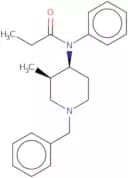
CAS:Controlled ProductRacemic cis-1-benzyl-2-methyl-4-(N-propananilido)piperidine (SBP) is a synthetic opioid analgesic that has been shown to bind to the μ-opioid receptor. It is the racemic form of the more potent S(+)-isomer. SBP is metabolized in vivo by cytochrome P450 2C19 and cytochrome P450 3A5, and its metabolites can be detected in human liver. The metabolism of SBP also produces propanamide as an intermediate. Recreational use of SBP has been reported with adverse effects including nausea, vomiting, headache, and dizziness.Formula:C22H28N2OPurity:Min. 95%Molecular weight:336.47 g/mol5-Chloro-4-methylpyrimidine
CAS:<p>Please enquire for more information about 5-Chloro-4-methylpyrimidine including the price, delivery time and more detailed product information at the technical inquiry form on this page</p>Formula:C5H5ClN2Purity:Min. 95%Molecular weight:128.56 g/mol2,4-Dichloro-5-trifluoromethylpyrimidine
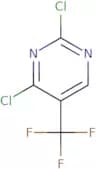
CAS:<p>2,4-Dichloro-5-trifluoromethylpyrimidine is a synthetic compound that can be used as an additive in plastics and cellulose. It is also used to produce 2,4-dichloro-5-(trifluoromethyl)pyrimidine, which has been shown to inhibit the growth of cancer cells. The methylating properties of 2,4-dichloro-5-(trifluoromethyl)pyrimidine have been shown to be useful for the production of amines. This chemical can also be used as a solvent due to its low boiling point.</p>Formula:C5HCl2F3N2Purity:Min. 95%Color and Shape:Clear Colourless To Pale Yellow To Brown LiquidMolecular weight:216.98 g/molPyridinoline
CAS:<p>Please enquire for more information about Pyridinoline including the price, delivery time and more detailed product information at the technical inquiry form on this page</p>Formula:C18H28N4O8Purity:Min. 95%Color and Shape:PowderMolecular weight:428.44 g/mol5-[2-[4',5-Bis(Pyridin-2-ylsulfamoyl)biphenyl-2-yl]diazenyl]-2-hydroxybenzoic acid
CAS:<p>Please enquire for more information about 5-[2-[4',5-Bis(Pyridin-2-ylsulfamoyl)biphenyl-2-yl]diazenyl]-2-hydroxybenzoic acid including the price, delivery time and more detailed product information at the technical inquiry form on this page</p>Formula:C29H22N6O7S2Purity:Min. 95%Molecular weight:630.65 g/mol3-Aminopyridine
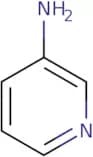
CAS:<p>3-Aminopyridine is a compound with the chemical formula C6H5N3. It is used in biological studies as a model for the hydrogen bond, and has been shown to be effective against some bacteria and fungi. 3-Aminopyridine may also have antimicrobial activity. The mechanism of action of 3-aminopyridine is not well understood, but it is thought that this compound might bind to the active site of an enzyme or receptor and deactivate it. 3-Aminopyridine has been found to inhibit dinucleotide phosphate (DNP) reductase, which may play a role in carcinogenesis. There are two nitrogen atoms in 3-aminopyridine, one in the amine group and one in the pyridine ring. The hydroxyl group on the molecule can form hydrogen bonds with other molecules such as hydrochloric acid or hydrogen tartrate, which may be why it reacts with these substances so easily.</p>Purity:Min. 95%Molecular weight:94.11 g/molPyridine-2,5-diol
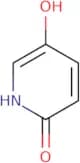
CAS:<p>Pyridine-2,5-diol is a bacterial metabolite that is the product of the enzyme pyridoxal 5'-phosphate oxidase. This enzyme has been shown to be involved in microbial metabolism and enzymatic reactions, such as the conversion of picolinic acid to pyridine-2,5-diol. Pyridine-2,5-diol has been found to be expressed in wild type strains but not in mutant strains. The gene product for this enzyme has also been identified as maleate dehydrogenase.</p>Formula:C5H5NO2Purity:Min. 95%Molecular weight:111.1 g/mol2,3,5-Trichloropyridine
CAS:<p>2,3,5-Trichloropyridine is a chemical compound that reacts with chlorine and hydroxide to form hydrogen chloride and sodium hydroxide. It is used in the wastewater treatment process as an oxidizing agent for the removal of organic compounds from water. 2,3,5-Trichloropyridine is also used as a chlorinating agent for various purposes such as the production of acrylonitrile or the destruction of hazardous wastes. The reaction products are hydrochloric acid and sodium carbonate. This substance may react with nucleophiles to form more reactive species such as nitronium ions.</p>Formula:C5H2Cl3NPurity:Min. 95%Molecular weight:180.925281-[(1,5-Dimethyl-1H-pyrazol-4-yl)methyl]piperazine
CAS:Controlled Product<p>Please enquire for more information about 1-[(1,5-Dimethyl-1H-pyrazol-4-yl)methyl]piperazine including the price, delivery time and more detailed product information at the technical inquiry form on this page</p>Formula:C10H18N4Purity:Min. 95%Molecular weight:194.28 g/mol6-Amino-1,3,5-triazine-2,4-diol
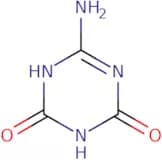
CAS:<p>6-Amino-1,3,5-triazine-2,4-diol is a chemical that is soluble in water and has been shown to be an effective inhibitor of cyanuric acid degradation. It has been used in wastewater treatment and as a model system for the study of melamine and cyanuric acid interactions. 6-Amino-1,3,5-triazine-2,4-diol binds to cyanuric acid by forming a complex with it. This prevents the formation of reactive intermediates that lead to the degradation of cyanuric acid. 6-Amino-1,3,5-triazine-2,4-diol also inhibits the oxidation catalyst activity of sodium carbonate at pH 8.5. The toxicity of this chemical has been studied in rats and was found to be low.</p>Formula:C3H4N4O2Purity:Min. 95%Molecular weight:128.09 g/mol1-[(2-Pyridyl)methyl]piperazine
CAS:Controlled Product<p>1-[(2-Pyridyl)methyl]piperazine is a fluorescent organic solvent. It is a piperazine derivative with low detection limit, which can be used for the detection of metal ions. 1-[(2-Pyridyl)methyl]piperazine has also been shown to be a hyperpolarizing agent in organic solvents and has been used as an optical sensor for 4-chloro-7-nitrobenzofurazan, which is a compound that exhibits fluorescence properties. 1-[(2-Pyridyl)methyl]piperazine can be used as a linker in microscopy techniques to immobilize biomolecules on the surface of glass slides.</p>Formula:C10H15N3Purity:Min. 95%Molecular weight:177.25 g/mol4-Fluoro-3-nitropyridine
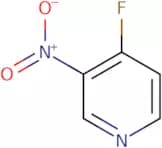
CAS:<p>4-Fluoro-3-nitropyridine is a reactive chemical that can react with alcohols, amines, and amino acids. It has been shown to have absorption spectra in the ultraviolet region of the light spectrum. 4-Fluoro-3-nitropyridine is also a pyridine derivative.</p>Formula:C5H3FN2O2Purity:Min. 95%Color and Shape:Off-White PowderMolecular weight:142.09 g/mol3,6-Dihydro-4-(tributylstannyl)-1(2H)-pyridinecarboxylic acid t-butyl ester
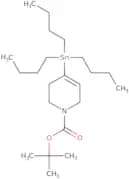
CAS:Controlled Product<p>Please enquire for more information about 3,6-Dihydro-4-(tributylstannyl)-1(2H)-pyridinecarboxylic acid t-butyl ester including the price, delivery time and more detailed product information at the technical inquiry form on this page</p>Formula:C22H43NO2SnPurity:Min. 95%Color and Shape:PowderMolecular weight:472.29 g/mol4-Amino-2,2'-bipyridine
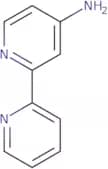
CAS:<p>Please enquire for more information about 4-Amino-2,2'-bipyridine including the price, delivery time and more detailed product information at the technical inquiry form on this page</p>Formula:C10H9N3Purity:Min. 95%Color and Shape:PowderMolecular weight:171.2 g/molPyridazine 3-carbaldehyde
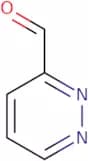
CAS:<p>Pyridazine 3-carbaldehyde is a potential antiviral agent that has shown to be effective against herpes simplex virus type 1. It is a methylene compound that binds to the active site of the enzyme ribonucleotide reductase, which is required for DNA synthesis. This compound also exhibits synergistic effects with other antiviral agents and has cytotoxic properties. Pyridazine 3-carbaldehyde can be synthesized from pyridine-3-carboxaldehyde via a two-step process involving thermal decarboxylation followed by an oxidation reaction.</p>Formula:C5H4N2OPurity:Min. 95%Molecular weight:108.1 g/mol3-[(4-Aminopiperidin-1-yl)methyl]phenol
CAS:<p>Please enquire for more information about 3-[(4-Aminopiperidin-1-yl)methyl]phenol including the price, delivery time and more detailed product information at the technical inquiry form on this page</p>Formula:C12H18N2OPurity:Min. 95%Molecular weight:206.28 g/mol(3,5-Dimethylpyridin-2-yl)methanol
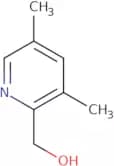
CAS:<p>3,5-Dimethylpyridin-2-yl)methanol is a compound used in the synthesis of esomeprazole. It is not considered an impurity or a target compound and does not need to be analyzed. 3,5-Dimethylpyridin-2-yl)methanol is synthesized by reacting 3,5-dimethylpyridine with methanol.</p>Formula:C8H11NOPurity:Min. 95%Molecular weight:137.18 g/molPiperidinium acetate
CAS:Controlled Product<p>Piperidinium acetate is a photochemical agent that has been used in the photochemical oxidation of organic compounds. It is also used as a catalyst for the oxidative coupling of piperidinium salts with sodium salts to form piperidine. Piperidinium acetate can be used for the treatment of metabolic disorders, such as lactic acidosis and hyperglycemia, and autoimmune diseases such as rheumatoid arthritis and systemic lupus erythematosus. This compound is also known to cause allergic symptoms and anhydrous sodium may be generated in the process.</p>Formula:C5H11N·C2H4O2Purity:Min. 95%Color and Shape:PowderMolecular weight:145.20 g/mol2-Chloro-4-(tributylstannyl)pyrimidine
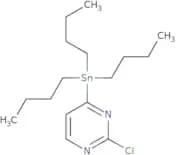
CAS:Controlled Product<p>2-Chloro-4-(tributylstannyl)pyrimidine is a potent inhibitor of activin, an important regulator of bone morphogenetic protein. This drug has been shown to inhibit the production of phosphatase and morphogenetic protein in mouse fibroblasts, as well as inhibiting the growth of cells from patients with fibrodysplasia. 2-Chloro-4-(tributylstannyl)pyrimidine also inhibits metabolic stability and enzyme inhibitory activities.</p>Formula:C16H29ClN2SnPurity:Min. 95%Molecular weight:403.58 g/molFmoc-4-piperidone
CAS:Controlled Product<p>Fmoc-4-piperidone is a chemical compound that is used in analytical chemistry. It has the properties of being non-toxic and soluble in organic solvents. Fmoc-4-piperidone can be used as a matrix for the analysis of proteins, peptides, and amino acids with mass spectrometry. The compound also has the capability to desorb and ionize compounds from surfaces using laser desorption/ionization mass spectrometry.</p>Formula:C20H19NO3Purity:Min. 95%Molecular weight:321.37 g/mol2-Amino-1,3,5-triazine
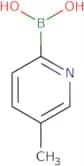
CAS:<p>2-Amino-1,3,5-triazine is a hydrogen bond donor that has been shown to have growth inhibiting effects. It reduces the viscosity of aqueous solutions and is used as an enantiopure for amines. 2-Amino-1,3,5-triazine can be used in reactions with metal surfaces to produce surface coatings or used as a bifunctional crosslinking agent for polymer materials. 2-Amino-1,3,5-triazine has been shown to have degenerative disease inhibitory activity and inflammatory disease inhibitory activity. It also inhibits the production of inflammatory cytokines such as tumor necrosis factor alpha (TNFα) and interleukin 6 (IL6).</p>Formula:C3H4N4Purity:Min. 95%Molecular weight:96.09 g/mol5-Methylpyridine-2-boronicacid
CAS:<p>Please enquire for more information about 5-Methylpyridine-2-boronicacid including the price, delivery time and more detailed product information at the technical inquiry form on this page</p>Formula:C6H8BNO2Purity:Min. 95%Molecular weight:136.94 g/mol4-Amino-3-bromo-1-(tert-butyl)-1H-pyrazolo[3,4-d]pyrimidine
CAS:<p>4-Amino-3-bromo-1-(tert-butyl)-1H-pyrazolo[3,4-d]pyrimidine is a drug that inhibits the growth of tumour cells by binding to and inhibiting kinases. It has been shown to have a significant inhibitory effect on lung cancer cells and pyridazine derivatives in vitro. 4-Amino-3-bromo-1-(tert-butyl)-1H-pyrazolo[3,4-d]pyrimidine has been shown to be effective against lung cancer cells in vivo. This drug may be useful for the treatment of cancer.</p>Formula:C9H12BrN5Purity:Min. 95%Molecular weight:270.13 g/mol5-Oxo-1-(pyridin-3-ylmethyl)pyrrolidine-3-carboxylic acid
CAS:<p>Please enquire for more information about 5-Oxo-1-(pyridin-3-ylmethyl)pyrrolidine-3-carboxylic acid including the price, delivery time and more detailed product information at the technical inquiry form on this page</p>Formula:C11H12N2O3Purity:Min. 95%Molecular weight:220.22 g/mol1-[(4-Chlorophenyl)phenylmethyl]piperazine
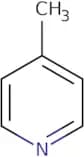
CAS:Controlled Product<p>1-[(4-Chlorophenyl)phenylmethyl]piperazine is an analytical reagent that is used in the determination of meclozine, a drug used for the treatment of nausea and vomiting. 1-[(4-Chlorophenyl)phenylmethyl]piperazine is a nucleophile, which means that it can donate electrons to other molecules. It can be used as a catalyst to increase the rate of chemical reactions. 1-[(4-Chlorophenyl)phenylmethyl]piperazine may also be used in wastewater treatment because it has been shown to have phospholipidosis inhibiting properties. The levorotatory form (1R-enantiomer) of this compound has been shown to inhibit protein synthesis in vitro and is an amine oxidase inhibitor that binds to proteins with nitrogen atoms. This nucleophilic compound may also be converted into an n-oxide or dinucleotide phosphate by hydrochloric acid and</p>Formula:C17H19ClN2Purity:Min. 95%Molecular weight:286.8 g/mol4-Methylpyridine
CAS:<p>4-Methylpyridine is an antimicrobial agent that is used to inactivate viruses, bacteria, and fungi. It binds to the DNA of these microorganisms by intercalation and disrupts their replication process. 4-Methylpyridine has been shown to inhibit the growth of microorganisms by binding to the nitrogen atoms in their dna and preventing the synthesis of proteins required for cell division. This drug also inhibits the activity of polymerase chain reaction (PCR) enzymes such as Taq DNA polymerase and Klenow fragment. The molecular weight of this compound is 92.14 g/mol and its molar mass is 152.2 g/mol.</p>Formula:C6H7NPurity:Min. 95%Color and Shape:Brown Colorless Yellow Clear LiquidMolecular weight:93.13 g/mol2,4-Bis(octylthio)-6-(4-hydroxy-3,5-di-tert-butylanilino)-1,3,5-triazine
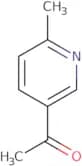
CAS:<p>2,4-Bis(octylthio)-6-(4-hydroxy-3,5-di-tert-butylanilino)-1,3,5-triazine is a triazine that has been synthesized by the reaction of glycol esters with hydrogenated hydrochloric acid. This compound is used as a polymerization initiator and is a liquid crystal composition stabiliser. It can be used in sample preparation to provide protection against water vapor and light emission. 2,4-Bis(octylthio)-6-(4-hydroxy-3,5-di-tert-butylanilino)-1,3,5-triazine has antioxidant properties and can be used for determining functional groups in organic compounds.</p>Formula:C33H56N4OS2Purity:Min. 95%Color and Shape:PowderMolecular weight:588.96 g/mol3-Acetyl-6-methylpyridine
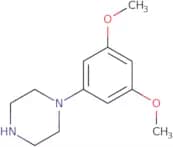
CAS:<p>3-Acetyl-6-methylpyridine is a chemical compound that has been found to have antibacterial properties. It can be used for the treatment of bacteria in wastewater and other biological treatments. 3-Acetyl-6-methylpyridine is insoluble at room temperature, but becomes soluble when heated to 100 degrees Celsius. This chemical compound has been shown to inhibit the growth of Staphylococcus aureus, Pseudomonas aeruginosa, and Escherichia coli. 3-Acetyl-6-methylpyridine also has anti-inflammatory properties and can be used in the treatment of Alzheimer's disease.</p>Formula:C8H9NOPurity:Min. 95%Molecular weight:135.17 g/mol1-(3,5-Dimethoxyphenyl)piperazine
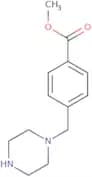
CAS:Controlled Product<p>1-(3,5-Dimethoxyphenyl)piperazine (1DMPP) is a phenylpiperazine derivative that has shown anticancer activity in vitro against human cancer cells. It is orally bioavailable and has been found to inhibit the growth of cancer cells in vivo. 1DMPP is metabolized by the liver into a number of metabolites that are excreted via the kidneys. The pharmacokinetic properties of 1DMPP have been studied in rats and mice, which revealed that it is well absorbed when administered orally and has a short terminal half-life. In vitro studies have demonstrated that 1DMPP inhibits cell growth through inhibition of protein synthesis and DNA replication.</p>Formula:C12H18N2O2Purity:Min. 95%Molecular weight:222.28 g/molMethyl 4-piperazin-1-ylmethylbenzoate
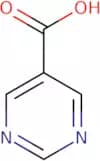
CAS:Controlled Product<p>Please enquire for more information about Methyl 4-piperazin-1-ylmethylbenzoate including the price, delivery time and more detailed product information at the technical inquiry form on this page</p>Formula:C13H18N2O2Purity:Min. 95%Molecular weight:234.29 g/molPyrimidine-5-carboxylic acid
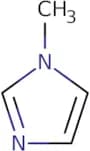
CAS:<p>Pyrimidine-5-carboxylic acid is a synthetic, nucleophilic pyrimidine compound that is used in the laboratory for the synthesis of other compounds. It has been shown to inhibit the growth of Leishmania and Staphylococcus bacteria. Pyrimidine-5-carboxylic acid binds to the malonic acid moiety of phosphoenolpyruvate carboxykinase and inhibits its activity, leading to a reduction in cellular respiration. This drug also has clinical development potential as an analgesic with modulating properties.</p>Formula:C5H4N2O2Purity:Min. 95%Molecular weight:124.1 g/mol1-Methylimidazole
CAS:<p>1-Methylimidazole is a compound with the molecular formula CH3N2H. It is soluble in water, but insoluble in organic solvents. 1-Methylimidazole has been found to bind to human serum and p-nitrophenyl phosphate. The fluorescence of 1-methylimidazole is quenched by hydrogen bonding interactions, which are the same as those that occur in natural compounds such as hemoglobin and chlorophyll. The nitrogen atoms on the surface of 1-methylimidazole can be detected using infrared spectroscopy. This method can also be used to analyze group P2 molecules, such as benzene, phenol, and cyclohexane.</p>Formula:C4H6N2Purity:Min. 98%Color and Shape:PowderMolecular weight:82.1 g/mol4,6-Dichloro-5-nitropyrimidine
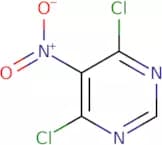
CAS:<p>4,6-Dichloro-5-nitropyrimidine is an intermediate in the synthesis of Tenofovir, a nucleophilic drug that inhibits HIV. It is produced by the reaction of chloride with amines and nitro compounds in the presence of ammonium chloride. 4,6-Dichloro-5-nitropyrimidine has been shown to have anticancer activity against human lymphocytes and other cancer cells. It can also be used for the treatment of AIDS. The biological properties of this compound are dose dependent and are dependent on the size of chlorine atoms attached to nitrogen atoms.</p>Formula:C4HCl2N3O2Purity:Min. 95%Color and Shape:Yellow PowderMolecular weight:193.98 g/mol4-(Piperidin-4-yl)benzoic acid hydrochloride
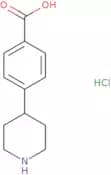
CAS:<p>Please enquire for more information about 4-(Piperidin-4-yl)benzoic acid hydrochloride including the price, delivery time and more detailed product information at the technical inquiry form on this page</p>Formula:C12H16ClNO2Purity:Min. 95%Molecular weight:241.71 g/mol(2-Chloropyridin-4-yl)methanamine
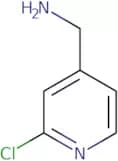
CAS:<p>2-Chloropyridin-4-yl)methanamine is a hydrogenated molecule that has been shown to inhibit the activity of certain cancer cells. It inhibits the expression of the enzyme molecules involved in the synthesis of DNA and RNA. 2-Chloropyridin-4-yl)methanamine also inhibits the hydrolysis of hydrogen chloride (HCl) to produce hydrogen (H2). This drug is used as an inhibitor for medicines that require acidic pH for absorption, such as HCl.</p>Formula:C6H7ClN2Purity:Min. 95%Molecular weight:142.59 g/mol4,5-Dihydro-1H-imidazol-2-amine hydrochloride
CAS:<p>Please enquire for more information about 4,5-Dihydro-1H-imidazol-2-amine hydrochloride including the price, delivery time and more detailed product information at the technical inquiry form on this page</p>Formula:C3H7N3•HClPurity:Min. 95%Molecular weight:121.57 g/mol2-Amino-4-hydroxypyridine
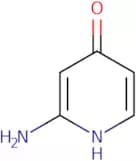
CAS:<p>2-Amino-4-hydroxypyridine (2AH) is a synthetic, isomeric compound that has been synthesized in two different forms: 3-bromo-5-hydroxypyridine and hydroxy group. 2AH has been shown to be chemically stable at room temperature and pH levels of less than 7. It also withstands the loss of membrane fluidity induced by amides, such as 3-amino-2-bromopyridine. 2AH can be used to synthesize oxindole derivatives, which are found in natural gas, and piperidines. This chemical can also be used for aminations with pyrrole or 2 amino 4 hydroxypyridine.</p>Formula:C5H6N2OPurity:Min. 95%Color and Shape:PowderMolecular weight:110.11 g/mol5-Pyrimidinemethanamine
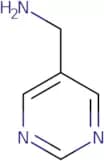
CAS:<p>5-Pyrimidinemethanamine is a synthetic chemical that belongs to the group of carbonitriles. It is used as an adsorbent and has been shown to be selective for quinoline derivatives. 5-Pyrimidinemethanamine has been shown to have high yield in reactions with trimethyl, enolate, carbonyl, high yields, and vitamin B1. The reaction product can be used at temperatures up to 150 degrees Celsius. This compound can also be prepared by reacting hydrochloric acid with alkali metal temperatures.</p>Formula:C5H7N3Purity:Min. 95%Molecular weight:109.13 g/mol2-Amino-6-chloropyrimidin-4(3h)-one
CAS:<p>2-Amino-6-chloropyrimidin-4(3H)-one (ACPP) is a betaine that has been shown to exhibit potent activity against clinical isolates of methicillin-resistant Staphylococcus aureus (MRSA). It is a mesomeric molecule, which means that it can exist as two different tautomers. The frequency of the absorption bands in the FTIR spectra for ACPP are characteristic of the carbenes and ethanolamine tautomers. The presence of these tautomers may be due to stabilization from the nucleophilic character of the nitrogen atom in betaines. Betaines are also able to form polymersized chains by reacting with themselves or other molecules, such as ethanolamine.</p>Formula:C4H4ClN3OPurity:Min. 95%Color and Shape:PowderMolecular weight:145.55 g/mol4-Bromo-1-methyl-1H-pyrazolo[4,3-c]pyridine-6-carboxylic acid
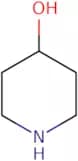
CAS:<p>Please enquire for more information about 4-Bromo-1-methyl-1H-pyrazolo[4,3-c]pyridine-6-carboxylic acid including the price, delivery time and more detailed product information at the technical inquiry form on this page</p>Formula:C8H6BrN3O2Purity:Min. 95%Molecular weight:256.06 g/mol4-Hydroxypiperidine
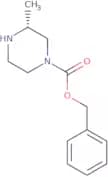
CAS:<p>4-Hydroxypiperidine is a molecule with a carbonyl group. It is the most active and selective CCR5 receptor antagonist that has been studied to date. 4-Hydroxypiperidine inhibits HIV infection by preventing the binding of HIV to its receptor on the surface of white blood cells, thereby preventing it from entering these cells. 4-Hydroxypiperidine also acts as an anti-inflammatory agent in chronic bronchitis patients, due to its ability to inhibit prostaglandin synthesis. The chemical ionization mass spectra of this molecule show peaks for methyl ethyl, malic acid, and hydroxyl groups. These properties make 4-hydroxypiperidine a useful candidate for drug development against inflammatory diseases and several cancers.</p>Formula:C5H11NOPurity:Min. 95%Molecular weight:101.15 g/mol4-Cbz-(R)-2-methylpiperazine
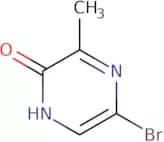
CAS:<p>Please enquire for more information about 4-Cbz-(R)-2-methylpiperazine including the price, delivery time and more detailed product information at the technical inquiry form on this page</p>Formula:C13H18N2O2Purity:Min. 95%Molecular weight:234.29 g/mol5-Bromo-2-hydroxy-3-methyl pyrazine
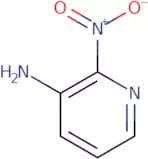
CAS:<p>Please enquire for more information about 5-Bromo-2-hydroxy-3-methyl pyrazine including the price, delivery time and more detailed product information at the technical inquiry form on this page</p>Purity:Min. 95%3-Amino-2-nitropyridine
CAS:<p>3-Amino-2-nitropyridine is a heterocyclic compound that is an oxidation product of 2,4,6-trinitrotoluene. 3-Amino-2-nitropyridine is a potent inhibitor of the d4 receptor and has been shown to be active in animal models of cancer and autoimmune diseases. The mechanism of action of this drug is not well understood, but it has been found to inhibit cell proliferation in vitro by binding to nucleophilic sites on the receptor. Nitrobenzoic acid may also contribute to its activity. 3-Amino-2-nitropyridine inhibits inflammatory responses by inhibiting cell proliferation and migration.</p>Formula:C5H5N3O2Purity:Min. 95%Molecular weight:139.11 g/mol2-Fluoro-6-(trifluoroMethyl)pyridine-3-boronic acid
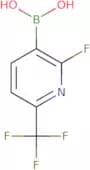
CAS:<p>Please enquire for more information about 2-Fluoro-6-(trifluoroMethyl)pyridine-3-boronic acid including the price, delivery time and more detailed product information at the technical inquiry form on this page</p>Formula:C6H4BF4NO2Purity:Min. 95%Molecular weight:208.91 g/molPyridine hydrochloride
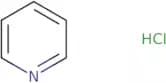
CAS:<p>Pyridine hydrochloride is a white crystalline solid. It has high values for affinity to the CB2 receptor and can be used for the treatment of metabolic disorders, such as diabetes. Pyridine hydrochloride can be synthesized in two ways: by hydrogenation of pyridine with hydrochloric acid or by reacting pyridine with hydrogen fluoride. This compound also has an effect on locomotor activity and increases glutamate levels in the brain, which may contribute to its therapeutic effects. Pyridine hydrochloride is also used as a fluorescent derivative in analytical methods that measure nucleotide levels, such as the phosphorimager technique.</p>Formula:C5H5N·HClPurity:Min. 95%Color and Shape:White To Yellow To Light Brown SolidMolecular weight:115.56 g/mol



![5-[2-[4',5-Bis(Pyridin-2-ylsulfamoyl)biphenyl-2-yl]diazenyl]-2-hydroxybenzoic acid](/_next/image/?url=https%3A%2Fstatic.cymitquimica.com%2Fproducts%2F3D%2Fthumb-webp%2FFB167032.webp&w=3840&q=75)

![1-[(1,5-Dimethyl-1H-pyrazol-4-yl)methyl]piperazine](/_next/image/?url=https%3A%2Fstatic.cymitquimica.com%2Fproducts%2F3D%2Fthumb-webp%2FFD113870.webp&w=3840&q=75)
![1-[(2-Pyridyl)methyl]piperazine](/_next/image/?url=https%3A%2Fstatic.cymitquimica.com%2Fproducts%2F3D%2Fthumb-webp%2FFP156984.webp&w=3840&q=75)
![3-[(4-Aminopiperidin-1-yl)methyl]phenol](/_next/image/?url=https%3A%2Fstatic.cymitquimica.com%2Fproducts%2F3D%2Fthumb-webp%2FFA116167.webp&w=3840&q=75)


![4-Amino-3-bromo-1-(tert-butyl)-1H-pyrazolo[3,4-d]pyrimidine](/_next/image/?url=https%3A%2Fstatic.cymitquimica.com%2Fproducts%2F3D%2Fthumb-webp%2FFA168683.webp&w=3840&q=75)

![1-[(4-Chlorophenyl)phenylmethyl]piperazine](/_next/image/?url=https%3A%2Fstatic.cymitquimica.com%2Fproducts%2F3D%2Fthumb-webp%2FFC20350.webp&w=3840&q=75)




![4-Bromo-1-methyl-1H-pyrazolo[4,3-c]pyridine-6-carboxylic acid](/_next/image/?url=https%3A%2Fstatic.cymitquimica.com%2Fproducts%2F3D%2Fthumb-webp%2FFB183353.webp&w=3840&q=75)