Heterocycles with Nitrogen (N)
In this category, you will find a wide variety of nitrogen-containing heterocycles. Heterocycles are carbon chains that form a cycle in which at least one position is occupied by a heteroatom, in this case, nitrogen. These compounds are integral in the synthesis of pharmaceuticals, agrochemicals, and dyes, offering unique reactivity and stability. At CymitQuimica, we provide a comprehensive selection of high-quality nitrogen-containing heterocycles to support your research and industrial applications
Subcategories of "Heterocycles with Nitrogen (N)"
- Azepane(434 products)
- Benzotriazoles(436 products)
- Diazepanes(331 products)
- Imidazoles(4,006 products)
- Imidazolines(385 products)
- Isoxazole(1,077 products)
- Piperazines(3,735 products)
- Piperidines(8,398 products)
- Pyrazines(1,299 products)
- Pyrazole(5,919 products)
- Pyrazolidine(21 products)
- Pyrazoline(142 products)
- Pyridazine(856 products)
- Pyridines(21,911 products)
- Pyrimidine(6,038 products)
- Pyrroles(2,440 products)
- Pyrrolidines(5,814 products)
- Pyrroline(48 products)
- Pyrrolo[1,2-b]pyridazine(10 products)
- Tetrazole(510 products)
- Triazines(462 products)
- Triazoles(1,679 products)
Show 14 more subcategories
Found 17855 products of "Heterocycles with Nitrogen (N)"
Sort by
Purity (%)
0
100
|
0
|
50
|
90
|
95
|
100
4,6-Dichloro-pyridin-3-ylamine
CAS:<p>Please enquire for more information about 4,6-Dichloro-pyridin-3-ylamine including the price, delivery time and more detailed product information at the technical inquiry form on this page</p>Formula:C5H4Cl2N2Purity:Min. 95%Color and Shape:PowderMolecular weight:163 g/mol2-Bromo-5-hydroxypyridine
CAS:<p>2-Bromo-5-hydroxypyridine is an aromatic compound that is used in the synthesis of a variety of pharmaceuticals and other organic compounds. It can be synthesized by the Suzuki coupling reaction from 2-bromobenzaldehyde and 5-aminopyridine. 2-Bromo-5-hydroxypyridine has been shown to be a hepatotoxin in humans, with possible carcinogenic activity. It also has cholinergic properties, as well as being able to cause fluorescence when exposed to halogens. The carbon next to the hydroxyl group is a stereocenter, so there are two different configurations for this molecule. The configuration shown above (R) is the more stable form of this molecule due to its electron withdrawing power on the neighboring oxygen atom.</p>Formula:C5H4BrNOPurity:Min. 95%Color and Shape:White PowderMolecular weight:174 g/molN-α-Fmoc-β-(1-boc-piperidin-4-yl)-dl-alanine
CAS:<p>Please enquire for more information about N-alpha-Fmoc-beta-(1-boc-piperidin-4-yl)-dl-alanine including the price, delivery time and more detailed product information at the technical inquiry form on this page</p>Formula:C28H34N2O6Purity:Min. 95%Molecular weight:494.58 g/mol5,6,7,7a-Tetrahydrothieno[3,2-c]pyridinone hydrochloride
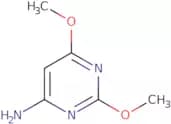
CAS:<p>5,6,7,7a-Tetrahydrothieno[3,2-c]pyridinone hydrochloride is a ketone with the chemical formula of C5H5NO2. It has been synthesized by acetylation of 5,6-dihydro-1,4-thieno[3,2-c]pyridinone in solvents and alkali. The reaction product has a melting point of 116–118 degrees Celsius. 5,6,7,7a-Tetrahydrothieno[3,2-c]pyridinone hydrochloride is used as a target compound for synthesis of prasugrel. Prasugrel is an antiplatelet drug that works by inhibiting the enzyme ADP P2Y 12 . This inhibition prevents activation of platelets and reduces platelet aggregation. The reactants toluene and chlorine were used in</p>Formula:C7H10ClNOSPurity:Min. 97 Area-%Color and Shape:PowderMolecular weight:191.68 g/mol4-Amino-2,6-dimethoxypyrimidine
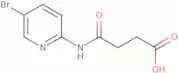
CAS:<p>4-Amino-2,6-dimethoxypyrimidine is an organic compound that has been shown to be a methylating agent. It reacts with the hydrogen chloride present in seawater to form methyl chloride and hydrochloric acid. 4-Amino-2,6-dimethoxypyrimidine also interacts with hydrogen bonds and forms hydrogen bonds with other molecules. The molecular modeling study revealed that this compound is soluble in mineral acids such as sulfuric acid and hydrochloric acid. The solubility data also showed that 4-amino-2,6-dimethoxypyrimidine is soluble in water but not in chlorinated water. This drug has shown significant antifungal activity against Cryptococcus neoformans and Gram-negative organisms such as Escherichia coli, Salmonella typhi, Pseudomonas aeruginosa, Klebsiella pneumoniae, Proteus mirabilis, Enterobacter</p>Formula:C6H9N3O2Purity:Min. 95%Molecular weight:155.15 g/mol4-((5-Bromopyridin-2-yl)amino)-4-oxobutanoic acid
CAS:<p>4-((5-Bromopyridin-2-yl)amino)-4-oxobutanoic acid (BABA) is a potent photosynthetic inhibitor that inhibits light-driven electron transport in chloroplasts. This inhibition of electron transport leads to the accumulation of reactive oxygen species and cellular dysfunction. BABA is used to induce dormancy in plants and is also used as a chemical inhibitor for arabidopsis thaliana, a type of plant commonly used in molecular biology research. Studies have shown that BABA inhibits the growth of fat cells, which may be due to its ability to inhibit protein synthesis, leading to decreased fat deposition. In addition, this drug has been shown to reduce eye disorders such as retinal degeneration and cataracts by inhibiting the production of reactive oxygen species, which causes oxidative stress.</p>Formula:C9H9BrN2O3Purity:(Elemental Analysis) Min. 97%Color and Shape:PowderMolecular weight:273.08 g/molBoc-4-carboxymethyl-piperidine
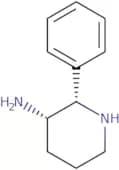
CAS:<p>Boc-4-carboxymethyl-piperidine is a novel drug that has been shown to have significant correlations with the inhibition of fibrinogen and cellulose. It also has the ability to inhibit arsenite, which may be due to its dithiocarbamate group. Boc-4-carboxymethyl-piperidine has been shown to have significant biological activity in vitro. This molecule has been synthesized and crystallized, and x-ray data have been collected. The molecular structure of this molecule is shown below:</p>Formula:C12H21NO4Purity:Min. 95%Color and Shape:White PowderMolecular weight:243.3 g/mol(2S,3S)-(-)-3-Amino-2-phenylpiperidine
CAS:<p>The process of asymmetric epoxidation is used to convert alkenes into epoxides in a single step. This reaction is catalyzed by the use of a chiral catalyst with an enantiomeric excess (ee) greater than 50%. The reactants are added to the catalyst and hydrogen peroxide, which oxidizes the alkenes. The resulting epoxides can be isolated from the reaction mixture by distillation or extraction. Factors that affect this reaction include the type of reactant, solvent, temperature, and pressure.</p>Formula:C11H16N2Purity:Min. 95%Molecular weight:176.26 g/mol1-Pyridin-2-ylmethylpiperidine-4-carboxylic acid
CAS:<p>Please enquire for more information about 1-Pyridin-2-ylmethylpiperidine-4-carboxylic acid including the price, delivery time and more detailed product information at the technical inquiry form on this page</p>Formula:C12H16N2O2Purity:Min. 95%Molecular weight:220.27 g/mol2-Chloro-6-methoxypyridine
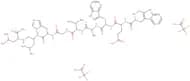
CAS:<p>2-Chloro-6-methoxypyridine (2CMP) is a potent antagonist that binds to copper chloride, inhibiting its ability to activate aryl chlorides. This chemical has been shown to have anti-angiogenic effects in human cancer cells and can be used for the treatment of cancer. 2CMP has also been shown to be effective at blocking angiogenesis in mice with breast cancer. 2CMP is synthesized through an asymmetric synthesis process, which involves the use of a dipole and molecular docking analysis.</p>Formula:C6H6ClNOPurity:Min. 95%Color and Shape:Clear LiquidMolecular weight:143.57 g/molRC-3095 trifluoroacetate
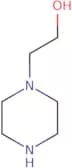
CAS:<p>Please enquire for more information about RC-3095 trifluoroacetate including the price, delivery time and more detailed product information at the technical inquiry form on this page</p>Formula:C56H79N15O9•C2HF3O2Purity:Min. 95%Molecular weight:1,220.35 g/mol1-(2-Hydroxyethyl)piperazine
CAS:<p>1-(2-Hydroxyethyl)piperazine is a chemical solvent that is used for the absorption of amines and other compounds. It has been shown to have a high affinity for acidic substances, which may be due to its ability to form hydrogen bonds with them. 1-(2-Hydroxyethyl)piperazine is also used in sample preparation for the analysis of amines and other compounds in fruit extracts. The solubility of 1-(2-Hydroxyethyl)piperazine depends on the experimental conditions, including pH, temperature, and pressure. FT-IR spectroscopy has been used to measure the vibrational modes of 1-(2-Hydroxyethyl)piperazine molecules. The IR spectrum revealed that this compound contains a hydroxyl group and two fatty acid chains with one or more hydroxyl groups at their terminal end. The nmr spectrum showed that 1-(2-Hydroxyethyl)piperazine contains an NH proton as well as</p>Formula:C6H14N2OPurity:Min. 95%Color and Shape:Clear LiquidMolecular weight:130.19 g/mol3-Bromoimidazo[1,2-b]pyridazine
CAS:<p>3-Bromoimidazo[1,2-b]pyridazine (BIPM) is an analog of etoposide and has been shown to be a potent inhibitor of tyrosine kinases. BIPM selectively inhibits the activity of multikinase enzymes such as c-kit, PDGFRβ, and VEGFR2. In addition, BIPM has been shown to inhibit the proliferation of cancer cells by inducing apoptosis and cell cycle arrest in mcf-7 cells. This drug is not toxic to normal cells and shows a favorable safety profile when tested on animals.</p>Formula:C6H4BrN3Purity:Min. 95%Molecular weight:198.02 g/mol1-t-Boc-piperidine-4-spiro-5'-[1',3'-bis-t-boc]-hydantoin
CAS:<p>Please enquire for more information about 1-t-Boc-piperidine-4-spiro-5'-[1',3'-bis-t-boc]-hydantoin including the price, delivery time and more detailed product information at the technical inquiry form on this page</p>Formula:C22H35N3O8Purity:Min. 95%Molecular weight:469.53 g/mol(R)-1-[3-[4-Amino-3-(4-phenoxyphenyl)-1H-pyrazolo[3,4-d]pyrimidin-1-yl]piperidin-1-yl]-3-chloropropan-1-one
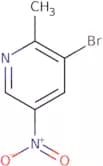
CAS:<p>Please enquire for more information about (R)-1-[3-[4-Amino-3-(4-phenoxyphenyl)-1H-pyrazolo[3,4-d]pyrimidin-1-yl]piperidin-1-yl]-3-chloropropan-1-one including the price, delivery time and more detailed product information at the technical inquiry form on this page</p>Formula:C25H25ClN6O2Purity:Min. 95%Molecular weight:476.96 g/mol3-Bromo-2-methyl-5-nitropyridine
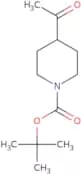
CAS:<p>Please enquire for more information about 3-Bromo-2-methyl-5-nitropyridine including the price, delivery time and more detailed product information at the technical inquiry form on this page</p>Formula:C6H5BrN2O2Purity:Min. 95%Molecular weight:217.02 g/mol4-Acetyl-piperidine-1-carboxylic acid tert-butyl ester
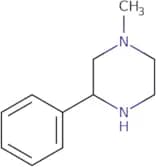
CAS:<p>4-Acetylpiperidine-1-carboxylic acid tert-butyl ester is a tert-butyl ester of 4-acetylpiperidine. It can be prepared by the reaction of sodium azide with chloroform and tert-butyl alcohol. The resulting product is a white solid that can be used as an intermediate in organic synthesis.</p>Formula:C12H21NO3Purity:Min. 95%Molecular weight:227.3 g/mol1-Methyl-3-phenyl-piperazine
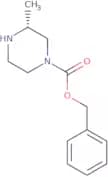
CAS:<p>1-Methyl-3-phenylpiperazine is a molecule with the chemical formula C6H14N2. It is an amide that belongs to the group of hexanes. 1-Methyl-3-phenylpiperazine is a colorless liquid with a strong ammonia odor and an irritating effect on skin. The molecule has been tested in vivo and found to be irritants when applied to the skin of rabbits, and can cause severe irritation when injected into the eyes of rabbits or rats. 1-Methyl-3-phenylpiperazine is not soluble in water but can be dissolved in ethanolamine, dimethyl sulfoxide, acetone, or chloroform.</p>Formula:C11H16N2Purity:Min. 95%Color and Shape:PowderMolecular weight:176.26 g/mol4-Cbz-(R)-2-methylpiperazine
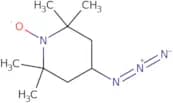
CAS:<p>Please enquire for more information about 4-Cbz-(R)-2-methylpiperazine including the price, delivery time and more detailed product information at the technical inquiry form on this page</p>Formula:C13H18N2O2Purity:Min. 95%Molecular weight:234.29 g/mol4-Azido-2,2,6,6-tetramethyl-1-piperidinyloxy
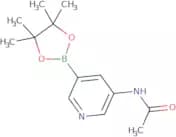
CAS:<p>4-Azido-2,2,6,6-tetramethyl-1-piperidinyloxy is a fine chemical that is a versatile building block useful in research and synthesis. It has been used as a reaction component in the preparation of other compounds. This compound is also an intermediate for the production of other chemicals.</p>Formula:C9H17N4OPurity:Min. 95%Color and Shape:PowderMolecular weight:197.26 g/molN-(5-(4,4,5,5-Tetramethyl-1,3,2-dioxaborolan-2-yl)pyridin-3-yl)acetamide
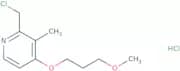
CAS:<p>Please enquire for more information about N-(5-(4,4,5,5-Tetramethyl-1,3,2-dioxaborolan-2-yl)pyridin-3-yl)acetamide including the price, delivery time and more detailed product information at the technical inquiry form on this page</p>Formula:C13H19BN2O3Purity:Min. 95%Molecular weight:262.11 g/mol2-Chloromethyl-4-(3-methoxypropoxy)-3-methylpyridine hydrochloride
CAS:<p>Please enquire for more information about 2-Chloromethyl-4-(3-methoxypropoxy)-3-methylpyridine hydrochloride including the price, delivery time and more detailed product information at the technical inquiry form on this page</p>Formula:C11H17Cl2NO2Purity:Min. 95%Molecular weight:266.16 g/moltert-Butyl 2-amino-6,7-dihydrothiazolo[5,4-c]pyridine-5(4H)-carboxylate
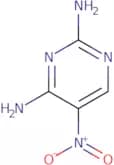
CAS:<p>Please enquire for more information about tert-Butyl 2-amino-6,7-dihydrothiazolo[5,4-c]pyridine-5(4H)-carboxylate including the price, delivery time and more detailed product information at the technical inquiry form on this page</p>Purity:Min. 95%2,4-Diamino-5-nitropyrimidine
CAS:<p>2,4-Diamino-5-nitropyrimidine is a synthetic molecule that belongs to the class of heterocyclic amines. It has been shown to be a potent antiproliferative agent and has been found to inhibit hepg2 cell growth in vitro. This compound was also found to inhibit cancer cells, including mcf-7. 2,4-Diamino-5-nitropyrimidine binds nucleophilic sites on proteins and inhibits enzymes involved in DNA synthesis. The inhibition of these enzymes leads to cell death by preventing the production of new proteins needed for cell division.</p>Formula:C4H5N5O2Purity:Min. 95%Color and Shape:Off-White To Yellow SolidMolecular weight:155.12 g/mol2-(4-Chlorobenzyl)pyridine
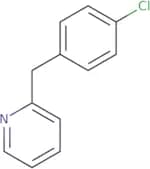
CAS:<p>2-(4-Chlorobenzyl)pyridine is a synthetic pyridine compound that has been shown to have anti-cancer properties. It is also a potent inducer of the enzyme methane monooxygenase and has been shown to interact with other compounds, such as maleates and sulfoxides, which are also used in this type of experiment. The catalytic mechanism for 2-(4-chlorobenzyl)pyridine is not yet known, but it may involve an acidic chlorine atom or a hydrochloric acid catalyst. 2-(4-Chlorobenzyl)pyridine has been found to be effective at inhibiting the growth of cancer cells in vitro without toxic effects on healthy cells. It has also been shown to inhibit the proliferation of human leukemia cells in vivo.</p>Formula:C12H10ClNPurity:Min. 95%Molecular weight:203.67 g/mol4-Amino-N-(4-methylpyrimidin-2-yl)benzenesulfonamide
CAS:<p>4-Amino-N-(4-methylpyrimidin-2-yl)benzenesulfonamide (AMBPS) is a sulfonamide antimicrobial agent that belongs to the group of sulfa drugs. It is a potent inhibitor of tetracycline resistance in bacterial cells, and has been shown to be effective against infectious diseases such as tuberculosis, leprosy and pneumonia. AMBPS has also been used in wastewater treatment and biological studies with high values. This drug binds to sulfamerazine, which inhibits bacterial growth by inhibiting RNA synthesis. The hydrogen bonding interactions between AMBPS and sulfadiazine are thought to be responsible for the effects on congestive heart failure.</p>Formula:C11H12N4O2SPurity:Min. 95%Molecular weight:264.3 g/mol2,4-Dimethyl-3-hydroxypyridine
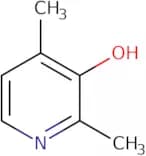
CAS:<p>2,4-Dimethyl-3-hydroxypyridine is a hydroxypyridine compound with epoxide. It inhibits cytochrome P450 enzymes and is used as an organic solvent. 2,4-Dimethyl-3-hydroxypyridine is also used in research to study the structure of the pyridine ring and the hydroxyl group.</p>Formula:C7H9NOPurity:Min. 95%Color and Shape:PowderMolecular weight:123.15 g/mol2,4-Dichloropyrido [2,3-D] pyrimidine
CAS:<p>2,4-Dichloropyrido [2,3-D] pyrimidine is a regioselective chlorination agent that can be used for the synthesis of various organic compounds. It is often used in cross-coupling reactions to form carbon-carbon bonds. 2,4-Dichloropyrido [2,3-D] pyrimidine has been shown to give high yields and is selective for disubstituted or monosubstituted substrates. This compound is also useful for the functionalization of C-H bonds via palladium-catalyzed coupling reactions.</p>Formula:C7H3Cl2N3Purity:Min. 95%Color and Shape:White PowderMolecular weight:200.02 g/mol5-Aminopyridine-3-carboxylic acid
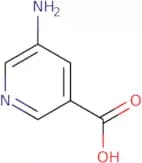
CAS:<p>5-Aminopyridine-3-carboxylic acid (5APC) is a structural analog of nicotinic acid that has been shown to have anti-inflammatory effects. 5APC inhibits the production of inflammatory cytokines, such as IL-10 and IL-17, by inhibiting the activation of NFκB and MAPK pathways. This drug also has significant inhibitory activities against dextran sulfate sodium (DSS)-induced acute colitis in experimental models. 5APC is thought to act by interrupting the assembly of p38 mitogen activated protein kinase (MAPK) and nuclear factor kappa B (NFκB) signaling complexes.</p>Formula:C6H6N2O2Purity:Min. 95%Molecular weight:138.12 g/mol4-(Piperidin-4-yl)benzoic acid hydrochloride
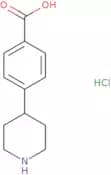
CAS:<p>Please enquire for more information about 4-(Piperidin-4-yl)benzoic acid hydrochloride including the price, delivery time and more detailed product information at the technical inquiry form on this page</p>Formula:C12H16ClNO2Purity:Min. 95%Molecular weight:241.71 g/mol(2E)-1-[5,6-Dihydro-3-(trifluoromethyl)-1,2,4-triazolo[4,3-a]pyrazin-7(8H)-yl]-4-(2,4,5-trifluorophenyl)-2-buten-1-one
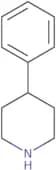
CAS:<p>Please enquire for more information about (2E)-1-[5,6-Dihydro-3-(trifluoromethyl)-1,2,4-triazolo[4,3-a]pyrazin-7(8H)-yl]-4-(2,4,5-trifluorophenyl)-2-buten-1-one including the price, delivery time and more detailed product information at the technical inquiry form on this page</p>Formula:C16H12F6N4OPurity:95%NmrMolecular weight:390.28 g/mol4-Phenyl-piperidine
CAS:<p>4-Phenyl-piperidine is a nitro compound that has been shown to be toxic for the kidneys and nervous system. 4-Phenyl-piperidine has been shown to inhibit dopamine uptake in the striatum and locomotor activity in rats. It also inhibits the hydrolysis of hydrochloric acid, which produces hydrogen ion (H+) ions, resulting in an acidic environment. The chemical structures of 4-phenyl-piperidine are similar to those of tricyclic antidepressants drugs, such as amitriptyline and imipramine, with a phenyl ring attached to an amine group. This drug is used as a pharmaceutical preparation for treating depression by inhibiting the reuptake of serotonin and norepinephrine, which are neurotransmitters that affect mood.</p>Formula:C11H15NPurity:Min. 95%Molecular weight:161.24 g/mol1-Hydroxypyridine-2-thione zinc
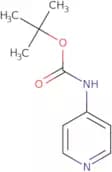
CAS:<p>Zinc pyrithione is a chemical compound that can be used as an antifungal agent. It has been shown to have genotoxic activity in vitro and in vivo. Zinc pyrithione binds to the surface of the fungal cell wall and inhibits the synthesis of ergosterol, a component of the fungal cell membrane. This binding prevents the formation of an ergosterol-zinc complex with cytochrome P450 enzymes, which are required for sterol biosynthesis, leading to inhibition of energy metabolism. The model system for zinc pyrithione is a mixture of 1-hydroxypyridine-2-thione (1HP) and zinc ions in water. Some studies have shown that zinc pyrithione can cause long-term toxicity, including glycol ether toxicity, when applied topically on hair or skin. Acute toxicities may include skin irritation or contact dermatitis from shampoos containing this substance.</p>Formula:C10H8N2O2S2ZnPurity:Min. 95%Color and Shape:White/Off-White SolidMolecular weight:317.69 g/mol4-(Boc-amino)pyridine
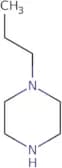
CAS:<p>4-(Boc-amino)pyridine is a pyridine derivative that exhibits magnetic properties. It can be used to study the luminescence properties of pyridine rings. 4-(Boc-amino)pyridine inhibits cell proliferation and growth by binding to the kinase receptor in the cytoplasm, which blocks phosphorylation of proteins in the cell. This compound inhibits hCT-116 cells, which are human colorectal carcinoma cells, and has shown promising results in xenograft studies. 4-(Boc-amino)pyridine is an anionic molecule that can be used as a starting material for synthesis of other compounds. It was first synthesized by reacting 2-aminopyridine with boron trichloride in acetonitrile.</p>Formula:C10H14N2O2Purity:Min. 95%Color and Shape:White/Off-White SolidMolecular weight:194.23 g/mol1-Propylpiperazine
CAS:<p>1-Propylpiperazine is a piperazine derivative with immobilizing properties. It has been shown to inhibit the growth of infectious agents by binding to the amine group in dopamine or tyramine and interfering with neurotransmission. 1-Propylpiperazine has also been shown to have anti-cancer activity, which may be due to its ability to induce apoptosis and inhibit cancer cell proliferation.</p>Formula:C7H16N2Purity:Min. 95%Molecular weight:128.22 g/mol6-Methyl-2-(p-tolyl)imidazo[1,2-a]pyridine
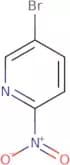
CAS:<p>Formamidine is an organic compound that is used as a formylation reagent. It is a byproduct of the chlorination of formaldehyde and dimethylamine. Formamidine is produced by the reaction of chloride with formamide in the presence of dimethylamine, which leads to a high yield. Formamidine reacts with various imidazopyridines to produce a range of substituted imidazopyridines. The type and amount of substituent dictate the selectivity and reactivity of this reaction. The reagents are phosphorous pentachloride, oxalyl chloride, and N-methylformamide.</p>Formula:C15H14N2Purity:Min. 95%Molecular weight:222.29 g/mol5-Bromo-2-nitropyridine
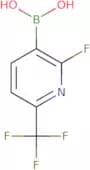
CAS:<p>5-Bromo-2-nitropyridine is a hydrogen bond donor. It is an organic molecule with the chemical formula C5H5BrN3. The compound has been used in the synthesis of other molecules, such as nicotinic acetylcholine and mitochondrial membrane potential inhibitors. 5-Bromo-2-nitropyridine is also a good candidate for cancer treatment due to its ability to inhibit cell cycle progression at G2/M phase. 5-Bromo-2-nitropyridine can be synthesized by reacting 2,4,6-trinitrobenzenesulfonic acid with bromine and potassium carbonate in a reaction vessel at 200 °C for about 30 minutes.</p>Formula:C5H3BrN2O2Color and Shape:PowderMolecular weight:202.99 g/mol2-Fluoro-6-(trifluoroMethyl)pyridine-3-boronic acid
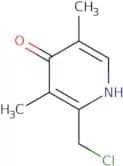
CAS:<p>Please enquire for more information about 2-Fluoro-6-(trifluoroMethyl)pyridine-3-boronic acid including the price, delivery time and more detailed product information at the technical inquiry form on this page</p>Formula:C6H4BF4NO2Purity:Min. 95%Molecular weight:208.91 g/mol2-Chloromethyl-3,5-dimethylpyridin-4-ol
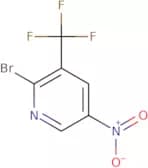
CAS:<p>Please enquire for more information about 2-Chloromethyl-3,5-dimethylpyridin-4-ol including the price, delivery time and more detailed product information at the technical inquiry form on this page</p>Formula:C8H10ClNOPurity:Min. 95%Molecular weight:171.62 g/mol2-Bromo-5-nitro-3-(trifluoromethyl)pyridine
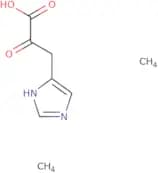
CAS:<p>2-Bromo-5-nitro-3-(trifluoromethyl)pyridine is a white crystalline compound that is soluble in water. It has high melting point and is stable at high temperatures. This chemical has been recycled from terephthalic acid by the cyanation reaction with sodium nitrite, followed by hydrogenation of 2-bromo-5-nitro-3-(trifluoromethyl)pyridine to 5,6-dichloro-2,4,6-(1H,3H)-triazine. The target product of this recycling process is terephthalic acid. 2-Bromo-5-nitro-3-(trifluoromethyl)pyridine can be used as a catalyst for the preparation of drugs for urogenital use.</p>Purity:Min. 95%Imidazolepyruvic acid hydrobromide hydrate
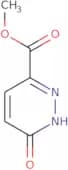
CAS:<p>Please enquire for more information about Imidazolepyruvic acid hydrobromide hydrate including the price, delivery time and more detailed product information at the technical inquiry form on this page</p>Formula:C6H6N2O3•(HBr)x•(H2O)xPurity:Min. 95%Color and Shape:PowderMethyl 6-oxo-1,6-dihydropyridazine-3-carboxylate
CAS:<p>Please enquire for more information about Methyl 6-oxo-1,6-dihydropyridazine-3-carboxylate including the price, delivery time and more detailed product information at the technical inquiry form on this page</p>Formula:C6H6N2O3Purity:Min. 95%Molecular weight:154.12 g/molIsocytosine
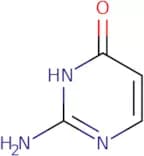
CAS:<p>Isocytosine is a prodrug that has been synthesized with the intramolecular hydrogen on the nitrogen atoms, which makes it more chemically stable. Isocytosine is a reactive molecule, and can react with tautomers to form isocytosine derivatives. Isocytosine contains three hydrogen atoms that are transferable through reactions to other molecules. The chemical stability of isocytosine allows for its use in wastewater treatment. It also has metabolic effects, such as the inhibition of colorectal adenocarcinoma and metabolic disorders. Isocytosine can be used as a model system for studying transfer reactions and reaction mechanisms.</p>Formula:C4H5N3OPurity:Min. 95%Color and Shape:PowderMolecular weight:111.1 g/mol(2-Bromopyridin-4-yl)methanamine
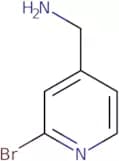
CAS:<p>Please enquire for more information about (2-Bromopyridin-4-yl)methanamine including the price, delivery time and more detailed product information at the technical inquiry form on this page</p>Purity:Min. 95%3-Bromo-4-nitropyridine
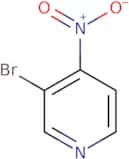
CAS:<p>3-Bromo-4-nitropyridine is a pyridine compound that has been identified as an environmental contaminant. It is used to synthesize other compounds, such as 4-(3-bromopyridin-2-yl)morpholine, which is used in the synthesis of acetonitrile. 3-Bromo-4-nitropyridine undergoes nucleophilic substitution reactions with amines, leading to homoconjugation and bond cleavage. This reaction may be followed by nitration to give 3-(3'-nitro)pyridine. 3-Bromo-4-nitropyridine can be converted into its n-oxide form or into the ionic form by treatment with acetonitrile.</p>Formula:C5H3BrN2O2Purity:Min. 95%Color and Shape:Yellow PowderMolecular weight:202.99 g/mol4-Piperidylacetylaminomethyl resin (200-400 mesh)
<p>Please enquire for more information about 4-Piperidylacetylaminomethyl resin (200-400 mesh) including the price, delivery time and more detailed product information at the technical inquiry form on this page</p>Purity:Min. 95%4-Bromo-1-methyl-1H-pyrazolo[4,3-c]pyridine-6-carboxylic acid
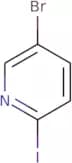
CAS:<p>Please enquire for more information about 4-Bromo-1-methyl-1H-pyrazolo[4,3-c]pyridine-6-carboxylic acid including the price, delivery time and more detailed product information at the technical inquiry form on this page</p>Formula:C8H6BrN3O2Purity:Min. 95%Molecular weight:256.06 g/mol5-Bromo-2-iodopyridine
CAS:<p>5-Bromo-2-iodopyridine is an antibiotic that is used to treat bacterial infections. It has been shown to inhibit the growth of bacteria by binding to the 50S ribosomal subunit. This drug also has a toxic effect on respiratory system cells, which may be due to its ability to induce apoptosis. 5-Bromo-2-iodopyridine interacts with DNA in a triazine ring and inhibits bacterial growth by inhibiting protein synthesis. The drug binds to the 50S ribosomal subunit at a site that is different from that of rifampin and other antibiotics. The reaction is catalyzed by palladium at high temperatures and takes place in organic solvents such as chloroform or benzene. This synthetic process can be made more efficient by using inexpensive starting materials, such as bromine, iodine, and acetone, rather than expensive starting materials like platinum or gold salts.</p>Formula:C5H3BrINPurity:Min. 95%Color and Shape:Slightly Yellow PowderMolecular weight:283.89 g/molPyridine hydrochloride
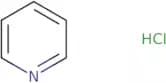
CAS:<p>Pyridine hydrochloride is a white crystalline solid. It has high values for affinity to the CB2 receptor and can be used for the treatment of metabolic disorders, such as diabetes. Pyridine hydrochloride can be synthesized in two ways: by hydrogenation of pyridine with hydrochloric acid or by reacting pyridine with hydrogen fluoride. This compound also has an effect on locomotor activity and increases glutamate levels in the brain, which may contribute to its therapeutic effects. Pyridine hydrochloride is also used as a fluorescent derivative in analytical methods that measure nucleotide levels, such as the phosphorimager technique.</p>Formula:C5H5N·HClPurity:Min. 95%Color and Shape:White To Yellow To Light Brown SolidMolecular weight:115.56 g/mol2-Chloro-5-iodopyridine
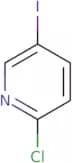
CAS:<p>2-Chloro-5-iodopyridine is a synthetic compound that binds to nicotinic acetylcholine receptors, and is an agonist of these receptors. It has been shown to bind selectively to the alpha4beta2 subtype of these receptors. 2-Chloro-5-iodopyridine binds to the receptor by means of hydrogen bonding and chelation, which results in the activation of the receptor. This process leads to increased levels of catecholamines and other neurotransmitters, which causes changes in the heart rate and blood pressure. 2-Chloro-5-iodopyridine is a halogenated organic molecule that can be synthesized from sodium trifluoroacetate in two steps: first with chlorination followed by iodination. The synthesis can be carried out using copper (II) chloride as a catalyst or copper (I) iodide as an oxidant, followed by reduction with sodium borohydride.</p>Formula:C5H3ClINPurity:Min. 95%Color and Shape:White PowderMolecular weight:239.44 g/mol


![5,6,7,7a-Tetrahydrothieno[3,2-c]pyridinone hydrochloride](/_next/image/?url=https%3A%2Fstatic.cymitquimica.com%2Fproducts%2F3D%2Fthumb-webp%2FFT28146.webp&w=3840&q=75)



![3-Bromoimidazo[1,2-b]pyridazine](/_next/image/?url=https%3A%2Fstatic.cymitquimica.com%2Fproducts%2F3D%2Fthumb-webp%2FFB33555.webp&w=3840&q=75)
![1-t-Boc-piperidine-4-spiro-5'-[1',3'-bis-t-boc]-hydantoin](/_next/image/?url=https%3A%2Fstatic.cymitquimica.com%2Fproducts%2F3D%2Fthumb-webp%2FFB18981.webp&w=3840&q=75)
![(R)-1-[3-[4-Amino-3-(4-phenoxyphenyl)-1H-pyrazolo[3,4-d]pyrimidin-1-yl]piperidin-1-yl]-3-chloropro…](/_next/image/?url=https%3A%2Fstatic.cymitquimica.com%2Fproducts%2F3D%2Fthumb-webp%2FFA183174.webp&w=3840&q=75)
![tert-Butyl 2-amino-6,7-dihydrothiazolo[5,4-c]pyridine-5(4H)-carboxylate](/_next/image/?url=https%3A%2Fstatic.cymitquimica.com%2Fproducts%2F3D%2Fthumb-webp%2FFB143127.webp&w=3840&q=75)

![2,4-Dichloropyrido [2,3-D] pyrimidine](/_next/image/?url=https%3A%2Fstatic.cymitquimica.com%2Fproducts%2F3D%2Fthumb-webp%2FFD31600.webp&w=3840&q=75)
![(2E)-1-[5,6-Dihydro-3-(trifluoromethyl)-1,2,4-triazolo[4,3-a]pyrazin-7(8H)-yl]-4-(2,4,5-trifluorop…](/_next/image/?url=https%3A%2Fstatic.cymitquimica.com%2Fproducts%2F3D%2Fthumb-webp%2FFD103313.webp&w=3840&q=75)

![6-Methyl-2-(p-tolyl)imidazo[1,2-a]pyridine](/_next/image/?url=https%3A%2Fstatic.cymitquimica.com%2Fproducts%2F3D%2Fthumb-webp%2FFM140064.webp&w=3840&q=75)
![4-Bromo-1-methyl-1H-pyrazolo[4,3-c]pyridine-6-carboxylic acid](/_next/image/?url=https%3A%2Fstatic.cymitquimica.com%2Fproducts%2F3D%2Fthumb-webp%2FFB183353.webp&w=3840&q=75)