


Heterocycles with Nitrogen (N)
Subcategories of "Heterocycles with Nitrogen (N)"
- Azepane(436 products)
- Benzotriazoles(438 products)
- Diazepanes(335 products)
- Imidazoles(4,028 products)
- Imidazolines(385 products)
- Isoxazole(1,088 products)
- Piperazines(3,758 products)
- Piperidines(8,440 products)
- Pyrazines(1,304 products)
- Pyrazole(5,959 products)
- Pyrazolidine(21 products)
- Pyrazoline(143 products)
- Pyridazine(860 products)
- Pyridines(22,002 products)
- Pyrimidine(6,084 products)
- Pyrroles(2,448 products)
- Pyrrolidines(5,840 products)
- Pyrroline(48 products)
- Pyrrolo[1,2-b]pyridazine(10 products)
- Tetrazole(531 products)
- Triazines(465 products)
- Triazoles(1,689 products)
Found 17862 products of "Heterocycles with Nitrogen (N)"
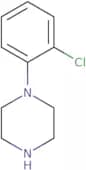
1-(2-Chlorophenyl)piperazine
CAS:Controlled Product1-(2-Chlorophenyl)piperazine is a chloroquine-resistant anti-malarial drug that acts by inhibiting the enzyme dihydropteroate synthase. This method is efficient, with constant values for the vibrational energy and electron affinity. It has also been shown to be effective against 5-HT2C receptors in mammalian cells in culture. The chromatographic method was used to measure the affinity of 1-(2-chlorophenyl)piperazine for binding sites on plasma membranes of oocytes injected with Xenopus laevis. Fluorescence measurements were taken to determine the binding affinity of 1-(2-chlorophenyl)piperazine to arylpiperazines, which are fluorescent analogues of piperazines. Functional theory was used as a theoretical basis for this study.
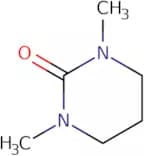
Formula:C10H13ClN2Purity:Min. 95%Color and Shape:PowderMolecular weight:196.68 g/molTetrahydro-1,3-dimethyl-1H-pyrimidin-2-one
CAS:Tetrahydro-1,3-dimethyl-1H-pyrimidin-2-one is an organic compound that is used in the synthesis of drugs and other organic compounds. It can be synthesized by reacting hydrogen fluoride with nitrogen atoms. Tetrahydro-1,3-dimethyl-1H-pyrimidin-2-one can form stable complexes with iodination reactions and has been used to prepare monoclonal antibodies. This molecule has also been studied using x-ray crystal structures and titration calorimetry to investigate its reaction mechanism. The light emission from this molecule is due to intermolecular hydrogen bonding between a pyrazole ring and a phenyl ring.Formula:C6H12N2OPurity:Min. 98%Color and Shape:Colorless Slightly Yellow Clear LiquidMolecular weight:128.17 g/mol6-Nitroquinoline
CAS:6-Nitroquinoline is a nucleophilic compound that reacts with nitroalkanes to form alkyl nitrites. It undergoes a bioreductive reaction, in which it is reduced to the corresponding amine by hydrogen peroxide and ammonia. 6-Nitroquinoline contains functional groups that can act as either electron donors or electron acceptors and is therefore reactive towards other compounds. The reaction mechanism involves nucleophilic attack at the carbon atom in the ring of the 6-nitroquinoline molecule, resulting in an addition product. 6-Nitroquinoline has been shown to react with fluorophores such as fluorescein, forming a fluorescent product that can be detected by spectroscopy. This chemical can also form hydrogen bonds with other molecules, which are important for its reactivity. The reaction products of this compound are nitrite and quinolines where one or more of the nitrogens have been oxidized to nitro groups.
ENDFormula:C9H6N2O2Purity:Min. 95%Color and Shape:White PowderMolecular weight:174.16 g/molRef: 3D-FN31115
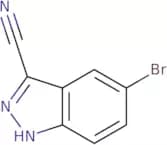
Discontinued product5-Bromo-1H-indazole-3-carbonitrile
CAS:5-Bromo-1H-indazole-3-carbonitrile is a high quality, versatile building block that can be used in the synthesis of complex compounds. It has been described as a "useful intermediate" and a "useful scaffold".
Formula:C8H4BrN3Purity:Min. 95%Color and Shape:PowderMolecular weight:222.04 g/molRef: 3D-FB51079
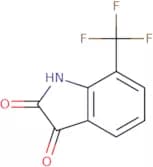
Discontinued product7-(Trifluoromethyl)1H-indole-2,3-dione
CAS:Trifluoromethyl-substituted 7-(trifluoromethyl)1H-indole-2,3-dione is a trifluoromethyl analogue of indole-2,3-dione that has been shown to have antimalarial activity. It has been shown to be active against plasmodium and cancer cells in vitro. Trifluoromethyl group can be replaced by other substituents such as methoxy, ethoxy, or nitro groups. The compound has centrosymmetric structures and an elemental composition of C8H4F3N.
Formula:C9H4F3NO2Purity:Min. 95%Color and Shape:PowderMolecular weight:215.13 g/molRef: 3D-FT28468
Discontinued product2,6-Pyridinedicarboxylic acid dimethyl ester
CAS:2,6-Pyridinedicarboxylic acid dimethyl ester is a drug that has shown anticancer activity in animal models. It binds to DNA, forming a ternary complex with the DNA and the enzyme topoisomerase I. The binding of this drug to the enzyme prevents it from breaking the DNA strands during replication, causing the cell to die. It has been shown that 2,6-pyridinedicarboxylic acid dimethyl ester can be used as a non-competitive inhibitor of topoisomerase I. Furthermore, it has been demonstrated that 2,6-pyridinedicarboxylic acid dimethyl ester is able to bind to human endometrial cancer cells with high affinity. Finally, 2,6-pyridinedicarboxylic acid dimethyl ester was found in x-ray crystal structures of complexes with hydrogen bonds and low activation enthalpy and entropy.
Formula:C9H9NO4Purity:Min. 95%Color and Shape:White PowderMolecular weight:195.17 g/molRef: 3D-FP44227
Discontinued product4-Methylpyrimidine
CAS:4-Methylpyrimidine is a molecule used in the treatment of cancer. It is an inhibitor of the enzyme topoisomerase II, which is involved in DNA replication and repair. 4-Methylpyrimidine binds to the active site of topoisomerase II and blocks its activity. 4-Methylpyrimidine has been shown to be effective against Covid-19 pandemic, which was responsible for a severe outbreak of pneumonia in 2009. The reaction mechanism of 4-methylpyrimidine involves methylpyrazine, a chloride ligand, and molybdenum as the metal center. FT-IR spectroscopy has been used to identify the structural analysis of this molecule.
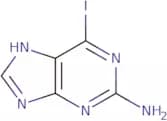
Formula:C5H6N2Purity:Min. 95%Color and Shape:Clear LiquidMolecular weight:94.12 g/mol2-Amino-6-iodopurine
CAS:2-Amino-6-iodopurine is an analog of the purine nucleoside guanine, which has been used to synthesize a variety of boronic acids. The most common use for 2-amino-6-iodopurine is in the synthesis of benzylboronic acid, which can be used as an organometallic reagent in organic synthesis. This compound also has dehydrogenase activity and has been shown to catalyze the conversion of benzoic acid to benzaldehyde, mediated by NADH. 2-Amino-6-iodopurine is found in the biosynthesis of ribonucleotides and deoxyribonucleotides, where it reacts with chloride ions and phosphate groups to form adenylate and xanthosine monophosphates.
Formula:C5H4IN5Purity:Min. 95%Color and Shape:PowderMolecular weight:261.02 g/molRef: 3D-FA08193
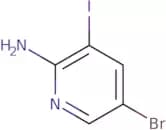
Discontinued product2-Amino-5-bromo-3-iodopyridine
CAS:2-Amino-5-bromo-3-iodopyridine (2AB3IP) is a cacchi anthelmintic that is active against the trophozoites of Giardia lamblia. 2AB3IP also has antimicrobial properties, but is not active against bacteria. The high lipophilicity and pharmacokinetic properties of this drug make it a potential therapeutic candidate for the treatment of giardiasis. The mechanism of action of 2AB3IP is mediated by potassium t-butoxide, which activates the drug to form its reactive intermediate. This intermediate reacts with DNA in the parasite to form covalent adducts. This process leads to inhibition of RNA synthesis and subsequent cell death.
Formula:C5H4BrIN2Purity:Min. 95%Color and Shape:White to tan solid.Molecular weight:298.9 g/molRef: 3D-FA09641
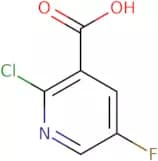
Discontinued product2-Chloro-5-fluoropyridine-3-carboxylic acid
CAS:2-Chloro-5-fluoropyridine-3-carboxylic acid is an intermediate in the synthesis of fluorine compounds used in the industrial process. It can be synthesized by chlorinating 5-fluoropyridine with chlorine gas and a catalyst such as platinum, or by hydrogenating 2-chloro-5-pyridinecarboxylic acid. This chemical is used to manufacture other chemicals such as ethylene oxide, tetrafluoroethylene, and hexafluoroethane.
Formula:C6H3ClFNO2Purity:Min. 95%Molecular weight:175.54 g/molRef: 3D-FC57301
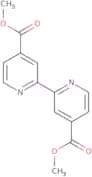
Discontinued product4,4'-Bis(methoxycarbonyl)-2,2'-bipyridine
CAS:4,4'-Bis(methoxycarbonyl)-2,2'-bipyridine is a ligand that can be used in cross-coupling reactions. It has been shown to bind to metal ions and form complexes with the ligands. 4,4'-Bis(methoxycarbonyl)-2,2'-bipyridine has a constant value for maximizing the yield of the reaction and is luminescent. This product also has photophysical properties that allow it to be utilized in voltammetry studies. The transfer of this product can be optimized by using chromophores or catalysis. 4,4'-Bis(methoxycarbonyl)-2,2'-bipyridine provides a means for cross-coupling reactions using electrochemical studies and dichroism.
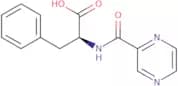
Formula:C14H12N2O4Purity:Min. 95%Color and Shape:PowderMolecular weight:272.26 g/molN-Pyrazinylcarbonyl-L-phenylalanine
CAS:N-Pyrazinylcarbonyl-L-phenylalanine is a high quality chemical that is an intermediate for the production of other compounds. It has been shown to be a useful scaffold for the synthesis of complex compounds and is also used as a building block in the synthesis of fine chemicals, research chemicals, and specialty chemicals. It can be used as a versatile building block in organic synthesis reactions. N-Pyrazinylcarbonyl-L-phenylalanine are available for purchase at www.chemistrystore.com/N-Pyrazinylcarbonyl-L-phenylalanine
Formula:C14H13N3O3Purity:Min. 95%Color and Shape:White PowderMolecular weight:271.27 g/molRef: 3D-FP27274
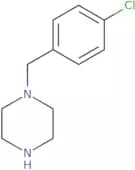
Discontinued product1-(4-Chlorobenzyl)piperazine
CAS:Controlled Product1-(4-Chlorobenzyl)piperazine is an amine that belongs to the class of hydrogen-bond acid amides. It has a piperazine structure and is structurally related to other substances, such as dopamine. 1-(4-Chlorobenzyl)piperazine has been shown to inhibit spontaneous emission in animals and inhibit spontaneous activity at d4 receptors. This drug also inhibits the binding of agonists to the d4 receptor subtype, without affecting other subtypes.
Formula:C11H15ClN2Purity:Min. 98 Area-%Color and Shape:Colorless Clear LiquidMolecular weight:210.7 g/molRef: 3D-FC12602
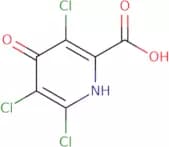
Discontinued product3,5,6-Trichloro-4-hydroxy-2-picolinic acid
CAS:3,5,6-Trichloro-4-hydroxy-2-picolinic acid is a high quality reagent that is used as a building block for the synthesis of complex compounds with potential pharmaceutical applications. It can be used as an intermediate in the production of fine chemicals and speciality chemicals. This compound is also useful for research purposes and as a versatile building block for reactions.
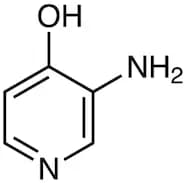
Formula:C6H2Cl3NO3Purity:Min. 95%Color and Shape:White to off-white solid.Molecular weight:242.44 g/mol3-Amino-4-hydroxypyridine
CAS:Formula:C5H6N2OPurity:>98.0%(T)(HPLC)Color and Shape:Light yellow to Brown powder to crystalMolecular weight:110.122,6-Dibromopyrazine
CAS:2,6-Dibromopyrazine is a quinoxaline molecule with two nitrogen atoms. It is an electropolymerizable material that can be used to create patterned surfaces. 2,6-Dibromopyrazine has been used in the fabrication of devices such as fluorescent lamps and light emitting diodes (LEDs). The fluorescence of these devices depends on the alignment of molecules within the device. The number and position of nitrogen atoms in the molecule determine the wavelength emission. 2,6-Dibromopyrazine is a structural isomer of 1,8-dibromopyrazine.
2,6-Dibromopyrazine has homologues such as anilines and amines that have been used in organic synthesis for decades.Formula:C4H2Br2N2Purity:Min. 95%Color and Shape:SolidMolecular weight:237.88 g/molRef: 3D-FD16183
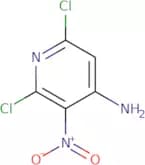
Discontinued product4-Amino-2,6-dichloro-3-nitropyridine
CAS:4-Amino-2,6-dichloro-3-nitropyridine is a synthetic compound that inhibits tyrosine kinases. It is an isomer of 2,6-Dichloropyridine and has been shown to inhibit the growth of lymphoma cells in vitro. 4-Amino-2,6-dichloro-3-nitropyridine has three substitutions on the pyridine ring as compared to 2,6-Dichloropyridine. The substitutions are thought to be responsible for the increased hydrophilic properties of this compound. This may lead to increased cellular uptake and better bioavailability.
Formula:C5H3Cl2N3O2Purity:Min. 95%Color and Shape:Slightly Yellow PowderMolecular weight:208 g/molRef: 3D-FA14524
Discontinued product5-Methyl-2-nitropyridine
CAS:Please enquire for more information about 5-Methyl-2-nitropyridine including the price, delivery time and more detailed product information at the technical inquiry form on this page
Formula:C6H6N2O2Purity:Min. 95%Color and Shape:PowderMolecular weight:138.12 g/molRef: 3D-FM32781
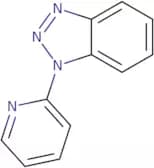
Discontinued product1-(2-Pyridinyl)benzotriazole
CAS:1-(2-Pyridinyl)benzotriazole is a reagent that is used as an intermediate for the preparation of complex compound. It also has other uses such as a building block and scaffold in the synthesis of fine chemicals, research chemicals, and versatile building blocks. 1-(2-Pyridinyl)benzotriazole can be used in reactions with other chemical compounds to form useful intermediates.
Formula:C11H8N4Purity:Min. 95%Color and Shape:Brown PowderMolecular weight:196.21 g/molRef: 3D-FP27312
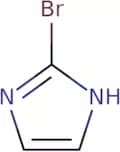
Discontinued product2-Bromo-1H-imidazole
CAS:2-Bromo-1H-imidazole is an environmental pollutant that has been detected in the atmosphere, water, and soil. It is used as a pesticide and has been found to be an impurity in biphenyl. 2-Bromo-1H-imidazole can be used as a substrate for the Suzuki coupling reaction or as a starting material for the synthesis of imidazole derivatives. The compound spontaneously fragments under acidic conditions to form nitric acid and hydrogen bromide. 2-Bromo-1H-imidazole has been shown to inhibit hepatitis C virus (HCV) replication and induce cancer cell apoptosis in vitro.
2-Bromo-1H-imidazole is also known to cause DNA fragmentation in cells through oxidation by reactive oxygen species or through spontaneous decomposition of the molecule into acid, bromine radicals, and ammonia.Formula:C3H3BrN2Purity:Min. 95%Color and Shape:PowderMolecular weight:146.97 g/molRef: 3D-FB12791
Discontinued product2-{[3-chloro-5-(trifluoromethyl)-2-pyridinyl]sulfanyl}acetohydrazide
CAS:Please enquire for more information about 2-{[3-chloro-5-(trifluoromethyl)-2-pyridinyl]sulfanyl}acetohydrazide including the price, delivery time and more detailed product information at the technical inquiry form on this pagePurity:Min. 95%Ref: 3D-FC170011
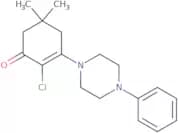
Discontinued product2-Chloro-5,5-dimethyl-3-(4-phenylpiperazinyl)cyclohex-2-en-1-one
CAS:Please enquire for more information about 2-Chloro-5,5-dimethyl-3-(4-phenylpiperazinyl)cyclohex-2-en-1-one including the price, delivery time and more detailed product information at the technical inquiry form on this pageFormula:C18H23ClN2OPurity:Min. 95%Color and Shape:PowderMolecular weight:318.84 g/molRef: 3D-FC169651
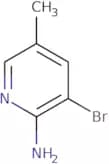
Discontinued product2-Amino-3-bromo-5-methylpyridine
CAS:2-Amino-3-bromo-5-methylpyridine is an imidazopyrazine that interacts with the magnetic field and can be used as a ligand. It has been synthesized from pyrazole derivatives and has been shown to have antimicrobial activity against Cryptococcus neoformans. 2-Amino-3-bromo-5-methylpyridine has also been shown to inhibit the growth of bacterial cells by binding to the nicotinamide adenine dinucleotide phosphate (NADP) cofactor in bacterial cells, thereby preventing ATP production. This drug is structurally related to fluoroquinolones, which are known for their antibacterial activity. 2-Amino-3-bromo-5-methylpyridine is an amido compound that ionizes in acidic environments and transfers electrons via resonance transfer. Its FTIR spectra show strong absorption bands at 3595 cm−1
Formula:C6H7BrN2Purity:Min. 95%Molecular weight:187.04 g/molRef: 3D-FA08146
Discontinued product5,5-Dimethyl-3-(4-phenylpiperazinyl)cyclohex-2-en-1-one
CAS:Please enquire for more information about 5,5-Dimethyl-3-(4-phenylpiperazinyl)cyclohex-2-en-1-one including the price, delivery time and more detailed product information at the technical inquiry form on this pageFormula:C18H24N2OPurity:Min. 95%Color and Shape:PowderMolecular weight:284.4 g/molRef: 3D-FD169506
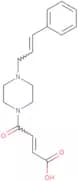
Discontinued product4-Oxo-4-(4-(3-phenylprop-2-enyl)piperazinyl)but-2-enoic acid
CAS:Please enquire for more information about 4-Oxo-4-(4-(3-phenylprop-2-enyl)piperazinyl)but-2-enoic acid including the price, delivery time and more detailed product information at the technical inquiry form on this page
Formula:C17H20N2O3Purity:Min. 95%Color and Shape:PowderMolecular weight:300.35 g/molRef: 3D-FO168966
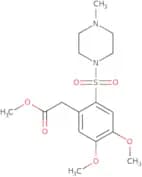
Discontinued productMethyl 2-(4,5-dimethoxy-2-((4-methylpiperazin-1-yl)sulfonyl)phenyl)acetate
CAS:Please enquire for more information about Methyl 2-(4,5-dimethoxy-2-((4-methylpiperazin-1-yl)sulfonyl)phenyl)acetate including the price, delivery time and more detailed product information at the technical inquiry form on this pagePurity:Min. 95%Ref: 3D-FM169246
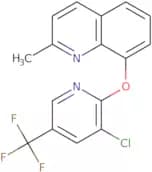
Discontinued product3-Chloro-2-(2-methyl(8-quinolyloxy))-5-(trifluoromethyl)pyridine
CAS:Please enquire for more information about 3-Chloro-2-(2-methyl(8-quinolyloxy))-5-(trifluoromethyl)pyridine including the price, delivery time and more detailed product information at the technical inquiry form on this page
Formula:C16H10ClF3N2OPurity:Min. 95%Color and Shape:PowderMolecular weight:338.71 g/molRef: 3D-FC169546
Discontinued product2-Chloro(3-pyridyl) 4-(5-chloro-2-methylphenyl)piperazinyl ketone
CAS:Please enquire for more information about 2-Chloro(3-pyridyl) 4-(5-chloro-2-methylphenyl)piperazinyl ketone including the price, delivery time and more detailed product information at the technical inquiry form on this page
Formula:C17H17Cl2N3OPurity:Min. 95%Color and Shape:PowderMolecular weight:350.24 g/molRef: 3D-FC170002
Discontinued product2-(4,6-dimethylpyrimidin-2-ylthio)-N-(4-iodophenyl)acetamide
CAS:Please enquire for more information about 2-(4,6-dimethylpyrimidin-2-ylthio)-N-(4-iodophenyl)acetamide including the price, delivery time and more detailed product information at the technical inquiry form on this page
Purity:Min. 95%Ref: 3D-FD170036
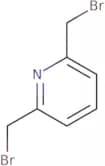
Discontinued product2,6-Bis(bromomethyl)pyridine
CAS:2,6-Bis(bromomethyl)pyridine (BMP) is a pyridine derivative that is used as a catalyst in organic synthesis. It has been shown to be an effective catalyst for the conversion of picolinic acid to xanthopterin in the presence of sodium. The reactivity of BMP can be attributed to its functionalities and the metal ion that it contains. The reaction mechanism has been studied by computer modelling and molecular modelling techniques. The catalytic rate is determined by intramolecular hydrogen transfer.
Formula:C7H7Br2NPurity:Min. 95%Molecular weight:264.95 g/molRef: 3D-FB74901
Discontinued productN-(3,5-bis(trifluoromethyl)phenyl)-2-pyrimidin-2-ylthioethanamide
CAS:Please enquire for more information about N-(3,5-bis(trifluoromethyl)phenyl)-2-pyrimidin-2-ylthioethanamide including the price, delivery time and more detailed product information at the technical inquiry form on this pagePurity:Min. 95%Ref: 3D-FB170018
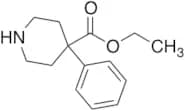
Discontinued productEthyl 4-Phenylpiperidine-4-carboxylate
CAS:Controlled ProductFormula:C14H19NO2Color and Shape:NeatMolecular weight:233.311-(2,3-Dihydro[2,4'-bibenzo[b]thiophen]-4-yl)-piperazine Dihydrochloride
CAS:Controlled ProductApplications 1-(2,3-Dihydro[2,4'-bibenzo[b]thiophen]-4-yl)-piperazine is a useful synthetic intermediate.
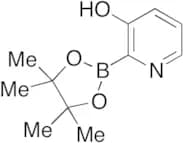
Formula:C20H20N2S2·2HClColor and Shape:NeatMolecular weight:352.5162-(4,4,5,5-Tetramethyl-1,3,2-dioxaborolan-2-yl)-3-pyridinol
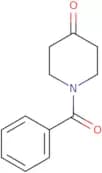
CAS:Controlled ProductFormula:C11H16BNO3Color and Shape:Off-WhiteMolecular weight:221.061N-Benzoylpiperidone
CAS:Controlled ProductN-Benzoylpiperidone is a synthetic piperidine derivative that is used in the synthesis of other organic compounds. It can be synthesized by reacting phenylacetaldehyde with chloroacetonitrile and hydroxybenzene. It can also be synthesized by reacting bromoacetonitrile with hydroxybenzene in the presence of sodium hydroxide. The compound has two stereoisomers, which are determined by the configuration at the nitrogen atom. The N-benzoyl group on one stereoisomer binds to the intramolecular hydrogen molecule, which signifies its structural analysis. These two isomers are distinguished by their hydroxy group, amide and alkylation properties. They react differently with rat liver microsomes due to different substrate concentration.
Formula:C12H13NO2Purity:(%) Min. 95%Color and Shape:PowderMolecular weight:203.23 g/molRef: 3D-FB142667
Discontinued product4-Amino-3-bromo-1-(tert-butyl)-1H-pyrazolo[3,4-d]pyrimidine
CAS:4-Amino-3-bromo-1-(tert-butyl)-1H-pyrazolo[3,4-d]pyrimidine is a drug that inhibits the growth of tumour cells by binding to and inhibiting kinases. It has been shown to have a significant inhibitory effect on lung cancer cells and pyridazine derivatives in vitro. 4-Amino-3-bromo-1-(tert-butyl)-1H-pyrazolo[3,4-d]pyrimidine has been shown to be effective against lung cancer cells in vivo. This drug may be useful for the treatment of cancer.
Formula:C9H12BrN5Purity:Min. 95%Molecular weight:270.13 g/molRef: 3D-FA168683
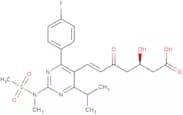
Discontinued product5-Oxo Rosuvastatin
CAS:5-Oxo Rosuvastatin is a drug product that has been synthesized from natural ingredients. It is an analytical standard for the impurity, 5-oxo-rosuvastatin, which is a potential impurity in the API, rosuvastatin. This drug product has been custom synthesized in order to provide an Impurity Standard for HPLC. This drug product is also used as a Synthetic Reference Standard for Drug Development and Research and Development.
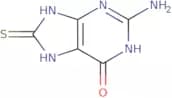
Formula:C22H26FN3O6SPurity:Min. 95%Color and Shape:Off-White To Light (Or Pale) Yellow To Dark Yellow SolidMolecular weight:479.52 g/mol2-Amino-6-hydroxy-8-mercaptopurine
CAS:2-Amino-6-hydroxy-8-mercaptopurine is an antimicrobial agent that inhibits the growth of bacteria by binding to their ribosomes. It has been shown to have a cytotoxic effect in vivo on cancer cells and intestinal parasites, as well as a protective effect against infectious diseases. 2-Amino-6-hydroxy-8-mercaptopurine has also been shown to inhibit the synthesis of proteins in vitro, which may be due to its ability to bind to the ribosomal subunit and inhibit protein synthesis. 2-Amino-6-hydroxy-8-mercaptopurine inhibits bacterial growth by binding to DNA dependent RNA polymerase, thereby preventing transcription and replication. The high frequency of human activity has been shown using a patch clamp technique on human erythrocytes. This active form is metabolized through a number of metabolic transformations, including hydrolysis by esterases or gluc
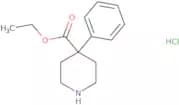
Formula:C5H5N5OSPurity:Min. 95%Color and Shape:PowderMolecular weight:183.19 g/mol4-Phenyl-4-carbethoxy piperidineHCl
CAS:Controlled Product4-Phenyl-4-carbethoxy piperidineHCl is a germanium compound that can be used as a diagnostic agent to detect the presence of magnesium in the blood. It has been shown to bind to acidic and basic sites on the brain, regulating the functions of these regions. The drug has also been shown to have analgesic properties, as it activates opioid receptors in the brain. 4-Phenyl-4-carbethoxy piperidineHCl binds with high affinity to meperidine and naloxone, which are opioid receptor agonists. It is also able to bind to pentazocine, an opioid receptor antagonist. This drug is not active against molybdenum or thebaine.
Formula:C14H20ClNO2Purity:Min. 95%Molecular weight:269.77 g/molRef: 3D-FP152884
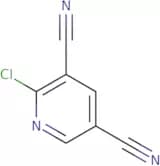
Discontinued product2-Chloropyridine-3,5-dicarbonitrile
CAS:2-Chloropyridine-3,5-dicarbonitrile is a potential drug that can be used as an anionic linker in the synthesis of donepezil. Donepezil is a pharmacological agent that inhibits the enzyme acetylcholinesterase and may be effective in treating Alzheimer's disease. 2-Chloropyridine-3,5-dicarbonitrile has been shown to have good profile against cholinesterase inhibitors. It binds to the active site of acetylcholinesterase and inhibits its activity. This inhibition prevents the breakdown of acetylcholine, which is required for memory and cognitive function. 2-Chloropyridine-3,5-dicarbonitrile also has molecular modeling properties and has been studied at the μm range.
Formula:C7H2ClN3Purity:Min. 95%Molecular weight:163.56 g/molRef: 3D-FC143469
Discontinued product7-Chlorothieno[3,2-B]Pyridine
CAS:7-Chlorothieno[3,2-B]pyridine is a nucleophilic compound that is used as an inhibitor of the tyrosine kinase enzyme. It binds to the ATP binding site and blocks the enzymatic activity of the enzyme, preventing cell proliferation. 7-Chlorothieno[3,2-B]pyridine has been shown to inhibit growth in tumour cell lines and has been shown to be effective against tyrosine kinase receptor positive cancer cells. This drug also shows a cytotoxic activity against tumour cells in vivo, which may be due to its ability to inhibit factor receptor and receptor tyrosine.
Formula:C7H4ClNSPurity:Min. 95%Molecular weight:169.63 g/molRef: 3D-FC53344
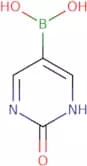
Discontinued product2-Hydroxypyrimidine-5-boronicacid
CAS:Please enquire for more information about 2-Hydroxypyrimidine-5-boronicacid including the price, delivery time and more detailed product information at the technical inquiry form on this page
Formula:C4H5BN2O3Purity:Min. 95%Molecular weight:139.91 g/molMethyl 4-(2-(2-amino-4-oxo-4,7-dihydro-3H-pyrrolo[2,3-d]pyrimidin-5-yl)ethyl)benzoate
CAS:Methyl 4-(2-(2-amino-4-oxo-4,7-dihydro-3H-pyrrolo[2,3-d]pyrimidin-5-yl)ethyl)benzoate is a prodrug that is hydrolyzed to form the active drug pemetrexed disodium. The drug has been shown to be effective for the treatment of cancer and has been used in clinical trials for patients with lung cancer. The conversion of this prodrug to its active form occurs through a hydrolysis reaction at high temperature and by saponification with sodium hydroxide. Methyl 4-(2-(2-amino-4-oxo-4,7-dihydro-3H-pyrrolo[2,3 - d]pyrimidin -5 -yl)ethyl)benzoate can also be converted into its active form by enzymatic action using ester
Purity:Min. 95%Ref: 3D-FM41972
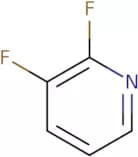
Discontinued product2,3-Difluoro pyridine
CAS:2,3-Difluoro pyridine is an organic compound with the chemical formula C6H3F2N. It is a colorless liquid that has a strong odor and a boiling point of 147°C. 2,3-Difluoro pyridine has antibacterial properties and can be used to treat bacterial infections by inhibiting the synthesis of proteins in bacterial cells. This inhibition prevents the formation of new cell walls, which leads to cell death. 2,3-Difluoro pyridine is also used as an intermediate in organic chemistry reactions involving hydrogen fluoride. The transport properties of this compound are low due to its high melting point and low solubility in water. There are three different polymorphs for 2,3-difluoropyridine: form II, form III and form IV, with form II being the most common. Form II has a trigonal planar molecular geometry, whereas forms III and IV have tetragonal
Formula:C5H3F2NPurity:Min. 95%Color and Shape:Clear LiquidMolecular weight:115.08 g/molRef: 3D-FD16119
Discontinued product4,5,6,7-Tetrahydro-5-(triphenylmethyl)thieno[3,2-c]pyridine
CAS:Prasugrel is a pharmaceutical compound that belongs to the class of thienopyridines. It has been shown to inhibit platelet aggregation and is used for the prevention of blood clots in patients with coronary artery disease. Prasugrel binds to the P2Y12 receptor on the surface of platelets, which prevents ADP from binding, thereby inhibiting platelet aggregation. Prasugrel is a crystalline solid that is soluble in water.
Formula:C26H23NSPurity:Min. 95%Molecular weight:381.53 g/molRef: 3D-FT28108
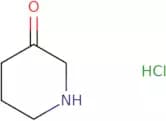
Discontinued productPiperidin-3-one hydrochloride
CAS:Piperidin-3-one hydrochloride is an organic solvent that belongs to the group of benzyl compounds. It is a reagent for the synthesis of sulfides, which are used in the production of dyes, pharmaceuticals, and other products. Piperidin-3-one hydrochloride can be used as a constant in calculating the shift of tetrafluoroborate ions. This compound has been shown to be assembled into planar structures with six atoms per side. The resonance frequencies of this compound depend on the solvents and its aliphatic nature. Piperidin-3-one hydrochloride can be used to generate dimethyl sulfide by reacting with methanol or methyl chloride.
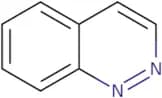
Formula:C5H10NOClPurity:Min. 95%Color and Shape:White PowderMolecular weight:135.59 g/molCinnoline
CAS:Cinnoline is a chemical compound that is structurally similar to phenol, containing a hydroxyl group, two nitrogen atoms and a cyclic structure. Cinnoline has been shown to have anti-inflammatory activity in rats with adjuvant-induced arthritis. The mechanism of the anti-inflammatory effect of cinnoline is not fully understood, but it may be due to its stability and ability to bind to biological molecules or its conformational properties. Cinnoline does not react with nitric acid, making it a good candidate for use in infectious diseases such as tuberculosis. It has also been shown to be stable in human serum and has low pharmacokinetic properties. The fluorescence intensity of cinnoline was found to increase when exposed to an electrochemical potential and can be used as a probe molecule for pharmacokinetics studies.
Formula:C8H6N2Purity:Min. 95%Color and Shape:PowderMolecular weight:130.15 g/molRef: 3D-FC144347
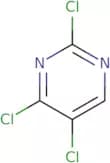
Discontinued product2,4,5-Trichloropyrimidine
CAS:2,4,5-Trichloropyrimidine is a chemical compound that has reactive properties. It can be used in the Suzuki coupling reaction to form new molecules. 2,4,5-Trichloropyrimidine can also be used as a potent inhibitor of epidermal growth factor receptors (EGFRs). It has been shown to inhibit the growth of cancer cells and other autoimmune diseases. 2,4,5-Trichloropyrimidine has shown significant inhibitory activity against kinases. It is selective for EGFRs and does not have any effect on other kinases. This suggests that it may be an effective therapeutic agent for the treatment of certain cancers and autoimmune diseases.
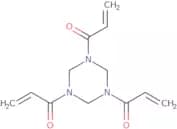
Formula:C4HCl3N2Purity:Min. 95%Molecular weight:183.42 g/mol1,3,5-Triacryloylhexahydro-1,3,5-triazine
CAS:1,3,5-Triacryloylhexahydro-1,3,5-triazine (TTH) is a particle that absorbs UV light. It is a reactive chemical with a high thermal stability and low reactivity to air. TTH has been used as a cross-linker in polymer films and as a microsphere filler. The absorption of UV light by TTH may be due to the presence of hydroxyl groups or nitrogen atoms. The nmr spectra show that TTH contains trimethylolpropane groups.
Formula:C12H15N3O3Purity:Min. 95%Color and Shape:White PowderMolecular weight:249.27 g/mol3H-Spiro[2-benzofuran-1,4'-piperidine]
CAS:3H-Spiro[2-benzofuran-1,4'-piperidine] is a ligand with affinity for melanocortin receptors. It has been shown to bind with low affinity to the melanocortin receptor and act as an agonist. 3H-Spiro[2-benzofuran-1,4'-piperidine] has high affinity for benzene, which may be due to its ring system. This ligand also has a penetrable structure that allows it to bind to piperidine binding sites.
Formula:C12H15NO·HClPurity:Min. 95%Molecular weight:225.71 g/molRef: 3D-FS51525
Discontinued product







![2-{[3-chloro-5-(trifluoromethyl)-2-pyridinyl]sulfanyl}acetohydrazide](/_next/image/?url=https%3A%2Fstatic.cymitquimica.com%2Fproducts%2F3D%2Fthumb-webp%2FFC170011.webp&w=3840&q=75)




![1-(2,3-Dihydro[2,4'-bibenzo[b]thiophen]-4-yl)-piperazine Dihydrochloride](/_next/image/?url=https%3A%2Fstatic.cymitquimica.com%2Fproducts%2FTR%2Fthumb-webp%2FD450445.webp&w=3840&q=75)
![4-Amino-3-bromo-1-(tert-butyl)-1H-pyrazolo[3,4-d]pyrimidine](/_next/image/?url=https%3A%2Fstatic.cymitquimica.com%2Fproducts%2F3D%2Fthumb-webp%2FFA168683.webp&w=3840&q=75)
![7-Chlorothieno[3,2-B]Pyridine](/_next/image/?url=https%3A%2Fstatic.cymitquimica.com%2Fproducts%2F3D%2Fthumb-webp%2FFC53344.webp&w=3840&q=75)
![Methyl 4-(2-(2-amino-4-oxo-4,7-dihydro-3H-pyrrolo[2,3-d]pyrimidin-5-yl)ethyl)benzoate](/_next/image/?url=https%3A%2Fstatic.cymitquimica.com%2Fproducts%2F3D%2Fthumb-webp%2FFM41972.webp&w=3840&q=75)
![4,5,6,7-Tetrahydro-5-(triphenylmethyl)thieno[3,2-c]pyridine](/_next/image/?url=https%3A%2Fstatic.cymitquimica.com%2Fproducts%2F3D%2Fthumb-webp%2FFT28108.webp&w=3840&q=75)
![3H-Spiro[2-benzofuran-1,4'-piperidine]](/_next/image/?url=https%3A%2Fstatic.cymitquimica.com%2Fproducts%2F3D%2Fthumb-webp%2FFS51525.webp&w=3840&q=75)