Heterocycles with Nitrogen (N)
In this category, you will find a wide variety of nitrogen-containing heterocycles. Heterocycles are carbon chains that form a cycle in which at least one position is occupied by a heteroatom, in this case, nitrogen. These compounds are integral in the synthesis of pharmaceuticals, agrochemicals, and dyes, offering unique reactivity and stability. At CymitQuimica, we provide a comprehensive selection of high-quality nitrogen-containing heterocycles to support your research and industrial applications
Subcategories of "Heterocycles with Nitrogen (N)"
- Azepane(434 products)
- Benzotriazoles(436 products)
- Diazepanes(331 products)
- Imidazoles(4,006 products)
- Imidazolines(385 products)
- Isoxazole(1,077 products)
- Piperazines(3,735 products)
- Piperidines(8,394 products)
- Pyrazines(1,297 products)
- Pyrazole(5,919 products)
- Pyrazolidine(21 products)
- Pyrazoline(142 products)
- Pyridazine(856 products)
- Pyridines(21,910 products)
- Pyrimidine(6,038 products)
- Pyrroles(2,439 products)
- Pyrrolidines(5,814 products)
- Pyrroline(48 products)
- Pyrrolo[1,2-b]pyridazine(10 products)
- Tetrazole(510 products)
- Triazines(462 products)
- Triazoles(1,679 products)
Show 14 more subcategories
Found 17855 products of "Heterocycles with Nitrogen (N)"
Sort by
Purity (%)
0
100
|
0
|
50
|
90
|
95
|
100
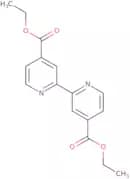
4,4'-Bis(ethoxycarbonyl)-2,2'-bipyridine
CAS:<p>4,4'-Bis(ethoxycarbonyl)-2,2'-bipyridine (BEBCP) is a dithiolate chromophore. BEBCP has a redox potential of 1.3 volts and the electronic interaction of the carbonyl groups with the electron cloud of the bipyridine nucleus is responsible for this property. The photochemical properties of BEBCP can be systematically studied by using electrochemical data such as voltammetry and cyclic voltammetry. These methods are useful in determining the nature and constant of BEBCP as well as its interaction with ligands.</p>Formula:C16H16N2O4Purity:Min. 95%Color and Shape:PowderMolecular weight:300.31 g/mol1-(2-Chlorophenyl)piperazine
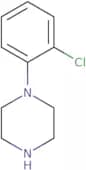
CAS:Controlled Product<p>1-(2-Chlorophenyl)piperazine is a chloroquine-resistant anti-malarial drug that acts by inhibiting the enzyme dihydropteroate synthase. This method is efficient, with constant values for the vibrational energy and electron affinity. It has also been shown to be effective against 5-HT2C receptors in mammalian cells in culture. The chromatographic method was used to measure the affinity of 1-(2-chlorophenyl)piperazine for binding sites on plasma membranes of oocytes injected with Xenopus laevis. Fluorescence measurements were taken to determine the binding affinity of 1-(2-chlorophenyl)piperazine to arylpiperazines, which are fluorescent analogues of piperazines. Functional theory was used as a theoretical basis for this study.</p>Formula:C10H13ClN2Purity:Min. 95%Color and Shape:PowderMolecular weight:196.68 g/molMethyl 3,6-dichloropyridine-2-carboxylate
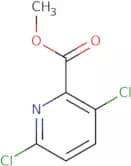
CAS:<p>Methyl 3,6-dichloropyridine-2-carboxylate is a nitro compound that is used as a transport inhibitor. It has been shown to inhibit the transport of some organic compounds in h9c2 cells by binding to the active site of ATP synthase, which is required for energy production. Methyl 3,6-dichloropyridine-2-carboxylate has also been shown to modulate physiological effects in mice, such as modulating the activity of enzymes involved in fatty acid synthesis. This compound is synthetically derived from anthranilic acid and dichlorprop with oxadiazole as a starting material.</p>Formula:C7H5Cl2NO2Purity:Min. 95%Color and Shape:PowderMolecular weight:206.03 g/mol5-Pyridin-3-yl-2H-pyrazol-3-ylamine
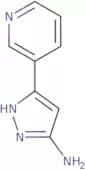
CAS:<p>5-Pyridin-3-yl-2H-pyrazol-3-ylamine is a fine chemical with applications in the research and development of pharmaceuticals, agrochemicals, and other speciality chemicals. 5-Pyridin-3-yl-2H-pyrazol-3-ylamine is also a versatile building block for the synthesis of complex molecules. This compound can be used as a reagent or intermediate in organic reactions. It is also an excellent scaffold for the synthesis of complex molecules.</p>Formula:C8H8N4Purity:Min. 95%Color and Shape:Off-white to pale yellow or beige solid.Molecular weight:160.18 g/molPiperazine-2-carboxylic acid
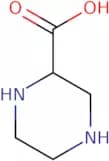
CAS:<p>Piperazine-2-carboxylic acid is an amide that is a precursor to glutamate, ethylene diamine, and piperazine. It has been shown to be an enantiomer of piperazine. Piperazine-2-carboxylic acid is used in the production of various pharmaceuticals, including anticonvulsants and antiparasitic drugs. It is also used as a biochemical reagent for kinetic studies and as an orally administered drug for the treatment of inorganic acidosis.</p>Formula:C5H10N2O2Purity:Min. 95%Color and Shape:White PowderMolecular weight:130.15 g/molN-Propyl-2-ene-2,4,6-triphenylpyridinium tetrafluoroborate
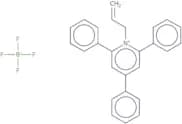
CAS:<p>N-Propyl-2,4,6-triphenylpyridinium tetrafluoroborate (NPPBF) is a versatile building block with a wide range of applications in the synthesis of complex compounds. It is a fine chemical that has been used as a reagent, speciality chemical, and useful scaffold for research chemicals. NPPBF has been shown to be an intermediate in the synthesis of various pharmaceuticals and agrochemicals. It can also be used as a reaction component in organic synthesis. The compound is soluble in polar solvents such as DMF, DMSO, THF, and acetonitrile.</p>Formula:C26H22N•BF4Purity:Min. 95%Molecular weight:435.26 g/mol4-Methoxy-3,5-dimethyl-2-pyridinecarboxaldehyde
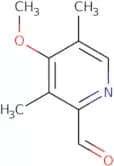
CAS:<p>4-Methoxy-3,5-dimethyl-2-pyridinecarboxaldehyde is a trifunctional molecule that has been shown to suppress the growth of cancer cells in mice. This compound is an inhibitor of acid synthesis and has also been shown to be an antirheumatic drug. 4-Methoxy-3,5-dimethyl-2-pyridinecarboxaldehyde inhibits the activity of three enzymes: synthetase, an enzyme that synthesizes fatty acids; 3-ketoacyl CoA synthase, which synthesizes ketones; and enoyl CoA reductase, which produces fatty acids. The long term efficacy of this molecule has not yet been studied in humans.</p>Formula:C9H11NO2Purity:Min. 95%Color and Shape:Colourless LiquidMolecular weight:165.19 g/mol5-Methoxyindole-3-acetic acid
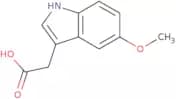
CAS:<p>5-Methoxyindole-3-acetic acid (5MI) is an endogenous indole and metabolite of melatonin that is found in high concentrations in the human serum. 5MI has been shown to inhibit the activity of cyclase enzymes and may be a specific inhibitor of the type I form of estrone sulfate, which is involved in estrogen production. This agent also inhibits matrix metalloproteinases and aminotransferases, which are enzymes that play a role in oxidative injury. 5MI also has a fluorescent derivative that can be used as a probe for biological samples or to study the target enzyme.</p>Formula:C11H11NO3Purity:Min. 97.5 Area-%Color and Shape:PowderMolecular weight:205.21 g/mol2-Amino-5-bromo-3-iodopyridine
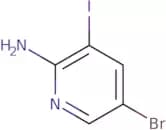
CAS:<p>2-Amino-5-bromo-3-iodopyridine (2AB3IP) is a cacchi anthelmintic that is active against the trophozoites of Giardia lamblia. 2AB3IP also has antimicrobial properties, but is not active against bacteria. The high lipophilicity and pharmacokinetic properties of this drug make it a potential therapeutic candidate for the treatment of giardiasis. The mechanism of action of 2AB3IP is mediated by potassium t-butoxide, which activates the drug to form its reactive intermediate. This intermediate reacts with DNA in the parasite to form covalent adducts. This process leads to inhibition of RNA synthesis and subsequent cell death.</p>Formula:C5H4BrIN2Purity:Min. 95%Color and Shape:White to tan solid.Molecular weight:298.9 g/mol4-(4-Methylpiperazino)acetophenone
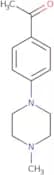
CAS:<p>4-(4-Methylpiperazino)acetophenone is a chemical compound that can be used as a building block in the synthesis of more complex compounds. It is a versatile intermediate and can be used to synthesize other compounds. 4-(4-Methylpiperazino)acetophenone has been shown to act as a reaction component in the synthesis of pharmaceuticals, pesticides, and agrochemicals. This compound has high purity and quality.</p>Formula:C13H18N2OPurity:Min. 95%Color and Shape:PowderMolecular weight:218.30 g/mol2,4-Pyridinedicarboxylic acid diethyl ester
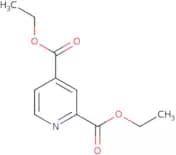
CAS:<p>2,4-Pyridinedicarboxylic acid diethyl ester is an aliphatic hydrocarbon that has been shown to be a potent active oxygen scavenger. It has also been shown to inhibit the uptake of fatty acids and organic anions by tubule cells in the liver, as well as to reduce collagen breakdown in the endoplasmic reticulum. This compound is converted into pyridinedicarboxylic acid, which inhibits hepcidin production and thus increases iron absorption. 2,4-Pyridinedicarboxylic acid diethyl ester also has a biochemical profile that is similar to that of a lipophilic fatty acid ester.</p>Formula:C11H13NO4Purity:Min. 95%Color and Shape:Colorless PowderMolecular weight:223.23 g/mol3-Amino-2,6-dichloropyridine
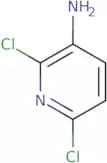
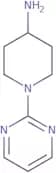
CAS:<p>3-Amino-2,6-dichloropyridine is a carboxamidopyridine that is used as an antiplatelet agent. This drug inhibits the action of ADP and thrombin in platelets, thereby inhibiting platelet aggregation. 3-Amino-2,6-dichloropyridine has been shown to be effective when given orally and is not degraded by stomach acid. It has been shown to inhibit transcriptase activity in vitro. The drug also inhibits the synthesis of prostaglandin E2 (PGE2) through inhibition of cyclooxygenase (COX) enzymes and prevents platelet aggregation by suppressing the production of adenosine diphosphate (ADP).</p>Purity:Min. 95%Color and Shape:PowderMolecular weight:162.92 g/mol1-Pyrimidin-2-ylpiperidin-4-amine dihydrochloride
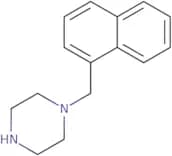
CAS:<p>1-Pyrimidin-2-ylpiperidin-4-amine dihydrochloride is a high quality, crystalline compound with a CAS number of 1179369-48-2. It is an intermediate in the synthesis of various fine chemicals, including pharmaceuticals and pesticides. 1-Pyrimidin-2-ylpiperidin-4-amine dihydrochloride also has applications as a versatile building block for the synthesis of other compounds and is used as a reaction component in organic chemistry. This reagent can be used to synthesize many different compounds for use in research or medical purposes.</p>Formula:C9H14N4·2HClPurity:Min. 95%Color and Shape:PowderMolecular weight:251.16 g/mol1-(1-Naphthylmethyl)piperazine
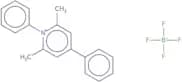
CAS:<p>1-(1-Naphthylmethyl)piperazine (1-NMPP) is an antimicrobial agent that inhibits bacterial efflux pumps. It was shown to be active against Gram-positive bacteria, such as Erythromycin and tetracycline resistant mutants. 1-NMPP has been shown to inhibit the expression of efflux pump proteins in Gram-negative bacteria. One study showed that 1-NMPP can reverse the resistance of colistin and sulfa drugs in a multidrug resistant strain of Staphylococcus aureus. The mechanism of action for this drug is not yet known, but it may be due to its ability to prevent the synthesis of new efflux pump proteins by inhibiting translation or by decreasing mRNA stability.</p>Formula:C15H18N2Purity:Min. 95%Color and Shape:Off-White PowderMolecular weight:226.32 g/mol2,6-Dimethyl-1,4-diphenylpyridinium tetrafluoroborate
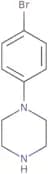
CAS:<p>2,6-Dimethyl-1,4-diphenylpyridinium tetrafluoroborate is a high quality reagent that can be used as a useful intermediate in the synthesis of fine chemicals. It is used as an important building block in the synthesis of many organic compounds and is also an important reaction component. This compound has a wide range of uses and can be used as a versatile building block in organic synthesis or as a speciality chemical for research purposes.</p>Formula:C19H18N·BF4Purity:Min. 95%Molecular weight:347.16 g/mol1-(4-Bromophenyl)piperazine
CAS:Controlled Product<p>1-(4-Bromophenyl)piperazine is a chemical that is used in the synthesis of pharmaceuticals, such as antidepressants. It has been shown to inhibit monoamine neurotransmitter reuptake, including serotonin and dopamine. It also has an inhibitory effect on 5-hydroxytryptamine (5HT) release from nerve terminals and its binding to the 5HT7 receptor. 1-(4-Bromophenyl)piperazine can be used in chromatographic methods for validation of impurities, potential impurities, and other substances.</p>Formula:C10H13BrN2Purity:Min. 95 Area-%Color and Shape:PowderMolecular weight:241.13 g/mol1-(4-Bromophenyl)piperazine hydrochloride
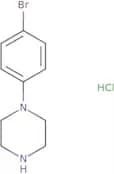
CAS:Controlled Product<p>1-(4-Bromophenyl)piperazine hydrochloride is a linker that binds to serotonin receptors. It has been shown to inhibit the reuptake of serotonin, which may lead to an increase in the neurotransmitter's level in the synaptic cleft. The compound also inhibits the production of 5-hydroxytryptamine and other monoamine neurotransmitters, which can lead to anaphylactic reactions in humans.</p>Formula:C10H14BrClN2Purity:Min. 95%Molecular weight:277.59 g/mol5-Chloroindole-2-carboxylic acid
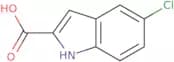
CAS:<p>5-Chloroindole-2-carboxylic acid is a fatty acid that is synthesized from glucose. It has been shown to have inhibitory properties against the enzyme cyclooxygenase-2 (COX-2), which may be due to its ability to suppress prostaglandin synthesis. 5-Chloroindole-2-carboxylic acid also has been shown to have anticancer properties and can inhibit cancer cell growth in vitro. The drug may also play a role in the central nervous system, as it has been shown to cause neuronal death. 5-Chloroindole-2-carboxylic acid is not water soluble, so it must be dissolved in organic solvents such as cyclohexane or chloroform before being used for chemical reactions. This drug can be used with other drugs that are coxib sensitive, such as aspirin, acetaminophen, and ibuprofen.</p>Formula:C9H6ClNO2Color and Shape:PowderMolecular weight:195.6 g/mol7-Methoxyquinoline
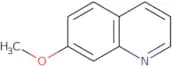
CAS:<p>7-Methoxyquinoline is a drug that belongs to the group of histone deacetylase inhibitors. It has been shown to inhibit monooxygenase and cytochrome p-450, which are enzymes involved in the metabolism of drugs. 7-Methoxyquinoline can be used as a fluorescent probe for reactions involving histones or other proteins with similar chemical structures. It is also used as an inhibitor in biochemical assays, such as fluorometric assays. 7-Methoxyquinoline can be prepared by reacting hydrazine with methoxyacetic acid followed by hydrolysis of the resulting hydrazone. This process yields a mixture of products, some of which are substituted with methoxy groups at different positions on the benzene ring.</p>Formula:C10H9NOPurity:Min. 95%Color and Shape:Colorless PowderMolecular weight:159.18 g/mol6-Chloropyridine-3-sulfonyl chloride
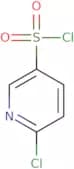
CAS:<p>6-Chloropyridine-3-sulfonyl chloride is a synthetic compound that has been shown to be an inhibitor of the enzyme anhydrase, which is involved in the production of carbonic acid. This inhibition leads to a decrease in the pH of tissues and may inhibit the proliferation of malignant cancer cells. 6-Chloropyridine-3-sulfonyl chloride has also been shown to have anticancer activity against eukaryotes.</p>Formula:C5H3Cl2NO2SPurity:Min. 95%Color and Shape:PowderMolecular weight:212.05 g/mol