Hydrazines
Hydrazines are organic compounds characterized by the presence of a hydrazine group (N2H4). These compounds are used in various chemical reactions, including as intermediates in pharmaceuticals and agrochemicals. At CymitQuimica, we offer a wide selection of high-quality hydrazines to support your research and industrial applications, ensuring reliable and efficient results. Our selection includes hydrazines suitable for a wide range of chemical syntheses and experimental requirements.
Found 1359 products of "Hydrazines"
Sort by
Purity (%)
0
100
|
0
|
50
|
90
|
95
|
100
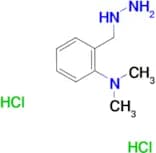
2-Dimethylaminobenzylhydrazine dihydrochloride
CAS:Formula:C9H17Cl2N3Purity:95.0%Color and Shape:Pale yellow powderMolecular weight:238.163-(1-Methylhydrazino)-1,2-benzisothiazole 1,1-dioxide
CAS:3-(1-Methylhydrazino)-1,2-benzisothiazole 1,1-dioxide is a fine chemical that is used as a building block for more complex compounds. This molecule has been shown to be an effective intermediate in the production of research chemicals. 3-(1-Methylhydrazino)-1,2-benzisothiazole 1,1-dioxide can be used as a reagent and is available at high quality.Formula:C8H9N3O2SPurity:Min. 95%Color and Shape:White PowderMolecular weight:211.24 g/mol4-Sulfonamidophenylhydrazine hydrochloride
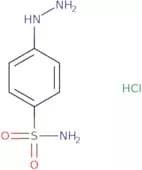
CAS:4-Sulfonamidophenylhydrazine hydrochloride is an in vitro antifungal agent with a diazonium salt structure. It is used as a chemical intermediate to synthesize other pharmaceuticals, such as nonsteroidal anti-inflammatory drugs and antimicrobial agents. 4-Sulfonamidophenylhydrazine hydrochloride has been shown to inhibit the production of Cox-2, which is associated with inflammation and cancer. The drug also exhibits antiinflammatory activity due to its ability to inhibit prostaglandin synthesis. 4-Sulfonamidophenylhydrazine hydrochloride exhibits high affinity for human serum albumin and can be used as an indicator for the presence of carbonic acid or carbonyl groups in organic compounds.Formula:C6H9N3O2S·HClPurity:Min. 95%Molecular weight:223.68 g/mol4'-Hydrazino-2-stilbazole dihydrochloride
CAS:4'-Hydrazino-2-stilbazole dihydrochloride is a fine chemical that can be used as a versatile building block in the synthesis of complex compounds. It has been reported to react with sodium methoxide to produce 2,4-dinitrophenylhydrazine. This compound is a useful intermediate for the synthesis of other research chemicals and can also be used as a reaction component in speciality chemicals. The compound has been shown to have high quality and can be used as a reagent.Formula:C13H13N3·2HClPurity:Min. 95%Color and Shape:Yellow PowderMolecular weight:284.18 g/mol5-Fluoro-2-methylphenylhydrazine hydrochloride
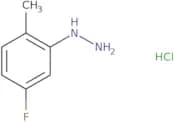
CAS:5-Fluoro-2-methylphenylhydrazine hydrochloride is a crystalline solid that is soluble in water. It is used as a reagent in organic synthesis, but it also has application as an intermediate in the production of calcium hydroxide and calcium fluoride. 5-Fluoro-2-methylphenylhydrazine hydrochloride reacts with methacrylate to produce an ultrafine powder, which can be difficult to hydrate because of its high molecular weight. The hydration reaction requires the addition of large amounts of water and heat. This process can be accelerated by adding a solution of calcium ions or calcium hydroxide to the reaction mixture. Hydrogen fluoride gas (HF) may also be generated during this process. Crystallization occurs when the solids are heated or placed in contact with a nonpolar solvent such as hexane.Formula:C7H9FN2•HClPurity:Min. 95%Color and Shape:PowderMolecular weight:176.62 g/mol1-(3-Bromobenzoyl)-2-(2-naphthoyl)-hydrazine
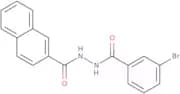
CAS:1-(3-Bromobenzoyl)-2-(2-naphthoyl)-hydrazine is a building block with a high quality and versatile scaffold. It is used as a reaction component in the synthesis of complex compounds, fine chemicals and speciality chemicals. 1-(3-Bromobenzoyl)-2-(2-naphthoyl)-hydrazine has been shown to be an effective reagent for the preparation of polycyclic aromatic hydrocarbons. This chemical is also a useful intermediate in the production of pharmaceuticals, pesticides, dyes, and perfumes.Formula:C18H13BrN2O2Purity:Min. 95%Color and Shape:PowderMolecular weight:369.21 g/mol6-Boc-hydrazinonicotinicacid
CAS:6-Boc-hydrazinonicotinicacid is a cytotoxic compound that binds to hydroxyapatite and induces necrosis in cancer cells. This compound also has antimicrobial properties. 6-Boc-hydrazinonicotinic acid is conjugated with peptides for use as an immunoconjugate for the targeted delivery of drugs to cancer cells. It can be used to diagnose cancer by its uptake in human serum and inflammatory cells, as well as to identify cancerous tissues through its binding to hydroxyapatite. The biological studies have shown that 6-Boc-hydrazinonicotinic acid inhibits the growth of various types of tumour cells, including breast, prostate, colon, and lung cancers.Formula:C11H15N3O4Purity:Min. 95%Color and Shape:PowderMolecular weight:253.25 g/mol6-Hydrazinopurine
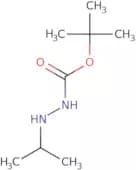
CAS:6-Hydrazinopurine is an anti-hepatitis drug that is a prodrug for 6-chloropurine. Its mechanism of action is not fully understood, but it has been shown to bind to the virus receptor and inhibit the replication of the virus. It also competitively inhibits amines in biochemical assays. This property may be due to its hydroxyl group, which can form a hydrogen bond with the amino group of amines. It has been shown to be active against prostate carcinoma cells. 6-Hydrazinopurine has been shown to inhibit the growth of cancer cells by inducing apoptosis and decreasing cell proliferation.Formula:C5H6N6Purity:Min. 95%Color and Shape:PowderMolecular weight:150.14 g/moltert-Butyl 2-isopropylhydrazinecarboxylate
CAS:tert-Butyl 2-isopropylhydrazinecarboxylate is a high quality chemical that has been used as a reagent, useful intermediate, speciality chemical, and research chemicals. It has been shown to be an excellent building block for the synthesis of complex compounds. This chemical has also been used as a reaction component in the synthesis of fine chemicals and other useful compounds.Formula:C8H18N2O2Purity:Min. 95%Color and Shape:White PowderMolecular weight:174.24 g/mol1-Boc-2-[4-(2-pyridinyl)benzylidene]hydrazine
CAS:1-Boc-2-[4-(2-pyridinyl)benzylidene]hydrazine is a compound that is used in the recycling of organic compounds. The sodium formate, which is a byproduct of biodiesel production, can be recycled using this compound. It can also be used to recycle tert-butyl carbazate, which is an intermediate in the synthesis of pharmaceuticals and agrochemicals. 1-Boc-2-[4-(2-pyridinyl)benzylidene]hydrazine has been shown to be effective at high pressures and temperatures, which make it useful for synchrotron experiments on cell parameters. This compound has been shown to have anisotropic properties due to its coordination with magnesium.Formula:C17H21N3O2Purity:Min. 95%Color and Shape:White PowderMolecular weight:299.37 g/mol4-Hydrazino-3-nitrobenzotrifluoride
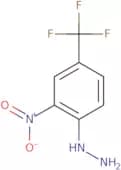
CAS:4-Hydrazino-3-nitrobenzotrifluoride (4HNBF) is a derivative of 4-hydrazinobenzoic acid that has been used as a precursor for the synthesis of vitamin D. The drug is detectable in blood plasma samples by mass spectrometry and can be quantified using linear calibration curves. 4HNBF has been detected in human urine samples after oral administration, but not in other biological fluids. It has also been used to measure the flow rate of urine. The drug's use for cancer treatment has been investigated, with results showing that it inhibits the growth of cancer cells and induces apoptosis. 4HNBF may act on GABA receptors to inhibit their activity and induce a reduction in the release of oxysterols.Formula:C7H6F3N3O2Purity:Min. 95%Color and Shape:PowderMolecular weight:221.14 g/mol2-Phenylethylhydrazine
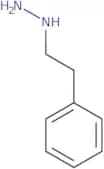
CAS:Controlled Product2-Phenylethylhydrazine (2PEH) is an experimental drug that is reactive. It has been shown to have anti-inflammatory properties in a model system of inflammation in animals. 2PEH also inhibits the enzyme monoamine oxidase, which prevents the breakdown of serotonin, resulting in increased levels of this neurotransmitter. The use of 2PEH as a pharmacological treatment for atherosclerotic lesions may be due to its inhibitory properties on 5HT2 receptors and 2 adrenergic receptors. It has also been shown to induce neuronal death in animal studies.Formula:C8H12N2Purity:Min. 95%Color and Shape:Clear LiquidMolecular weight:136.19 g/molHydrazine dihydrochloride
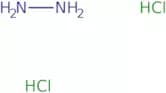
CAS:Controlled ProductHydrazine dihydrochloride (HDH) is a chemical compound with the molecular formula N2H4Cl2. It is used in electrochemistry as an electrolyte and to control enzyme activities. HDH has been shown to inhibit sulfate reduction and phosphatase activity, which may be due to its effect on the cell-specific biochemistry of Sulfolobus solfataricus. Hydrazine dihydrochloride also inhibits water vapor-induced chemiluminescence in methyl glycosides. This inhibition is due to a decrease in the production of hydrogen peroxide and the subsequent decomposition of the product that leads to luminescence. The mechanism for this inhibition is unknown, but it may be due to its ability to bind to Toll-like receptor 4 (TLR4). Hydrazine dihydrochloride has also been shown to have fluorescent properties that can be used as a probe for detecting DNA damage in cells.Formula:H4N2•(HCl)2Purity:98.0 To 102.0%Color and Shape:White PowderMolecular weight:104.97 g/mol2,3,5,6-Tetrafluoro-4-hydrazinopyridine
CAS:2,3,5,6-Tetrafluoro-4-hydrazinopyridine is a hydroxide ion analog of pentafluoropyridine. It has been shown to undergo a coupling reaction to yield the corresponding organometallic compound with methoxide in dimethylformamide. The yields for this reaction are high and range from 76% to 98%. This technique has been shown to be applicable for the synthesis of other organometallic compounds.Formula:C5H3F4N3Purity:Min. 95%Color and Shape:PowderMolecular weight:181.09 g/mol3,5-Dichlorophenylhydrazine hydrochloride
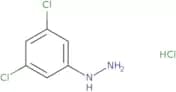
CAS:3,5-Dichlorophenylhydrazine hydrochloride is a chemical compound that can be used in the synthesis of other chemical compounds. 3,5-Dichlorophenylhydrazine hydrochloride is a versatile building block for the preparation of complex chemicals such as pharmaceuticals and agrochemicals. It has been shown to form a high quality reagent that is useful for research purposes. 3,5-Dichlorophenylhydrazine hydrochloride can be used as a reaction component or an intermediate in organic synthesis reactions. The CAS Registry Number for this chemical is 63352-99-8.Formula:C6H6Cl2N2•HClPurity:Min. 95%Molecular weight:213.49 g/mol5-Chloro-2-methoxyphenylhydrazine hydrochloride
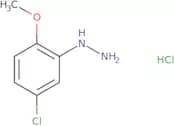
CAS:5-Chloro-2-methoxyphenylhydrazine hydrochloride is a reagent, complex compound with CAS No. 5446-16-2. It is useful as an intermediate in the manufacture of a variety of fine chemicals and research chemicals. This compound can be used as a versatile building block in the synthesis of new chemical compounds and is also a reaction component.Formula:C7H9ClN2O·ClHPurity:Min. 95%Color and Shape:PowderMolecular weight:209.07 g/mol4-(Trifluoromethyl)thiophenylhydrazine hydrochloride
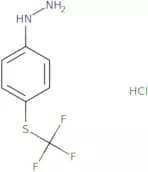
CAS:4-(Trifluoromethyl)thiophenylhydrazine hydrochloride (TFTH) is a chemical compound that belongs to the group of useful scaffolds, versatile building blocks, and reaction components. It has been used as a research chemical in the synthesis of complex compounds with high quality and is an intermediate for speciality chemicals. TFTH can be used as a reagent in organic chemistry for the preparation of amines and amino alcohols. This compound has CAS No. 162258-86-8.br>br> 4-(Trifluoromethyl)thiophenylhydrazine hydrochloride has been shown to be an excellent building block in organic synthesis because it is stable under mild conditions, reacts rapidly with nucleophiles, and is readily available from commercial sources.Formula:C7H7F3N2S·ClHPurity:Min. 95%Color and Shape:Orange PowderMolecular weight:244.67 g/molHydrazine hydrochloride
CAS:Controlled ProductHydrazine hydrochloride is an antimicrobial agent that belongs to the group of hydrazines. It is a fatty acid that has been esterified with hydrochloric acid and hydrogen fluoride to form the corresponding ester hydrochloride. Hydrazine hydrochloride has shown to be effective against a variety of microorganisms. The antimicrobial activity of this drug may be due to its ability to inhibit fatty acid synthesis by binding to the active site of the enzyme, acyl-CoA:malonyl-CoA acyltransferase (MCT). Hydrazine hydrochloride also inhibits the production of pyrazoles, which are compounds that are known to induce autoimmune diseases in mice.Formula:N2H4·HClPurity:min 98%Color and Shape:White PowderMolecular weight:68.51 g/mol2-Methoxyphenylhydrazine hydrochloride
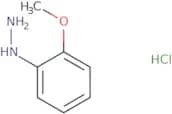
CAS:2-Methoxyphenylhydrazine hydrochloride is a chemical that is used as a research scaffold, building block, or intermediate. It can be used in the synthesis of complex compounds with high quality and purity. This product is soluble in water and alcohols. 2-Methoxyphenylhydrazine hydrochloride has CAS No. 6971-45-5 and a molecular weight of 183.2 g/mol.Formula:C7H10N2O·HClPurity:Min. 95%Color and Shape:PowderMolecular weight:174.63 g/mol3-Hydrazinobenzoic acid
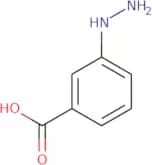
CAS:3-Hydrazinobenzoic acid is a covalent inhibitor that binds to lysine residues of proteins and inhibits their activity. It can be immobilized in different materials such as polymers, hydrogels, and zeolites. 3-Hydrazinobenzoic acid has been used to treat autoimmune diseases and cancer. In wastewater treatment, it has been shown to remove chloride ions, which are toxic to microorganisms. 3-Hydrazinobenzoic acid also reduces the pH of the environment by reacting with hydrochloric acid or other acidic compounds.Formula:C7H8N2O2Purity:Min. 95%Color and Shape:PowderMolecular weight:152.15 g/mol





![1-Boc-2-[4-(2-pyridinyl)benzylidene]hydrazine](/_next/image/?url=https%3A%2Fstatic.cymitquimica.com%2Fproducts%2F3D%2Fthumb-webp%2FFB18876.webp&w=3840&q=75)