Aliphatic compounds and derivatives
Aliphatic compounds and derivatives are organic compounds characterized by straight or branched chain structures, as opposed to ring structures found in aromatic compounds. These compounds include alkanes, alkenes, alkynes, and their functionalized derivatives, playing a vital role in various chemical processes and industrial applications. At CymitQuimica, we offer a diverse selection of high-purity aliphatic compounds and their derivatives, meticulously sourced and tested to meet the stringent requirements of research and industrial needs. Our catalog covers a wide range of compounds, including hydrocarbons, alcohols, aldehydes, ketones, and acids, each known for their reactivity and versatility in organic synthesis, pharmaceuticals, and materials science. By providing top-quality aliphatic compounds and derivatives, we support researchers and professionals in achieving precise and efficient chemical transformations, fostering innovation and advancements in multiple scientific and technological fields.
Found 8720 products of "Aliphatic compounds and derivatives"
Sort by
Purity (%)
0
100
|
0
|
50
|
90
|
95
|
100
Ref: 10-F469900
1gTo inquire2gTo inquire5gTo inquire10gTo inquire100mgTo inquire250mgTo inquire500mgTo inquire1-(4-Bromobutoxy)-4-{1,2,2-tris[4-(4-bromobutoxy)phenyl]ethenyl}benzene
CAS:Purity:98%Molecular weight:936.4580078125(2E)-3-[4-(benzyloxy)phenyl]-1-(3-methoxyphenyl)prop-2-en-1-one
CAS:Purity:95.0%Molecular weight:344.41000366210942,3-Diallylmaleic acid compound with diallyl maleate (1:1)
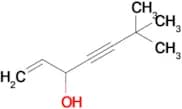
CAS:Purity:97.0%Molecular weight:392.403991699218756,6-Dimethylhept-1-en-4-yn-3-ol
CAS:Purity:98% +(stabilized with MEHQ)Molecular weight:138.21000671386723-Buten-1-ol
CAS:Formula:C4H8OPurity:98.0%Color and Shape:Clear colourless liquidMolecular weight:72.107(2E)-3-[4-(benzyloxy)phenyl]-1-(3-nitrophenyl)prop-2-en-1-one
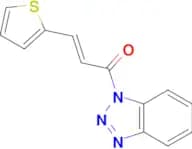
CAS:Purity:95.0%Molecular weight:359.3810119628906(2E)-1-(1H-1,2,3-Benzotriazol-1-yl)-3-(thiophen-2-yl)prop-2-en-1-one
CAS:Molecular weight:255.3000030517578Ethylene Glycol dimethacrylate (stabilized with HQ)
CAS:Purity:97.0%Color and Shape:Liquid, ClearMolecular weight:198.21800231933594Neodymium trifluoroacetylacetonate
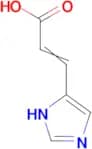
CAS:Formula:C15H12F9NdO6Purity:98.0%Color and Shape:CrystallineMolecular weight:603.4833-(1H-Imidazol-4-yl)acrylic acid
CAS:Purity:95.0%Color and Shape:SolidMolecular weight:138.12600708007812(E)-3-(4-Bromophenyl)-1-(4-(4-chlorobenzyl)piperazin-1-yl)prop-2-en-1-one
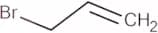
CAS:Purity:98.0%Molecular weight:419.75Allyl bromide
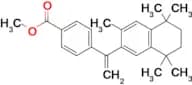
CAS:<p>BR1119 - Allyl bromide</p>Formula:C3H5BrPurity:96%Color and Shape:LiquidMolecular weight:120.97699737548828Methyl 4-(1-(3,5,5,8,8-pentamethyl-5,6,7,8-tetrahydronaphthalen-2-yl)vinyl)benzoate
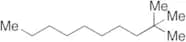
CAS:Purity:95.0%Molecular weight:362.513000488281252,2-Dimethyldecane
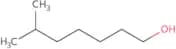
CAS:Controlled Product<p>Applications 2,2-Dimethyldecane, is one of the decane isomers, which can be used in pharmaceutical industry and the manufacture of drugs.<br>References Yaws, C.L.Chem, Prop. Hand.B., 159, (1999);<br></p>Formula:C12H26Color and Shape:NeatMolecular weight:170.336-Methylheptanol
CAS:<p>6-Methylheptanol is a chemical compound that belongs to the group of imidazole hydrochlorides. It is used as a catalyst for the treatment of wastewater. 6-Methylheptanol has been shown to catalyze the reaction of malonic acid with glycol ethers and hydroxyl groups in water, which produces high values of phosphorus pentoxide. The kinetic data and reaction mechanism for this process have been elucidated by using a model system and reaction solution. 6-Methylheptanol also has an effect on polymerase chain reactions (PCR) due to its ability to increase the temperature at which the enzyme works.</p>Formula:C8H18OPurity:Min. 97 Area-%Color and Shape:Colorless Clear LiquidMolecular weight:130.23 g/mol2-Adamantanone
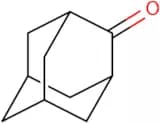
CAS:<p>2-Adamantanone is a chemical compound that belongs to the group of p2-adamantanes. It has been shown to have acute toxicities in rats and mice, as well as a high reactivity with water vapor. 2-Adamantanone is used as an oxidation catalyst in organic synthesis reactions and has biological properties that are related to its inhibitory effects on acetylcholinesterase. This compound also reacts readily with malonic acid and fatty acid, which may be due to steric interactions between the two molecules. 2-Adamantanone is also shown to have chemiluminescent activity, which can be used for the detection of trifluoroacetic acid (TFA) in vitro. It is also active against fungus cells when combined with hydroxyl groups, such as those found in fatty acids.</p>Formula:C10H14OPurity:Min. 95%Color and Shape:White PowderMolecular weight:150.22 g/molLithium bis(trifluoromethanesulfonimide)
CAS:<p>Lithium bis(trifluoromethanesulfonimide) is a salt that is used in analytical chemistry as a reagent for the preparation of lithium salts. The sample should be dissolved in an organic solution and then reacted with lithium bis(trifluoromethanesulfonimide). Lithium bis(trifluoromethanesulfonimide) has been shown to have good transport properties, but the reaction mechanism is not well-understood. It has an activation energy of approximately 18 kcal/mol and can decompose at high temperatures. Lithium bis(trifluoromethanesulfonimide) can also react with strong acids or bases, so it is necessary to use an electrolyte when preparing the solution.</p>Formula:C2F6LiNO4S2Purity:Min 98%Color and Shape:White Off-White PowderMolecular weight:287.09 g/molSodium methanethiolate
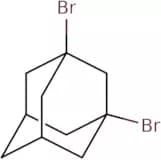
CAS:<p>Methanethiol is a compound that occurs naturally in the environment. It is used as a fungicide, insecticide and herbicide. Methanethiol inhibits the growth of microorganisms by binding to metal ions on the surface of cells. This prevents DNA replication and protein synthesis, leading to cell death. Methanethiol also has anti-inflammatory properties which may be due to its ability to inhibit adenosine A1 receptor activity in humans.</p>Formula:CH3NaSPurity:Min. 95%Color and Shape:White PowderMolecular weight:70.09 g/mol1,3-Dibromoadamantane
CAS:<p>1,3-Dibromoadamantane is an organic compound that belongs to the group of organobromides. It has a chemical structure with three bromine atoms and one carbon atom, which are bonded to each other in a triangle shape. 1,3-Dibromoadamantane is soluble in solvents such as water and methanol. The reaction yield of 1,3-dibromoadamantane is 100% when it reacts with hydrochloric acid as the catalyst under optimal conditions. The reaction also occurs at a high temperature (100 degrees Celsius) and releases energy efficiently. 1,3-Dibromoadamantane can be used as a substrate molecule for the Suzuki coupling reaction.<br>The coordination chemistry of 1,3-dibromoadamantane involves the formation of a square planar complex with copper ions and ammonia molecules to form copper(I) ammine complexes, which are then able to bind</p>Formula:C10H14Br2Purity:Min. 95%Color and Shape:PowderMolecular weight:294.03 g/mol1,8-Diazido-3,6-dioxaoctane
CAS:<p>1,8-Diazido-3,6-dioxaoctane is a synthetic molecule that is used in the synthesis of macrolactones, polymers, and biomolecules. It can be used as a bioconjugate to attach other functional groups to biomaterials and polymers, such as azido groups. This compound has high sensitivity and thermal stability with good solubility in organic solvents. 1,8-Diazido-3,6-dioxaoctane has been shown to be compatible with many functional groups and is an important monomer for use in cross-linked polymers.</p>Formula:C6H12N6O2Purity:Min. 95%Color and Shape:Colorless PowderMolecular weight:200.2 g/mol1-Nonanol
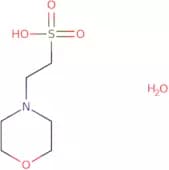
CAS:<p>1-Nonanol is a colorless liquid with a pleasant odor. It can be synthesized from methyl pentanoate by the asymmetric addition of an inorganic acid to the ester hydrochloride. This process results in a mixture of 1-nonanol and its isomer 2-nonanol, which can be separated using an analytical method such as gas chromatography. 1-Nonanol has been shown to have high transport properties, making it useful for detergent compositions. It has also been shown to exhibit strong hydrogen bonding abilities that may contribute to its adsorption mechanism.</p>Formula:C9H20OPurity:Min. 95%Color and Shape:Colorless Clear LiquidMolecular weight:144.25 g/molMES monohydrate
CAS:<p>MES buffer is a synthetic buffer commonly used in biological and biochemical experiments. It's known for its buffering capacity within the pH range of 5.5 to 6.7, making it suitable for various applications. It has good water solubility, chemical stability, and minimal interaction with metal ions, which is crucial for many biological systems.</p>Formula:C6H13NO4S·H2OColor and Shape:White Off-White PowderMolecular weight:213.25 g/mol3,3'-Dithiobis-1-propanesulfonic acid disodium salt
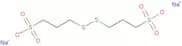
CAS:<p>Brightening agent used for copper electroplating</p>Formula:C6H12O6S4·2NaPurity:Min. 90 Area-%Color and Shape:White PowderMolecular weight:354.39 g/mol2-(4-Benzyloxyphenyl)ethanol
CAS:<p>2-(4-Benzyloxyphenyl)ethanol is an organic compound that has a particle size of less than 10 μm and is soluble in water. It is used as a reaction system for the production of tannins, which are polyphenolic compounds that have antioxidant properties. 2-(4-Benzyloxyphenyl)ethanol also inhibits maltase activity and metal ion-induced allylic oxidation. This compound can be used to inhibit fatty acid synthesis, which is important for the prevention of atherosclerosis and other cardiovascular diseases.</p>Formula:C15H16O2Purity:Min. 95%Color and Shape:PowderMolecular weight:228.29 g/molACES
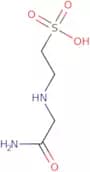
CAS:<p>ACES, also known as N-(2-Acetamido)-2-aminoethanesulfonic acid, is an acetamido buffer that is used in culture media and protein extractions. It also forms metal complexes and has an optimal pH range of 6.1-7.5 and a pKa of 6.78.</p>Formula:C4H10N2O4SPurity:Min. 95%Color and Shape:White PowderMolecular weight:182.2 g/mol3-Bromoadamantane-1-carboxylic acid
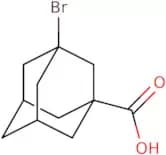
CAS:<p>3-Bromoadamantane-1-carboxylic acid is a potent inhibitor of sphingosine kinase. It is a synthetic compound that was developed to inhibit the activity of sphingosine kinase and thus reduce the levels of sphingosines in cells. 3-Bromoadamantane-1-carboxylic acid has been shown to be effective against multikinases, including caspases and protein kinases. The drug is also able to inhibit tumor growth in animals. The mechanism by which 3-bromoadamantane-1-carboxylic acid inhibits tumor growth is unknown but may involve its ability to bind to the ATP binding site on the enzyme complex or its ability to form a noncompetitive inhibitor with ATP.</p>Formula:C11H15BrO2Purity:Min. 95%Color and Shape:White Off-White PowderMolecular weight:259.14 g/mol2-Amino-1-cyclopentene-1-carbonitrile
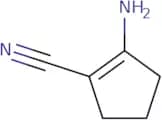
CAS:<p>2-Amino-1-cyclopentene-1-carbonitrile is a chemical compound with the formula CH2N(C=O)CH2NH. It is a white crystalline solid that is soluble in water and polar organic solvents. The compound has been used as an impurity in the synthesis of cyclic polymers, as a transition metal ligand, and as a chroma for dyes. 2-Amino-1-cyclopentene-1-carbonitrile is also used to introduce cyclic groups into polyphosphoric acid and to convert paraformaldehyde to acrylonitrile.<br>2-Amino-1-cyclopentene-1-carbonitrile reacts with hydrocarbons to form adiponitrile and cyclohexanone.</p>Formula:C6H8N2Purity:Min. 95%Color and Shape:PowderMolecular weight:108.14 g/molTricaine methanesulfonate
CAS:<p>Tricaine methanesulfonate is a chemical that belongs to the group of anesthetics. It is used as a general anesthetic and to induce surgical anesthesia. Tricaine methanesulfonate has been shown to be effective in the treatment of pain, inflammation, and neurological disorders. Tricaine methanesulfonate also has a long half-life and does not cause histamine release or cardiovascular effects.</p>Formula:C9H11NO2·CH4O3SPurity:Min. 98 Area-%Color and Shape:White PowderMolecular weight:261.3 g/mol1-(Bromomethyl)adamantane
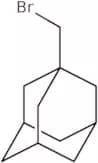
CAS:<p>1-(Bromomethyl)adamantane is a synthetic chemical that is used in the preparation of other chemicals. The active site of 1-(bromomethyl)adamantane can be found on its bromine atom, which has been shown to react with copper. The regioselectivity is determined by the 1-position on adamantane, and the thermodynamic constants are affected by the carbon-halogen bond, which is present in 1-(bromomethyl)adamantane. This compound has been shown to have chromatographic properties that make it useful for separating compounds that are similar in structure. It can also be used as a reagent to synthesize other chemicals or prepare them for use in experiments.</p>Formula:C11H17BrPurity:Min. 95%Color and Shape:White PowderMolecular weight:229.16 g/molCyclamic acid
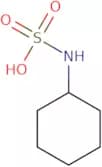
CAS:<p>Artificial sweetener</p>Formula:C6H13NO3SColor and Shape:PowderMolecular weight:179.24 g/moltrans-1,4-Dihydroxy-2-butene
CAS:<p>Extender in polyurethane synthesis</p>Formula:C4H8O2Purity:Min. 95%Color and Shape:Colorless PowderMolecular weight:88.11 g/mol1,2,5,6-Diepoxycyclooctane
CAS:<p>1,2,5,6-Diepoxycyclooctane is a chemical compound that has been used as a crosslinking agent for the polymerization of epoxies. It is also used as a reactive intermediate in organic synthesis. 1,2,5,6-Diepoxycyclooctane can be prepared by reacting epichlorohydrin with ethylene oxide and then hydrogenation. This chemical compound is stable to ultraviolet light and does not react with cationic surfactants. 1,2,5,6-Diepoxycyclooctane can form monoadducts or diploid adducts when it reacts with chemicals such as dioxane and benzene. The nmr spectra of 1,2,5,6-diepoxycyclooctane show signals characteristic of epoxides.</p>Formula:C8H12O2Purity:Min. 95%Color and Shape:PowderMolecular weight:140.18 g/molN-(3-Aminopropyl)-N-dodecylpropane-1,3-diamine
CAS:<p>N-(3-Aminopropyl)-n-dodecylpropane-1,3-diamine, also called N,N-bis(3-aminopropyl)dodecylamine and laurylamine dipropylenediamine, is dodecylamine substituted with 2 propylamine units. Laurylamine dipropylenediamine is a non-ionic surfactant, antimicrobial agent, preservative, emulsifying agent, dispersing agent, corrosion inhibitor and an anti-static agent used in hair products.</p>Formula:C18H41N3Purity:(¹H-Nmr) Min. 85 Area-%Color and Shape:Colorless Clear LiquidMolecular weight:299.54 g/mol1,3-Adamantanediamine dihydrochloride
CAS:<p>1,3-Adamantanediamine dihydrochloride is a mimetic that has been shown to inhibit the fibrinolytic activity of nipecotic acid. This compound also inhibits the platelet aggregation induced by the activation of collagen receptors. It has been shown to have an antagonistic effect on NMDA receptors and to induce apoptosis in cancer cells. The structure of 1,3-Adamantanediamine dihydrochloride is similar to that of adamantane, which is a naturally occurring molecule found in plants and animals.</p>Formula:C10H18N2·2HClPurity:Min. 95%Color and Shape:White PowderMolecular weight:239.18 g/molPentachlorocyclopropane
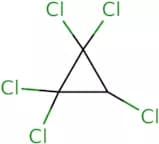
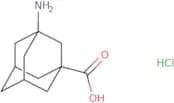
CAS:<p>Pentachlorocyclopropane is a chemical compound that belongs to the class of cyclic chlorinated hydrocarbons. It is a colorless liquid with a strong odor and a boiling point of 176 °C. Pentachlorocyclopropane has been used as an intermediate for the production of other chemicals, such as alkyl chlorides, amines, and polymers. Pentachlorocyclopropane can be synthesized from hydrogen chloride and 1-chloro-2-propanone in the presence of aluminum chloride or zinc chloride. The Friedel-Crafts reaction can also be used to produce pentachlorocyclopropane from benzene and chlorine gas. The chemical stability of pentachlorocyclopropane is due to its intramolecular hydrogen bonds. This allows it to be stored at room temperature without undergoing any reactions or decomposing. Pentachlorocyclopropane is not</p>Formula:C3HCl5Purity:Min. 95%Color and Shape:Colorless Clear LiquidMolecular weight:214.3 g/mol3-Amino-adamantane-1-carboxylic hydrochloride
CAS:<p>3-Amino-adamantane-1-carboxylic hydrochloride is a versatile building block that can be used as a research chemical, reagent, speciality chemical, and useful scaffold in the synthesis of various complex compounds. It is a high quality intermediate and reaction component that can be used in the synthesis of fine chemicals. 3-Amino-adamantane-1-carboxylic hydrochloride has a variety of uses due to its versatility and can be used in the production of pharmaceuticals, agrochemicals, dyes, plastics, perfumes, pesticides, herbicides, explosives, and more.</p>Formula:C11H17NO2•HClPurity:Min. 95%Color and Shape:PowderMolecular weight:231.72 g/mol2-Aminoethanethiol
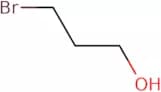
CAS:<p>2-Aminoethanethiol is a bitartrate salt of cysteamine. It inhibits the growth of bacteria by inhibiting the synthesis of the bacterial cell wall, which is required for bacterial replication and division. 2-Aminoethanethiol has been shown to be effective in experimental models of cystinosis and cystamine. 2-Aminoethanethiol has also been used as an antidote to cyanide poisoning.</p>Formula:C2H7NSColor and Shape:White Off-White PowderMolecular weight:77.15 g/mol3-Bromo-1-propanol
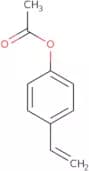
CAS:<p>3-Bromo-1-propanol is a chemical compound that contains a hydroxyl group and an asymmetric carbon atom. This molecule has been used as a model system to study the reaction mechanism of alcohol dehydrogenase, which is the enzyme responsible for the oxidation of ethanol. 3-Bromo-1-propanol has been shown to inhibit the growth of bacteria such as Staphylococcus aureus, which are resistant to penicillin. The pharmacokinetic properties of 3-bromo-1-propanol have been studied in dogs with congestive heart failure.</p>Formula:C3H7BrOPurity:Min. 97 Area-%Color and Shape:Colorless Clear LiquidMolecular weight:138.99 g/mol4-Acetoxystyrene, stabilized with TBC
CAS:<p>4-Acetoxystyrene is a monomer that belongs to the group of hydroxylated styrenes. It is stabilized with TBC, which protects the hydroxyl group from reactive substances such as hydrogen fluoride and hydrochloric acid. 4-Acetoxystyrene has a phase transition temperature of 130°C, high resistance to oxidation and reduction, and a high affinity for metal hydroxides. The molecule has been shown to scavenge anion radicals in the presence of hydrogen fluoride or hydrochloric acid and can be used as a hydrogenation catalyst in the palladium-catalyzed coupling reaction. It also has polymerization properties and copolymerizes with malonic acid to produce polyester resins. 4-Acetoxystyrene is also used in electrochemical impedance spectroscopy (EIS) studies, where it acts as an effective solvent for fatty acids.</p>Formula:C10H10O2Purity:Min. 98 Area-%Color and Shape:Colorless Clear LiquidMolecular weight:162.19 g/molLinoleic acid - 60%min
CAS:<p>Linoleic acid is a polyunsaturated fatty acid that is an important component of the human diet. It has been shown to have inhibitory properties on liver cells, and may be related to body mass index. Linoleic acid is a precursor for gamma-aminobutyric acid (GABA), which functions as a neurotransmitter in the central nervous system. Linoleyl alcohol is a metabolite of linoleic acid and has been shown to inhibit the production of antimicrobial peptides, such as cathelicidin and beta-defensin. The inhibition of this peptide may be responsible for the observed reduction in inflammatory responses and infections.</p>Formula:C18H32O2Purity:Min. 95%Color and Shape:Yellow Clear LiquidMolecular weight:280.45 g/molPutrescine dihydrochloride
CAS:<p>Putrescine is a polyamine plant growth regulator affecting the synthesis of macromolecules. Promotes adventitious root formation. Precursor of spermidine.</p>Formula:C4H14Cl2N2Purity:Min. 98.0 Area-%Molecular weight:161.08 g/molRef: 3D-P-8000
1kgTo inquire5kgTo inquire10kgTo inquire25kgTo inquire2500gTo inquire-Unit-kgkgTo inquire3,4-Dihydroxy-3-cyclobutene-1,2-dione
CAS:<p>3,4-Dihydroxy-3-cyclobutene-1,2-dione is a small molecule that has been shown to be an effective antimicrobial agent. It is structurally related to squaric acid and has high reactivity with hydrogen fluoride. 3,4-Dihydroxy-3-cyclobutene-1,2-dione has the ability to lyse cells through the formation of hydrogen bonds with nucleic acids. This chemical compound can also act as a fluorescence probe for group P2 human serum proteins. The kinetic energy of this molecule was found to be very high in comparison to other molecules in its structural class.</p>Formula:C4H2O4Purity:Min 99.0%Color and Shape:Off-White PowderMolecular weight:114.06 g/mol3-Carboxypropanesulfonamide
CAS:<p>3-Carboxypropanesulfonamide is a chemical compound that has been shown to have the ability to modulate cardiac cell function. This compound has been shown to be effective in a reaction monitoring technique, which monitors the functional groups and techniques of chemical reactions, in order to introduce this molecule into the cell membrane and alter its potential. 3-Carboxypropanesulfonamide is capable of changing the lipid composition of the membrane by introducing a linker group that can bind with other molecules such as cholesterol or phospholipids. This linker group alters the membrane potential of cells, leading to changes in ion flow and cellular response.</p>Formula:C4H9NO4SPurity:Min. 95%Color and Shape:White PowderMolecular weight:167.18 g/mol2-Chloroethyl isocyanate
CAS:<p>Please enquire for more information about 2-Chloroethyl isocyanate including the price, delivery time and more detailed product information at the technical inquiry form on this page</p>Formula:C3H4ClNOPurity:Min. 99.0 Area-%Molecular weight:105.52 g/molPotassium nonafluoro-1-butanesulfonate
CAS:<p>Potassium nonafluoro-1-butanesulfonate (NBS) is a chemical compound that is used to remove trifluoroacetic acid from wastewater. It can also be used as an analytical reagent to measure cytosolic calcium concentrations in cells. In addition, NBS has been shown to have a high degree of chemical stability, but it may react with hydrogen fluoride and cause toxicity in humans. The pharmacokinetic properties of this drug are not well-known, but it has been shown to accumulate in the liver and fat tissues and pass into the maternal blood stream during pregnancy. NBS also inhibits the synthesis of p-hydroxybenzoic acid, which leads to hepatic steatosis in mice with diet-induced obesity. This drug also affects 3t3-l1 preadipocytes and human serum.</p>Formula:C4F9KO3SColor and Shape:PowderMolecular weight:338.19 g/mol2-(2-Methoxyethoxy)ethanol
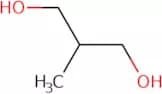
CAS:<p>2-(2-Methoxyethoxy)ethanol is a sodium salt that has a synergic effect with other solvents. It is used in the preparation of samples for analytical purposes and in the reaction solution of various glycol ethers. 2-(2-Methoxyethoxy)ethanol also has an effect on thermal expansion, which can be utilized to monitor this parameter during sample preparation. The presence of nitrogen atoms in its structure makes it possible to use it as a reagent for the synthesis of styryl dyes. 2-(2-Methoxyethoxy)ethanol is an antirheumatic drug that belongs to the class of glycol esters and benzalkonium chloride.</p>Formula:C5H12O3Purity:Min. 95%Color and Shape:Colorless Clear LiquidMolecular weight:120.15 g/mol2-Methyl-1,3-propanediol
CAS:<p>2-Methyl-1,3-propanediol is a glycol ether that is used in sample preparation for chemical analysis. It is an antimicrobial agent that has been shown to be active against bacteria such as Escherichia coli and Staphylococcus aureus. 2-Methyl-1,3-propanediol has also been shown to have the ability to inhibit the growth of epidermal cells. This chemical has been shown to be effective in treating skin lesions caused by dermatophytes, fungi and bacterial infections. 2-Methyl-1,3-propanediol inhibits the synthesis of glycol esters, fatty acids and epidermal growth factor through competition with hydroxyl groups on cell membranes. It also chelates metal ions such as Cu2+, Zn2+, Cd2+ and Pb2+.</p>Formula:C4H10O2Purity:Min. 95%Color and Shape:Colorless PowderMolecular weight:90.12 g/molAgaricinic acid
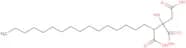
CAS:<p>Organic tricarboxylic acid; inducer of MPT</p>Formula:C22H40O7Purity:Min. 95%Color and Shape:PowderMolecular weight:416.55 g/mol4-Bromo-1-butene
CAS:<p>4-Bromo-1-butene is a useful building block, reaction component, and useful scaffold that can be used in the synthesis of various chemical compounds. This compound is a high quality, complex compound with versatile building blocks that can be used as a reagent in research or as a speciality chemical. 4-Bromo-1-butene has been found to have many uses in the production of other chemicals such as pharmaceuticals, pesticides, and cosmetics.</p>Formula:C3H8INMolecular weight:185.01 g/mol3-Methylnonane-2,4-dione
CAS:<p>3-Methylnonane-2,4-dione is a chemical compound that belongs to the group of unsaturated ketones. It has been shown to have an odorant receptor activity in mice. 3-Methylnonane-2,4-dione is found in foods, such as butter and cheese, and has a mild flavor. It can be reduced by carbonyl reduction and reacts with light during exposure. The reaction vessel must be inert to avoid contact with reducing agents that can cause a color change. 3-Methylnonane-2,4-dione also reacts with peroxides and other oxidizing agents to form peroxyketals.</p>Formula:C10H18O2Purity:Min. 97 Area-%Color and Shape:Clear LiquidMolecular weight:170.25 g/mol(1S,4R)-4-Amino-2-cyclopentene-1-methanol hydrochloride
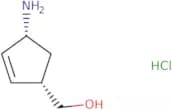
CAS:<p>(1S,4R)-4-Amino-2-cyclopentene-1-methanol hydrochloride is a reagent and building block for the synthesis of many different compounds. It is a useful scaffold for synthetic organic chemistry, producing a wide range of high quality research chemicals. (1S,4R)-4-Amino-2-cyclopentene-1-methanol hydrochloride is an intermediate in the synthesis of complex compounds and fine chemicals. This compound is also used as a reactant in chemical reactions to produce other compounds.</p>Formula:C6H11NO·HClPurity:Min. 97 Area-%Color and Shape:PowderMolecular weight:149.62 g/mol1,4-Diaminobutane dihydrochloride
CAS:<p>Ubiquitous polyamine necessary for optimal cell growth</p>Formula:C4H14Cl2N2Purity:Min. 98.0%Color and Shape:PowderMolecular weight:161.07 g/mol6-Mercapto-1-hexanol
CAS:<p>6-Mercapto-1-hexanol is a redox active molecule that has been shown to be a potent inhibitor of human immunodeficiency virus type 1 reverse transcriptase. It has also been shown to inhibit the polymerase chain reaction and transfer reactions, including those mediated by DNA-dependent RNA polymerase. 6-Mercapto-1-hexanol can be detected with high sensitivity in human serum, which is its main application for the diagnosis of HIV infection. This compound reacts with molecular oxygen to form superoxide radicals, which are responsible for its redox potential. The rate constant for this reaction has been shown to be dependent on pH and temperature. 6-Mercapto-1-hexanol can also form stable complexes with proteins such as albumin or human immunoglobulin G (IgG). These complexes have been shown to exhibit electrochemical impedance spectroscopy activity at low concentrations and chemical stability in biological media.</p>Formula:C6H14OSPurity:Min. 96%Color and Shape:Clear LiquidMolecular weight:134.24 g/molZ-1,4-diaminobutane·HCl
CAS:<p>Z-1,4-diaminobutane·HCl is a fine chemical that is a useful building block in research and manufacture of pharmaceuticals. It is also used as a reagent and speciality chemical in the production of other chemicals, such as dyes, rubber products, and pesticides. This compound has been shown to be an effective intermediate for the synthesis of complex organic compounds with versatile structures. Z-1,4-diaminobutane·HCl can be used as a scaffold for the construction of various types of molecules.</p>Formula:C12H18N2O2·HClPurity:Min. 95%Color and Shape:White PowderMolecular weight:258.74 g/mol1-Amino-1-cyclopropanecarboxylic acid
CAS:<p>1-Amino-1-cyclopropanecarboxylic acid (ACC) is a precursor of ethylene, which is a plant hormone that regulates many aspects of plant growth and development. ACC can be converted to ethylene by the enzyme ACC synthase. The conversion of ACC to ethylene is facilitated by the enzymes ACC oxidase and ACC deaminase. Ethylene has been shown to regulate the expression of genes involved in photosynthesis, protein synthesis, and other metabolic pathways. Ethylene also modulates physiological processes such as fruit ripening, leaf senescence, and stomatal closure. This molecule participates in a variety of biological reactions including receptor activity and protein degradation via ubiquitin ligases. It also regulates calcium levels in cells through its role in signal transduction pathways.</p>Formula:C4H7NO2Purity:Min. 95%Color and Shape:PowderMolecular weight:101.1 g/mol(R)-(-)-1,3-Butanediol
CAS:<p>(R)-(-)-1,3-Butanediol is a chiral compound that belongs to the group of organic compounds called diols. It is used in the fermentation of Candida parapsilosis and other yeast species to produce enantiomerically pure (S)-(-)-1,3-butanediol. The racemate can be converted into the two enantiomers by chemical means or by enzymatic resolution. The process for large-scale production is similar to that for ethanol fermentation, but with 2-propanol as substrate instead of glucose. The fermentor has been shown to be effective at producing large quantities of 1,3-butanediol in a short time period.</p>Formula:C4H10O2Purity:Min. 98%Color and Shape:Colorless Clear LiquidMolecular weight:90.12 g/mol1-Nitroadamantane
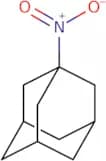
CAS:<p>1-Nitroadamantane is a metal-free catalyst that oxidizes organic compounds in the presence of water. It is synthesized using the following method: 1) The reaction of carbon monoxide with nitric acid produces nitrous acid, which reacts with a fatty acid to yield 1-nitroadamantane. 2) This product can be obtained from trifluoroacetic acid and hydrogen fluoride. 3) This product can also be prepared by reacting diphenyl ether with an acylurea.</p>Formula:C10H15NO2Purity:Min. 95%Color and Shape:White PowderMolecular weight:181.23 g/molBis(trifluoromethane)sulfonimide lithium salt
CAS:<p>Please enquire for more information about Bis(trifluoromethane)sulfonimide lithium salt including the price, delivery time and more detailed product information at the technical inquiry form on this page</p>Formula:C2F6LiNO4S2Molecular weight:287.09 g/molRef: 3D-Q-101273
1kgTo inquire5kgTo inquire250gTo inquire500gTo inquire2500gTo inquire-Unit-kgkgTo inquire1,3-Adamantanediacetic acid
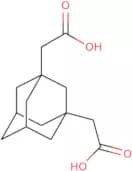
CAS:<p>1,3-Adamantanediacetic acid is a linker molecule that is used in analytical chemistry. It is a bifunctional reagent that reacts with trifluoroacetic acid and triflic acid to form a chelate ring. This reaction product can be analyzed using analytical methods such as gas chromatography or nuclear magnetic resonance spectroscopy. 1,3-Adamantanediacetic acid has been shown to react with amides and hydrogen bonding interactions to form supramolecular structures. The introduction of this compound into the synthesis of peptides has allowed for the elucidation of the structural analysis of these molecules.</p>Formula:C14H20O4Purity:Min. 98 Area-%Color and Shape:PowderMolecular weight:252.31 g/mol1-Adamantane carbonitrile
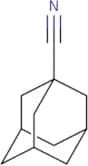
CAS:<p>1-Adamantane carbonitrile is a compound that has been shown to have high binding constants to the covid-19 pandemic. The compound has been shown to be a good candidate for oxidation catalysts and radiation. 1-Adamantane carbonitrile is also a metastable molecule, which means it can exist in two different states with different energy levels. This compound has been found to bind to an endogenous enzyme, as well as being crystalline and having a coordination complex. It has been shown that 1-Adamantane carbonitrile reacts with hydrogen chloride and produces reactive intermediates such as hydrogen chloride. 1-Adamantane carbonitrile has also been shown to have antiviral properties against influenza virus with nmr spectra data showing the presence of this compound in the active site of the influenza virus.</p>Formula:C11H15NPurity:Min. 96.0%Color and Shape:PowderMolecular weight:161.24 g/mol2-Methylamino-2-phenylbutanol hydrochloride
CAS:<p>2-Methylamino-2-phenylbutanol hydrochloride is a fine chemical that can be used in the production of research chemicals, pharmaceuticals, and other specialty chemicals. It is a versatile building block with many applications in organic synthesis. 2-Methylamino-2-phenylbutanol hydrochloride is an intermediate for the production of other useful compounds and has many reactions that are applicable to complex compounds. 2-Methylamino-2-phenylbutanol hydrochloride can also be used as a reagent and has high quality standards.</p>Formula:C11H17NO•HClPurity:(%) Min. 95%Color and Shape:PowderMolecular weight:215.72 g/molHexacosanoic acid
CAS:<p>Hexacosanoic acid is a glycol ether that has been shown to have hypoglycemic activity in mice. It was also shown to increase the levels of fatty acids and decrease the levels of glycerides in rats, which may be due to its ability to inhibit the synthesis of phospholipids. Hexacosanoic acid has been used as an analytical reagent for the determination of p-hydroxybenzoic acid and uronic acid. The polymerization of hexacosanoic acid is catalyzed by a polymerase chain reaction (PCR), which can be used for diagnosis. This molecule has also been found to have anti-inflammatory properties and nitrate reductase activity.</p>Formula:C26H52O2Color and Shape:White PowderMolecular weight:396.69 g/mol4D-Hydroxysphinganine
CAS:<p>Sphingolipid; cell membrane component; anti-inflammatory agent</p>Formula:C18H39NO3Purity:Min. 97 Area-%Color and Shape:White PowderMolecular weight:317.51 g/molSodium pyruvate
CAS:<p>Pyruvate is an intermediary organic acid metabolite in glycolysis and the first of the Embden Meyerhoff pathways that can pass readily in or out of the cell. Thus, the addition of sodium pyruvate to tissue culture medium provides both an energy source and a carbon skeleton for anabolic processes. Furthermore, it assists with maintaining certain specialized cells, is useful when cloning, and may be necessary when the serum concentration is reduced in the medium.</p>Formula:C3H3NaO3Purity:Min. 98.0 Area-%Molecular weight:110.05 g/molCyclic-3-(1,2-ethanediylacetal)-17β-cyano-17α-hydroxy-estra-5(10),9(11)-dien-3-one
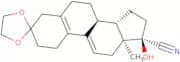
CAS:<p>Cyclic-3-(1,2-ethanediylacetal)-17beta-cyano-17alpha-hydroxy-estra-5(10),9(11)-dien-3 -one is a chemical compound that is used as a reaction component, reagent, and high quality research chemical. It can be used as a useful scaffold or building block for the synthesis of complex compounds. Cyclic-3-(1,2-ethanediylacetal)-17beta-cyano-17alpha -hydroxyestra-5(10),9(11)-diene 3 one has CAS number 3330019 5.</p>Formula:C21H27NO3Purity:Min. 95%Color and Shape:White to off-white solid.Molecular weight:341.44 g/mol3-(Cyclohexylamino)-1-propanesulfonic acid sodium salt
CAS:<p>CAS No. 105140-23-6 is a cyclic sulfonic acid that is used as a reagent, building block, and intermediate in the synthesis of organic compounds. It is soluble in water and has a high melting point, making it useful for research purposes. CAS No. 105140-23-6 is also an excellent scaffold for complex compounds with many functional groups, making it versatile for use in reactions and syntheses.</p>Formula:C9H18NO3SNaMolecular weight:243.3 g/molPivalonitrile
CAS:<p>Please enquire for more information about Pivalonitrile including the price, delivery time and more detailed product information at the technical inquiry form on this page</p>Formula:C5H9NMolecular weight:83.13 g/molcis-4,7,10,13,16,19-Docosahexaenoic acid
CAS:<p>cis-4,7,10,13,16,19-Docosahexaenoic acid (also known as DHA or cervonic acid) is one of the omega-3 fatty acids (a group of highly unsaturated fatty acids). As for most omega-3 fatty acids, good sources of DHA include fish oils and other seafoods. DHA plays a key role in human brain development and function and is also found in high concentration in the retina, central nervous system and skin. As such DHA is a key nutrient which is widely used as a dietary supplement, particularly for infants and pregnant women, with its potential health benefits currently being investigated across a number of different disease areas.</p>Formula:C22H32O2Purity:Min. 80 Area-%Color and Shape:Yellow Clear LiquidMolecular weight:328.49 g/mol2-Chloroethyl methyl sulfide
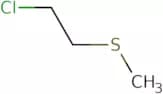
CAS:<p>2-Chloroethyl methyl sulfide (2CEMS) is a reactive compound that has been shown to enhance membrane interactions and fatty acid metabolism in experimental models. 2CEMS is a substrate molecule for the reaction mechanism of the enzyme phospholipase A2, which plays an important role in the production of arachidonic acid. 2CEMS has been shown to have cytotoxic effects on 3T3-L1 preadipocytes, with cell death occurring as a result of kinetic energy emissions. The halides in 2CEMS can coordinate with hematopoietic cells, leading to the inhibition of their proliferation and differentiation. 2CEMS is also able to bind with various metals such as copper and zinc, which may be useful for pharmaceutical drug applications.</p>Formula:C3H7ClSPurity:Min. 96 Area-%Color and Shape:Colorless Yellow Clear LiquidMolecular weight:110.61 g/mol2-Azidoacetic acid
CAS:<p>2-Azidoacetic acid is a versatile chemical building block that can be used to form amides by reaction of the carboxylic acid with a suitable coupling reagent and amine. The azide group can undergo copper(I) catalysed or Huisgen 1,3-dipolar cycloadditin reactions to form triazoles, a common example of click chemistry.</p>Formula:C2H3N3O2Purity:Min. 97.0 Area-%Color and Shape:Colorless Slightly Yellow Clear Liquid PowderMolecular weight:101.06 g/molDiphenylcyclopropenone
CAS:<p>Strained cyclopropene analogue. Used as topical therapy for cutaneous warts, atopic dermatitis and alopecia areata. Efficacy as a single agent for the treatment of cutaneous metastatic melanoma has been reported.</p>Formula:C15H10OPurity:Min. 99 Area-%Color and Shape:White PowderMolecular weight:206.24 g/mol10-Amino-1-decanol
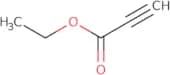
CAS:<p>10-Amino-1-decanol is a synthetic compound that has been shown to be neuroprotective and estrogenic. It also inhibits the growth of MCF-7 cells by interacting with the cell's signalling pathways. This molecule was synthesized by ozonides and contains ether linkages, which may be responsible for its inhibitory activity. The molecular modelling of this molecule shows that it contains an iron chelating group, which may be responsible for its ability to interact with other molecules containing iron. 10-Amino-1-decanol interacts with proteins in a similar way to tamoxifen, inhibiting their activity.</p>Formula:C10H23NOPurity:Min. 95%Color and Shape:White PowderMolecular weight:173.3 g/molEthyl propiolate
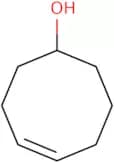
CAS:<p>Ethyl propiolate is a halide that is structurally related to the alkylating agent trifluoroacetic acid. Ethyl propiolate inhibits the activity of several enzymes including phosphofructokinase and pyruvate kinase, which are important for energy metabolism in cells. It also has been shown to have beneficial effects on autoimmune diseases such as lupus erythematosus. The mechanism of action of ethyl propiolate is due to its ability to react with activated oxygen and form an intramolecular hydrogen bond with carbon atoms in the substrate molecule. The reaction between ethyl propiolate and diethyl ketomalonate results in the formation of diethyl 2-propiolate, which can then be hydrolyzed by water into acetaldehyde and diethyl ketomalonate.</p>Formula:C5H6O2Purity:Min. 98 Area-%Color and Shape:Colorless Clear LiquidMolecular weight:98.1 g/mol5-Hydroxy-1-cyclooctene
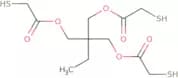
CAS:<p>5-Hydroxy-1-cyclooctene is a monomer of polymers that can be used to introduce new properties to polymers. It is also an effective surface modifier, which can be used to modify the surface properties of polymeric materials. 5-Hydroxy-1-cyclooctene has been shown to bind to calcium ions and may have potential for use in active targeting and as a neutral pH probe. The polymer concentration influences the x-ray structure, which has been studied using x-ray diffraction methods. The absorption spectrum of 5-hydroxy-1-cyclooctene has been examined in vitro and it has been found that this molecule absorbs light in the visible region at wavelengths between 400 nm and 700 nm. It also emits luminescence with a maximum peak at 690 nm. The second order rate constant for the reaction with ruthenium complex is 2.2×10^8 M^(-1)s^(-1). This</p>Formula:C8H14OPurity:Min. 95%Color and Shape:Clear LiquidMolecular weight:126.2 g/molTrimethylolpropane tris(2-mercaptoacetate)
CAS:<p>Trimethylolpropane tris(2-mercaptoacetate) (TMPTMA) is a functional group that is used as an actuator in organic solvent-based inkjet printing. It has been shown to be a cross-linking agent and a treatment effect modifier. TMPTMA has been shown to be a hydroxyl group donor and has the ability to form vinyl groups. In addition, it can act as an organic acid by donating protons and carboxyl groups. TMPTMA can also function as a heat energy absorber and has low molecular weight, making it highly reactive with other substances. The alicyclic structure of TMPTMA makes it susceptible to ring opening reactions with strong acids or bases.</p>Formula:C12H20O6S3Purity:Min. 95%Color and Shape:PowderMolecular weight:356.48 g/molCyclopentylmethanol
CAS:<p>Cyclopentylmethanol is a chemical compound with the molecular formula CH3OH. It is a colorless liquid that is soluble in water and has a distinctive, sweet odor. Cyclopentylmethanol is used as an intermediate in organic synthesis and as a solvent for nitrocellulose, cellulose acetate, cellulose nitrate, and similar materials. It reacts with chlorine at high temperatures to form chlorinated cyclopentylmethanols. This reaction can be used to synthesize hydroxyapatite (a mineral) from calcium phosphate (a mineral). Cyclopentylmethanol also reacts with nicotinic acetylcholine receptors in the brain, causing them to desensitize. Hydroxyapatite can also be synthesized by reacting cyclopentylmethanol with dinucleotide phosphate and hydroxyl group containing compounds such as esters or soluble guanylate cyclase enzymes. The reactions produce hydrogen</p>Formula:C6H12OPurity:Min. 95%Color and Shape:Clear Colourless LiquidMolecular weight:100.16 g/mol5-Amino-1-pentanol
CAS:<p>5-Amino-1-pentanol is a chemical compound that has been shown to stimulate angiogenesis, which is the process of developing new blood vessels from pre-existing ones. It is not currently approved for use in humans and has only been tested on mice. 5-Amino-1-pentanol stimulates angiogenesis by binding to the vascular endothelial growth factor receptor 2 (VEGFR2) protein, which is involved in regulating blood vessel formation. This drug also suppresses cancer gene expression and selectively binds to DNA polymerase α. The amide group of 5-amino-1-pentanol reacts with trifluoroacetic acid to form an amine, which then reacts with water vapor to form a hydroxyl group. This reaction solution can be used as a diagnostic tool for detecting the presence of amines or other nitrogenous compounds.</p>Formula:C5H13NOPurity:Min. 94%Color and Shape:Colorless Yellow PowderMolecular weight:103.16 g/molcis-2-Decenoic acid
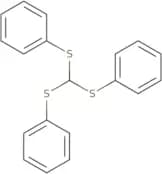
CAS:<p>cis-2-Decenoic acid is a fatty acid that acts as an antimicrobial agent. It has been shown to inhibit the growth of many human pathogens, including methicillin-resistant Staphylococcus aureus, Pseudomonas aeruginosa, and Candida albicans. cis-2-Decenoic acid also inhibits the production of proinflammatory cytokines by lipopolysaccharide and stimulates the production of anti-inflammatory cytokines. cis-2-Decenoic acid was also found to be effective against diabetic neuropathy biofilm in mice and may be useful for treatment of this condition.</p>Formula:C10H18O2Purity:Min. 98 Area-%Color and Shape:Clear LiquidMolecular weight:170.25 g/molTris(phenylthio)methane
CAS:<p>Tris(phenylthio)methane is a formylating reagent that reacts with ethyl formate to produce the nitro compound. It is used in the preparation of β-amino acids and as an asymmetric synthesis catalyst. Tris(phenylthio)methane can be used as a polymerization initiator for metathesis reactions, such as the Suzuki reaction. It has been shown to be a good nucleophile and polymerizing agent when combined with hydrochloric acid or silver trifluoromethanesulfonate. Tris(phenylthio)methane may also react with chloride in the presence of base to produce phosphoric acid esters.</p>Formula:C19H16S3Purity:Min. 95%Color and Shape:Off-White PowderMolecular weight:340.53 g/molDichloroacetic anhydride
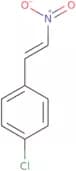
CAS:<p>Please enquire for more information about Dichloroacetic anhydride including the price, delivery time and more detailed product information at the technical inquiry form on this page</p>Formula:C4H2Cl4O3Purity:Min. 95%Color and Shape:Solidified MassMolecular weight:239.9 g/mol1-(4-Chlorophenyl)-2-nitroethene
CAS:<p>1-(4-Chlorophenyl)-2-nitroethene is a high yield, versatile reagent for the synthesis of nitro groups. It is prepared by the reaction of 1-(4-chlorophenyl)ethanone with nitric acid in an organic solvent at a temperature of 100 °C. The product can be used as a dehydrating agent, and also has functional groups such as carbonyl, hydroxyl, methoxy, azide, phenyliodonium. It has been shown to be effective in the conversion of diacetates to oximes and ketones.<br>The 1-(4-chlorophenyl)-2-nitroethene reagent is a yellowish liquid that can be handled magnetically, but should be stored under nitrogen gas to avoid oxidation.</p>Formula:C8H6ClNO2Purity:Min. 95%Color and Shape:Yellow PowderMolecular weight:183.59 g/mol4-Anisylchlorodiphenylmethane
CAS:<p>4-Anisylchlorodiphenylmethane is a trifluoroacetic acid derivative of diphenyl sulfoxide. It is activated by hydrochloric acid and hydrogen chloride to form the corresponding anisyl chlorodiphenylmethane chloride. This compound has a high resistance to nucleophilic attack, with a reaction solution that is resistant to nucleophiles such as water, amines, alcohols, and carboxylic acids. 4-Anisylchlorodiphenylmethane can be synthesized from uridine and acetic acid in the presence of diphenyl sulfoxide and a base. The reaction is then heated at reflux for 24 hours. 4-Anisylchlorodiphenylmethane binds to DNA as well as RNA templates in vitro and can be used for linear regression analysis of DNA sequences. It also has inhibitory effects on cell growth in culture.</p>Formula:C20H17ClOPurity:Min. 95%Color and Shape:White PowderMolecular weight:308.8 g/mol

![1-(4-Bromobutoxy)-4-{1,2,2-tris[4-(4-bromobutoxy)phenyl]ethenyl}benzene](/_next/image/?url=https%3A%2Fstatic.cymitquimica.com%2Fproducts%2F10%2Fthumb-webp%2FF696028.webp&w=3840&q=75)

![(2E)-3-[4-(benzyloxy)phenyl]-1-(3-methoxyphenyl)prop-2-en-1-one](/_next/image/?url=https%3A%2Fstatic.cymitquimica.com%2Fproducts%2F10%2Fthumb-webp%2FF524015.webp&w=3840&q=75)


![(2E)-3-[4-(benzyloxy)phenyl]-1-(3-nitrophenyl)prop-2-en-1-one](/_next/image/?url=https%3A%2Fstatic.cymitquimica.com%2Fproducts%2F10%2Fthumb-webp%2FF523742.webp&w=3840&q=75)