Aliphatic compounds and derivatives
Found 8748 products of "Aliphatic compounds and derivatives"
α-Bromostyrene (~90%, ~1% Hydroquinone as stabilizer)
CAS:Controlled ProductApplications (1-Bromoethenyl)-benzene is a useful synthetic intermediate. It is a reactant used to synthesize Potassium (1-Phenylcyclopropyl)trifluoroborate (P698400). It can also be used in the synthesis of substituted cyclopentenones.
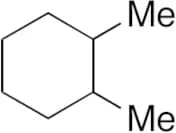
References Zhang, L., et al.: J. Am. Chem. Soc., 128, 1442 (2006)Formula:C8H7BrColor and Shape:NeatMolecular weight:183.051,2-Dimethylcyclohexane
CAS:Controlled ProductApplications 1,2-Dimethylcyclohexane is used in the preparation of rhodium nanoparticles as recyclable catalysts.
Not a dangerous good if item is equal to or less than 1g/ml and there is less than 100g/ml in the package
References Stratton, S.A., et. al.: Catalysis Today, 183, 96 (2012)Formula:C8H16Color and Shape:NeatMolecular weight:112.21Mesityl oxide
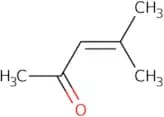
CAS:Mesityl oxide is a nitro compound that is used as an intermediate for the synthesis of other compounds. It is prepared by the reaction of acetone and malonic acid in the presence of phosphorus pentoxide. The optimum concentration for this reaction is 1.5 M in acetone and 0.1 M in malonic acid. The product is purified by solid phase extraction using a microextraction device and then recrystallized from acetone-methanol to obtain pure mesityl oxide. Mesityl oxide has been shown to inhibit prostate cancer cells, which may be due to its ability to react with hydroxyl groups on proteins to form methoxy radicals, which break down DNA molecules.Formula:C6H10OPurity:Min. 95%Color and Shape:Clear LiquidMolecular weight:98.14 g/molHydroxypropanedial
CAS:Hydroxypropanedial is a hydroxy group-containing compound that is not found in natural sources. It has antioxidative properties, which may be due to its ability to scavenge reactive oxygen species or donate hydrogen atoms to free radicals. The compound also has cyclohexane ring and carbonyl groups, which are responsible for the hydroxyl and carboxylic acid functionalities respectively. This substance is used as a chromatographic reagent to measure second-order rate constants of reactions involving hydroxyl radicals. Hydroxypropanedial absorbs light strongly at wavelengths shorter than 300 nm, which is the most effective wavelength range for uv absorption in biological systems.
Formula:C3H4O3Purity:Min. 95%Color and Shape:Off-White To Light (Or Pale) Brown SolidMolecular weight:88.06 g/molParaffin oil
CAS:Paraffin oil is a mixture of hydrocarbons that is liquid at room temperature and pressure. It has been shown to inhibit the growth of human osteosarcoma cells in vitro, with a potency corresponding to that of delphinidin, a natural compound found in plants. Paraffin oil also has an inhibitory effect on the mitochondrial membrane potential and on the release of pro-inflammatory cytokines such as TNF-α and IL-6 by HL-60 cells. This inhibition may be due to the ability of paraffin oil to bind to Toll-like receptors (TLRs). The molecular mechanism underlying this inhibition remains unknown. Paraffin oil can be used as a model system for epigenetic modulators because it induces histone acetylation, which alters gene expression.Purity:Min. 95%tert-Butyl 3-bromopropionate
CAS:Tert-butyl 3-bromopropionate is a linker for the synthesis of pleuromutilin derivatives. It has been used as a model substrate for studying the effects of hypertrophy on cardiac muscle. Tert-butyl 3-bromopropionate has also been shown to inhibit the production of proinflammatory cytokines in response to bacterial infection, and can be used as an antibacterial agent. Tert-butyl 3-bromopropionate binds to RNA and inhibits protein synthesis, which leads to cell death by preventing the production of proteins vital for cell division. Tert-butyl 3-bromopropionate is also a potent inhibitor of chloride channels that are found in nerve cells and prevents the flow of chloride ions through these channels, leading to paralysis. This drug also inhibits hydrogen fluoride excretion in rats, which may be due to its ability to bind with chloride ions in the kidney tubules, preventing their
Formula:C7H13BrO2Purity:Min. 95%Color and Shape:Colorless Clear LiquidMolecular weight:209.08 g/mol1,2-Ethanedithiol
CAS:1,2-Ethanedithiol is a molecule that consists of a sulfur atom and two ethyl groups. It can form stable complexes with hydrogen fluoride and trifluoroacetic acid as well as hydrochloric acid. 1,2-Ethanedithiol is reactive with nucleophiles such as amines, thiols, and alcohols. The molecule has an electrochemical impedance spectroscopy (EIS) model system that has shown to react with the electron flow from the electrode to the solution of a compound. The EIS model system also showed that a conformational change in the molecule could result in light emission.Formula:C2H6S2Purity:Min. 95%Color and Shape:Colorless Clear LiquidMolecular weight:94.2 g/molChlorobutanol
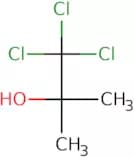
CAS:Chlorobutanol is an antimicrobial agent that is used in the preservation of pharmaceuticals, cosmetics, and other products. It has been shown to be effective against a variety of bacterial and fungal organisms. Chlorobutanol is also used as a preservative in topical ophthalmic preparations. In addition, chlorobutanol has been found to be a potent inhibitor of histone deacetylase (HDAC) activity, which may be due to its ability to bind to the active site of HDACs. This binding prevents acetylation of lysine residues on histones, thereby preventing transcriptional activation.Formula:C4H7OCl3Purity:Min. 95%Color and Shape:White To Off-White SolidMolecular weight:177.46 g/mol1-Docosanol
CAS:Docosanol is a drug that is used for the treatment of various skin disorders, including psoriasis, eczema, and ichthyosis. It is also used as an adjuvant in the treatment of chronic obstructive pulmonary disease. Docosanol is a lipid molecule that has been shown to have antiviral, antibacterial, antifungal, and antiprotozoal properties. It can be used as a carrier for topical medications and has been shown to have anti-inflammatory effects. The mechanism of action for docosanol is not well understood but may involve its ability to bind to Toll-like receptors on macrophages and neutrophils in the skin. This binding inhibits the synthesis of inflammatory mediators such as prostaglandins and leukotrienes. Docosanol also has physiological effects on water balance by acting as a surfactant in the lungs and preventing water vapor from escaping through respiratory membranes in the nose or mouth. DocosanolFormula:C22H46OPurity:Min. 95%Color and Shape:PowderMolecular weight:326.6 g/molN-Methylbutane-1,4-diamine, dihydrochloride
CAS:Putrescine is a metabolite that is produced by the breakdown of amino acids and proteins. It can be synthesized from ornithine, citrulline, and arginine. Putrescine is a precursor to polyamines such as spermidine and spermine, which are important for cell growth. Mouse studies have shown that putrescine is a conjugate base that may act as a neurotransmitter or neuromodulator in the central nervous system.Formula:C5H16Cl2N2Purity:Min. 95%Color and Shape:PowderMolecular weight:175.1 g/molLinoleic acid
CAS:Linoleic acid is an organic compound that is a polyunsaturated omega-6 fatty acid. It is a common lipid and reaction component in the chemical industry. Linoleic acid has been shown to be useful as a building block in organic synthesis, as well as in the production of speciality chemicals, such as surfactants. Linoleic acid can be used to prepare many types of products, including pharmaceuticals, pesticides, and plastics. The CAS number for linoleic acid is 60-33-3.
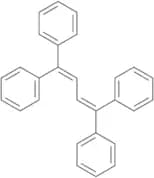
Formula:C18H32O2Molecular weight:280.45 g/mol1,1,4,4-Tetraphenyl-1,3-butadiene
CAS:1,1,4,4-Tetraphenyl-1,3-butadiene is a chemical compound that is stable in air and water. It has been shown to be active against pluripotent cells which are the precursor of all cells in the body. 1,1,4,4-Tetraphenyl-1,3-butadiene has been used for a number of biochemical research studies and has been shown to have electrochemical properties as an electrode material. This compound also has high values for toxicological studies. It can be found in the atmosphere at low levels but can also be released into the environment from industrial sources such as electric arc furnaces or coal burning plants.
Formula:C28H22Purity:Min. 99.0%Color and Shape:White PowderMolecular weight:358.47 g/mol2-Ethenyl-5-methylfuran
CAS:2-Ethenyl-5-methylfuran is a monomer that belongs to the group of styrene. It has been shown to polymerize with cationic polymerization, and it can be used as a marker for carbohydrate. 2-Ethenyl-5-methylfuran is also able to copolymerize with many other monomers, including acrylonitrile and acrylic acid. The reactions of 2-ethenyl-5-methylfuran are similar to those of coumarin derivatives and trifluoroacetic acid. 2-Ethenyl-5-methylfuran can be used in chemical reactions, such as model systems.
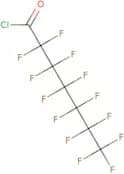
Formula:C7H8OPurity:Min. 95%Color and Shape:Clear LiquidMolecular weight:108.14 g/molPerfluoroheptanoyl chloride
CAS:Perfluoroheptanoyl chloride is a fluorinated hydrocarbon that is used as a surfactant in detergent compositions. It has been shown to be biostable, which means it does not react with other molecules in the environment. This compound also has low environmental toxicity because of its resistance to peroxidation and its ability to form stable complexes with metals. Perfluoroheptanoyl chloride has been shown to cause allergic reactions in some people and may cause adverse effects on animal health. Research on the effects of perfluoroheptanoyl chloride on Xenopus oocytes has demonstrated that this compound can affect gene expression and result in cell death.
Formula:C7CIF13OPurity:Min. 95%Color and Shape:Colourless LiquidMolecular weight:382.51 g/mol3,4-Dihydro-2H-pyran-2-methanol
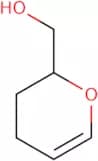
CAS:3,4-Dihydro-2H-pyran-2-methanol is a tetrahydropyran alcohol that has been shown to be able to form cationic polymers in the presence of a ring-opening metathesis polymerization catalyst. The chloride anion is also capable of initiating the polymerization reaction. This compound has potential applications as a drug delivery agent or biomaterials scaffold due to its ability to act as a linker for the synthesis of biocompatible polymers. 3,4-Dihydro-2H-pyran-2-methanol can also be used in molecular modelling studies to explore the reactivity between hydroxy groups and nucleophiles.
Formula:C6H10O2Purity:Min. 95%Color and Shape:Colorless PowderMolecular weight:114.14 g/mol10-Nitro oleic acid
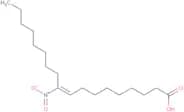
CAS:10-Nitro oleic acid is a nitro compound that has been shown to have a low binding affinity for DNA. It has been shown to induce reactive oxygen species (ROS) in cells, which may be caused by its ability to bind to the response element of the promoter region of an interferon-induced gene. In addition, 10-Nitro oleic acid also binds to single-stranded RNA and induces protein thiols. The polymerase chain reaction (PCR) technique has been used to detect 10-Nitro oleic acid in rat urine and human erythrocytes. 10-Nitro oleic acid is not active against human polymorphonuclear leukocytes or human mdr1 cells; however, it is active against kidney injury cells and chronic liver diseases cells.
Formula:C18H33NO4Purity:Min. 95%Color and Shape:PowderMolecular weight:327.46 g/mol2-(2-Phenoxyethoxy)ethanol
CAS:2-(2-Phenoxyethoxy)ethanol is a fine chemical and a useful building block. It is an important intermediate in the synthesis of other chemicals, such as pharmaceuticals, herbicides, and pesticides. 2-(2-Phenoxyethoxy)ethanol can be used as a research chemical or reagent. It can also be used to prepare complex compounds and versatile scaffolds. CAS No. 104-68-7
Formula:C10H14O3Purity:Min. 95.0 Area-%Molecular weight:182.24 g/mol1,4,7-Triazacyclononane trihydrochloride
CAS:1,4,7-Triazacyclononane trihydrochloride is a coordination compound that belongs to the class of ligands. It is a chelate ring with six phosphate groups and six nitrogen atoms. It has been shown to behave as an irreversible oxidation catalyst for carboxylate and amine molecules. This molecule also has redox potentials in the range of -0.35 to -0.5 volts and can reversibly oxidize inorganic acids with strong electron-donating properties such as phosphoric acid, nitric acid, and sulfuric acid. 1,4,7-Triazacyclononane trihydrochloride has been shown to be effective as a hydrogen bonding agent in x-ray crystal structures.
Formula:C6H15N3·3HClPurity:Min. 95%Color and Shape:Off-White PowderMolecular weight:238.59 g/mol1-Bromo-3-chloropropane
CAS:1-Bromo-3-chloropropane is a chemical that has been used in the synthesis of various organic compounds. It has been shown to exhibit neurotoxicity, as well as to be carcinogenic and mutagenic. The compound can also affect the central nervous system by decreasing locomotor activity. It has also been shown to cause respiratory problems in rats, and may be toxic if inhaled or ingested. 1-Bromo-3-chloropropane exhibits cytotoxic effects on human cells grown in vitro, which may be due to its ability to bind nucleophilic groups on proteins. This reaction is thought to yield an acylated product with a chloride ion at one terminus and a methyl anthranilate at the other terminus.Formula:C3H6BrClPurity:Min. 98 Area-%Color and Shape:Colorless Clear LiquidMolecular weight:157.44 g/molMaleic acid
CAS:Maleic acid is dicarboxylic acid. It is the cis isomer. The trans isomer is fumaric acid
Formula:C4H4O4Purity:Min. 95%Color and Shape:White Clear LiquidMolecular weight:116.07 g/mol