Aliphatic compounds and derivatives
Found 8755 products of "Aliphatic compounds and derivatives"
1-Adamantane carbonitrile
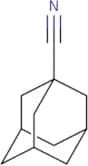
CAS:1-Adamantane carbonitrile is a compound that has been shown to have high binding constants to the covid-19 pandemic. The compound has been shown to be a good candidate for oxidation catalysts and radiation. 1-Adamantane carbonitrile is also a metastable molecule, which means it can exist in two different states with different energy levels. This compound has been found to bind to an endogenous enzyme, as well as being crystalline and having a coordination complex. It has been shown that 1-Adamantane carbonitrile reacts with hydrogen chloride and produces reactive intermediates such as hydrogen chloride. 1-Adamantane carbonitrile has also been shown to have antiviral properties against influenza virus with nmr spectra data showing the presence of this compound in the active site of the influenza virus.Formula:C11H15NPurity:Min. 96.0%Color and Shape:PowderMolecular weight:161.24 g/mol3,3'-Dithiobis-1-propanesulfonic acid disodium salt
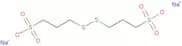
CAS:Brightening agent used for copper electroplatingFormula:C6H12O6S4·2NaPurity:Min. 90 Area-%Color and Shape:White PowderMolecular weight:354.39 g/mol2-Oxa-7-azaspiro[3.5]nonane hemioxalate
CAS:2-Oxa-7-azaspiro[3.5]nonane hemioxalate is a fine chemical that is used as a building block in research and development of complex compounds, such as pharmaceuticals, agrochemicals, and polymers. It has been shown to be useful in the synthesis of heterocycles, such as pyrrolidines, piperazines, indoles, and benzoxazoles. 2-Oxa-7-azaspiro[3.5]nonane hemioxalate can serve as a versatile building block for the preparation of various scaffolds with different functionalities. 2-Oxa-7-azaspiro[3.5]nonane hemioxalate is a reagent that can be used for the preparation of other compounds and intermediates as well.Formula:C7H13NOC2H2O4Purity:Min. 95%Color and Shape:Off-White Clear LiquidMolecular weight:172.2 g/moltert-Butylisocyanate
CAS:Tert-butylisocyanate is a reactive chemical that contains a carboxylate group. It is an ester hydrochloride that can be synthesized by reacting trifluoroacetic acid with molybdenum trioxide. This compound has been studied using X-ray crystal structures and the intramolecular hydrogen transfer reaction between two nitrogen atoms in the molecule. Tert-butylisocyanate is stable in solution because it does not react with water or alkalis, but does react with sodium carbonate, forming sodium cyanate and tetrabutylammonium hydroxide. Tert-butylisocyanate reacts with inorganic acids such as sulfuric acid to form its corresponding salts. The chelate ligand of tert-butylisocyanate prevents it from reacting with transition metals such as copper and iron, but will react with zinc metal.Formula:C5H9NOPurity:Min. 98 Area-%Color and Shape:Colorless Clear LiquidMolecular weight:99.13 g/mol4-Bromo-1-butene
CAS:4-Bromo-1-butene is a useful building block, reaction component, and useful scaffold that can be used in the synthesis of various chemical compounds. This compound is a high quality, complex compound with versatile building blocks that can be used as a reagent in research or as a speciality chemical. 4-Bromo-1-butene has been found to have many uses in the production of other chemicals such as pharmaceuticals, pesticides, and cosmetics.Formula:C3H8INMolecular weight:185.01 g/mol2,3-Dibromopropene - stabilized with copper chip
CAS:2,3-Dibromopropene - stabilized with copper chip (2,3-DBPC) is a novel bromination reagent that can be used for the synthesis of polypeptides. This compound has been shown to react with acyl halides in an asymmetric synthesis. The reaction mechanism is thought to be via the addition of 2,3-DBPC to the carbonyl group of an acyl halide and subsequent elimination of bromoethane. 2,3-DBPC also reacts with ethanolamine in the presence of carbon disulphide and x-ray diffraction data have shown that this reaction proceeds through a 1,4 addition mechanism.Formula:C3H4Br2Purity:Min. 90 Area-%Color and Shape:Brown Colorless Yellow Clear LiquidMolecular weight:199.87 g/molDiphenylcyclopropenone
CAS:Strained cyclopropene analogue. Used as topical therapy for cutaneous warts, atopic dermatitis and alopecia areata. Efficacy as a single agent for the treatment of cutaneous metastatic melanoma has been reported.Formula:C15H10OPurity:Min. 99 Area-%Color and Shape:White PowderMolecular weight:206.24 g/mol2-Chloroethyl methyl sulfide
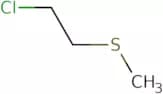
CAS:2-Chloroethyl methyl sulfide (2CEMS) is a reactive compound that has been shown to enhance membrane interactions and fatty acid metabolism in experimental models. 2CEMS is a substrate molecule for the reaction mechanism of the enzyme phospholipase A2, which plays an important role in the production of arachidonic acid. 2CEMS has been shown to have cytotoxic effects on 3T3-L1 preadipocytes, with cell death occurring as a result of kinetic energy emissions. The halides in 2CEMS can coordinate with hematopoietic cells, leading to the inhibition of their proliferation and differentiation. 2CEMS is also able to bind with various metals such as copper and zinc, which may be useful for pharmaceutical drug applications.Formula:C3H7ClSPurity:Min. 96 Area-%Color and Shape:Colorless Yellow Clear LiquidMolecular weight:110.61 g/mol1-Octanesulfonic acid sodium salt
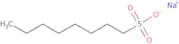
CAS:1-Octanesulfonic acid sodium salt is a chemical compound that can be used to prepare surfactants. It has been shown to have a high optimum concentration for the formation of stable foam and is compatible with blood sampling, hydrophobic effect, and ester hydrochloride. 1-Octanesulfonic acid sodium salt has also been used as an analytical method for detecting sulfate ion in the presence of other ions on the basis of its reactivity with potassium permanganate. The detection limit is 0.1 ppm with a reaction solution containing 1% octanesulfonic acid sodium salt and 3% potassium permanganate. The chemical stability at pH 2 is higher than that at pH 7 because the sulfonate group acts as a buffer at low pH. 1-Octanesulfonic acid sodium salt can be quantified by means of fluorescence detector or electrochemical detector after it reacts with phenolphthalein in an acidic solution.
Formula:C8H18O3S•NaPurity:Min. 98%Color and Shape:White PowderMolecular weight:217.28 g/mol2,3-Butanedione monoxime
CAS:2,3-Butanedione monoxime (BDM) is a metabolite of the glycol ether, 2,3-butanedione. It has been shown to have a beneficial effect on metabolic disorders in rats by modulating several enzyme activities. The optimum concentration of BDM is 2 mmol/L. This compound has also been shown to inhibit the oxidation of xanthine oxidase and the formation of hydroxyl radicals in vitro. BDM has also been found to have synchronous fluorescence with papillary muscles from guinea pigs and cytosolic ca2+ levels in rat liver cells. The structure analysis revealed that BDM binds to the active site of the x-ray crystal structures for mitochondrial cytochrome C oxidase and cardiac ATP synthase with an affinity similar to that of CoQ10. The Langmuir adsorption isotherm for BDM was calculated as 0.913 +/- 0.034 cm/g at 20 degrees Celsius,
Formula:C4H7O2NPurity:(%) Min. 99%Color and Shape:White PowderMolecular weight:101.1 g/mol1,3,3-Trimethoxypropene
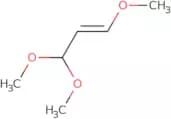
CAS:1,3,3-Trimethoxypropene is a fluorophore that can be used for the labeling of nucleic acids. It has been shown to be photostable and can be used in fluorescence techniques. 1,3,3-Trimethoxypropene has also been used in structural biology research and studies on the physicochemical properties of fluorescent probes. This compound can also be used as a building block for the synthesis of supramolecular structures and conjugates with other molecules that have different properties. 1,3,3-Trimethoxypropene is a fluorophore that emits cyanines in the visible range of light.
Formula:C6H12O3Purity:Min. 95%Color and Shape:Clear LiquidMolecular weight:132.16 g/mol1,3-Di-(2-pyrenyl)propane
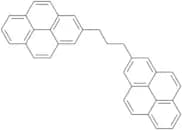
CAS:1,3-Di-(2-pyrenyl)propane is a synthetic molecule that has been used as a model for the phosphatidylethanolamine (PE) component of bacterial membranes. 1,3-Di-(2-pyrenyl)propane has been shown to have a phase transition temperature of -7 degrees Celsius. It is hydrophobic and highly soluble in organic solvents like chloroform, ethanol, ether, and benzene. This molecule is kinetically inert and thermodynamically stable. The monomeric form of 1,3-Di-(2-pyrenyl)propane is not sensitive to ionizing radiation. However, in the bilayer form it is highly sensitive to radiation and can lead to the formation of double bonds that can break down into radicals.
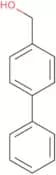
Formula:C35H24Purity:Min. 95%Color and Shape:White PowderMolecular weight:444.57 g/mol4-Biphenylmethanol
CAS:4-Biphenylmethanol is a low potency naphthalene derivative that has been shown to be carcinogenic in animal studies. It is also an inhibitor of protein synthesis, which may play a role in its carcinogenic potential. 4-Biphenylmethanol has been shown to inhibit the growth of Salmonella typhimurium and Saccharomyces cerevisiae strain when used at concentrations of 50 μg/mL or higher. This compound can react with hydrochloric acid to form hydrogen bonding interactions, which may account for its observed antibacterial activity.
Formula:C13H12OPurity:Min. 95%Color and Shape:PowderMolecular weight:184.23 g/molAgaric acid
CAS:Agaric acid is a high-quality, versatile chemical that is used as an intermediate in many organic and biochemistry reactions. It is also used as a reagent for the isolation of metals such as silver and gold. As a complex compound, it has many uses, including being a useful building block in the synthesis of various drugs. Agaric acid can be used to produce other chemicals such as speciality chemicals or research chemicalsFormula:C22H40O7Molecular weight:416.56 g/molRef: 3D-A-3920
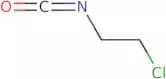
1gTo inquire5gTo inquire250mgTo inquire500mgTo inquire2500mgTo inquire-Unit-ggTo inquire2-Chloroethyl isocyanate
CAS:Inhibitor of DNA repair mechanisms
Formula:C3H4ClNOPurity:Min. 98%Color and Shape:Colorless Clear LiquidMolecular weight:105.52 g/mol4-Amino-1-butanol
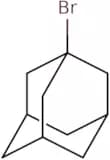
CAS:4-Amino-1-butanol is a natural compound that is not toxic to humans. It is amide with a hydrophilic interaction chromatography property, and has been shown to have hemolytic activity against human erythrocytes. 4-Amino-1-butanol has been shown to be an inhibitor of the HIV virus, with minimal toxicity. It has also been shown to inhibit the replication of the wild type virus in cells in vitro and in vivo, which is due to its ability to bind with the enzyme ethylene diamine. The inhibition of this enzyme leads to a reduction in biological activity of amines.Formula:C4H11NOPurity:Min. 95%Color and Shape:Slightly Yellow Clear LiquidMolecular weight:89.14 g/mol1-Bromoadamantane - 90%min
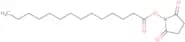
CAS:1-Bromoadamantane is a quinoline derivative that binds to the inflammatory bowel disease molecule. It is used as a pharmaceutical preparation for the treatment of inflammatory bowel disease. 1-Bromoadamantane is synthesized by the palladium-catalyzed coupling reaction of 2,6-dimethoxybenzene and trifluoromethanesulfonic acid. The synthesis method involves the use of hydrochloric acid and hydroxyl group. 1-Bromoadamantane has been shown to have binding constants with ileal and colonic tissue in rats with experimental colitis.Formula:C10H15BrPurity:Min. 90%Color and Shape:PowderMolecular weight:215.13 g/molN-Succinimidyl myristate
CAS:N-Succinimidyl myristate is a long-chain fatty acid that contains a sulfur atom at its head. It is used in the production of diagnostic products and insulin analogs, as well as in the industrial production of organic solvents. N-Succinimidyl myristate reacts with serum albumin, forming an activated product that can be used in diagnostic tests. This reaction product is also used to bind proteins to fluorine atoms for use in industrial processes.Formula:C18H31NO4Purity:Min. 95%Color and Shape:PowderMolecular weight:325.44 g/molTrimethyl orthovalerate
CAS:Used for synthesis of dihydropyran-4-onesFormula:C8H18O3Purity:Min. 97 Area-%Color and Shape:Colorless Clear LiquidMolecular weight:162.23 g/mol(R)-(-)-1,3-Butanediol
CAS:(R)-(-)-1,3-Butanediol is a chiral compound that belongs to the group of organic compounds called diols. It is used in the fermentation of Candida parapsilosis and other yeast species to produce enantiomerically pure (S)-(-)-1,3-butanediol. The racemate can be converted into the two enantiomers by chemical means or by enzymatic resolution. The process for large-scale production is similar to that for ethanol fermentation, but with 2-propanol as substrate instead of glucose. The fermentor has been shown to be effective at producing large quantities of 1,3-butanediol in a short time period.
Formula:C4H10O2Purity:Min. 98%Color and Shape:Colorless Clear LiquidMolecular weight:90.12 g/molβ-Glycerophosphate, disodium salt pentahydrate, max. 2% α
CAS:Beta-Glycerophosphate, Disodium Salt Pentahydrate is a complex compound that is used as a reagent, useful intermediate, and fine chemical. It is also useful as a scaffold or building block for the synthesis of organic compounds. Beta-glycerophosphate has CAS No. 13408-09-8 and is classified as a speciality chemical. This compound can be used in research and development for versatile building blocks and reaction components to synthesize organic compounds.Formula:C3H17Na2O11PMolecular weight:306.12 g/molRef: 3D-G-4200
1kgTo inquire100gTo inquire250gTo inquire500gTo inquire2500gTo inquire-Unit-kgkgTo inquire2-Chloroethyl isocyanate
CAS:Please enquire for more information about 2-Chloroethyl isocyanate including the price, delivery time and more detailed product information at the technical inquiry form on this page
Formula:C3H4ClNOPurity:Min. 99.0 Area-%Molecular weight:105.52 g/mol(R)-2-Methylbutyric acid
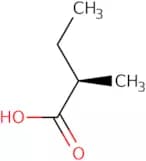
CAS:(R)-2-Methylbutyric acid is a synthetic compound that has the same stereoisomeric configuration as 2-methylbutyric acid. The difference in the two molecules is that the (R) form has a hydroxyl group on the alpha carbon, while 2-methylbutyric acid does not. This compound is stable under acidic conditions, but hydrolyzes to form butyric acid when exposed to basic conditions. It is used in industrial applications such as food production and as an intermediate in synthesizing other compounds such as tiglic acid or amido groups.Formula:C5H10O2Purity:Min. 95%Color and Shape:Yellow PowderMolecular weight:102.13 g/molHexachlorocyclopentadiene
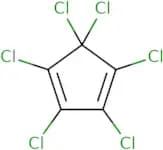
CAS:Only available for delivery in the Europe. Prohibited for transport by air. The substantial reactivity and versatility of Hexachlorocyclopentadiene in facilitating multiple synthetic pathways make it indispensable in both agrochemical and industrial sectors.Formula:C5Cl6Purity:Min. 97 Area-%Color and Shape:Clear LiquidMolecular weight:272.77 g/molImidazolyl-4-ethanol
CAS:Imidazolyl-4-ethanol is a glycoside derivative that inhibits the synthesis of proteins, fats, and nucleic acids by inhibiting the enzyme phosphofructokinase. The compound has been shown to have anti-inflammatory properties that are similar to those of nonsteroidal antiinflammatory drugs. This drug also has a kinetic energy of -1.2 kcal/mol and it has a ph optimum of 7.5. Imidazolyl-4-ethanol has been shown to be useful in vitro for the synthesis of antibodies against monoclonal antibodies and for radiation protection. It can also be used as a radioactive tracer in vivo.Formula:C5H8N2OPurity:Min. 90 Area-%Color and Shape:PowderMolecular weight:112.13 g/molDipropyl ether
CAS:Dipropyl ether is an ether that has a glycol ether backbone. It is used as a solvent in the production of optical sensors, and it may be used as a carrier for fatty acids. Dipropyl ether also has the ability to transport water, which makes it useful for wastewater treatment. This compound is synthesized by reacting ethylene diamine with two equivalents of propylene oxide. The glycol chain consists of two hydroxyl groups that are separated by an intramolecular hydrogen bond, which stabilizes the molecule and prevents it from reacting with other substances.Formula:C6H14OPurity:Min. 99.0 Area-%Color and Shape:Colorless Clear LiquidMolecular weight:102.17 g/molEthyl propiolate
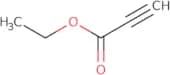
CAS:Ethyl propiolate is a halide that is structurally related to the alkylating agent trifluoroacetic acid. Ethyl propiolate inhibits the activity of several enzymes including phosphofructokinase and pyruvate kinase, which are important for energy metabolism in cells. It also has been shown to have beneficial effects on autoimmune diseases such as lupus erythematosus. The mechanism of action of ethyl propiolate is due to its ability to react with activated oxygen and form an intramolecular hydrogen bond with carbon atoms in the substrate molecule. The reaction between ethyl propiolate and diethyl ketomalonate results in the formation of diethyl 2-propiolate, which can then be hydrolyzed by water into acetaldehyde and diethyl ketomalonate.Formula:C5H6O2Purity:Min. 98 Area-%Color and Shape:Colorless Clear LiquidMolecular weight:98.1 g/mol1,4-Cyclohexanedione monoethlylene acetal
CAS:1,4-Cyclohexanedione monoethlylene acetal is a hydrochloric acid analog of pyrazole. It has been shown to bind selectively to serotonin receptors in the central nervous system and is used as an anti-inflammatory drug. 1,4-Cyclohexanedione monoethlylene acetal has a stereoselective profile that can be used for the treatment of inflammatory diseases. It has also been shown to have immunosuppressant properties, which may be due to its ability to inhibit T-cell proliferation and cytokine production.Formula:C8H12O3Purity:Min. 95%Color and Shape:White PowderMolecular weight:156.18 g/mol1,2-Dioleoyl-sn-glycerol
CAS:1,2-Dioleoyl-sn-glycerol is a lipid molecule that contains an acyl chain of carbon atoms with two double bonds. It is formed through the union of glycerol and oleic acid. 1,2-Dioleoyl-sn-glycerol has been shown to activate diacylglycerol and fatty acid, which are important for cell signaling. The enzyme activity of 1,2-dioleoyl-sn-glycerol is dependent on its concentration in the body. This molecule also interacts with membranes by hydrogen bonding and can form a hydrophobic region that may be used to stabilize membrane structures.Formula:C39H72O5Purity:Min. 95%Color and Shape:LiquidMolecular weight:620.99 g/mol3-Bromo-1-propanol
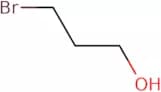
CAS:3-Bromo-1-propanol is a chemical compound that contains a hydroxyl group and an asymmetric carbon atom. This molecule has been used as a model system to study the reaction mechanism of alcohol dehydrogenase, which is the enzyme responsible for the oxidation of ethanol. 3-Bromo-1-propanol has been shown to inhibit the growth of bacteria such as Staphylococcus aureus, which are resistant to penicillin. The pharmacokinetic properties of 3-bromo-1-propanol have been studied in dogs with congestive heart failure.
Formula:C3H7BrOPurity:Min. 97 Area-%Color and Shape:Colorless Clear LiquidMolecular weight:138.99 g/mol1,2,5,6-Diepoxycyclooctane
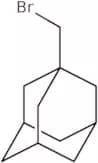
CAS:1,2,5,6-Diepoxycyclooctane is a chemical compound that has been used as a crosslinking agent for the polymerization of epoxies. It is also used as a reactive intermediate in organic synthesis. 1,2,5,6-Diepoxycyclooctane can be prepared by reacting epichlorohydrin with ethylene oxide and then hydrogenation. This chemical compound is stable to ultraviolet light and does not react with cationic surfactants. 1,2,5,6-Diepoxycyclooctane can form monoadducts or diploid adducts when it reacts with chemicals such as dioxane and benzene. The nmr spectra of 1,2,5,6-diepoxycyclooctane show signals characteristic of epoxides.Formula:C8H12O2Purity:Min. 95%Color and Shape:PowderMolecular weight:140.18 g/mol1-(Bromomethyl)adamantane
CAS:1-(Bromomethyl)adamantane is a synthetic chemical that is used in the preparation of other chemicals. The active site of 1-(bromomethyl)adamantane can be found on its bromine atom, which has been shown to react with copper. The regioselectivity is determined by the 1-position on adamantane, and the thermodynamic constants are affected by the carbon-halogen bond, which is present in 1-(bromomethyl)adamantane. This compound has been shown to have chromatographic properties that make it useful for separating compounds that are similar in structure. It can also be used as a reagent to synthesize other chemicals or prepare them for use in experiments.
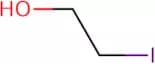
Formula:C11H17BrPurity:Min. 95%Color and Shape:White PowderMolecular weight:229.16 g/mol2-Iodoethanol - stabilised with copper
CAS:2-Iodoethanol is a chemical compound that has the chemical formula CH2CHIO2. It is used as a reagent in analytical chemistry, as well as in pharmaceutical preparations and polymerase chain reactions. The hydroxyl group on the ethoxy side of this molecule is important for its reactivity, with 2-iodoethanol having an electron affinity of 5.4 eV. This reactivity can also be seen when it is reacted with sodium carbonate to form sodium ethoxide, which has been shown to have anti-hyperproliferative properties. 2-Iodoethanol has been shown to be particularly effective against plant metabolites, such as 5-membered heteroaryl compounds.Formula:C2H5IOPurity:Min. 98.5 Area-%Color and Shape:PowderMolecular weight:171.96 g/mol2-Methyl-3-biphenylmethanol
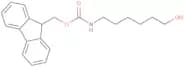
CAS:2-Methyl-3-biphenylmethanol (2MBPM) is a low potency chemical that is used as a surrogate for 2,4,6-trinitrotoluene (TNT). It has been shown to bind to the same sites on the death protein as TNT and other nitroaromatic compounds. 2MBPM can be synthesized by coupling biphenyl with methylmagnesium bromide in the suzuki coupling reaction. 2MBPM inhibits the growth of cancer cells by inhibiting PD-L1 expression. This compound also has oxidative properties and can act as an oxidation catalyst.Formula:C14H14OPurity:Min. 95%Color and Shape:PowderMolecular weight:198.26 g/mol6-(Fmoc-amino)-1-hexanol
CAS:6-(Fmoc-amino)-1-hexanol is a high quality chemical that can be used as an intermediate in the synthesis of many complex compounds, such as pharmaceuticals, fine chemicals and research chemicals. It is often used as a building block in the synthesis of other useful chemicals and has been shown to have versatile reactions with many functional groups. 6-(Fmoc-amino)-1-hexanol can be used in reactions involving nucleophilic substitution, elimination, amination, esterification and transesterification.Formula:C21H25NO3Purity:Min. 95%Color and Shape:PowderMolecular weight:339.43 g/molDichloroacetic anhydride
CAS:Please enquire for more information about Dichloroacetic anhydride including the price, delivery time and more detailed product information at the technical inquiry form on this pageFormula:C4H2Cl4O3Purity:Min. 95%Color and Shape:Solidified MassMolecular weight:239.9 g/molCyclopentylmethanol
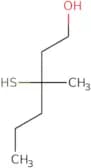
CAS:Cyclopentylmethanol is a chemical compound with the molecular formula CH3OH. It is a colorless liquid that is soluble in water and has a distinctive, sweet odor. Cyclopentylmethanol is used as an intermediate in organic synthesis and as a solvent for nitrocellulose, cellulose acetate, cellulose nitrate, and similar materials. It reacts with chlorine at high temperatures to form chlorinated cyclopentylmethanols. This reaction can be used to synthesize hydroxyapatite (a mineral) from calcium phosphate (a mineral). Cyclopentylmethanol also reacts with nicotinic acetylcholine receptors in the brain, causing them to desensitize. Hydroxyapatite can also be synthesized by reacting cyclopentylmethanol with dinucleotide phosphate and hydroxyl group containing compounds such as esters or soluble guanylate cyclase enzymes. The reactions produce hydrogenFormula:C6H12OPurity:Min. 95%Color and Shape:Clear Colourless LiquidMolecular weight:100.16 g/mol3-Mercapto-3-methyl-1-hexanol
CAS:3-Mercapto-3-methyl-1-hexanol is a molecule that belongs to the group of 3-hydroxyalkanoic acids. It is found in human skin cells and has a high transport rate in these cells. 3-Mercapto-3-methyl-1-hexanol can be converted to 3-hydroxy-3 methylhexanoic acid by bacterial enzymes, including corynebacterium, coli k12, and staphylococci. The molecule has been shown to be an enantiomer of 3,4 dithiadiphosphene. Studies have shown that this compound has antibacterial properties against both Gram positive and Gram negative bacteria, although it does not exhibit any activity against C. difficile or Proteus mirabilis. 3-Mercaptohexanol may also have clinical relevance for humans because it is structurally similar to molecules that are involved in the biosynthesis of important biochemicals such asFormula:C7H16OSPurity:Min. 95 Area-%Color and Shape:Colorless Clear LiquidMolecular weight:148.27 g/molN-(3-Aminopropyl)-N-dodecylpropane-1,3-diamine
CAS:N-(3-Aminopropyl)-n-dodecylpropane-1,3-diamine, also called N,N-bis(3-aminopropyl)dodecylamine and laurylamine dipropylenediamine, is dodecylamine substituted with 2 propylamine units. Laurylamine dipropylenediamine is a non-ionic surfactant, antimicrobial agent, preservative, emulsifying agent, dispersing agent, corrosion inhibitor and an anti-static agent used in hair products.Formula:C18H41N3Purity:(¹H-Nmr) Min. 85 Area-%Color and Shape:Colorless Clear LiquidMolecular weight:299.54 g/mol1,1,3,3-Tetramethylbutyl isocyanide
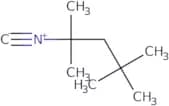
CAS:1,1,3,3-Tetramethylbutyl isocyanide (TMBC) is a palladium complex that has been used in palladium-catalyzed coupling reactions. TMBC is also a ligand for the synthesis of β-amino acid and can be used to form hydrogen bonds with nucleophiles. It has been used in biological studies as well as clinical diagnostics. The solid-phase synthesis of TMBC has been shown to be an efficient method for producing this compound. In addition, TMBC shows stereoselective reactivity with amines and methoxy groups. The nmr spectra of TMBC are characteristic of a carbonyl group at δ 3.20 ppm and two methyl groups at δ 1.36 and 1.37 ppm respectively.Formula:C9H17NPurity:Min. 98%Color and Shape:Clear LiquidMolecular weight:139.24 g/mol2-Acetyl cyclohexanone
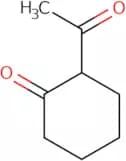
CAS:2-Acetylcyclohexanone is a chemical compound that belongs to the group of aryl halides. It is used as a raw material in the production of other chemicals, such as ethylene diamine and acetic anhydride. The reaction mechanism of 2-acetylcyclohexanone is mainly via nucleophilic substitution with hydrochloric acid or trifluoroacetic acid. The reaction with acetic anhydride or ethylene diamine has been shown to be through an acetylation reaction. 2-acetylcyclohexanone can be synthesized by reacting acetaldehyde with sodium cyclopentadienide in the presence of hydrochloric acid, followed by elimination of hydrogen chloride by heating. This compound has two tautomers: keto and enol.Formula:C8H12O2Purity:Min. 95%Color and Shape:Colorless Clear LiquidMolecular weight:140.18 g/mol2,3-Dimercaptopropanesulfonic acid sodium salt monohydrate
CAS:Chelating agent for heavy metalsFormula:C3H8O3S3·H2O·NaPurity:(¹H-Nmr) Min. 95 Area-%Color and Shape:White/Off-White SolidMolecular weight:229.3 g/mol1,1,1,3,3,3-Hexafluoro-2-propanol
CAS:Hexafluoroisopropanol is a chemical compound that is used in the laboratory to study biological properties. It reacts with hydrogen fluoride, forming hydrogen hexafluoride gas and a fluorescent derivative. This reaction solution can be titrated using calorimetric techniques, which involves measuring the heat released by the reaction. Fluorescence probe studies can also be done to determine the conformational properties of hexafluoroisopropanol. Studying this molecule under different conditions can yield important thermodynamic data for its use in structural biology and fluorescence probe experiments.Formula:C3H2F6OPurity:Min. 98.5%Color and Shape:Clear LiquidMolecular weight:168.04 g/molChloro-1-propanol
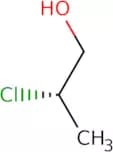
CAS:Chloro-1-propanol is a product that is used as an organic solvent and a reaction medium. It can be used in the synthesis of chlorinated compounds, such as epoxides, chloride gas, and oxetane. Chloro-1-propanol is not carcinogenic, although it does contain traces of impurities that are carcinogenic. Chloro-1-propanol has a high yield with relatively low cost and can be obtained by reacting chlorine with alcohols or phenols. This product is hydrophobic and reacts well with other molecules that are also hydrophobic. The reactivity of chloro-1-propanol increases when it reacts with chloride gas or hydrochloric acid to form divalent ions.Formula:C3H7ClOPurity:Min. 95%Color and Shape:Colorless Clear LiquidMolecular weight:94.54 g/molCyclamic acid
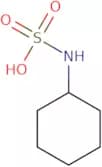
CAS:Artificial sweetener
Formula:C6H13NO3SColor and Shape:PowderMolecular weight:179.24 g/molPivalonitrile
CAS:Please enquire for more information about Pivalonitrile including the price, delivery time and more detailed product information at the technical inquiry form on this page
Formula:C5H9NMolecular weight:83.13 g/mol6-Bromo-1-hexanol
CAS:6-Bromo-1-hexanol is an azobenzene polymer film that is used in the manufacture of a number of pharmaceuticals. The polymer has been shown to have a broad spectrum of activity against bacteria and fungi, including human maltase glucoamylase, which is found in the gut. The polymers are prepared by reacting sodium salts with maleate, hydroxyl group, and x-ray crystal structures. 6-Bromo-1-hexanol has been shown to have good optical properties and can be used as a sample preparation material for x-ray diffraction studies. It also has a high chloride ion content and acts as a halide donor in cell culture experiments. This polymer also fluoresces under UV light.!--Formula:C6H13BrOPurity:Min. 97 Area-%Color and Shape:Colorless Clear LiquidMolecular weight:181.07 g/mol1,3-Dibromoadamantane
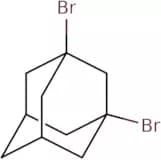
CAS:1,3-Dibromoadamantane is an organic compound that belongs to the group of organobromides. It has a chemical structure with three bromine atoms and one carbon atom, which are bonded to each other in a triangle shape. 1,3-Dibromoadamantane is soluble in solvents such as water and methanol. The reaction yield of 1,3-dibromoadamantane is 100% when it reacts with hydrochloric acid as the catalyst under optimal conditions. The reaction also occurs at a high temperature (100 degrees Celsius) and releases energy efficiently. 1,3-Dibromoadamantane can be used as a substrate molecule for the Suzuki coupling reaction. The coordination chemistry of 1,3-dibromoadamantane involves the formation of a square planar complex with copper ions and ammonia molecules to form copper(I) ammine complexes, which are then able to bindFormula:C10H14Br2Purity:Min. 95%Color and Shape:PowderMolecular weight:294.03 g/mol10H-Phenothiazine-10-propanesulfonic acid sodium salt
CAS:As a derivative of phenothiazine this compound may have various applications, including in the field of pharmaceuticals or materials science, depending on its specific properties and reactivity. Phenothiazine derivatives, in general, have been explored for their diverse biological and chemical activities, ranging from antipsychotic properties to use as dyes and light-sensitive materials.Formula:C15H14NNaO3S2Purity:Min. 98 Area-%Color and Shape:PowderMolecular weight:343.4 g/mol1-Nonanol
CAS:1-Nonanol is a colorless liquid with a pleasant odor. It can be synthesized from methyl pentanoate by the asymmetric addition of an inorganic acid to the ester hydrochloride. This process results in a mixture of 1-nonanol and its isomer 2-nonanol, which can be separated using an analytical method such as gas chromatography. 1-Nonanol has been shown to have high transport properties, making it useful for detergent compositions. It has also been shown to exhibit strong hydrogen bonding abilities that may contribute to its adsorption mechanism.Formula:C9H20OPurity:Min. 95%Color and Shape:Colorless Clear LiquidMolecular weight:144.25 g/mol

![2-Oxa-7-azaspiro[3.5]nonane hemioxalate](/_next/image/?url=https%3A%2Fstatic.cymitquimica.com%2Fproducts%2F3D%2Fthumb-webp%2FFO29380.webp&w=3840&q=75)