Aliphatic compounds and derivatives
Aliphatic compounds and derivatives are organic compounds characterized by straight or branched chain structures, as opposed to ring structures found in aromatic compounds. These compounds include alkanes, alkenes, alkynes, and their functionalized derivatives, playing a vital role in various chemical processes and industrial applications. At CymitQuimica, we offer a diverse selection of high-purity aliphatic compounds and their derivatives, meticulously sourced and tested to meet the stringent requirements of research and industrial needs. Our catalog covers a wide range of compounds, including hydrocarbons, alcohols, aldehydes, ketones, and acids, each known for their reactivity and versatility in organic synthesis, pharmaceuticals, and materials science. By providing top-quality aliphatic compounds and derivatives, we support researchers and professionals in achieving precise and efficient chemical transformations, fostering innovation and advancements in multiple scientific and technological fields.
Found 8725 products of "Aliphatic compounds and derivatives"
Sort by
Purity (%)
0
100
|
0
|
50
|
90
|
95
|
100
1,2-Diiodoethane
CAS:<p>1,2-Diiodoethane is a useful building block that can be used as a reaction component in organic synthesis. It is also used as a reagent and can be used to produce high quality research chemicals. This chemical has many uses, including as a versatile building block or as an intermediate. 1,2-Diiodoethane is not found naturally in the environment and has been assigned CAS number 624-73-7.</p>Formula:C2H4I2Purity:Min. 98.5 Area-%Molecular weight:281.86 g/molACES
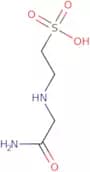
CAS:<p>ACES, also known as N-(2-Acetamido)-2-aminoethanesulfonic acid, is an acetamido buffer that is used in culture media and protein extractions. It also forms metal complexes and has an optimal pH range of 6.1-7.5 and a pKa of 6.78.</p>Formula:C4H10N2O4SPurity:Min. 95%Color and Shape:White PowderMolecular weight:182.2 g/mol1-Bromopentane
CAS:<p>1-Bromopentane is a colorless liquid that has an unpleasant odor. It is soluble in water and reacts with acids to form bromides. 1-Bromopentane has been used as an oxidation catalyst in the preparation of organic compounds under conditions of constant pressure and light exposure. It has also been used in the synthesis of polymers, such as poly(1-bromopentene). Its biological properties are not well known, but it has been shown to have CB2 receptor agonist activity and inhibitory effects on oxidative stress. The chemical kinetic data for 1-bromopentane are available at various temperatures and pressures. Chloride ions can act as catalysts for its decomposition reaction, which is a stepwise process involving the conversion of hydroxyl groups into chloride atoms. The reaction mechanism starts with the conversion of one bromine atom into a radical by abstraction of a hydrogen atom from the molecule followed by addition of another brom</p>Formula:C5H11BrPurity:Min. 98 Area-%Color and Shape:Colorless Clear LiquidMolecular weight:151.04 g/mol2-(2-(2-Chloroethoxy)ethoxy)ethanol
CAS:<p>2-(2-(2-Chloroethoxy)ethoxy)ethanol (CETOI) is a coumarin derivative that is used as an additive in the fabrication of polyurethane. Magnetic resonance spectroscopy has shown that CETOI can be used as a probe to study amide groups by its ability to form hydrogen bonds with amide groups. This chemical can also be used in regenerative medicine and cyclic peptides. Azobenzene monomers have been shown to inhibit viral replication, including influenza virus, through the formation of covalent bonds with phosphate groups on dsDNA.</p>Formula:C6H13ClO3Purity:Min. 95%Color and Shape:Colorless Clear LiquidMolecular weight:168.62 g/molPutrescine dihydrochloride
CAS:<p>Putrescine is a polyamine plant growth regulator affecting the synthesis of macromolecules. Promotes adventitious root formation. Precursor of spermidine.</p>Formula:C4H14Cl2N2Purity:Min. 98.0 Area-%Molecular weight:161.08 g/molRef: 3D-P-8000
1kgTo inquire5kgTo inquire10kgTo inquire25kgTo inquire2500gTo inquire-Unit-kgkgTo inquire1-Adamantanecarboxylic acid methyl ester
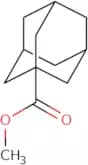
CAS:<p>1-Adamantanecarboxylic acid methyl ester is a specialized chemical compound, classified as an ester derivative from the adamantane structure. It is sourced through the esterification of 1-adamantanecarboxylic acid, often involving methanol as a reagent under catalyzed conditions. The compound's mode of action is primarily as an intermediate in organic synthesis, where it enables the introduction of adamantyl groups into target molecules, influencing molecular structure with its bulky, rigid framework.This ester derivative finds extensive application in the realm of synthetic organic chemistry. It serves as a crucial intermediate in the development of complex organic materials and pharmaceuticals, where the adamantane moiety is required to confer specific steric and electronic properties. The incorporation of adamantane from 1-adamantanecarboxylic acid methyl ester can enhance the thermal stability, lipophilicity, and rigidity of the resultant compounds, making it invaluable for researchers focused on material sciences and drug development. Its versatile reactivity and robust structure make it a sought-after compound for advancing chemical research and innovation.</p>Formula:C12H18O2Purity:Min. 98%Color and Shape:White PowderMolecular weight:194.27 g/molPivaldehyde
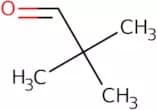
CAS:<p>Intermediate in organic syntheses; stereoselective synthesis</p>Formula:C5H10OPurity:Min. 95%Color and Shape:Colorless Clear LiquidMolecular weight:86.13 g/molAcrylamide
CAS:<p>Used for gel preparation for protein electrophoresis</p>Formula:C3H5NOPurity:Min. 95%Color and Shape:PowderMolecular weight:71.08 g/mol2-Adamantanone
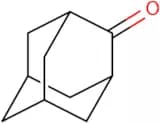
CAS:<p>2-Adamantanone is a chemical compound that belongs to the group of p2-adamantanes. It has been shown to have acute toxicities in rats and mice, as well as a high reactivity with water vapor. 2-Adamantanone is used as an oxidation catalyst in organic synthesis reactions and has biological properties that are related to its inhibitory effects on acetylcholinesterase. This compound also reacts readily with malonic acid and fatty acid, which may be due to steric interactions between the two molecules. 2-Adamantanone is also shown to have chemiluminescent activity, which can be used for the detection of trifluoroacetic acid (TFA) in vitro. It is also active against fungus cells when combined with hydroxyl groups, such as those found in fatty acids.</p>Formula:C10H14OPurity:Min. 95%Color and Shape:White PowderMolecular weight:150.22 g/molHexachlorocyclopentadiene
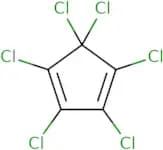
CAS:<p>Only available for delivery in the Europe. Prohibited for transport by air. The substantial reactivity and versatility of Hexachlorocyclopentadiene in facilitating multiple synthetic pathways make it indispensable in both agrochemical and industrial sectors.</p>Formula:C5Cl6Purity:Min. 97 Area-%Color and Shape:Clear LiquidMolecular weight:272.77 g/mol1,3-Dibromoadamantane
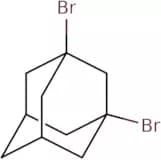
CAS:<p>1,3-Dibromoadamantane is an organic compound that belongs to the group of organobromides. It has a chemical structure with three bromine atoms and one carbon atom, which are bonded to each other in a triangle shape. 1,3-Dibromoadamantane is soluble in solvents such as water and methanol. The reaction yield of 1,3-dibromoadamantane is 100% when it reacts with hydrochloric acid as the catalyst under optimal conditions. The reaction also occurs at a high temperature (100 degrees Celsius) and releases energy efficiently. 1,3-Dibromoadamantane can be used as a substrate molecule for the Suzuki coupling reaction.<br>The coordination chemistry of 1,3-dibromoadamantane involves the formation of a square planar complex with copper ions and ammonia molecules to form copper(I) ammine complexes, which are then able to bind</p>Formula:C10H14Br2Purity:Min. 95%Color and Shape:PowderMolecular weight:294.03 g/molPotassium nonafluoro-1-butanesulfonate
CAS:<p>Potassium nonafluoro-1-butanesulfonate (NBS) is a chemical compound that is used to remove trifluoroacetic acid from wastewater. It can also be used as an analytical reagent to measure cytosolic calcium concentrations in cells. In addition, NBS has been shown to have a high degree of chemical stability, but it may react with hydrogen fluoride and cause toxicity in humans. The pharmacokinetic properties of this drug are not well-known, but it has been shown to accumulate in the liver and fat tissues and pass into the maternal blood stream during pregnancy. NBS also inhibits the synthesis of p-hydroxybenzoic acid, which leads to hepatic steatosis in mice with diet-induced obesity. This drug also affects 3t3-l1 preadipocytes and human serum.</p>Formula:C4F9KO3SColor and Shape:PowderMolecular weight:338.19 g/molN-Succinimidyl myristate
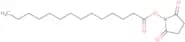
CAS:<p>N-Succinimidyl myristate is a long-chain fatty acid that contains a sulfur atom at its head. It is used in the production of diagnostic products and insulin analogs, as well as in the industrial production of organic solvents. N-Succinimidyl myristate reacts with serum albumin, forming an activated product that can be used in diagnostic tests. This reaction product is also used to bind proteins to fluorine atoms for use in industrial processes.</p>Formula:C18H31NO4Purity:Min. 95%Color and Shape:PowderMolecular weight:325.44 g/molβ-Glycerophosphate, disodium salt pentahydrate, max. 2% α
CAS:<p>Beta-Glycerophosphate, Disodium Salt Pentahydrate is a complex compound that is used as a reagent, useful intermediate, and fine chemical. It is also useful as a scaffold or building block for the synthesis of organic compounds. Beta-glycerophosphate has CAS No. 13408-09-8 and is classified as a speciality chemical. This compound can be used in research and development for versatile building blocks and reaction components to synthesize organic compounds.</p>Formula:C3H17Na2O11PMolecular weight:306.12 g/molRef: 3D-G-4200
1kgTo inquire100gTo inquire250gTo inquire500gTo inquire2500gTo inquire-Unit-kgkgTo inquireCyclic-3-(1,2-ethanediylacetal)-17β-cyano-17α-hydroxy-estra-5(10),9(11)-dien-3-one
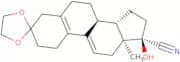
CAS:<p>Cyclic-3-(1,2-ethanediylacetal)-17beta-cyano-17alpha-hydroxy-estra-5(10),9(11)-dien-3 -one is a chemical compound that is used as a reaction component, reagent, and high quality research chemical. It can be used as a useful scaffold or building block for the synthesis of complex compounds. Cyclic-3-(1,2-ethanediylacetal)-17beta-cyano-17alpha -hydroxyestra-5(10),9(11)-diene 3 one has CAS number 3330019 5.</p>Formula:C21H27NO3Purity:Min. 95%Color and Shape:White to off-white solid.Molecular weight:341.44 g/mol1,4-Diaminobutane dihydrochloride
CAS:<p>Ubiquitous polyamine necessary for optimal cell growth</p>Formula:C4H14Cl2N2Purity:Min. 98.0%Color and Shape:PowderMolecular weight:161.07 g/mol(R)-2-Methylbutyric acid
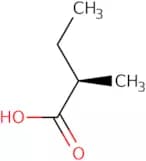
CAS:<p>(R)-2-Methylbutyric acid is a synthetic compound that has the same stereoisomeric configuration as 2-methylbutyric acid. The difference in the two molecules is that the (R) form has a hydroxyl group on the alpha carbon, while 2-methylbutyric acid does not. This compound is stable under acidic conditions, but hydrolyzes to form butyric acid when exposed to basic conditions. It is used in industrial applications such as food production and as an intermediate in synthesizing other compounds such as tiglic acid or amido groups.</p>Formula:C5H10O2Purity:Min. 95%Color and Shape:Yellow PowderMolecular weight:102.13 g/molMethanesulfinic acid sodium salt
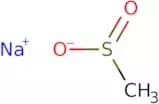
CAS:<p>Methanesulfinic acid sodium salt (MSAS) is a chemical compound that inhibits the growth of bacteria by inhibiting the synthesis of proteins. It is used as an antimicrobial agent in plant physiology and has been shown to be effective against infectious diseases including HIV infection. MSAS inhibits protein synthesis by binding to the hydroxyl group of a substrate molecule, which is required for amino acid formation. This inhibitory effect leads to a decrease in the production of proteins vital for cell division. Inhibiting protein synthesis also prevents the production of enzymes needed for metabolism, leading to metabolic disorders.</p>Formula:CH3O2S·NaPurity:Min. 95%Color and Shape:PowderMolecular weight:102.09 g/mol2-Methyl-1,3-propanediol
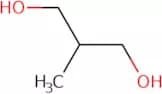
CAS:<p>2-Methyl-1,3-propanediol is a glycol ether that is used in sample preparation for chemical analysis. It is an antimicrobial agent that has been shown to be active against bacteria such as Escherichia coli and Staphylococcus aureus. 2-Methyl-1,3-propanediol has also been shown to have the ability to inhibit the growth of epidermal cells. This chemical has been shown to be effective in treating skin lesions caused by dermatophytes, fungi and bacterial infections. 2-Methyl-1,3-propanediol inhibits the synthesis of glycol esters, fatty acids and epidermal growth factor through competition with hydroxyl groups on cell membranes. It also chelates metal ions such as Cu2+, Zn2+, Cd2+ and Pb2+.</p>Formula:C4H10O2Purity:Min. 95%Color and Shape:Colorless PowderMolecular weight:90.12 g/mol1-Bromoadamantane - 90%min
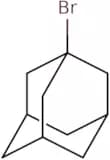
CAS:<p>1-Bromoadamantane is a quinoline derivative that binds to the inflammatory bowel disease molecule. It is used as a pharmaceutical preparation for the treatment of inflammatory bowel disease. 1-Bromoadamantane is synthesized by the palladium-catalyzed coupling reaction of 2,6-dimethoxybenzene and trifluoromethanesulfonic acid. The synthesis method involves the use of hydrochloric acid and hydroxyl group. 1-Bromoadamantane has been shown to have binding constants with ileal and colonic tissue in rats with experimental colitis.</p>Formula:C10H15BrPurity:Min. 90%Color and Shape:PowderMolecular weight:215.13 g/mol(S)-(+)-2-Amino-3-methylbutane
CAS:<p>(S)-(+)-2-Amino-3-methylbutane is a chiral, optically active pyruvate. It can be used as an optical reagent to determine the configuration of an amino acid in the presence of a hydrazone or amine. The 2-amino group is attached to the C1 carbon atom and the methyl group is attached to the C4 carbon atom. Hydrogenolysis of (S)-(+)-2-amino-3-methylbutane produces ethyl pyruvate and hydrogen gas.</p>Formula:C5H13NPurity:Min. 95%Color and Shape:Clear LiquidMolecular weight:87.17 g/molPivalonitrile
CAS:<p>Solvent and labile ligand in coordination chemistry</p>Formula:C5H9NPurity:Min. 98 Area-%Color and Shape:Clear LiquidMolecular weight:83.13 g/mol1,3,3-Trimethoxypropene
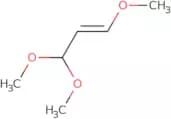
CAS:<p>1,3,3-Trimethoxypropene is a fluorophore that can be used for the labeling of nucleic acids. It has been shown to be photostable and can be used in fluorescence techniques. 1,3,3-Trimethoxypropene has also been used in structural biology research and studies on the physicochemical properties of fluorescent probes. This compound can also be used as a building block for the synthesis of supramolecular structures and conjugates with other molecules that have different properties. 1,3,3-Trimethoxypropene is a fluorophore that emits cyanines in the visible range of light.</p>Formula:C6H12O3Purity:Min. 95%Color and Shape:Clear LiquidMolecular weight:132.16 g/mol1,2,5,6-Diepoxycyclooctane
CAS:<p>1,2,5,6-Diepoxycyclooctane is a chemical compound that has been used as a crosslinking agent for the polymerization of epoxies. It is also used as a reactive intermediate in organic synthesis. 1,2,5,6-Diepoxycyclooctane can be prepared by reacting epichlorohydrin with ethylene oxide and then hydrogenation. This chemical compound is stable to ultraviolet light and does not react with cationic surfactants. 1,2,5,6-Diepoxycyclooctane can form monoadducts or diploid adducts when it reacts with chemicals such as dioxane and benzene. The nmr spectra of 1,2,5,6-diepoxycyclooctane show signals characteristic of epoxides.</p>Formula:C8H12O2Purity:Min. 95%Color and Shape:PowderMolecular weight:140.18 g/mol1-Amino-1-cyclopropanecarboxylic acid
CAS:<p>1-Amino-1-cyclopropanecarboxylic acid (ACC) is a precursor of ethylene, which is a plant hormone that regulates many aspects of plant growth and development. ACC can be converted to ethylene by the enzyme ACC synthase. The conversion of ACC to ethylene is facilitated by the enzymes ACC oxidase and ACC deaminase. Ethylene has been shown to regulate the expression of genes involved in photosynthesis, protein synthesis, and other metabolic pathways. Ethylene also modulates physiological processes such as fruit ripening, leaf senescence, and stomatal closure. This molecule participates in a variety of biological reactions including receptor activity and protein degradation via ubiquitin ligases. It also regulates calcium levels in cells through its role in signal transduction pathways.</p>Formula:C4H7NO2Purity:Min. 95%Color and Shape:PowderMolecular weight:101.1 g/molDichloroacetic anhydride
CAS:<p>Please enquire for more information about Dichloroacetic anhydride including the price, delivery time and more detailed product information at the technical inquiry form on this page</p>Formula:C4H2Cl4O3Purity:Min. 95%Color and Shape:Solidified MassMolecular weight:239.9 g/mol11-Bromoundecanoic acid
CAS:<p>11-Bromoundecanoic acid is a heterobifunctional reagent that is used in the synthesis of phospholipids. This chemical reacts with an amide group on a phosphatidylcholine to introduce a bromine atom, which can be used as a fluorophore. The reaction is done in an organic solvent, such as dichloromethane, which facilitates the reaction by dissolving the reactants. The reaction can be monitored using fluorescence assay techniques and 11-bromoundecanoic acid is characterized by its constant ring-opening constant and fatty acid chain length.</p>Formula:C11H21BrO2Purity:Min. 95%Color and Shape:PowderMolecular weight:265.19 g/molN-(4-Aminobutyl)-1,4-butanediamine trihydrochloride
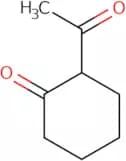
CAS:<p>N-(4-Aminobutyl)-1,4-butanediamine trihydrochloride (N(4)ABDAT) is a fine chemical and versatile building block. It can be used as an intermediate in the synthesis of pharmaceuticals and other organic chemicals. N(4)ABDAT is also a useful reagent for research purposes. The compound has a CAS number of 189340-78-1. It was originally synthesized by reacting 4-aminobutyric acid with 1,4-butanediamine, which yielded N(4)ABDAT as the major product. The chemical properties of N(4)ABDAT have been studied extensively including its reaction with potassium hydroxide, hydrochloric acid and sodium hydroxide to form different compounds.</p>Formula:C8H24Cl3N3Purity:Min. 95%Color and Shape:White PowderMolecular weight:268.65 g/mol2-Acetyl cyclohexanone
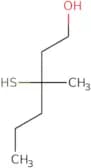
CAS:<p>2-Acetylcyclohexanone is a chemical compound that belongs to the group of aryl halides. It is used as a raw material in the production of other chemicals, such as ethylene diamine and acetic anhydride. The reaction mechanism of 2-acetylcyclohexanone is mainly via nucleophilic substitution with hydrochloric acid or trifluoroacetic acid. The reaction with acetic anhydride or ethylene diamine has been shown to be through an acetylation reaction. 2-acetylcyclohexanone can be synthesized by reacting acetaldehyde with sodium cyclopentadienide in the presence of hydrochloric acid, followed by elimination of hydrogen chloride by heating. This compound has two tautomers: keto and enol.</p>Formula:C8H12O2Purity:Min. 95%Color and Shape:Colorless Clear LiquidMolecular weight:140.18 g/mol3-Mercapto-3-methyl-1-hexanol
CAS:<p>3-Mercapto-3-methyl-1-hexanol is a molecule that belongs to the group of 3-hydroxyalkanoic acids. It is found in human skin cells and has a high transport rate in these cells. 3-Mercapto-3-methyl-1-hexanol can be converted to 3-hydroxy-3 methylhexanoic acid by bacterial enzymes, including corynebacterium, coli k12, and staphylococci. The molecule has been shown to be an enantiomer of 3,4 dithiadiphosphene. Studies have shown that this compound has antibacterial properties against both Gram positive and Gram negative bacteria, although it does not exhibit any activity against C. difficile or Proteus mirabilis. 3-Mercaptohexanol may also have clinical relevance for humans because it is structurally similar to molecules that are involved in the biosynthesis of important biochemicals such as</p>Formula:C7H16OSPurity:Min. 95 Area-%Color and Shape:Colorless Clear LiquidMolecular weight:148.27 g/mol2-Methyl-3-biphenylmethanol
CAS:<p>2-Methyl-3-biphenylmethanol (2MBPM) is a low potency chemical that is used as a surrogate for 2,4,6-trinitrotoluene (TNT). It has been shown to bind to the same sites on the death protein as TNT and other nitroaromatic compounds. 2MBPM can be synthesized by coupling biphenyl with methylmagnesium bromide in the suzuki coupling reaction. 2MBPM inhibits the growth of cancer cells by inhibiting PD-L1 expression. This compound also has oxidative properties and can act as an oxidation catalyst.</p>Formula:C14H14OPurity:Min. 95%Color and Shape:PowderMolecular weight:198.26 g/mol10-Undecen-1-ol
CAS:<p>10-Undecen-1-ol is a fatty acid with a hydroxyl group at the 10th position. It has strong intermolecular hydrogen bonding and reacts to form esters and ethers. 10-Undecen-1-ol is used as a multi-walled carbon for wastewater treatment, which removes organic contaminants. This compound also has a high degree of chemical stability, which makes it suitable for use in anhydrous sodium synthesis methods.</p>Formula:C11H22OPurity:Min. 98%Color and Shape:Colorless Clear LiquidMolecular weight:170.29 g/molTricaine methanesulfonate
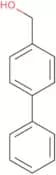
CAS:<p>Tricaine methanesulfonate is a chemical that belongs to the group of anesthetics. It is used as a general anesthetic and to induce surgical anesthesia. Tricaine methanesulfonate has been shown to be effective in the treatment of pain, inflammation, and neurological disorders. Tricaine methanesulfonate also has a long half-life and does not cause histamine release or cardiovascular effects.</p>Formula:C9H11NO2·CH4O3SPurity:Min. 98 Area-%Color and Shape:White PowderMolecular weight:261.3 g/mol4-Biphenylmethanol
CAS:<p>4-Biphenylmethanol is a low potency naphthalene derivative that has been shown to be carcinogenic in animal studies. It is also an inhibitor of protein synthesis, which may play a role in its carcinogenic potential. 4-Biphenylmethanol has been shown to inhibit the growth of Salmonella typhimurium and Saccharomyces cerevisiae strain when used at concentrations of 50 μg/mL or higher. This compound can react with hydrochloric acid to form hydrogen bonding interactions, which may account for its observed antibacterial activity.</p>Formula:C13H12OPurity:Min. 95%Color and Shape:PowderMolecular weight:184.23 g/mol1,4-Diisocyanatobutane
CAS:<p>Monomer for the preparation of biocompatible polyurethane polymers</p>Formula:C6H8N2O2Purity:Min. 98 Area-%Color and Shape:Colorless Clear LiquidMolecular weight:140.14 g/molHexacosanoic acid
CAS:<p>Hexacosanoic acid is a glycol ether that has been shown to have hypoglycemic activity in mice. It was also shown to increase the levels of fatty acids and decrease the levels of glycerides in rats, which may be due to its ability to inhibit the synthesis of phospholipids. Hexacosanoic acid has been used as an analytical reagent for the determination of p-hydroxybenzoic acid and uronic acid. The polymerization of hexacosanoic acid is catalyzed by a polymerase chain reaction (PCR), which can be used for diagnosis. This molecule has also been found to have anti-inflammatory properties and nitrate reductase activity.</p>Formula:C26H52O2Color and Shape:White PowderMolecular weight:396.69 g/molCyclopentylmethanol
CAS:<p>Cyclopentylmethanol is a chemical compound with the molecular formula CH3OH. It is a colorless liquid that is soluble in water and has a distinctive, sweet odor. Cyclopentylmethanol is used as an intermediate in organic synthesis and as a solvent for nitrocellulose, cellulose acetate, cellulose nitrate, and similar materials. It reacts with chlorine at high temperatures to form chlorinated cyclopentylmethanols. This reaction can be used to synthesize hydroxyapatite (a mineral) from calcium phosphate (a mineral). Cyclopentylmethanol also reacts with nicotinic acetylcholine receptors in the brain, causing them to desensitize. Hydroxyapatite can also be synthesized by reacting cyclopentylmethanol with dinucleotide phosphate and hydroxyl group containing compounds such as esters or soluble guanylate cyclase enzymes. The reactions produce hydrogen</p>Formula:C6H12OPurity:Min. 95%Color and Shape:Clear Colourless LiquidMolecular weight:100.16 g/mol1-Adamantanol
CAS:<p>1-Adamantanol is a cyclic molecule with a hydroxyl group. It is produced by the oxidation of 2-methyl-2-adamantanol. 1-Adamantanol has been shown to be an effective substrate for bioremediation in wastewater treatment plants and can be used as a precursor to produce trifluoroacetic acid. The reaction mechanism is thought to involve the oxidation of 1-adamantanol by an oxidizing agent, such as hydrogen peroxide or ozone, to form a radical intermediate that spontaneously reacts with oxygen in solution. The reaction solution can be cooled down or heated up to increase the rate of the reaction. 1-Adamantanol also undergoes thermal expansion when heated up, which may be due to its high boiling point.</p>Formula:C10H16OPurity:Min. 98.5%Color and Shape:White PowderMolecular weight:152.24 g/molDibutyl Squarate
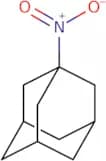
CAS:<p>Dibutyl squarate is a new experimental drug that has been shown to have potential in the treatment of autoimmune diseases. Dibutyl squarate is also effective for treating infectious diseases, such as HIV and tuberculosis. The drug has been shown to work by blocking the apoptosis pathway, which prevents the release of pro-inflammatory cytokines. This drug also inhibits the synthesis of chemoattractant proteins, which are important for recruiting cells to the site of infection or injury. In addition, dibutyl squarate blocks cancer cell proliferation and can be used in combination therapy groups. Dibutyl squarate has also been shown to reduce alopecia in mice by inhibiting hair loss caused by inflammation.</p>Formula:C12H18O4Purity:Min. 96.0 Area-%Color and Shape:Slightly Yellow Clear LiquidMolecular weight:226.27 g/mol1-Nitroadamantane
CAS:<p>1-Nitroadamantane is a metal-free catalyst that oxidizes organic compounds in the presence of water. It is synthesized using the following method: 1) The reaction of carbon monoxide with nitric acid produces nitrous acid, which reacts with a fatty acid to yield 1-nitroadamantane. 2) This product can be obtained from trifluoroacetic acid and hydrogen fluoride. 3) This product can also be prepared by reacting diphenyl ether with an acylurea.</p>Formula:C10H15NO2Purity:Min. 95%Color and Shape:White PowderMolecular weight:181.23 g/mol1,8-Octanediol
CAS:<p>1,8-Octanediol is a long-term efficacy drug that is used in the treatment of granulosa cell tumors. It has been shown to inhibit the proliferation of these cells by binding to them and inhibiting their metabolism. 1,8-Octanediol can be considered as an analog of progesterone and works by binding to progesterone receptors present in the tumor cells. This binding leads to a decrease in the production of estrogen and decreases the risk of cancer recurrence. 1,8-Octanediol has also been shown to increase body mass index (BMI) in women with polycystic ovary syndrome (PCOS). 1,8-Octanediol is soluble in water and has a phase transition temperature at around 37 degrees Celsius, which makes it biocompatible.</p>Formula:C8H18O2Purity:Min. 98 Area-%Color and Shape:White PowderMolecular weight:146.23 g/mol1,8-Diazido-3,6-dioxaoctane
CAS:<p>1,8-Diazido-3,6-dioxaoctane is a synthetic molecule that is used in the synthesis of macrolactones, polymers, and biomolecules. It can be used as a bioconjugate to attach other functional groups to biomaterials and polymers, such as azido groups. This compound has high sensitivity and thermal stability with good solubility in organic solvents. 1,8-Diazido-3,6-dioxaoctane has been shown to be compatible with many functional groups and is an important monomer for use in cross-linked polymers.</p>Formula:C6H12N6O2Purity:Min. 95%Color and Shape:Colorless PowderMolecular weight:200.2 g/mol5-Amino-1-pentanol
CAS:<p>5-Amino-1-pentanol is a chemical compound that has been shown to stimulate angiogenesis, which is the process of developing new blood vessels from pre-existing ones. It is not currently approved for use in humans and has only been tested on mice. 5-Amino-1-pentanol stimulates angiogenesis by binding to the vascular endothelial growth factor receptor 2 (VEGFR2) protein, which is involved in regulating blood vessel formation. This drug also suppresses cancer gene expression and selectively binds to DNA polymerase α. The amide group of 5-amino-1-pentanol reacts with trifluoroacetic acid to form an amine, which then reacts with water vapor to form a hydroxyl group. This reaction solution can be used as a diagnostic tool for detecting the presence of amines or other nitrogenous compounds.</p>Formula:C5H13NOPurity:Min. 94%Color and Shape:Colorless Yellow PowderMolecular weight:103.16 g/mol2-Oxa-7-azaspiro[3.5]nonane hemioxalate
CAS:<p>2-Oxa-7-azaspiro[3.5]nonane hemioxalate is a fine chemical that is used as a building block in research and development of complex compounds, such as pharmaceuticals, agrochemicals, and polymers. It has been shown to be useful in the synthesis of heterocycles, such as pyrrolidines, piperazines, indoles, and benzoxazoles. 2-Oxa-7-azaspiro[3.5]nonane hemioxalate can serve as a versatile building block for the preparation of various scaffolds with different functionalities. 2-Oxa-7-azaspiro[3.5]nonane hemioxalate is a reagent that can be used for the preparation of other compounds and intermediates as well.</p>Formula:C7H13NOC2H2O4Purity:Min. 95%Color and Shape:Off-White Clear LiquidMolecular weight:172.2 g/mol1,2-Dioleoyl-sn-glycerol
CAS:<p>1,2-Dioleoyl-sn-glycerol is a lipid molecule that contains an acyl chain of carbon atoms with two double bonds. It is formed through the union of glycerol and oleic acid. 1,2-Dioleoyl-sn-glycerol has been shown to activate diacylglycerol and fatty acid, which are important for cell signaling. The enzyme activity of 1,2-dioleoyl-sn-glycerol is dependent on its concentration in the body. This molecule also interacts with membranes by hydrogen bonding and can form a hydrophobic region that may be used to stabilize membrane structures.</p>Formula:C39H72O5Purity:Min. 95%Color and Shape:LiquidMolecular weight:620.99 g/molPivalonitrile
CAS:<p>Please enquire for more information about Pivalonitrile including the price, delivery time and more detailed product information at the technical inquiry form on this page</p>Formula:C5H9NMolecular weight:83.13 g/mol2-Amino-1-methoxypropane
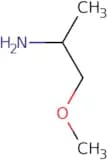
CAS:<p>2-Amino-1-methoxypropane (AMP) is a bifunctional amine that has been used as a diluent for lipase. It has been shown to have deprotective properties against metal surfaces and to be able to react with the nucleophilic group of an amine, which is useful in organic synthesis. The constant temperature of AMP, which is useful in organic synthesis, was obtained by recycling it through a constant temperature bath. This process also prevents the formation of unwanted products during the reaction.</p>Formula:C4H11NOPurity:Min. 95 Area-%Color and Shape:Clear LiquidMolecular weight:89.14 g/mol1,4-Bis-(diphenylphosphino)butane
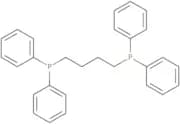
CAS:<p>1,4-Bis-(diphenylphosphino)butane is a coordination compound that contains a bicyclic heterocycle. The compounds are made up of phosphorus and nitrogen atoms which are arranged in a tetrahedral geometry. It has photochemical properties and can be used to inhibit the growth of myeloid leukemia cells. The complexes bind to amines and form stable complexes with hydroxyl groups, so they are also able to cross mitochondrial membranes. This compound has been shown to bind to copper ions in x-ray crystal structures. 1,4-Bis-(diphenylphosphino)butane binds more strongly to ethylene diamine than it does to aryl halides such as chloroethane or phenylethane. Activation energies for the binding of 1,4-bis-(diphenylphosphino)butane with ethylene diamine have been found by measuring the free energy change for its formation from</p>Formula:C28H28P2Purity:Min. 95%Color and Shape:White PowderMolecular weight:426.47 g/molCyclopentanecarbaldehyde
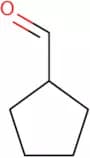
CAS:<p>Cyclopentanecarbaldehyde is a reactive molecule that is used as a ligand in coordination chemistry. It has been shown to bind to the toll-like receptor and may be useful for treating autoimmune diseases. Cyclopentanecarbaldehyde binds with nitrogen atoms in the active site of chelate ligands, which can cause changes in coordination geometry. This reaction mechanism is similar to that of other heterocycles such as 2-picolylhydrazine and 4-picolylhydrazine, which have been shown to be effective in treating Parkinson's disease.</p>Formula:C6H10OPurity:Min. 95%Color and Shape:Colorless Yellow Clear LiquidMolecular weight:98.14 g/mol11-Mercaptoundecanoic acid
CAS:<p>11-Mercaptoundecanoic acid (11MUA) is a fluorescence probe that reacts with the amide group of proteins. It has been used to study HIV-1 infection and the early stages of human immunodeficiency virus (HIV) replication. 11MUA can be detected by fluorescence spectrometry and gives a strong, selective signal in human serum. This compound is also used as a model system for studying protease activity and electrochemical impedance spectroscopy. 11MUA is stable in solution and can be detected at very low levels, making it an excellent probe for protein degradation studies. The reaction solution containing 11MUA can be prepared using trifluoroacetic acid (TFA), which facilitates the formation of esters from carboxylic acids, or by adding TFA to an acyl chloride derivative of 11-mercaptoundecanoic acid.</p>Formula:C11H22O2SPurity:Min. 95%Color and Shape:White PowderMolecular weight:218.36 g/mol























![2-Oxa-7-azaspiro[3.5]nonane hemioxalate](/_next/image/?url=https%3A%2Fstatic.cymitquimica.com%2Fproducts%2F3D%2Fthumb-webp%2FFO29380.webp&w=3840&q=75)