Building Blocks
Subcategories of "Building Blocks"
- Boronic Acids & Boronic Acid Derivatives(5,778 products)
- Chiral Building Blocks(1,243 products)
- Hydrocarbon Building Blocks(6,098 products)
- Organic Building Blocks(61,036 products)
Found 205240 products of "Building Blocks"
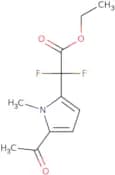
Ethyl 2-(5-acetyl-1-methyl-1H-pyrrol-2-yl)-2,2-difluoroacetate
CAS:Versatile small molecule scaffoldFormula:C11H13F2NO3Purity:Min. 95%Molecular weight:245.22 g/molRef: 3D-LBC79284
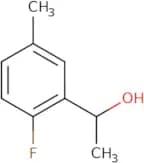
Discontinued product1-(2-Fluoro-5-methylphenyl)ethan-1-ol
CAS:Versatile small molecule scaffoldFormula:C9H11FOPurity:Min. 95%Molecular weight:154.18 g/molRef: 3D-LLB21808
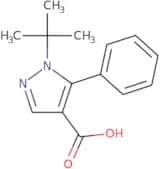
Discontinued product1-tert-Butyl-5-phenyl-1H-pyrazole-4-carboxylic acid
CAS:Versatile small molecule scaffold
Formula:C14H16N2O2Purity:Min. 95%Molecular weight:244.29 g/molRef: 3D-LMB12968
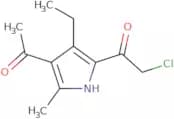
Discontinued product1-(4-Acetyl-3-ethyl-5-methyl-1H-pyrrol-2-yl)-2-chloroethan-1-one
CAS:Versatile small molecule scaffold
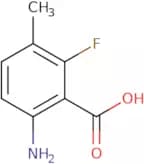
Formula:C11H14ClNO2Purity:Min. 95%Molecular weight:227.69 g/mol6-Amino-2-fluoro-3-methylbenzoic acid
CAS:Versatile small molecule scaffold
Formula:C8H8FNO2Purity:Min. 95%Molecular weight:169.15 g/molRef: 3D-MAB34784
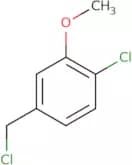
Discontinued product1-Chloro-4-(chloromethyl)-2-methoxybenzene
CAS:Versatile small molecule scaffold
Formula:C8H8Cl2OPurity:Min. 95%Molecular weight:191.05 g/molRef: 3D-NAA72618
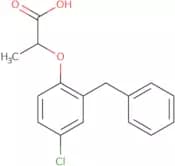
Discontinued product2-(2-Benzyl-4-chlorophenoxy)propanoic acid
CAS:Versatile small molecule scaffoldFormula:C16H15ClO3Purity:Min. 95%Molecular weight:290.74 g/molRef: 3D-NAA79403
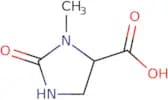
Discontinued product3-Methyl-2-oxoimidazolidine-4-carboxylic acid
CAS:Versatile small molecule scaffold
Formula:C5H8N2O3Purity:Min. 95%Molecular weight:144.13 g/molRef: 3D-PCC89794
Discontinued product[1-(Fluoromethyl)cyclopropyl]methanesulfonyl chloride
CAS:Versatile small molecule scaffold
Formula:C5H8ClFO2SPurity:Min. 95%Molecular weight:186.63 g/molRef: 3D-PCC96395
Discontinued productN-{[2-(Trifluoromethyl)phenyl]methyl}oxetan-3-amine
CAS:Versatile small molecule scaffoldFormula:C11H12F3NOPurity:Min. 95%Molecular weight:231.21 g/molRef: 3D-PDC89412
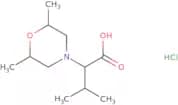
Discontinued product2-(2,6-Dimethylmorpholin-4-yl)-3-methylbutanoic acid hydrochloride
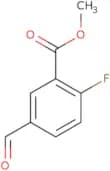
CAS:Versatile small molecule scaffoldFormula:C11H22ClNO3Purity:Min. 95%Molecular weight:251.75 g/molMethyl 2-fluoro-5-formylbenzoate
CAS:Versatile small molecule scaffold
Formula:C9H7FO3Purity:Min. 95%Molecular weight:182.15 g/molRef: 3D-QGA80394
Discontinued product4,5,6,7-Tetrahydropyrazolo[1,5-a]pyrazine dihydrochloride
CAS:Versatile small molecule scaffoldFormula:C6H11Cl2N3Purity:Min. 95%Molecular weight:196.08 g/mol2-Mercaptobenzo[d]thiazole-6-carbonitrile
CAS:Versatile small molecule scaffoldFormula:C8H4N2S2Purity:Min. 95%Molecular weight:192.25 g/molRef: 3D-QMA22879
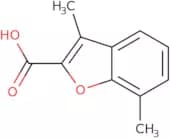
Discontinued product3,7-Dimethyl-1-benzofuran-2-carboxylic acid
CAS:Versatile small molecule scaffold
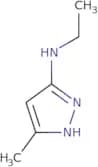
Formula:C11H10O3Purity:Min. 95%Molecular weight:190.19 g/molN-Ethyl-5-methyl-1H-pyrazol-3-amine
CAS:Versatile small molecule scaffold
Formula:C6H11N3Purity:Min. 95%Molecular weight:125.17 g/molRef: 3D-REA54520
Discontinued product2-[(tert-Butyldimethylsilyl)oxy]benzaldehyde
CAS:2-[(tert-Butyldimethylsilyl)oxy]benzaldehyde (BBSA) is a traceless synthetic reagent that is used for the termination of peptide synthesis. It can also be used in the synthesis of benzofurans, carbonyl compounds, and thioacetals. The high yield and chemoselectivity makes BBSA a competitive reagent for these types of reactions. BBSA can be prepared from hydrogen peroxide, esters, enol ethers, or peroxides. These latter reactants are more selective than hydrogen peroxide and do not lead to oxidation of substrates or side products. This product is also useful for the synthesis of thioketals.
Formula:C13H20O2SiPurity:Min. 95%Molecular weight:236.38 g/mol1-(4-Chlorophenyl)-1H-imidazole-2(3H)-thione
CAS:1-(4-Chlorophenyl)-1H-imidazole-2(3H)-thione is a crystalline solid that belongs to the class of imidazoles. It has been synthesized by reacting 1,2-dibromoethane with sodium methoxide in methanol. The compound was found to have a melting point of about 183°C and a molecular weight of 212.06 g/mol. This compound has been shown to interact with methanol, methoxide, and ethoxy groups. Crystallization occurs when the substance is heated to about 183°C in vacuum and then cooled slowly.
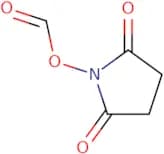
Formula:C9H7ClN2SPurity:Min. 95%Molecular weight:210.68 g/mol2,5-Dioxopyrrolidin-1-yl formate
CAS:2,5-Dioxopyrrolidin-1-yl formate is a solubilized ATP analog that has been clinically developed for the treatment of cancer. This drug binds to cell membranes and causes alkylation of the acidic phospholipids in the membrane, leading to increased permeability of the membrane and release of intracellular components. 2,5-Dioxopyrrolidin-1-yl formate also interacts with lysosomes and increases their acidity, which may lead to an increase in lysosomal enzyme activity. This drug has been shown to inhibit tumor growth in a mouse model by binding to erythrocytes while it was being simultaneously administered intravenously. The chemical structures of this drug are closely related to those of phaseolus, which is known for its anticancer effects.
Formula:C5H5NO4Purity:Min. 95%Molecular weight:143.1 g/molRef: 3D-SAA59254
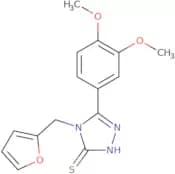
Discontinued product5-(3,4-Dimethoxyphenyl)-4-(furan-2-ylmethyl)-4H-1,2,4-triazole-3-thiol
CAS:Versatile small molecule scaffold
Formula:C15H15N3O3SPurity:Min. 95%Molecular weight:317.4 g/molRef: 3D-SQA23740
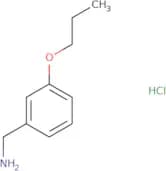
Discontinued product(3-Propoxyphenyl)methanamine hydrochloride
CAS:Versatile small molecule scaffold
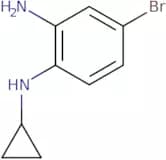
Formula:C10H16ClNOPurity:Min. 95%Molecular weight:201.69 g/mol4-Bromo-1-N-cyclopropylbenzene-1,2-diamine
CAS:Versatile small molecule scaffoldFormula:C9H11BrN2Purity:Min. 95%Molecular weight:227.1 g/molRef: 3D-STB29141
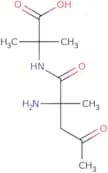
Discontinued product2-(2-acetamido-2-methylpropanamido)-2-methylpropanoic acid
CAS:Versatile small molecule scaffoldFormula:C10H18N2O4Purity:Min. 95%Molecular weight:230.26 g/molRef: 3D-TEA72499
Discontinued product2-Cyclopropylbenzaldehyde
CAS:Versatile small molecule scaffold
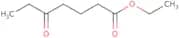
Formula:C10H10OPurity:Min. 95%Molecular weight:146.19 g/molEthyl 5-oxoheptanoate
CAS:Ethyl 5-oxoheptanoate is a clear, colorless liquid that can be synthesized by reacting benzene with acetone. The synthesis of ethyl 5-oxoheptanoate is an example of a Friedel-Crafts reaction. This chemical is soluble in organic solvents such as acetone and cyclohexane and has low toxicity. It can be used as a reagent for the preparation of esters from alcohols, phenols, or carboxylic acids. Ethyl 5-oxoheptanoate can also be used to prepare resorcinol, which is a precursor to polymers and dyes, by hydrogenation of the molecule. Preparative methods are often used to produce this product because it has limited solubility in water.
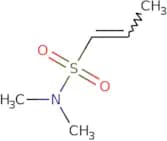
Formula:C9H16O3Purity:Min. 95%Molecular weight:172.22 g/molN,N-Dimethylprop-1-ene-1-sulfonamide
CAS:Versatile small molecule scaffold
Formula:C5H11NO2SPurity:Min. 95%Molecular weight:149.2 g/molRef: 3D-VCA78500
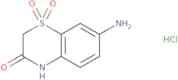
Discontinued product7-amino-2H-1,4-benzothiazin-3(4H)-one 1,1-dioxide hydrochloride
CAS:Versatile small molecule scaffold
Formula:C8H9ClN2O3SPurity:Min. 95%Molecular weight:248.69 g/molRef: 3D-VID40915
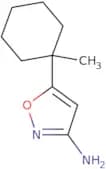
Discontinued product5-(1-Methylcyclohexyl)-1,2-oxazol-3-amine
CAS:Versatile small molecule scaffoldFormula:C10H16N2OPurity:Min. 95%Molecular weight:180.2 g/molRef: 3D-VSC16818
Discontinued product2-(5-Phenyl-2H-1,2,3,4-tetrazol-2-yl)propanoic acid
CAS:Versatile small molecule scaffoldFormula:C10H10N4O2Purity:Min. 95%Molecular weight:218.21 g/molRef: 3D-XAA30740
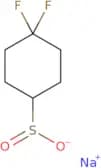
Discontinued productSodium 4,4-difluorocyclohexane-1-sulfinate
CAS:Versatile small molecule scaffold
Formula:C6H9F2NaO2SPurity:Min. 95%Molecular weight:206.19 g/molRef: 3D-XPC01358
Discontinued product2-[(3,5-Dimethylphenyl)formamido]acetic acid
CAS:2-[(3,5-Dimethylphenyl)formamido]acetic acid is a compound with diverse applications and characteristics. It is a diphenyl ether that can be used as an electrode material in various electronic devices. Additionally, it has cholinergic properties, meaning it affects the neurotransmitter acetylcholine in the nervous system.
Formula:C11H13NO3Purity:Min. 95%Molecular weight:207.23 g/molRef: 3D-YAA08214
Discontinued product5-(Chloromethyl)-3-methyl-1-phenyl-1H-pyrazole-4-carbonitrile
CAS:Versatile small molecule scaffold
Formula:C12H10ClN3Purity:Min. 95%Molecular weight:231.68 g/mol4-Acetyl-5-methyl-3-(propan-2-yl)-1H-pyrrole-2-carboxylic acid
CAS:Versatile small molecule scaffold
Formula:C11H15NO3Purity:Min. 95%Molecular weight:209.24 g/molRef: 3D-YGC02414
Discontinued product4-oxo-2-spiro(N-Boc-piperidine-4-yl)-benzopyran
CAS:Versatile small molecule scaffold
Formula:C18H23NO4Purity:Min. 95%Molecular weight:317.39 g/molRef: 3D-ZIB92822
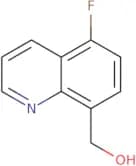
Discontinued product(5-Fluoroquinolin-8-yl)methanol
CAS:Versatile small molecule scaffold
Formula:C10H8FNOPurity:Min. 95%Molecular weight:177.17 g/mol2-Bromo-3,3,3-trifluoro-1-propene
CAS:Controlled Product2-Bromo-3,3,3-trifluoro-1-propene is a chemical compound that has been synthesized in an asymmetric reaction. The reactant is bromopropane and the product is 2,2,2-trifluoropropene. The methylene group on the propene molecule is activated by the nucleophilic attack of a fluoride ion from hydrogen fluoride to form a cavity with a highly strained bond. The kinetic study of this reaction revealed that the activation energy for the reaction is 42 kJ/mol. Palladium-catalyzed coupling reactions are catalyzed by palladium and require nonpolar solvents such as toluene or dichloromethane. This type of reaction has been shown to be exothermic with an isolated yield of 1%.
Formula:C3H2BrF3Purity:Min. 95%Color and Shape:Colorless PowderMolecular weight:174.95 g/mol4-Chloro-2-hydroxy-6-methylphenylboronic acid
CAS:Versatile small molecule scaffoldFormula:C7H8BClO3Purity:Min. 95%Molecular weight:186.4 g/mol3-Hydroxy-5-methylpyridine
CAS:3-Hydroxy-5-methylpyridine (3HMP) is a chemical substance that has been classified as an amine. It is a product of the metabolism of purines, which are nitrogenous bases found in DNA and RNA. 3HMP is produced by aerogenic bacteria (such as Enterobacter), and can be used to estimate the number of these bacteria present in water samples. 3HMP has been shown to have antiviral properties against influenza virus, and can be used as a biomarker for the presence of other viruses in animals. 3HMP also has mineralization properties, which have been studied extensively, particularly with regards to pancreatic disease.
Formula:C6H7NOPurity:Min. 95%Color and Shape:PowderMolecular weight:109.13 g/molRef: 3D-FH16174
Discontinued product4,5-Dihydroxy-2,3-Pentanedione
CAS:4,5-Dihydroxy-2,3-pentanedione is a carbonyl compound that is the product of the oxidation of ascorbic acid. It is used in wastewater treatment and has antimicrobial properties against infectious diseases. This compound has been shown to inhibit protein synthesis by binding to the ribosome and preventing the formation of peptide bonds between amino acids. 4,5-Dihydroxy-2,3-pentanedione has also been shown to bind to plasma proteins, which may be due to its acyl chain structure. 4,5-Dihydroxy-2,3-pentanedione can be synthesized in a catalytic mechanism that involves dehydroascorbic acid and molecular oxygen.
Formula:C5H8O4Purity:Min. 95%Color and Shape:PowderMolecular weight:132.11 g/molRef: 3D-FD180770
Discontinued productPiperyline
CAS:Piperyline is an alkanoic acid that has shown to be effective against skin cancer. It also has antimicrobial properties, which may be due to its ability to bind metal ions and form polymeric compounds. Piperyline inhibits microbial growth by inhibiting the synthesis of proteins and nucleic acids. The antimicrobial activity is related to its cationic polymerization with hydroxyl groups, which forms a structure that can inhibit microbial enzymes and disrupt microbial cell membranes. This compound also interacts with the skin's natural lipids, making it difficult for microorganisms to attach and grow on the skin. Piperyline is synthesized in organic chemistry laboratories as an amide precursor of other pharmaceuticals such as penicillin.
Formula:C16H17NO3Purity:Min. 95%Molecular weight:271.31 g/mol

![[1-(Fluoromethyl)cyclopropyl]methanesulfonyl chloride](/_next/image/?url=https%3A%2Fstatic.cymitquimica.com%2Fproducts%2F3D%2Fthumb-webp%2FPCC96395.webp&w=3840&q=75)
![N-{[2-(Trifluoromethyl)phenyl]methyl}oxetan-3-amine](/_next/image/?url=https%3A%2Fstatic.cymitquimica.com%2Fproducts%2F3D%2Fthumb-webp%2FPDC89412.webp&w=3840&q=75)
![4,5,6,7-Tetrahydropyrazolo[1,5-a]pyrazine dihydrochloride](/_next/image/?url=https%3A%2Fstatic.cymitquimica.com%2Fproducts%2F3D%2Fthumb-webp%2FQGA89407.webp&w=3840&q=75)
![2-Mercaptobenzo[d]thiazole-6-carbonitrile](/_next/image/?url=https%3A%2Fstatic.cymitquimica.com%2Fproducts%2F3D%2Fthumb-webp%2FQMA22879.webp&w=3840&q=75)
![2-[(tert-Butyldimethylsilyl)oxy]benzaldehyde](/_next/image/?url=https%3A%2Fstatic.cymitquimica.com%2Fproducts%2F3D%2Fthumb-webp%2FREA58512.webp&w=3840&q=75)



![2-[(3,5-Dimethylphenyl)formamido]acetic acid](/_next/image/?url=https%3A%2Fstatic.cymitquimica.com%2Fproducts%2F3D%2Fthumb-webp%2FYAA08214.webp&w=3840&q=75)