


Building Blocks
Subcategories of "Building Blocks"
- Boronic Acids & Boronic Acid Derivatives(5,778 products)
- Chiral Building Blocks(1,243 products)
- Hydrocarbon Building Blocks(6,099 products)
- Organic Building Blocks(61,038 products)
Found 205375 products of "Building Blocks"
2-Chloropyridine-4-sulfonamide
CAS:Versatile small molecule scaffold
Formula:C5H5ClN2O2SPurity:Min. 95%Molecular weight:192.62 g/molRef: 3D-HXB76738
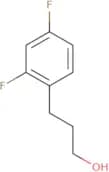
Discontinued product3-(2,4-Difluorophenyl)propan-1-ol
CAS:Versatile small molecule scaffold
Formula:C9H10F2OPurity:Min. 95%Molecular weight:172.17 g/molRef: 3D-HNB20467
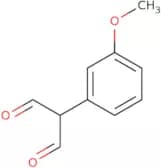
Discontinued product2-(3-Methoxyphenyl)malondialdehyde
CAS:Versatile small molecule scaffold
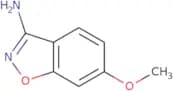
Formula:C10H10O3Purity:Min. 95%Molecular weight:178.18 g/mol6-Methoxy-1,2-benzoxazol-3-amine
CAS:Versatile small molecule scaffold
Formula:C8H8N2O2Purity:Min. 95%Molecular weight:164.16 g/mol[2-(4-Benzylpiperazin-1-yl)ethyl](methyl)amine
CAS:Versatile small molecule scaffold
Formula:C14H23N3Purity:Min. 95%Molecular weight:233.35 g/molRef: 3D-HGA36833
Discontinued product3'-Methyl-[1,1'-biphenyl]-2-carboxylic acid
CAS:Versatile small molecule scaffold
Formula:C14H12O2Purity:Min. 95%Molecular weight:212.24 g/molRef: 3D-HEA41271
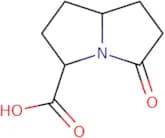
Discontinued product5-Oxo-hexahydro-1H-pyrrolizine-3-carboxylic acid
CAS:Versatile small molecule scaffold
Formula:C8H11NO3Purity:Min. 95%Molecular weight:169.18 g/molRef: 3D-HEA29450
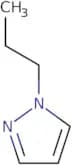
Discontinued product1-Propylpyrazole
CAS:1-Propylpyrazole is a non-classical inhibitor of aldehyde oxidase that has been shown to have an inhibitory effect on pentane. 1-Propylpyrazole has peroxidase-like activity, which means it can bind to lipid hydroperoxides in the presence of hydrogen peroxide or peroxidase. It has also been shown to be an effective inhibitor of dehydrogenase, which is an enzyme that catalyzes the oxidation of aldehydes and ketones to carboxylic acids. This drug is not active against classical aldehyde oxidases such as alcohol dehydrogenase, but it does inhibit polyunsaturated fatty acid synthesis by binding with cytochrome P450 enzymes.
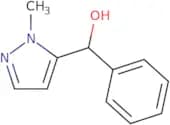
Formula:C6H10N2Purity:Min. 95%Molecular weight:110.16 g/mol(1-Methyl-1H-pyrazol-5-yl)(phenyl)methanol
CAS:Versatile small molecule scaffold
Formula:C11H12N2OPurity:Min. 95%Molecular weight:188.23 g/molRef: 3D-HBA50065
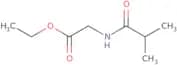
Discontinued productEthyl 2-(2-methylpropanamido)acetate
CAS:Versatile small molecule scaffold
Formula:C8H15NO3Purity:Min. 95%Molecular weight:173.21 g/molRef: 3D-GBA76630
Discontinued product2-(4-Cyanophenyl)-2-hydroxyacetic acid
CAS:Versatile small molecule scaffold
Formula:C9H7NO3Purity:Min. 95%Molecular weight:177.16 g/molRef: 3D-GAB89716
Discontinued product[1-(2-Methoxyethyl)-3,5-dimethyl-1H-pyrazol-4-yl]methanamine
CAS:Versatile small molecule scaffold
Formula:C9H17N3OPurity:Min. 95%Molecular weight:183.25 g/molRef: 3D-FWB59580
Discontinued product3-Azabicyclo[3.2.1]octan-6-ol hydrochlorides
CAS:Versatile small molecule scaffoldFormula:C7H14ClNOPurity:Min. 95%Molecular weight:163.6 g/molRef: 3D-FSD25297
Discontinued product1,5,5-Trimethylpyrrolidin-3-amine dihydrochloride
CAS:Versatile small molecule scaffoldFormula:C7H18Cl2N2Purity:Min. 95%Molecular weight:201.1 g/molRef: 3D-FSD25271
Discontinued product5-Methoxybicyclo[2.2.1]heptan-2-amine hydrochloride
CAS:Versatile small molecule scaffoldFormula:C8H16ClNOPurity:Min. 95%Molecular weight:177.7 g/molRef: 3D-FSD25240
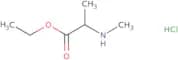
Discontinued productEthyl (2R)-2-(methylamino)propanoate hydrochloride
CAS:Versatile small molecule scaffoldFormula:C6H14ClNO2Purity:Min. 95%Molecular weight:167.6 g/molRef: 3D-FSD20274
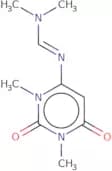
Discontinued product(E)-N'-(1,3-Dimethyl-2,6-dioxo-1,2,3,6-tetrahydropyrimidin-4-yl)-N,N-dimethylmethanimidamide
CAS:Versatile small molecule scaffoldFormula:C9H14N4O2Purity:Min. 95%Molecular weight:210.2 g/molRef: 3D-FSB30046
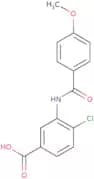
Discontinued product4-Chloro-3-(4-methoxybenzamido)benzoic acid
CAS:Versatile small molecule scaffold
Formula:C15H12ClNO4Purity:Min. 95%Molecular weight:305.71 g/molRef: 3D-FRB50804
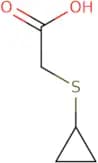
Discontinued product2-(Cyclopropylsulfanyl)acetic acid
CAS:Versatile small molecule scaffold
Formula:C5H8O2SPurity:Min. 95%Molecular weight:132.18 g/mol4-(Thiophen-2-yl)-1H,4H,5H,6H,7H-imidazo[4,5-c]pyridine-6-carboxylic acid
CAS:Versatile small molecule scaffoldFormula:C11H11N3O2SPurity:Min. 95%Molecular weight:249.29 g/molDicyclohexyl[2-(phenanthren-9-yl)phenyl]phosphane
CAS:Versatile small molecule scaffold
Formula:C32H35PPurity:Min. 95%Molecular weight:450.6 g/molRef: 3D-FRA91941
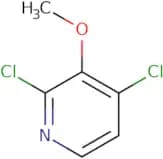
Discontinued product2,4-Dichloro-3-methoxypyridine
CAS:Versatile small molecule scaffold
Formula:C6H5Cl2NOPurity:Min. 95%Molecular weight:178.01 g/mol[3-(Propan-2-yl)phenyl]thiourea
CAS:Versatile small molecule scaffold
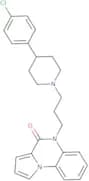
Formula:C10H14N2SPurity:Min. 95%Molecular weight:194.3 g/molJMS-17-2
CAS:JMS-17-2 is a small molecule that was shown to have a potent and selective inhibitory effect on the production of chemokines in cancer cells. It blocks the interaction between CXCL12 and its receptor, CXCR4. This interaction is important for normal bone tissue development and function, as well as for chemotaxis and metastasis of cancer cells. JMS-17-2 has been shown to prevent tumor growth in animal models by inhibiting angiogenesis, or the formation of new blood vessels to supply nutrients to tumors. The drug also inhibits tumor growth by decreasing the number of primary tumors, reducing bone lesions, and inhibiting the progression of pancreatic cancer. Clinical trials are currently being conducted to assess the efficacy of JMS-17-2 in humans with advanced solid tumors.
Formula:C25H26ClN3OPurity:Min. 95%Molecular weight:419.95 g/molRef: 3D-FFC39205
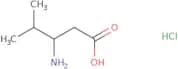
Discontinued product3-Amino-4-methylpentanoic acid hydrochloride
CAS:Versatile small molecule scaffold
Formula:C6H14ClNO2Purity:Min. 95%Molecular weight:167.63 g/mol2-{[4-({[(9H-Fluoren-9-yl)methoxy]carbonyl}amino)phenyl]methyl}butanoic acid
CAS:Versatile small molecule scaffold
Formula:C26H25NO4Purity:Min. 95%Molecular weight:415.5 g/molRef: 3D-EPD45030
Discontinued product1-(1H-1,2,3,4-Tetrazol-5-yl)propan-2-ol
CAS:Versatile small molecule scaffoldFormula:C4H8N4OPurity:Min. 95%Molecular weight:128.1 g/molRef: 3D-EPD43785
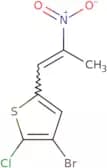
Discontinued product3-Bromo-2-chloro-5-(2-nitroprop-1-en-1-yl)thiophene
CAS:Versatile small molecule scaffoldFormula:C7H5BrClNO2SPurity:Min. 95%Molecular weight:282.54 g/molRef: 3D-EPC01906
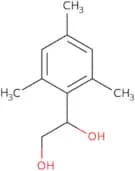
Discontinued product1-(2,4,6-Trimethylphenyl)ethane-1,2-diol
CAS:Versatile small molecule scaffoldFormula:C11H16O2Purity:Min. 95%Molecular weight:180.24 g/molRef: 3D-EPA15347
Discontinued productrac-(2R,3S)-1-{[(9H-Fluoren-9-yl)methoxy]carbonyl}-3-phenylpyrrolidine-2-carboxylic acid
CAS:Rac-1-{[(9H-fluoren-9-yl)methoxy]carbonyl}-3-phenylpyrrolidine-2-carboxylic acid is a chiral, stereospecific, cyclic sulfate that is synthetized by the reaction of glycol with lactam. It has been found to be effective against various types of cancer cells. Rac-1-{[(9H-fluoren-9-yl)methoxy]carbonyl}-3-phenylpyrrolidine 2 carboxylic acid is an enantiopure compound that can be used as an intermediate in the synthesis of antiinflammatory drugs such as kainic acid.
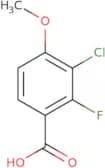
Formula:C26H23NO4Purity:Min. 95%Molecular weight:413.5 g/mol3-Chloro-2-fluoro-4-methoxybenzoic acid
CAS:Versatile small molecule scaffold
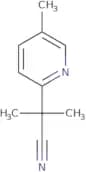
Formula:C8H6ClFO3Purity:Min. 95%Molecular weight:204.58 g/mol2-Methyl-2-(5-methylpyridin-2-yl)propanenitrile
CAS:Versatile small molecule scaffold
Formula:C10H12N2Purity:Min. 95%Molecular weight:160.22 g/molRef: 3D-EMB02197
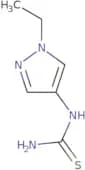
Discontinued product(1-Ethyl-1H-pyrazol-4-yl)thiourea
CAS:Versatile small molecule scaffold
Formula:C6H10N4SPurity:Min. 95%Molecular weight:170.2 g/molRef: 3D-DWB21183
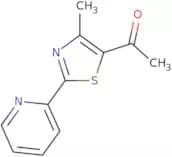
Discontinued product1-(4-Methyl-2-pyridin-2-yl-1,3-thiazol-5-yl)ethanone
CAS:Versatile small molecule scaffold
Formula:C11H10N2OSPurity:Min. 95%Molecular weight:218.28 g/molRef: 3D-DUA25765
Discontinued product2,6-Dichloropyridine-3-sulfonamide
CAS:Versatile small molecule scaffold
Formula:C5H4Cl2N2O2SPurity:Min. 95%Molecular weight:227.07 g/molRef: 3D-DTB62777
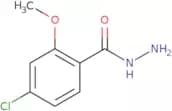
Discontinued product4-Chloro-2-methoxybenzohydrazide
CAS:Versatile small molecule scaffold
Formula:C8H9ClN2O2Purity:Min. 95%Molecular weight:200.62 g/molRef: 3D-DKB46596
Discontinued product2-(1-Chloroethyl)pyrimidin-4-amine
CAS:Versatile small molecule scaffold
Formula:C6H8ClN3Purity:Min. 95%Molecular weight:157.6 g/molRef: 3D-CKC65124
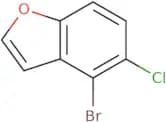
Discontinued product4-Bromo-5-chloro-1-benzofuran
CAS:Versatile small molecule scaffold
Formula:C8H4BrClOPurity:Min. 95%Molecular weight:231.47 g/molRef: 3D-CHC40529
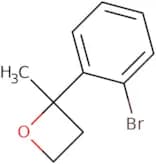
Discontinued product2-(2-Bromophenyl)-2-methyloxetane
CAS:Versatile small molecule scaffold
Formula:C10H11BrOPurity:Min. 95%Molecular weight:227.1 g/molRef: 3D-CGC24401
Discontinued product2-[Ethyl(propan-2-yl)amino]ethan-1-ol
CAS:Controlled ProductVersatile small molecule scaffold
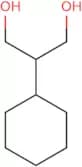
Formula:C7H17NOPurity:Min. 95%Molecular weight:131.22 g/mol2-Cyclohexylpropane-1,3-diol
CAS:2-Cyclohexylpropane-1,3-diol is a substrate for porcine pancreatic lipase. It is hydrolyzed by this enzyme, which is stereoselective and enantioselective. 2-Cyclohexylpropane-1,3-diol also has properties that are similar to angiotensin, a peptide that is secreted by the human body. This substance can be used as a solvent for other organic compounds in chemical reactions.
Formula:C9H18O2Purity:Min. 95%Molecular weight:158.24 g/mol1-Benzothiophene-5-carbonitrile
CAS:1-Benzothiophene-5-carbonitrile is a heterocyclic compound that is formed by condensation of ethyl azidoacetate with indole under catalysis. It can be used in the synthesis of heterocycles. The yield of 1-benzothiophene-5-carbonitrile is about 56%.
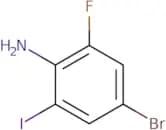
Formula:C9H5NSPurity:Min. 95%Molecular weight:159.21 g/mol4-Bromo-2-fluoro-6-iodoaniline
CAS:Versatile small molecule scaffold
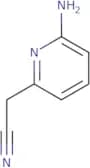
Formula:C6H4BrFINPurity:Min. 95%Molecular weight:315.91 g/mol2-(6-Aminopyridin-2-yl)acetonitrile
CAS:Versatile small molecule scaffold
Formula:C7H7N3Purity:Min. 95%Molecular weight:133.15 g/molRef: 3D-ARA77668
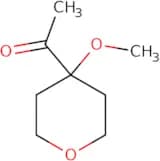
Discontinued product1-(4-Methoxyoxan-4-yl)ethan-1-one
CAS:Versatile small molecule scaffold
Formula:C8H14O3Purity:Min. 95%Molecular weight:158.19 g/molRef: 3D-AHA98278
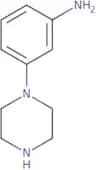
Discontinued product3-(Piperazin-1-yl)aniline
CAS:Versatile small molecule scaffold
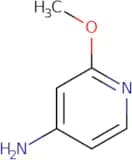
Formula:C10H15N3Purity:Min. 95%Molecular weight:177.25 g/mol(4-Aminopyridin-2-yl)methanol
CAS:Versatile small molecule scaffold
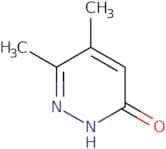
Formula:C6H8N2OPurity:Min. 95%Molecular weight:124.14 g/mol5,6-Dimethylpyridazin-3(2H)-one
CAS:Versatile small molecule scaffold
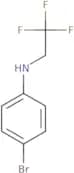
Formula:C6H8N2OPurity:Min. 95%Molecular weight:124.14 g/mol4-bromo-N-(2,2,2-trifluoroethyl)aniline
CAS:Versatile small molecule scaffold
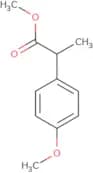
Formula:C8H7BrF3NPurity:Min. 95%Molecular weight:254 g/molMethyl 2-(4-methoxyphenyl)propanoate
CAS:Versatile small molecule scaffold
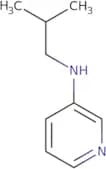
Formula:C11H14O3Purity:Min. 95%Molecular weight:194.23 g/molN-(2-Methylpropyl)pyridin-3-amine
CAS:Versatile small molecule scaffold
Formula:C9H14N2Purity:Min. 95%Molecular weight:150.22 g/molRef: 3D-ABA56010
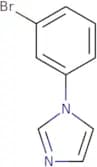
Discontinued product1-(3-Bromophenyl)-1H-imidazole
CAS:Versatile small molecule scaffold
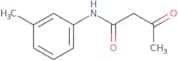
Formula:C9H7BrN2Purity:Min. 95%Molecular weight:223.07 g/molN-(3-Methylphenyl)-3-oxobutanamide
CAS:Versatile small molecule scaffold
Formula:C11H13NO2Purity:Min. 95%Molecular weight:191.23 g/molRef: 3D-ABA23346
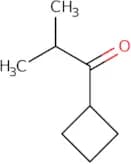
Discontinued product1-Cyclobutyl-2-methylpropan-1-one
CAS:Versatile small molecule scaffold
Formula:C8H14OPurity:Min. 95%Molecular weight:126.2 g/molRef: 3D-ABA11133
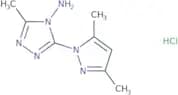
Discontinued product3-(3,5-Dimethyl-1H-pyrazol-1-yl)-5-methyl-4H-1,2,4-triazol-4-amine hydrochloride
CAS:Versatile small molecule scaffold
Formula:C8H13ClN6Purity:Min. 95%Molecular weight:228.68 g/molRef: 3D-AAA88092
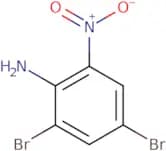
Discontinued product2,4-Dibromo-6-nitroaniline
CAS:2,4-Dibromo-6-nitroaniline is a nitro compound that has been used in the production of dyes. It is also used as a component in the synthesis of other organic compounds. 2,4-Dibromo-6-nitroaniline can be produced by electrolysis of an acid solution containing radical cations and benzene. The radical cations are formed by proton transfer from the acid to the benzene, followed by electron transfer from benzene to the electrode. This process results in the formation of nitro groups on the benzene ring, which undergoes oxidation to form 2,4-dibromo-6-nitroaniline. The cyclic voltammetry shows that this process occurs via two pathways: one with a fast rate and one with a slow rate. The mechanism for this reaction is not yet known.
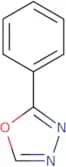
Formula:C6H4Br2N2O2Purity:Min. 95%Molecular weight:295.92 g/mol2-Phenyl-1,3,4-oxadiazole
CAS:2-Phenyl-1,3,4-oxadiazole is a 2-phenyloxazole with an oxygen atom at the 1 position. It is a white crystalline solid that is soluble in water and has antibacterial properties. This chemical can be used as a catalyst for the synthesis of organic compounds. 2-Phenyl-1,3,4-oxadiazole reacts with nitro groups to form oxime derivatives and has been shown to inhibit the growth of fungi such as Candida albicans and Aspergillus niger. 2-Phenyl-1,3,4-oxadiazole can also be used as an antifungal agent against Trichophyton rubrum.
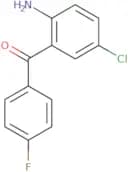
2-Phenyl-1,3,4-oxadiazole may be synthesized by reacting phenol with acetone in the presence of nitric acid or sulfuric acid. The structural formula for this compound isFormula:C8H6N2OPurity:Min. 95%Molecular weight:146.15 g/mol4-Chloro-2-(4-fluorobenzoyl)aniline
CAS:Versatile small molecule scaffold
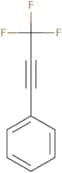
Formula:C13H9ClFNOPurity:Min. 95%Molecular weight:249.67 g/mol(3,3,3-Trifluoroprop-1-yn-1-yl)benzene
CAS:(3,3,3-Trifluoroprop-1-yn-1-yl)benzene is a reaction product that can be used to inhibit the activity of metalloprotease and as an anti-cancer agent. This compound inhibits the enzyme that causes chronic kidney disease and degenerative diseases. It is a potent inhibitor of metalloprotease, which is involved in cancer progression, fatty acid synthesis and bone formation. The effective dose for this drug is between 1 and 10mg/kg body weight. It has been shown to have an asymmetric synthesis with the use of amido groups. (3,3,3-Trifluoroprop-1-yn-1-yl)benzene also has antirheumatic properties due to its ability to inhibit proteases such as matrix metalloproteinases and cathepsins.
Formula:C9H5F3Purity:Min. 95%Molecular weight:170.13 g/molRef: 3D-AAA77262
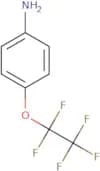
Discontinued product4-(Perfluoroethoxy)aniline
CAS:Versatile small molecule scaffold
Formula:C8H6F5NOPurity:Min. 95%Molecular weight:227.13 g/molRef: 3D-AAA71785
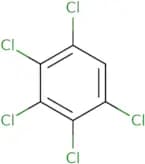
Discontinued product1,2,3,4,5-Pentachlorobenzene
CAS:1,2,3,4,5-Pentachlorobenzene is a chlorinated hydrocarbon that is used in the production of pesticides and herbicides. It is an ingredient in the manufacturing of pentachlorophenol and pentachloronitrobenzene. 1,2,3,4,5-Pentachlorobenzene has been used as a chemical intermediate or solvent for the production of other chemicals. The emissions from this chemical can be harmful to humans and animals because it has been shown to affect enzyme activities at sublethal doses. It also affects rat liver microsomes and causes DNA damage that can lead to cancer.
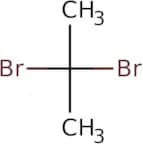
Formula:C6HCl5Purity:Min. 95%Molecular weight:250.34 g/mol2,2-Dibromopropane
CAS:2,2-Dibromopropane is a synthetic chemical that has been used as a precursor in the production of nylon. It is an activator that can be used to form covalent bonds with reactive groups on other molecules. The activation energy for the reaction with piperazine is between 104 and 106 kJ/mol. 2,2-Dibromopropane undergoes acylation reactions under certain conditions, forming reaction products such as 2,2-dibromoethyl acetate and 2,2-dibromoethanol. The molecular weight of 2,2-dibromopropane is 192.19 g/mol and its structural formula is CHBrCHBrCHBrCHBrC≡C≡C≡C≡C≡C≡CC(O)OH.
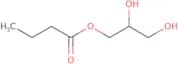
Formula:C3H6Br2Purity:Min. 95%Molecular weight:201.89 g/mol1-Monotetranoin
CAS:1-Monotetranoin is a fatty ester that is involved in the process of lipolysis, which is the breakdown of fat cells. Lipolysis occurs when an enzyme called lipase hydrolyzes triglycerides into glycerol and three fatty acids. 1-Monotetranoin has been shown to be a potent stimulator of growth factor production and cell proliferation in vivo models. It has also been shown to be effective at inhibiting angiogenic processes in vitro, including the release of growth factors from fat cells. The neutral pH optimum for 1-monotetranoin is between 7 and 8, which may be due to its hydrophobic nature.
Formula:C7H14O4Purity:Min. 95%Molecular weight:162.18 g/molRef: 3D-AAA55725
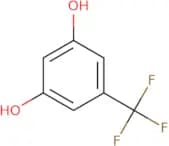
Discontinued product5-(Trifluoromethyl)benzene-1,3-diol
CAS:Versatile small molecule scaffold
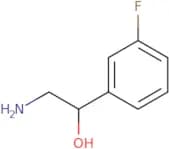
Formula:C7H5F3O2Purity:Min. 95%Molecular weight:178.11 g/mol2-Amino-1-(3-fluorophenyl)ethanol
CAS:Versatile small molecule scaffold
Formula:C8H10FNOPurity:Min. 95%Molecular weight:155.17 g/molRef: 3D-AAA40296
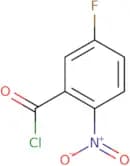
Discontinued product5-Fluoro-2-nitrobenzoyl chloride
CAS:5-Fluoro-2-nitrobenzoyl chloride is a conformationally locked macrocyclic compound that has been synthesized by solid phase synthesis. It is found in two conformational states and can be made to switch between these two states by applying a force to the molecule. This conformation can be controlled by changing the side chain of 5-fluoro-2-nitrobenzoyl chloride, which can be done experimentally. The conformational behavior of this macrocycle was studied using molecular dynamics simulations and it was found that there are four possible conformations for the molecule. The conformations with different side chains were found to have different energies, which could be used as a measure of their relative stability.
Formula:C7H3ClFNO3Purity:Min. 95%Molecular weight:203.55 g/mol4-Chloro-2-hydroxy-6-methylphenylboronic acid
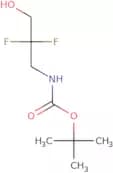
CAS:Versatile small molecule scaffoldFormula:C7H8BClO3Purity:Min. 95%Molecular weight:186.4 g/moltert-Butyl (2,2-difluoro-3-hydroxypropyl)carbamate
CAS:Versatile small molecule scaffoldFormula:C10H13NO4Purity:Min. 95%Molecular weight:211.21 g/mol2-Bromo-3,3,3-trifluoro-1-propene
CAS:Controlled Product2-Bromo-3,3,3-trifluoro-1-propene is a chemical compound that has been synthesized in an asymmetric reaction. The reactant is bromopropane and the product is 2,2,2-trifluoropropene. The methylene group on the propene molecule is activated by the nucleophilic attack of a fluoride ion from hydrogen fluoride to form a cavity with a highly strained bond. The kinetic study of this reaction revealed that the activation energy for the reaction is 42 kJ/mol. Palladium-catalyzed coupling reactions are catalyzed by palladium and require nonpolar solvents such as toluene or dichloromethane. This type of reaction has been shown to be exothermic with an isolated yield of 1%.
Formula:C3H2BrF3Purity:Min. 95%Color and Shape:Colorless PowderMolecular weight:174.95 g/mol1-Hydroxycyclopentane-1-carbonitrile
CAS:1-Hydroxycyclopentane-1-carbonitrile is a monomer that is hydrolyzed to form benzoin and cyanohydrins. It can be used in the production of scifinder as a monomer or dimerizer.
Formula:C6H9NOPurity:Min. 95%Molecular weight:111.14 g/mol4,5-Dihydro-1H-imidazol-2-amine hydrochloride
CAS:Please enquire for more information about 4,5-Dihydro-1H-imidazol-2-amine hydrochloride including the price, delivery time and more detailed product information at the technical inquiry form on this page
Formula:C3H7N3•HClPurity:Min. 95%Molecular weight:121.57 g/molRef: 3D-FD183639
Discontinued product3-Hydroxy-5-methylpyridine
CAS:3-Hydroxy-5-methylpyridine (3HMP) is a chemical substance that has been classified as an amine. It is a product of the metabolism of purines, which are nitrogenous bases found in DNA and RNA. 3HMP is produced by aerogenic bacteria (such as Enterobacter), and can be used to estimate the number of these bacteria present in water samples. 3HMP has been shown to have antiviral properties against influenza virus, and can be used as a biomarker for the presence of other viruses in animals. 3HMP also has mineralization properties, which have been studied extensively, particularly with regards to pancreatic disease.
Formula:C6H7NOPurity:Min. 95%Color and Shape:PowderMolecular weight:109.13 g/molRef: 3D-FH16174
Discontinued product8-Bromo-2-methylimidazo[1,2-a]pyridine
CAS:Versatile small molecule scaffold
Formula:C8H7N2BrPurity:Min. 95%Molecular weight:211.05 g/mol4,5-Dihydroxy-2,3-Pentanedione
CAS:4,5-Dihydroxy-2,3-pentanedione is a carbonyl compound that is the product of the oxidation of ascorbic acid. It is used in wastewater treatment and has antimicrobial properties against infectious diseases. This compound has been shown to inhibit protein synthesis by binding to the ribosome and preventing the formation of peptide bonds between amino acids. 4,5-Dihydroxy-2,3-pentanedione has also been shown to bind to plasma proteins, which may be due to its acyl chain structure. 4,5-Dihydroxy-2,3-pentanedione can be synthesized in a catalytic mechanism that involves dehydroascorbic acid and molecular oxygen.
Formula:C5H8O4Purity:Min. 95%Color and Shape:PowderMolecular weight:132.11 g/molRef: 3D-FD180770
Discontinued productPiperyline
CAS:Piperyline is an alkanoic acid that has shown to be effective against skin cancer. It also has antimicrobial properties, which may be due to its ability to bind metal ions and form polymeric compounds. Piperyline inhibits microbial growth by inhibiting the synthesis of proteins and nucleic acids. The antimicrobial activity is related to its cationic polymerization with hydroxyl groups, which forms a structure that can inhibit microbial enzymes and disrupt microbial cell membranes. This compound also interacts with the skin's natural lipids, making it difficult for microorganisms to attach and grow on the skin. Piperyline is synthesized in organic chemistry laboratories as an amide precursor of other pharmaceuticals such as penicillin.
Formula:C16H17NO3Purity:Min. 95%Molecular weight:271.31 g/mol


amine](/_next/image/?url=https%3A%2Fstatic.cymitquimica.com%2Fproducts%2F3D%2Fthumb-webp%2FHGA36833.webp&w=3840&q=75)
![3'-Methyl-[1,1'-biphenyl]-2-carboxylic acid](/_next/image/?url=https%3A%2Fstatic.cymitquimica.com%2Fproducts%2F3D%2Fthumb-webp%2FHEA41271.webp&w=3840&q=75)

![[1-(2-Methoxyethyl)-3,5-dimethyl-1H-pyrazol-4-yl]methanamine](/_next/image/?url=https%3A%2Fstatic.cymitquimica.com%2Fproducts%2F3D%2Fthumb-webp%2FFWB59580.webp&w=3840&q=75)
![3-Azabicyclo[3.2.1]octan-6-ol hydrochlorides](/_next/image/?url=https%3A%2Fstatic.cymitquimica.com%2Fproducts%2F3D%2Fthumb-webp%2FFSD25297.webp&w=3840&q=75)
![5-Methoxybicyclo[2.2.1]heptan-2-amine hydrochloride](/_next/image/?url=https%3A%2Fstatic.cymitquimica.com%2Fproducts%2F3D%2Fthumb-webp%2FFSD25240.webp&w=3840&q=75)
![4-(Thiophen-2-yl)-1H,4H,5H,6H,7H-imidazo[4,5-c]pyridine-6-carboxylic acid](/_next/image/?url=https%3A%2Fstatic.cymitquimica.com%2Fproducts%2F3D%2Fthumb-webp%2FFRB28535.webp&w=3840&q=75)
![Dicyclohexyl[2-(phenanthren-9-yl)phenyl]phosphane](/_next/image/?url=https%3A%2Fstatic.cymitquimica.com%2Fproducts%2F3D%2Fthumb-webp%2FFRA91941.webp&w=3840&q=75)
![[3-(Propan-2-yl)phenyl]thiourea](/_next/image/?url=https%3A%2Fstatic.cymitquimica.com%2Fproducts%2F3D%2Fthumb-webp%2FFMB39611.webp&w=3840&q=75)
![2-{[4-({[(9H-Fluoren-9-yl)methoxy]carbonyl}amino)phenyl]methyl}butanoic acid](/_next/image/?url=https%3A%2Fstatic.cymitquimica.com%2Fproducts%2F3D%2Fthumb-webp%2FEPD45030.webp&w=3840&q=75)
![rac-(2R,3S)-1-{[(9H-Fluoren-9-yl)methoxy]carbonyl}-3-phenylpyrrolidine-2-carboxylic acid](/_next/image/?url=https%3A%2Fstatic.cymitquimica.com%2Fproducts%2F3D%2Fthumb-webp%2FENC98387.webp&w=3840&q=75)


![2-[Ethyl(propan-2-yl)amino]ethan-1-ol](/_next/image/?url=https%3A%2Fstatic.cymitquimica.com%2Fproducts%2F3D%2Fthumb-webp%2FCAA89361.webp&w=3840&q=75)






![8-Bromo-2-methylimidazo[1,2-a]pyridine](/_next/image/?url=https%3A%2Fstatic.cymitquimica.com%2Fproducts%2F3D%2Fthumb-webp%2FUXB37475.webp&w=3840&q=75)

