


Building Blocks
Subcategories of "Building Blocks"
- Boronic Acids & Boronic Acid Derivatives(5,778 products)
- Chiral Building Blocks(1,243 products)
- Hydrocarbon Building Blocks(6,099 products)
- Organic Building Blocks(61,038 products)
Found 205376 products of "Building Blocks"
Amyl Acetate
CAS:Amyl acetate is a reactive, volatile organic compound that is used in the manufacture of plasticizers, resins, and synthetic rubber. It is also used as a solvent for dyes and pigments, as well as a flavoring agent in food processing. Amyl acetate has been shown to have antimicrobial properties against human pathogens such as methicillin-resistant Staphylococcus aureus (MRSA), Escherichia coli, and Salmonella enterica. The antimicrobial activity of this molecule may be due to its ability to react with cellular components such as proteins and lipids. Amyl acetate also inhibits the growth of microorganisms by inhibiting their synthesis of essential biomolecules like amino acids and nucleic acids.
Formula:C7H14O2Purity:Min. 95%Molecular weight:130.19 g/mol5-Ethenyl-2-methoxyphenol
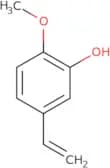
CAS:5-Ethenyl-2-methoxyphenol is a volatile compound that has been isolated from the bark of the cinnamon tree. It has shown anticancer activities "in vitro" and "in vivo". 5-Ethenyl-2-methoxyphenol has been shown to be demethylated by cytochrome P450 enzymes, which may result in its antitumor activity. This active compound can also be detected in postharvested fruit and vegetables as well as processed foods such as apple juice, tomato sauce, and dried fruits. 5-Ethenyl-2-methoxyphenol is responsible for the characteristic flavor of cinnamon, so it is often used as a flavoring agent in food processing.
Formula:C9H10O2Purity:Min. 95%Color and Shape:PowderMolecular weight:150.17 g/molAcetic acid, dibromo-, ethyl ester
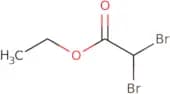
CAS:Acetic acid, dibromo-, ethyl ester is a reactive molecule that can be used as a nucleophilic substituent. It has hydroxyl group and ruthenium complex. It is a particle that can be used in the production of monoclonal antibodies. Acetic acid, dibromo-, ethyl ester also has viscosity and polycarboxylic acid. This chemical reacts with β-unsaturated ketones to form polymerization initiator. Acetic acid, dibromo-, ethyl ester also has carbonyl group and monoclonal antibodies. Acetic acid, dibromo-, ethyl ester can be conjugated with ethyl bromoacetate to produce conjugates.
Formula:C4H6Br2O2Purity:Min. 95%Molecular weight:245.9 g/mol2-[(3-Nitrophenyl)formamido]acetic acid
CAS:2-[(3-Nitrophenyl)formamido]acetic acid (2NPA) is a modifying agent that has been used in the modification of carboxyl groups. It can react with nucleophiles to form adducts and with carbodiimides to form ureas. 2NPA reacts with amino acids, peptides, and other nitrogenous compounds at their carboxyl groups to form ester or amide bonds. The nature of the residues after modification varies depending on the nature of the carboxyl group that was modified.
Formula:C9H8N2O5Purity:Min. 95%Molecular weight:224.17 g/molRef: 3D-AAA61710
Discontinued product4-(2-Methylphenyl)-3-thiosemicarbazide
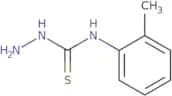
CAS:4-(2-Methylphenyl)-3-thiosemicarbazide is a crystalline solid that belongs to the group of benzoic acid derivatives. It has an orthorhombic crystal structure, with a yellow color. The crystals are measured at room temperature, and it has an atomic weight of 197.11 g/mol. 4-(2-Methylphenyl)-3-thiosemicarbazide is stable in air and in solution, but decomposes at temperatures above 250°C. This compound has been studied by using X-ray diffraction measurements and Bruker parameters. Its isotropic radiation is recorded at the following wavelength: 1.5418 Å (1).
Formula:C8H11N3SPurity:Min. 95%Molecular weight:181.26 g/mol(S)-(+)-1-Bromo-2-methylbutane
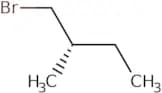
CAS:(S)-(+)-1-Bromo-2-methylbutane is a chiral molecule with two stereoisomers, the cis and trans forms. The cis form has been observed to be the more stable of the two. It is a functional theory that these two forms are not mirror images of each other because they have different conformations. (S)-(+)-1-Bromo-2-methylbutane has been used in the synthesis of a number of important molecules. The stereoisomers can be distinguished by conformational analysis and optical microscopy. (S)-(+)-1-Bromo-2-methylbutane also has an application in biotechnology for use as a precursor for hydrazones, which are important in organic chemistry and molecular biology, such as DNA sequencing.
Formula:C5H11BrPurity:Min. 95%Molecular weight:151.04 g/molDi-n-octylamine
CAS:Di-n-octylamine is a reactive chemical that is chemically stable in the presence of nitrogen. It is used in chemical biology as a transport agent for amines and other organic compounds. Di-n-octylamine has been shown to have optimum solubility in glycol ethers, magnesium salts, and trifluoroacetic acid. This compound reacts with fatty acids to form hydroxyl groups and can be used as an extractant for glycol ethers. The mechanism of this reaction involves intramolecular hydrogen transfer from the hydroxyl group on the fatty acid to the n-octyl amine molecule.
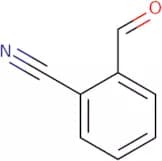
Formula:C16H35NPurity:Min. 95%Molecular weight:241.46 g/mol2-Cyanobenzaldehyde
CAS:2-Cyanobenzaldehyde is an aldehyde that reacts with nucleophiles such as trifluoromethanesulfonic acid to form a molecule. 2-Cyanobenzaldehyde has potent inhibitory activity against the kinase glycogen synthase kinase 3 (GSK3) and can be used to treat autoimmune diseases. It also reacts with hydrochloric acid in solution to form an intermediate, which is then reacted with glycine and ATP to produce a chiral compound. The product of this reaction has been shown to be active methylene, which was synthesized by asymmetric synthesis.
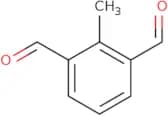
Formula:C8H5NOPurity:Min. 95%Color and Shape:PowderMolecular weight:131.13 g/mol2-Methylbenzene-1,3-dicarbaldehyde
CAS:2-Methylbenzene-1,3-dicarbaldehyde is a divalent hydrocarbon that has an oxidation catalyst. This compound is used as an intermediate in the production of drugs and pharmaceuticals. It has been shown to have cardiovascular disorders, such as vasodilatation and hypotension. The mechanism of action is not fully understood but may be related to its ability to act as a nitrovasodilator by increasing nitric oxide (NO) release. 2-Methylbenzene-1,3-dicarbaldehyde also produces psychotic disorders when long term exposure occurs. This compound has been shown to have neurotoxic effects in animal models with long term exposure.
Formula:C9H8O2Purity:Min. 95%Molecular weight:148.16 g/molRef: 3D-BCA68950
Discontinued product2,6-Dichloropyridine-3-sulfonamide
CAS:Versatile small molecule scaffold
Formula:C5H4Cl2N2O2SPurity:Min. 95%Molecular weight:227.07 g/molRef: 3D-DTB62777
Discontinued product1-(tert-Butyldimethylsilyl)-1H,2H,3H-pyrrolo[2,3-b]pyridine
CAS:Versatile small molecule scaffoldFormula:C13H22N2SiPurity:Min. 95%Molecular weight:234.41 g/molRef: 3D-EFB21438
Discontinued product1-Ethyl-1,3-dihydro-2,1,3-benzothiadiazole 2,2-dioxide
CAS:Versatile small molecule scaffold
Formula:C8H10N2O2SPurity:Min. 95%Molecular weight:198.24 g/molRef: 3D-KYC67060
Discontinued product9-Cyclopropyl-9-azabicyclo[3.3.1]nonan-3-amine
CAS:Versatile small molecule scaffoldFormula:C11H20N2Purity:Min. 95%Molecular weight:180.29 g/molRef: 3D-KYB65907
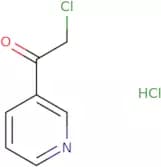
Discontinued product2-Chloro-1-(pyridin-3-yl)ethanone hydrochloride
CAS:2-Chloro-1-(pyridin-3-yl)ethanone hydrochloride is a chloride that has been shown to have nitro and carbonyl groups. It has been used in animal studies for the treatment of infectious diseases such as gram-negative bacteria, herpes virus, or glyceraldehyde phosphate dehydrogenase. 2-Chloro-1-(pyridin-3-yl)ethanone hydrochloride inhibits glycolytic enzyme and cyanoalkyl amines. END>Formula:C7H7Cl2NOPurity:Min. 95%Molecular weight:192.04 g/molRef: 3D-LCA88948
Discontinued product3-[(3-Methoxypropyl)carbamoyl]propanoic acid
CAS:Versatile small molecule scaffold
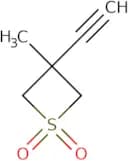
Formula:C8H15NO4Purity:Min. 95%Molecular weight:189.21 g/mol3-Ethynyl-3-methylthietane 1,1-dioxide
CAS:Versatile small molecule scaffold
Formula:C6H8O2SPurity:Min. 95%Molecular weight:144.2 g/molRef: 3D-KQD93720
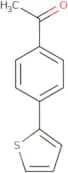
Discontinued product1-(4-Thiophen-2-yl-phenyl)-ethanone
CAS:Versatile small molecule scaffold
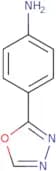
Formula:C12H10OSPurity:Min. 95%Molecular weight:202.27 g/mol4-(1,3,4-Oxadiazol-2-yl)aniline
CAS:Versatile small molecule scaffold
Formula:C8H7N3OPurity:Min. 95%Molecular weight:161.16 g/molRef: 3D-KBA21913
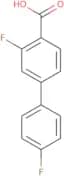
Discontinued product4-(4-Fluorophenyl)-2-fluorobenzoic acid
CAS:Versatile small molecule scaffold
Formula:C13H8F2O2Purity:Min. 95%Molecular weight:234.2 g/molRef: 3D-LGB68586
Discontinued product1-[(1-Aminopropan-2-yl)oxy]-2-bromobenzene
CAS:Versatile small molecule scaffold
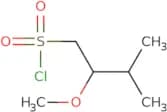
Formula:C9H12BrNOPurity:Min. 95%Molecular weight:230.1 g/mol2-Methoxy-3-methylbutane-1-sulfonyl chloride
CAS:Versatile small molecule scaffold
Formula:C6H13ClO3SPurity:Min. 95%Molecular weight:200.68 g/molRef: 3D-JWC81172
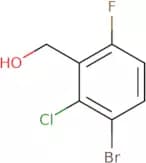
Discontinued product3-Bromo-2-chloro-6-fluorobenzyl alcohol
CAS:Versatile small molecule scaffold
Formula:C7H5BrClFOPurity:Min. 95%Molecular weight:239.47 g/molRef: 3D-JWC62856
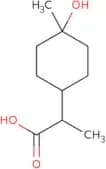
Discontinued product2-(4-Hydroxy-4-methylcyclohexyl)propanoic acid
CAS:Versatile small molecule scaffold
Formula:C10H18O3Purity:Min. 95%Molecular weight:186.25 g/molRef: 3D-JWC30851
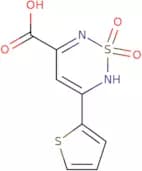
Discontinued product1,1-Dioxo-5-(thiophen-2-yl)-2H-1,2,6-thiadiazine-3-carboxylic acid
CAS:Versatile small molecule scaffoldFormula:C8H6N2O4S2Purity:Min. 95%Molecular weight:258.3 g/molRef: 3D-LQB39755
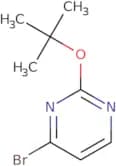
Discontinued product4-Bromo-2-(tert-butoxy)pyrimidine
CAS:Versatile small molecule scaffold
Formula:C8H11BrN2OPurity:Min. 95%Molecular weight:231.09 g/molRef: 3D-JNB24097
Discontinued product1-(Propan-2-yl)-N-[1-(propan-2-yl)-4,5,6,7-tetrahydro-1H-indazol-5-yl]-4,5,6,7-tetrahydro-1H-indazol-5-amine
CAS:Versatile small molecule scaffold
Formula:C20H31N5Purity:Min. 95%Molecular weight:341.5 g/molRef: 3D-JDC14931
Discontinued product9-{[(tert-Butoxy)carbonyl]amino}bicyclo[3.3.1]nonane-3-carboxylic acid
CAS:Versatile small molecule scaffoldFormula:C15H25NO4Purity:Min. 95%Molecular weight:283.36 g/molRef: 3D-JDC14847
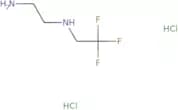
Discontinued product(2-Aminoethyl)(2,2,2-trifluoroethyl)amine dihydrochloride
CAS:Versatile small molecule scaffold
Formula:C4H11Cl2F3N2Purity:Min. 95%Molecular weight:215.04 g/molRef: 3D-JDC14763
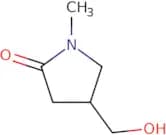
Discontinued product4-(Hydroxymethyl)-1-methylpyrrolidin-2-one
CAS:Versatile small molecule scaffold
Formula:C6H11NO2Purity:Min. 95%Molecular weight:129.16 g/molRef: 3D-JCA88720
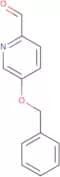
Discontinued product5-(Benzyloxy)pyridine-2-carbaldehyde
CAS:Versatile small molecule scaffold
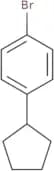
Formula:C13H11NO2Purity:Min. 95%Molecular weight:213.23 g/mol1-Bromo-4-cyclopentylbenzene
CAS:1-Bromo-4-cyclopentylbenzene (1-BCPB) is a chlorinated aromatic compound that can be synthesized by reacting 1-bromo-4-chlorobenzene and cyclopentylmagnesium bromide. The reaction sequence begins with the addition of hydrochloric acid to the first reactant, followed by magnesium chloride and ether. The mixture is heated to produce a liquid solution of ethylhexyloxy pyridine, which reacts with the second reactant in a sequence that leads to the desired product. 1-BCPB is used as an intermediate in organic synthesis. It has been shown to have moderate interaction with paraldehyde and pyridinium salts at room temperature, but it does not react with cycloalkyls or pyridinium salts at elevated temperatures.
Formula:C11H13BrPurity:Min. 95%Molecular weight:225.13 g/mol[(4-Bromo-2-fluorophenyl)methyl][2-(4-methylpiperazin-1-yl)ethyl]amine
CAS:Versatile small molecule scaffold
Formula:C14H21BrFN3Purity:Min. 95%Molecular weight:330.24 g/molRef: 3D-IXB00918
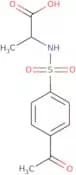
Discontinued product2-(4-Acetylbenzenesulfonamido)propanoic acid
CAS:Versatile small molecule scaffoldFormula:C11H13NO5SPurity:Min. 95%Molecular weight:271.29 g/mol1-[(3-Phenyl-1,2-oxazol-5-yl)methyl]piperazine dihydrochloride
CAS:Versatile small molecule scaffoldFormula:C14H19Cl2N3OPurity:Min. 95%Molecular weight:316.2 g/molRef: 3D-IQB77463
Discontinued product3,6-Dimethyl-1-{[(propan-2-yl)carbamoyl]methyl}-1H-pyrazolo[3,4-b]pyridine-4-carboxylic acid
CAS:Versatile small molecule scaffoldFormula:C14H18N4O3Purity:Min. 95%Molecular weight:290.32 g/molMethyl 3-amino-2-[(oxan-4-yl)methyl]propanoate hydrochloride
CAS:Versatile small molecule scaffold
Formula:C10H20ClNO3Purity:Min. 95%Molecular weight:237.72 g/molRef: 3D-ICC65034
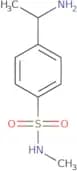
Discontinued product4-(1-Aminoethyl)-N-methylbenzene-1-sulfonamide
CAS:Versatile small molecule scaffold
Formula:C9H14N2O2SPurity:Min. 95%Molecular weight:214.29 g/mol3-(4-Fluoro-3-methylbenzoyl)pyridine
CAS:Versatile small molecule scaffoldFormula:C13H10FNOPurity:Min. 95%Molecular weight:215.22 g/molRef: 3D-HXB94073
Discontinued product(Cyclopropylmethyl)[(6-methylpyridin-3-yl)methyl]amine
CAS:Versatile small molecule scaffold
Formula:C11H16N2Purity:Min. 95%Molecular weight:176.26 g/molRef: 3D-HXB91986
Discontinued product2-Chloropyridine-4-sulfonamide
CAS:Versatile small molecule scaffold
Formula:C5H5ClN2O2SPurity:Min. 95%Molecular weight:192.62 g/molRef: 3D-HXB76738
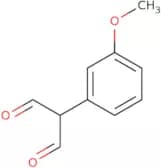
Discontinued product2-(3-Methoxyphenyl)malondialdehyde
CAS:Versatile small molecule scaffold
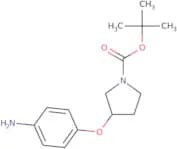
Formula:C10H10O3Purity:Min. 95%Molecular weight:178.18 g/mol(R)-tert-Butyl 3-(4-aminophenoxy)pyrrolidine-1-carboxylate
CAS:Versatile small molecule scaffold
Formula:C15H22N2O3Purity:Min. 95%Molecular weight:278.35 g/molRef: 3D-LRB48830
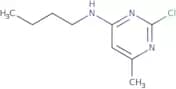
Discontinued productN-Butyl-2-chloro-6-methylpyrimidin-4-amine
CAS:Versatile small molecule scaffold
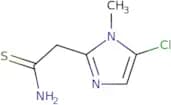
Formula:C9H14ClN3Purity:Min. 95%Molecular weight:199.68 g/mol2-(5-Chloro-1-methyl-1H-imidazol-2-yl)ethanethioamide
CAS:Versatile small molecule scaffoldFormula:C6H8ClN3SPurity:Min. 95%Molecular weight:189.67 g/molRef: 3D-LYB34915
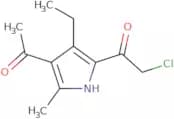
Discontinued product1-(4-Acetyl-3-ethyl-5-methyl-1H-pyrrol-2-yl)-2-chloroethan-1-one
CAS:Versatile small molecule scaffold
Formula:C11H14ClNO2Purity:Min. 95%Molecular weight:227.69 g/mol4-Chloro-2,6-dimethyl-5-phenylthieno[2,3-d]pyrimidine
CAS:Versatile small molecule scaffold
Formula:C14H11ClN2SPurity:Min. 95%Molecular weight:274.8 g/molRef: 3D-HFB22158
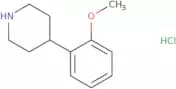
Discontinued product4-(2-Methoxyphenyl)piperidine hydrochloride
CAS:Versatile small molecule scaffold
Formula:C12H18ClNOPurity:Min. 95%Molecular weight:227.74 g/molrac-(1R,5S)-4-Oxaspiro[bicyclo[3.2.0]heptane-6,1'-cyclopentane]-7-one, cis
CAS:Versatile small molecule scaffold
Formula:C10H14O2Purity:Min. 95%Molecular weight:166.2 g/molRef: 3D-HCD80674
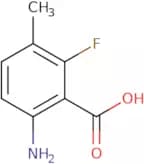
Discontinued product6-Amino-2-fluoro-3-methylbenzoic acid
CAS:Versatile small molecule scaffold
Formula:C8H8FNO2Purity:Min. 95%Molecular weight:169.15 g/molRef: 3D-MAB34784
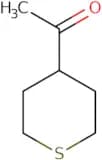
Discontinued product1-(Thian-4-yl)ethan-1-one
CAS:Versatile small molecule scaffold
Formula:C7H12OSPurity:Min. 95%Molecular weight:144.24 g/molRef: 3D-HBA35889
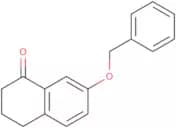
Discontinued product7-(Benzyloxy)-3,4-dihydronaphthalen-1(2H)-one
CAS:7-(Benzyloxy)-3,4-dihydronaphthalen-1(2H)-one is a tricyclic carboxamide that belongs to the carboxylic acid group. It has a constant boiling point and an acidic pH. 7-(Benzyloxy)-3,4-dihydronaphthalen-1(2H)-one is soluble in water and dilute acids. It has been shown that the melting point of 7-(Benzyloxy)-3,4-dihydronaphthalen-1(2H)-one is not affected by dilution or experiments. The chemical compounds are made up of benzoic acid and carboxylic acid groups that form a six-membered ring with two heterocycles on either side of the molecule.Formula:C17H16O2Purity:Min. 95%Molecular weight:252.31 g/mol6-Chloro-2,3,4,9-tetrahydro-1H-carbazol-3-ol
CAS:Versatile small molecule scaffold
Formula:C12H12ClNOPurity:Min. 95%Molecular weight:221.68 g/molRef: 3D-HBA20279
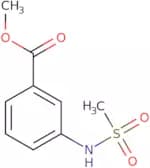
Discontinued productMethyl 3-methanesulfonamidobenzoate
CAS:Methyl 3-methanesulfonamidobenzoate is an organic compound that is used as a reagent in organic synthesis. It has the chemical formula CH3O2C(CH2)2SO2CH=NOH. Methyl 3-methanesulfonamidobenzoate is a methyl ester of benzoic acid, which is also known as methyl benzoate. This compound has been shown to react with DNA, forming adducts with guanine and cytosine bases.
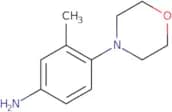
Formula:C9H11NO4SPurity:Min. 95%Molecular weight:229.26 g/mol3-Methyl-4-(4-morpholinyl)aniline
CAS:Versatile small molecule scaffold
Formula:C11H16N2OPurity:Min. 95%Molecular weight:192.26 g/molRef: 3D-MEA90082
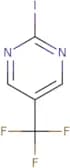
Discontinued product2-Iodo-5-(trifluoromethyl)pyrimidine
CAS:Versatile small molecule scaffold
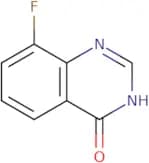
Formula:C5H2F3IN2Purity:Min. 95%Molecular weight:273.98 g/mol8-Fluoroquinazolin-4(1H)-one
CAS:Versatile small molecule scaffold
Formula:C8H5FN2OPurity:Min. 95%Molecular weight:164.14 g/molRef: 3D-MHA80550
Discontinued product2-[(1-Methyl-5-phenyl-1H-imidazol-2-yl)sulfanyl]acetic acid
CAS:Versatile small molecule scaffoldFormula:C12H12N2O2SPurity:Min. 95%Molecular weight:248.3 g/molRef: 3D-MTA06714
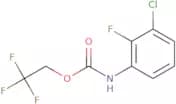
Discontinued product2,2,2-Trifluoroethyl N-(3-chloro-2-fluorophenyl)carbamate
CAS:Versatile small molecule scaffold
Formula:C9H6ClF4NO2Purity:Min. 95%Molecular weight:271.59 g/molRef: 3D-MTB79810
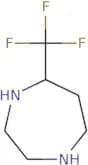
Discontinued product5-(Trifluoromethyl)-1,4-diazepane
CAS:Versatile small molecule scaffold
Formula:C6H11F3N2Purity:Min. 95%Molecular weight:168.16 g/molRef: 3D-MTB80067
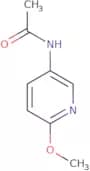
Discontinued productN-(6-Methoxypyridin-3-yl)acetamide
CAS:Versatile small molecule scaffold
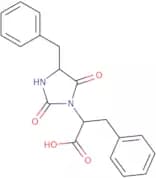
Formula:C8H10N2O2Purity:Min. 95%Molecular weight:166.18 g/mol2-(4-Benzyl-2,5-dioxoimidazolidin-1-yl)-3-phenylpropanoic acid
CAS:Versatile small molecule scaffoldFormula:C19H18N2O4Purity:Min. 95%Molecular weight:338.4 g/molRef: 3D-NAA58909
Discontinued product2-(3-Nitro-phenyl)-1H-imidazole
CAS:Versatile small molecule scaffold
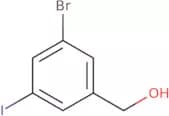
Formula:C9H7N3O2Purity:Min. 95%Molecular weight:189.17 g/mol(3-bromo-5-iodophenyl)methanol
CAS:Versatile small molecule scaffold
Formula:C7H6BrIOPurity:Min. 95%Molecular weight:312.9 g/molRef: 3D-NHA81308
Discontinued product2-(4-Cyanophenyl)-2-hydroxyacetic acid
CAS:Versatile small molecule scaffold
Formula:C9H7NO3Purity:Min. 95%Molecular weight:177.16 g/molRef: 3D-GAB89716
Discontinued product[1-(2-Methoxyethyl)-3,5-dimethyl-1H-pyrazol-4-yl]methanamine
CAS:Versatile small molecule scaffold
Formula:C9H17N3OPurity:Min. 95%Molecular weight:183.25 g/molRef: 3D-FWB59580
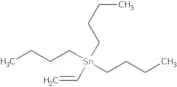
Discontinued productVinyltributyltin
CAS:Controlled ProductVinyltributyltin is a dibutyltin oxide (DBTO) enantiomer that has been shown to inhibit the HIV-1 protease. Vinyltributyltin has also been shown to reduce inflammation in bowel disease, as well as to have synergistic effects with other drugs in the treatment of cancer and inflammatory bowel disease. The mechanism of action of vinyltributyltin is not yet known, but it may be related to its ability to inhibit the quinazolone-dependent formation of reactive oxygen species. Vinyltributyltin also inhibits the NS3 protease, which is an enzyme involved in hepatitis C virus replication.
Formula:C14H30SnPurity:Min. 95%Color and Shape:Colorless Clear LiquidMolecular weight:317.1 g/mol2-[2-({[(9H-Fluoren-9-yl)methoxy]carbonyl}amino)-1,2,3,4-tetrahydronaphthalen-2-yl]acetic acid
CAS:Versatile small molecule scaffold
Formula:C27H25NO4Purity:Min. 95%Molecular weight:427.5 g/molRef: 3D-NKD27275
Discontinued product4,5-Dihydro-1H-imidazol-2-amine hydrochloride
CAS:Please enquire for more information about 4,5-Dihydro-1H-imidazol-2-amine hydrochloride including the price, delivery time and more detailed product information at the technical inquiry form on this page
Formula:C3H7N3•HClPurity:Min. 95%Molecular weight:121.57 g/molRef: 3D-FD183639
Discontinued product8-Bromo-2-methylimidazo[1,2-a]pyridine
CAS:Versatile small molecule scaffold
Formula:C8H7N2BrPurity:Min. 95%Molecular weight:211.05 g/mol3-Hydroxy-5-methylpyridine
CAS:3-Hydroxy-5-methylpyridine (3HMP) is a chemical substance that has been classified as an amine. It is a product of the metabolism of purines, which are nitrogenous bases found in DNA and RNA. 3HMP is produced by aerogenic bacteria (such as Enterobacter), and can be used to estimate the number of these bacteria present in water samples. 3HMP has been shown to have antiviral properties against influenza virus, and can be used as a biomarker for the presence of other viruses in animals. 3HMP also has mineralization properties, which have been studied extensively, particularly with regards to pancreatic disease.
Formula:C6H7NOPurity:Min. 95%Color and Shape:PowderMolecular weight:109.13 g/molRef: 3D-FH16174
Discontinued product4-Chloro-2-hydroxy-6-methylphenylboronic acid
CAS:Versatile small molecule scaffoldFormula:C7H8BClO3Purity:Min. 95%Molecular weight:186.4 g/moltert-Butyl (2,2-difluoro-3-hydroxypropyl)carbamate
CAS:Versatile small molecule scaffoldFormula:C10H13NO4Purity:Min. 95%Molecular weight:211.21 g/mol2-Bromo-3,3,3-trifluoro-1-propene
CAS:Controlled Product2-Bromo-3,3,3-trifluoro-1-propene is a chemical compound that has been synthesized in an asymmetric reaction. The reactant is bromopropane and the product is 2,2,2-trifluoropropene. The methylene group on the propene molecule is activated by the nucleophilic attack of a fluoride ion from hydrogen fluoride to form a cavity with a highly strained bond. The kinetic study of this reaction revealed that the activation energy for the reaction is 42 kJ/mol. Palladium-catalyzed coupling reactions are catalyzed by palladium and require nonpolar solvents such as toluene or dichloromethane. This type of reaction has been shown to be exothermic with an isolated yield of 1%.
Formula:C3H2BrF3Purity:Min. 95%Color and Shape:Colorless PowderMolecular weight:174.95 g/mol1-Hydroxycyclopentane-1-carbonitrile
CAS:1-Hydroxycyclopentane-1-carbonitrile is a monomer that is hydrolyzed to form benzoin and cyanohydrins. It can be used in the production of scifinder as a monomer or dimerizer.
Formula:C6H9NOPurity:Min. 95%Molecular weight:111.14 g/mol4,5-Dihydroxy-2,3-Pentanedione
CAS:4,5-Dihydroxy-2,3-pentanedione is a carbonyl compound that is the product of the oxidation of ascorbic acid. It is used in wastewater treatment and has antimicrobial properties against infectious diseases. This compound has been shown to inhibit protein synthesis by binding to the ribosome and preventing the formation of peptide bonds between amino acids. 4,5-Dihydroxy-2,3-pentanedione has also been shown to bind to plasma proteins, which may be due to its acyl chain structure. 4,5-Dihydroxy-2,3-pentanedione can be synthesized in a catalytic mechanism that involves dehydroascorbic acid and molecular oxygen.
Formula:C5H8O4Purity:Min. 95%Color and Shape:PowderMolecular weight:132.11 g/molRef: 3D-FD180770
Discontinued productPiperyline
CAS:Piperyline is an alkanoic acid that has shown to be effective against skin cancer. It also has antimicrobial properties, which may be due to its ability to bind metal ions and form polymeric compounds. Piperyline inhibits microbial growth by inhibiting the synthesis of proteins and nucleic acids. The antimicrobial activity is related to its cationic polymerization with hydroxyl groups, which forms a structure that can inhibit microbial enzymes and disrupt microbial cell membranes. This compound also interacts with the skin's natural lipids, making it difficult for microorganisms to attach and grow on the skin. Piperyline is synthesized in organic chemistry laboratories as an amide precursor of other pharmaceuticals such as penicillin.
Formula:C16H17NO3Purity:Min. 95%Molecular weight:271.31 g/mol


![2-[(3-Nitrophenyl)formamido]acetic acid](/_next/image/?url=https%3A%2Fstatic.cymitquimica.com%2Fproducts%2F3D%2Fthumb-webp%2FAAA61710.webp&w=3840&q=75)


![1-(tert-Butyldimethylsilyl)-1H,2H,3H-pyrrolo[2,3-b]pyridine](/_next/image/?url=https%3A%2Fstatic.cymitquimica.com%2Fproducts%2F3D%2Fthumb-webp%2FEFB21438.webp&w=3840&q=75)

![9-Cyclopropyl-9-azabicyclo[3.3.1]nonan-3-amine](/_next/image/?url=https%3A%2Fstatic.cymitquimica.com%2Fproducts%2F3D%2Fthumb-webp%2FKYB65907.webp&w=3840&q=75)
![3-[(3-Methoxypropyl)carbamoyl]propanoic acid](/_next/image/?url=https%3A%2Fstatic.cymitquimica.com%2Fproducts%2F3D%2Fthumb-webp%2FLGA78591.webp&w=3840&q=75)
![1-[(1-Aminopropan-2-yl)oxy]-2-bromobenzene](/_next/image/?url=https%3A%2Fstatic.cymitquimica.com%2Fproducts%2F3D%2Fthumb-webp%2FLKB76331.webp&w=3840&q=75)
![1-(Propan-2-yl)-N-[1-(propan-2-yl)-4,5,6,7-tetrahydro-1H-indazol-5-yl]-4,5,6,7-tetrahydro-1H-indaz…](/_next/image/?url=https%3A%2Fstatic.cymitquimica.com%2Fproducts%2F3D%2Fthumb-webp%2FJDC14931.webp&w=3840&q=75)
![9-{[(tert-Butoxy)carbonyl]amino}bicyclo[3.3.1]nonane-3-carboxylic acid](/_next/image/?url=https%3A%2Fstatic.cymitquimica.com%2Fproducts%2F3D%2Fthumb-webp%2FJDC14847.webp&w=3840&q=75)
![[(4-Bromo-2-fluorophenyl)methyl][2-(4-methylpiperazin-1-yl)ethyl]amine](/_next/image/?url=https%3A%2Fstatic.cymitquimica.com%2Fproducts%2F3D%2Fthumb-webp%2FIXB00918.webp&w=3840&q=75)
![1-[(3-Phenyl-1,2-oxazol-5-yl)methyl]piperazine dihydrochloride](/_next/image/?url=https%3A%2Fstatic.cymitquimica.com%2Fproducts%2F3D%2Fthumb-webp%2FIQB77463.webp&w=3840&q=75)
![3,6-Dimethyl-1-{[(propan-2-yl)carbamoyl]methyl}-1H-pyrazolo[3,4-b]pyridine-4-carboxylic acid](/_next/image/?url=https%3A%2Fstatic.cymitquimica.com%2Fproducts%2F3D%2Fthumb-webp%2FLQB40013.webp&w=3840&q=75)
![Methyl 3-amino-2-[(oxan-4-yl)methyl]propanoate hydrochloride](/_next/image/?url=https%3A%2Fstatic.cymitquimica.com%2Fproducts%2F3D%2Fthumb-webp%2FICC65034.webp&w=3840&q=75)

![(Cyclopropylmethyl)[(6-methylpyridin-3-yl)methyl]amine](/_next/image/?url=https%3A%2Fstatic.cymitquimica.com%2Fproducts%2F3D%2Fthumb-webp%2FHXB91986.webp&w=3840&q=75)

![4-Chloro-2,6-dimethyl-5-phenylthieno[2,3-d]pyrimidine](/_next/image/?url=https%3A%2Fstatic.cymitquimica.com%2Fproducts%2F3D%2Fthumb-webp%2FHFB22158.webp&w=3840&q=75)
![rac-(1R,5S)-4-Oxaspiro[bicyclo[3.2.0]heptane-6,1'-cyclopentane]-7-one, cis](/_next/image/?url=https%3A%2Fstatic.cymitquimica.com%2Fproducts%2F3D%2Fthumb-webp%2FHCD80674.webp&w=3840&q=75)

![2-[(1-Methyl-5-phenyl-1H-imidazol-2-yl)sulfanyl]acetic acid](/_next/image/?url=https%3A%2Fstatic.cymitquimica.com%2Fproducts%2F3D%2Fthumb-webp%2FMTA06714.webp&w=3840&q=75)


![[1-(2-Methoxyethyl)-3,5-dimethyl-1H-pyrazol-4-yl]methanamine](/_next/image/?url=https%3A%2Fstatic.cymitquimica.com%2Fproducts%2F3D%2Fthumb-webp%2FFWB59580.webp&w=3840&q=75)
![2-[2-({[(9H-Fluoren-9-yl)methoxy]carbonyl}amino)-1,2,3,4-tetrahydronaphthalen-2-yl]acetic acid](/_next/image/?url=https%3A%2Fstatic.cymitquimica.com%2Fproducts%2F3D%2Fthumb-webp%2FNKD27275.webp&w=3840&q=75)

![8-Bromo-2-methylimidazo[1,2-a]pyridine](/_next/image/?url=https%3A%2Fstatic.cymitquimica.com%2Fproducts%2F3D%2Fthumb-webp%2FUXB37475.webp&w=3840&q=75)






