


Building Blocks
Subcategories of "Building Blocks"
- Boronic Acids & Boronic Acid Derivatives(5,778 products)
- Chiral Building Blocks(1,243 products)
- Hydrocarbon Building Blocks(6,099 products)
- Organic Building Blocks(61,038 products)
Found 205375 products of "Building Blocks"
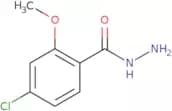
4-Chloro-2-methoxybenzohydrazide
CAS:Versatile small molecule scaffold
Formula:C8H9ClN2O2Purity:Min. 95%Molecular weight:200.62 g/molRef: 3D-DKB46596
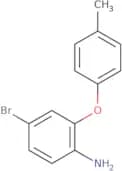
Discontinued product4-Bromo-2-(4-methylphenoxy)aniline
CAS:Versatile small molecule scaffold
Formula:C13H12BrNOPurity:Min. 95%Molecular weight:278.14 g/molRef: 3D-DJC67568
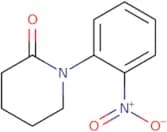
Discontinued product2-Piperidinone, 1-(2-nitrophenyl)-
CAS:Versatile small molecule scaffold
Formula:C11H12N2O3Purity:Min. 95%Molecular weight:220.22 g/molRef: 3D-DIA50992
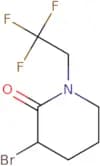
Discontinued product3-Bromo-1-(2,2,2-trifluoroethyl)piperidin-2-one
CAS:Versatile small molecule scaffold
Formula:C7H9BrF3NOPurity:Min. 95%Molecular weight:260.05 g/molRef: 3D-DHA94636
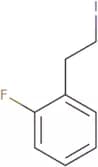
Discontinued product1-Fluoro-2-(2-iodoethyl)benzene
CAS:Versatile small molecule scaffold
Formula:C8H8FIPurity:Min. 95%Molecular weight:250.05 g/molRef: 3D-DHA68513
Discontinued product7-Oxa-1-azaspiro[3.5]nonan-2-one
CAS:Versatile small molecule scaffold
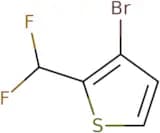
Formula:C7H11NO2Purity:Min. 95%Molecular weight:141.17 g/mol3-Bromo-2-(difluoromethyl)thiophene
CAS:Versatile small molecule scaffold
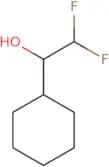
Formula:C5H3BrF2SPurity:Min. 95%Molecular weight:213.04 g/mol1-Cyclohexyl-2,2-difluoroethan-1-ol
CAS:Versatile small molecule scaffold
Formula:C8H14F2OPurity:Min. 95%Molecular weight:164.19 g/molRef: 3D-DGA80110
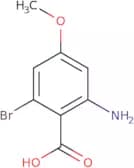
Discontinued product2-Amino-6-bromo-4-methoxybenzoic acid
CAS:Versatile small molecule scaffold
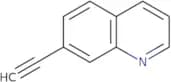
Formula:C8H8BrNO3Purity:Min. 95%Molecular weight:246.06 g/mol7-Ethynylquinoline
CAS:Versatile small molecule scaffold
Formula:C11H7NPurity:Min. 95%Molecular weight:153.18 g/molRef: 3D-DEA98780
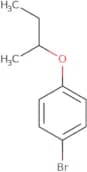
Discontinued product1-Bromo-4-(butan-2-yloxy)benzene
CAS:Versatile small molecule scaffold
Formula:C10H13BrOPurity:Min. 95%Molecular weight:229.11 g/molRef: 3D-DEA32360
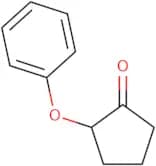
Discontinued product2-Phenoxycyclopentan-1-one
CAS:Versatile small molecule scaffold
Formula:C11H12O2Purity:Min. 95%Molecular weight:176.21 g/molRef: 3D-DDA72616
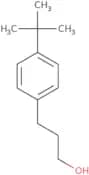
Discontinued product3-(4-tert-Butylphenyl)propan-1-ol
CAS:Versatile small molecule scaffold
Formula:C13H20OPurity:Min. 95%Molecular weight:192.3 g/molRef: 3D-DDA57408
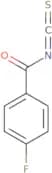
Discontinued product4-Fluorobenzoyl isothiocyanate
CAS:4-Fluorobenzoyl isothiocyanate (FBITC) is a fluorescent molecule that binds to the glutamate receptor. The binding of FBITC to the GluN2B subunit of the NMDA receptor leads to conformational changes in the receptor and decreases its ability to bind glutamate. This process has been shown using x-ray diffraction data, which also showed that FBITC was able to chelate with magnesium ions, indicating a possible allosteric modulator for these receptors.
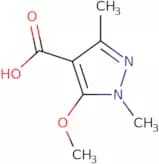
Formula:C8H4FNOSPurity:Min. 95%Molecular weight:181.19 g/mol5-Methoxy-1,3-dimethyl-1H-pyrazole-4-carboxylic acid
CAS:Versatile small molecule scaffoldFormula:C7H10N2O3Purity:Min. 95%Molecular weight:170.17 g/mol3-(4-Ethylphenyl)butanoic acid
CAS:Versatile small molecule scaffold
Formula:C12H16O2Purity:Min. 95%Molecular weight:192.25 g/molRef: 3D-DCA08649
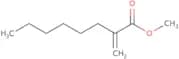
Discontinued productMethyl 2-methylideneoctanoate
CAS:Versatile small molecule scaffold
Formula:C10H18O2Purity:Min. 95%Molecular weight:170.25 g/molRef: 3D-DAA61840
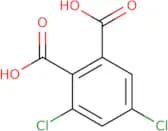
Discontinued product3,5-Dichlorophthalic acid
CAS:3,5-Dichlorophthalic acid is a divalent organic acid that is used as an intermediate in the production of other chemicals. 3,5-Dichlorophthalic acid is used as a regulator of plant growth and development. It can also be used to make different n-substituted compounds, such as naphthalene, phthalic anhydride, and 2,6-dichloro-pyridine.
Formula:C8H4Cl2O4Purity:Min. 95%Molecular weight:235.02 g/molRef: 3D-ABA64198
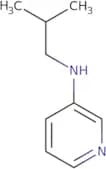
Discontinued productN-(2-Methylpropyl)pyridin-3-amine
CAS:Versatile small molecule scaffold
Formula:C9H14N2Purity:Min. 95%Molecular weight:150.22 g/molRef: 3D-ABA56010
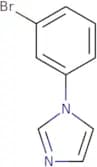
Discontinued product1-(3-Bromophenyl)-1H-imidazole
CAS:Versatile small molecule scaffold
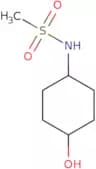
Formula:C9H7BrN2Purity:Min. 95%Molecular weight:223.07 g/molN-(4-Hydroxycyclohexyl)methanesulfonamide
CAS:Versatile small molecule scaffold
Formula:C7H15NO3SPurity:Min. 95%Molecular weight:193.27 g/mol4H-pyrrolo[2,3-D]thiazole-5-carboxylic acid
CAS:Versatile small molecule scaffold
Formula:C6H4N2O2SPurity:Min. 95%Molecular weight:168.17 g/mol[1-(1-Ethyl-3-methyl-1H-pyrazol-4-yl)propyl]amine
CAS:Versatile small molecule scaffold
Formula:C9H17N3Purity:Min. 95%Molecular weight:167.25 g/molRef: 3D-HQB46021
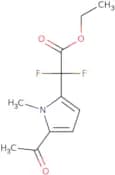
Discontinued productEthyl 2-(5-acetyl-1-methyl-1H-pyrrol-2-yl)-2,2-difluoroacetate
CAS:Versatile small molecule scaffoldFormula:C11H13F2NO3Purity:Min. 95%Molecular weight:245.22 g/molRef: 3D-LBC79284
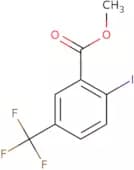
Discontinued productMethyl 2-iodo-5-(trifluoromethyl)benzoate
CAS:Versatile small molecule scaffold
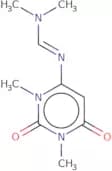
Formula:C9H6F3IO2Purity:Min. 95%Molecular weight:330.04 g/mol(E)-N'-(1,3-Dimethyl-2,6-dioxo-1,2,3,6-tetrahydropyrimidin-4-yl)-N,N-dimethylmethanimidamide
CAS:Versatile small molecule scaffoldFormula:C9H14N4O2Purity:Min. 95%Molecular weight:210.2 g/molRef: 3D-FSB30046
Discontinued product(4-Amino-phenyl)-acetic acid methyl ester hydrochloride
CAS:Versatile small molecule scaffold
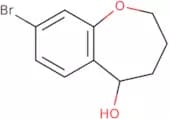
Formula:C9H12ClNO2Purity:Min. 95%Molecular weight:201.65 g/mol8-Bromo-2,3,4,5-tetrahydro-1-benzoxepin-5-ol
CAS:Versatile small molecule scaffold
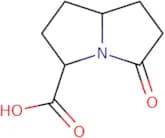
Formula:C10H11BrO2Purity:Min. 95%Molecular weight:243.1 g/mol5-Oxo-hexahydro-1H-pyrrolizine-3-carboxylic acid
CAS:Versatile small molecule scaffold
Formula:C8H11NO3Purity:Min. 95%Molecular weight:169.18 g/molRef: 3D-HEA29450
Discontinued productN-[3-Oxo-3-(pyrrolidin-1-yl)propyl]-4H,5H,6H,7H,8H-cyclohepta[b]thiophene-2-carboxamide
CAS:Versatile small molecule scaffoldFormula:C17H24N2O2SPurity:Min. 95%Molecular weight:320.5 g/molRef: 3D-LSB50378
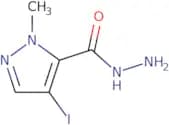
Discontinued product4-Iodo-1-methyl-1H-pyrazole-5-carbohydrazide
CAS:Versatile small molecule scaffold
Formula:C5H7IN4OPurity:Min. 95%Molecular weight:266.04 g/molRef: 3D-MVA81000
Discontinued product1-[(3-Phenyl-1,2-oxazol-5-yl)methyl]piperazine dihydrochloride
CAS:Versatile small molecule scaffoldFormula:C14H19Cl2N3OPurity:Min. 95%Molecular weight:316.2 g/molRef: 3D-IQB77463
Discontinued product[4-(Thien-2-yl)phenyl]methanol
CAS:Versatile small molecule scaffold
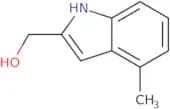
Formula:C11H10OSPurity:Min. 95%Molecular weight:190.26 g/mol(4-Methyl-1H-indol-2-yl)methanol
CAS:Versatile small molecule scaffold
Formula:C10H11NOPurity:Min. 95%Molecular weight:161.2 g/molRef: 3D-HCA35242
Discontinued product3'-Methyl-[1,1'-biphenyl]-2-carboxylic acid
CAS:Versatile small molecule scaffold
Formula:C14H12O2Purity:Min. 95%Molecular weight:212.24 g/molRef: 3D-HEA41271
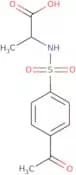
Discontinued product2-(4-Acetylbenzenesulfonamido)propanoic acid
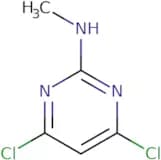
CAS:Versatile small molecule scaffoldFormula:C11H13NO5SPurity:Min. 95%Molecular weight:271.29 g/mol4,6-Dichloro-N-methylpyrimidin-2-amine
CAS:4,6-Dichloro-N-methylpyrimidin-2-amine is an analog of pyrimidine that has been used in the synthesis of a number of drugs. The compound was first synthesized by condensation of 2,4,6-trichloropyrimidine with formaldehyde and sodium hydroxide. 4,6-Dichloro-N-methylpyrimidin-2-amine can be converted to the corresponding hydrochloride salt by treatment with hydrochloric acid. The compound reacts with methanol to produce methylamine. It also undergoes acid hydrolysis to produce methyl chloride and formaldehyde.Formula:C5H5Cl2N3Purity:Min. 95%Molecular weight:178.02 g/mol[(4-Iodophenyl)methyl](methyl)amine hydrochloride
CAS:Versatile small molecule scaffoldFormula:C8H11ClINPurity:Min. 95%Molecular weight:283.5 g/molRef: 3D-LWD26707
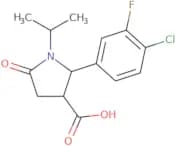
Discontinued product2-(4-Chloro-3-fluorophenyl)-5-oxo-1-(propan-2-yl)pyrrolidine-3-carboxylic acid
CAS:Versatile small molecule scaffoldFormula:C14H15ClFNO3Purity:Min. 95%Molecular weight:299.72 g/molRef: 3D-HHC67933
Discontinued product2-[(2-Methyl-1H-indol-3-yl)sulfanyl]ethan-1-amine
CAS:Versatile small molecule scaffoldFormula:C11H14N2SPurity:Min. 95%Molecular weight:206.31 g/mol[3-(Propan-2-yl)phenyl]thiourea
CAS:Versatile small molecule scaffold
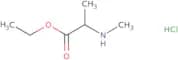
Formula:C10H14N2SPurity:Min. 95%Molecular weight:194.3 g/molEthyl (2R)-2-(methylamino)propanoate hydrochloride
CAS:Versatile small molecule scaffoldFormula:C6H14ClNO2Purity:Min. 95%Molecular weight:167.6 g/molRef: 3D-FSD20274
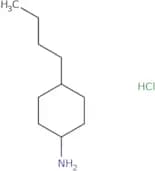
Discontinued product4-Butylcyclohexan-1-amine hydrochloride
CAS:Versatile small molecule scaffold
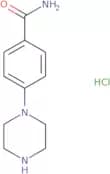
Formula:C10H22ClNPurity:Min. 95%Molecular weight:191.74 g/mol4-(Piperazin-1-yl)benzamide hydrochloride
CAS:Versatile small molecule scaffoldFormula:C11H16ClN3OPurity:Min. 95%Molecular weight:241.72 g/mol5-Methylquinoline
CAS:5-Methylquinoline is a quinoline derivative that is used in the synthesis of other quinoline derivatives. It can be synthesized from cinnamaldehyde, which can be obtained from cinnamic acid or benzaldehyde. 5-Methylquinoline has been shown to have antioxidant properties and inhibit colorectal carcinoma cells in vitro. The compound also inhibits the growth of caco-2 cells. One isomer of 5-methylquinoline, ethenyl, has been shown to cause a shift in the spectrum of light absorbed by caco-2 cells.
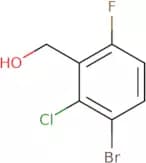
Formula:C10H9NPurity:Min. 95%Molecular weight:143.18 g/mol3-Bromo-2-chloro-6-fluorobenzyl alcohol
CAS:Versatile small molecule scaffold
Formula:C7H5BrClFOPurity:Min. 95%Molecular weight:239.47 g/molRef: 3D-JWC62856
Discontinued product2-Bromo-4-tert-butyl-1-methyl-benzene
CAS:2-Bromo-4-tert-butyl-1-methyl-benzene (2BTMB) is a congener of polychlorinated biphenyls (PCBs). It is an oily liquid that is insoluble in water. 2BTMB is metabolized by the liver, and has been found in the blood, adipose tissue, and eggs of salmonids. 2BTMB has shown to have physicochemical properties that are similar to other PCB congeners. The toxicity of 2BTMB is largely unknown because it has not been extensively studied. 2BTMB can magnify up the food chain through bioaccumulation and biomagnification.
Formula:C11H15BrPurity:Min. 95%Color and Shape:PowderMolecular weight:227.14 g/molRef: 3D-LCA02494
Discontinued product3-(3-Chlorophenyl)-1H-pyrazole-4-carboxylic acid
CAS:Versatile small molecule scaffold
Formula:C10H7ClN2O2Purity:Min. 95%Molecular weight:222.63 g/mol(7S,8aS)-7-Fluoro-octahydropyrrolo[1,2-a]pyrazine dihydrochloride
CAS:Versatile small molecule scaffold
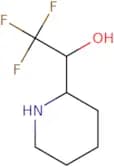
Formula:C7H15Cl2FN2Purity:Min. 95%Molecular weight:217.11 g/mol2,2,2-Trifluoro-1-(piperidin-2-yl)ethan-1-ol
CAS:Versatile small molecule scaffoldFormula:C7H12F3NOPurity:Min. 95%Molecular weight:183.17 g/molRef: 3D-IAC65125
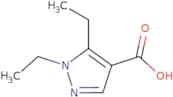
Discontinued product1,5-Diethyl-1H-pyrazole-4-carboxylic acid
CAS:Versatile small molecule scaffold
Formula:C8H12N2O2Purity:Min. 95%Molecular weight:168.19 g/molRef: 3D-HQB54198
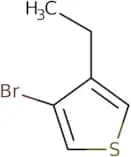
Discontinued product3-Bromo-4-ethylthiophene
CAS:Versatile small molecule scaffold
Formula:C6H7BrSPurity:Min. 95%Molecular weight:191.09 g/molRef: 3D-IDA66339
Discontinued product1-Benzenesulfonyl-piperidine-4-carboxylic acid ethyl ester
CAS:1-Benzenesulfonyl-piperidine-4-carboxylic acid ethyl ester is an inhibitor of acetylcholinesterase. It is a white solid that can be synthesized in two steps from commercially available starting materials. Inhibition of this enzyme leads to the accumulation of acetylcholine, which causes increased stimulation of nicotinic and muscarinic receptors. This drug has been shown to have IC50 values that are similar to those of the reference inhibitor donepezil. 1-Benzenesulfonyl-piperidine-4-carboxylic acid ethyl ester also interacts with sulfonyl chlorides, butyrylcholinesterase, and other proteins in a manner similar to donepezil. The molecular docking studies suggest that this compound binds competitively with the active site of acetylcholinesterase.
Formula:C14H19NO4SPurity:Min. 95%Molecular weight:297.37 g/molRef: 3D-LEA62726
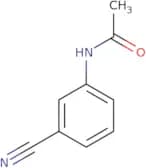
Discontinued productN-(3-Cyanophenyl)acetamide
CAS:N-(3-Cyanophenyl)acetamide is a hydrogen-bonding molecule that has been detected in the gas phase. It has also been observed to interact with water, forming hydrogen bonding interactions and solvatochromism. The equilibrium of N-(3-cyanophenyl)acetamide can be shifted by changing the solvent conditions and pH. This molecule has three conformations when it is in the gaseous phase, including a planar conformation. In addition, N-(3-cyanophenyl)acetamide can be used as a probe for determining hydrogen bonding interactions and conformations due to its ability to form hydrogen bonds with other molecules.
Formula:C9H8N2OPurity:Min. 95%Molecular weight:160.18 g/molRef: 3D-ICA20284
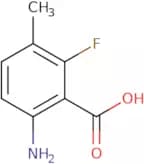
Discontinued product6-Amino-2-fluoro-3-methylbenzoic acid
CAS:Versatile small molecule scaffold
Formula:C8H8FNO2Purity:Min. 95%Molecular weight:169.15 g/molRef: 3D-MAB34784
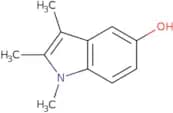
Discontinued product1,2,3-Trimethyl-1H-indol-5-ol
CAS:Versatile small molecule scaffold
Formula:C11H13NOPurity:Min. 95%Molecular weight:175.23 g/molRef: 3D-IJB19354
Discontinued product5-Methoxybicyclo[2.2.1]heptan-2-amine hydrochloride
CAS:Versatile small molecule scaffoldFormula:C8H16ClNOPurity:Min. 95%Molecular weight:177.7 g/molRef: 3D-FSD25240
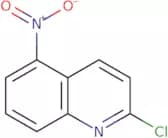
Discontinued product2-Chloro-5-nitroquinoline
CAS:2-Chloro-5-nitroquinoline is an oxidized aminoquinoline that is synthesized from nitric acid and benzene. It contains a nitro group, which makes it susceptible to oxidation. 2-Chloro-5-nitroquinoline is used as a solvent for rubber, plastics, and waxes. It can also be used as a solvent in the production of quinolines and other nitrogen compounds. Nitration of this compound produces 2-chloroquinoline, which can be transformed into 2-chloroquinolinium hydroxide by reaction with sodium hydroxide. The substituent on the ortho position can be determined by oleum or bromine water.
Formula:C9H5ClN2O2Purity:Min. 95%Molecular weight:208.6 g/molRef: 3D-NAA06794
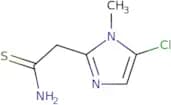
Discontinued product2-(5-Chloro-1-methyl-1H-imidazol-2-yl)ethanethioamide
CAS:Versatile small molecule scaffoldFormula:C6H8ClN3SPurity:Min. 95%Molecular weight:189.67 g/molRef: 3D-LYB34915
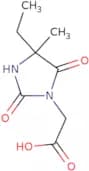
Discontinued product(4-Ethyl-4-methyl-2,5-dioxo-imidazolidin-1-yl)-acetic acid
CAS:Versatile small molecule scaffold
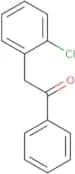
Formula:C8H12N2O4Purity:Min. 95%Molecular weight:200.2 g/mol2-(2-Chlorophenyl)-1-phenylethan-1-one
CAS:Versatile small molecule scaffold
Formula:C14H11ClOPurity:Min. 95%Molecular weight:230.69 g/molRef: 3D-HCA47960
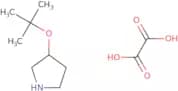
Discontinued product(3S)-3-(tert-Butoxy)pyrrolidine, oxalic acid
CAS:Versatile small molecule scaffold
Formula:C10H19NO5Purity:Min. 95%Molecular weight:233.26 g/molRef: 3D-HXC94005
Discontinued product1,5,5-Trimethylpyrrolidin-3-amine dihydrochloride
CAS:Versatile small molecule scaffoldFormula:C7H18Cl2N2Purity:Min. 95%Molecular weight:201.1 g/molRef: 3D-FSD25271
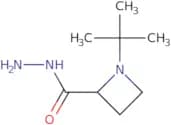
Discontinued product1-tert-Butylazetidine-2-carbohydrazide
CAS:Versatile small molecule scaffoldFormula:C8H17N3OPurity:Min. 95%Molecular weight:171.24 g/molRef: 3D-KCA16934
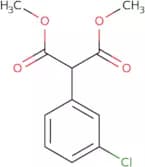
Discontinued product1,3-Dimethyl 2-(3-chlorophenyl)propanedioate
CAS:Versatile small molecule scaffold
Formula:C11H11ClO4Purity:Min. 95%Molecular weight:242.65 g/molRef: 3D-HEA85560
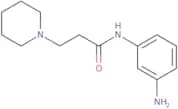
Discontinued productN-(3-Aminophenyl)-3-(piperidin-1-yl)propanamide
CAS:Versatile small molecule scaffoldFormula:C14H21N3OPurity:Min. 95%Molecular weight:247.34 g/mol3-Hydroxy-5-methylpyridine
CAS:3-Hydroxy-5-methylpyridine (3HMP) is a chemical substance that has been classified as an amine. It is a product of the metabolism of purines, which are nitrogenous bases found in DNA and RNA. 3HMP is produced by aerogenic bacteria (such as Enterobacter), and can be used to estimate the number of these bacteria present in water samples. 3HMP has been shown to have antiviral properties against influenza virus, and can be used as a biomarker for the presence of other viruses in animals. 3HMP also has mineralization properties, which have been studied extensively, particularly with regards to pancreatic disease.
Formula:C6H7NOPurity:Min. 95%Color and Shape:PowderMolecular weight:109.13 g/molRef: 3D-FH16174
Discontinued product4-Chloro-2-hydroxy-6-methylphenylboronic acid
CAS:Versatile small molecule scaffoldFormula:C7H8BClO3Purity:Min. 95%Molecular weight:186.4 g/mol4,5-Dihydro-1H-imidazol-2-amine hydrochloride
CAS:Please enquire for more information about 4,5-Dihydro-1H-imidazol-2-amine hydrochloride including the price, delivery time and more detailed product information at the technical inquiry form on this page
Formula:C3H7N3•HClPurity:Min. 95%Molecular weight:121.57 g/molRef: 3D-FD183639
Discontinued product2-Bromo-3,3,3-trifluoro-1-propene
CAS:Controlled Product2-Bromo-3,3,3-trifluoro-1-propene is a chemical compound that has been synthesized in an asymmetric reaction. The reactant is bromopropane and the product is 2,2,2-trifluoropropene. The methylene group on the propene molecule is activated by the nucleophilic attack of a fluoride ion from hydrogen fluoride to form a cavity with a highly strained bond. The kinetic study of this reaction revealed that the activation energy for the reaction is 42 kJ/mol. Palladium-catalyzed coupling reactions are catalyzed by palladium and require nonpolar solvents such as toluene or dichloromethane. This type of reaction has been shown to be exothermic with an isolated yield of 1%.
Formula:C3H2BrF3Purity:Min. 95%Color and Shape:Colorless PowderMolecular weight:174.95 g/mol1-Hydroxycyclopentane-1-carbonitrile
CAS:1-Hydroxycyclopentane-1-carbonitrile is a monomer that is hydrolyzed to form benzoin and cyanohydrins. It can be used in the production of scifinder as a monomer or dimerizer.
Formula:C6H9NOPurity:Min. 95%Molecular weight:111.14 g/moltert-Butyl (2,2-difluoro-3-hydroxypropyl)carbamate
CAS:Versatile small molecule scaffoldFormula:C10H13NO4Purity:Min. 95%Molecular weight:211.21 g/mol8-Bromo-2-methylimidazo[1,2-a]pyridine
CAS:Versatile small molecule scaffold
Formula:C8H7N2BrPurity:Min. 95%Molecular weight:211.05 g/mol4,5-Dihydroxy-2,3-Pentanedione
CAS:4,5-Dihydroxy-2,3-pentanedione is a carbonyl compound that is the product of the oxidation of ascorbic acid. It is used in wastewater treatment and has antimicrobial properties against infectious diseases. This compound has been shown to inhibit protein synthesis by binding to the ribosome and preventing the formation of peptide bonds between amino acids. 4,5-Dihydroxy-2,3-pentanedione has also been shown to bind to plasma proteins, which may be due to its acyl chain structure. 4,5-Dihydroxy-2,3-pentanedione can be synthesized in a catalytic mechanism that involves dehydroascorbic acid and molecular oxygen.
Formula:C5H8O4Purity:Min. 95%Color and Shape:PowderMolecular weight:132.11 g/molRef: 3D-FD180770
Discontinued productPiperyline
CAS:Piperyline is an alkanoic acid that has shown to be effective against skin cancer. It also has antimicrobial properties, which may be due to its ability to bind metal ions and form polymeric compounds. Piperyline inhibits microbial growth by inhibiting the synthesis of proteins and nucleic acids. The antimicrobial activity is related to its cationic polymerization with hydroxyl groups, which forms a structure that can inhibit microbial enzymes and disrupt microbial cell membranes. This compound also interacts with the skin's natural lipids, making it difficult for microorganisms to attach and grow on the skin. Piperyline is synthesized in organic chemistry laboratories as an amide precursor of other pharmaceuticals such as penicillin.
Formula:C16H17NO3Purity:Min. 95%Molecular weight:271.31 g/mol

![7-Oxa-1-azaspiro[3.5]nonan-2-one](/_next/image/?url=https%3A%2Fstatic.cymitquimica.com%2Fproducts%2F3D%2Fthumb-webp%2FDHA24292.webp&w=3840&q=75)

![4H-pyrrolo[2,3-D]thiazole-5-carboxylic acid](/_next/image/?url=https%3A%2Fstatic.cymitquimica.com%2Fproducts%2F3D%2Fthumb-webp%2FHQB38672.webp&w=3840&q=75)
![[1-(1-Ethyl-3-methyl-1H-pyrazol-4-yl)propyl]amine](/_next/image/?url=https%3A%2Fstatic.cymitquimica.com%2Fproducts%2F3D%2Fthumb-webp%2FHQB46021.webp&w=3840&q=75)

![N-[3-Oxo-3-(pyrrolidin-1-yl)propyl]-4H,5H,6H,7H,8H-cyclohepta[b]thiophene-2-carboxamide](/_next/image/?url=https%3A%2Fstatic.cymitquimica.com%2Fproducts%2F3D%2Fthumb-webp%2FLSB50378.webp&w=3840&q=75)
![1-[(3-Phenyl-1,2-oxazol-5-yl)methyl]piperazine dihydrochloride](/_next/image/?url=https%3A%2Fstatic.cymitquimica.com%2Fproducts%2F3D%2Fthumb-webp%2FIQB77463.webp&w=3840&q=75)
![[4-(Thien-2-yl)phenyl]methanol](/_next/image/?url=https%3A%2Fstatic.cymitquimica.com%2Fproducts%2F3D%2Fthumb-webp%2FGDA44344.webp&w=3840&q=75)
![3'-Methyl-[1,1'-biphenyl]-2-carboxylic acid](/_next/image/?url=https%3A%2Fstatic.cymitquimica.com%2Fproducts%2F3D%2Fthumb-webp%2FHEA41271.webp&w=3840&q=75)
amine hydrochloride](/_next/image/?url=https%3A%2Fstatic.cymitquimica.com%2Fproducts%2F3D%2Fthumb-webp%2FLWD26707.webp&w=3840&q=75)
![2-[(2-Methyl-1H-indol-3-yl)sulfanyl]ethan-1-amine](/_next/image/?url=https%3A%2Fstatic.cymitquimica.com%2Fproducts%2F3D%2Fthumb-webp%2FLCA02166.webp&w=3840&q=75)
![[3-(Propan-2-yl)phenyl]thiourea](/_next/image/?url=https%3A%2Fstatic.cymitquimica.com%2Fproducts%2F3D%2Fthumb-webp%2FFMB39611.webp&w=3840&q=75)



![(7S,8aS)-7-Fluoro-octahydropyrrolo[1,2-a]pyrazine dihydrochloride](/_next/image/?url=https%3A%2Fstatic.cymitquimica.com%2Fproducts%2F3D%2Fthumb-webp%2FHXC93968.webp&w=3840&q=75)

![5-Methoxybicyclo[2.2.1]heptan-2-amine hydrochloride](/_next/image/?url=https%3A%2Fstatic.cymitquimica.com%2Fproducts%2F3D%2Fthumb-webp%2FFSD25240.webp&w=3840&q=75)






![8-Bromo-2-methylimidazo[1,2-a]pyridine](/_next/image/?url=https%3A%2Fstatic.cymitquimica.com%2Fproducts%2F3D%2Fthumb-webp%2FUXB37475.webp&w=3840&q=75)

