Building Blocks
Subcategories of "Building Blocks"
- Boronic Acids & Boronic Acid Derivatives(5,780 products)
- Chiral Building Blocks(1,240 products)
- Hydrocarbon Building Blocks(6,100 products)
- Organic Building Blocks(61,009 products)
Found 205248 products of "Building Blocks"
2-Sulfamoylacetamide
CAS:2-Sulfamoylacetamide is an immunotherapy that modulates the immune system by inhibiting the enzyme IDO1. This drug has shown to be a potent inhibitor of IDO1 in nanomolar concentrations and has been found to be safe in clinical trials with humans. 2-Sulfamoylacetamide inhibits IDO1 activity, which leads to increased levels of tryptophan in the body and subsequently higher levels of indoleamine 2,3-dioxygenase (IDO2). IDO2 breaks down tryptophan into kynurenine, which may have therapeutic benefits for cancer patients as it can inhibit tumor growth. 2-Sulfamoylacetamide is currently being developed as a potential lead compound for cancer treatment.Formula:C2H6N2O3SPurity:Min. 95%Molecular weight:138.15 g/mol1-Bromo-4-(iodomethyl)benzene
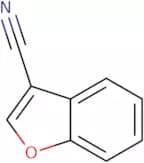
CAS:1-Bromo-4-(iodomethyl)benzene is a nucleophilic compound that can be used to introduce an allyl group into a molecule. The presence of the iodine atom in the molecule makes it highly reactive, which means that it is able to react with other molecules quickly and easily. This reaction can be used to synthesize drugs for the treatment of tuberculosis. The position of the iodine atom on the benzene ring determines whether the allylation reaction will be stereoselective or not. In addition, this compound has been shown to have anti-mycocerosic properties.Formula:C7H6BrIPurity:Min. 95%Molecular weight:296.93 g/mol1-Benzofuran-3-carbonitrile
CAS:1-Benzofuran-3-carbonitrile is a diacetate that can be used for the synthesis of benzofuran derivatives. 1-Benzofuran-3-carbonitrile is a hypervalent molecule that has been shown to catalyze the reaction between azides and methyl esters. This reaction has been shown to produce an anion, which can be converted into a variety of biomolecules such as amino acids, peptides, and proteins. The use of this compound has facilitated the production of these biomolecules by lowering the reaction time and yields.Formula:C9H5NOPurity:Min. 95%Molecular weight:143.15 g/mol4-(2-Aminopropyl)-N,N-dimethylaniline dihydrochloride
CAS:Controlled ProductVersatile small molecule scaffoldFormula:C11H20Cl2N2Purity:Min. 95%Molecular weight:251.19 g/mol(1-Methyl-1H -tetrazol-5-ylsulfanyl)-acetic acid
CAS:Versatile small molecule scaffoldFormula:C4H6N4O2SPurity:Min. 95%Molecular weight:174.18 g/mol4-Acetyl-3-methylbenzoic acid
CAS:Versatile small molecule scaffoldFormula:C10H10O3Purity:Min. 95%Molecular weight:178.18 g/mol5-Iodothiophene-2-sulfonyl chloride
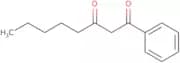
CAS:Versatile small molecule scaffoldFormula:C4H2ClIO2S2Purity:Min. 95%Molecular weight:308.5 g/mol1-Phenyloctane-1,3-dione
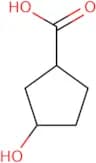
CAS:1-Phenyloctane-1,3-dione is a copper extractant that has been shown to be efficient in the extraction of copper. It has also been used as a reagent and hydroxyl radical scavenger. The molecular modeling of 1-Phenyloctane-1,3-dione has shown it to be a good extractant for copper. 1-Phenyloctane-1,3-dione can be combined with tri-n-octylphosphine oxide to form an efficient reagent for extracting copper from its compounds. The synergistic effect of 1-Phenyloctane-1,3-dione with other reagents makes it an excellent extractant for copper.Formula:C14H18O2Purity:Min. 95%Molecular weight:218.29 g/molrac-(1R,3R)-3-Hydroxycyclopentane-1-carboxylic acid
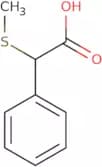
CAS:Versatile small molecule scaffoldFormula:C6H10O3Purity:Min. 95%Molecular weight:130.14 g/mol2-(Methylsulfanyl)-2-phenylacetic acid
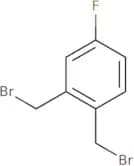
CAS:Versatile small molecule scaffoldFormula:C9H10O2SPurity:Min. 95%Molecular weight:182.24 g/mol1,2-Bis(bromomethyl)-4-fluorobenzene
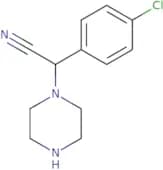
CAS:Bis(bromomethyl)fluorobenzene is a synthetic chemical that can be used to debrominate olefins. It can be obtained by reductive debromination of 1,2-dibromoethane or by diazotization of 2,4-dichlorobenzene with sodium nitrite in an alkaline solution. Bis(bromomethyl)fluorobenzene is typically used as a reagent for the synthesis of heterocycles and pharmaceuticals. The yield of this reaction is dependent on factors such as temperature, reactant concentration, and reaction time.Formula:C8H7Br2FPurity:Min. 95%Molecular weight:281.95 g/mol2-(4-Chlorophenyl)-2-(piperazin-1-yl)acetonitrile
CAS:Versatile small molecule scaffoldFormula:C12H14ClN3Purity:Min. 95%Molecular weight:235.71 g/mol2-Amino-1-[3-(dimethylamino)propyl]-4,5-dimethyl-1H-pyrrole-3-carbonitrile
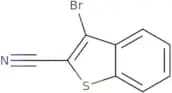
CAS:Versatile small molecule scaffoldFormula:C12H20N4Purity:Min. 95%Molecular weight:220.31 g/mol3-Bromo-1-benzothiophene-2-carbonitrile
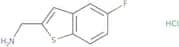
CAS:Versatile small molecule scaffoldFormula:C9H4BrNSPurity:Min. 95%Molecular weight:238.11 g/mol(5-Fluoro-1-benzothiophen-2-yl)methanamine hydrochloride
CAS:Versatile small molecule scaffoldFormula:C9H9ClFNSPurity:Min. 95%Molecular weight:217.69 g/mol(5-bromobenzo[b]thiophen-3-yl)methanamine hcl
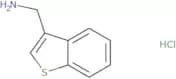
CAS:Versatile small molecule scaffoldFormula:C9H9BrClNSPurity:Min. 95%Molecular weight:278.59 g/mol1-Benzothiophen-3-ylmethylamine hydrochloride
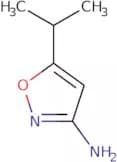
CAS:Versatile small molecule scaffoldFormula:C9H10ClNSPurity:Min. 95%Molecular weight:199.7 g/mol5-(Propan-2-yl)-1,2-oxazol-3-amine
CAS:Versatile small molecule scaffold
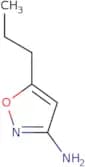
Formula:C6H10N2OPurity:Min. 95%Molecular weight:126.16 g/mol5-Propylisoxazol-3-amine
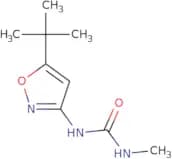
CAS:Versatile small molecule scaffoldFormula:C6H10N2OPurity:Min. 95%Molecular weight:126.15 g/mol1-(5-tert-Butyl-1,2-oxazol-3-yl)-3-methylurea
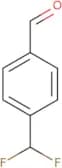
CAS:1-(5-tert-Butyl-1,2-oxazol-3-yl)-3-methylurea is an organic solvent that is used as a pesticide. It has inhibitory activity against infectious agents and has been shown to be effective in inhibiting the growth rate of some bacteria. The compound can also be used to treat cardiovascular diseases, inflammatory diseases, and pyrazole ring formation. 1-(5-tert-Butyl-1,2-oxazol-3-yl)-3-methylurea is agrochemical that can be applied to coniferous trees for agricultural purposes or used as a carbon source for animal health.Formula:C9H15N3O2Purity:Min. 95%Molecular weight:197.23 g/mol4-(Difluoromethyl)benzaldehyde
CAS:4-(Difluoromethyl)benzaldehyde is a nucleophilic compound that reacts with electrophiles. It reacts with chlorides to give the corresponding substitution product, which can be hydrolyzed to the acid ethyl ester. 4-(Difluoromethyl)benzaldehyde is not very soluble in water and has a low volatility, making it difficult to extract from organic solvents. The fluoride ion is an inhibitor of enzymes such as esterases and aminopeptidases, which are involved in the hydrolysis of esters. The uptake of 4-(difluoromethyl)benzaldehyde by cells may be due to its ability to inhibit reuptake of nipecotic acid (NPA), a neurotransmitter.Formula:C8H6F2OPurity:Min. 95%Molecular weight:156.13 g/mol4-(1,1-Difluoroethyl)benzaldehyde
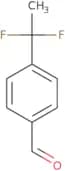
CAS:Versatile small molecule scaffoldFormula:C9H8OF2Purity:Min. 95%Molecular weight:170.15 g/mol3-(Difluoromethyl)benzoic acid
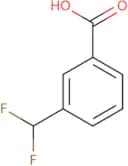
CAS:Versatile small molecule scaffoldFormula:C8H6F2O2Purity:Min. 95%Molecular weight:172.13 g/mol3-(1,1-Difluoroethyl)benzoic acid
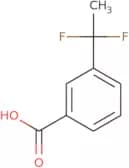
CAS:Versatile small molecule scaffoldFormula:C9H8F2O2Purity:Min. 95%Molecular weight:186.15 g/mol3-(Difluoromethyl)benzonitrile
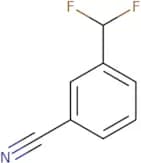
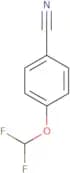
CAS:Versatile small molecule scaffoldFormula:C8H5F2NPurity:Min. 95%Molecular weight:153.13 g/mol4-(Difluoromethyl)benzonitrile
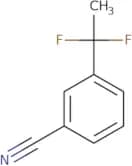
CAS:Versatile small molecule scaffoldFormula:C8H5F2NPurity:Min. 95%Molecular weight:153.13 g/mol3-(1,1-Difluoroethyl)benzonitrile
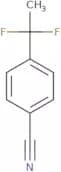
CAS:Versatile small molecule scaffoldFormula:C9H7F2NPurity:Min. 95%Molecular weight:167.15 g/mol4-(1,1-Difluoroethyl)-benzonitrile
CAS:Versatile small molecule scaffold
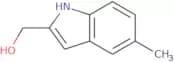
Formula:C9H7F2NPurity:Min. 95%Molecular weight:167.16 g/mol(5-Methyl-1H-indol-2-yl)methanol
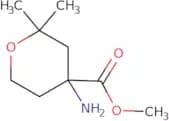
CAS:Versatile small molecule scaffoldFormula:C10H11NOPurity:Min. 95%Molecular weight:161.2 g/molMethyl 4-amino-2,2-dimethyloxane-4-carboxylate
CAS:Versatile small molecule scaffoldFormula:C9H17NO3Purity:Min. 95%Molecular weight:187.24 g/mol7,7-Dimethyl-8-oxa-1,3-diazaspiro[4.5]decane-2,4-dione
CAS:Versatile small molecule scaffold
Formula:C9H14N2O3Purity:Min. 95%Molecular weight:198.22 g/molN-Butyl-3-methylcyclohexan-1-amine
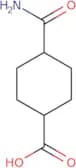
CAS:Versatile small molecule scaffoldFormula:C11H23NPurity:Min. 95%Molecular weight:169.31 g/mol4-Carbamoylcyclohexane-1-carboxylic acid
CAS:Versatile small molecule scaffoldFormula:C8H13NO3Purity:Min. 95%Molecular weight:171.19 g/mol1-(Methylamino)cyclopentane-1-carbonitrile
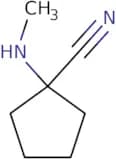
CAS:Versatile small molecule scaffold
Formula:C7H12N2Purity:Min. 95%Molecular weight:124.19 g/mol2-[4-(Propan-2-yloxy)phenyl]acetic acid
CAS:Versatile small molecule scaffold
Formula:C11H14O3Purity:Min. 95%Molecular weight:194.23 g/mol2-(3-Chlorophenyl)-3-methylbutanoic acid
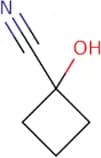
CAS:Versatile small molecule scaffoldFormula:C11H13ClO2Purity:Min. 95%Molecular weight:212.67 g/mol1-Hydroxycyclobutanecarbonitrile
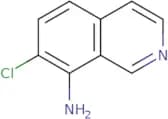
CAS:Versatile small molecule scaffoldFormula:C5H7NOPurity:Min. 95%Molecular weight:97.12 g/mol7-Chloroisoquinolin-8-amine
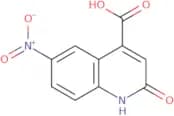
CAS:Versatile small molecule scaffoldFormula:C9H7N2ClPurity:Min. 95%Molecular weight:178.61 g/mol6-Nitro-2-oxo-1,2-dihydroquinoline-4-carboxylic acid
CAS:Versatile small molecule scaffold
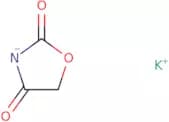
Formula:C10H6N2O5Purity:Min. 95%Molecular weight:234.16 g/molPotassium 2,4-dioxo-1,3-oxazolidin-3-ide
CAS:Versatile small molecule scaffoldFormula:C3H2KNO3Purity:Min. 95%Molecular weight:139.15 g/mol2-(Cyclohexyloxy)benzoic acid
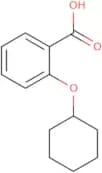
CAS:2-(Cyclohexyloxy)benzoic acid is a polyvalent organic compound that is used as a binding agent and polymerization initiator in the production of polyvinyl alcohol. It can also be used to make condensation products with salicylic acid and aziridine, which are used in the manufacture of microcapsules. 2-(Cyclohexyloxy)benzoic acid is soluble in water, ethanol, acetone, and ether. This compound shows turbidity at concentrations of 0.1% (10 g/L) or greater and has an absorption maximum at 215 nm. 2-(Cyclohexyloxy)benzoic acid is not soluble in hexane or heptane.
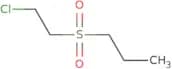
2-(Cyclohexyloxy)benzoic acid has been shown to bind ammonium ions with high affinity, which may be due to its ability to form hydrogen bonds with amine groups on proteins.Formula:C13H16O3Purity:Min. 95%Molecular weight:220.26 g/mol1-(2-Chloroethanesulfonyl)propane
CAS:Versatile small molecule scaffoldFormula:C5H11ClO2SPurity:Min. 95%Molecular weight:170.66 g/molCyclopentyl methyl ether - stabilized with BHT
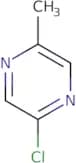
CAS:Cyclopentyl methyl ether is a chemical compound that belongs to the group of ethers. It has been shown to be a human skin carcinogen in animal studies. Cyclopentyl methyl ether is stable against transfer reactions, such as oxidation and reduction, with metal ions and enzymes. In addition, it does not react with BHT (butylated hydroxytoluene) or human serum at physiological pH. This chemical compound can be used in the synthesis of pharmaceutical products, such as esters and amides.Formula:C6H12OPurity:Min. 95%Color and Shape:Clear LiquidMolecular weight:100.16 g/mol2-Chloro-5-methylpyrazine
CAS:Please enquire for more information about 2-Chloro-5-methylpyrazine including the price, delivery time and more detailed product information at the technical inquiry form on this pageFormula:C5H5ClN2Purity:Min. 95%Molecular weight:128.56 g/molCreatine phosphate di(tris) salt
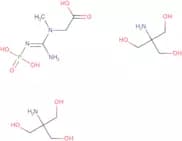
CAS:Creatine phosphate di(tris) salt is a cyclase and rectifier of potassium ion channels. It is a potent activator of calcium ion channels, expressed in the cells of the ng108-15 mouse neuroblastoma line. Creatine phosphate di(tris) salt also potently activates guanylate cyclase and l-type calcium ion channels. This drug has been shown to stimulate prostaglandin synthesis and inhibit the production of prostaglandin E1 in biological chemistry studies. Creatine phosphate di(tris) salt is a cyclase and rectifier of potassium ion channels. It is a potent activator of calcium ion channels, expressed in the cells of the ng108-15 mouse neuroblastoma line. Creatine phosphate di(tris) salt also potently activates guanylate cyclase and l-type calcium ion channels. This drug has been shown to stimulate prostaglandin synthesis and inhibit the production of prostaglandin E1 inFormula:C12H32N5O11PPurity:Min. 95%Color and Shape:PowderMolecular weight:453.38 g/mol4-Chloro-2-aminophenol
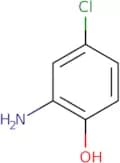
CAS:4-Chloro-2-aminophenol is a chemical compound that can be found in nature or synthesized. It has antibacterial properties and is used as an antimicrobial agent. 4-Chloro-2-aminophenol inhibits the growth of bacteria by inhibiting nitrogenase enzyme activity, which is required for the production of amino acids and nucleic acids. This compound also induces cytotoxicity and significant cell death in colorectal adenocarcinoma cells. 4-Chloro-2-aminophenol is a weak acid that reacts with hydrochloric acid to form a diazonium salt, which reacts with benzene to form an intramolecular hydrogen bond. The final product of this reaction is a solid phase microextraction (SPME) sorbent that can be used to extract analytes from liquid samples.
Formula:C6H6ClNOPurity:Min. 95%Molecular weight:143.57 g/molN-Chlorosuccinimide
CAS:Chlorinating agents are used in the production of pharmaceutical preparations and other chemical products. They react with amines to form diazonium salts, which can then be reduced to azo compounds. N-Chlorosuccinimide is a chlorinating agent that reacts with amines to form diazonium salts. It is used primarily as an injection solution for the treatment of trichomoniasis and other sexually transmitted diseases, but it also has been used in the preparation of pharmaceutical preparations. The reaction mechanism for N-chlorosuccinimide is not well understood, but it may involve a free radical intermediate or electron transfer from the chlorine atom to the carbon atom. Diazonium salts are formed by the reaction between an amine and an acid chloride. The addition of sodium hydroxide produces the corresponding azo compound. The reaction mechanism for N-chlorosuccinimide is not well understood, but it may involve a free radical intermediate orFormula:C4H4ClNO2Purity:Min. 95%Color and Shape:White PowderMolecular weight:133.53 g/mol5-Chloropyridine-2-boronicacid
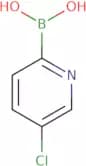
CAS:Please enquire for more information about 5-Chloropyridine-2-boronicacid including the price, delivery time and more detailed product information at the technical inquiry form on this pageFormula:C5H5BClNO2Purity:Min. 95%Molecular weight:157.36 g/mol3-Chloro-2-methylaniline
CAS:3-Chloro-2-methylaniline is an organic chemical that is used as a raw material in the production of pesticides and pharmaceuticals. 3-Chloro-2-methylaniline is generated by the reaction of hydrochloric acid with isobutyl chloride, which produces a mixture of chloroalkylcarbinols. This product can be activated to form chloromethylketones or chloromethylcarbonyls by reacting it with sodium hypochlorite or hydrogen peroxide. The impurities found in 3-Chloro-2-methylaniline are mainly carbon sources and inorganic compounds such as chloride and strain. It can be synthesized from other chemicals and also through chromatographic science.Formula:C7H8ClNPurity:Min. 95%Color and Shape:Clear LiquidMolecular weight:141.6 g/mol4-Chloropyrimidine HCl
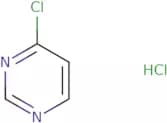
CAS:4-Chloropyrimidine HCl is a covalent molecule that contains 4-chloropyridine and hydrogen chloride. It exists as two tautomers, the enol form and the keto form. The protonation of the proton on nitrogen will determine which tautomer it will exist in. When there is no proton present, the molecule will exist in its enol form. Resonance is also an important factor with this molecule because it can have a variety of resonance forms. Resonance spectrometry has been used to identify 4-chloropyrimidine HCl because it produces a specific resonance pattern when exposed to magnetic fields. 4-Chloropyridinium trifluoroacetate is another name for this compound that is formed when the chlorine atom bonds with trifluoroacetic acid. This chemical does not have any interactions with azide but can react with tetrazole to produce a stable compound, which can be easily
Formula:C4H3ClN2·HClPurity:Min. 95%Color and Shape:PowderMolecular weight:150.99 g/mol1,1-Bis(hydroxymethyl)cyclopropane
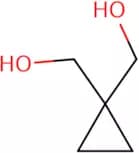
CAS:Disulfonates are a class of compounds that have a sulfonyl group bound to two adjacent carbon atoms. They are typically synthetic and rarely occur in nature. Disulfonates are used as industrial solvents, such as for the manufacture of polyurethane foams and plastics. The most common disulfonate is 1,1-Bis(hydroxymethyl)cyclopropane (HMC). HMC is synthesized from 2-hydroxypropene by the addition of hydrogen chloride, followed by conversion to the imine and then hydrolysis to the final product. In addition to being an industrial solvent, HMC has been shown to be an effective inhibitor of HIV replication. It binds to chemokine receptors on cells, preventing HIV entry into the cell. HMC also inhibits the growth of cancer cells in vitro and exhibits anti-inflammatory properties that may be due to its ability to inhibit prostaglandin synthesis. END>Formula:C5H10O2Purity:Min. 95%Molecular weight:102.13 g/molBicyclo[1,1,1]pentane-1-carboxylic acid
CAS:Bicyclo[1,1,1]pentane-1-carboxylic acid is a molecule that belongs to the class of substituted cyclopentane compounds. It has been shown to be sensitive to substituent effects when assessing its reactivity in different solvents. This functional theory can be used for the determination of whether a molecule will react with other molecules. Bicyclo[1,1,1]pentane-1-carboxylic acid has also been used as a probe molecule to study the electron distribution in silicon. The theoretical calculations were based on quantum mechanics and the constant connecting backbones was found by taking into account electronegativity and molecular geometry.Formula:C6H8O2Purity:95%NmrMolecular weight:112.13 g/molBelleau's Reagent
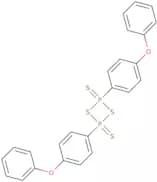
CAS:Belleau's Reagent is a chemical reagent that reacts with the amine group in the adrenergic receptor. It is used to measure the activation of these receptors by measuring the amount of cAMP produced when exposed to an agonist. This chemical can also be used to synthesize pateamine, which is a drug used in cancer treatments. Belleau's Reagent has been shown to react with other compounds such as chloride, forming trifluoroacetyl chloride, and bond cleavage of n-oxide compounds. In addition, this chemical has been shown to have properties that make it suitable for use in nanomaterials and protein synthesis.Formula:C24H18O2P2S4Purity:Min. 95%Molecular weight:528.61 g/mol5-Bromo-1H-1,2,4-triazole
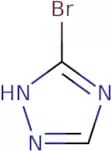
CAS:3-Bromo-1H-1,2,4-triazole belongs to the group of annular azoles. It has been found in the form of two tautomers: 1H-1,2,4-triazole and 2H-1,2,4-triazole. 3-Bromo-1H-1,2,4-triazole has been synthesized at low temperatures (below -30°C) as a result of coordination with bromine atoms. This triazole has also been analysed using x ray diffraction and vibrational spectroscopy. The chemical analyses have shown that 3-bromo 1H-1,2,4 triazole is not stable at high temperatures and decomposes into a mixture of the two tautomers. Tautomeric analysis showed that the 1H form is more stable than the 2H form.Formula:C2H2BrN3Purity:95%NmrColor and Shape:PowderMolecular weight:147.96 g/mol3-Bromo-5-methoxybenzoic acid
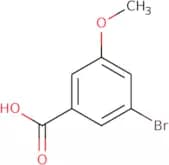
CAS:3-Bromo-5-methoxybenzoic acid is a cytotoxic agent that inhibits the activity of acid transporter, which is involved in the transport of organic acids from the cell to the blood. It is used as an antineoplastic agent for animal studies and has been shown to have a safety profile similar to benzbromarone. 3-Bromo-5-methoxybenzoic acid also inhibits uricosuric activity in mouse hepatocytes and metabolic activation in mice. This compound has inhibitory effects on mouse liver cells and can be used for the treatment of liver cancer.Formula:C8H7BrO3Purity:Min. 95%Molecular weight:231.04 g/molBenzamide adenine dinucleotide triethylamine
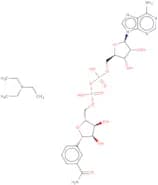
CAS:Please enquire for more information about Benzamide adenine dinucleotide triethylamine including the price, delivery time and more detailed product information at the technical inquiry form on this page
Formula:C22H28N6O14P2•C6H15NPurity:Min. 95%Molecular weight:763.63 g/mol(3R,4R)-1-((2S)-2-Benzyl-2-carboxyethyl)-4-(3-hydroxyphenyl)-3,4-dimethylpiperidine hydrochloride
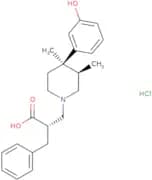
CAS:Please enquire for more information about (3R,4R)-1-((2S)-2-Benzyl-2-carboxyethyl)-4-(3-hydroxyphenyl)-3,4-dimethylpiperidine hydrochloride including the price, delivery time and more detailed product information at the technical inquiry form on this pageFormula:C23H29NO3•HClPurity:Min. 95%Molecular weight:403.94 g/molN-[(2-Bromo-4,5-dimethoxyphenyl)methyl]-N-(2-chloroethyl)morpholine bromide
Please enquire for more information about N-[(2-Bromo-4,5-dimethoxyphenyl)methyl]-N-(2-chloroethyl)morpholine bromide including the price, delivery time and more detailed product information at the technical inquiry form on this pageFormula:C15H22Br2ClNO3Purity:Min. 95%Molecular weight:459.6 g/moltrans-1-Boc-4-amino-piperidine-3-carboxylic acid ethyl ester hydrochloride
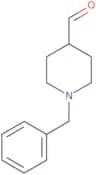
CAS:Please enquire for more information about trans-1-Boc-4-amino-piperidine-3-carboxylic acid ethyl ester hydrochloride including the price, delivery time and more detailed product information at the technical inquiry form on this pageFormula:C13H24N2O4•HClPurity:Min. 95%Molecular weight:308.8 g/mol1-Benzyl-4-piperidine-carboxaldehyde
CAS:1-Benzyl-4-piperidine-carboxaldehyde is a polymorphic compound with two crystalline forms: the α form and β form. The α form has a molecular weight of 174.2 g/mol and the β form has a molecular weight of 178.3 g/mol. Both forms are soluble in organic solvents but not in water. It is insoluble in hydrochloric acid, n-hexane, and acetonitrile. It is stable at room temperature but unstable at temperatures above 60°C. 1-Benzyl-4-piperidinecarboxaldehyde is an inhibitor of liver function, which may be due to its inhibition of CYP450 enzymes or other unknown mechanisms that lead to haemodynamic effects such as hypotension and tachycardia.Formula:C13H17NOPurity:Min. 95%Color and Shape:Yellow PowderMolecular weight:203.28 g/molBis(ethylamino)-1,3,5-triazin-2-ol hydrochloride
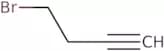
CAS:Please enquire for more information about Bis(ethylamino)-1,3,5-triazin-2-ol hydrochloride including the price, delivery time and more detailed product information at the technical inquiry form on this pageFormula:C7H13N5O•HClPurity:Min. 95%Molecular weight:219.67 g/mol4-Bromo-1-butyne
CAS:4-Bromo-1-butyne is an organic chemical compound that is used as a precursor in the synthesis of pharmaceuticals and agrochemicals. 4-Bromo-1-butyne has been shown to inhibit the growth of T-cell leukemia cells, murine leukemia cells, tuberculosis, and colorectal adenocarcinoma. In addition, 4-Bromo-1-butyne has been shown to be active against bacteria when conjugated with a variety of functional groups such as sulfonamides or amines. The synthetic route for this compound starts from styrene and bromination using NBS followed by 1,4-addition of butyne to the bromide. This process produces a mixture of cis and trans isomers which are separated by chromatography on silica gel.Formula:C4H5BrPurity:Min. 95%Color and Shape:Clear LiquidMolecular weight:132.99 g/mol1-(Bicyclo[2.2.2]oct-1-yl)methanamine hydrochloride
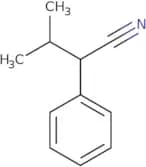
CAS:Versatile small molecule scaffoldFormula:C9H17N·ClHPurity:Min. 95%Molecular weight:175.7 g/mol3-Methyl-2-phenylbutanenitrile
CAS:3-Methyl-2-phenylbutanenitrile is a synthetic, nucleophilic blocker that binds to the active site of the enzyme and inhibits its function. 3-Methyl-2-phenylbutanenitrile is able to bind to calcium antagonist sites on the enzyme and inhibit their function. This product has been shown to be efficient in multigram amounts. The synthesis of this product has been optimized by using a cavitation reaction rate efficient method that is not limited by the solubility of reactants or products. Crystallography revealed that this product contains an amine group, which can act as a nucleophile in reactions with alkylthio groups, such as those found in proteins. 3-Methyl-2-phenylbutanenitrile is immobilized through dioxolane chemistry, which prevents it from interacting with other chemical species.Formula:C11H13NPurity:Min. 95%Molecular weight:159.23 g/mol2,3,5-Trimethoxybenzaldehyde
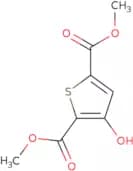
CAS:2,3,5-Trimethoxybenzaldehyde is the hydrolysis product of coumarin. It can be synthesized from 2,3-dimethoxybenzaldehyde and acetyl chloride. 2,3,5-Trimethoxybenzaldehyde can also be obtained by hydrolysis of coumarin with aqueous sodium hydroxide or potassium hydroxide. This compound is used as a natural flavoring agent in food products.Formula:C10H12O4Purity:Min. 95%Molecular weight:196.2 g/mol2,5-Dimethyl 3-hydroxythiophene-2,5-dicarboxylate
CAS:Versatile small molecule scaffoldFormula:C8H8O5SPurity:Min. 95%Molecular weight:216.21 g/mol1-(3-Hydroxythiophen-2-yl)ethan-1-one
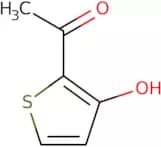
CAS:1-(3-Hydroxythiophen-2-yl)ethan-1-one is a hydrolyzable compound that has been shown to have microbicidal activity against food spoilage bacteria such as Bacillus cereus and Clostridium perfringens. It inhibits the growth of these bacteria by inhibiting the synthesis of bacterial cell walls, which leads to cell death.
Formula:C6H6O2SPurity:Min. 95%Molecular weight:142.18 g/molo-[(4-Chlorophenyl)methyl]hydroxylamine
CAS:Versatile small molecule scaffoldFormula:C7H8ClNOPurity:Min. 95%Molecular weight:157.6 g/mol3-Dimethylamino-1-phenyl-1-propanol
CAS:3-Dimethylamino-1-phenyl-1-propanol is a chiral phenoxy propylamine optical isomer with a residue of carbonyl. It is a racemic mixture of two optical isomers and has the ability to form diastereoisomeric salts. 3-Dimethylamino-1-phenyl-1-propanol is an intermediate in the synthesis of fluoxetine, which is used to treat depression. This substance also has antihistamine and sedative properties, as well as other pharmacological effects that have not been studied extensively.
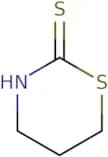
Formula:C11H17NOPurity:Min. 95%Molecular weight:179.26 g/mol1,3-Thiazinane-2-Thione
CAS:1,3-Thiazinane-2-thione is an allylamine that can be used in the synthesis of a variety of compounds. 1,3-Thiazinane-2-thione is also an activator for carbon-carbon bond formation. This compound can be synthesized from an alkyl halide and an aldehyde by reaction with sulfur and heat. The stereoselectivity of this reaction has been shown using x-ray crystallography.
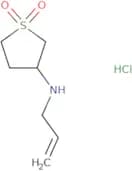
Formula:C4H7NS2Purity:Min. 95%Molecular weight:133.23 g/molTetrahydro-N-2-propen-1-yl-3-thiophenamine 1,1-dioxide hydrochloride
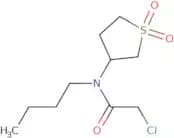
CAS:Versatile small molecule scaffoldFormula:C7H14ClNO2SPurity:Min. 95%Molecular weight:211.71 g/molN-Butyl-2-chloro-N-(tetrahydro-1,1-dioxido-3-thienyl)-acetamide
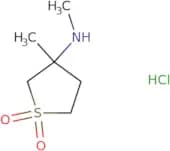
CAS:Versatile small molecule scaffoldFormula:C10H18ClNO3SPurity:Min. 95%Molecular weight:267.77 g/molMethyl-(3-methyl-1,1-dioxo-tetrahydro-1λ*6*-thiophen-3-yl)-amine hydrochloride
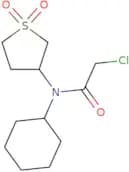
CAS:Versatile small molecule scaffoldFormula:C6H14ClNO2SPurity:Min. 95%Molecular weight:199.7 g/mol2-Chloro-N-cyclohexyl-N-(1,1-dioxothiolan-3-yl)acetamide
CAS:Versatile small molecule scaffoldFormula:C12H20ClNO3SPurity:Min. 95%Molecular weight:293.81 g/molEthyl 2-(3-methylpyridin-2-yl)acetate
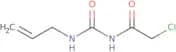
CAS:Versatile small molecule scaffoldFormula:C10H13NO2Purity:Min. 95%Molecular weight:179.2 g/mol1-(2-Chloroacetyl)-3-(prop-2-en-1-yl)urea
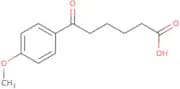
CAS:Versatile small molecule scaffoldFormula:C6H9ClN2O2Purity:Min. 95%Molecular weight:176.6 g/mol6-(4-Methoxyphenyl)-6-oxohexanoic acid
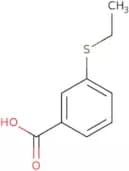
CAS:Versatile small molecule scaffoldFormula:C13H16O4Purity:Min. 95%Molecular weight:236.26 g/mol3-(Ethylsulfanyl)benzoic acid
CAS:Versatile small molecule scaffoldFormula:C9H10O2SPurity:Min. 95%Molecular weight:182.24 g/mol3-Amino-5-methyl-1-phenylpyrrolidin-2-one
CAS:Versatile small molecule scaffoldFormula:C11H14N2OPurity:Min. 95%Molecular weight:190.24 g/mol(4-Hydroxy-2,6-dimethylpyrimidin-5-yl)acetic acid
CAS:Versatile small molecule scaffoldFormula:C8H10N2O3Purity:Min. 95%Molecular weight:182.18 g/mol1-(Ethenesulfonyl)-4-nitrobenzene
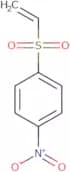
CAS:1-(Ethenesulfonyl)-4-nitrobenzene (1ESNB) is a pyrazoline that has been used as an oxidant in cyclic aliphatic and heterocyclic syntheses. 1ESNB is also used to form phosphate derivatives, which are important in the pharmaceutical industry. 1ESNB can be prepared by the organocatalytic coupling of ethyl sulfone with nitrobenzene. The azomethine ylide can be generated from 1ESNB through oxidation with potassium permanganate or ozone, followed by addition of an aliphatic amine. This reaction gives a quinolinium salt that can be converted to a sulfone using thionyl chloride or oxalyl chloride. A cycloaddition reaction can then convert the sulfone into a biologically active molecule such as methotrexate or daunorubicin.
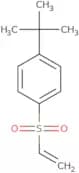
Formula:C8H7NO4SPurity:Min. 95%Molecular weight:213.21 g/mol1-tert-Butyl-4-(ethenesulfonyl)benzene
CAS:Versatile small molecule scaffoldFormula:C12H16O2SPurity:Min. 95%Molecular weight:224.32 g/molBenzyl Cyanoformate
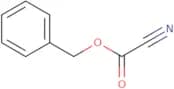
CAS:Benzyl Cyanoformate is a diagnostic agent that is used in the synthesis of amide compounds. It has a structure that includes an active methylene and nitrogen atoms. Benzyl Cyanoformate is synthesized through asymmetric synthesis, which encompasses the use of amines, inhibitors, and solid-phase synthesis. This compound has been shown to inhibit the activity of some receptor proteins by binding to them and preventing their activation, thus acting as an antagonist. Benzyl Cyanoformate binds to the enzyme carboxy with hydrochloric acid as a catalyst. The v600e mutation in K-ras can lead to increased sensitivity to this inhibitor; however, it is not known if this mutation confers sensitivity or resistance to other inhibitors of K-ras.Formula:C9H7NO2Purity:Min. 95%Molecular weight:161.16 g/mol6-Methoxy-1,1-dimethyl-2,3-dihydro-1H-indene
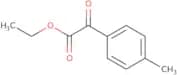
CAS:Versatile small molecule scaffoldFormula:C12H16OPurity:Min. 95%Molecular weight:176.25 g/molEthyl (4-methylphenyl)(oxo)acetate
CAS:Versatile small molecule scaffoldFormula:C11H12O3Purity:Min. 95%Molecular weight:192.21 g/mol(2R,5R)-2-Methyl-5-(prop-1-en-2-yl)cyclohexan-1-one
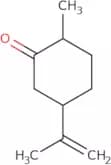
CAS:(2R,5R)-2-Methyl-5-(prop-1-en-2-yl)cyclohexan-1-one is an enantiomer of (2S,5S)-2-methyl-5-(prop-1-en-2-yl)cyclohexan -1 -one. It belongs to the class of saponins and has been shown to have a synergistic effect with glutamic acid in the synthesis of deionized water. It can be used as a test drug for the detection of staphylococcus bacteria.Formula:C10H16OPurity:Min. 95%Molecular weight:152.23 g/mol5-Methyl-2-pyrazinecarboxamide
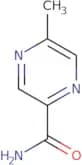
CAS:5-Methyl-2-pyrazinecarboxamide is a synthetic sulfa drug that inhibits the growth of mycobacterium avium, which is a bacterium found in the environment that can cause tuberculosis. 5-Methyl-2-pyrazinecarboxamide has been shown to have potent antitumor activity in tumor cell lines and has been shown to be effective against tuberculosis in mice. This molecule is synthesised from pyrazinoic acid, an organometallic compound, and sulfamethazine. The molecular descriptors obtained from this molecule are used to validate its anticancer activity in other tumor cells. The photophysical properties of this molecule have also been studied extensively.Formula:C6H7N3OPurity:Min. 95%Molecular weight:137.14 g/mol2-Ethoxyethane-1-sulfonamide
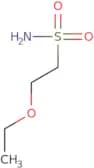
CAS:Versatile small molecule scaffoldFormula:C4H11NO3SPurity:Min. 95%Molecular weight:153.2 g/moltert-Butyl 6-aminohexanoate
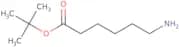
CAS:tert-Butyl 6-aminohexanoate is a benzene derivative that is used as a spacer in organic synthesis. It reacts with potassium carbonate to form tert-butyl 6-aminocaproate and tert-butyl 2,6-dinitrophenolate. The tert-butyl group has an amino group at one end and a carboxylic acid group at the other end. This tertiary amine is made by reacting benzene with potassium hydroxide and adding 1-4c alkyl chloride. The tertiary amine functional group is reactive towards electrophilic aromatic substitution reactions, such as nitration or halogenation.
Formula:C10H21NO2Purity:Min. 95%Molecular weight:187.28 g/mol1-Ethyl-1-methylhydrazine hydrochloride
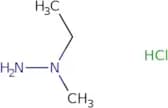
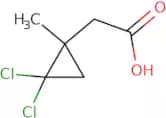
CAS:Versatile small molecule scaffoldFormula:C3H11ClN2Purity:Min. 95%Molecular weight:110.58 g/mol2-(2,2-Dichloro-1-methylcyclopropyl)acetic acid
CAS:Versatile small molecule scaffoldFormula:C6H8Cl2O2Purity:Min. 95%Molecular weight:183.03 g/mol4-Isopropylcyclohexylmethanol
CAS:4-Isopropylcyclohexylmethanol is a synthetic chemical that is used as a fragrance. It is found in plants such as Paeonia suffruticosa and is used in the synthesis of linalool oxide. 4-Isopropylcyclohexylmethanol has been shown to bind to histone proteins, which may have an effect on gene expression. This chemical also has a vapor pressure of 0.0013 mmHg at 25°C and can be detected by electrochemical method at a concentration of 10 ppm. 4-Isopropylcyclohexylmethanol has been shown to react with eugenol in benzene, forming methyl cinnamate and methyl ethyl alkanal.
Formula:C10H20OPurity:Min. 95%Molecular weight:156.26 g/mol2-[4-(Hydroxymethyl)cyclohex-3-en-1-yl]propan-2-ol
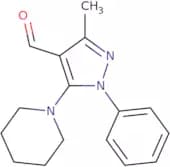
CAS:2-[4-(Hydroxymethyl)cyclohex-3-en-1-yl]propan-2-ol is an isomer of alpha-terpineol. It is the major component of the essential oil from Litsea cubeba, an evergreen tree native to China, Taiwan and Thailand. Alpha-terpineol has been shown to have a broad spectrum of antimicrobial activity against various strains of intestinal bacteria. The methyl group in alpha-terpineol interacts with bacterial 16S ribosomal RNA, inhibiting protein synthesis. Alpha-terpineol also has hydroxylase activity that binds preferentially to hydroxylases in the intestines, which may be responsible for its antimicrobial effects.Formula:C10H18O2Purity:Min. 95%Molecular weight:170.25 g/mol3-Methyl-1-phenyl-5-(piperidin-1-yl)-1H-pyrazole-4-carbaldehyde
CAS:3-Methyl-1-phenyl-5-(piperidin-1-yl)-1H-pyrazole-4-carbaldehyde (MPPC) is a crosslinked polymer that spontaneously forms nanoparticles. The Langmuir isotherm was used to characterize the parameters of this polymer. A chitosan gel, magnetic nanoparticle and thermodynamic techniques were used to study the characteristics of MPPC. The kinetic and endothermic studies were carried out using magnetic nanoparticles. This polymer has been shown to desorb from chitosan gels and magnetic nanoparticles, which can be useful for drug delivery applications.Formula:C16H19N3OPurity:Min. 95%Molecular weight:269.34 g/mol1-Azaspiro[4.5]decan-2-one
CAS:Versatile small molecule scaffoldFormula:C9H15NOPurity:Min. 95%Molecular weight:153.22 g/mol6-Methyl-1-(propan-2-yl)-1H,4H,5H-pyrazolo[3,4-d]pyrimidin-4-one
CAS:Versatile small molecule scaffold
Formula:C9H12N4OPurity:Min. 95%Molecular weight:192.22 g/mol1,4-diazabicyclo[3.2.1]octane 2hcl
CAS:Versatile small molecule scaffold
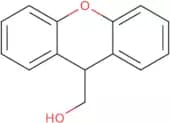
Formula:C6H14Cl2N2Purity:Min. 95%Molecular weight:185.09 g/mol9H-Xanthene-9-methanol
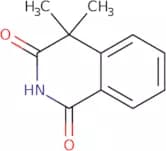
CAS:9H-Xanthene-9-methanol is an orthogonal protecting group for amines, carbanions, and other nucleophiles. It is a multistep process that yields a cationic intermediate, which can be used for the synthesis of amine-containing compounds. 9H-Xanthene-9-methanol is also used in the deprotection of photolabile groups such as sulfonyl chlorides and tosylates. The reactivity of this reagent is optimized when it is combined with acidic solvents, such as dichloromethane or chloroform.Formula:C14H12O2Purity:Min. 95%Molecular weight:212.25 g/mol4,4-dimethyl-1,2,3,4-tetrahydroisoquinoline-1,3-dione
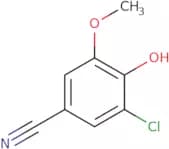
CAS:4,4-dimethyl-1,2,3,4-tetrahydroisoquinoline-1,3-dione is an antiplatelet agent that inhibits the activity of the platelet cyclooxygenase enzyme and prevents the production of thromboxane A2. It has been shown to be a potent compound that has antiplatelet effects in vitro and in vivo. 4,4-dimethyl-1,2,3,4-tetrahydroisoquinoline-1,3-dione is used for the treatment of patients with atherosclerosis or coronary artery disease who have had a recent stroke or heart attack. This drug also shows promise as an anticonvulsant and analgesic due to its ability to reduce neuronal excitability.Formula:C11H11NO2Purity:Min. 95%Molecular weight:189.21 g/mol3-Chloro-4-hydroxy-5-methoxybenzonitrile
CAS:Versatile small molecule scaffoldFormula:C8H6ClNO2Purity:Min. 95%Molecular weight:183.59 g/mol




![2-Amino-1-[3-(dimethylamino)propyl]-4,5-dimethyl-1H-pyrrole-3-carbonitrile](/_next/image/?url=https%3A%2Fstatic.cymitquimica.com%2Fproducts%2F3D%2Fthumb-webp%2FFCA81776.webp&w=3840&q=75)
![(5-bromobenzo[b]thiophen-3-yl)methanamine hcl](/_next/image/?url=https%3A%2Fstatic.cymitquimica.com%2Fproducts%2F3D%2Fthumb-webp%2FFCA81075.webp&w=3840&q=75)
![7,7-Dimethyl-8-oxa-1,3-diazaspiro[4.5]decane-2,4-dione](/_next/image/?url=https%3A%2Fstatic.cymitquimica.com%2Fproducts%2F3D%2Fthumb-webp%2FFCA79579.webp&w=3840&q=75)

![2-[4-(Propan-2-yloxy)phenyl]acetic acid](/_next/image/?url=https%3A%2Fstatic.cymitquimica.com%2Fproducts%2F3D%2Fthumb-webp%2FFCA78407.webp&w=3840&q=75)




![Bicyclo[1,1,1]pentane-1-carboxylic acid](/_next/image/?url=https%3A%2Fstatic.cymitquimica.com%2Fproducts%2F3D%2Fthumb-webp%2FFB61597.webp&w=3840&q=75)
![N-[(2-Bromo-4,5-dimethoxyphenyl)methyl]-N-(2-chloroethyl)morpholine bromide](/_next/image/?url=https%3A%2Fstatic.cymitquimica.com%2Fproducts%2F3D%2Fthumb-webp%2FFB183793.webp&w=3840&q=75)

![1-(Bicyclo[2.2.2]oct-1-yl)methanamine hydrochloride](/_next/image/?url=https%3A%2Fstatic.cymitquimica.com%2Fproducts%2F3D%2Fthumb-webp%2FFAA56174.webp&w=3840&q=75)

![o-[(4-Chlorophenyl)methyl]hydroxylamine](/_next/image/?url=https%3A%2Fstatic.cymitquimica.com%2Fproducts%2F3D%2Fthumb-webp%2FFAA55551.webp&w=3840&q=75)





![2-[4-(Hydroxymethyl)cyclohex-3-en-1-yl]propan-2-ol](/_next/image/?url=https%3A%2Fstatic.cymitquimica.com%2Fproducts%2F3D%2Fthumb-webp%2FFAA50274.webp&w=3840&q=75)
![1-Azaspiro[4.5]decan-2-one](/_next/image/?url=https%3A%2Fstatic.cymitquimica.com%2Fproducts%2F3D%2Fthumb-webp%2FFAA49874.webp&w=3840&q=75)
![6-Methyl-1-(propan-2-yl)-1H,4H,5H-pyrazolo[3,4-d]pyrimidin-4-one](/_next/image/?url=https%3A%2Fstatic.cymitquimica.com%2Fproducts%2F3D%2Fthumb-webp%2FFAA49483.webp&w=3840&q=75)
![1,4-diazabicyclo[3.2.1]octane 2hcl](/_next/image/?url=https%3A%2Fstatic.cymitquimica.com%2Fproducts%2F3D%2Fthumb-webp%2FFAA49261.webp&w=3840&q=75)