Building Blocks
Subcategories of "Building Blocks"
- Boronic Acids & Boronic Acid Derivatives(5,805 products)
- Chiral Building Blocks(1,248 products)
- Hydrocarbon Building Blocks(6,118 products)
- Organic Building Blocks(61,447 products)
Found 208423 products of "Building Blocks"
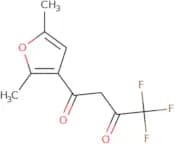
1-(2,5-Dimethylfuran-3-yl)-4,4,4-trifluorobutane-1,3-dione
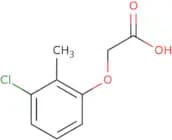
CAS:Versatile small molecule scaffoldFormula:C10H9F3O3Purity:Min. 95%Molecular weight:234.17 g/mol2-(3-Chloro-2-methylphenoxy)acetic acid
CAS:2-(3-Chloro-2-methylphenoxy)acetic acid is an alkali metal salt that is soluble in water. It has a centrosymmetric, symmetric and ligand environment. Its coordination number is 2. The crystallographic environment is anion, polymeric and dimeric. The crystal structure of 2-(3-chloro-2-methylphenoxy)acetic acid is a hydrated hydrogen bond polyhedra.
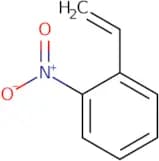
Formula:C9H9ClO3Purity:Min. 95%Molecular weight:200.62 g/mol1-Ethenyl-2-nitrobenzene
CAS:1-Ethenyl-2-nitrobenzene is a bifunctional reagent that reacts with hydroxy groups to form epoxides. It reacts with the amino group of amines to form nitro compounds and with fatty acids to form esters. The 1-ethenyl-2-nitrobenzene can be used as an oxidizing agent, which increases its utility in synthetic chemistry. In addition, 1-ethenyl-2-nitrobenzene has been shown to react synergistically with other reagents, such as indole-7-carboxylic acid and phenols, to produce a variety of products.Formula:C8H7NO2Purity:Min. 95%Molecular weight:149.15 g/mol2-(Dimethylamino)benzaldehyde
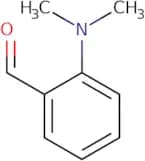
CAS:2-(Dimethylamino)benzaldehyde is a stilbene derivative. It inhibits the activity of an enzyme called tyrosine phosphatase by binding to the active site of the enzyme and blocking its catalytic function. This compound has been used in vitro studies to study autoimmune diseases and may have potential as a drug for rheumatoid arthritis. 2-(Dimethylamino)benzaldehyde also binds to influenza virus, stabilizing it and inhibiting its replication, but does not inhibit other viruses such as HIV-1 or poliovirus.2-(Dimethylamino)benzaldehyde can be prepared by reacting n-dimethylformamide with hydrochloric acid. The reaction produces hydrogen chloride gas, which is then bubbled through redox potentials (e.g., ferric chloride solution), yielding 2-(dimethylamino)benzaldehyde and hydrogen gas. 2-(Dimethylamino)benzaldehyde can be synthesized usingFormula:C9H11NOPurity:Min. 95%Molecular weight:149.19 g/mol2-(N-Phenylacetamido)acetic acid
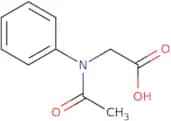
CAS:2-(N-Phenylacetamido)acetic acid is an alkyl ester that is synthesized by the reaction of acetyl chloride with toluene. This compound can be used as a pharmaceutical intermediate and a synthetic sweetener. The hydrogenation of 2-(N-phenylacetamido)acetic acid produces 2-(N-phenylacetamido)ethanoic acid, which has been shown to have antihypertensive effects. The p-toluenesulfonic acid is an acid catalyst that facilitates this reaction. The acetylation of 2-(N-phenylacetamido)acetic acid produces 2-(N-phenylacetamido)propionic acid, which has been used in the synthesis of rhodium. The reaction also results in a number of diastereoisomeric salts; these are stereoisomers that differ from each other because they are not mirror images of one another.Formula:C10H11NO3Purity:Min. 95%Molecular weight:193.2 g/mol3-Phenylphenol
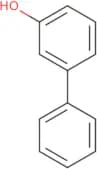
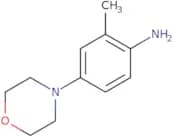
CAS:3-Phenylphenol is an organic compound with a hydroxyl group. The detection sensitivity for 3-phenylphenol has been improved by the use of proton NMR spectroscopy, which can be used to differentiate between 3-phenylphenol and other compounds that also have a hydroxyl group. 3-Phenylphenol is lipophilic in nature, and it is soluble in trifluoroacetic acid. It has been shown to have immunomodulatory effects on human liver cells in vitro. It has been found to inhibit transfer reactions of flavonols glycosides, galacturonic acid, and high salt (NaCl) induced lipoperoxidation. The structure of 3-phenylphenol can be determined using gas chromatography mass spectrometry (GCMS).Formula:C12H10OPurity:Min. 95%Molecular weight:170.21 g/mol2-Methyl-4-(4-morpholinyl)aniline
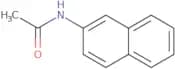
CAS:Versatile small molecule scaffoldFormula:C11H16N2OPurity:Min. 95%Molecular weight:192.26 g/molN-(Naphthalen-2-yl)acetamide
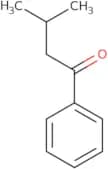
CAS:N-(Naphthalen-2-yl)acetamide is a synthetic compound that has been shown to have anti-cancer and anti-inflammatory properties. It is a prodrug of N-(naphthalen-2-yl)acetamide, the active form. The prodrug is hydrolyzed in vivo to the active form by the action of hydrochloric acid in mammalian cells. The prodrug also binds to amines and oligodeoxynucleotides and inhibits their synthesis. In addition, it inhibits calcium pantothenate, which is an essential cofactor for DNA synthesis. N-(Naphthalen-2-yl)acetamide also has been shown to inhibit tumor growth in animal models by blocking DNA synthesis and cell proliferation. The drug is metabolized into chloride ions that are toxic to cancer cells but not normal cells. The optimum pH for this reaction is 7.5.Formula:C12H11NOPurity:Min. 95%Molecular weight:185.22 g/molIsovalerophenone
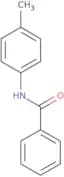
CAS:Isovalerophenone is a hydroxylated aromatic compound. It has been used in the production of microcapsules and polyvinyl chloride. This compound has shown high resistance to protease activity, with a high degree of stability in acidic solutions and radiation. Isovalerophenone can be synthesized from cyanuric acid and an alkanoic acid or methyl ethyl ketone. br> Isovalerophenone is used in the manufacturing of photoresist for the semiconductor industry, as well as a component in the manufacture of plastics and resins.br> Isovalerophenone can be found in nature as an intermediate metabolite that is produced by some strains of bacteria (e.g., Pseudomonas aeruginosa).Formula:C11H14OPurity:Min. 95%Molecular weight:162.23 g/molN-(4-Methylphenyl)benzamide
CAS:N-(4-Methylphenyl)benzamide (NMPBA) is a hydroxide ion-based reagent that can be used for the synthesis of carbonyl compounds. It has been shown to react with carbonyl compounds under mild conditions, forming an amide and a mixture of alcoholysis products. NMPBA is also capable of eliminating sulfides and thiols as well as reducing aromatic rings. The elimination reactions are optimized by irradiation and the structure-activity relationships have been investigated by organic chemistry experiments.Formula:C14H13NOPurity:Min. 95%Molecular weight:211.26 g/molFenipentol
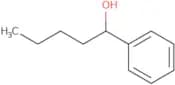
CAS:Fenipentol is a zymogen granule inhibitor that blocks the formation of zymogens in the pancreas. It is effective in treating cystic fibrosis by preventing pancreatic enzymes from being released into the intestine, which prevents the release of digestive enzymes and mucus, thereby reducing fluid loss. Fenipentol inhibits hydrochloric acid secretion and water vapor excretion, both of which are necessary for digestion. This drug also has a molecular structure that is hydrolyzed by hydrochloric acid and degrades when exposed to water vapor. Fenipentol's active form is an analog of methoxyfenozide, but it is more potent than its predecessor because it binds more tightly to the enzyme target and inhibits glutamate pyruvate transaminase more efficiently.Formula:C11H16OPurity:Min. 95%Molecular weight:164.24 g/mol1-Bromo-2-ethoxy-benzene
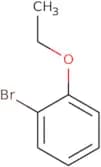
CAS:1-Bromo-2-ethoxy-benzene is a chemical that belongs to the group of hydroxybenzenes. It is a colorless liquid with a pleasant odor. 1-Bromo-2-ethoxy-benzene can be used as an industrial preparation in the production of peptide hormones and other chemicals, as well as in the manufacture of dyes and agrochemicals. It has been shown to have antihistaminergic, adrenergic receptor agonistic, and fibroblast proliferation effects. 1-Bromo-2-ethoxy-benzene is also used as a histone methylation inhibitor and can be used for the treatment of depression.Formula:C8H9BrOPurity:Min. 95%Molecular weight:201.06 g/mol2-Methylcyclohexanone
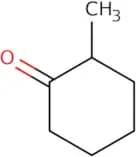
CAS:2-Methylcyclohexanone is an organic compound that is a colorless liquid at room temperature. It is classified as an enolate and has the chemical formula of CH3COCHO. The asymmetric synthesis of 2-methylcyclohexanone can be achieved by adding sodium ethoxide to ethyl formate in the presence of anhydrous sodium. This method produces a 1,3-diketone that can be hydrolyzed to give 2-methylcyclohexanone. Hydrogen bonding interactions between the methyl group and the carbonyl group are important for the stability of this molecule. The solubility data for 2-methylcyclohexanone ranges from 0.015 g/mL at 20 °C to 0.05 g/mL at 100 °C. Activation energies for this molecule range from -2.4 kcal/mol to -1.9 kcal/mol, with a viscosity of 8 cP at
Formula:C7H12OPurity:Min. 95%Color and Shape:Clear LiquidMolecular weight:112.17 g/mol4-Hydroxy-2-methyl-5-(propan-2-yl)benzoic acid
CAS:Versatile small molecule scaffold
Formula:C11H14O3Purity:Min. 95%Molecular weight:194.23 g/molN-(2-Methylphenyl)benzamide
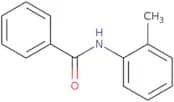
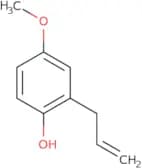
CAS:N-(2-Methylphenyl)benzamide is a derivative of benzamide that can be prepared by reacting aniline with benzoyl chloride. The reaction products are chlorides, nitrobenzene, and benzamide. N-(2-Methylphenyl)benzamide is used in the synthesis of semiconductors and pharmaceuticals. It is also used as a reagent in the preparation of other compounds.Formula:C14H13NOPurity:Min. 95%Molecular weight:211.26 g/mol2-Allyl-4-methoxyphenol
CAS:2-Allyl-4-methoxyphenol is a monomer that is used in synthetic antioxidants. It has been shown to scavenge free radicals and inhibit the production of 4-allyl-2-methoxyphenol (AMPM) from carthamus tinctorius. Inhibition rates have been observed at different concentrations and microwaves. 2-Allyl-4-methoxyphenol has also been shown to enhance the antioxidant activity of phenethyl propionate, and it has a dry weight of 522 g/mol. This compound is synthetically derived and can be found in submandibular gland secretions, as well as eugenol and fusarium oxysporum f.
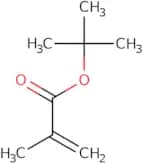
Formula:C10H12O2Purity:Min. 95%Molecular weight:164.2 g/moltert-Butyl Methacrylate Monomer (stabilized with MEHQ)
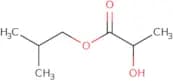
CAS:Tert-Butyl methacrylate monomer is a monomer used in the production of polymers. It can be polymerized to form poly(tert-butyl methacrylate) and is used as a biocompatible polymer in medical devices. The chemical stability of this compound has been shown by the use of an electrochemical impedance spectroscopy to measure the effect of temperature on its reactivity. Tert-Butyl methacrylate monomer has been found to be a good fluorescence probe for activated polymerization, which can be used for measuring pH changes in biological systems. This compound also has high resistance to steric interactions and high values for mechanical properties.Formula:C8H14O2Purity:Min. 95%Molecular weight:142.2 g/mol2-Methylpropyl 2-hydroxypropanoate
CAS:2-Methylpropyl 2-hydroxypropanoate is a hydrocarbon solvent that contains a hydroxyl group and a hydroxy group. It is used as an organic solvent for industrial purposes, such as patterning in semiconductor fabrication. It is also used in the production of polymers, pharmaceuticals, and other chemical products. This compound may be degraded by radiation or hydrolyzed to produce butanol and benzoic acid.
Formula:C7H14O3Purity:Min. 95%Molecular weight:146.18 g/mol2-[3-(Trifluoromethyl)phenoxymethyl]oxirane
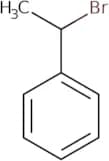
CAS:Versatile small molecule scaffoldFormula:C10H9F3O2Purity:Min. 95%Molecular weight:218.17 g/mol(1-Bromoethyl)benzene
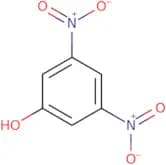
CAS:1-Bromoethylbenzene is a solvent and an initiator for the polymerization of polymers. It is used in the production of polyvinyl chloride, polyurethane, and polyester. The deuterium isotope has been used to study kinetic data and reaction mechanisms of 1-bromoethylbenzene. It can be oxidized by hydrochloric acid or hydrogen chloride with irreversible oxidation to produce bromine gas. This process can also be reversed by adding hydrogen fluoride or a halide salt to the reaction mixture.Formula:C8H9BrPurity:Min. 95%Molecular weight:185.06 g/mol3,5-Dinitrophenol
CAS:Controlled Product3,5-Dinitrophenol is a yellowish crystalline solid that is soluble in water. It has a molecular weight of 162.2 g/mol and it's deprotonated form is 3,5-dinitrophenoxide. The thermodynamic parameters of this compound are not well known because the compound cannot be studied at equilibrium conditions. The experimental spectra were measured by electron spin resonance (ESR) and Fourier transform infrared (FTIR) spectroscopy. Theory-based equations have been used to calculate the parameters for the theoretical spectra and these equations are in agreement with the experimental results. Constant temperature measurements have shown that nitro groups can be protonated at high temperatures, but not at low temperatures. This protonation causes an increase in acidity, which leads to a decrease in pKa values of nitro groups when compared to their values at lower temperatures.Formula:C6H4N2O5Purity:Min. 95%Molecular weight:184.11 g/molTerpinolene
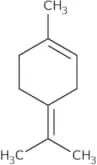
CAS:Terpinolene is a terpene and an important component of pine oil. It has been shown to have antimicrobial activity against Gram-positive bacteria, such as Bacillus subtilis and Staphylococcus aureus. Terpinolene also inhibits the nitrate reductase enzyme in plants, which may be responsible for its effect on coronary heart diseases. This molecule is a signal peptide that can be found in CDNA clone sequences. The rate constant for terpinolene has been determined by chromatographic analysis and it appears to have a higher affinity for copper chloride than other molecules. Terpinolene was also used to create polymer compositions, which were analyzed using x-ray crystal structures to determine their molecular structure. Terpinolene has been shown to have water vapor adsorption properties that are similar to those of polyacrylonitrile (PAN). Finally, terpinolene was used as a model system for investigating the enzyme activities
Formula:C10H16Purity:Min. 95%Molecular weight:136.23 g/mol2-Hydroxy-N-[3-(trifluoromethyl)phenyl]benzamide
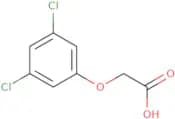
CAS:2-Hydroxy-N-[3-(trifluoromethyl)phenyl]benzamide is an experimental drug that has been shown to bind to the benzodiazepine receptor in urine samples. It is used in bronchial orientations, with chemical stability and sample preparation for diazepine reconstitution and implanting. 2-Hydroxy-N-[3-(trifluoromethyl)phenyl]benzamide can be orally administered and analyzed by diagnostic methods such as solid phase microextraction and iontophoresis.Formula:C14H10F3NO2Purity:Min. 95%Molecular weight:281.23 g/mol2-(3,5-Dichlorophenoxy)acetic acid
CAS:2-(3,5-Dichlorophenoxy)acetic acid is an organic compound that has both a carboxylate and a hydroxyl group. It is used as an herbicide and has been shown to be effective in preventing uptake of radioactive elements by plants. 2-(3,5-Dichlorophenoxy)acetic acid can be prepared from butanoic acid and sodium chloride. The molecular formula for 2-(3,5-Dichlorophenoxy)acetic acid is CHClOOC(CHCOCH).
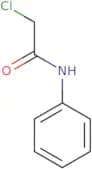
Formula:C8H6O3Cl2Purity:Min. 95%Molecular weight:221.03 g/mol2-Chloro-N-phenylacetamide
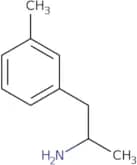
CAS:2-Chloro-N-phenylacetamide (2CPA) is a chemical that is stable in the presence of strong acids, bases, and oxidizing agents. It can be used as an herbicide and has been shown to inhibit plant metabolism by interfering with the synthesis of picolinic acid. 2CPA also binds to proteins, causing inhibition of protein synthesis. This may occur by competitively binding to the enzyme polymerase chain reaction (PCR). 2CPA is metabolized into trifluoroacetic acid and chloroacetanilides in mammals. The detoxification enzymes glutathione S-transferase (GST) and cytochrome P450 can reactivate 2CPA by conjugation with glutathione or methyl ethyl. This detoxification process is known as phase II metabolism.Formula:C8H8NOClPurity:Min. 95%Molecular weight:169.61 g/mol1-(3-Methylphenyl)propan-2-amine
CAS:Controlled ProductVersatile small molecule scaffold
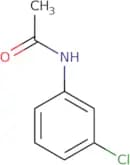
Formula:C10H15NPurity:Min. 95%Molecular weight:149.23 g/mol3'-Chloroacetanilide
CAS:3'-Chloroacetanilide is a chemical compound that has been shown to inhibit the acetylation of adenosine nucleotides in vitro, leading to an increase in ATP levels. 3'-Chloroacetanilide also inhibits the deamination of guanosine nucleotides and blocks the synthesis of purines. The molecular modeling studies of this chemical have shown that it could be a potential inhibitor for cancer cells. In vivo experiments have shown that 3'-chloroacetanilide can cause a decrease in tumor size and weight as well as an increase in apoptosis. When incubated with rat hepatocytes, 3'-chloroacetanilide caused a significant drop in ATP levels and an increase in AMP levels. This study also showed that 3'-chloroacetanilide is metabolized into its glucuronide conjugate, which is excreted by the kidneys.br>br> br> 3'-ChlorFormula:C8H8ClNOPurity:Min. 95%Molecular weight:169.61 g/molN-(3-Methoxyphenyl)acetamide
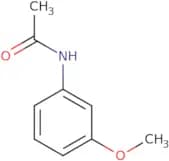
CAS:N-(3-Methoxyphenyl)acetamide is a reactive and efficient chemical for the synthesis of N-(3-methoxyphenyl)acetamide-N′,O′-diacetate. It is used as a fluorescent probe in analytical chemistry. This chemical reacts with formaldehyde to produce a formyl group, which can be detected by magnetic resonance spectroscopy (MRS). The acetanilide moiety in this compound is an active substance that is effective against pyridinium, which is a reactive substance. Methylating this acetanilide leads to pro-apoptotic proteins that are fluorescent and can be detected using fluorescent probes.
Formula:C9H11NO2Purity:Min. 95%Molecular weight:165.19 g/mol2-(3,4-Dichlorophenoxy)acetic acid
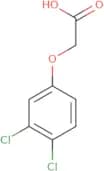
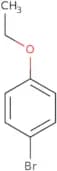
CAS:2-(3,4-Dichlorophenoxy)acetic acid is a herbicide that has a phenoxyacetic structure. It inhibits photosynthesis in plants by blocking the action of the enzyme ribulose-1,5-bisphosphate carboxylase. This causes chlorophyll synthesis to be disrupted and the plant to die. 2-(3,4-Dichlorophenoxy)acetic acid also inhibits acetolactate synthase and other enzymes in plants that are necessary for amino acid synthesis.Formula:C8H6Cl2O3Purity:Min. 95%Molecular weight:221.04 g/mol4-Bromophenetole
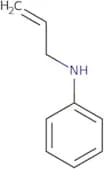
CAS:4-Bromophenetole is a hydrogen bond acceptor, an amine, and a palladium complex. It is considered a drug target for the treatment of amines and fatty acids. 4-Bromophenetole has been shown to have antibacterial properties against fatty acid-producing bacteria such as Escherichia coli and Pseudomonas aeruginosa. This compound can be synthesized from phenol, acetone, and bromine in high yields. 4-Bromophenetole also has synergistic effects with other drugs that bind to fatty acid synthase (FAS), including insulin, which may help to treat type 2 diabetes.Formula:C8H9BrOPurity:Min. 95%Molecular weight:201.06 g/molN-Allylaniline
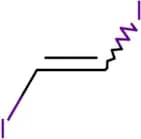
CAS:N-Allylaniline is a hydrogen bond donor. It is an organic compound that belongs to the group of allylamines, which are heterocyclic amines having one nitrogen atom in the ring. N-Allylaniline has been shown to be biologically relevant for alkene metabolism and as a precursor for 3,4-dimethoxyphenylacetic acid, which is used as a starting material for the synthesis of pharmaceuticals. The molecule has four methoxy groups and two nitrogen atoms with one lone pair of electrons on each atom. N-Allylaniline also has intermolecular hydrogen bonding capabilities between the methoxy groups and the nitrogen atoms.Formula:C9H11NPurity:Min. 95%Molecular weight:133.19 g/mol1,2-Diiodoethene
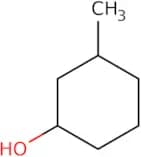
CAS:1,2-Diiodoethene is a molecule with two functional groups that can be used for catalysis. The reaction scheme shows that the stereocontrol of this molecule is controlled by the type of substituents on the carbon atoms. This molecule has been shown to be synthesized in cross-coupling reactions and as an intermediate in the synthesis of pharmaceutical drugs. It also has been used as a precursor for other molecules with different functional groups. 1,2-Diiodoethene can react with fatty acids to form esters or with fatty acid anhydrides to form amides. This molecule also has been shown to have frequencies that are similar to those of fatty acids, which may account for its ability to form esters and amides.Formula:C2H2I2Purity:Min. 95%Molecular weight:279.85 g/mol3-Methylcyclohexanol
CAS:3-Methylcyclohexanol is a reactive chemical substance with the chemical formula CH3CH2OH. It is used in the synthesis of covid-19, a pandemic antiviral drug that can be used to treat influenza A virus. 3-Methylcyclohexanol is a sodium salt that is stable in water and has an acylation reaction with an acid chloride. This reaction produces an ester and carboxylic acid as byproducts. 3-Methylcyclohexanol can be hydrogenated using metal catalysts, such as palladium, platinum or nickel, to produce fatty acids. The efficient method for this process involves dehydration of the alcohol to form the corresponding hydroxy compound.
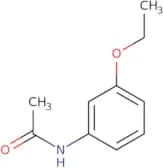
Formula:C7H14OPurity:Min. 95%Molecular weight:114.19 g/mol3'-Ethoxyacetanilide
CAS:3'-Ethoxyacetanilide is a chemical compound that inhibits the growth of certain bacteria, including Mycobacterium tuberculosis. It is used as an antibiotic to treat bacterial infections, such as tuberculosis and leprosy. 3'-Ethoxyacetanilide inhibits the synthesis of mycolic acids, which are essential for the growth of Mycobacterium tuberculosis.
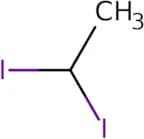
Formula:C10H13NO2Purity:Min. 95%Molecular weight:179.22 g/mol1,1-Diiodoethane
CAS:1,1-Diiodoethane is a chemical compound with the molecular formula C2H4I2. It is a colorless liquid that reacts with chloride to form ethylene. The desorption of 1,1-diiodoethane from an aluminum surface was studied using a cavity ringdown spectrometer. The frequency range for this process is in the infrared region. The shift and profiles for 1,1-diiodoethane are also available.
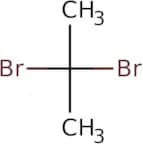
Formula:C2H4I2Purity:Min. 95%Molecular weight:281.86 g/mol2,2-Dibromopropane
CAS:2,2-Dibromopropane is a synthetic chemical that has been used as a precursor in the production of nylon. It is an activator that can be used to form covalent bonds with reactive groups on other molecules. The activation energy for the reaction with piperazine is between 104 and 106 kJ/mol. 2,2-Dibromopropane undergoes acylation reactions under certain conditions, forming reaction products such as 2,2-dibromoethyl acetate and 2,2-dibromoethanol. The molecular weight of 2,2-dibromopropane is 192.19 g/mol and its structural formula is CHBrCHBrCHBrCHBrC≡C≡C≡C≡C≡C≡CC(O)OH.
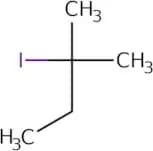
Formula:C3H6Br2Purity:Min. 95%Molecular weight:201.89 g/mol2-Iodo-2-methylbutane
CAS:2-Iodo-2-methylbutane (2IMB) is an organic compound that is used as a reagent in organic chemistry. It is an alkyne that has been shown to react with tellurium, forming a tetraalkyltetrahalide. This reaction can be observed by the addition of 2IMB to a solution containing tellurium and anions in a chromatographic method. The frequency range for this reaction is between 10 and 300 MHz. 2IMB has been shown to have two chiral centers, which means it can exist as four different stereoisomers. These four stereoisomers are:Formula:C5H11IPurity:Min. 95%Molecular weight:198.05 g/mol2-Amino-2-methylbutyric acid
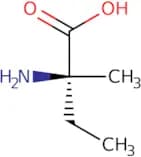
CAS:2-Amino-2-methylbutyric acid is a nonsteroidal anti-inflammatory drug that belongs to the group of p2 sodium salts. It is used for the treatment of bowel disease, as well as in the prevention and treatment of skin cancer. 2-Amino-2-methylbutyric acid has been shown to inhibit glutamate release from nerve endings and prevent the development of skin cancer. It also has been shown to have a protective effect against cyclic peptide alamethicin f50, which causes colon spasms. The conformational properties of 2-amino-2-methylbutyric acid have been studied using rotarod tests and laser ablation techniques.
Formula:C5H11NO2Purity:Min. 95%Molecular weight:117.15 g/mol2-Ethyl-2-methylpropanedioic acid
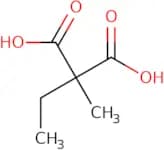
CAS:2-Ethyl-2-methylpropanedioic acid is a molecule with the chemical formula CH3CO(CH2)4COOH. It is used in the production of calcium carbonate, which is used as a filler in paints, plastics and paper. 2-Ethyl-2-methylpropanedioic acid has a carboxyl group and hydroxyl group that are reactive with silicon. It also contains a fatty acid group and nitrogen atoms. The most common functional groups present in this molecule are the carbonyl group and the hydrocarbon group. It can be found on polyvinylpyrrolidone or as an additive in paint to increase its hardness and flexibility.Formula:C6H10O4Purity:Min. 95%Molecular weight:146.14 g/mol2-Isothiocyanato-2-methylbutane
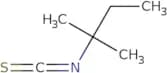
CAS:2-Isothiocyanato-2-methylbutane is a compound that has been shown to have estrogenic activity. It has been shown to induce mammary cancer in female rats and promote proliferation of breast cancer cells. This chemical has been detected in the environment, where it is an outlier among other environmental estrogens. 2-Isothiocyanato-2-methylbutane has been found to bind to estrogen receptors and trigger receptor-mediated effects. The mechanism of action of 2-isothiocyanato-2-methylbutane is not fully understood but appears to be mediated through estrogen receptors, as seen with other estrogens.
Formula:C6H11NSPurity:Min. 95%Molecular weight:129.23 g/molTribromoethylene
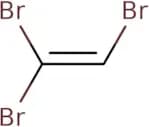
CAS:Tribromoethylene is a reactive, hydroxyl-containing compound that has been used as a cross-linking agent in the production of polymers. It is a colorless liquid with an unpleasant odor. Tribromoethylene has many uses including as an antioxidant and a stabilizer for rubber, plastics, and paints. In addition to its use as a reactive functional group, tribromoethylene also has long-term toxicity in CD-1 mice. This toxicity may be due to the ability of tribromoethylene to produce epoxides through oxidation by hydrogen fluoride or other peroxides. Epoxides are known to disrupt cellular energy metabolism and cause cell death by reacting with lysine residues on proteins. The mechanism for this toxicity is not well understood but may involve cross-linking of proteins and DNA.
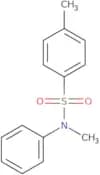
Formula:C2HBr3Purity:Min. 95%Molecular weight:264.74 g/mol4,N-Dimethyl-N-phenyl-benzenesulfonamide
CAS:4,N-Dimethyl-N-phenyl-benzenesulfonamide is an acceptor that coordinates with a metal ion to form a complex. It has been shown to form complexes with aluminum, lithium aluminum hydride (LAH), and hydrogen. 4,N-Dimethyl-N-phenyl-benzenesulfonamide binds to the nitrogen atoms of diamines and chlorides to form complexes. The crystal structure of this complex has been determined using X-ray diffraction. 4,N-Dimethyl-N-phenyl-benzenesulfonamide is chiral at the carbon atom of the diethyl group on the nitrogen atom.Formula:C14H15NO2SPurity:Min. 95%Molecular weight:261.34 g/mol4-Cumylphenol
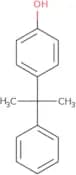
CAS:4-Cumylphenol is a cumylphenol that inhibits the aromatase enzyme, which converts androgens to estrogens. 4-Cumylphenol is used in wastewater treatment as an inhibitor of hydrogen sulfide production. It has also been shown to have anti-inflammatory properties due to its inhibition of prostaglandin synthesis. The detection time for 4-cumylphenol is approximately 1 hour.Formula:C15H16OPurity:Min. 95%Molecular weight:212.29 g/mol4-Amino-N-pyridin-3-ylbenzenesulfonamide
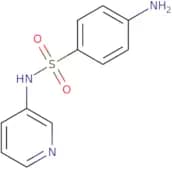
CAS:Versatile small molecule scaffoldFormula:C11H11N3O2SPurity:Min. 95%Molecular weight:249.29 g/molPropyl toluene-4-sulphonate
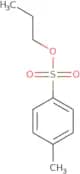
CAS:Propyl toluene-4-sulphonate is a chemical compound that is used in the synthesis of pharmaceuticals. It has been shown to have neuroprotective effects. In addition, it has been found to be genotoxic and genotoxic potential has been demonstrated in assays involving mammalian cells and the formation of micronuclei. This chemical also exhibits carcinogenic properties, which may be due to its ability to form DNA adducts with p-chlorobenzenesulfonic acid.
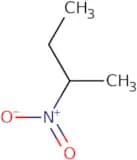
Formula:C10H14O3SPurity:Min. 95%Molecular weight:214.28 g/mol2-Nitrobutane
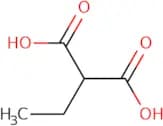
CAS:Versatile small molecule scaffoldFormula:C4H9NO2Purity:Min. 95%Molecular weight:103.12 g/molEthylmalonic Acid
CAS:Ethylmalonic acid (EA) is a metabolic intermediate that is synthesized in the mitochondria. It is a product of the oxidation of malonyl-CoA and succinyl-CoA by the enzyme dehydrogenase. EA has been shown to be produced in vivo, and can be used as a marker for mitochondrial dysfunction. EA levels are increased in patients with metabolic disorders such as diabetes mellitus and obesity, as well as other diseases such as cancer, Alzheimer’s disease, Parkinson’s disease, Huntington’s disease, multiple sclerosis, amyotrophic lateral sclerosis (ALS), heart failure, chronic obstructive pulmonary disorder (COPD), kidney diseases, liver diseases and anemia. EA levels can also be used to diagnose mitochondrial disorders such as mitochondrial DNA depletion syndrome and Kearns-Sayre syndrome.Formula:C5H8O4Purity:Min. 95%Molecular weight:132.11 g/mol1,8-Naphthosultam
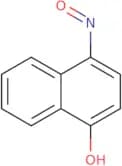
CAS:1,8-Naphthosultam is a naphthenic molecule that has been shown to have redox potentials and functional groups. It is an inhibitor of the catalytic mechanism of the proton pump in the membrane of the gastric parietal cell. The inhibition of this enzyme leads to a decrease in gastric acid secretion and it can be used for the treatment of dyspepsia. 1,8-Naphthosultam binds to a pharmacophore on the proton pump (H+/K+ ATPase) that is composed of two amino acid residues, Asp-85 and His-57. This binding prevents substrate from entering the catalytic site, which eventually leads to inhibition of acid secretion.Formula:C10H7NO2SPurity:Min. 95%Molecular weight:205.23 g/mol4-Nitrosonaphthalen-1-ol
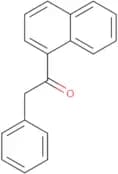
CAS:4-Nitrosonaphthalen-1-ol is a chemical compound that can be used as an immunosorbent in diagnostic assays. It has been shown to react with parathyroid hormone and to have a detection sensitivity of 2.5 pg/mL in immunoassays. 4-Nitrosonaphthalen-1-ol is also used for the detection of nitric oxide by electrochemical biosensors, with a detection limit of 0.4 μM and a reaction rate of 10 seconds. The technique is most sensitive to metal ions such as Cu2+, Ni2+, Zn2+, and Mn2+. 4NOS has been shown to bind to the membrane of cells at nanomolar concentrations, making it useful for molecular probes, low detection, and nanomaterials.Formula:C10H7NO2Purity:Min. 95%Molecular weight:173.17 g/mol1-(naphthalen-1-yl)-2-phenylethanone
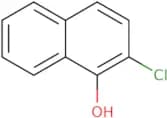
CAS:1-(Naphthalen-1-yl)-2-phenylethanone is a ketone that has been prepared by reacting anhydrous sodium acetate with naphthalene-1,2-dicarboxylic acid. The yield of this reaction is 65%. 1-(Naphthalen-1-yl)-2-phenylethanone has been characterized by IR and NMR spectroscopy as well as elemental analysis. It has been shown to be amidated and methylated, which are the two most common methods of derivatization. 1-(Naphthalen-1-yl)-2-phenylethanone can be dehydrated in the presence of aryl halides or subjected to a carboxylic acid mediated carbonylation to form an anion, which can then be further elucidated by fragmentation. This molecule also undergoes halide mediated reactions, such as the formation of benzyl bromide from benzene andFormula:C18H14OPurity:Min. 95%Molecular weight:246.3 g/mol2-Chloronaphthalen-1-ol
CAS:2-Chloronaphthalen-1-ol is a molecule that has been studied as a possible therapeutic agent for autoimmune diseases. This compound binds to the pd-l1 receptor, which is associated with autoimmune diseases. 2-Chloronaphthalen-1-ol also binds to monoclonal antibodies, which are used in diagnostic procedures and histochemical staining of biological samples. The reactive functional group on this molecule allows it to bind to other molecules through covalent bonds, which can lead to structural analysis and diagnosis of certain diseases. 2-Chloronaphthalen-1-ol is an organic compound that belongs to the class of naphthalene derivatives. It has a reactive functional group that allows it to form covalent bonds with other molecules. This property has made it an important model system for studying reactive functional groups in chemical reactions and for diagnostic purposes in immunology and histochemistry.Formula:C10H7ClOPurity:Min. 95%Molecular weight:178.61 g/mol6-Hydroxynaphthalene-1,2-dione
CAS:Versatile small molecule scaffold
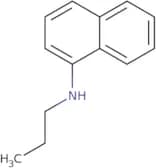
Formula:C10H6O3Purity:Min. 95%Molecular weight:174.15 g/molN-Propylnaphthalen-1-amine
CAS:N-Propylnaphthalen-1-amine is a heterocycle that has two functional groups, fluorescence and photophysical properties. It can be synthesised in nature or synthetically. N-Propylnaphthalen-1-amine is used as an antifungal agent with a mechanism of action that is not yet fully understood. It interacts with the chlorides on the cell wall, which enhances its ability to kill fungi. The constant for this drug is 1×10^5M and the chloride transfer interaction constant is 2×10^2L/mol.
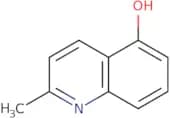
Formula:C13H15NPurity:Min. 95%Molecular weight:185.26 g/mol2-Methylquinolin-5-ol
CAS:2-Methylquinolin-5-ol is a synthetic drug that is structurally similar to serotonin and has been shown to inhibit 5-HT1A receptors. It has been shown to have dilution method as its mode of action, which leads to an inhibition of the reuptake of serotonin. This compound has shown in vitro antifungal activity against Candida glabrata and has been synthesized.
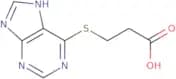
Formula:C10H9NOPurity:Min. 95%Molecular weight:159.18 g/mol3-(9H-Purin-6-ylsulfanyl)propanoic acid
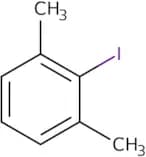
CAS:Versatile small molecule scaffoldFormula:C8H8N4O2SPurity:Min. 95%Molecular weight:224.24 g/mol2-Iodo-m-xylene
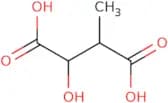
CAS:2-Iodo-m-xylene is a synthetic compound that can be used in the synthesis of other chemicals. It is an aromatic hydrocarbon with two isomers: ortho-iodo and para-iodo. 2-Iodo-m-xylene can be used as a photoelectron donor, which means it can provide electrons to other molecules or atoms. This chemical has been shown to cleave bonds and form new compounds when exposed to radiation or heat. The mechanism of bond cleavage is thought to involve the formation of free radicals, which are highly reactive molecules that contain an unpaired electron. 2-Iodo-m-xylene forms methylbenzenes from chlorobenzene when irradiated with light. When protonated, this molecule forms chlorobenzene and silicon tetrachloride, a volatile liquid compound.Formula:C8H9IPurity:Min. 95%Molecular weight:232.06 g/mol2-Hydroxy-3-methyl-butanedioic acid
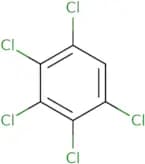
CAS:2-Hydroxy-3-methyl-butanedioic acid is a natural compound that belongs to the group of regulatory molecules. It is a metabolite of 2,3-dihydroxypropanoic acid and it is biosynthesized in bacteria by dehydrogenase enzymes. It has been shown to have allosteric binding on the Nudix hydrolase domain and inhibit the activity of this enzyme. The size exclusion chromatography technique was used to determine that 2-hydroxy-3-methyl-butanedioic acid inhibits the growth of Neisseria meningitidis bacteria. This compound has also been found to be useful in diagnostic tests for detecting Neisseria meningitidis infections.Formula:C5H8O5Purity:Min. 95%Molecular weight:148.11 g/mol1,2,3,4,5-Pentachlorobenzene
CAS:1,2,3,4,5-Pentachlorobenzene is a chlorinated hydrocarbon that is used in the production of pesticides and herbicides. It is an ingredient in the manufacturing of pentachlorophenol and pentachloronitrobenzene. 1,2,3,4,5-Pentachlorobenzene has been used as a chemical intermediate or solvent for the production of other chemicals. The emissions from this chemical can be harmful to humans and animals because it has been shown to affect enzyme activities at sublethal doses. It also affects rat liver microsomes and causes DNA damage that can lead to cancer.
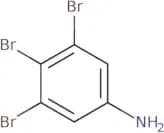
Formula:C6HCl5Purity:Min. 95%Molecular weight:250.34 g/mol3,4,5-Tribromoaniline
CAS:Versatile small molecule scaffold
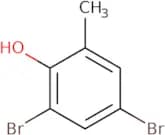
Formula:C6H4Br3NPurity:Min. 95%Molecular weight:329.81 g/mol2,4-Dibromo-6-methylphenol
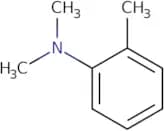
CAS:2,4-Dibromo-6-methylphenol is a halophenol that can be found in human urine. It is used as a diagnostic agent for the identification of propionate. 2,4-Dibromo-6-methylphenol was detected by mass spectrometric analysis and structural studies. The optimum concentration for this compound is 0.5 ppm in hydrochloric acid.Formula:C7H6Br2OPurity:Min. 95%Color and Shape:PowderMolecular weight:265.93 g/molN,N-Dimethyl-o-toluidine
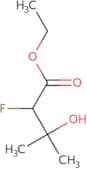
CAS:Dimethyl-o-toluidine is an aryl amine that can be used as an antimicrobial agent. It has been shown to have the highest redox potential of all the aryl amines and has been found to be effective against bacteria and fungi. Dimethyl-o-toluidine can also be used as a therapeutic drug in the treatment of insulin resistance, which may be due to its ability to inhibit the activity of enzymes that catalyze the formation of reactive oxygen species (ROS) and nitric oxide (NO). This drug binds to amines, cationic polymerization, and physiological effects. Dimethyl-o-toluidine is rapidly metabolized by esterases in the blood and liver, meaning it does not accumulate in these organs. It is excreted from the body through urine or bile within 24 hours after administration.Formula:C9H13NPurity:Min. 95%Molecular weight:135.21 g/molEthyl 2-fluoro-3-hydroxy-3-methylbutanoate
CAS:Versatile small molecule scaffold
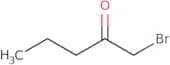
Formula:C7H13FO3Purity:Min. 95%Molecular weight:164.17 g/mol1-Bromopentan-2-one
CAS:1-Bromopentan-2-one is a chemical compound that has been shown to have significant activity in the prevention of bone loss. It has also been shown to inhibit the cross-linking of collagen, which may be due to its ability to act as an amine scavenger. 1-Bromopentan-2-one is a fluorescent chemical that can be used for research purposes. It has been demonstrated to inhibit the production of lysine and lysine residues when incubated with lysines and amines, which may be due to its ability to act as an amine scavenger. This compound has been shown in model studies to inhibit biochemical reactions such as dicarbonyl formation and protein cross linking.
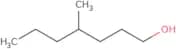
Formula:C5H9BrOPurity:Min. 95%Molecular weight:165.03 g/mol4-Methylheptan-1-ol
CAS:4-Methylheptan-1-ol is an alcohol that is a volatile and monohydric. It is found in the pheromones of insects, such as the triatomine bug, which transmit Chagas disease and also in the volatiles of plants such as cottonseed oil. This chemical has been shown to be an effective insecticide against reduviidae, a group of insects that includes mosquitoes and ticks. 4-Methylheptan-1-ol is also used as a nutritional additive for livestock feed to prevent losses due to insects. This chemical may serve as a chiral building block for the synthesis of other compounds with beneficial properties.Formula:C8H18OPurity:Min. 95%Molecular weight:130.23 g/mol8-Pentadecanone
CAS:8-Pentadecanone is a light-sensitive, film-forming polymer that undergoes a phase transition from solid to liquid at 26.1°C. The melting point of 8-pentadecanone is 36–38°C and it has a diameter of 0.5 nm. It has been shown to be effective as a light-sensitive coating for the prevention of malonic acid formation in rat liver microsomes and glycol ether degradation in carbonyl group containing compounds such as methyl ethyl acetate and methyl pentanoate. 8-Pentadecanone also has receptor activity, which can be used to detect or quantify other molecules or ions in the sample.
Formula:C15H30OPurity:Min. 95%Molecular weight:226.4 g/molDiethyl Glutarate
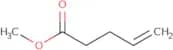
CAS:Diethyl glutarate is a hydroxyl-containing antimicrobial agent that has been shown to be a strong inhibitor of bacterial growth. It also exhibits strong bactericidal activity against Gram-positive and Gram-negative bacteria. Diethyl glutarate is used in the treatment of microbial infections and was found to be effective against organisms resistant to other antibiotics. It inhibits bacterial growth by reacting with metal ions, forming an insoluble film around the cells that prevents the passage of nutrients into the cell. This process can also lead to the formation of ethylmalonic acid, which is a substrate for mammalian tissue. The use of diethyl glutarate as an antimicrobial agent has potential application in food preservation, especially in meat products such as bacon and ham.Formula:C9H16O4Purity:Min. 95%Molecular weight:188.22 g/mol4-Pentenoic acid methyl ester
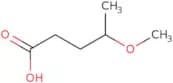
CAS:Versatile small molecule scaffoldFormula:C6H10O2Purity:Min. 95%Molecular weight:114.14 g/mol4-Methoxypentanoic acid
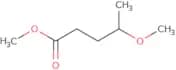
CAS:Versatile small molecule scaffoldFormula:C6H12O3Purity:Min. 95%Molecular weight:132.16 g/molMethyl 4-methoxypentanoate
CAS:Methyl 4-methoxypentanoate is an ester with a chemical formula of CH3O(CH2)4CO2. It can be used as a building block for the synthesis of other chemicals. Methyl 4-methoxypentanoate is insoluble in water, and has been shown to form zeolite crystals. This product has been analysed using advances in carbonate chemistry, which provides new knowledge on the catalytic properties of this compound. It has also been synthesized from gamma-valerolactone by catalytic hydrogenation, and is a potential biofuel candidate due to its high carbon content.Formula:C7H14O3Purity:Min. 95%Molecular weight:146.18 g/mol1-Chloro-2-[(trifluoromethyl)sulfanyl]ethane
CAS:Versatile small molecule scaffoldFormula:C3H4ClF3SPurity:Min. 95%Molecular weight:164.58 g/molOct-7-ynal
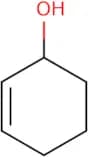
CAS:Versatile small molecule scaffoldFormula:C8H12OPurity:Min. 95%Molecular weight:124.18 g/molCyclohex-2-en-1-ol
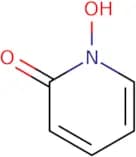
CAS:Cyclohex-2-en-1-ol is a chiral compound with a molecular formula of C8H12O. It has an empirical mass of 114.19 g/mol and a molecular weight of 114.2120 g/mol. Cyclohex-2-en-1-ol is manufactured by the reaction between lactic acid and cyclohexanol in the presence of tartaric acid as a catalyst, which leads to the formation of an amide bond. This chemical reaction can be described by the following equation:Formula:C6H10OPurity:Min. 95%Molecular weight:98.14 g/mol2-Pyridinol-1-oxide
CAS:Versatile small molecule scaffold
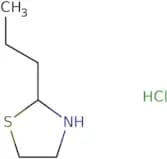
Formula:C5H5NO2Purity:Min. 95%Molecular weight:111.1 g/mol2-Propyl-1,3-thiazolidine hydrochloride
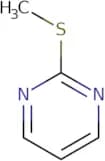
CAS:Versatile small molecule scaffoldFormula:C6H14ClNSPurity:Min. 95%Molecular weight:167.7 g/mol2-Methylthiopyrimidine
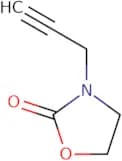
CAS:2-Methylthiopyrimidine is a pyrimido compound that has been shown to inhibit the growth of herpes simplex virus type-1. The synthesis of this molecule is based on an anthranilic acid derivative, which can be reacted with amines to form 2-methylthiopyrimidine and its isomers. This drug has been shown to react with chloride ions and carbon disulphide in metathesis reactions. 2-Methylthiopyrimidine has a pharmacophore that resembles the structure of nucleosides, which are found in many viruses. The chlorine atoms in the 2-methylthiopyrimidine molecule are positioned in such a way that they can bind to the phosphate groups on the surface of the virus, thereby blocking its ability to replicate.Formula:C5H6N2SPurity:Min. 95%Molecular weight:126.18 g/mol3-(prop-2-yn-1-yl)oxazolidin-2-one
CAS:3-(prop-2-yn-1-yl)oxazolidin-2-one is a synthetic compound that is used as a pharmacological tool. The chemical structure of this compound closely resembles that of nucleobases and it has been shown to be a potent antiproliferative agent in cancer cell lines. 3-(prop-2-yn-1-yl)oxazolidin-2-one induces apoptosis through the activation of caspase 3 and 9, which cleaves poly(ADP ribose) polymerase (PARP). This compound also activates the DNA damage response pathway and induces G1 arrest. 3-(prop-2-yn-1-yl)oxazolidin-2-one has shown promising results in preclinical studies on animal models of breast cancer.
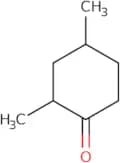
Formula:C6H7NO2Purity:Min. 95%Molecular weight:125.13 g/mol2,4-Dimethylcyclohexan-1-one
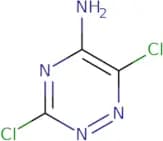
CAS:Versatile small molecule scaffoldFormula:C8H14OPurity:Min. 95%Molecular weight:126.2 g/molDichloro-1,2,4-triazin-5-amine
CAS:Versatile small molecule scaffold
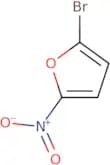
Formula:C3H2Cl2N4Purity:Min. 95%Molecular weight:164.98 g/mol2-Bromo-5-nitrofuran
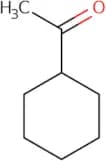
CAS:2-Bromo-5-nitrofuran is a labile, reactive chemical that can be used in a number of different reactions. This chemical has been shown to be an effective antibacterial agent against Gram-positive and Gram-negative bacteria. The mechanism of action for this drug is not well understood, but it may act as a competitive inhibitor of the enzyme protein synthesis by binding to the amine group of amino acids. 2-Bromo-5-nitrofuran has been used in analytical HPLC and is useful in the determination of carbonyl groups.Formula:C4H2BrNO3Purity:Min. 95%Molecular weight:191.97 g/mol1-Cyclohexylethanone
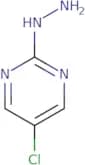
CAS:1-Cyclohexylethanone is an oxidation catalyst for organic substrates. It has been shown to be a potent inhibitor of the synthesis of fatty acids, as well as an effective agent against Mycobacterium tuberculosis and other bacteria. 1-Cyclohexylethanone has been shown to have a high affinity for the lipid bilayer in membranes, where it forms a reversible covalent bond with the hydroxyl group on the fatty acid chain. It also has receptor activity with ferroelectric materials that may make it useful in biological sensors and drug delivery systems.Formula:C8H14OPurity:Min. 95%Molecular weight:126.2 g/mol5-Chloro-2-hydrazinopyrimidine
CAS:Versatile small molecule scaffoldFormula:C4H5ClN4Purity:Min. 95%Molecular weight:144.56 g/mol4H,5H-Thieno[2,3-d]pyridazin-4-one
CAS:Versatile small molecule scaffold
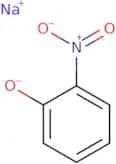
Formula:C6H4N2OSPurity:Min. 95%Molecular weight:152.18 g/mol2-Nitrophenol Sodium Salt
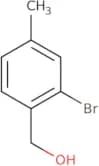
CAS:2-Nitrophenol sodium salt is a polymer film that is used for wastewater treatment. It prevents the growth of bacteria by interacting with active substances in the polymer matrix. 2-Nitrophenol sodium salt can also be used as a nutrient solution for plants, such as solanum tuberosum, which is a potato species. The polymer film has been shown to have a pH of 3 and 4, which makes it acidic. When mixed with hydroxide solution, it becomes basic, with a pH of 10 or 11. The interaction between 2-nitrophenol sodium salt and the hydroxide solution creates hydrogen bonding interactions that are necessary to maintain its acidity or basicity.Formula:C6H4NNaO3Purity:Min. 95%Molecular weight:161.09 g/mol(2-Bromo-4-methylphenyl)methanol
CAS:Versatile small molecule scaffold
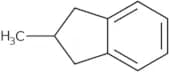
Formula:C8H9BrOPurity:Min. 95%Molecular weight:201.06 g/mol2-Methyl-2,3-dihydro-1H-indene
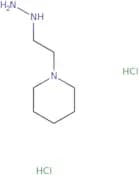
CAS:2-Methyl-2,3-dihydro-1H-indene is a synthetic compound that has been shown to have hypolipidemic effects in animal models. It has been found to stimulate the activity of phosphatase and increase the levels of isoeugenol in plasma. 2-Methyl-2,3-dihydro-1H-indene also has hepatotoxic effects and can cause nausea, vomiting, and diarrhea when consumed by humans. The chemical is activated by spin resonance and can be used as an insecticide.Formula:C10H12Purity:Min. 95%Molecular weight:132.2 g/mol1-(2-Hydrazinylethyl)piperidine dihydrochloride
CAS:Versatile small molecule scaffoldFormula:C7H19Cl2N3Purity:Min. 95%Molecular weight:216.15 g/mol2-Methylbicyclo[2.2.1]hept-5-ene-2-carboxylic acid
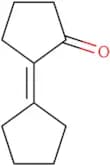
CAS:Versatile small molecule scaffoldFormula:C9H12O2Purity:Min. 95%Molecular weight:152.19 g/mol2-Cyclopentylidenecyclopentan-1-one
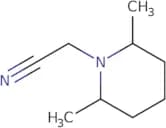
CAS:Cyclopentylidenecyclopentan-1-one is a synthetic chemical with bioactive properties. It is a predictable and reliable reagent for the synthesis of Grignard reagents and x-ray structures. It can be used as a starting material to synthesize unsaturated ketones through thermal isomerization, which leads to reaction time and transfer reactions.Formula:C10H14OPurity:Min. 95%Molecular weight:150.22 g/mol2-(2,6-Dimethylpiperidin-1-yl)acetonitrile
CAS:Versatile small molecule scaffold
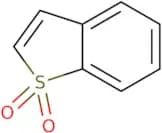
Formula:C9H16N2Purity:Min. 95%Molecular weight:152.24 g/mol1-Benzothiophene 1,1-dioxide
CAS:1-Benzothiophene 1,1-dioxide is a potential drug target for the treatment of cryptococcus neoformans. It inhibits bacterial growth by inhibiting the transport properties of the bacteria, which in turn leads to cell death. This compound has been shown to have potent antitumor activity and may be activated through x-ray diffraction data analysis. The compound also has fluorescence properties and hydrogen bond formation, which may aid in its chemical structure.
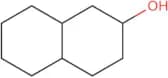
Formula:C8H6O2SPurity:Min. 95%Molecular weight:166.2 g/molDecahydro-2-naphthol (mixture of isomers)
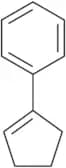
CAS:Decahydro-2-naphthol is an organic compound that belongs to the group of aromatic compounds. It has two isomers, known as 2,6-decahydronaphthalene and 2,7-decahydronaphthalene. Decahydro-2-naphthol can be obtained by the oxidation of decahydronaphthalene with an oxidation catalyst, such as platinum dioxide. The risk group for this substance is unknown. Decahydro-2-naphthol has anticancer activity as it binds to the carbonyl group on DNA and inhibits nucleic acid synthesis by inhibiting the enzyme ribonucleotide reductase. This substance also has been shown to have a rate enhancement effect on chemical reactions such as substrate binding when mixed with other substances in a ternary complex.Formula:C10H18OPurity:Min. 95%Molecular weight:154.25 g/mol(Cyclopent-1-en-1-yl)benzene
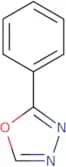
CAS:Cyclopent-1-en-1-yl)benzene is an aliphatic hydrocarbon that is a cyclopentyl molecule. It is acidic and reacts with water vapor in the atmosphere to produce an ion-exchange reaction. Cyclopent-1-en-1-yl)benzene has been shown to react with aziridine, which may form ring opening products. This chemical has optical properties that are similar to those of benzene, which can be used as a reference for identification. Cyclopent-1-en-1-yl)benzene is an alicyclic aromatic hydrocarbon and it is an acid catalyst for chemical reactions like esterification and saponification. Cyclopent-1-en-1-yl)benzene also has enantiomer, which means that the molecules have different shapes when they rotate around their axis.Formula:C11H12Purity:Min. 95%Molecular weight:144.21 g/mol2-Phenyl-1,3,4-oxadiazole
CAS:2-Phenyl-1,3,4-oxadiazole is a 2-phenyloxazole with an oxygen atom at the 1 position. It is a white crystalline solid that is soluble in water and has antibacterial properties. This chemical can be used as a catalyst for the synthesis of organic compounds. 2-Phenyl-1,3,4-oxadiazole reacts with nitro groups to form oxime derivatives and has been shown to inhibit the growth of fungi such as Candida albicans and Aspergillus niger. 2-Phenyl-1,3,4-oxadiazole can also be used as an antifungal agent against Trichophyton rubrum.
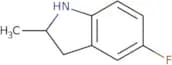
2-Phenyl-1,3,4-oxadiazole may be synthesized by reacting phenol with acetone in the presence of nitric acid or sulfuric acid. The structural formula for this compound isFormula:C8H6N2OPurity:Min. 95%Molecular weight:146.15 g/mol5-Fluoro-2-methylindoline
CAS:Versatile small molecule scaffoldFormula:C9H10FNPurity:Min. 95%Molecular weight:151.18 g/mol2-{Bicyclo[2.2.1]hept-5-en-2-yl}acetic acid
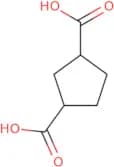
CAS:2-{Bicyclo[2.2.1]hept-5-en-2-yl}acetic acid is a monomer that is able to be encapsulated. This monomer has been shown to have selective functionalities in the polymerization of ethylene and other reactive monomers. It has also been shown to react with chlorine, leading to increased stability in the presence of light and heat, as well as being able to act as a catalyst for polymerization reactions. It can also be used as a fluorescent probe because fluorescence intensity increases upon interaction with biomolecules. 2-{Bicyclo[2.2.1]hept-5-en-2-yl}acetic acid may be effective against cancer cells due to its ability to prevent adipose tissue from accumulating in mice by inhibiting lipogenesis and stimulating lipolysis, or breakdown of fat cells, respectively. It also has been shown to stimulate reconstructive tissue formation byFormula:C9H12O2Purity:Min. 95%Molecular weight:152.19 g/molrac-(1R,3R)-Cyclopentane-1,3-dicarboxylic acid
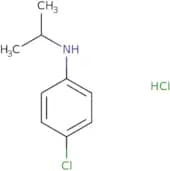
CAS:Versatile small molecule scaffoldFormula:C7H10O4Purity:Min. 95%Molecular weight:158.15 g/mol4-Chloro-N-(propan-2-yl)aniline hydrochloride
CAS:Versatile small molecule scaffoldFormula:C9H13Cl2NPurity:Min. 95%Molecular weight:206.11 g/molBicyclo[2.2.2]octane-1,4-diyldimethanol
CAS:Bicyclo[2.2.2]octane-1,4-diyldimethanol is a new macrocyclic compound that has been shown to have hypotensive effects in animal models. This molecule binds to G protein coupled receptors and activates the ganglionic system. The molecular modelling of this compound has shown that it interacts with the binding site of the receptor, which leads to inhibition of the G protein coupled receptor signaling pathway and activation of the ganglionic system.
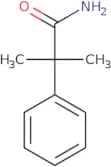
Formula:C10H18O2Purity:Min. 95%Molecular weight:170.25 g/mol2-Methyl-2-phenylpropanamide
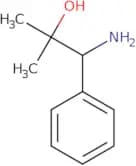
CAS:2-Methyl-2-phenylpropanamide (2MPPA) is a δ-opioid receptor agonist that has been shown to have anorectic and antinociceptive properties. It also interacts with other protein targets, such as the proton pump, in addition to its interactions with the δ opioid receptor. 2MPPA was also found to be safe when tested on mice, although studies are needed to identify its mechanism of action. A functional theory suggests that 2MPPA may act by binding to the δ opioid receptor, which would lead to a decrease in the release of neurotransmitters such as dopamine and serotonin. This would result in an anti-depressant effect and decreased appetite.Formula:C10H13NOPurity:Min. 95%Molecular weight:163.22 g/mol1-Amino-2-methyl-1-phenylpropan-2-ol
CAS:Versatile small molecule scaffoldFormula:C10H15NOPurity:Min. 95%Molecular weight:165.23 g/mol


![2-[3-(Trifluoromethyl)phenoxymethyl]oxirane](/_next/image/?url=https%3A%2Fstatic.cymitquimica.com%2Fproducts%2F3D%2Fthumb-webp%2FAAA58545.webp&w=3840&q=75)
![2-Hydroxy-N-[3-(trifluoromethyl)phenyl]benzamide](/_next/image/?url=https%3A%2Fstatic.cymitquimica.com%2Fproducts%2F3D%2Fthumb-webp%2FAAA58749.webp&w=3840&q=75)



![1-Chloro-2-[(trifluoromethyl)sulfanyl]ethane](/_next/image/?url=https%3A%2Fstatic.cymitquimica.com%2Fproducts%2F3D%2Fthumb-webp%2FAAA81955.webp&w=3840&q=75)

![4H,5H-Thieno[2,3-d]pyridazin-4-one](/_next/image/?url=https%3A%2Fstatic.cymitquimica.com%2Fproducts%2F3D%2Fthumb-webp%2FAAA82423.webp&w=3840&q=75)
![2-Methylbicyclo[2.2.1]hept-5-ene-2-carboxylic acid](/_next/image/?url=https%3A%2Fstatic.cymitquimica.com%2Fproducts%2F3D%2Fthumb-webp%2FAAA82503.webp&w=3840&q=75)
![2-{Bicyclo[2.2.1]hept-5-en-2-yl}acetic acid](/_next/image/?url=https%3A%2Fstatic.cymitquimica.com%2Fproducts%2F3D%2Fthumb-webp%2FAAA82571.webp&w=3840&q=75)
![Bicyclo[2.2.2]octane-1,4-diyldimethanol](/_next/image/?url=https%3A%2Fstatic.cymitquimica.com%2Fproducts%2F3D%2Fthumb-webp%2FAAA82645.webp&w=3840&q=75)