Building Blocks
Subcategories of "Building Blocks"
- Boronic Acids & Boronic Acid Derivatives(5,786 products)
- Chiral Building Blocks(1,246 products)
- Hydrocarbon Building Blocks(6,107 products)
- Organic Building Blocks(61,080 products)
Found 205472 products of "Building Blocks"
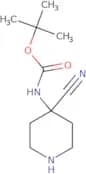
tert-Butyl (4-cyanopiperidin-4-yl)carbamate
CAS:Versatile small molecule scaffoldFormula:C11H19N3O2Purity:Min. 95%Molecular weight:225.29 g/moltert-Butyl N-[(2-methylpyrrolidin-2-yl)methyl]carbamate
CAS:Versatile small molecule scaffold
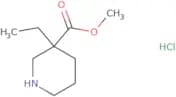
Formula:C11H22N2O2Purity:Min. 95%Molecular weight:214.3 g/molMethyl 3-ethyl-3-piperidinecarboxylate hydrochloride
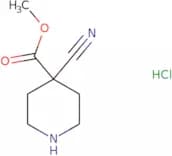
CAS:Versatile small molecule scaffoldFormula:C9H18ClNO2Purity:Min. 95%Molecular weight:207.7 g/molMethyl 4-cyanopiperidine-4-carboxylate hydrochloride
CAS:Versatile small molecule scaffold
Formula:C8H13ClN2O2Purity:Min. 95%Molecular weight:204.65 g/mol4-[(tert-Butoxy)carbonyl]-2-methylmorpholine-2-carboxylic acid
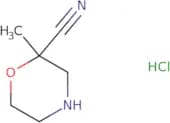
CAS:Versatile small molecule scaffoldFormula:C11H19NO5Purity:Min. 95%Molecular weight:245.27 g/mol2-Methylmorpholine-2-carbonitrile hydrochloride
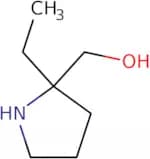
CAS:Versatile small molecule scaffoldFormula:C6H11ClN2OPurity:Min. 95%Molecular weight:162.62 g/mol(2-Ethylpyrrolidin-2-yl)methanol
CAS:Versatile small molecule scaffold
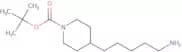
Formula:C7H15NOPurity:Min. 95%Molecular weight:129.2 g/moltert-Butyl 4-(5-aminopentyl)piperidine-1-carboxylate
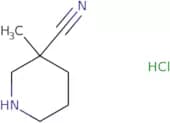
CAS:Versatile small molecule scaffoldFormula:C15H30N2O2Purity:Min. 95%Molecular weight:270.41 g/mol3-Methylpiperidine-3-carbonitrile hydrochloride
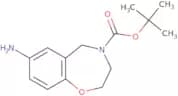
CAS:Versatile small molecule scaffoldFormula:C7H13ClN2Purity:Min. 95%Molecular weight:160.64 g/moltert-Butyl 7-amino-2,3,4,5-tetrahydro-1,4-benzoxazepine-4-carboxylate
CAS:Versatile small molecule scaffold
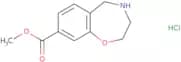
Formula:C14H20N2O3Purity:Min. 95%Molecular weight:264.32 g/molMethyl 2,3,4,5-tetrahydro-1,4-benzoxazepine-8-carboxylate hydrochloride
CAS:Versatile small molecule scaffoldFormula:C11H14ClNO3Purity:Min. 95%Molecular weight:243.68 g/molMethyl 2,3,4,5-tetrahydrobenzo[f][1,4]oxazepine-7-carboxylate hydrochloride
CAS:Versatile small molecule scaffoldFormula:C11H14ClNO3Purity:Min. 95%Molecular weight:243.68 g/moltert-Butyl 2,7-diazaspiro[4.6]undecane-2-carboxylate
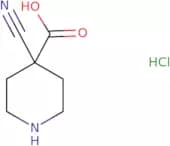
CAS:Versatile small molecule scaffoldFormula:C14H26N2O2Purity:Min. 95%Molecular weight:254.37 g/mol4-Cyanopiperidine-4-carboxylic acid hydrochloride
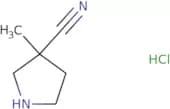
CAS:Versatile small molecule scaffoldFormula:C7H11ClN2O2Purity:Min. 95%Molecular weight:190.63 g/mol3-methylpyrrolidine-3-carbonitrile hydrochloride
CAS:Versatile small molecule scaffoldFormula:C6H11ClN2Purity:Min. 95%Molecular weight:146.62 g/mol4-[(tert-Butoxy)carbonyl]-2,3,4,5-tetrahydro-1,4-benzoxazepine-8-carboxylic acid
CAS:Versatile small molecule scaffoldFormula:C15H19NO5Purity:Min. 95%Molecular weight:293.31 g/molMethyl 2-methylmorpholine-2-carboxylate hydrochloride
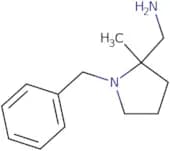
CAS:Versatile small molecule scaffoldFormula:C7H14ClNO3Purity:Min. 95%Molecular weight:195.64 g/mol(1-Benzyl-2-methylpyrrolidin-2-yl)methanamine
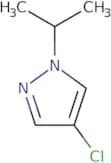
CAS:Versatile small molecule scaffoldFormula:C13H20N2Purity:Min. 95%Molecular weight:204.31 g/mol4-Chloro-1-isopropyl-1H-pyrazole
CAS:4-Chloro-1-isopropyl-1H-pyrazole is a hydrochloric acid derivative that can be obtained through the hydrolysis of 4-chloro-1,2,3,4-tetrahydroisoquinoline. It has been shown to be efficient in the cleavage of bonds with a C=C bond and a C=N bond. This compound is reactive and can react with aziridines to produce N-substituted aziridines in high yield. 4-Chloro-1-isopropylpyrazole reacts efficiently with acetonitrile and tetrahydrofuran.Formula:C6H9ClN2Purity:Min. 95%Molecular weight:144.6 g/mol4-(Dibutylamino)butanoic acid hydrochloride
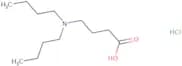
CAS:Versatile small molecule scaffold
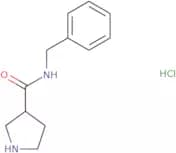
Formula:C12H26ClNO2Purity:Min. 95%Molecular weight:251.79 g/molN-Benzylpyrrolidine-3-carboxamide hydrochloride
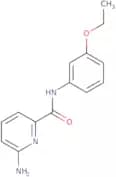
CAS:Versatile small molecule scaffoldFormula:C12H17ClN2OPurity:Min. 95%Molecular weight:240.73 g/mol6-Amino-N-(3-ethoxyphenyl)pyridine-2-carboxamide hydrochloride
CAS:Versatile small molecule scaffoldFormula:C14H15N3O2Purity:Min. 95%Molecular weight:257.29 g/molZofenoprilat-d5
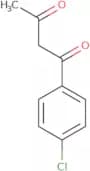
CAS:Controlled ProductPlease enquire for more information about Zofenoprilat-d5 including the price, delivery time and more detailed product information at the technical inquiry form on this pageFormula:C15H14D5NO3S2Purity:Min. 95%Molecular weight:330.48 g/mol1-(4-Chlorophenyl)butane-1,3-dione
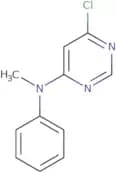
CAS:Trichloroacetic acid is an organic compound that is used in the evaluation of chloride. The compound has a functional theory and can be used to determine if a molecule contains chloride. Trichloroacetic acid is also used for the validation of chloride as a tracer element. Trichloroacetic acid can be used in the detection of impurities in a molecule by reacting with them, which will result in the formation of new molecules. It has been shown that trichloroacetic acid can interact with transition metal ions and hydrogen bond with water molecules, which may lead to vibrational and intramolecular hydrogen changes. Trichloroacetic acid has been deuterated to aid in its thermodynamic properties.Formula:C10H9ClO2Purity:Min. 95%Molecular weight:196.63 g/mol6-Chloro-N-methyl-N-phenylpyrimidin-4-amine
CAS:Versatile small molecule scaffold
Formula:C11H10ClN3Purity:Min. 95%Molecular weight:219.67 g/molBicyclo[2.2.2]octan-2-ylmethanamine hydrochloride
CAS:Versatile small molecule scaffold
Formula:C9H18ClNPurity:Min. 95%Molecular weight:175.7 g/molEthyl[2-(pyridin-2-yl)ethyl]amine
CAS:Versatile small molecule scaffoldFormula:C9H14N2Purity:Min. 95%Molecular weight:150.22 g/mol{[(2,2-Dimethoxyethyl)sulfanyl]methyl}benzene
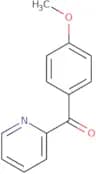
CAS:Versatile small molecule scaffoldFormula:C11H16O2SPurity:Min. 95%Molecular weight:212.31 g/mol2-(4-Methoxybenzoyl)pyridine
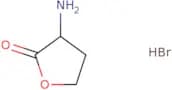
CAS:2-(4-Methoxybenzoyl)pyridine (MBP) is an arylation agent that is used in organic chemistry to introduce a 4-methoxybenzoyl group onto an aromatic ring. MBP has been shown to react with imines and amides to form the corresponding pyridinium salt, which can be converted into substituted pyridine derivatives.Formula:C13H11NO2Purity:Min. 95%Molecular weight:213.23 g/mol±-Amino-³-butyrolactone hydrobromide
CAS:±-Amino-³-butyrolactone hydrobromide (±-ABL) is a chemical compound that can be found in chloroform. It is a synthetic activator of mutant strains of the bacterium Escherichia coli. ±-ABL emits light when mixed with chloroform, and this emission can be detected using a spectrophotometer. The emission spectrum of ±-ABL has been shown to have peaks at 510 nm and 530 nm, which correspond to the λmax values for ECL luminescence. This chemical also has the ability to activate mutant strains of E. coli when dissolved in liquid chromatography, and it can be extracted from plates exposed to light.Formula:C4H7NO2·HBrPurity:Min. 95%Molecular weight:182.02 g/mol1,3-Diethyl 2-(cyclohex-2-en-1-yl)propanedioate
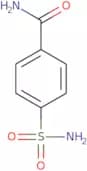
CAS:Versatile small molecule scaffoldFormula:C13H20O4Purity:Min. 95%Molecular weight:240.29 g/mol4-Sulfamoylbenzamide
CAS:4-Sulfamoylbenzamide is a sulfonamide that has been modified to improve its selectivity and potency. The modification of 4-sulfamoylbenzamide has been studied with anhydrase, which is an enzyme found in the eye that can cause glaucoma. The modifications allow this drug to selectively target the cytosolic isoforms of anhydrase. This drug also has anti-proliferative activity and can be used for the treatment of certain types of cancer, including breast, lung, prostate, and colon cancer. 4-Sulfamoylbenzamide was first synthesized in 1964 and was approved by the FDA in 1968 for use as an ophthalmic agent.
Formula:C7H8N2O3SPurity:Min. 95%Molecular weight:200.22 g/mol4-[(Aminocarbonyl)amino]benzoic acid
CAS:4-[(Aminocarbonyl)amino]benzoic acid is an antibacterial fatty acid that is structurally related to the antimicrobial agents known as cyanates. It has a reactive center that can undergo a halogenation reaction with halides and a substitution reaction with carboxylic acids to form reactive compounds. 4-[(Aminocarbonyl)amino]benzoic acid has shown tuberculostatic activity against the bacteria Typhimurium and subtilis, and is effective against antifungal strains of yeast such as Candida albicans, Candida krusei, and Candida tropicalis. 4-[(Aminocarbonyl)amino]benzoic acid also has a molecule that can be used in the synthesis of diisocyanates.
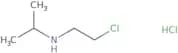
Formula:C8H8N2O3Purity:Min. 95%Molecular weight:180.16 g/molN-(2-Chloroethyl)propan-2-amine hydrochloride
CAS:Versatile small molecule scaffold
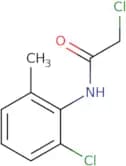
Formula:C5H13Cl2NPurity:Min. 95%Molecular weight:158.07 g/mol2-Chloro-N-(2-chloro-6-methylphenyl)acetamide
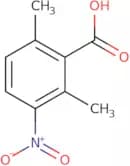
CAS:2-Chloro-N-(2-chloro-6-methylphenyl)acetamide is a fungicide that belongs to the group of racemic mixtures. It has been shown to be effective against phytopathogenic fungi, and also inhibits bacterial growth. 2-Chloro-N-(2-chloro-6-methylphenyl)acetamide is used in crop protection as a seed dressing or foliar spray. It is also effective against fungal infections such as ringworm and athlete's foot. This drug has been shown to have microbicidal properties, which are due to its ability to inhibit the growth of fungi by interfering with protein synthesis. 2CMA is systemic and can be absorbed through the skin or stomach lining, leading to an optically active effect on fungi cells.Formula:C9H9Cl2NOPurity:Min. 95%Molecular weight:218.08 g/mol2,6-Dimethyl-3-nitrobenzoic acid
CAS:Versatile small molecule scaffoldFormula:C9H9NO4Purity:Min. 95%Molecular weight:195.17 g/mol4-chloropyridine-2,6-diamine
CAS:4-Chloropyridine-2,6-diamine is a compound that contains nitrogen and carbon. It has been synthesized experimentally and the crystal structure has been determined by X-ray crystallography. This substance belongs to the class of heterocycles and it is a hydrogen bond acceptor. The crystal structure of 4-chloropyridine-2,6-diamine has been rationalized using experimental data. The electron density maps show that there are six moles of naphthalene for every mole of 4-chloropyridine-2,6-diamine in the crystal lattice.
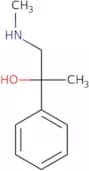
4-Chloropyridine-2,6-diamine is an enthalpy donor because it donates its electrons to other substances. It also accepts hydrogen bonds from other substances. This substance can form supramolecular frameworks with pyridine and benzene molecules, which stabilizes the molecule's structure through covalFormula:C5H6N3ClPurity:Min. 95%Molecular weight:143.57 g/mol1-(Methylamino)-2-phenylpropan-2-ol
CAS:Versatile small molecule scaffold
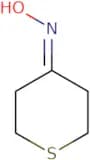
Formula:C10H15NOPurity:Min. 95%Molecular weight:165.23 g/molTetrahydrothiopyran-4-one oxime
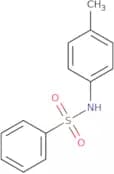
CAS:Tetrahydrothiopyran-4-one oxime is a heterocyclic compound that contains a tetrahydrothiopyran ring. It is synthesized from dioxane and sulfur. Tetrahydrothiopyran-4-one oxime can be used to generate the corresponding tosylate through reaction with the corresponding alcohol. Tetrahydrothiopyran-4-one oxime can also be used as a building block for the synthesis of other heterocycles by cyclization or fragmentation reactions, such as cyclohexanone and stereoisomeric forms.Formula:C5H9NOSPurity:Min. 95%Molecular weight:131.2 g/molN-(4-Methylphenyl)benzenesulfonamide
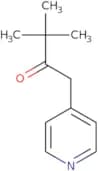
CAS:N-(4-Methylphenyl)benzenesulfonamide is a fluorination agent that has been shown to form a hydrogen bond with the hydroxyl group of tyrosine. This bond leads to the formation of a radical chain reaction and increases the selectivity of N-(4-methylphenyl)benzenesulfonamide for tyrosine over other amino acids, such as phenylalanine. The radical chain reaction is also influenced by the functional group, ortho, and dihedral effects on the amide bond. Experimental results have shown that N-(4-methylphenyl)benzenesulfonamide undergoes a radical chain reaction with tyrosine in organic solvents.Formula:C13H13NO2SPurity:Min. 95%Molecular weight:247.31 g/mol3,3-Dimethyl-1-(pyridin-4-yl)butan-2-one
CAS:Versatile small molecule scaffoldFormula:C11H15NOPurity:Min. 95%Molecular weight:177.24 g/mol3-Methyl-3H-[1,2,3]triazolo[4,5-d]pyrimidin-7-amine
CAS:3-Methyl-3H-[1,2,3]triazolo[4,5-d]pyrimidin-7-amine is a purine ligand that can be protonated at the N7 nitrogen. It has been shown to have biological properties such as anion binding and also shows strong dichroism spectra. The structure of 3-methyl-3H-[1,2,3]triazolo[4,5-d]pyrimidin-7-amine has been determined by X-ray crystallography and magnetic resonance spectroscopy. This ligand is not easily protonated in aqueous solution due to its high basicity. The protonation state of this ligand is sensitive to pH changes in the environment.
Formula:C5H6N6Purity:Min. 95%Molecular weight:150.14 g/molN,3-Dimethyl-3H-[1,2,3]triazolo[4,5-d]pyrimidin-7-amine
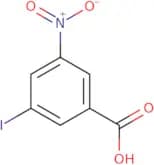
CAS:Versatile small molecule scaffoldFormula:C6H8N6Purity:Min. 95%Molecular weight:164.17 g/mol3-Iodo-5-nitrobenzoic acid
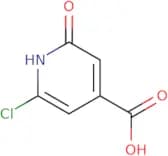
CAS:Versatile small molecule scaffoldFormula:C7H4INO4Purity:Min. 95%Molecular weight:293.02 g/mol6-chloro-2-oxo-1,2-dihydropyridine-4-carboxylic acid
CAS:6-Chloro-2-oxo-1,2-dihydropyridine-4-carboxylic acid (6CODPC) is a carboxylic acid that is an active ingredient in some fungicides. It has been shown to inhibit the growth of certain plant pathogens such as viruses and bacteria. 6CODPC binds to the enzyme ribonucleotide reductase, which is involved in DNA synthesis and replication, leading to the inhibition of RNA synthesis and protein synthesis. This leads to cell death by apoptosis. 6CODPC also inhibits the production of proteins in plants that are necessary for photosynthesis.
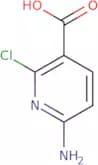
Formula:C6H4ClNO3Purity:Min. 95%Molecular weight:173.6 g/mol2-Amino-6-chloropyridine-4-carboxylic acid
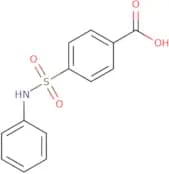
CAS:Versatile small molecule scaffoldFormula:C6H5ClN2O2Purity:Min. 95%Molecular weight:172.57 g/mol4-(Phenylsulfamoyl)benzoic acid
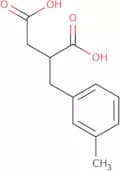
CAS:Versatile small molecule scaffoldFormula:C13H11NO4SPurity:Min. 95%Molecular weight:277.3 g/mol2-(3-Methylbenzyl)succinic acid
CAS:2-(3-Methylbenzyl)succinic acid is a sulfate metabolite that has been shown to regulate the activity of sulfate-reducing bacteria. It was first identified as a major metabolite in incubations with benzylsuccinic acid and xylene. The isomers of 2-(3-methylbenzyl)succinic acid are benzoate and hydroxyphthalide. The geochemical significance of this compound is not yet known, but it may signify the presence of microbial metabolism in the environment. The compound can be found at nanomolar concentrations in natural environments and has been shown to inhibit microbial growth by mechanisms that remain unclear.
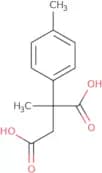
Formula:C12H14O4Purity:Min. 95%Molecular weight:222.24 g/mol4-Methylbenzylsuccinic Acid
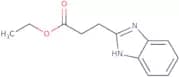
CAS:4-Methylbenzylsuccinic acid is a metabolite of benzoic acid and other aromatic compounds. It is a precursor in the biosynthesis of 4-methylphenol, which is used as a biocide in cosmetics, plastics, and textiles. The conversion of 4-methylbenzylsuccinic acid to 4-methylphenol occurs by way of 2 methyl groups that are added to the molecule by sulfate reductase. The enzymes fumarate reductase and sulfide oxidoreductase are involved in the conversion of 4-methylbenzylsuccinic acid to 4-methylphenol. In addition, this compound is converted to an intermediate in the biosynthesis of pyrrole, which can be used as an antioxidant or as a precursor for other molecules.Formula:C12H14O4Purity:Min. 95%Molecular weight:222.24 g/molEthyl 3-(1H-benzimidazol-2-yl)propanoate
CAS:Versatile small molecule scaffold
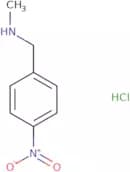
Formula:C12H14N2O2Purity:Min. 95%Molecular weight:218.25 g/molN-Methyl-1-(4-nitrophenyl)methanamine hydrochloride
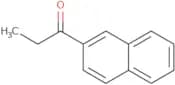
CAS:Versatile small molecule scaffoldFormula:C8H11ClN2O2Purity:Min. 95%Molecular weight:202.64 g/mol1-naphthalen-2-ylpropan-1-one
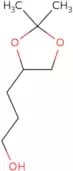
CAS:1-naphthalen-2-ylpropan-1-one is a linear acyl compound that is used in the synthesis of other compounds. It reacts with propanoic acid to form 1,2-diphenylethane. The reaction also produces an acylation product and propanoic acid as a byproduct. This reaction is an example of an acylation reaction, which is the process of adding an organic acid group to a hydrocarbon molecule. The result of this reaction is shown in the diagram below.Formula:C13H12OPurity:Min. 95%Molecular weight:184.23 g/mol3-(2,2-Dimethyl-1,3-dioxolan-4-yl)propan-1-ol
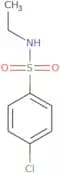
CAS:Versatile small molecule scaffoldFormula:C8H16O3Purity:Min. 95%Molecular weight:160.21 g/mol4-Chloro-N-ethylbenzenesulfonamide
CAS:Versatile small molecule scaffoldFormula:C8H10ClNO2SPurity:Min. 95%Molecular weight:219.69 g/mol3-Phenylbicyclo[2.2.1]hept-5-ene-2-carboxylic acid
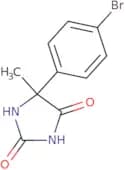
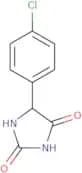
CAS:Versatile small molecule scaffoldFormula:C14H14O2Purity:Min. 95%Molecular weight:214.26 g/mol5-(4-Bromophenyl)-5-methylimidazolidine-2,4-dione
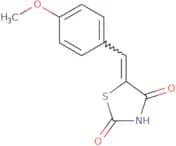
CAS:Versatile small molecule scaffoldFormula:C10H9BrN2O2Purity:Min. 95%Molecular weight:269.1 g/mol5-(4-Methoxy-benzylidene)-thiazolidine-2,4-dione
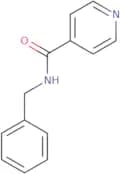
CAS:5-(4-Methoxy-benzylidene)-thiazolidine-2,4-dione is a drug that binds to the transcription factor NF-κB and prevents its translocation into the nucleus. It is used in the treatment of inflammatory diseases such as rheumatoid arthritis, psoriasis, and Crohn's disease. 5-(4-Methoxy-benzylidene)-thiazolidine-2,4-dione also has hepatoprotective effects by inhibiting oxidative stress and proinflammatory cytokines. This drug can be administered orally or intravenously.Formula:C11H9NO3SPurity:Min. 95%Molecular weight:235.26 g/molN-Benzylpyridine-4-carboxamide
CAS:N-Benzylpyridine-4-carboxamide is a synthetic compound that has been shown to have anticancer, anti-inflammatory, and neuropathic properties. This compound is an innovative drug candidate for the treatment of inflammatory diseases and cancer. N-Benzylpyridine-4-carboxamide inhibits the production of chemokines, which are cytokines that are involved in the recruitment of cells to sites of inflammation and infection. The mechanism involves the ring opening of the amide bond between the nitro group and the carboxylic acid group. The pharmacophore is derived from this ring opening reaction. This compound also blocks receptor subtypes such as 5HT3A or NMDA receptors, which may lead to neuropathic effects.
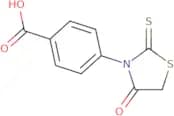
Formula:C13H12N2OPurity:Min. 95%Molecular weight:212.25 g/mol4-(4-Oxo-2-sulfanylidene-1,3-thiazolidin-3-yl)benzoic acid
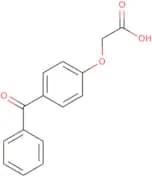
CAS:4-(4-Oxo-2-sulfanylidene-1,3-thiazolidin-3-yl)benzoic acid (L-OTSA) is a potent inhibitor of the uptake of potassium ions into cells. It binds to the extracellular surface of the cell membrane and prevents potassium from entering the cell. This results in hyperpolarization of the membrane potential and an increase in spontaneous activity. L-OTSA also induces electrophysiological effects such as increased spontaneous activity, decreased action potential duration, and increased threshold for excitation. L-OTSA has been found to inhibit cellular uptake of potassium ions.Formula:C10H7NO3S2Purity:Min. 95%Molecular weight:253.3 g/mol2-(4-Benzoylphenoxy)acetic acid
CAS:2-(4-Benzoylphenoxy)acetic acid is a phenoxy compound that can be used as an antinociceptive agent. It has been shown to inhibit the pain response in mice by binding to the peripheral cannabinoid receptor CB2 and blocking intracellular calcium channels, thereby inhibiting the release of pro-inflammatory molecules. 2-(4-Benzoylphenoxy)acetic acid also inhibits the activity of two enzymes involved in carbonic acid production and glucose metabolism, which may provide protection against metabolic disorders. Computational methods have been used to model the molecular structure of 2-(4-benzoylphenoxy)acetic acid, which are then compared with experimental data on hydrogen bonding interactions between dihedral angles and intramolecular hydrogen bonds.
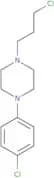
Formula:C15H12O4Purity:Min. 95%Molecular weight:256.25 g/mol1-(4-Chlorophenyl)-4-(3-chloropropyl)piperazine
CAS:Controlled Product4-Chlorophenyl-1-(3-chloropropyl)piperazine dihydrochloride (PCPP) is a drug that is used in the treatment of Parkinson's disease. It has been shown to be an effective replacement for levodopa, which is the most common treatment for Parkinson's disease and other dopamine-related disorders. PCPP does not have any effect on the levels of dopamine or other neurotransmitters in the brain, but it does inhibit the enzymes that break down dopamine and other neurotransmitters. As a result, PCPP prevents or reduces symptoms of Parkinson's disease and other dopamine-related disorders.Formula:C13H18Cl2N2Purity:Min. 95%Molecular weight:273.2 g/mol2-(Hydroxymethyl)-5-methoxy-4(1H)-pyridinone
CAS:Versatile small molecule scaffold
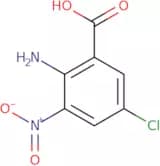
Formula:C7H9NO3Purity:Min. 95%Molecular weight:155.15 g/mol2-Amino-5-chloro-3-nitrobenzoic acid
CAS:2-Amino-5-chloro-3-nitrobenzoic acid is a synthetic compound that has been shown to have topoisomerase activity. It binds to the DNA of cancer cells and inhibits the expression of certain genes, which inhibits cell proliferation. 2-Amino-5-chloro-3-nitrobenzoic acid also interacts with the drug transport protein p-glycoprotein, inhibiting its function and leading to multidrug resistance in cancer cells. This drug has been shown to be cytotoxic for lung carcinoma cells.
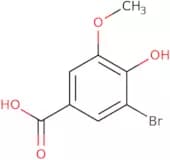
Formula:C7H5ClN2O4Purity:Min. 95%Molecular weight:216.58 g/mol3-Bromo-4-hydroxy-5-methoxybenzoic acid
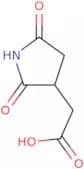
CAS:3-Bromo-4-hydroxy-5-methoxybenzoic acid is an organic compound that is a chlorinated derivative of benzoic acid. It can be synthesized by the reaction between benzene and sodium hypochlorite in the presence of a nuclear reactor. The reaction produces 3-bromo-4,5-dihydroxyphenylacetic acid which reacts with chlorine to produce 3,4,5-trichlorobenzoic acid. This compound can then be oxidized to form 3-bromo-4,5-dihydroxybenzoic acid or chlorinated to form 3,4,5,6 -tetrachlorobenzoic acid. The latter compound has been used as a precursor for herbicides such as Benlate and Clorox.Formula:C8H7BrO4Purity:Min. 95%Molecular weight:247.04 g/mol2-(2,5-Dioxopyrrolidin-3-yl)acetic acid
CAS:Versatile small molecule scaffoldFormula:C6H7NO4Purity:Min. 95%Molecular weight:157.12 g/mol2,2-Dimethylbenzo[d][1,3]dioxol-5-amine
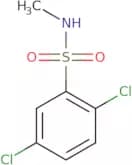
CAS:Versatile small molecule scaffoldFormula:C9H11NO2Purity:Min. 95%Molecular weight:165.19 g/mol2,5-Dichloro-N-methylbenzene-1-sulfonamide
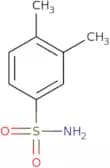
CAS:Versatile small molecule scaffoldFormula:C7H7Cl2NO2SPurity:Min. 95%Molecular weight:240.11 g/mol3,4-Dimethylbenzene-1-sulfonamide
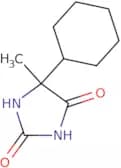
CAS:Versatile small molecule scaffoldFormula:C8H11NO2SPurity:Min. 95%Molecular weight:185.25 g/mol5-Cyclohexyl-5-methylimidazolidine-2,4-dione
CAS:5-Cyclohexyl-5-methylimidazolidine-2,4-dione is a ligand that binds to the receptor and activates it. It is used in research as a tool for studying ion channels, peptides, and protein interactions. 5-Cyclohexyl-5-methylimidazolidine-2,4-dione has been shown to inhibit the binding of an antibody to its antigen.
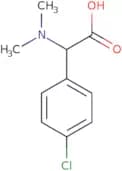
Formula:C10H16N2O2Purity:Min. 95%Molecular weight:196.25 g/mol(4-Chloro-phenyl)-dimethylamino-acetic acid
CAS:Versatile small molecule scaffold
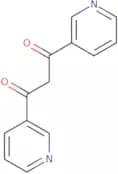
Formula:C10H12ClNO2Purity:Min. 95%Molecular weight:213.67 g/mol1,3-Bis(pyridin-3-yl)propane-1,3-dione
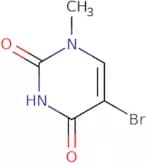
CAS:Versatile small molecule scaffoldFormula:C13H10N2O2Purity:Min. 95%Molecular weight:226.23 g/mol5-Bromo-1-methylpyrimidine-2,4(1H,3H)-dione
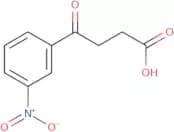
CAS:5-Bromo-1-methylpyrimidine-2,4(1H,3H)-dione is a group p2 enhancement agent that can be used to enhance radiation damage. It has been shown to interact with radiation under 13c-nmr spectroscopy and x-ray diffraction studies. 5-Bromo-1-methylpyrimidine-2,4(1H,3H)-dione can also act as a radical chain or radical in the presence of reactive oxygen species. The ph profile of 5-Bromo-1-methylpyrimidine-2,4(1H,3H)-dione has been studied and it was found that this compound was stable in acidic conditions but unstable in basic conditions. The nmr spectra of 5-Bromo-1-methylpyrimidine 2,4(1H,3H)-dione have been studied and proton signals were observed at 1.Formula:C5H5BrN2O2Purity:Min. 95%Molecular weight:205.01 g/mol4-(3-Nitrophenyl)-4-oxobutanoic acid
CAS:Versatile small molecule scaffoldFormula:C10H9NO5Purity:Min. 95%Molecular weight:223.18 g/mol5-Amino-2,n,n-trimethyl-benzenesulfonamide
CAS:Versatile small molecule scaffoldFormula:C914N2O2SPurity:Min. 95%Molecular weight:214.29 g/mol3-Amino-4,N,N-trimethyl-benzenesulfonamide
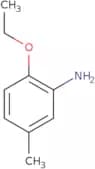
CAS:Versatile small molecule scaffoldFormula:C9H14N2O2SPurity:Min. 95%Molecular weight:214.29 g/mol2-Ethoxy-5-methylaniline
CAS:Versatile small molecule scaffold
Formula:C9H13NOPurity:Min. 95%Molecular weight:151.21 g/molBis(2-phenylethyl)amine hydrochloride
CAS:Bis(2-phenylethyl)amine hydrochloride (BPEA) is a compound that has been shown to have neuroprotective effects in animal models of Alzheimer's disease. This compound has been found to inhibit the formation of reactive oxygen species, which are responsible for neuronal cell death. BPEA also inhibits the enzyme amine oxidase, which is responsible for the breakdown of neurotransmitters and may be involved in the development of Alzheimer's disease and other neurodegenerative diseases. BPEA has been shown to be effective in preventing and treating symptoms of Alzheimer's disease in an experimental model. Dipropylamine (DPEA), a known inhibitor of amine oxidase, was tested with BPEA and found to have synergistic effects. DPBA was not able to prevent or treat symptoms when given alone.
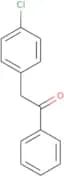
Formula:C16H20ClNPurity:Min. 95%Molecular weight:261.79 g/mol2-(4-Chlorophenyl)acetophenone
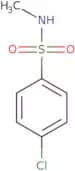
CAS:2-(4-Chlorophenyl)acetophenone is a synthetic compound that has been used in the synthesis of other compounds. It has been shown to have affinity for chloride ions and can be used as a substitute for hydrochloric acid. 2-(4-Chlorophenyl)acetophenone has been shown to react with sodium hydroxide in a stepwise manner, forming sodium chloride as an intermediate product. This reaction is believed to be due to the high nucleophilicity of chlorine ions. The molecular descriptors of this compound include four bonds, one ring, two heteroatoms, and two double bonds. This chemical also displays functional theory characteristics such as elimination and leishmania inhibition.Formula:C14H11ClOPurity:Min. 95%Molecular weight:230.69 g/mol4-Chloro-N-methylbenzenesulfonamide
CAS:Versatile small molecule scaffold
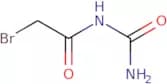
Formula:C7H8ClNO2SPurity:Min. 95%Molecular weight:205.66 g/mol2-Bromo-N-carbamoylacetamide
CAS:Versatile small molecule scaffoldFormula:C3H5BrN2O2Purity:Min. 95%Molecular weight:180.99 g/mol9-Phenyl-6,9-dihydro-1H-purin-6-one
CAS:Versatile small molecule scaffoldFormula:C11H8N4OPurity:Min. 95%Molecular weight:212.21 g/molBis(2-chlorophenyl)methanol
CAS:Versatile small molecule scaffoldFormula:C13H10Cl2OPurity:Min. 95%Molecular weight:253.12 g/mol4-Isopropylbenzenesulfonamide
CAS:4-Isopropylbenzenesulfonamide is a compound that belongs to the class of antifungals. It is an intramolecular inhibitor of the enzyme, target molecules, that catalyzes the formation of ergosterol in fungi. The inhibition of this enzyme leads to the accumulation of squalene and other sterols, which causes cell death. 4-Isopropylbenzenesulfonamide also has x-ray diffraction studies that have shown its ability to inhibit germination of spores from some fungi.Formula:C9H13NO2SPurity:Min. 95%Molecular weight:199.27 g/mol{[1-(Pyridin-3-yl)ethylidene]amino}urea
CAS:Versatile small molecule scaffold
Formula:C8H10N4OPurity:Min. 95%Molecular weight:178.19 g/molNitrosodioctylamine
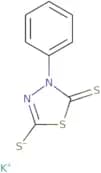
CAS:Nitrosodioctylamine is a polycarboxylic acid that is used for the production of chlorinated hydrocarbons. It is also used as an industrial chemical and a polymerization inhibitor. Nitrosodioctylamine can be synthesized from hydrogen chloride and nitric acid, or from sodium nitrate and sulfuric acid. The polymerization inhibition activity of this compound is due to its ability to form cross-links with polyvinyl alcohol. Nitrosodioctylamine has been shown to cause cancer in rats, which may be due to its ability to bind with DNA and inhibit the synthesis of enzyme proteins. Nitrosodioctylamine has also been found to have a sealant effect on metal surfaces that are contaminated by halogen compounds such as chlorine and bromine because it reacts with these compounds to form a layer of insoluble organic material.Formula:C16H34N2OPurity:Min. 95%Molecular weight:270.45 g/molBismuthiol II
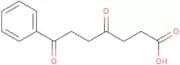
CAS:Bismuthiol II is a reagent that is used in the reaction mechanism of particle. It reacts with hydrochloric acid to form silver chloride, which can be detected by fluorescence probe. Bismuthiol II is also used as a plasma mass spectrometry (PMS) reagent, where it reacts with tellurium to form copper tellurate and bismuth tellurate. Bismuthiol II has been shown to have anti-cancer effects on cancer tissue during the extractant process. The extractant process utilizes a multi-walled carbon nanotube (MWCNT) to extract copper complexes from the tissue. This extraction process has been shown to enhance the analytical chemistry of bismuthiol II.Formula:C8H5KN2S3Purity:Min. 95%Molecular weight:264.42 g/mol4,7-Dioxo-7-phenylheptanoic acid
CAS:Versatile small molecule scaffold
Formula:C13H14O4Purity:Min. 95%Molecular weight:234.25 g/mol3-(2-Nitrophenoxy)propanoic acid
CAS:Versatile small molecule scaffoldFormula:C9H9NO5Purity:Min. 95%Molecular weight:211.17 g/mol4-[(Phenylamino)methyl]phenol hydrochloride
CAS:Versatile small molecule scaffoldFormula:C13H14ClNOPurity:Min. 95%Molecular weight:235.71 g/mol1-[2-(2-Aminoethoxy)ethoxy]butane
CAS:Versatile small molecule scaffoldFormula:C8H19NO2Purity:Min. 95%Molecular weight:161.24 g/mol2-Hydroxy-4-(methoxymethyl)-6-methylpyridine-3-carbonitrile
CAS:This is a pyridine compound that is used in the nitration of aromatic compounds. It can be synthesized by reaction of 2-aminopyridine with nitric acid and sulfuric acid, followed by filtration and recrystallization. The experimental procedure for this compound is not currently available.
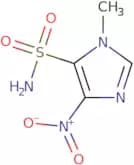
Formula:C9H10N2O2Purity:Min. 95%Molecular weight:178.19 g/mol1-Methyl-4-nitro-1H-imidazole-5-sulfonamide
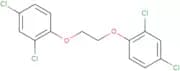
CAS:1-Methyl-4-nitro-1H-imidazole-5-sulfonamide is a cytotoxic agent that is used to treat cancer. This drug inhibits the growth of cancer cells and sensitizes them to radiation therapy by binding to DNA, which inhibits its ability to replicate. It has been shown to have an inhibitory effect on tumour growth in animal models. 1-Methyl-4-nitro-1H-imidazole-5-sulfonamide binds preferentially to tissues with high oxygen tension, such as the brain and bone marrow, and has been shown to be effective in treating leukemia cells. 1MM4NIAS is also radiosensitizing for cancer and can be used in combination with radiation therapy treatments for cancer patients.Formula:C4H6N4O4SPurity:Min. 95%Molecular weight:206.18 g/mol1,2-Bis(2,4-dichlorophenoxy)ethane
CAS:Versatile small molecule scaffoldFormula:C14H10Cl4O2Purity:Min. 95%Molecular weight:352 g/mol2-Hydroxy-2-(naphthalen-1-yl)propanoic acid
CAS:Versatile small molecule scaffold
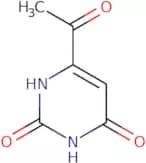
Formula:C13H12O3Purity:Min. 95%Molecular weight:216.23 g/mol6-Acetyl-1,2,3,4-tetrahydropyrimidine-2,4-dione
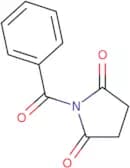
CAS:6-Acetyl-1,2,3,4-tetrahydropyrimidine-2,4-dione is a chemical compound that has two functions. One function is as a dianion that can be used to measure the hydrogen ion concentration in an aqueous solution with the pH range of 1 to 14. The second function is as an acid complex with constant K1 and K2 values. This compound is stable in the presence of acids and bases and can react with alcohols to form esters. 6-Acetyl-1,2,3,4-tetrahydropyrimidine-2,4-dione has been used in the synthesis of orotic acid from orotic acid esters.Formula:C6H6N2O3Purity:Min. 95%Molecular weight:154.12 g/mol1-benzoylpyrrolidine-2,5-dione
CAS:1-Benzoylpyrrolidine-2,5-dione is a ketone that can be used as an industrial coupling agent. It is used in the synthesis of saccharin and arylketones. This reagent can be used to cleave amides and succinimide esters. 1-Benzoylpyrrolidine-2,5-dione reacts with arylsiloxanes to form functional groups on the silicon atom. In addition, this compound can be used as a substrate for organic synthesis.Formula:C11H9NO3Purity:Min. 95%Molecular weight:203.2 g/mol2-[(Pyridin-3-yl)amino]acetic acid hydrochloride
CAS:Versatile small molecule scaffoldFormula:C7H9ClN2O2Purity:Min. 95%Molecular weight:188.61 g/mol2-[2-(Hydroxymethyl)phenyl]ethan-1-ol
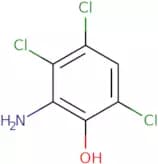
CAS:2-[2-(Hydroxymethyl)phenyl]ethan-1-ol is an antibacterial agent that belongs to the group of aryl alcohols. It is a bactericidal agent that inhibits the growth and reproduction of bacteria by binding to their DNA. 2-[2-(Hydroxymethyl)phenyl]ethan-1-ol has shown effectiveness against gram-positive and gram-negative bacteria, including Staphylococcus aureus, Streptococcus pneumoniae, Escherichia coli, Haemophilus influenzae and Bacillus subtilis. This compound has also been shown to be active against Mycobacterium tuberculosis, but not against Candida albicans or Aspergillus niger.Formula:C9H12O2Purity:Min. 95%Molecular weight:152.19 g/mol2-Amino-3,4,6-trichlorophenol
CAS:2-Amino-3,4,6-trichlorophenol is a versatile compound that has various applications in different fields. It is commonly used in chromatographic analysis as a reference standard and as a reagent in organic synthesis. This compound is also found naturally in plants such as monoterpenoids, isoflavones, pyrazoles, alkaloids, and chalcones. Additionally, it has been identified as a component of certain research chemicals.
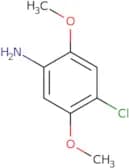
Formula:C6H4Cl3NOPurity:Min. 95%Molecular weight:212.5 g/mol4-Chloro-2,5-dimethoxyaniline
CAS:4-Chloro-2,5-dimethoxyaniline (4CMA) is a synthetic organic compound that can be used in the synthesis of dyes and pharmaceuticals. This compound is synthesized by reacting ammonium nitrate with 4-chloro-2,5-dimethoxybenzene in the presence of sodium formate. The reaction takes place in an organic solvent such as xylene or sulfoxide. The product is then reacted with methyl alcohol and alkylation agent such as hydrogen chloride to produce the desired product.Formula:C8H10ClNO2Purity:Min. 95%Molecular weight:187.62 g/mol

![tert-Butyl N-[(2-methylpyrrolidin-2-yl)methyl]carbamate](/_next/image/?url=https%3A%2Fstatic.cymitquimica.com%2Fproducts%2F3D%2Fthumb-webp%2FFYB74910.webp&w=3840&q=75)
![4-[(tert-Butoxy)carbonyl]-2-methylmorpholine-2-carboxylic acid](/_next/image/?url=https%3A%2Fstatic.cymitquimica.com%2Fproducts%2F3D%2Fthumb-webp%2FFYB74971.webp&w=3840&q=75)
![Methyl 2,3,4,5-tetrahydrobenzo[f][1,4]oxazepine-7-carboxylate hydrochloride](/_next/image/?url=https%3A%2Fstatic.cymitquimica.com%2Fproducts%2F3D%2Fthumb-webp%2FFYB75023.webp&w=3840&q=75)
![tert-Butyl 2,7-diazaspiro[4.6]undecane-2-carboxylate](/_next/image/?url=https%3A%2Fstatic.cymitquimica.com%2Fproducts%2F3D%2Fthumb-webp%2FFYB75033.webp&w=3840&q=75)
![4-[(tert-Butoxy)carbonyl]-2,3,4,5-tetrahydro-1,4-benzoxazepine-8-carboxylic acid](/_next/image/?url=https%3A%2Fstatic.cymitquimica.com%2Fproducts%2F3D%2Fthumb-webp%2FFYB75069.webp&w=3840&q=75)
![Bicyclo[2.2.2]octan-2-ylmethanamine hydrochloride](/_next/image/?url=https%3A%2Fstatic.cymitquimica.com%2Fproducts%2F3D%2Fthumb-webp%2FGAA30364.webp&w=3840&q=75)
![Ethyl[2-(pyridin-2-yl)ethyl]amine](/_next/image/?url=https%3A%2Fstatic.cymitquimica.com%2Fproducts%2F3D%2Fthumb-webp%2FGAA30426.webp&w=3840&q=75)
![{[(2,2-Dimethoxyethyl)sulfanyl]methyl}benzene](/_next/image/?url=https%3A%2Fstatic.cymitquimica.com%2Fproducts%2F3D%2Fthumb-webp%2FGAA30494.webp&w=3840&q=75)

![4-[(Aminocarbonyl)amino]benzoic acid](/_next/image/?url=https%3A%2Fstatic.cymitquimica.com%2Fproducts%2F3D%2Fthumb-webp%2FGAA30625.webp&w=3840&q=75)

![3-Methyl-3H-[1,2,3]triazolo[4,5-d]pyrimidin-7-amine](/_next/image/?url=https%3A%2Fstatic.cymitquimica.com%2Fproducts%2F3D%2Fthumb-webp%2FGAA31255.webp&w=3840&q=75)
![N,3-Dimethyl-3H-[1,2,3]triazolo[4,5-d]pyrimidin-7-amine](/_next/image/?url=https%3A%2Fstatic.cymitquimica.com%2Fproducts%2F3D%2Fthumb-webp%2FGAA31260.webp&w=3840&q=75)
![3-Phenylbicyclo[2.2.1]hept-5-ene-2-carboxylic acid](/_next/image/?url=https%3A%2Fstatic.cymitquimica.com%2Fproducts%2F3D%2Fthumb-webp%2FGAA31919.webp&w=3840&q=75)
![2,2-Dimethylbenzo[d][1,3]dioxol-5-amine](/_next/image/?url=https%3A%2Fstatic.cymitquimica.com%2Fproducts%2F3D%2Fthumb-webp%2FGAA32489.webp&w=3840&q=75)





![{[1-(Pyridin-3-yl)ethylidene]amino}urea](/_next/image/?url=https%3A%2Fstatic.cymitquimica.com%2Fproducts%2F3D%2Fthumb-webp%2FGAA33540.webp&w=3840&q=75)


![4-[(Phenylamino)methyl]phenol hydrochloride](/_next/image/?url=https%3A%2Fstatic.cymitquimica.com%2Fproducts%2F3D%2Fthumb-webp%2FGAA33784.webp&w=3840&q=75)
![1-[2-(2-Aminoethoxy)ethoxy]butane](/_next/image/?url=https%3A%2Fstatic.cymitquimica.com%2Fproducts%2F3D%2Fthumb-webp%2FGAA33853.webp&w=3840&q=75)
![2-[(Pyridin-3-yl)amino]acetic acid hydrochloride](/_next/image/?url=https%3A%2Fstatic.cymitquimica.com%2Fproducts%2F3D%2Fthumb-webp%2FGAA34528.webp&w=3840&q=75)
![2-[2-(Hydroxymethyl)phenyl]ethan-1-ol](/_next/image/?url=https%3A%2Fstatic.cymitquimica.com%2Fproducts%2F3D%2Fthumb-webp%2FGAA34600.webp&w=3840&q=75)