Building Blocks
Subcategories of "Building Blocks"
- Boronic Acids & Boronic Acid Derivatives(5,786 products)
- Chiral Building Blocks(1,246 products)
- Hydrocarbon Building Blocks(6,107 products)
- Organic Building Blocks(61,079 products)
Found 205461 products of "Building Blocks"
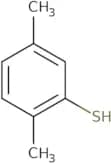
2,5-Dimethylbenzenethiol
CAS:2,5-Dimethylbenzenethiol is a functionalized thiol that is used in cross-coupling reactions. It can be used to synthesize organic compounds with a wide range of structures, including alcohols, amines, carbonyls, and esters. In addition to being an efficient method for the synthesis of these compounds, this thiol has been shown to be cytotoxic against cancer cells. 2,5-Dimethylbenzenethiol has also been shown to have gas sensing properties. The synthesis of this thiol is achieved through a reaction between 2-bromobenzene and ethanethiol. This reaction produces 2-bromoethanethiol and 2,5-dimethylbenzenethiol as products. This molecule then undergoes hydrolysis in order to produce the final product. The molecular structure of this compound consists of two benzene rings connected by a carbon chain with two methyl groups on either end of theFormula:C8H10SPurity:Min. 95%Molecular weight:138.23 g/mol1-Methyl-1H-indazole-3-carbaldehyde
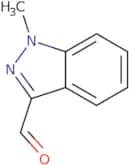
CAS:1-Methyl-1H-indazole-3-carbaldehyde is a chemical compound that belongs to the family of heterocyclic compounds. It is used as a starting material for other chemicals, including hydantoins and semicarbazones. The condensation reaction between 1-methyl-1H-indazole-3-carbaldehyde and malonic acid yields hippuric acid and semicarbazone. Oximes may be prepared from 1-methyl-1H-indazole-3-carbaldehyde by reaction with sulfuric acid or dichromate.Formula:C9H8N2OPurity:Min. 95%Molecular weight:160.18 g/mol4-(4,5-Dichloro-6-oxopyridazin-1-yl)benzenesulfonyl chloride
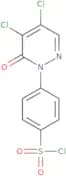
CAS:Versatile small molecule scaffoldFormula:C10H5Cl3N2O3SPurity:Min. 95%Molecular weight:339.6 g/mol6-Methoxy-1,2,3,4-tetrahydro-naphthalen-2-ylamine hydrochloride
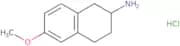
CAS:Controlled ProductVersatile small molecule scaffoldFormula:C11H16ClNOPurity:Min. 95%Molecular weight:213.7 g/mol1,2-Dimethyl-1H-1,3-benzodiazol-6-amine
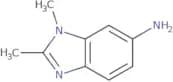
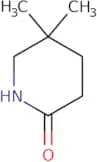
CAS:Versatile small molecule scaffoldFormula:C9H11N3Purity:Min. 95%Molecular weight:161.2 g/mol5,5-Dimethylpiperidin-2-one
CAS:Versatile small molecule scaffoldFormula:C7H13NOPurity:Min. 95%Molecular weight:127.18 g/mol1,2,3,4-Tetrahydroquinolin-2-imine
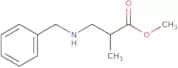
CAS:Versatile small molecule scaffoldFormula:C9H10N2Purity:Min. 95%Molecular weight:146.2 g/molMethyl 3-(benzylamino)-2-methylpropanoate
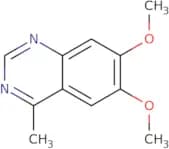
CAS:Versatile small molecule scaffoldFormula:C12H17NO2Purity:Min. 95%Molecular weight:207.27 g/mol6,7-Dimethoxy-4-methylquinazoline
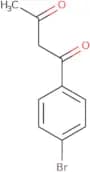
CAS:Versatile small molecule scaffoldFormula:C11H12N2O2Purity:Min. 95%Molecular weight:204.22 g/mol1-(4-Bromophenyl)-1,3-butanedione
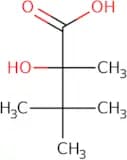
CAS:1-(4-Bromophenyl)-1,3-butanedione is a colorless liquid that has a molecular weight of 98.09 and an elemental analysis of C, H, Br, O. It is soluble in water and alcohols and has an enol form. 1-(4-Bromophenyl)-1,3-butanedione reacts with tantalum to give the tantalum salt with a molecular weight of 203.59. 1-(4-Bromophenyl)-1,3-butanedione can be used as a raw material for organic synthesis or as an intermediate for chemical reactions involving bromine or halogens.Formula:C10H9BrO2Purity:Min. 95%Molecular weight:241.08 g/mol2-Hydroxy-2,3,3-trimethylbutanoic acid
CAS:2-Hydroxy-2,3,3-trimethylbutanoic acid is a molecule that has been used in the synthesis of ligands and is also used to stabilize the carboxylic acid group. The protonation of this molecule leads to its acidic properties, which are useful for many purposes, including as a precursor for insect pheromones. The addition of chloride ions to 2-hydroxy-2,3,3-trimethylbutanoic acid produces an ion with a mononuclear charge that can be detected by nmr spectroscopy. This molecule forms hydrogen bonds with water molecules.
Formula:C7H14O3Purity:Min. 95%Molecular weight:146.18 g/molSpiro[4.5]decan-8-one
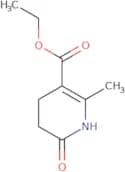
CAS:Spiro[4.5]decan-8-one is a phenylhydrazine that has been used in the synthesis of indole and cycloalkyl compounds. The spectra of this compound show two peaks at 6.3 and 8.7 ppm in the IR spectrum, which correspond to the C=C stretching mode for the cycloalkyl group and the C=N stretch for the phenylhydrazine moiety respectively. This structural isomer shows different chemical properties when compared to other isomers because it has a spirocyclic ring system with an 8-membered ring fused to a 10-membered ring, whereas other isomers have a 9-membered ring fused to a 10-membered ring.Formula:C10H16OPurity:Min. 95%Molecular weight:152.23 g/molEthyl 2-methyl-6-oxo-1,4,5,6-tetrahydropyridine-3-carboxylate
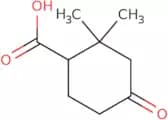
CAS:Versatile small molecule scaffoldFormula:C9H13NO3Purity:Min. 95%Molecular weight:183.2 g/mol2,2-Dimethyl-4-oxocyclohexanecarboxylic acid
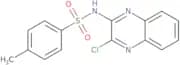
CAS:Versatile small molecule scaffoldFormula:C9H14O3Purity:Min. 95%Molecular weight:170.21 g/molN-(3-Chloroquinoxalin-2-yl)-4-methylbenzenesulfonamide
CAS:3-Chloroquinoxaline-2-carboxylic acid (3CQC) is a halogen atom, oxadiazole, benzene, alkoxycarbonyl, alkoxy, cyano, trifluoromethyl, dihedral and halogen. 3CQC is used as a chemical intermediate in organic synthesis. It can be used as a starting material for the synthesis of other organic compounds and pharmaceuticals. 3CQC has been found to inhibit bacterial growth by inhibiting RNA polymerase. This compound also inhibits protein synthesis by binding to the ribosome's 50S subunit and prevents the production of proteins vital for cell division.
Formula:C15H12ClN3O2SPurity:Min. 95%Molecular weight:333.79 g/molN-{4-[(3-Chloroquinoxalin-2-yl)sulfamoyl]phenyl}acetamide
CAS:Versatile small molecule scaffold
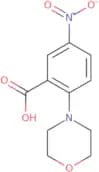
Formula:C16H13ClN4O3SPurity:Min. 95%Molecular weight:376.8 g/mol5-Nitro-2-(morpholin-4-yl)benzoic acid
CAS:5-Nitro-2-(morpholin-4-yl)benzoic acid is a cytotoxic agent that induces apoptosis in cells. This compound binds to tubulin and inhibits its polymerization, which leads to the disruption of microtubules. 5NMBA has potent cytotoxicity against cancer cells, including human lung cancer cells. It has been shown to be a potent inhibitor of paclitaxel polymerization, and also can disrupt the polymerization of other drugs such as colchicine and vinblastine. 5NMBA expresses itself at high levels in human lung cancer tissues and is often found in multidrug resistant tumor cells.
Formula:C11H12N2O5Purity:Min. 95%Molecular weight:252.22 g/mol2,4,4Prime-Trimethoxybenzophenone
CAS:Versatile small molecule scaffold
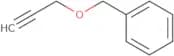
Formula:C16H16O4Purity:Min. 95%Molecular weight:272.29 g/molPropargyl Benzyl Ether
CAS:Propargyl benzyl ether is an organic compound with the formula CHCH=C(CH)OCH. It is a colorless liquid that has been used as a synthetic intermediate in organic synthesis. Propargyl benzyl ether has been shown to induce apoptotic cell death, which may be due to its ability to bind and inhibit the activity of pyrazole-3-carboxamide ribonucleotide transformylase, an enzyme involved in purine metabolism. This compound also induces apoptosis through the activation of caspases. The sample is pretreated before analysis by activating the cells with a solution of HCl and KOH before adding propargyl benzyl ether. Analysis is then conducted using analytical chemistry techniques such as gas chromatography or mass spectrometry. The chemical synthesis can be accomplished by reacting a β-unsaturated ketone with an acid catalyst such as HCl or acetic acid in the presence of a chelate ligand such as pyridine hydro
Formula:C10H10OPurity:Min. 95%Molecular weight:146.19 g/molBicyclo[2.2.1]heptan-2-ylmethanamine hydrochloride
CAS:Controlled ProductBicyclo[2.2.1]heptan-2-ylmethanamine hydrochloride is a chemical compound that is used to treat inflammatory diseases. It has been shown to be effective in animals with experimental arthritis, and it has been found to suppress the production of nitric oxide, which is involved in inflammation. Bicyclo[2.2.1]heptan-2-ylmethanamine hydrochloride binds to proteins and peptides in the body, forming conjugates that are excreted in urine samples or plasma concentrations. The enantiomers of this drug have different effects on the body, with one being more potent than the other. It has been shown that this drug can inhibit cell dysfunction by modulating cell signaling pathways as well as inhibiting inflammatory responses via interactions with opioid receptors on cells. This drug also inhibits the production of inflammatory cytokines such as IL-6 and TNF-α by binding to their
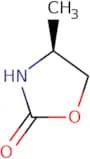
Formula:C20H27NOPurity:Min. 95%Molecular weight:297.4 g/mol(S)-4-Methyloxazolidin-2-one
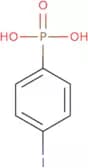
CAS:Versatile small molecule scaffoldFormula:C4H7NO2Purity:Min. 95%Molecular weight:101.1 g/mol(4-Iodophenyl)phosphonic acid
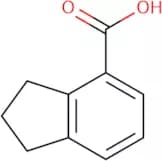
CAS:Versatile small molecule scaffoldFormula:C6H6IO3PPurity:Min. 95%Molecular weight:283.99 g/mol2,3-Dihydro-1H-indene-4-carboxylic acid
CAS:Versatile small molecule scaffold
Formula:C10H10O2Purity:Min. 95%Molecular weight:162.18 g/mol1,3-Dimethyl-2,5-dihydro-1H-pyrrole-2,5-dione
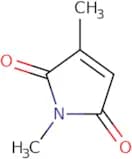
CAS:1,3-Dimethyl-2,5-dihydro-1H-pyrrole-2,5-dione is a photopolymerization initiator that can be used in the production of polyurethane foams. It is a cyclic compound that absorbs ultraviolet light and undergoes polymerization reactions to form polyurethane. This chemical also has low molecular weight and isomeric properties. 1,3-Dimethyl-2,5-dihydro-1H-pyrrole-2,5-dione has been shown to be a stereoisomeric compound with aspartic acid and amines. It has also been shown to have diffraction peaks at 2θ values of 5.8° and 7.6° when irradiated with UV light at 365 nm wavelength and can be used for the production of polyurethane foams at temperatures between 120°C and 160°C.Formula:C6H7NO2Purity:Min. 95%Molecular weight:125.13 g/mol3-(Chlorosulfonyl)benzoyl chloride
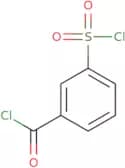
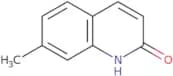
CAS:3-(Chlorosulfonyl)benzoyl chloride is a chemical compound that is used as an additive in various industries, such as the textile industry. It is also used to modify the hydrogen bond between two molecules. This chemical has been shown to inhibit cell growth in vitro by binding to the amines of protein molecules, which prevents osmosis. 3-(Chlorosulfonyl)benzoyl chloride has also been shown to be an inhibitor for a number of enzymes, including piperazine amidohydrolase and aminotransferases. 3-(Chlorosulfonyl)benzoyl chloride is made from the reaction of chlorosulfonic acid with benzoyl chloride. The nitro group on this molecule can react with carboxamido groups on other molecules, forming a new molecule called N-nitrosocarbamylchloride.Formula:C7H4Cl2O3SPurity:Min. 95%Color and Shape:Clear LiquidMolecular weight:239.08 g/mol7-Methyl-1,2-dihydroquinolin-2-one
CAS:Versatile small molecule scaffold
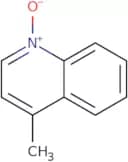
Formula:C10H9NOPurity:Min. 95%Molecular weight:159.18 g/mol4-Methylquinolin-1-ium-1-olate
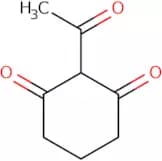
CAS:4-Methylquinolin-1-ium-1-olate is a chemical compound that contains a quinoline ring, which is composed of six carbons and three nitrogens. The quinoline ring is attached to a methyl group, which is one carbon atom bonded to three hydrogen atoms. 4-Methylquinolin-1-ium-1-olate has been shown to react with alkali metals such as lithium and sodium, forming an ionic salt. This reaction may be due to the formation of a hydrogen bond between the quinoline nitrogen and the metal cation. 4-Methylquinolin-1-ium-1-olate can also undergo alkylation reactions with halogens, such as chlorine or bromine, in trichloroacetic acid, forming a chloromethyl or bromomethyl group on the quinoline ring. The addition of trichloroacetic acid leads to the cleavage of a bondFormula:C10H9NOPurity:Min. 95%Molecular weight:159.18 g/mol2-Acetyl-cyclohexane-1,3-dione
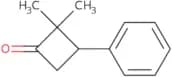
CAS:2-Acetyl-cyclohexane-1,3-dione is a synthetic compound that belongs to the class of quinoline derivatives. It has been used as an antimicrobial agent in cosmetics and topical pharmaceuticals. 2-Acetyl-cyclohexane-1,3-dione has shown bacteriostatic properties against Staphylococcus and Clostridium perfringens, but not against Listeria monocytogenes. This antibiotic also functions as a preservative against Gram-positive bacteria, but not against Gram negative bacteria such as Escherichia coli. 2-Acetyl-cyclohexane-1,3-dione binds to metal ions such as copper and zinc by chelation. The structure of this compound contains a diphenyl ether group and a benzyl group.Formula:C8H10O3Purity:Min. 95%Molecular weight:154.16 g/mol2,2-Dimethyl-3-phenylcyclobutan-1-one
CAS:Versatile small molecule scaffold
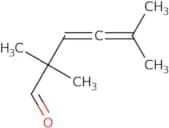
Formula:C12H14OPurity:Min. 95%Molecular weight:174.24 g/mol2,2,5-Trimethylhexa-3,4-dienal
CAS:Versatile small molecule scaffoldFormula:C9H14OPurity:Min. 95%Molecular weight:138.21 g/molN,N'-Di-tert-butylethylenediamine
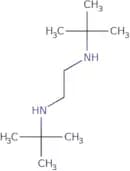
CAS:N,N'-Di-tert-butylethylenediamine is a diamine compound that has been used as an optical reference in infrared spectroscopy and as a ligand for catalysis. It is soluble in organic solvents and has a magnetic susceptibility of 0.0014 cm3/mol. The optical properties of N,N'-Di-tert-butylethylenediamine are the result of a chromophore with an absorption maximum at 595 nm and emission maxima at 600 nm. This substance also has been shown to have functional groups that can be reduced to form peroxide radicals.
Formula:C10H24N2Purity:Min. 95%Molecular weight:172.32 g/mol3-(2-Furyl)-DL-alanine
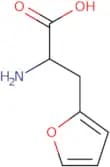
CAS:3-(2-Furyl)-DL-alanine is a chiral amino acid that is used as a building block in the synthesis of peptides and proteins. The enantiomers of 3-(2-furyl)alanine have been shown to have different properties. One enantiomer has been shown to be more soluble in cyclohexane and 2-propanol, while the other has been shown to be more soluble in water. This difference can be optimized by using an appropriate solvent or by adding a complexing agent such as sodium chloride. It also has been found that one enantiomer is more reactive than the other with metal ions such as copper(II).
Formula:C7H9NO3Purity:Min. 95%Molecular weight:155.15 g/mol3-Bromo-5-chloro-2-hydroxybenzoic acid
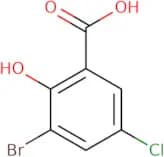
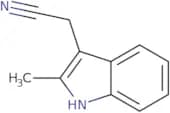
CAS:Versatile small molecule scaffoldFormula:C7H4BrClO3Purity:Min. 95%Molecular weight:251.5 g/mol2-(2-Methyl-1H-indol-3-yl)acetonitrile
CAS:Versatile small molecule scaffold
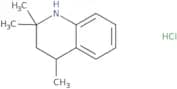
Formula:C11H10N2Purity:Min. 95%Molecular weight:170.21 g/mol2,2,4-Trimethyl-1,2,3,4-tetrahydroquinoline hydrochloride
CAS:Versatile small molecule scaffoldFormula:C12H18ClNPurity:Min. 95%Molecular weight:211.73 g/mol1-[4-(Propan-2-ylsulfanyl)phenyl]ethan-1-one
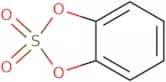
CAS:Versatile small molecule scaffoldFormula:C11H14OSPurity:Min. 95%Molecular weight:194.3 g/mol1,3,2-Benzodioxathiole, 2,2-dioxide
CAS:1,3,2-Benzodioxathiole, 2,2-dioxide is a hydroxy group and an aliphatic hydrocarbon. It is used as a surfactant in detergent compositions. The compound has been shown to be a potent control agent for inflammatory diseases such as atopic dermatitis and psoriasis. It also has the ability to inhibit active enzymes such as cyclooxygenase and lipoxygenase. 1,3,2-Benzodioxathiole, 2,2-dioxide has been shown to have anti-inflammatory properties that may be due to its ability to inhibit the production of inflammatory mediators such as gamma-aminobutyric acid or prostaglandins. 1,3,2-Benzodioxathiole, 2,2-dioxide is also used as a light stabilizer in polymers exposed to light.Formula:C6H4O4SPurity:Min. 95%Molecular weight:172.16 g/mol1-[4-(tert-Butoxy)phenyl]ethan-1-one
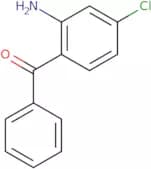
CAS:Versatile small molecule scaffoldFormula:C12H16O2Purity:Min. 95%Molecular weight:192.25 g/mol2-Benzoyl-5-chloroaniline
CAS:2-Benzoyl-5-chloroaniline is a synthetic chemical that can be used as an intermediate in the synthesis of other chemicals. It has been found in urine samples and is also used to prepare other compounds. 2-Benzoyl-5-chloroaniline is typically acetylated, salicylated, or trifluoroacetylated before use in order to protect against degradation by acidic conditions. This chemical can react with amines to form conjugates and has functional groups such as chloride and amines that are detectable by gas chromatography. 2-Benzoyl-5-chloroaniline regulates the activity of enzymes related to the metabolism of proteins and nucleic acids, which may be due to its ability to inhibit protein synthesis or DNA replication.
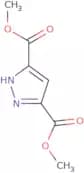
Formula:C13H10ClNOPurity:Min. 95%Molecular weight:231.68 g/molDimethyl 1H-pyrazole-3,5-dicarboxylate
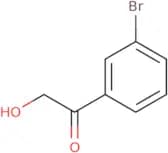
CAS:Dimethyl 1H-pyrazole-3,5-dicarboxylate is a heterocyclic compound that can be synthesized by refluxing methyl groups with pyrazole derivatives. The anion of this compound has been shown to form crystalline complexes with nucleophilic ligands. Dimethyl 1H-pyrazole-3,5-dicarboxylate has been studied in x-ray crystallography and single crystal diffraction studies. The unsymmetrical nature of the molecule allows the two different methyl groups to bind to the same metal atom, which is often observed in other pyrazole derivatives. This property makes dimethyl 1H-pyrazole-3,5-dicarboxylate reactive and a good ligand for metal ions.Formula:C7H8N2O4Purity:Min. 95%Molecular weight:184.15 g/mol1-(3-Bromophenyl)-2-hydroxyethan-1-one
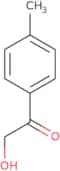
CAS:Versatile small molecule scaffoldFormula:C8H7BrO2Purity:Min. 95%Molecular weight:215.04 g/mol2-Hydroxy-1-(4-methylphenyl)ethanone
CAS:Versatile small molecule scaffold
Formula:C9H10O2Purity:Min. 95%Molecular weight:150.17 g/mol1-Thia-4-azaspiro[5.5]undecane
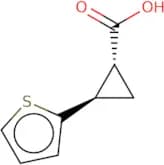
CAS:Versatile small molecule scaffoldFormula:C9H17NSPurity:Min. 95%Molecular weight:171.31 g/molrac-(1R,2R)-2-(Thiophen-2-yl)cyclopropane-1-carboxylic acid
CAS:Versatile small molecule scaffold
Formula:C8H8O2SPurity:Min. 95%Molecular weight:168.2 g/mol6,7,8,9-Tetrahydro-5H-benzo[7]annulene-1-carboxylic acid
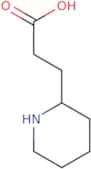
CAS:Versatile small molecule scaffoldFormula:C12H14O2Purity:Min. 95%Molecular weight:190.24 g/mol3-(Piperidin-2-yl)propanoic acid
CAS:Versatile small molecule scaffold
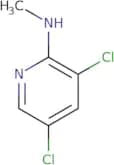
Formula:C8H15NO2Purity:Min. 95%Molecular weight:157.21 g/mol3,5-Dichloro-N-methylpyridin-2-amine
CAS:Versatile small molecule scaffold
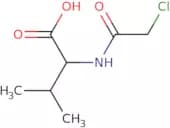
Formula:C6H6Cl2N2Purity:Min. 95%Molecular weight:177.03 g/molN-Chloroacetyl-DL-valine
CAS:N-Chloroacetyl-DL-valine is a natural amino acid with the formula CH3C(O)NH2. It is one of the 22 proteinogenic amino acids. The N-chloroacetyl group in this compound is attached to nitrogen at the α-position, and its carboxylic acid moiety is attached to the β-position of the amino acid backbone. In crystallized form, it has a n-terminal pyrolysable amide bond that can be cleaved by heat. In solution, it hydrolyzes readily to DL-alanine and chloroacetic acid. Aminoacylase and dipeptidase enzymes catalyze this reaction in vivo. NCA is an L-amino acid that contains an α-carbon atom with two substituents: an amide group (NHCOCH3) and a chloroacetyl group (CH3C(O)Cl). The molecular weight
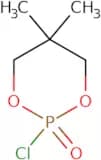
Formula:C7H12ClNO3Purity:Min. 95%Molecular weight:193.63 g/mol2-Chloro-5,5-dimethyl-1,3,2-dioxaphosphorinane 2-oxide
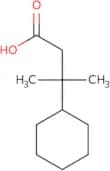
CAS:2-Chloro-5,5-dimethyl-1,3,2-dioxaphosphorinane 2-oxide is a molecule with two chlorine atoms and one oxygen atom. The phosphoryl group has two phosphoranes that are linked by a pyrophosphate bond. The molecule also has a nucleophilic hydrogen chloride and an oxygen carbon double bond. The conformation of the molecule can be determined by the three cyclic groups on the left side of the molecule. This compound is used as an intermediate in organic synthesis for the preparation of other molecules. This reinvestigation shows that this compound bonds to a nucleophilic atom or group to form a new carbon chain and an oxo bridge.Formula:C5H10ClO3PPurity:Min. 95%Molecular weight:184.56 g/mol3-Cyclohexyl-3-methylbutanoic acid
CAS:Versatile small molecule scaffold
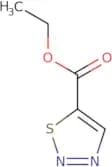
Formula:C11H20O2Purity:Min. 95%Molecular weight:184.27 g/molEthyl 1,2,3-thiadiazole-5-carboxylate
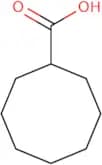
CAS:Versatile small molecule scaffoldFormula:C5H6N2O2SPurity:Min. 95%Molecular weight:158.18 g/molCyclooctanecarboxylic acid
CAS:Cyclooctanecarboxylic acid is a hydroxylated monocarboxylic acid that has been shown to inhibit the activity of various enzymes. It is a polar molecule with a diameter of about 1.5 nm, which can be used as a polarizer in light microscopy. Cyclooctanecarboxylic acid has been shown to inhibit the production of hepatitis C virus particles and insulin resistance in mammalian cells. It also inhibits viral replication by interfering with the synthesis of viral proteins, inhibiting protein synthesis and cell division. Cyclooctanecarboxylic acid is an inhibitor for many compounds, including inhibitors for cholesterol biosynthesis, human immunodeficiency virus type 1 protease inhibitors, and protein kinase C inhibitors.
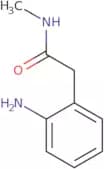
Formula:C9H16O2Purity:Min. 95%Molecular weight:156.22 g/mol2-(2-Aminophenyl)-N-methylacetamide
CAS:Versatile small molecule scaffold
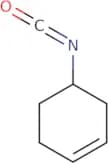
Formula:C9H12N2OPurity:Min. 95%Molecular weight:164.2 g/mol4-Isocyanatocyclohex-1-ene
CAS:4-Isocyanatocyclohex-1-ene is a colorless liquid that is soluble in water. It is used as a raw material for the production of polyurethane and other polymers, which are used in coatings, adhesives, elastomers, and other industrial applications. 4-Isocyanatocyclohex-1-ene can be found as part of a mixture or polymer with other diisocyanates. The chemical has been shown to form when certain cycloaliphatic compounds are heated to high temperatures.
Formula:C7H9NOPurity:Min. 95%Molecular weight:123.15 g/molPentadecan-7-ol
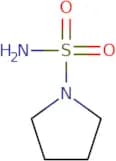
CAS:Versatile small molecule scaffoldFormula:C15H32OPurity:Min. 95%Molecular weight:228.41 g/mol1-Pyrrolidinesulfonamide
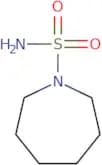
CAS:1-Pyrrolidinesulfonamide is an anti-infective agent that inhibits the growth of bacteria by inhibiting their ability to synthesize proteins. It binds to cellular DNA and prevents transcription, leading to apoptotic cell death. 1-Pyrrolidinesulfonamide has been shown to have chemoattractant properties and can be used as a pharmacokinetic marker for differentiating bowel disease from cancer in vivo models. This drug also has been shown to inhibit inflammatory bowel disease in vitro and in vivo. 1-Pyrrolidinesulfonamide is a quinoline derivative that can hydrogen bond with nucleic acids and interfere with RNA synthesis. It also has been shown to inhibit the production of proinflammatory cytokine, such as IL-6 and TNF-α, which are involved in inflammatory diseases.Formula:C4H10N2O2SPurity:Min. 95%Molecular weight:150.2 g/molAzepane-1-sulfonamide
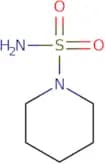
CAS:Versatile small molecule scaffoldFormula:C6H14N2O2SPurity:Min. 95%Molecular weight:178.26 g/molPiperidine-1-sulphonamide
CAS:Piperidine-1-sulphonamide is a hydrogen bond inhibitor that binds to bacterial enzymes, inhibiting the production of proton. It has been shown to have anti-inflammatory activity and is used in the treatment of inflammatory diseases such as autoimmune diseases, HIV infection, and cancer. This drug also has an effect on purine metabolism, which may be due to its ability to inhibit bacterial enzyme adenosine deaminase. Piperidine-1-sulphonamide also inhibits inflammation in bowel disease by suppressing the release of inflammatory cytokines such as tumor necrosis factor and interleukin 1beta.Formula:C5H12N2O2SPurity:Min. 95%Molecular weight:164.23 g/mol2-Methylpiperidine-1-sulfonamide
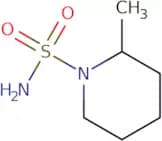
CAS:Versatile small molecule scaffoldFormula:C6H14N2O2SPurity:Min. 95%Molecular weight:178.26 g/mol4-Hydroxypiperidine-1-sulfonamide
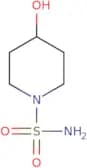
CAS:Versatile small molecule scaffoldFormula:C5H12N2O3SPurity:Min. 95%Molecular weight:180.23 g/mol3,5-Dinitrobenzonitrile
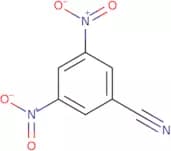
CAS:3,5-Dinitrobenzonitrile is a chemical compound that is used as a reagent in organic synthesis. It is carcinogenic and has been shown to produce tumors when administered intraperitoneally. 3,5-Dinitrobenzonitrile has been found to react with hydrochloric acid in the presence of nitrous acid to form chloride, nitro, and water. The reaction mechanism of this process involves dehydration at the C-N bond followed by an amide formation. This reaction product can be observed using magnetic resonance spectroscopy (NMR).Formula:C7H3N3O4Purity:Min. 95%Molecular weight:193.12 g/mol1-Methyl-4,5-dihydro-1H-1,2,4-triazol-5-one
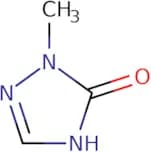
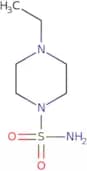
CAS:Versatile small molecule scaffoldFormula:C3H5N3OPurity:Min. 95%Molecular weight:99.09 g/mol4-Ethylpiperazine-1-sulfonamide
CAS:4-Ethylpiperazine-1-sulfonamide is a potent compound that inhibits the production of lipopolysaccharide. This inhibition leads to less inflammation and pain in patients with rheumatoid arthritis and other inflammatory diseases. 4-Ethylpiperazine-1-sulfonamide has been shown to inhibit the production of tumor necrosis factor alpha (TNFα) in human macrophages by blocking the activation of nuclear transcription factor kappa B (NFκB). This compound also binds to the TNF receptor, inhibiting its ability to activate NFκB. 4-Ethylpiperazine-1-sulfonamide also has antiinflammatory activities and can be used for the treatment of chronic inflammatory disorders such as rheumatoid arthritis.
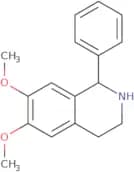
Formula:C6H15N3O2SPurity:Min. 95%Molecular weight:193.27 g/mol6,7-Dimethoxy-1-phenyl-1,2,3,4-tetrahydroisoquinoline
CAS:6,7-Dimethoxy-1-phenyl-1,2,3,4-tetrahydroisoquinoline is a phenyl conformation molecule that has an x-ray structure. This compound is a β-blocker and can be used to treat heart conditions such as angina pectoris and arrhythmia. It also has antiarrhythmic properties. 6,7-Dimethoxy-1-phenyl-1,2,3,4-tetrahydroisoquinoline has two substituents at the 6 and 7 positions on the isoquinoline ring. The chains are attached to the phenyl ring by hydrogen bonds.Formula:C17H19NO2Purity:Min. 95%Molecular weight:269.34 g/mol5H-Pyrrolo[2,3-b]pyrazine-7-carbaldehyde
CAS:Versatile small molecule scaffoldFormula:C7H5N3OPurity:Min. 95%Molecular weight:147.13 g/mol2-Amino-3-{5H-pyrrolo[2,3-b]pyrazin-7-yl}propanoic acid
CAS:Versatile small molecule scaffold
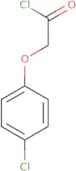
Formula:C9H10N4O2Purity:Min. 95%Molecular weight:206.2 g/mol4-Chlorophenoxyacetyl Chloride
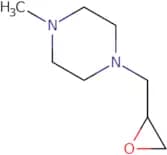
CAS:4-Chlorophenoxyacetyl Chloride (4CPAC) is a synthetic compound that has been shown to have biological properties in the inhibition of cell function, which may be due to its ability to bind with a specific ligand. 4CPAC is also a pesticide and has been shown to be effective against nematodes and pests. 4CPAC has hypotensive effects and can be used as an antihypertensive drug. The hydroxyl group on the left side of the molecule enables it to act as a sulfoxide, which is an organic chemical that reacts with other molecules in order to form new compounds.Formula:C8H6O2Cl2Purity:Min. 95%Molecular weight:205.03 g/mol1-Methyl-4-(oxiran-2-ylmethyl)piperazine
CAS:Versatile small molecule scaffold
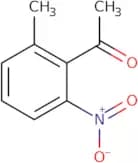
Formula:C8H16N2OPurity:Min. 95%Molecular weight:156.23 g/mol1-(2-Methyl-6-nitrophenyl)ethan-1-one
CAS:Versatile small molecule scaffold
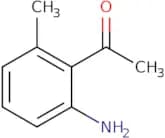
Formula:C9H9NO3Purity:Min. 95%Molecular weight:179.17 g/mol1-(2-Amino-6-methylphenyl)ethan-1-one
CAS:Versatile small molecule scaffold
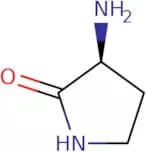
Formula:C9H11NOPurity:Min. 95%Molecular weight:149.19 g/mol(S)-3-Amino-2-pyrrolidinone
CAS:(S)-3-Amino-2-pyrrolidinone is a potent inhibitor of serine proteinases, including trypsin, chymotrypsin, and elastase. It also has anti-coagulant properties that are similar to heparin. (S)-3-Amino-2-pyrrolidinone is used in the treatment of carotid artery disease and as an anticoagulant in deep vein thrombosis prophylaxis. This drug can be used in the prevention or treatment of thrombus formation due to its ability to inhibit coagulation and fibrinolysis. It is also a potent inhibitor of thrombin, which is an enzyme involved in blood coagulation. The development of this drug was inspired by the discovery of the importance of serine protease inhibitors for blood clotting and other physiological processes.
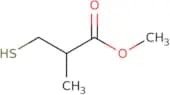
Formula:C4H8N2OPurity:Min. 95%Molecular weight:100.12 g/molMethyl 2-methyl-3-sulfanylpropanoate
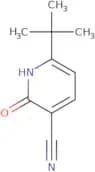
CAS:Methyl 2-methyl-3-sulfanylpropanoate is a fruity, tropical, and detergent scented ester with a fruity odor reminiscent of fruits. It is used in the manufacture of shampoo, as an acid methyl ester, or as an ethyl ester. This chemical has been used as a tobacco flavorant and can be found in the form of its methyl ester. Methyl 2-methyl-3-sulfanylpropanoate has been shown to have detergent properties when it is reacted with sodium hydroxide.Formula:C5H10O2SPurity:Min. 95%Molecular weight:134.2 g/mol6-(tert-Butyl)-2-hydroxynicotinonitrile
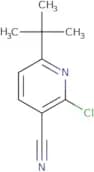
CAS:Versatile small molecule scaffoldFormula:C10H12N2OPurity:Min. 95%Molecular weight:176.22 g/mol6-tert-Butyl-2-chloropyridine-3-carbonitrile
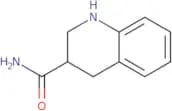
CAS:Versatile small molecule scaffoldFormula:C10H11ClN2Purity:Min. 95%Molecular weight:194.66 g/mol1,2,3,4-Tetrahydroquinoline-3-carboxamide
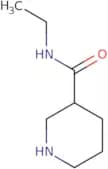
CAS:Versatile small molecule scaffoldFormula:C10H12N2OPurity:Min. 95%Molecular weight:176.21 g/molN-Ethylpiperidine-3-carboxamide
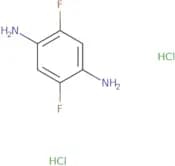
CAS:Versatile small molecule scaffoldFormula:C8H16N2OPurity:Min. 95%Molecular weight:156.23 g/mol2,5-Difluorobenzene-1,4-diamine dihydrochloride
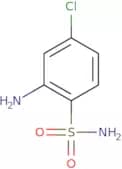
CAS:Versatile small molecule scaffoldFormula:C6H8Cl2F2N2Purity:Min. 95%Molecular weight:217.04 g/mol2-Amino-4-chlorobenzene-1-sulfonamide
CAS:2-Amino-4-chlorobenzene-1-sulfonamide is a sulfa drug that inhibits the growth of bacteria by inhibiting the synthesis of folic acid. It is used for the treatment of staphylococcus and other bacterial infections, although it does not show any effect on gram negative bacteria. 2-Amino-4-chlorobenzene-1-sulfonamide binds to enzymes in the bacterial cell wall, which prevents them from synthesizing folic acid. This results in inhibition of DNA synthesis and protein synthesis, leading to cell death. 2-Amino-4-chlorobenzene-1-sulfonamide also shows antibacterial activity against Salmonella typhi and Shigella dysenteriae because these organisms are sensitive to sulfa drugs.
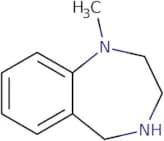
Formula:C6H7ClN2O2SPurity:(%) Min. 95%Color and Shape:PowderMolecular weight:206.65 g/mol1-Methyl-2,3,4,5-tetrahydro-1H-1,4-benzodiazepine
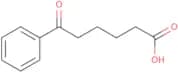
CAS:Versatile small molecule scaffoldFormula:C10H14N2Purity:Min. 95%Molecular weight:162.23 g/mol5-Benzoylpentanoic acid
CAS:5-Benzoylpentanoic acid is a chemical compound that has been shown to be an effective bactericidal agent against Gram-positive and Gram-negative bacteria. It is synthesized by the hydrogenation reduction of 5-benzoylpentanal, which is obtained from the oxidation of benzaldehyde with nitric acid. The synthesis of 5-benzoylpentanoic acid can be carried out in two steps: first, a benzaldehyde ester is obtained by reacting benzaldehyde with methyl acrylate in the presence of a base; second, the ester reacts with sodium hydroxide to produce 5-benzoylpentanoic acid. This chemical is also an organic solvent that can be used in the organic synthesis of other compounds. This compound has been shown to have inhibitory activity against oxocarboxylic anions such as phosphoric acid and perchloric acid.
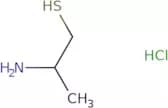
Formula:C12H14O3Purity:Min. 95%Molecular weight:206.24 g/mol2-Aminopropane-1-thiol hydrochloride
CAS:Versatile small molecule scaffold
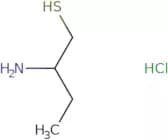
Formula:C3H10ClNSPurity:Min. 95%Molecular weight:127.64 g/mol2-Aminobutane-1-thiol hydrochloride
CAS:Versatile small molecule scaffold
Formula:C4H12ClNSPurity:Min. 95%Molecular weight:141.66 g/mol3-methyl-3-azabicyclo[3.2.1]octan-8-one
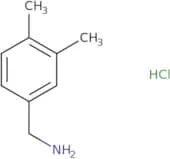
CAS:3-Methyl-3-azabicyclo[3.2.1]octan-8-one is a synthetically produced pyrrolidine that has been synthesized by reaction of piperidine with ethyl acetate and formaldehyde. The 3-methyl group of the molecule is attached to the nitrogen atom and this ring forms a conformation that is different from other rings in the pyrrolidine family. The conformational study was done by NMR spectroscopy and the experimental, spectroscopic study was done on conformational changes by substituents on the piperidine ring.Formula:C8H13NOPurity:Min. 95%Molecular weight:139.19 g/mol1-(3,4-dimethylphenyl)methanamine hydrochloride
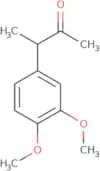
CAS:Versatile small molecule scaffoldFormula:C9H14ClNPurity:Min. 95%Molecular weight:171.67 g/mol3-(3,4-Dimethoxyphenyl)butan-2-one
CAS:Versatile small molecule scaffold
Formula:C12H16O3Purity:Min. 95%Molecular weight:208.25 g/molTrans-2-(4-chloro-phenyl)-cyclopropanecarboxylic acid
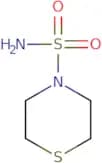
CAS:Versatile small molecule scaffoldFormula:C20H18Cl2O4Purity:Min. 95%Molecular weight:393.3 g/molThiomorpholine-4-sulfonamide
CAS:Versatile small molecule scaffoldFormula:C4H10N2O2S2Purity:Min. 95%Molecular weight:182.3 g/mol2-(4-Methoxybenzoyl)thiophene
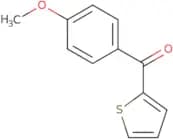
CAS:2-(4-Methoxybenzoyl)thiophene is a functional group that is an acceptor. It is used in solar cells, where it interacts with the electron donating group to form a charge transfer complex. This complex aids in the conversion of light into electricity. The efficiency of these devices can be improved by using fullerenes, which are electron accepting and electron donating groups. 2-(4-Methoxybenzoyl)thiophene's interaction with other functional groups, such as phenylsulfonyl chloride, has been shown to produce electronic interactions in solar cells.Formula:C12H10O2SPurity:Min. 95%Molecular weight:218.27 g/mol4-(Propan-2-yl)oxane-2,6-dione
CAS:Versatile small molecule scaffold
Formula:C8H12O3Purity:Min. 95%Molecular weight:156.18 g/mol3-[3-(3-Hydroxypropoxy)propoxy]propan-1-ol
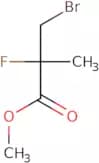
CAS:Versatile small molecule scaffoldFormula:C9H20O4Purity:Min. 95%Molecular weight:192.25 g/molMethyl 3-bromo-2-fluoro-2-methylpropanoate
CAS:Versatile small molecule scaffold
Formula:C5H8BrFO2Purity:Min. 95%Molecular weight:199.02 g/mol3-Bromo-2-fluoropropan-1-ol
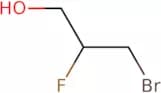
CAS:Versatile small molecule scaffold
Formula:C3H6BrFOPurity:Min. 95%Molecular weight:156.98 g/mol1-Phenyl-2-[(propan-2-yl)amino]ethan-1-ol
CAS:1-Phenyl-2-[(propan-2-yl)amino]ethan-1-ol is a homologous analog of puromycin. It is an ester that inhibits the RNA polymerase II enzyme, which is essential for DNA synthesis. The onset of 1-phenyl-2-[(propan-2-yl)amino]ethan-1-ol is relatively rapid. It has been shown to inhibit cellular RNA synthesis and DNA synthesis in the parotid gland, as well as RNA and protein synthesis in the salivary glands. This drug has also been used to study the effects of diphtheria toxin on bacteria.Formula:C11H17NOPurity:Min. 95%Molecular weight:179.26 g/mol2-Ethylhexanamide
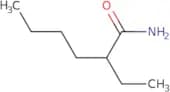
CAS:2-Ethylhexanamide is a fatty acid amide that is metabolized by the liver. It has been shown to have antiepileptic activity in animal models, and can be used as a substitute for phenytoin. 2-Ethylhexanamide is also metabolized to form an amide with chloride ions, which may be responsible for its anti-epileptic effects. The pharmacokinetics of 2-ethylhexanamide are well understood in animals and humans, where it is eliminated unchanged in the urine. This drug also has functional groups that allow it to react with other compounds and undergo biotransformation reactions.
Formula:C8H17NOPurity:Min. 95%Molecular weight:143.23 g/mol3-(Propan-2-yl)pentanedioic acid
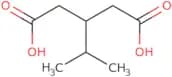
CAS:3-(Propan-2-yl)pentanedioic acid is an oxidation product of α-pinene, β-caryophyllene, and isoprene. It has been used as a tracer in gas chromatography/mass spectrometry to identify the sources of carboxylic acids in tobacco smoke. The compound has also been used as an analytical standard for carboxylic acids and lactones. 3-(Propan-2-yl)pentanedioic acid is found in high concentrations in aerosols from e-cigarettes, which have been shown to contain other compounds that may be harmful to health.
Formula:C8H14O4Purity:Min. 95%Molecular weight:174.19 g/mol2-(2-Methylpropyl)phenol
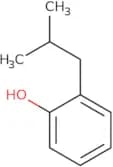
CAS:2-(2-Methylpropyl)phenol is a hydroxylated aromatic compound. It is used as a solvent in the production of hydroxybenzoic acid, which is an intermediate in the synthesis of biofuels. 2-(2-Methylpropyl)phenol has been shown to be an effective water treatment agent at low concentrations. This chemical also has optical properties that can be exploited for liquid crystal compositions and in the development of new materials with improved optical properties. 2-(2-Methylpropyl)phenol contains two phenyl groups, which can undergo substitution reactions with chloride or hydrogen chloride. The resulting products are alicyclic compounds.Formula:C10H14OPurity:Min. 95%Molecular weight:150.22 g/mol1-(1,2,3,4-Tetrahydroquinolin-1-yl)ethan-1-one
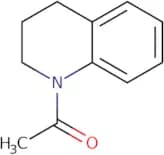
CAS:1-(1,2,3,4-Tetrahydroquinolin-1-yl)ethan-1-one is a hdac inhibitor that binds to the enzyme histone deacetylase (hdac). It has been used to study Alzheimer's disease and other neurodegenerative diseases. This drug is an amide with a carbonyl group. It is also a biphenyl molecule that can be prepared by reacting phosphorus pentoxide with biphenyl. 1-(1,2,3,4-Tetrahydroquinolin-1-yl)ethan-1-one has shown inhibitory effects on metal hydroxides such as calcium hydroxide and magnesium hydroxide. 1-(1,2,3,4-Tetrahydroquinolin-1-yl)ethan-1-one also inhibits the formation of hydrochloric acid from hydrogen chloride and sodium hydroxide. The aromatic hydro
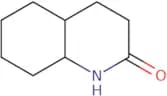
Formula:C11H13NOPurity:Min. 95%Molecular weight:175.23 g/molDecahydroquinolin-2-one
CAS:Decahydroquinolin-2-one is an estrogen receptor modulator that has a stereoselective binding to the ligand binding domain of the estrogen receptor. It binds to the hydroxyl group on the A ring and forms hydrogen bonds with residues in the ligand binding domain, which are important for the activation of estrogen receptors. Decahydroquinolin-2-one has been shown to have anti-depressant properties, which may be due to its ability to inhibit dopamine reuptake and increase dopamine levels in the brain. The chlorination of decahydroquinolin-2-one at position 2 may contribute to its stability against oxidation.Formula:C9H15NOPurity:Min. 95%Color and Shape:PowderMolecular weight:153.22 g/mol5,5-Dimethoxypentan-1-amine
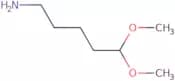
CAS:Versatile small molecule scaffold
Formula:C7H17NO2Purity:Min. 95%Molecular weight:147.22 g/mol5-Phenyl-2,3,4,5-tetrahydro-1H-1,4-benzodiazepin-2-one
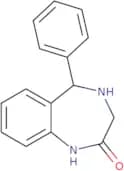
CAS:Controlled Product5-Phenyl-2,3,4,5-tetrahydro-1H-1,4-benzodiazepin-2-one is an optically active compound that is used in the synthesis of other drugs. It can be synthesized by reacting carbamoyl chloride with hydrogen and hydroxide. This compound has a nitro group at position 5 and a trifluoromethyl group at position 2. The asymmetry of this molecule is due to the c1-6 alkyl group on the left and the c1-4 alkyl group on the right.Formula:C15H14N2OPurity:Min. 95%Molecular weight:238.28 g/mol


![Spiro[4.5]decan-8-one](/_next/image/?url=https%3A%2Fstatic.cymitquimica.com%2Fproducts%2F3D%2Fthumb-webp%2FEAA02735.webp&w=3840&q=75)
![N-{4-[(3-Chloroquinoxalin-2-yl)sulfamoyl]phenyl}acetamide](/_next/image/?url=https%3A%2Fstatic.cymitquimica.com%2Fproducts%2F3D%2Fthumb-webp%2FEAA02942.webp&w=3840&q=75)
![Bicyclo[2.2.1]heptan-2-ylmethanamine hydrochloride](/_next/image/?url=https%3A%2Fstatic.cymitquimica.com%2Fproducts%2F3D%2Fthumb-webp%2FEAA04059.webp&w=3840&q=75)
![1-[4-(Propan-2-ylsulfanyl)phenyl]ethan-1-one](/_next/image/?url=https%3A%2Fstatic.cymitquimica.com%2Fproducts%2F3D%2Fthumb-webp%2FEAA07453.webp&w=3840&q=75)
![1-[4-(tert-Butoxy)phenyl]ethan-1-one](/_next/image/?url=https%3A%2Fstatic.cymitquimica.com%2Fproducts%2F3D%2Fthumb-webp%2FEAA07463.webp&w=3840&q=75)
![1-Thia-4-azaspiro[5.5]undecane](/_next/image/?url=https%3A%2Fstatic.cymitquimica.com%2Fproducts%2F3D%2Fthumb-webp%2FEAA08356.webp&w=3840&q=75)
![6,7,8,9-Tetrahydro-5H-benzo[7]annulene-1-carboxylic acid](/_next/image/?url=https%3A%2Fstatic.cymitquimica.com%2Fproducts%2F3D%2Fthumb-webp%2FEAA08743.webp&w=3840&q=75)

![5H-Pyrrolo[2,3-b]pyrazine-7-carbaldehyde](/_next/image/?url=https%3A%2Fstatic.cymitquimica.com%2Fproducts%2F3D%2Fthumb-webp%2FEAA12122.webp&w=3840&q=75)
![2-Amino-3-{5H-pyrrolo[2,3-b]pyrazin-7-yl}propanoic acid](/_next/image/?url=https%3A%2Fstatic.cymitquimica.com%2Fproducts%2F3D%2Fthumb-webp%2FEAA12129.webp&w=3840&q=75)
![3-methyl-3-azabicyclo[3.2.1]octan-8-one](/_next/image/?url=https%3A%2Fstatic.cymitquimica.com%2Fproducts%2F3D%2Fthumb-webp%2FEAA14634.webp&w=3840&q=75)


![3-[3-(3-Hydroxypropoxy)propoxy]propan-1-ol](/_next/image/?url=https%3A%2Fstatic.cymitquimica.com%2Fproducts%2F3D%2Fthumb-webp%2FEAA16132.webp&w=3840&q=75)
![1-Phenyl-2-[(propan-2-yl)amino]ethan-1-ol](/_next/image/?url=https%3A%2Fstatic.cymitquimica.com%2Fproducts%2F3D%2Fthumb-webp%2FEAA16421.webp&w=3840&q=75)