Building Blocks
Subcategories of "Building Blocks"
- Boronic Acids & Boronic Acid Derivatives(5,805 products)
- Chiral Building Blocks(1,248 products)
- Hydrocarbon Building Blocks(6,118 products)
- Organic Building Blocks(61,447 products)
Found 208423 products of "Building Blocks"
2-(2-Hydrazinylethyl)pyridine dihydrochloride
CAS:Versatile small molecule scaffold
Formula:C7H13Cl2N3Purity:Min. 95%Molecular weight:210.1 g/mol5-(4-Chlorophenyl)pyrimidine-2,4-diamine
CAS:Versatile small molecule scaffoldFormula:C10H9ClN4Purity:Min. 95%Molecular weight:220.66 g/mol4-(Phenylamino)benzoic acid
CAS:4-(Phenylamino)benzoic acid (4-PABA) is a nonsteroidal anti-inflammatory drug that blocks the production of prostaglandins. It has been shown to inhibit the activity of intramolecular hydrogen, which is responsible for the formation of hydrochloric acid in the stomach. 4-PABA also binds to carboxylate and fatty acids in the body, which may account for its ability to treat chronic bronchitis. 4-(Phenylamino)benzoic acid has an apoptotic effect on cancer cells, leading to cell death by irreversible inhibition of DNA synthesis. This natural compound also binds to receptors and inhibits tryptophan fluorescence.
Formula:C13H11NO2Purity:Min. 95%Molecular weight:213.23 g/mol1,1-Dimethyl-3-oxo-1,3-dihydro-2-benzofuran-5-sulfonamide
CAS:Versatile small molecule scaffoldFormula:C10H11NO4SPurity:Min. 95%Molecular weight:241.27 g/mol1-Nitro-4-(2-propynyloxy)benzene
CAS:1-Nitro-4-(2-propynyloxy)benzene is a nitro compound that has been shown to be an effective antibacterial agent against both Gram-positive and Gram-negative bacteria. It is bimodal, with two peaks of antibacterial activity, one at low molecular weight (less than 1000 Da) and the other at higher molecular weight (greater than 1000 Da). This compound is polymerized in the presence of a catalyst such as zinc chloride, which may contribute to its antibacterial activity. Copolymerization with subtilisin increases this activity. 1-Nitro-4-(2-propynyloxy)benzene also has low toxicity for mammalian cells, including human cells. This agent inhibits growth of fungi such as Candida albicans and Aspergillus niger. 1-Nitro-4-(2-propynyloxy)benzene has been shown to inhibit bacterial DNA synthesis by binding to specificFormula:C9H7NO3Purity:Min. 95%Molecular weight:177.16 g/mol1-Chloro-2-(prop-2-yn-1-yloxy)benzene
CAS:Versatile small molecule scaffold
Formula:C9H7ClOPurity:Min. 95%Molecular weight:166.6 g/mol1,2-Dihydroacenaphthylene-5-sulfonyl chloride
CAS:Versatile small molecule scaffoldFormula:C12H9ClO2SPurity:Min. 95%Molecular weight:252.72 g/mol1-Benzofuran-2-sulfonyl chloride
CAS:1-Benzofuran-2-sulfonyl chloride is a sulfinate that has efficient bond formation with nucleophiles. It is an important synthetic intermediate in organic chemistry, especially in the synthesis of heterocycles or peptides. The chemical reactions catalyzed by this compound include sulfonation, esterification, and substitution. This compound is used as a reagent to form bonds between two groups and also as a catalyst for organic reactions.
Formula:C8H5ClO3SPurity:Min. 95%Molecular weight:216.64 g/mol5-Ethyl-2-methyl-aniline
CAS:5-Ethyl-2-methyl-aniline is a chiral, hydrogenating agent that can be used in the production of amines. It is stereoselective and can be used to produce enantiopure amines. 5-Ethyl-2-methyl-aniline is also useful for the alkylation of nitro groups, which can lead to the synthesis of pharmaceuticals or pesticides. The mechanistic studies on this compound have been conducted using nitrosation reactions, which have been shown to be mediated by a catalyst such as copper or nickel. 5-Ethyl-2-methyl-aniline has also been shown to act as an advanced method for the production of carbonyl groups. This process can be used to synthesize carbonyl compounds such as acetaldehyde and formaldehyde.Formula:C9H13NPurity:Min. 95%Molecular weight:135.21 g/mol3-(4-Sulfamoylphenoxy)propanoic acid
CAS:Versatile small molecule scaffold
Formula:C9H11NO5SPurity:Min. 95%Molecular weight:245.25 g/mol1-(3-Amino-4-methylphenyl)ethanone
CAS:Versatile small molecule scaffold
Formula:C9H13BO3Purity:Min. 95%Molecular weight:180.01 g/molEthyl 3-oxo-5-phenylpentanoate
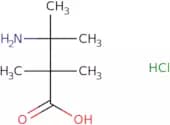
CAS:Versatile small molecule scaffoldFormula:C13H16O3Purity:Min. 95%Molecular weight:220.26 g/mol3-Amino-2,2,3-trimethylbutanoic acid hydrochloride
CAS:Versatile small molecule scaffoldFormula:C7H16ClNO2Purity:Min. 95%Molecular weight:181.66 g/mol4-(Methylsulfonyl)pyridine
CAS:4-(Methylsulfonyl)pyridine is a pyridine compound that is a receptor antagonist. It has neuropeptide activity, and it can be used in biological research. 4-(Methylsulfonyl)pyridine has been shown to have inhibitory activity on the release of acetylcholine from rat cerebral cortex slices, as well as on the release of norepinephrine from rat brain synaptosomes. The inhibition was reversible and the potency was similar to that of atropine and scopolamine. 4-(Methylsulfonyl)pyridine also inhibited the binding of [3H]quinuclidinyl benzilate (QNB) to muscarinic receptors in rat ileum membranes with an IC50 value of 1 microM.
Formula:C6H7NO2SPurity:Min. 95%Molecular weight:157.19 g/mol4-(4-Nitrophenoxy)benzonitrile
CAS:Versatile small molecule scaffoldFormula:C13H8N2O3Purity:Min. 95%Molecular weight:240.21 g/mol4-(4-Aminophenoxy)benzonitrile
CAS:4-(4-Aminophenoxy)benzonitrile is a cell death inhibitor that inhibits the activity of kinases by binding to ATP. It has been shown to inhibit the transcription factor FOXO1, which regulates the expression of genes involved in apoptosis and cell growth. 4-(4-Aminophenoxy)benzonitrile has been shown to inhibit human cancer cells, including those with mutated p53 and Rb proteins. This drug also modulates other drugs, such as sorafenib, which is an inhibitor of angiogenesis.Formula:C13H10N2OPurity:Min. 95%Molecular weight:210.23 g/mol1-(Propylthio)propan-2-one
CAS:Versatile small molecule scaffold
Formula:C6H12OSPurity:Min. 95%Molecular weight:132.23 g/molTetrakis(dimethylsilyloxy)silane
CAS:Tetrakis(dimethylsilyloxy)silane is a reactive molecule that is used in surface science as a monomer. It has been shown to be an effective catalyst for ring-opening polymerization of phenyl groups and other functional groups, with the production of polymers with high molecular weight. Tetrakis(dimethylsilyloxy)silane has also been shown to have chemical stability and good surface properties. This molecule is used for detection sensitivity in electrochemical impedance spectroscopy, which allows it to be used as a probe molecule. It can also be used for microscopy techniques such as electron microscopy and scanning electron microscopy. Tetrakis(dimethylsilyloxy)silane does not react with acids or bases, so it can be used for equilibration reactions and gel permeation chromatography.Formula:C8H28O4Si5Purity:Min. 95%Molecular weight:328.73 g/mol2-(2-Fluoro-phenoxy)-propionic acid
CAS:Versatile small molecule scaffoldFormula:C9H9FO3Purity:Min. 95%Molecular weight:184.16 g/molN-(2-Methylphenyl)prop-2-enamide
CAS:Versatile small molecule scaffoldFormula:C10H11NOPurity:Min. 95%Molecular weight:161.2 g/mol3-(Prop-2-enamido)benzoic acid
CAS:Versatile small molecule scaffold
Formula:C10H9NO3Purity:Min. 95%Molecular weight:191.18 g/molMethyl 2-methyl-3-oxobutanoate
CAS:Methyl 2-methyl-3-oxobutanoate (MMOB) is a chemical compound that is the ester of methyl butanoate and methanol. MMOB can be prepared by allylation of molybdenum, forming a Grignard reagent. This reaction produces an enolate, which reacts with the diastereomer to form the product. The stereochemical sequence for this reaction is anti. The optical rotation for MMOB can be either dextrorotatory or levorotatory, depending on the configuration of the product's chiral center. Methyl 2-methyl-3-oxobutanoate has been used as an attractant in insect studies and as a precursor to nonactin, a herbicide that inhibits plant growth by interfering with photosynthesis.Formula:C6H10O3Purity:Min. 95%Molecular weight:130.14 g/mol2-Trifluoromethanesulfonylaniline
CAS:Versatile small molecule scaffoldFormula:C7H6F3NO2SPurity:Min. 95%Molecular weight:225.19 g/mol3-Ethoxy-3-oxo-2-phenylpropanoic acid
CAS:3-Ethoxy-3-oxo-2-phenylpropanoic acid is a ligand that has been used to study the protonation of acidic molecules. It binds to an anion and forms a cyclic structure. 3-Ethoxy-3-oxo-2-phenylpropanoic acid is metabolized by the liver, and excreted in urine. The reaction mechanism for 3-ethoxy-3-oxo-2-phenylpropanoic acid is currently unknown, but it may be similar to that of atropine or other quaternary ammonium salts.Formula:C11H12O4Purity:Min. 95%Molecular weight:208.21 g/mol(4-Bromo-2,6-dimethylphenyl)methanol
CAS:Versatile small molecule scaffold
Formula:C9H11BrOPurity:Min. 95%Molecular weight:215.09 g/molMethyl (2S)-2-[(furan-2-yl)formamido]propanoate
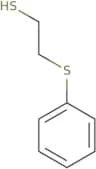
CAS:Versatile small molecule scaffoldFormula:C9H11NO4Purity:Min. 95%Molecular weight:197.19 g/mol2-(Phenylsulfanyl)ethane-1-thiol
CAS:Versatile small molecule scaffoldFormula:C8H10S2Purity:Min. 95%Molecular weight:170.3 g/mol5-Hydroxy-2-methyl-naphtho[1,2-b]furan-3-carboxylic acid
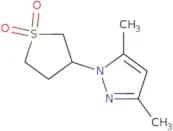
CAS:Versatile small molecule scaffoldFormula:C14H10O4Purity:Min. 95%Molecular weight:242.23 g/mol3-(3,5-Dimethyl-1H-pyrazol-1-yl)tetrahydro-1H-thiophene-1,1-dione
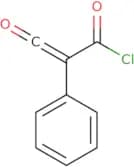
CAS:Versatile small molecule scaffoldFormula:C9H14N2O2SPurity:Min. 95%Molecular weight:214.29 g/mol3-Oxo-2-phenylprop-2-enoyl chloride
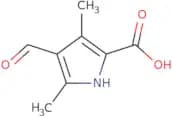
CAS:The molecule 3-oxo-2-phenylprop-2-enoyl chloride is a diazirine, which is an organic compound that consists of two fused rings. It has two possible isomers, the cis and trans forms. The cis form has a molecular ion with a m/z of 170 while the trans form has a molecular ion with a m/z of 172. These molecules are synthesized by reacting phenyl groups with magnesium oxide in dimethyl acetylenedicarboxylate. The cis form can be synthesized using UV irradiation while the trans form cannot.Formula:C9H5ClO2Purity:Min. 95%Molecular weight:180.59 g/mol4-Formyl-3,5-dimethyl-1H-pyrrole-2-carboxylic acid
CAS:Versatile small molecule scaffoldFormula:C8H9NO3Purity:Min. 95%Molecular weight:167.16 g/mol4-{[(2E)-2-(Hydroxyimino)ethanoyl]amino}benzoic acid
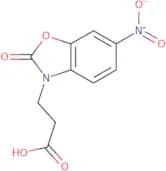
CAS:Versatile small molecule scaffoldFormula:C9H8N2O4Purity:Min. 95%Molecular weight:208.17 g/mol3-(6-Nitro-2-oxo-2,3-dihydro-1,3-benzoxazol-3-yl)propanoic acid
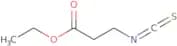
CAS:Versatile small molecule scaffoldFormula:C10H8N2O6Purity:Min. 95%Molecular weight:252.18 g/molEthyl 3-isothiocyanatopropionate
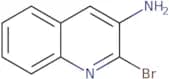
CAS:The chemical structure of ethyl 3-isothiocyanatopropionate is cyclic, linear, pentapeptide, proteolytically, deacylation, chain, residue, peptidic. It is metabolically a non-competitive inhibitor of the enzyme histone deacetylase and an inhibitor of the enzymes that catalyze the formation of protein crosslinks. Ethyl 3-isothiocyanatopropionate is stable in human plasma and has permeable properties. It inhibits the activity of histone deacetylases at high concentrations by binding to a hydrophobic pocket on their surface. Ethyl 3-isothiocyanatopropionate is not metabolized but can be cleaved from its target by proteases or acid treatment.Formula:C6H9NO2SPurity:Min. 95%Molecular weight:159.2 g/mol2-Bromoquinolin-3-amine
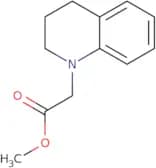
CAS:2-Bromoquinolin-3-amine is a quinazoline alkaloid that has been modified to produce synthetic analogs. It was first synthesized in 1957 by chemical modification of the natural product quinazoline, and is used as a lead compound for the synthesis of other compounds. 2-Bromoquinolin-3-amine has shown biological activity, such as inhibition of protein synthesis in bacteria and fungi, and inhibition of DNA synthesis in human cells. It also has some antimalarial properties.Formula:C9H7BrN2Purity:Min. 95%Molecular weight:223.07 g/molMethyl 2-(3,4-dihydroquinolin-1(2H)-yl)acetate
CAS:Versatile small molecule scaffoldFormula:C12H15NO2Purity:Min. 95%Molecular weight:205.25 g/mol3-(Nitromethyl)-1λ⁶-thiolane-1,1-dione
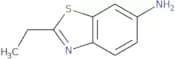
CAS:Versatile small molecule scaffoldFormula:C5H9NO4SPurity:Min. 95%Molecular weight:179.2 g/mol2-Ethyl-6-benzothiazolamine
CAS:2-Ethyl-6-benzothiazolamine is a quaternary ammonium salt that is synthesized from 2-ethyl-6-nitrobenzothiazole by reaction with methyl methacrylate. It has a number of photochromic properties, including the ability to undergo reversible color changes in response to light irradiation. This compound can be used to synthesize methacrylic chloride copolymers, which are used in the manufacture of paints and coatings. 2-Ethyl-6-benzothiazolamine has been shown to have nitro and chloride functionalities, which may make it useful as an explosive ingredient.
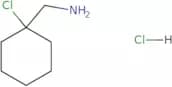
Formula:C9H10N2SPurity:Min. 95%Molecular weight:178.25 g/mol(1-Chlorocyclohexyl)methanamine hydrochloride
CAS:Versatile small molecule scaffold
Formula:C7H15Cl2NPurity:Min. 95%Molecular weight:184.1 g/mol5,5-dimethyl-2-phenylmorpholine
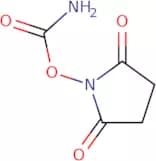
CAS:Controlled ProductVersatile small molecule scaffoldFormula:C12H17NOPurity:Min. 95%Molecular weight:191.26 g/mol2,5-Dioxopyrrolidin-1-yl carbamate
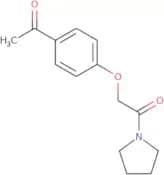
CAS:2,5-Dioxopyrrolidin-1-yl carbamate is a reactive, nucleophilic compound that is used to prepare amines. The pharmacokinetic properties of 2,5-dioxopyrrolidin-1-yl carbamate have been studied with the use of analytical methods such as basic proteins and activated carbon. This compound can be used as an inhibitor of enzymes in biological systems. It reacts with amino acids and other compounds containing nitrogen to form Schiff bases and imine derivatives. These reactions are reversible, so 2,5-dioxopyrrolidin-1-yl carbamate can be used to remove these groups from proteins. It has been shown that exposure to light will cause the decomposition of this compound.Formula:C5H6N2O4Purity:Min. 95%Molecular weight:158.11 g/mol2-(4-Acetylphenoxy)-1-(pyrrolidin-1-yl)ethan-1-one
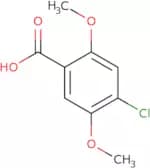
CAS:Versatile small molecule scaffoldFormula:C14H17NO3Purity:Min. 95%Molecular weight:247.29 g/mol4-Chloro-2,5-dimethoxy-benzoic acid
CAS:Versatile small molecule scaffoldFormula:C9H9ClO4Purity:Min. 95%Molecular weight:216.62 g/mol3-Azatricyclo[7.3.1.0,5,13]trideca-5,7,9(13)-triene hydrochloride
CAS:Versatile small molecule scaffold
Formula:C12H16ClNPurity:Min. 95%Molecular weight:209.71 g/mol2-Azatricyclo[7.3.1.0,5,13]trideca-1(12),9(13),10-triene hydrochloride
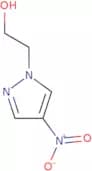
CAS:Versatile small molecule scaffoldFormula:C12H16ClNPurity:Min. 95%Molecular weight:209.71 g/mol2-(4-Nitro-pyrazol-1-yl)-ethanol
CAS:2-(4-Nitro-pyrazol-1-yl)-ethanol is a cyclic anion that has been shown to be damaging to DNA. It has been studied by the kinetic methods of anion exchange chromatography and solvent extraction. 2-(4-Nitro-pyrazol-1-yl)-ethanol was found to be a weak base, with a pKb value of 10.2. The compound reacts with glutathione to form 2-(4-nitro-pyrazol-1-yl)-ethanesulfonic acid, which is in equilibrium with the corresponding alcohol. This reaction can be measured by monitoring the changes in absorbance at 260 nm and 280 nm. The nitro group on 2-(4-nitro-pyrazol-1-yl)-ethanol shifts the potentials of methylene blue and methyl green toward more positive values, making them more sensitive to this type of damage.
Formula:C5H7N3O3Purity:Min. 95%Molecular weight:157.13 g/mol2-[(2-Hydroxy-2-phenylethyl)amino]propan-1-ol
CAS:Versatile small molecule scaffold
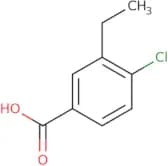
Formula:C11H17NO2Purity:Min. 95%Molecular weight:195.26 g/mol4-Chloro-3-ethylbenzoic acid
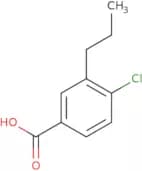
CAS:Versatile small molecule scaffoldFormula:C9H9ClO2Purity:Min. 95%Molecular weight:184.62 g/mol4-Chloro-3-propylbenzoic acid
CAS:Versatile small molecule scaffold
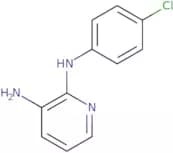
Formula:C10H11ClO2Purity:Min. 95%Molecular weight:198.64 g/mol2-N-(4-Chlorophenyl)pyridine-2,3-diamine
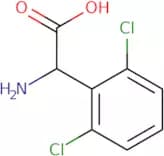
CAS:Versatile small molecule scaffoldFormula:C11H10ClN3Purity:Min. 95%Molecular weight:219.67 g/mol2-Amino-2-(2,6-dichlorophenyl)acetic acid
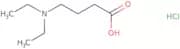
CAS:Versatile small molecule scaffoldFormula:C8H7Cl2NO2Purity:Min. 95%Molecular weight:220.05 g/mol4-(Diethylamino)butyric acid hydrochloride
CAS:4-(Diethylamino)butyric acid hydrochloride is a potent antimalarial drug that belongs to the group of benzothiopyrans. It has been shown to be an effective treatment for malaria. This compound is a phenolic compound, which contains a phenol group in its chemical structure. The esterification of 4-(diethylamino)butyric acid hydrochloride with water-soluble derivatives such as acetyl chloride or acetic anhydride yields water-soluble derivatives.Formula:C8H18ClNO2Purity:Min. 95%Molecular weight:195.69 g/molN-[(4-Methoxyphenyl)Methyl]Methanesulfonamide
CAS:Versatile small molecule scaffoldFormula:C9H13NO3SPurity:Min. 95%Molecular weight:215.27 g/mol4-[4-(Propan-2-yl)benzoyl]piperidine hydrochloride
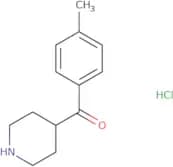
CAS:Versatile small molecule scaffoldFormula:C15H22ClNOPurity:Min. 95%Molecular weight:267.8 g/mol4-(4-Methylbenzoyl)piperidine hydrochloride
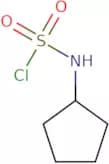
CAS:Versatile small molecule scaffoldFormula:C13H18ClNOPurity:Min. 95%Molecular weight:239.74 g/molN-Cyclopentylsulfamoyl chloride
CAS:N-Cyclopentylsulfamoyl chloride is a diuretic drug that is used in veterinary medicine. It has been shown to increase fertility in animals. N-Cyclopentylsulfamoyl chloride also has aliphatic, sulfamates, and sulfamoyl chloride properties.
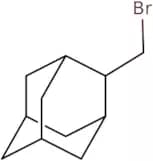
Formula:C5H10ClNO2SPurity:Min. 95%Molecular weight:183.66 g/mol2-(Bromomethyl)adamantane
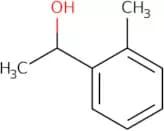
CAS:Versatile small molecule scaffoldFormula:C11H17BrPurity:Min. 95%Molecular weight:229.16 g/mol(1R)-1-(2-Methylphenyl)ethan-1-ol
CAS:Versatile small molecule scaffold
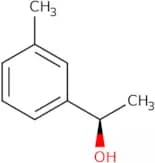
Formula:C9H12OPurity:Min. 95%Molecular weight:136.19 g/mol(1R)-1-(3-methylphenyl)ethanol
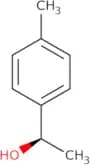
CAS:Versatile small molecule scaffoldFormula:C9H12OPurity:Min. 95%Molecular weight:136.19 g/mol(R)-1-(p-tolyl)ethan-1-ol
CAS:(R)-1-(p-tolyl)ethan-1-ol is a chiral alcohol that can be synthesized through the reduction of p-chlorobenzaldehyde with sodium borohydride. It has been shown to have an inhibitory effect on bacterial growth, but not mammalian cells. The hydroxyl group on the (R)-1-(p-tolyl)ethan-1-ol molecule interacts with the cell membrane, which increases its permeability and thus allows for a greater substrate concentration. This reaction is stereoselective, so only one enantiomer will react with the enzyme. Preparative methods are employed to separate this compound from other enantiomers and purify it for use in biological experiments.
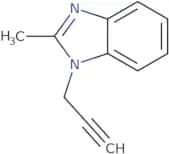
Formula:C9H12OPurity:Min. 95%Molecular weight:136.19 g/mol2-Methyl-1-(prop-2-yn-1-yl)-1H-1,3-benzodiazole
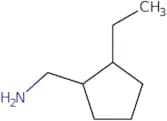
CAS:Versatile small molecule scaffoldFormula:C11H10N2Purity:Min. 95%Molecular weight:170.21 g/mol(2-Ethylcyclopentyl)methanamine
CAS:Versatile small molecule scaffold
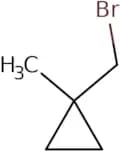
Formula:C8H17NPurity:Min. 95%Molecular weight:127.2 g/mol1-(Bromomethyl)-1-methylcyclopropane
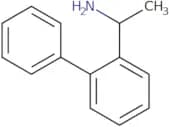
CAS:Versatile small molecule scaffoldFormula:C5H9BrPurity:Min. 95%Molecular weight:149.03 g/mol1-(2-Phenylphenyl)ethan-1-amine
CAS:Versatile small molecule scaffold
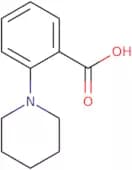
Formula:C14H15NPurity:Min. 95%Molecular weight:197.27 g/mol2-(1-Piperidinyl)benzoic acid
CAS:2-(1-Piperidinyl)benzoic acid is an intramolecular, terminal oxidant. It activates a variety of bonds including C–H, C–X, N–H, and O–H bonds. This compound is also an efficient oxidant with high reactivity and selectivity. 2-(1-Piperidinyl)benzoic acid has been shown to be an aerobic oxidant that can activate a variety of bonds with high efficiency. In addition, this molecule has shown the ability to efficiently convert alcohols and esters into carbonyl compounds under dehydrogenative conditions.
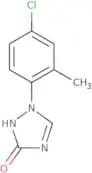
Formula:C12H15NO2Purity:Min. 95%Molecular weight:205.26 g/mol1-(4-Chloro-2-methylphenyl)-2,3-dihydro-1H-1,2,4-triazol-3-one
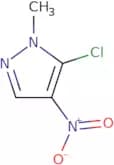
CAS:Versatile small molecule scaffoldFormula:C9H8ClN3OPurity:Min. 95%Molecular weight:209.63 g/mol5-Chloro-1-methyl-4-nitro-1H-pyrazole
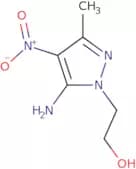
CAS:5-Chloro-1-methyl-4-nitro-1H-pyrazole is a nucleophilic substitutive agent that is used in the synthesis of 7-deazapurines. 5-Chloro-1-methyl-4-nitro-1H-pyrazole is synthesized through a cross coupling reaction between an aldehyde and an azide. It has been shown to inhibit hepatitis C virus replication by interfering with the viral life cycle. It also inhibits the proliferation of cancer cells, which may be due to its ability to inhibit the production of certain proteins such as p21 and cyclin A.Formula:C4H4ClN3O2Purity:Min. 95%Molecular weight:161.55 g/mol2-(5-Amino-3-methyl-4-nitro-1H-pyrazol-1-yl)ethan-1-ol
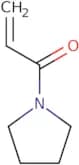
CAS:Versatile small molecule scaffoldFormula:C6H10N4O3Purity:Min. 95%Molecular weight:186.17 g/mol1-(Pyrrolidin-1-yl)prop-2-en-1-one
CAS:1-(Pyrrolidin-1-yl)prop-2-en-1-one is a monomeric, hydrating, and inhibiting molecule. It has been shown to inhibit the homopolymerization of polydimethylsiloxane (PDMS) by competing with the PDMS for the active site on the enzyme DNA polymerase. 1-(Pyrrolidin-1-yl)prop-2-en-1-one also inhibits copolymerization of PDMS with methyl methacrylate (MMA). The inhibition constant for this molecule is 4.56 × 10 M, which corresponds to a half maximal inhibitory concentration of 2.14 × 10 M. The kinetic constants for 1-(pyrrolidin-1-yl)prop-2-en-1 one are k = 0.063/min and k = 0.0016/min, respectively.
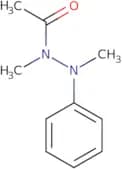
Formula:C7H11NOPurity:Min. 95%Molecular weight:125.17 g/molN,N'-Dimethyl-N'-phenylacetohydrazide
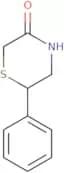
CAS:Versatile small molecule scaffoldFormula:C10H14N2OPurity:Min. 95%Molecular weight:178.23 g/mol6-Phenylthiomorpholin-3-one
CAS:Versatile small molecule scaffold
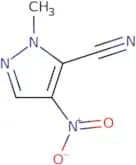
Formula:C10H11NOSPurity:Min. 95%Molecular weight:193.27 g/mol1-Methyl-4-nitro-1H-pyrazole-5-carbonitrile
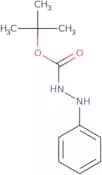
CAS:Versatile small molecule scaffoldFormula:C5H4N4O2Purity:Min. 95%Molecular weight:152.11 g/mol1-Boc-2-phenylhydrazine
CAS:1-Boc-2-phenylhydrazine is an organic compound that belongs to the group of azides. It is used as a reagent for the synthesis of biochemicals and pharmaceuticals. The yield of 1-Boc-2-phenylhydrazine can be increased by diluting it with tetrahydrofuran or diethylether, which are solvents that dissolve both hydrazines and amines. The reaction temperature must be controlled in order to avoid the formation of unsymmetrical azides, such as 2,4,6-trinitrophenylhydrazine. If the reaction temperature exceeds 60° C, then phenylhydrazine will be consumed and not produce 1-Boc-2-phenylhydrazine.Formula:C11H16N2O2Purity:Min. 95%Molecular weight:208.26 g/moltert-Butyl N-benzylcarbamate
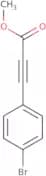
CAS:Tert-Butyl N-benzylcarbamate is a synthetic compound that is being developed for the treatment of cancer. It is an analog of carmustine, a drug used for the treatment of brain tumors, and has been shown to be effective against cell lines in vitro. Tert-Butyl N-benzylcarbamate binds to DNA and inhibits protein synthesis, leading to cancer cell death. The drug also inhibits the growth of cancer cells by inhibiting chloride channels and blocking the influx of hydrogen chloride into cells. Tert-Butyl N-benzylcarbamate has not been tested in humans yet, but it has shown promising results in animal models.Formula:C12H17NO2Purity:Min. 95%Molecular weight:207.27 g/molMethyl 3-(4-bromophenyl)prop-2-ynoate
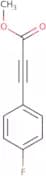
CAS:Versatile small molecule scaffoldFormula:C10H7BrO2Purity:Min. 95%Molecular weight:239.06 g/molMethyl 3-(4-fluorophenyl)prop-2-ynoate
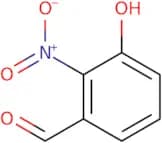
CAS:Methyl 3-(4-fluorophenyl)prop-2-ynoate is an organic compound with the formula CHFO. It is a colorless liquid that is soluble in most organic solvents. Methyl 3-(4-fluorophenyl)prop-2-ynoate has been synthesized and characterized by x-ray crystallography. The compound belongs to the class of esters, which are typically derived from carboxylic acids and alcohols. This ester has a β-unsaturated carbonyl group, which allows for its reactivity with other organic compounds. Methyl 3-(4-fluorophenyl)prop-2-ynoate has been shown to react with primary amides to form isoquinoline amides in nature. The anion of methyl 3-(4-fluorophenyl)prop -2-ynoate is nitrile, which can be detected by XRD.Formula:C10H7FO2Purity:Min. 95%Molecular weight:178.16 g/mol3-Hydroxy-2-nitrobenzaldehyde
CAS:3-Hydroxy-2-nitrobenzaldehyde (3HNB) is a potent inhibitor of glucose uptake. This compound inhibits the activity of glucose transporter 2 (GLUT2), which is responsible for transporting glucose across the cell membrane into the cell. In addition, 3HNB has been shown to inhibit the activity of other glucose transporters and enzymes involved in glycolysis and gluconeogenesis, leading to reduced rates of glucose production and increased rates of glucose consumption. The hypoglycemic effect of 3HNB is due to its inhibition of key enzymes involved in carbohydrate metabolism, as well as its ability to block GLUT2 from transporting glucose into cells. It has also been shown that 3HNB can cause weight loss by decreasing appetite and increasing energy expenditure in mice fed high fat diets.
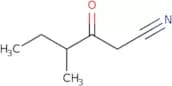
Formula:C7H5NO4Purity:Min. 95%Molecular weight:167.12 g/mol4-Methyl-3-oxohexanenitrile
CAS:Versatile small molecule scaffold
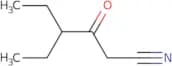
Formula:C7H11NOPurity:Min. 95%Molecular weight:125.17 g/mol4-Ethyl-3-oxohexanenitrile
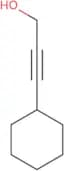
CAS:Versatile small molecule scaffoldFormula:C8H13NOPurity:Min. 95%Molecular weight:139.19 g/mol3-Cyclohexylprop-2-yn-1-ol
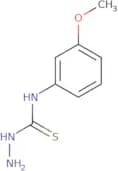
CAS:3-Cyclohexylprop-2-yn-1-ol is a carboxylic acid that has been used as an intermediate for the preparation of esters and heterocycles. It reacts with sulfoxide to give amylene and with sulfide to give heterocycles. 3-Cyclohexylprop-2-yn-1-ol can be prepared by reacting propargyl alcohol with cyclohexene oxide in the presence of a base.Formula:C9H14OPurity:Min. 95%Molecular weight:138.21 g/mol3-Amino-1-(3-methoxyphenyl)thiourea
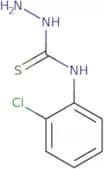
CAS:Versatile small molecule scaffoldFormula:C8H11N3OSPurity:Min. 95%Molecular weight:197.26 g/mol3-amino-1-(2-chlorophenyl)thiourea
CAS:3-Amino-1-(2-chlorophenyl)thiourea is a hematological agent that has no effect on serum albumin or human serum transferrin. It has an affinity for the residue of lysine and arginine and can be used in the titration of these amino acids. 3-Amino-1-(2-chlorophenyl)thiourea also has a conformational property, which is responsible for its fluorescence. 3-Amino-1-(2-chlorophenyl)thiourea has been shown to have a constant molecular weight of 514.Formula:C7H8ClN3SPurity:Min. 95%Molecular weight:201.67 g/mol4-(3-Chlorophenyl)-3-thiosemicarbazide
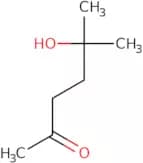
CAS:4-(3-Chlorophenyl)-3-thiosemicarbazide is a hydrazone that has been shown to have antibacterial and anticancer activities. This compound binds to DNA, which leads to the inhibition of bacterial growth and cancer cell proliferation. 4-(3-Chlorophenyl)-3-thiosemicarbazide has been shown to inhibit the growth of P. aeruginosa in vitro by binding to the DNA gyrase and topoisomerase IV enzymes, preventing them from maintaining the integrity of bacterial DNA. Molecular modeling studies have shown that this compound binds preferentially to human astrocytes rather than cancer cells. It is also an anhydrous potassium carbonate salt that is soluble in water, alcohols, ethers, and acetones.Formula:C7H8ClN3SPurity:Min. 95%Molecular weight:201.68 g/mol5-Hydroxy-5-methylhexan-2-one
CAS:Versatile small molecule scaffold
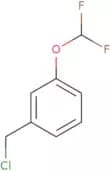
Formula:C7H14O2Purity:Min. 95%Molecular weight:130.18 g/mol1-(Chloromethyl)-3-(difluoromethoxy)benzene
CAS:Versatile small molecule scaffoldFormula:C8H7ClF2OPurity:Min. 95%Molecular weight:192.59 g/mol2-Chloroethyl Propyl Ether
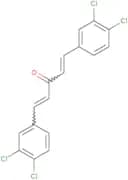
CAS:2-Chloroethyl propyl ether is a chlorinated hydrocarbon that is used in the production of propionate. It reacts with hydrochloric acid and propionic acid to form 2-chloroethyl propionate. 2-Chloroethyl propyl ether can also be used as a solvent and has been shown to work well in wastewater treatment. This chemical has an acidic reaction with chloride and has been shown to be effective at treating wastewater, although it has not been studied for its effects on bacterial strains.Formula:C5H11ClOPurity:Min. 95%Molecular weight:122.59 g/mol1,5-Bis(3,4-dichlorophenyl)penta-1,4-dien-3-one
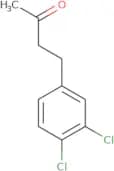
CAS:Versatile small molecule scaffoldFormula:C17H10Cl4OPurity:Min. 95%Molecular weight:372.1 g/mol4-(3,4-dichlorophenyl)butan-2-one
CAS:Versatile small molecule scaffold
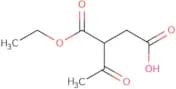
Formula:C10H10OCl2Purity:Min. 95%Molecular weight:217.09 g/mol3-(Ethoxycarbonyl)-4-oxopentanoic acid
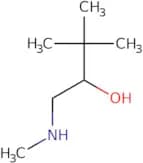
CAS:Versatile small molecule scaffoldFormula:C8H12O5Purity:Min. 95%Molecular weight:188.18 g/mol3,3-Dimethyl-1-(methylamino)butan-2-ol
CAS:Versatile small molecule scaffoldFormula:C7H17NOPurity:Min. 95%Molecular weight:131.2 g/molN-(1-Aminopropan-2-yl)aniline
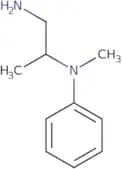
CAS:Versatile small molecule scaffoldFormula:C9H14N2Purity:Min. 95%Molecular weight:150.22 g/molN-(1-Aminopropan-2-yl)-N-methylaniline
CAS:Versatile small molecule scaffoldFormula:C10H16N2Purity:Min. 95%Molecular weight:164.25 g/mol2-hydroxy-2-(3-nitrophenyl)acetic acid
CAS:Versatile small molecule scaffoldFormula:C8H7NO5Purity:Min. 95%Molecular weight:197.1 g/molBicyclo[2.2.2]octan-2-amine hydrochloride
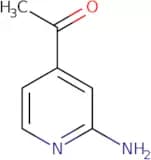
CAS:Versatile small molecule scaffoldFormula:C8H16ClNPurity:Min. 95%Molecular weight:161.67 g/mol1-(2-aminopyridin-4-yl)ethanone
CAS:Versatile small molecule scaffold
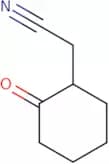
Formula:C7H8N2OPurity:Min. 95%Molecular weight:136.15 g/mol(2-Oxocyclohexyl)acetonitrile
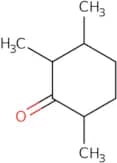
CAS:2-Oxocyclohexyl)acetonitrile is an indole that has been shown to catalyze the reaction of a metal compound and hydrogen. It also has been shown to inhibit the production of skatole, a toxic metabolite of tryptophan found in feces. 2-Oxocyclohexyl)acetonitrile binds to indoles through hydrogen bonding, which can be reduced by metal catalysts.Formula:C8H11NOPurity:Min. 95%Molecular weight:137.18 g/mol2,3,6-Trimethylcyclohexan-1-one
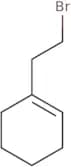
CAS:Versatile small molecule scaffoldFormula:C9H16OPurity:Min. 95%Molecular weight:140.22 g/mol1-(2-Bromoethyl)cyclohex-1-ene
CAS:Versatile small molecule scaffoldFormula:C8H13BrPurity:Min. 95%Molecular weight:189.09 g/mol1-Cyclopropylhex-5-en-1-one
CAS:Versatile small molecule scaffold
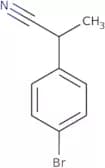
Formula:C9H14OPurity:Min. 95%Molecular weight:138.2 g/mol2-(4-Bromophenyl)propanenitrile
CAS:Versatile small molecule scaffoldFormula:C9H8BrNPurity:Min. 95%Molecular weight:210.07 g/mol





![Methyl (2S)-2-[(furan-2-yl)formamido]propanoate](/_next/image/?url=https%3A%2Fstatic.cymitquimica.com%2Fproducts%2F3D%2Fthumb-webp%2FSAA10727.webp&w=3840&q=75)
![5-Hydroxy-2-methyl-naphtho[1,2-b]furan-3-carboxylic acid](/_next/image/?url=https%3A%2Fstatic.cymitquimica.com%2Fproducts%2F3D%2Fthumb-webp%2FSAA11291.webp&w=3840&q=75)
![4-{[(2E)-2-(Hydroxyimino)ethanoyl]amino}benzoic acid](/_next/image/?url=https%3A%2Fstatic.cymitquimica.com%2Fproducts%2F3D%2Fthumb-webp%2FSAA12278.webp&w=3840&q=75)


![3-Azatricyclo[7.3.1.0,5,13]trideca-5,7,9(13)-triene hydrochloride](/_next/image/?url=https%3A%2Fstatic.cymitquimica.com%2Fproducts%2F3D%2Fthumb-webp%2FSBA02542.webp&w=3840&q=75)
![2-Azatricyclo[7.3.1.0,5,13]trideca-1(12),9(13),10-triene hydrochloride](/_next/image/?url=https%3A%2Fstatic.cymitquimica.com%2Fproducts%2F3D%2Fthumb-webp%2FSBA02545.webp&w=3840&q=75)
![2-[(2-Hydroxy-2-phenylethyl)amino]propan-1-ol](/_next/image/?url=https%3A%2Fstatic.cymitquimica.com%2Fproducts%2F3D%2Fthumb-webp%2FSBA04241.webp&w=3840&q=75)
![N-[(4-Methoxyphenyl)Methyl]Methanesulfonamide](/_next/image/?url=https%3A%2Fstatic.cymitquimica.com%2Fproducts%2F3D%2Fthumb-webp%2FSBA06031.webp&w=3840&q=75)
![4-[4-(Propan-2-yl)benzoyl]piperidine hydrochloride](/_next/image/?url=https%3A%2Fstatic.cymitquimica.com%2Fproducts%2F3D%2Fthumb-webp%2FSBA06082.webp&w=3840&q=75)



![Bicyclo[2.2.2]octan-2-amine hydrochloride](/_next/image/?url=https%3A%2Fstatic.cymitquimica.com%2Fproducts%2F3D%2Fthumb-webp%2FSBA16664.webp&w=3840&q=75)