


Building Blocks
Subcategories of "Building Blocks"
- Boronic Acids & Boronic Acid Derivatives(5,784 products)
- Chiral Building Blocks(1,244 products)
- Hydrocarbon Building Blocks(6,105 products)
- Organic Building Blocks(61,076 products)
Found 205454 products of "Building Blocks"
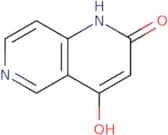
1,6-Naphthyridine-2,4-diol
CAS:1,6-Naphthyridine-2,4-diol is a trifluoromethyl carboxylic acid that is used in the synthesis of pharmaceuticals. The compound is a carboxylic acid type cation with an integer number of 2 and 4 carbon atoms. 1,6-Naphthyridine-2,4-diol is also known to produce symptoms such as sensitivity and prophylactically for allergy. !-- More -->Formula:C8H6N2O2Purity:Min. 95%Molecular weight:162.15 g/mol3-Cyclohexyl-1H-pyrazole
CAS:Versatile small molecule scaffoldFormula:C9H14N2Purity:Min. 95%Molecular weight:150.22 g/mol4-Bromo-3,5-diethyl-1H-pyrazole
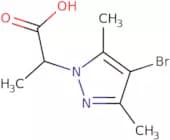
CAS:Versatile small molecule scaffoldFormula:C7H11BrN2Purity:Min. 95%Molecular weight:203.08 g/mol2-(4-Bromo-3,5-dimethyl-1H-pyrazol-1-yl)propanoic acid
CAS:Versatile small molecule scaffoldFormula:C8H11BrN2O2Purity:Min. 95%Molecular weight:247.09 g/mol6-(2-Aminoethoxy)-1,2,3,4-tetrahydroquinolin-2-one hydrochloride
CAS:Versatile small molecule scaffoldFormula:C11H15ClN2O2Purity:Min. 95%Molecular weight:242.7 g/mol4-[(5-Chloropyridin-2-yl)oxy]phenol
CAS:Versatile small molecule scaffold
Formula:C11H8ClNO2Purity:Min. 95%Molecular weight:221.64 g/mol1-Methylindoline-5-carbaldehyde
CAS:1-Methylindoline-5-carbaldehyde is a chemical compound that has been used in cellular biology to study the effects of membrane potential on conformational changes. It has also been used to measure anilines, which are compounds with a dihedral angle between their two substituents. The molecule fluoresces and can be detected using microscope and analytical chemistry techniques such as monitoring. 1-Methylindoline-5-carbaldehyde has been shown to have photophysical properties, where it can emit light when excited by a photon. This chemical compound can also be used in conformational analysis, due to its ability to change shape in response to physical or chemical stimuli.Formula:C10H11NOPurity:Min. 95%Molecular weight:161.2 g/molMethyl 4-amino-2-(methylthio)thiazole-5-carboxylate
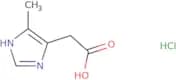
CAS:Versatile small molecule scaffoldFormula:C6H8N2O2S2Purity:Min. 95%Molecular weight:204.27 g/mol2-(5-Methyl-1H-imidazol-4-yl)acetic acid hydrochloride
CAS:Versatile small molecule scaffoldFormula:C6H9ClN2O2Purity:Min. 95%Molecular weight:176.6 g/mol2-(Benzylsulfanyl)propan-1-amine
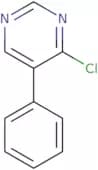
CAS:Versatile small molecule scaffoldFormula:C10H15NSPurity:Min. 95%Molecular weight:181.3 g/mol4-Chloro-5-phenylpyrimidine
CAS:4-Chloro-5-phenylpyrimidine is a copper(I) complex with the chemical formula [CuCl(PY)]. It is synthesized by reacting an equimolar mixture of 4-chloro-5-phenylpyrimidine and CuCl. The thermodynamic, kinetic, and stereochemical properties of this compound have been extensively studied. This compound belongs to the class of amidines and has been shown to interact with transition metals, such as copper. 4-Chloro-5-phenylpyrimidine can be used in organic synthesis reactions because it readily undergoes nucleophilic substitution reactions. The reaction between this compound and nucleophiles leads to the formation of stereoisomers that are chiral at the carbon atom in the pyrimidinone ring.
Formula:C10H7ClN2Purity:Min. 95%Molecular weight:190.63 g/mol3-Cyclopropyl-2-methylpropanoic acid
CAS:Versatile small molecule scaffoldFormula:C7H12O2Purity:Min. 95%Molecular weight:128.17 g/mol3-Cyclopropylbutanoic acid
CAS:3-Cyclopropylbutanoic acid is a natural substance that is extracted from the amanita mushroom. It has antibacterial and bactericidal effects, and can be used in the chemical synthesis of other chemicals. 3-Cyclopropylbutanoic acid's chemical synthesis method involves a four-step process: (i) converting cyclopropane to a mixture of cis and trans isomers, (ii) reacting the mixture with butanol in an esterification reaction, (iii) hydrolyzing the esterified product to produce butyric acid, and (iv) converting the butyric acid to 3-cyclopropylbutanoic acid by reacting it with phosphorus pentoxide.Formula:C7H12O2Purity:Min. 95%Molecular weight:128.17 g/mol5-(3,4-Dimethoxyphenyl)-1,3,4-oxadiazol-2-amine
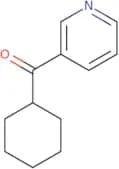
CAS:Versatile small molecule scaffoldFormula:C10H11N3O3Purity:Min. 95%Molecular weight:221.21 g/mol3-Cyclohexanecarbonylpyridine
CAS:3-Cyclohexanecarbonylpyridine is a triazole with a nitrogen atom in the ring. It has a pyridine and two substituents, one of which is positioned on the 3-position and the other on the 6-position. This compound has strong antifungal activity, as demonstrated by screening in vitro studies. 3-Cyclohexanecarbonylpyridine also had high activity against phytopathogenic fungi such as Fusarium oxysporum, Rhizoctonia solani, Botrytis cinerea, and Alternaria brassicae. The fungicidal activity of this compound may be due to its inhibitory effect on protein synthesis.
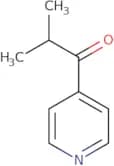
Formula:C12H15NOPurity:Min. 95%Molecular weight:189.25 g/mol2-Methyl-1-(pyridin-4-yl)propan-1-one
CAS:Versatile small molecule scaffoldFormula:C9H11NOPurity:Min. 95%Molecular weight:149.19 g/mol(5-Ethyl-1,2-oxazol-3-yl)methanol
CAS:Versatile small molecule scaffoldFormula:C6H9NO2Purity:Min. 95%Molecular weight:127.14 g/molSodium but-3-ene-1-sulfonate
CAS:Versatile small molecule scaffold
Formula:C4H7NaO3SPurity:Min. 95%Molecular weight:158.15 g/molSodium 2-amino-2-methylpropane-1-sulfonate
CAS:Versatile small molecule scaffold
Formula:C4H10NNaO3SPurity:Min. 95%Molecular weight:175.18 g/mol1-(Benzenesulfonyl)-3-bromopropan-2-one
CAS:Versatile small molecule scaffoldFormula:C9H9BrO3SPurity:Min. 95%Molecular weight:277.14 g/mol5-(2,4-Dichlorophenyl)-1,3,4-oxadiazol-2-amine
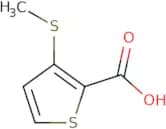
CAS:Versatile small molecule scaffoldFormula:C8H5Cl2N3OPurity:Min. 95%Molecular weight:230.05 g/mol3-(Methylsulfanyl)thiophene-2-carboxylic acid
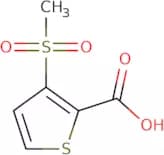
CAS:Versatile small molecule scaffoldFormula:C6H6O2S2Purity:Min. 95%Molecular weight:174.2 g/mol3-Methanesulfonylthiophene-2-carboxylic acid
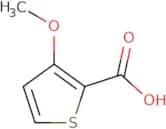
CAS:Versatile small molecule scaffoldFormula:C6H6O4S2Purity:Min. 95%Molecular weight:206.2 g/mol3-Methoxythiophene-2-carboxylic acid
CAS:3-Methoxythiophene-2-carboxylic acid is a monomer in the synthesis of polyamides. It is an n-terminal amino acid that is involved in the formation of peptide bonds. The methoxy group on this amino acid allows it to be selective for dna sequences, which are unsymmetrical and contain methoxy residues. 3-Methoxythiophene-2-carboxylic acid has been shown to selectively bind dna sequences with a chloro substituent at the 3' position and to have affinities for residue thiophene.Formula:C6H6O3SPurity:Min. 95%Molecular weight:158.18 g/mol5-Iodothiophene-2-carboxylic acid
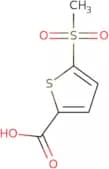
CAS:Versatile small molecule scaffoldFormula:C5H3IO2SPurity:Min. 95%Molecular weight:254.05 g/mol5-(Methylsulfonyl)-2-thiophenecarboxylic acid
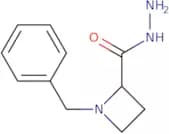
CAS:Versatile small molecule scaffoldFormula:C6H6O4S2Purity:Min. 95%Molecular weight:206.24 g/mol1-Benzyl-2-azetidinecarbohydrazide
CAS:Versatile small molecule scaffold
Formula:C11H15N3OPurity:Min. 95%Molecular weight:205.26 g/molmethyl 4-(benzylamino)butanoate hydrochloride
CAS:Versatile small molecule scaffoldFormula:C12H18ClNO2Purity:Min. 95%Molecular weight:243.7 g/mol3-[(3,4-Dimethoxyphenyl)sulfanyl]propanoic acid
CAS:Versatile small molecule scaffoldFormula:C11H14O4SPurity:Min. 95%Molecular weight:242.29 g/molEthyl pyrrolidine-2-carboxylate
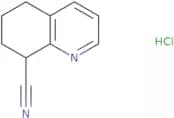
CAS:Ethyl pyrrolidine-2-carboxylate is a solid catalyst that is used in the industrial preparation of polyvinyl chloride and pharmaceutical drugs. It has shown anti-cancer properties and can be used to treat cancer. Ethyl pyrrolidine-2-carboxylate has also been shown to have an effect on the biological function of ns3 protease, an enzyme that is implicated in diabetes.Formula:C7H13NO2Purity:Min. 95%Molecular weight:143.18 g/mol5,6,7,8-Tetrahydroquinoline-8-carbonitrile hydrochloride
CAS:Versatile small molecule scaffoldFormula:C10H11ClN2Purity:Min. 95%Molecular weight:194.66 g/mol4(4-Aminophenyl)aminopyridine
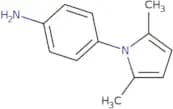
CAS:Versatile small molecule scaffoldFormula:C11H11N3Purity:Min. 95%Molecular weight:185.22 g/mol4-(2,5-Dimethyl-pyrrol-1-yl)-phenylamine
CAS:4-(2,5-Dimethyl-pyrrol-1-yl)-phenylamine is an organic compound that is used as a sensor for benzene. The sensitivity of the sensor can be increased by attaching substituents to the benzene ring. The frequency of the sensor can be measured by atomic force microscopy. The impedance of the sensor can be measured by long-term measurements on a resonant circuit, which also has linearity and hysteresis properties. This compound has high sensitivity and is a good candidate for use in sensors.Formula:C12H14N2Purity:Min. 95%Molecular weight:186.26 g/molEthyl 2-(tert-butylsulfanyl)acetate
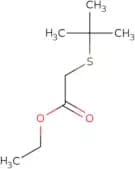
CAS:Versatile small molecule scaffoldFormula:C8H16O2SPurity:Min. 95%Molecular weight:176.28 g/molethyl 5-hydroxy-4-methyl-1H-pyrazole-3-carboxylate
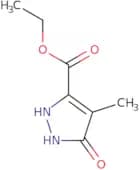
CAS:Versatile small molecule scaffoldFormula:C7H10N2O3Purity:Min. 95%Molecular weight:170.16 g/mol2-Amino-3-methylhexanoic acid
CAS:2-Amino-3-methylhexanoic acid is a synthetic amino acid analog of the branched-chain amino acids leucine, isoleucine, and valine. It was originally developed as a treatment for thrombosis, but has been found to have antiviral properties. 2-Amino-3-methylhexanoic acid inhibits the action of enzymes that catalyze reactions in the synthesis of polypeptides, such as proteases (thrombin inhibitors) and peptidases. 2-Amino-3-methylhexanoic acid also inhibits viruses by preventing their replication. It does this by hydrogen bonding interactions with the viral capsid and preventing access to the RNA genome or protein coat. The chemical reaction between 2-amino hexanoic acid and an acid solution produces carbon dioxide gas.
Formula:C7H15NO2Purity:Min. 95%Molecular weight:145.2 g/mol6-Hydroxypyridazine-3-carboxamide
CAS:6-Hydroxypyridazine-3-carboxamide is a potential anti-cancer drug that belongs to the class of allosteric modulators. It is a small molecule inhibitor of metabotropic glutamate receptor 4 (mGluR4). 6-Hydroxypyridazine-3-carboxamide has been shown to inhibit the proliferation and migration of cancer cells in vitro. In vivo studies have demonstrated that this drug can inhibit tumor growth and metastasis, decrease inflammation, and prolong survival time in mice bearing human lung cancer xenografts. 6-Hydroxypyridazine-3-carboxamide also inhibits c1–c4 alkyl esterases, which are responsible for the metabolism of many drugs.Formula:C5H5N3O2Purity:Min. 95%Molecular weight:139.11 g/molcarbomethoxyformamidine hcl
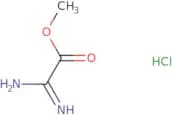
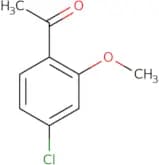
CAS:Versatile small molecule scaffoldFormula:C3H7ClN2O2Purity:Min. 95%Molecular weight:138.55 g/mol1-(4-Chloro-2-methoxyphenyl)ethan-1-one
CAS:Versatile small molecule scaffoldFormula:C9H9ClO2Purity:Min. 95%Molecular weight:184.62 g/molTrans-2-ethoxycyclopropanecarboxylic acid
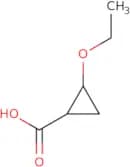
CAS:Trans-2-ethoxycyclopropanecarboxylic acid is a reactive compound that can be found in ethyl esters. It has been discovered and structurally characterized by cyclopropane. Trans-2-ethoxycyclopropanecarboxylic acid is not reactive, but it can be degraded through degradative reactions with other molecules. This molecule has an ethyl ester group on its carbon skeleton, which makes it unreactive to organic compounds. However, this molecule can be extruded by esterification reactions with alcohols.Formula:C6H10O3Purity:Min. 95%Molecular weight:130.14 g/mol5-Methyloctanoic acid
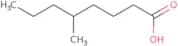
CAS:5-Methyloctanoic acid is a fatty acid that has been shown to cause depression, damage and depression in the bladder. It is not active against bacteria or fungi. 5-Methyloctanoic acid is an enantiomer of octanoic acid, which is a dianion with two chiral centers. 5-Methyloctanoic acid can be found in the form of a racemic mixture of both its enantiomers, or as one pure enantiomer. The configuration of the molecule will determine whether it exhibits right- or left-handed chirality. END>>Formula:C9H18O2Purity:Min. 95%Molecular weight:158.24 g/mol4-Hydroxybenzaldehyde oxime
CAS:4-Hydroxybenzaldehyde oxime is a white solid with a molecular weight of 178.33 and a melting point of 241°C. It has the chemical formula C7H6O3NO2, which consists of a hydrogen atom, two halides, and an oxime group. The molecule is made up of three functional groups: the peroxy group (a hydrogen bond), the alkylating group (an acrylonitrile), and the intramolecular hydrogen bond. 4-Hydroxybenzaldehyde oxime reacts with amines to form β-unsaturated ketones in a mesomorphic state. 4-Hydroxybenzaldehyde oxime is also known to react with peracid to generate peroxy radicals that are used as oxidizing agents in organic synthesis.
Formula:C7H7NO2Purity:Min. 95%Molecular weight:137.14 g/mol3-(2-Chlorophenoxy)propan-1-ol
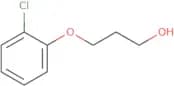
CAS:Versatile small molecule scaffold
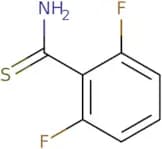
Formula:C9H11ClO2Purity:Min. 95%Molecular weight:186.63 g/mol2,6-Difluorobenzothioamide
CAS:Versatile small molecule scaffold
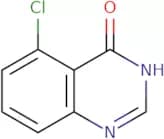
Formula:C7H5F2NSPurity:Min. 95%Molecular weight:173.18 g/mol5-Chloro-4-quinazolone
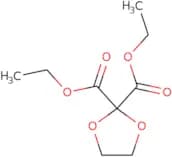
CAS:5-Chloro-4-quinazolone is an alkali metal salt of quinazolinone. It is a potentiating agent that enhances the effects of other drugs, such as aminopyridine, which acts as a tranquilizer and muscle relaxant. 5-Chloro-4-quinazolone can be used to treat spasms of the urinary bladder and uterus. This drug also has an anti-inflammatory effect on the nervous system, which may be due to its ability to block nerve transmission by inhibiting the release of acetylcholine from nerve endings.Formula:C8H5ClN2OPurity:Min. 95%Molecular weight:180.59 g/mol2,2-Diethyl 1,3-dioxolane-2,2-dicarboxylate
CAS:Versatile small molecule scaffoldFormula:C9H14O6Purity:Min. 95%Molecular weight:218.2 g/mol3-Chloro-1-(morpholin-4-yl)propan-1-one
CAS:Versatile small molecule scaffoldFormula:C7H12ClNO2Purity:Min. 95%Molecular weight:177.63 g/mol7-Oxo-6H,7H-thieno[2,3-c]pyridine-5-carboxylic acid
CAS:Versatile small molecule scaffoldFormula:C8H5NO3SPurity:Min. 95%Molecular weight:195.2 g/molThieno[3,2-c]pyridine-6-carboxylic acid
CAS:Versatile small molecule scaffoldFormula:C8H5NO2SPurity:Min. 95%Molecular weight:179.2 g/mol2-(Adamantan-1-yl)-2-aminoacetic acid
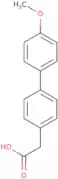
CAS:Versatile small molecule scaffoldFormula:C12H19NO2Purity:Min. 95%Molecular weight:209.28 g/mol(4'-Methoxy-biphenyl-4-yl)-acetic acid
CAS:Versatile small molecule scaffoldFormula:C15H14O3Purity:Min. 95%Molecular weight:242.27 g/mol4-[4-(Aminomethyl)phenyl]phenol
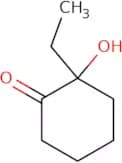
CAS:Versatile small molecule scaffoldFormula:C13H13NOPurity:Min. 95%Molecular weight:199.25 g/mol2-Ethyl-2-hydroxycyclohexan-1-one
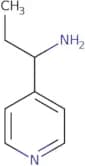
CAS:Versatile small molecule scaffoldFormula:C8H14O2Purity:Min. 95%Molecular weight:142.2 g/mol1-(Pyridin-4-yl)propan-1-amine
CAS:Versatile small molecule scaffoldFormula:C8H12N2Purity:Min. 95%Molecular weight:136.2 g/mol1-Benzyl-7-chloro-1H-pyrrolo[2,3-c]pyridine
CAS:Versatile small molecule scaffoldFormula:C14H11ClN2Purity:Min. 95%Molecular weight:242.7 g/mol1-Benzyl-1H,6H,7H-pyrrolo[2,3-c]pyridin-7-one
CAS:Versatile small molecule scaffold
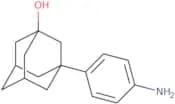
Formula:C14H12N2OPurity:Min. 95%Molecular weight:224.26 g/mol3-(4-Aminophenyl)adamantan-1-ol
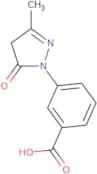
CAS:Versatile small molecule scaffoldFormula:C16H21NOPurity:Min. 95%Molecular weight:243.34 g/mol3-(3-Methyl-5-oxo-4,5-dihydro-1H-pyrazol-1-yl)benzoic acid
CAS:Versatile small molecule scaffoldFormula:C11H10N2O3Purity:Min. 95%Molecular weight:218.21 g/mol4-Hydroxy-2-oxo-1,2-dihydroquinoline-3-carbohydrazide
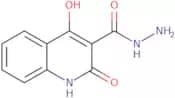
CAS:4-Hydroxy-2-oxo-1,2-dihydroquinoline-3-carbohydrazide is a cholinesterase inhibitor. It reduces the activity of acetylcholinesterase, which breaks down the neurotransmitter acetylcholine. This leads to an increase in the amount of acetylcholine in the synaptic cleft, which stimulates muscle contraction and may also have an effect on other cells in the body. 4-Hydroxy-2-oxo-1,2-dihydroquinoline-3-carbohydrazide has been shown to selectively bind to and inhibit cholinesterases from bovine chromaffin cells and laboratory preparations. The molecular modeling studies show that this drug binds to the active site of cholinesterases with high affinity and selectivity.
Formula:C10H9N3O3Purity:Min. 95%Molecular weight:219.2 g/mol2-(1-Methyl-5-oxopyrrolidin-2-yl)acetic acid
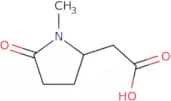
CAS:2-(1-Methyl-5-oxopyrrolidin-2-yl)acetic acid is a naturally occurring, uncharged, neutral, and hydroxy acid. It is a hydrophilic compound that can be used in cosmetics as a film forming agent or polymer. 2-(1-Methyl-5-oxopyrrolidin-2-yl)acetic acid has been shown to form multilayered films on the surface of water. This chemical also exhibits hydrogen bonding and hydroxy bonding with other compounds.Formula:C7H11NO3Purity:Min. 95%Molecular weight:157.17 g/mol3,5-Dimethylhexanoic acid
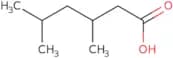
CAS:3,5-Dimethylhexanoic acid is a polycarboxylic acid that is formed by the oxidation of fatty acids in an alkaline environment. It has a viscosity of about 1.6 mPa·s at 20 °C and a pH of about 11. 3,5-Dimethylhexanoic acid is chemically stable in neutral solution and can be used as a model system for fatty acids. For example, it can be used to study the reactions between carboxylic acids and hydroxyl groups (e.g., hydrolysis). This compound has been shown to react with sodium carbonate and sodium hydroxide solution to form caproic acid, which is then hydrolyzed into acetic acid.Formula:C8H16O2Purity:Min. 95%Molecular weight:144.21 g/mol3-Phenyl-1-benzofuran-2-carboxylic acid
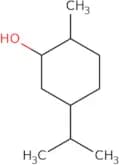
CAS:3-Phenyl-1-benzofuran-2-carboxylic acid is an organic molecule that blocks the angiotensin II receptor, which is a type of protein found in the kidney. This receptor regulates the production of various hormones and proteins that are involved in blood pressure regulation. 3-Phenyl-1-benzofuran-2-carboxylic acid has shown to be an experimental drug for the treatment of hypertension, but its affinity for other receptors may affect its therapeutic potential. 3Phenylbenzofuran derivatives have been shown to have an effect on water absorption and blood pressure in rats, although this has not yet been studied in humans.Formula:C15H10O3Purity:Min. 95%Molecular weight:238.24 g/mol2-Methyl-5-(propan-2-yl)cyclohexan-1-ol
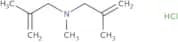
CAS:2-Methyl-5-(propan-2-yl)cyclohexan-1-ol is a reaction product of 2,5-dimethylcyclohexanol and cyclohexene. It is an ultraviolet light absorber with good chemical stability. It can be used as a synthetic antioxidant in pharmaceutical preparations and other products. The commercial product is a mixture of cis and trans geometric isomers.Formula:C10H20OPurity:Min. 95%Color and Shape:Clear LiquidMolecular weight:156.26 g/molMethylbis(2-methylprop-2-en-1-yl)amine hydrochloride
CAS:Versatile small molecule scaffoldFormula:C9H18ClNPurity:Min. 95%Molecular weight:175.7 g/mol2-[(1-Phenylpropan-2-yl)amino]acetic acid hydrochloride
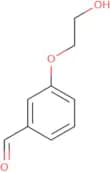
CAS:Versatile small molecule scaffoldFormula:C11H16ClNO2Purity:Min. 95%Molecular weight:229.7 g/mol3-(2-Hydroxyethoxy)benzaldehyde
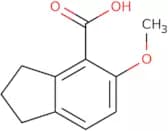
CAS:3-(2-Hydroxyethoxy)benzaldehyde (3-HBA) is a reactive liquid phase, hydrogenated, and solid phase synthesis product. It is used for the synthesis of peptidomimetics by reacting with hydrosilylation. 3-HBA has been shown to react chemoselectively with alkene groups on the surface of silica gel and can be immobilized onto it through covalent bonding. 3-HBA has a melting point of 118°C and a density of 1.07 g/mL at 25°C. The reaction products are not soluble in water or organic solvents.Formula:C9H10O3Purity:Min. 95%Molecular weight:166.17 g/mol5-Methoxy-2,3-dihydro-1H-indene-4-carboxylic acid
CAS:Versatile small molecule scaffold
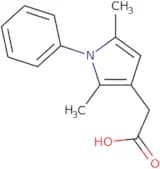
Formula:C11H12O3Purity:Min. 95%Molecular weight:192.2 g/mol2-(2,5-Dimethyl-1-phenyl-1H-pyrrol-3-yl)acetic acid
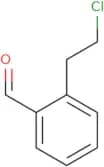
CAS:Versatile small molecule scaffoldFormula:C14H15NO2Purity:Min. 95%Molecular weight:229.27 g/mol2-(2-Chloroethyl)benzaldehyde
CAS:Versatile small molecule scaffoldFormula:C9H9ClOPurity:95%NmrMolecular weight:168.62 g/mol3-Azabicyclo[3.3.1]nonane hydrochloride
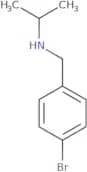
CAS:Versatile small molecule scaffoldFormula:C8H16ClNPurity:Min. 95%Molecular weight:161.68 g/molN-(4-Bromophenylmethyl)isopropylamine
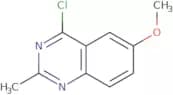
CAS:Isopropylamine is an organic compound that is used as a solvent, a chemical intermediate and a base. It can be used to synthesize other compounds such as N-(4-bromophenylmethyl)isopropylamine. This compound has been shown to undergo transformation when in contact with chloroform or amines.Formula:C10H14BrNPurity:Min. 95%Molecular weight:228.13 g/mol4-chloro-6-methoxy-2-methylquinazoline
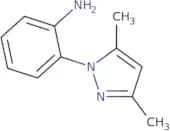
CAS:Versatile small molecule scaffoldFormula:C10H9ClN2OPurity:Min. 95%Molecular weight:208.65 g/mol2-(3,5-Dimethyl-pyrazol-1-yl)-phenylamine
CAS:The catalyst is an organic compound that is used in the ring-opening polymerization of toluene. It is also used in kinetic studies as a ligand or catalyst. The catalyst was found to be an enolate ion, which reacts with toluene to form a six-membered cyclic ring. The reaction proceeds through a concerted mechanism. Crystal x-ray diffraction analyses showed that the product had a single crystalline phase and yielded 97% of the theoretical yield.Formula:C11H13N3Purity:Min. 95%Molecular weight:187.24 g/mol4-Methyl-1H-1,2,3-triazol-5-amine hydrochloride
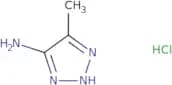
CAS:Versatile small molecule scaffoldFormula:C3H7ClN4Purity:Min. 95%Molecular weight:134.57 g/molCycloheptanecarboxylic acid methyl ester
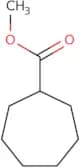
CAS:Cycloheptanecarboxylic acid methyl ester is a nitro-containing organic compound that binds to the CCR5 receptor, which is involved in inflammatory bowel disease. It has been shown to have anti-inflammatory activities in mice with experimental colitis, which may be due to its ability to inhibit the production of pro-inflammatory cytokines such as TNF-α and IL-6. Cycloheptanecarboxylic acid methyl ester contains an ethyl group at position 5, which is hydroxylated in vivo and metabolized by CYP450 enzymes. This compound also contains an acrylates group at position 2, a carbonyl group at position 1, and an alkynyl group at position 3. Cycloheptanecarboxylic acid methyl ester signifies the presence of two nitrogen atoms (N) in the molecule.br>br>
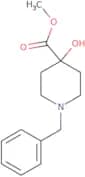
The amine groups are located on either sideFormula:C9H16O2Purity:Min. 95%Molecular weight:156.23 g/molMethyl 1-benzyl-4-hydroxypiperidine-4-carboxylate
CAS:Versatile small molecule scaffold
Formula:C14H19NO3Purity:Min. 95%Molecular weight:249.31 g/mol1H,3H,4H,9H-Pyrano[3,4-b]indole-1,3-dione
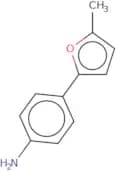
CAS:Versatile small molecule scaffoldFormula:C11H7NO3Purity:Min. 95%Molecular weight:201.18 g/mol4-(5-Methyl-furan-2-yl)-phenylamine
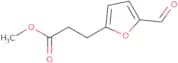
CAS:Versatile small molecule scaffoldFormula:C11H11NOPurity:Min. 95%Molecular weight:173.2 g/molMethyl 3-(5-formylfuran-2-yl)propanoate
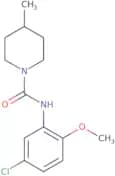
CAS:Versatile small molecule scaffoldFormula:C9H10O4Purity:Min. 95%Molecular weight:182.17 g/molN-(5-Chloro-2-methoxyphenyl)-4-methylpiperidine-1-carboxamide
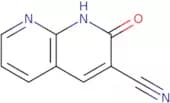
CAS:Versatile small molecule scaffoldFormula:C14H19ClN2O2Purity:Min. 95%Molecular weight:282.76 g/mol2-Oxo-1,2-dihydro-1,8-naphthyridine-3-carbonitrile
CAS:2-Oxo-1,2-dihydro-1,8-naphthyridine-3-carbonitrile is an experimental drug that acts as a 5HT3 receptor antagonist. It has been shown to inhibit the effects of serotonin in the ileum and also inhibits the binding of serotonin to 5HT3 receptors. 2-Oxo-1,2-dihydro-1,8-naphthyridine-3-carbonitrile has been shown to be effective in animal models for conditions such as irritable bowel syndrome and nausea. This drug is a piperidine derivative that can be synthesized using microwave irradiation in a reaction with ethyl cyanoacetate or cyanoacetate. The 5HT3 receptor antagonists are used to treat nausea and vomiting caused by various conditions such as chemotherapy, general anaesthesia, and postoperative nausea and vomiting.
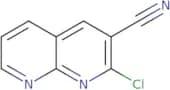
Formula:C9H5N3OPurity:Min. 95%Molecular weight:171.16 g/mol2-Chloro-1,8-naphthyridine-3-carbonitrile
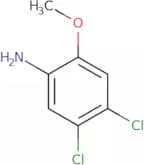
CAS:Versatile small molecule scaffoldFormula:C9H4ClN3Purity:Min. 95%Molecular weight:189.6 g/mol4,5-Dichloro-2-methoxyaniline
CAS:Versatile small molecule scaffoldFormula:C7H7Cl2NOPurity:Min. 95%Molecular weight:192.04 g/mol4-Amino-3-thiatricyclo[5.2.1.0,2,6]deca-2(6),4-diene-5-carbonitrile
CAS:Versatile small molecule scaffoldFormula:C10H10N2SPurity:Min. 95%Molecular weight:190.27 g/mol3-(1H-Pyrazol-4-yl)propan-1-amine dihydrochloride
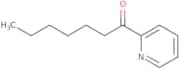
CAS:Versatile small molecule scaffoldFormula:C6H13Cl2N3Purity:Min. 95%Molecular weight:198.09 g/mol1-(Pyridin-2-yl)heptan-1-one
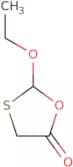
CAS:Versatile small molecule scaffoldFormula:C12H17NOPurity:Min. 95%Molecular weight:191.27 g/mol2-Ethoxy-1,3-oxathiolan-5-one
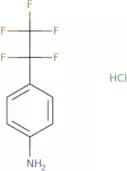
CAS:Versatile small molecule scaffoldFormula:C5H8O3SPurity:Min. 95%Molecular weight:148.18 g/mol4-(Pentafluoroethyl)aniline hydrochloride
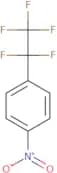
CAS:Versatile small molecule scaffoldFormula:C8H7ClF5NPurity:Min. 95%Molecular weight:247.59 g/mol1-Nitro-4-(pentafluoroethyl)benzene
CAS:Versatile small molecule scaffold
Formula:C8H4F5NO2Purity:Min. 95%Molecular weight:241.11 g/molSodium D-pantoate
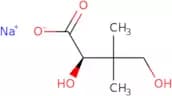
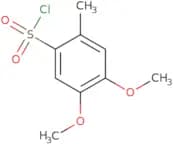
CAS:Sodium D-pantoate is a compound that is used as an inhibitor. It is a reaction system that can be introduced to any strain of bacteria, yeast or fungus in order to inhibit their enzyme activities. Sodium D-pantoate has been shown to have an inhibitory effect on the growth of many microorganisms, including those related to food spoilage and human pathogens. Inhibition of bacterial growth by sodium D-pantoate appears to be due mainly to the formation of covalent bonds with essential amino acid residues in the enzyme active site, thereby preventing the enzymes from functioning. This process does not interfere with other cellular processes and does not affect cell viability.Formula:C6H11NaO4Purity:Min. 95%Molecular weight:170.14 g/mol4,5-Dimethoxy-2-methylbenzene-1-sulfonyl chloride
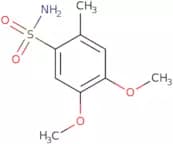
CAS:Versatile small molecule scaffoldFormula:C9H11ClO4SPurity:Min. 95%Molecular weight:250.7 g/mol4,5-Dimethoxy-2-methylbenzene-1-sulfonamide
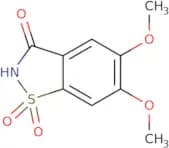
CAS:Versatile small molecule scaffoldFormula:C9H13NO4SPurity:Min. 95%Molecular weight:231.27 g/mol5,6-Dimethoxy-2,3-dihydro-1,2-benzothiazole-1,1,3-trione
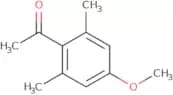
CAS:Versatile small molecule scaffoldFormula:C9H9NO5SPurity:Min. 95%Molecular weight:243.24 g/mol1-(4-Methoxy-2,6-dimethylphenyl)ethan-1-one
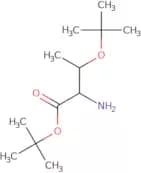
CAS:Versatile small molecule scaffoldFormula:C11H14O2Purity:Min. 95%Molecular weight:178.23 g/moltert-Butyl (2R,3S)-2-amino-3-(tert-butoxy)butanoate
CAS:Versatile small molecule scaffoldFormula:C12H25NO3Purity:Min. 95%Molecular weight:231.33 g/mol13-Methyl-1,8,10-triazatricyclo[7.4.0.0,2,7]trideca-2,4,6,8,10,12-hexaene-12-carboxylic acid
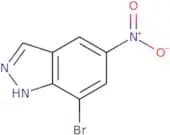
CAS:Versatile small molecule scaffoldFormula:C12H9N3O2Purity:Min. 95%Molecular weight:227.22 g/mol7-Bromo-5-nitro-1H-indazole
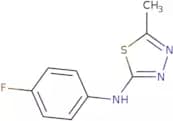
CAS:Versatile small molecule scaffoldFormula:C7H4BrN3O2Purity:Min. 95%Molecular weight:242.03 g/molN-(4-Fluorophenyl)-5-methyl-1,3,4-thiadiazol-2-amine
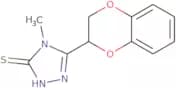
CAS:Versatile small molecule scaffoldFormula:C9H8FN3SPurity:Min. 95%Molecular weight:209.25 g/mol5-(2,3-Dihydro-1,4-benzodioxin-2-yl)-4-methyl-4H-1,2,4-triazole-3-thiol
CAS:Versatile small molecule scaffoldFormula:C11H11N3O2SPurity:Min. 95%Molecular weight:249.29 g/molN-{9-[(Thiophen-2-yl)methyl]-9-azabicyclo[3.3.1]nonan-3-ylidene}hydroxylamine
CAS:Versatile small molecule scaffoldFormula:C13H18N2OSPurity:Min. 95%Molecular weight:250.36 g/mol



![4-[(5-Chloropyridin-2-yl)oxy]phenol](/_next/image/?url=https%3A%2Fstatic.cymitquimica.com%2Fproducts%2F3D%2Fthumb-webp%2FKCA07501.webp&w=3840&q=75)









![3-[(3,4-Dimethoxyphenyl)sulfanyl]propanoic acid](/_next/image/?url=https%3A%2Fstatic.cymitquimica.com%2Fproducts%2F3D%2Fthumb-webp%2FKCA16956.webp&w=3840&q=75)





![7-Oxo-6H,7H-thieno[2,3-c]pyridine-5-carboxylic acid](/_next/image/?url=https%3A%2Fstatic.cymitquimica.com%2Fproducts%2F3D%2Fthumb-webp%2FKCA24901.webp&w=3840&q=75)
![Thieno[3,2-c]pyridine-6-carboxylic acid](/_next/image/?url=https%3A%2Fstatic.cymitquimica.com%2Fproducts%2F3D%2Fthumb-webp%2FKCA24909.webp&w=3840&q=75)

![4-[4-(Aminomethyl)phenyl]phenol](/_next/image/?url=https%3A%2Fstatic.cymitquimica.com%2Fproducts%2F3D%2Fthumb-webp%2FKCA27740.webp&w=3840&q=75)
![1-Benzyl-7-chloro-1H-pyrrolo[2,3-c]pyridine](/_next/image/?url=https%3A%2Fstatic.cymitquimica.com%2Fproducts%2F3D%2Fthumb-webp%2FKCA29006.webp&w=3840&q=75)
![1-Benzyl-1H,6H,7H-pyrrolo[2,3-c]pyridin-7-one](/_next/image/?url=https%3A%2Fstatic.cymitquimica.com%2Fproducts%2F3D%2Fthumb-webp%2FKCA29020.webp&w=3840&q=75)

![2-[(1-Phenylpropan-2-yl)amino]acetic acid hydrochloride](/_next/image/?url=https%3A%2Fstatic.cymitquimica.com%2Fproducts%2F3D%2Fthumb-webp%2FKCA34293.webp&w=3840&q=75)
![3-Azabicyclo[3.3.1]nonane hydrochloride](/_next/image/?url=https%3A%2Fstatic.cymitquimica.com%2Fproducts%2F3D%2Fthumb-webp%2FKCA36411.webp&w=3840&q=75)
![1H,3H,4H,9H-Pyrano[3,4-b]indole-1,3-dione](/_next/image/?url=https%3A%2Fstatic.cymitquimica.com%2Fproducts%2F3D%2Fthumb-webp%2FKCA44229.webp&w=3840&q=75)
![4-Amino-3-thiatricyclo[5.2.1.0,2,6]deca-2(6),4-diene-5-carbonitrile](/_next/image/?url=https%3A%2Fstatic.cymitquimica.com%2Fproducts%2F3D%2Fthumb-webp%2FKCA94880.webp&w=3840&q=75)
![13-Methyl-1,8,10-triazatricyclo[7.4.0.0,2,7]trideca-2,4,6,8,10,12-hexaene-12-carboxylic acid](/_next/image/?url=https%3A%2Fstatic.cymitquimica.com%2Fproducts%2F3D%2Fthumb-webp%2FKCB10738.webp&w=3840&q=75)
![N-{9-[(Thiophen-2-yl)methyl]-9-azabicyclo[3.3.1]nonan-3-ylidene}hydroxylamine](/_next/image/?url=https%3A%2Fstatic.cymitquimica.com%2Fproducts%2F3D%2Fthumb-webp%2FKCB12010.webp&w=3840&q=75)