Building Blocks
Subcategories of "Building Blocks"
- Boronic Acids & Boronic Acid Derivatives(5,784 products)
- Chiral Building Blocks(1,244 products)
- Hydrocarbon Building Blocks(6,105 products)
- Organic Building Blocks(61,070 products)
Found 205437 products of "Building Blocks"
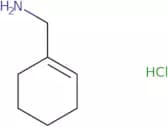
Cyclohex-1-en-1-ylmethanamine hydrochloride
CAS:Versatile small molecule scaffold
Formula:C7H14ClNPurity:Min. 95%Molecular weight:147.64 g/mol1-(1-Bromoethyl)-2-methylbenzene
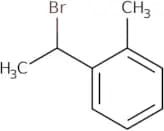
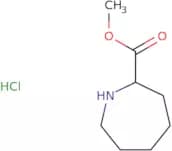
CAS:Versatile small molecule scaffoldFormula:C9H11BrPurity:Min. 95%Molecular weight:199.09 g/molMethyl azepane-2-carboxylate hydrochloride
CAS:Versatile small molecule scaffold
Formula:C8H16ClNO2Purity:Min. 95%Molecular weight:193.67 g/mol2-{3-Oxo-2H,3H,5H,6H-imidazo[2,1-b][1,3]thiazol-2-yl}acetic acid
CAS:Versatile small molecule scaffoldFormula:C7H8N2O3SPurity:Min. 95%Molecular weight:200.22 g/molN-(2-Bromophenyl)-2-nitrobenzamide
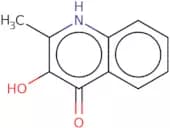
CAS:Versatile small molecule scaffoldFormula:C13H9BrN2O3Purity:Min. 95%Molecular weight:321.13 g/mol3-Hydroxy-2-methylquinolin-4(1H)-one
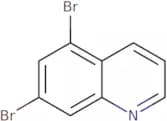
CAS:3-Hydroxy-2-methylquinolin-4(1H)-one (3HMQ) is a compound that has optical properties. It can be used as a biological sample in dextran sulfate and mitochondrial membrane potential assays. 3HMQ has been shown to have redox potentials that are similar to those of the elements copper, iron, and zinc. This compound is also used for wastewater treatment and as a matrix effect agent in biocompatible polymers. 3HMQ is also a polymerase chain reaction (PCR) reagent that contains two disulfide bonds. The thermal expansion of this molecule has been shown to be close to that of human erythrocytes, making it useful for high-temperature applications such as disease activity studies and cellular physiology experiments.Formula:C10H9NO2Purity:Min. 95%Molecular weight:175.18 g/mol5,7-Dibromoquinoline
CAS:5,7-Dibromoquinoline is a ligand that has an antiproliferative effect on cancer cells. It is a quinoline derivative that has been shown to have cytotoxic activity against the mouse fibroblast cell line MCF-7. The photophysical and fluorescence properties of 5,7-dibromoquinoline have been extensively studied and found to be dependent on the number of bromine substituents. This compound has also been shown to inhibit cancer cells in vitro. 5,7-Dibromoquinoline may act by interfering with cellular processes such as protein synthesis and DNA replication.Formula:C9H5Br2NPurity:Min. 95%Molecular weight:286.95 g/mol1H,2H,3H-Pyrrolo[3,4-b]quinolin-3-one
CAS:1H,2H,3H-Pyrrolo[3,4-b]quinolin-3-one is a natural product that inhibits the growth of cancer cells. It has been shown to be cytotoxic against human breast cancer cells in vitro and in vivo. The mechanism of action of this compound is not known but it has been shown to inhibit the growth of human breast cancer cells by deprotonation of a chloride anion. This compound may also be related to the anthranilic acid class of compounds and is an alkaloid with a bicyclic structure. 1H,2H,3H-Pyrrolo[3,4-b]quinolin-3-one is synthesized by cyclocondensation from luotonin and microwave irradiation. It can be obtained in high yields from anthranilic acid under alkaline conditions. Irradiation with microwaves is also used for its synthesis which produces unambiguous results.
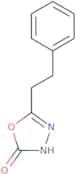
Formula:C11H8N2OPurity:Min. 95%Molecular weight:184.19 g/mol5-(2-Phenylethyl)-2,3-dihydro-1,3,4-oxadiazol-2-one
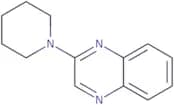
CAS:Versatile small molecule scaffoldFormula:C10H10N2O2Purity:Min. 95%Molecular weight:190.2 g/mol2-(Piperidin-1-yl)quinoxaline
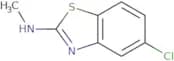
CAS:2-(Piperidin-1-yl)quinoxaline is a piperidine derivative that has been synthesized by catalyzed reactions. It has been shown to have constant kinetic parameters and an optimum in the range of 1.0-2.0 M in solvents with the following properties: polar, protic, or ionic. 2-(Piperidin-1-yl)quinoxaline has also been shown to exhibit solvent effects on its spectra, kinetics, and optimal parameters. The experimental transition states for this compound are unknown because it has not yet been studied experimentally. Theoretical studies have shown that 2-(piperidin-1-yl)quinoxaline can be formed from a variety of pathways involving the following steps: hydrolysis of 2-(pyrrolidin-1-yl)quinoxaline, reductive amination of pyrrolidine with nitroethane, and reductive aminationFormula:C13H15N3Purity:Min. 95%Molecular weight:213.28 g/mol5-Chloro-N-methyl-1,3-benzothiazol-2-amine
CAS:Versatile small molecule scaffold
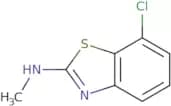
Formula:C8H7ClN2SPurity:Min. 95%Molecular weight:198.67 g/mol7-Chloro-N-methyl-1,3-benzothiazol-2-amine
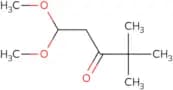
CAS:Versatile small molecule scaffoldFormula:C8H7ClN2SPurity:Min. 95%Molecular weight:198.67 g/mol1,1-Dimethoxy-4,4-dimethylpentan-3-one
CAS:Versatile small molecule scaffold
Formula:C9H18O3Purity:Min. 95%Molecular weight:174.24 g/molMethyl 5-methyl-4-oxohexanoate
CAS:Methyl 5-methyl-4-oxohexanoate is an unsaturated, branched-chain fatty acid found in tobacco. It has been shown to be produced by the oxidation of nicotine and cotinine. Methyl 5-methyl-4-oxohexanoate has been detected in tobacco leaves, as well as in smoke from cigarettes. The compound has been used as a marker for tobacco use, but it is not yet known if this compound is carcinogenic. Spectroscopic methods have shown that methyl 5-methyl-4-oxohexanoate can undergo photochemical reactions with oxygen to produce radicals that react with DNA and other biomolecules. Methyl 5-methyl-4-oxohexanoate reacts with DNA and proteins to form adducts that may be carcinogenic or mutagenic.Formula:C8H14O3Purity:Min. 95%Molecular weight:158.19 g/mol[3-(Dimethylamino)-2-hydroxypropyl](methyl)amine
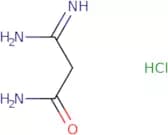
CAS:Versatile small molecule scaffoldFormula:C6H16N2OPurity:Min. 95%Molecular weight:132.2 g/molMalonamamidine Hydrochloride
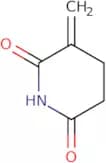
CAS:Malonamamidine Hydrochloride is a formyl-containing nitro-nitrosourea derivative which has been shown to inhibit the development of choroidal neovascularization in rats. This drug also has an inhibitory effect on the inflammatory response, and may be useful for treating inflammatory diseases such as rheumatoid arthritis. Malonamamidine Hydrochloride is metabolized by hydrolysis to formaldehyde and aminomethyl malonic acid, which gives it its biological properties. It also contains a nitro group that can be reduced to hydroxylamine, which reacts with DNA and leads to DNA strand breaks.Formula:C3H8ClN3OPurity:Min. 95%Molecular weight:137.57 g/mol3-Methylidenepiperidine-2,6-dione
CAS:3-Methylidenepiperidine-2,6-dione is an unsaturated compound that has been isolated from coal tar. It is a colorless solid that melts at temperatures between 200 and 220 degrees Celsius. 3-Methylidenepiperidine-2,6-dione has been shown to be aliphatic and inorganic in nature. It is soluble in water, but insoluble in ether or chloroform. 3-Methylidenepiperidine-2,6-dione reacts with acid to form a cyclic dinitrile that hydrolyzes to form an organic acid (e.g., glutarimide) and diamide. The reaction is more pronounced when the concentration of acid is increased and when the pH of the solution is neutralized with a base such as sodium hydroxide or potassium hydroxide. 3-Methylidenepiperidine-2,6-dione also preferentially hydrolyzes d
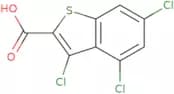
Formula:C6H7NO2Purity:Min. 95%Molecular weight:125.13 g/mol3,4,6-Trichloro-1-benzothiophene-2-carboxylic acid
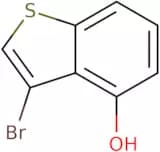
CAS:Versatile small molecule scaffoldFormula:C9H3Cl3O2SPurity:Min. 95%Molecular weight:281.5 g/mol3-Bromo-1-benzothiophen-4-ol
CAS:Versatile small molecule scaffold
Formula:C8H5BrOSPurity:Min. 95%Molecular weight:229.1 g/mol3-[Methyl(phenyl)amino]propan-1-ol
CAS:Versatile small molecule scaffoldFormula:C10H15NOPurity:Min. 95%Molecular weight:165.2 g/mol1-[1-(Pyridin-2-yl)ethyl]piperazine
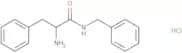
CAS:Versatile small molecule scaffoldFormula:C11H17N3Purity:Min. 95%Molecular weight:191.27 g/mol2-Amino-N-benzyl-3-phenylpropanamide hydrochloride
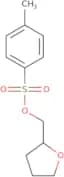
CAS:Versatile small molecule scaffoldFormula:C16H19ClN2OPurity:Min. 95%Molecular weight:290.79 g/molTetrahydro-2-furanylmethyl4-methylbenzenesulfonate
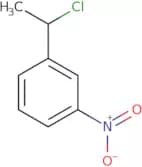
CAS:The Tetrahydro-2-furanylmethyl4-methylbenzenesulfonate ligand is a metal complex that can be used to form allyl complexes with Zirconium and Germanium. It also forms a stable cyclopentyl methyl allyl ligand, which is an important component of the catalytic cycle. This ligand has been shown to bind to alkali metals, such as sodium and potassium, and phosphines. It has a nucleophilic nature and can be used in metallocene reactions.Formula:C12H16O4SPurity:Min. 95%Molecular weight:256.32 g/mol1-(1-Chloroethyl)-3-nitrobenzene
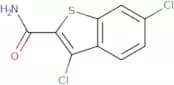
CAS:Versatile small molecule scaffoldFormula:C8H8ClNO2Purity:Min. 95%Molecular weight:185.61 g/mol3,6-Dichloro-1-benzothiophene-2-carboxamide
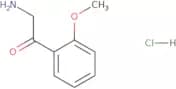
CAS:Versatile small molecule scaffoldFormula:C9H5Cl2NOSPurity:Min. 95%Molecular weight:246.11 g/mol2-Amino-1-(2-methoxyphenyl)ethanone hydrochloride
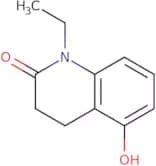
CAS:Controlled ProductVersatile small molecule scaffoldFormula:C9H12ClNO2Purity:Min. 95%Molecular weight:201.65 g/mol1-Ethyl-5-hydroxy-1,2,3,4-tetrahydroquinolin-2-one
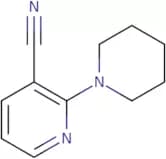
CAS:Versatile small molecule scaffoldFormula:C11H13NO2Purity:Min. 95%Molecular weight:191.23 g/mol2-Piperidin-1-ylnicotinonitrile
CAS:Versatile small molecule scaffold
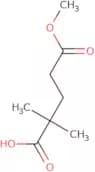
Formula:C11H13N3Purity:Min. 95%Molecular weight:187.24 g/mol5-Methoxy-2,2-dimethyl-5-oxopentanoic acid
CAS:Versatile small molecule scaffoldFormula:C8H14O4Purity:Min. 95%Molecular weight:174.19 g/mol2-(Dimethylamino)-5-nitrobenzenecarbaldehyde
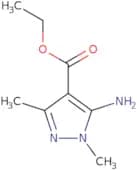
CAS:Versatile small molecule scaffoldFormula:C9H10N2O3Purity:Min. 95%Molecular weight:194.19 g/molEthyl 5-amino-1,3-dimethyl-1H-pyrazole-4-carboxylate
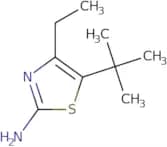
CAS:Versatile small molecule scaffoldFormula:C8H13N3O2Purity:Min. 95%Molecular weight:183.21 g/mol5-tert-Butyl-4-ethyl-1,3-thiazol-2-amine
CAS:Versatile small molecule scaffoldFormula:C9H16N2SPurity:Min. 95%Molecular weight:184.3 g/molN-[(4-Methylphenyl)sulfonyl]phenylalanine
CAS:Versatile small molecule scaffold
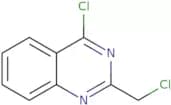
Formula:C16H17NO4SPurity:Min. 95%Molecular weight:319.4 g/mol4-Chloro-2-(chloromethyl)quinazoline
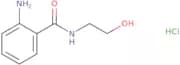
CAS:Versatile small molecule scaffoldFormula:C9H6Cl2N2Purity:Min. 95%Molecular weight:213.06 g/mol2-Amino-N-(2-hydroxyethyl)benzamide hydrochloride
CAS:Versatile small molecule scaffold
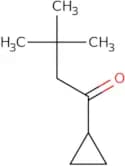
Formula:C9H13ClN2O2Purity:Min. 95%Molecular weight:216.66 g/mol1-Cyclopropyl-3,3-dimethylbutan-1-one
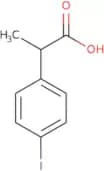
CAS:Cyclopropyl-3,3-dimethylbutan-1-one is an organic compound with the formula (CH)C(O)CH. It is a white solid that is soluble in organic solvents and reacts with water to produce hydrochloric acid. Cyclopropyl-3,3-dimethylbutan-1-one can be used to make other compounds by iodocyclization, including 1,2,4-triazole and 3,4,5-trimethoxybenzene. This reaction proceeds with high stereoselectivity. The synthesis of cyclopropylmethylenecyclohexane can also be accomplished using this reagent. The presence of a hydroxyl group on the ring prevents its use as an oxidant for alkenes or alkynes because it undergoes oxidation by air. Cyclopropyl-3,3-dimethylbutan-1-one also undergoes stereFormula:C9H16OPurity:Min. 95%Molecular weight:140.22 g/mol2-(4-Iodophenyl)propanoic acid
CAS:Versatile small molecule scaffoldFormula:C9H9IO2Purity:Min. 95%Molecular weight:276.07 g/mol4-Chloro-2-methyl-5-nitroaniline
CAS:4-Chloro-2-methyl-5-nitroaniline is an organic compound with the chemical formula C6H4ClNO2. It is a nitro derivative of aniline. 4-Chloro-2-methyl-5-nitroaniline is a white solid that is soluble in water, alcohols, and ethers. It has a melting point around 206 °C and decomposes at temperatures over 350 °C. This compound can be obtained by reacting hydroxylamine with nitrous acid and chlorinating 2,5-dimethylaniline. The sequence of reactions can be summarized as follows: hydroxy group to nitro group, nitro group to methyl group, methyl group to acetyl or acetylamino, acetyl or acetylamino to acetylation or methylation, transformation from hydroxyl group to amino group and esterification from acid hydrazide to acid group.
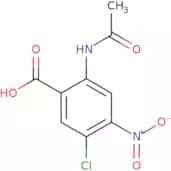
Formula:C7H7ClN2O2Purity:Min. 95%Molecular weight:186.59 g/mol5-Chloro-2-acetamido-4-nitrobenzoic acid
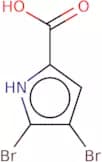
CAS:Amiloride is a medication that belongs to the group of potassium-sparing diuretics. It works by blocking sodium channels in the kidney, which reduces the amount of sodium and water that is reabsorbed into the body. Amiloride has been shown to be effective in human patients. This drug inhibits uptake of pyrazine, which is an active compound in amiloride. Amiloride also inhibits rinm5f, a channel found on renal tubular cells, with inhibitory potency as high as benzene ring. Amiloride has many inhibitors including exchangers such as Na/K-ATPase and Na/H exchanger and other benzene ring compounds such as amiloride itself and ethacrynic acid. The synthesis of amiloride was first reported in 1971 and it can be synthesized by two pathways: from benzene or from ethyl acetate.Formula:C9H7ClN2O5Purity:Min. 95%Molecular weight:258.61 g/mol4,5-Dibromo-1H-pyrrole-2-carboxylic acid
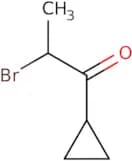
CAS:4,5-Dibromo-1H-pyrrole-2-carboxylic acid is a fatty acid derivative that inhibits the growth of bacteria by interfering with fatty acid synthesis. It was found to be active against Borrelia burgdorferi and Galleria mellonella and has been shown to be cytotoxic in vitro. 4,5-Dibromo-1H-pyrrole-2-carboxylic acid has also been shown to stimulate antibody production in mice and to have anticancer activity. 4,5-Dibromo-1H-pyrrole-2-carboxylic acid may be used therapeutically as an antiinfective agent for treating infectious diseases such as tuberculosis or cancer tissues.Formula:C5H3Br2NO2Purity:Min. 95%Molecular weight:268.89 g/mol2-Bromo-1-cyclopropylpropan-1-one
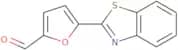
CAS:Versatile small molecule scaffoldFormula:C6H9BrOPurity:Min. 95%Molecular weight:177.04 g/mol5-(1,3-Benzothiazol-2-yl)-2-furaldehyde
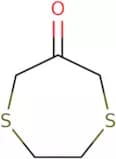
CAS:5-(1,3-Benzothiazol-2-yl)-2-furaldehyde is a benzothiazole that has been shown to be an effective lead compound for anticancer drug development. It has been shown to inhibit the growth of breast cancer cells in vitro and in vivo. 5-(1,3-Benzothiazol-2-yl)-2-furaldehyde's antitumor activity may be due to its ability to induce apoptosis by disrupting the cell cycle and inhibiting DNA synthesis. 5-(1,3-Benzothiazol-2-yl)-2-furaldehyde also binds to DNA and inhibits the function of both bacterial DNA gyrase and topoisomerase IV. It also possesses antiinflammatory properties which are due to its ability to inhibit prostaglandin synthesis.Formula:C12H7NO2SPurity:Min. 95%Molecular weight:229.25 g/mol1,4-Dithiepan-6-one
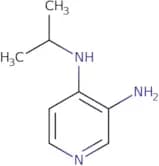
CAS:Versatile small molecule scaffoldFormula:C5H8OS2Purity:Min. 95%Molecular weight:148.3 g/mol4-N-(Propan-2-yl)pyridine-3,4-diamine
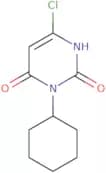
CAS:Versatile small molecule scaffoldFormula:C8H13N3Purity:Min. 95%Molecular weight:151.21 g/mol6-Chloro-3-cyclohexyl-1,2,3,4-tetrahydropyrimidine-2,4-dione
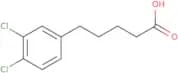
CAS:Versatile small molecule scaffoldFormula:C10H13ClN2O2Purity:Min. 95%Molecular weight:228.67 g/mol5-(3,4-Dichlorophenyl)pentanoic acid
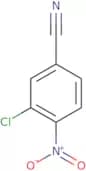
CAS:Versatile small molecule scaffoldFormula:C11H12Cl2O2Purity:Min. 95%Molecular weight:247.11 g/mol3-Chloro-4-nitrobenzonitrile
CAS:3-Chloro-4-nitrobenzonitrile is a heterocyclic compound that inhibits the activity of transferase enzymes. The molecular structure of 3-Chloro-4-nitrobenzonitrile is similar to that of myriocin, which is a natural product from the fungus Myriococcum erythraeum. 3-Chloro-4-nitrobenzonitrile has been shown to be an inhibitor of the enzyme phosphatidylcholine: phosphatidylethanolamine N-methyltransferase (PCMT) in rat liver microsomes. It also has been shown to inhibit the activities of other transferases including phospholipase A2, phospholipase C, and serine/threonine protein kinases.
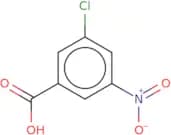
Formula:C7H3ClN2O2Purity:Min. 95%Molecular weight:182.56 g/mol3-Chloro-5-nitrobenzoic acid
CAS:3-Chloro-5-nitrobenzoic acid is a potent antiparasitic drug that has been shown to be effective against filarial worms. It is metabolised in the liver to its active form, which inhibits the parasite's ability to produce ATP. 3-Chloro-5-nitrobenzoic acid has been found to be toxic at high doses and can also cause allergic reactions. This drug has been studied as a potential treatment for brugia, due to its structural similarities with benzamides and amides. The structures of analogues of 3-chloro-5-nitrobenzoic acid have been studied and they have shown promising results in gerbils infected with acanthocheilonema.
Formula:C7H4ClNO4Purity:Min. 95%Molecular weight:201.56 g/mol4-Oxo-4H-Pyrido[1,2-A]Pyrimidine-3-Carboxylic Acid
CAS:4-Oxo-4H-pyrido[1,2-A]pyrimidine-3-carboxylic acid is a compound that has an analogy with the structure of pyridoxine. The structure of this molecule includes an alkoxycarbonyl group, a cycloalkyl group, and a phenyl group. This compound can be used as a medicine for gastroprotective purposes, and it also has anti-inflammatory properties. It is believed that 4-Oxo-4H-pyrido[1,2-A]pyrimidine-3-carboxylic acid can be used as a medicament to treat gastric ulcers.Formula:C9H6N2O3Purity:Min. 95%Molecular weight:190.16 g/mol8-Methyl-4-Oxo-4H-Pyrido[1,2-A]Pyrimidine-3-Carboxylic Acid
CAS:Versatile small molecule scaffold
Formula:C10H8N2O3Purity:Min. 95%Molecular weight:204.18 g/mol6,7,8,9-Tetrahydro-5H-benzo[7]annulen-6-one
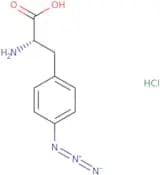
CAS:6,7,8,9-Tetrahydro-5H-benzo[7]annulen-6-one is an underserved drug candidate for tuberculosis. 6,7,8,9-Tetrahydro-5H-benzo[7]annulen-6-one has been shown to be a potent inhibitor of bacterial lactamase enzymes that are involved in the resistance of bacteria to many antibiotics. 6,7,8,9-Tetrahydro-5H-benzo[7]annulen-6-one is also able to bind to the electron withdrawing group on the lactam ring and stabilize the molecule. This binding prevents conformational changes in the lactamase enzyme and inhibits its activity. 6,7,8,9 tetrahydro 5H benzo[7]annulen 6 one has been shown to have potential use in treating tuberculosis due to its activity against drug resistant bacteriaFormula:C11H12OPurity:Min. 95%Molecular weight:160.21 g/mol4-Azido-L-phenylalanine Hydrochloride
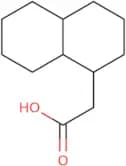
CAS:Versatile small molecule scaffoldFormula:C9H11ClN4O2Purity:Min. 95%Molecular weight:242.66 g/mol2-(Decahydronaphthalen-1-yl)acetic acid
CAS:Versatile small molecule scaffoldFormula:C12H20O2Purity:Min. 95%Molecular weight:196.29 g/mol2-Thioxo-2,3-dihydropyrazolo[1,5-a][1,3,5]triazin-4(1H)-one
CAS:Versatile small molecule scaffoldFormula:C5H4N4OSPurity:Min. 95%Molecular weight:168.18 g/mol2-(Chloromethyl)-1-ethoxy-4-nitrobenzene
CAS:Versatile small molecule scaffold
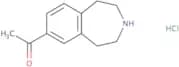
Formula:C9H10ClNO3Purity:Min. 95%Molecular weight:215.63 g/mol1-(2,3,4,5-Tetrahydro-1H-3-benzazepin-7-yl)ethan-1-one hydrochloride
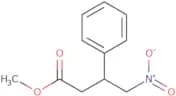
CAS:Versatile small molecule scaffoldFormula:C12H16ClNOPurity:Min. 95%Molecular weight:225.71 g/molMethyl 4-nitro-3-phenylbutanoate
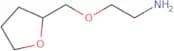
CAS:Methyl 4-nitro-3-phenylbutanoate is a nitro compound that is used as a reagent for the silylation of phenols. It is also used in the synthesis of functionalized aliphatic nitro compounds and has been found to be able to eliminate certain nitrosamines. Methyl 4-nitro-3-phenylbutanoate is an aliphatic, nitro compound with conjugated stereochemistry.Formula:C11H13NO4Purity:Min. 95%Molecular weight:223.22 g/mol2-(Tetrahydro-2-furanylmethoxy)-1-ethanamine
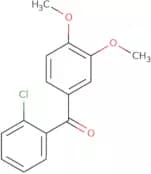
CAS:Versatile small molecule scaffoldFormula:C7H15NO2Purity:Min. 95%Molecular weight:145.2 g/mol(2-Chlorophenyl)(3,4-dimethoxyphenyl)methanone
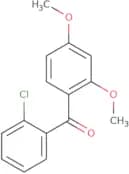
CAS:Versatile small molecule scaffoldFormula:C15H13ClO3Purity:Min. 95%Molecular weight:276.71 g/mol(2-Chlorophenyl)(2,4-dimethoxyphenyl)methanone
CAS:Versatile small molecule scaffold
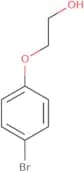
Formula:C15H13ClO3Purity:Min. 95%Molecular weight:276.71 g/molEthylene Glycol Mono(4-bromophenyl) Ether
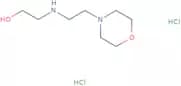
CAS:Ethylene Glycol Mono(4-bromophenyl) Ether is an organic compound with the chemical formula C6H5BrOCH2. It is a colorless liquid, which can be obtained by reacting benzophenone with magnesium in diethyl ether. It is used to synthesize organolithiums and organomercurials. Ethylene Glycol Mono(4-bromophenyl) Ether can be prepared by reacting naphthalene with mercuric chloride. The product is obtained as a white solid or crystalline powder after crystallization from ethanol.Formula:C8H9BrO2Purity:Min. 95%Molecular weight:217.06 g/mol2-(2-Morpholinoethylamino) ethanol 2HCl
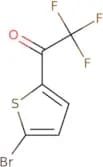
CAS:Versatile small molecule scaffoldFormula:C8H20Cl2N2O2Purity:Min. 95%Molecular weight:247.16 g/mol1-(5-Bromothiophen-2-yl)-2,2,2-trifluoroethanone
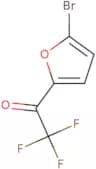
CAS:1-(5-Bromothiophen-2-yl)-2,2,2-trifluoroethanone is a fluorescent probe that binds to proteins in the brain. This probe has been shown to have high affinity for human brain and selectively targets neurodegenerative diseases such as Alzheimer's disease. It is also a selective probe for molecular imaging of the brain and has been shown to be permeable to cells.Formula:C6H2BrF3OSPurity:Min. 95%Molecular weight:259.04 g/mol1-(5-Bromofuran-2-yl)-2,2,2-trifluoroethan-1-one
CAS:Versatile small molecule scaffoldFormula:C6H2BrF3O2Purity:Min. 95%Molecular weight:242.98 g/mol2-[(Methylsulfanyl)methyl]aniline
CAS:2-[(Methylsulfanyl)methyl]aniline is a substituted aniline that has the chemical formula C6H8NS. It is a colorless to white solid that is soluble in polar solvents such as water, alcohols and ethers. 2-[(Methylsulfanyl)methyl]aniline has a molecular weight of 194.2 g/mol and chemical formula C6H8NS. The molecule can be classified as a secondary amine with two methyl sulfanyl substituents on the benzene ring. The compound has a melting point of 110°C and boiling point of 220°C at atmospheric pressure. The infrared spectrum for the compound displays absorptions at 3,900 cm-1 (O-H), 1,650 cm-1 (N-H), 1,200 cm-1 (C=O) and 730 cm-1 (C=N). The magnetic resonance spectrum displays signals at δ =Formula:C8H11NSPurity:Min. 95%Molecular weight:153.25 g/mol1-Amino-7,7-dimethylbicyclo[2.2.1]heptan-2-one hydrochloride
CAS:Versatile small molecule scaffold
Formula:C9H16ClNOPurity:Min. 95%Molecular weight:189.7 g/mol1-benzyl-1,3-diazinan-2-one
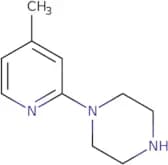
CAS:1-Benzyl-1,3-diazinan-2-one is a fluorobenzene that contains an aromatic ring with a nitrogen atom in the 1 and 2 positions. This compound is an ionization mass spectrometric standard for the molecular ion at m/z = 123. The electron ionization spectrum of this compound exhibits a single peak at m/z = 123, which corresponds to the molecular ion. The fragmentation of 1-benzyl-1,3-diazinan-2-one yields two peaks at m/z = 67 and 69. These fragments correspond to the loss of one hydrogen from C6 and C8 respectively.Formula:C11H14N2OPurity:Min. 95%Molecular weight:190.25 g/mol1-(4-Methylpyridin-2-yl)piperazine
CAS:1-(4-Methylpyridin-2-yl)piperazine (1MPP) is a potent 5-lipoxygenase inhibitor that inhibits the synthesis of leukotrienes and histamine. 1MPP is an effective antiasthmatic drug and has been shown to have potent activities against asthma, bronchial asthma, chronic obstructive pulmonary disease, and allergic rhinitis. The pharmacological effects of 1MPP are due to its ability to inhibit the biosynthesis of leukotrienes from arachidonic acid by blocking the enzyme 5-lipoxygenase. This inhibition leads to a decrease in inflammatory reactions caused by these molecules.Formula:C10H15N3Purity:Min. 95%Molecular weight:177.25 g/mol2-Amino-N,5-dimethylbenzamide
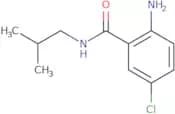
CAS:Versatile small molecule scaffoldFormula:C9H12N2OPurity:Min. 95%Molecular weight:164.2 g/mol2-Amino-5-chloro-N-(2-methylpropyl)benzamide
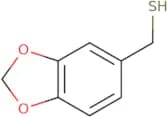
CAS:Versatile small molecule scaffoldFormula:C11H15ClN2OPurity:Min. 95%Molecular weight:226.7 g/mol(1,3-Dioxaindan-5-yl)methanethiol
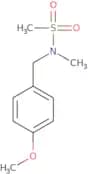
CAS:Controlled ProductVersatile small molecule scaffoldFormula:C8H8O2SPurity:Min. 95%Molecular weight:168.21 g/molN-(4-methoxybenzyl)-N-methylmethanesulfonamide
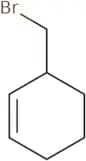
CAS:Versatile small molecule scaffoldFormula:C10H15NO3SPurity:Min. 95%Molecular weight:229.3 g/mol3-(Bromomethyl)cyclohex-1-ene
CAS:Versatile small molecule scaffoldFormula:C7H11BrPurity:Min. 95%Molecular weight:175.07 g/mol3-Amino-3-(3-bromo-4-methoxyphenyl)propanoic acid
CAS:Versatile small molecule scaffoldFormula:C10H12BrNO3Purity:Min. 95%Molecular weight:274.11 g/molMethyl 3-amino-3-(3,4-dimethoxyphenyl)propanoate hydrochloride
CAS:Versatile small molecule scaffold
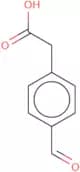
Formula:C12H18ClNO4Purity:Min. 95%Molecular weight:275.73 g/mol2-(4-formylphenyl)acetic acid
CAS:2-(4-formylphenyl)acetic acid is a synthetic chemical compound with anticancer properties. It has been shown to inhibit proliferation of human cancer cells in vitro and in vivo. The mechanism of action is not yet known, but it has been hypothesized that 2-(4-formylphenyl)acetic acid may act as a copper complex or by binding to amide groups on the surface of cancer cells. This study also showed that this compound can activate toll-like receptor 4 (TLR4). 2-(4-formylphenyl)acetic acid has also been shown to inhibit the uptake of biphosphates by cells, which may be due to its methoxy groups.Formula:C9H8O3Purity:Min. 95%Molecular weight:164.2 g/mol3-[2-(Aminomethyl)phenyl]propanoic acid hydrochloride
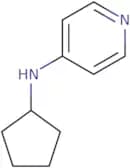
CAS:Versatile small molecule scaffoldFormula:C10H14ClNO2Purity:Min. 95%Molecular weight:215.67 g/molN-Cyclopentylpyridin-4-amine
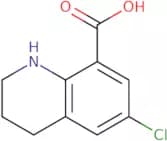
CAS:N-Cyclopentylpyridin-4-amine is a chemical compound with the formula CH(NH)CHCClN. It is an alkylation agent that consists of a cyclopentanol group and a pyridine ring. The cyclopentanol group reacts with electrophiles such as 2-propanol and 4-aminopyridine to form a cyclohexanol derivative. This reaction is catalyzed by sulfuric acid. N-Cyclopentylpyridin-4-amine has been used for the preparation of cyclopentanols, which are valuable intermediates in organic synthesis.Formula:C10H14N2Purity:Min. 95%Molecular weight:162.23 g/mol6-Chloro-1,2,3,4-tetrahydroquinoline-8-carboxylic acid
CAS:Versatile small molecule scaffold
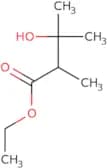
Formula:C10H10ClNO2Purity:Min. 95%Molecular weight:211.64 g/molEthyl 3-hydroxy-2,3-dimethylbutanoate
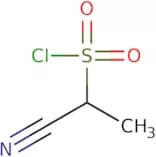
CAS:Versatile small molecule scaffoldFormula:C8H16O3Purity:Min. 95%Molecular weight:160.21 g/mol1-Cyanoethane-1-sulfonyl chloride
CAS:Versatile small molecule scaffold
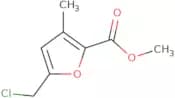
Formula:C3H4ClNO2SPurity:Min. 95%Molecular weight:153.59 g/molMethyl 5-(chloromethyl)-3-methylfuran-2-carboxylate
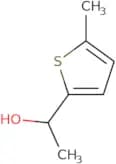
CAS:Versatile small molecule scaffoldFormula:C8H9ClO3Purity:Min. 95%Molecular weight:188.61 g/mol1-(5-Methylthiophen-2-yl)ethan-1-ol
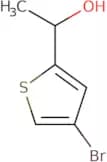
CAS:Versatile small molecule scaffoldFormula:C7H10OSPurity:Min. 95%Molecular weight:142.22 g/mol1-(4-Bromothiophen-2-yl)ethan-1-ol
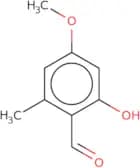
CAS:Versatile small molecule scaffoldFormula:C6H7BrOSPurity:Min. 95%Molecular weight:207.09 g/mol4-Methoxy-6-methylsalicylaldehyde
CAS:4-Methoxy-6-methylsalicylaldehyde is a synthetic aldehyde that has been used in the production of propionyl. It is an intermediate for formylation, hydroxylation and peroxidation reactions. The high-performance liquid chromatography technique was used to separate 4-methoxy-6-methylsalicylaldehyde from other aldehydes. The compound can be protonated by strong acids and can undergo silicone polymerization reactions. 4-Methoxy-6-methylsalicylaldehyde is also soluble in ethers, alcohols and esters. This class of compounds are usually found in lettuce leaves and have the characteristic phenolic odor.Formula:C9H10O3Purity:Min. 95%Molecular weight:166.17 g/molMethyl 3,5-dimethylfuran-2-carboxylate
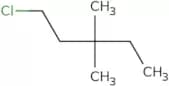
CAS:Versatile small molecule scaffoldFormula:C8H10O3Purity:Min. 95%Molecular weight:154.16 g/mol1-Chloro-3,3-dimethylpentane
CAS:1-Chloro-3,3-dimethylpentane is a liquid phase selective dehydrochlorination catalyst that selectively removes chlorine from chlorinated hydrocarbons. The reaction product of 1-Chloro-3,3-dimethylpentane is a stable substance with high yield and catalytic activity. The catalyst has shown to be deactivated by impurities such as sulfur or phosphorus compounds.Formula:C7H15ClPurity:Min. 95%Molecular weight:134.65 g/mol1-(Chloromethoxy)-4-fluorobenzene
CAS:Versatile small molecule scaffold
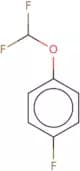
Formula:C7H6ClFOPurity:Min. 95%Molecular weight:160.57 g/mol1-(difluoromethoxy)-4-fluorobenzene
CAS:Versatile small molecule scaffold
Formula:C7H5F3OPurity:Min. 95%Molecular weight:162.11 g/mol2-rac-[(3aR,7aS)-1,3-Dioxo-2,3,3a,4,7,7a-hexahydro-1H-isoindol-2-yl]acetic acid
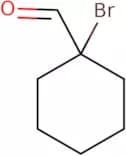
CAS:Versatile small molecule scaffoldFormula:C10H11NO4Purity:Min. 95%Molecular weight:209.2 g/mol1-Bromocyclohexane-1-carbaldehyde
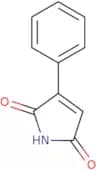
CAS:Versatile small molecule scaffoldFormula:C7H11BrOPurity:Min. 95%Molecular weight:191.07 g/mol3-Phenyl-2,5-dihydro-1H-pyrrole-2,5-dione
CAS:3-Phenyl-2,5-dihydro-1H-pyrrole-2,5-dione is a chemical compound that belongs to the class of acrylonitrile. This product is a reaction product obtained from the reaction of an inorganic acid and a divalent hydrocarbon with an optical property, which has magnetic resonance spectroscopy properties and inhibits actin filaments. 3-Phenyl-2,5-dihydro-1H-pyrrole-2,5-dione has been found to be effective against chlorine atoms. It has also been shown to inhibit the growth of bacteria by inhibiting protein synthesis.Formula:C10H7NO2Purity:Min. 95%Molecular weight:173.17 g/mol[4-(Prop-2-yn-1-yloxy)phenyl]methanol
CAS:Versatile small molecule scaffoldFormula:C10H10O2Purity:Min. 95%Molecular weight:162.18 g/mol[3-(Prop-2-yn-1-yloxy)phenyl]methanol
CAS:Versatile small molecule scaffoldFormula:C10H10O2Purity:Min. 95%Molecular weight:162.18 g/mol[3-(Prop-2-en-1-yloxy)phenyl]methanol
CAS:3-(Prop-2-en-1-yloxy)phenylmethanol is a multicomponent that inhibits the activity of β-amyloid peptides. It has been shown to inhibit the formation of amyloid fibrils in Alzheimer's disease, which may be due to its ability to bind to β-amyloid and inhibit their aggregation. 3-(Prop-2-en-1-yloxy)phenylmethanol has also been shown to have an inhibiting effect on the enzyme that forms amyloid fibrils, protein kinase C (PKC).Formula:C10H12O2Purity:Min. 95%Molecular weight:164.2 g/mol8-Chloro-5-methoxy-1,2,3,4-tetrahydronaphthalen-1-one
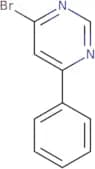
CAS:Versatile small molecule scaffoldFormula:C11H11ClO2Purity:Min. 95%Molecular weight:210.65 g/mol4-Bromo-6-phenylpyrimidine
CAS:4-Bromo-6-phenylpyrimidine is an organic compound with the formula C9H5BrN2. It is a pyrimidine that can be made by laboratory transformations of other compounds. 4-Bromo-6-phenylpyrimidine has been synthesized from 2,4,6-trichloropyrimidine and phenylboronic acid in the presence of potassium carbonate and tetrakis(triphenylphosphine)palladium(0). The compound crystallizes as a white solid that decomposes at about 160 °C to give a brown powder.Formula:C10H7BrN2Purity:Min. 95%Molecular weight:235.08 g/mol2,3-Dihydro-1H-indole-1-sulfonamide
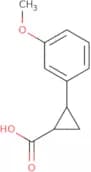
CAS:2,3-Dihydro-1H-indole-1-sulfonamide is a potent inhibitor of cellular proliferation and has been shown to be effective in inhibiting the growth of mesenchymal cells. It also has potential use in treating heart disease and cancer. 2,3-Dihydro-1H-indole-1-sulfonamide inhibits tumor growth by inducing apoptotic signaling in the cells. The drug binds to bcl2 protein and inhibits its phosphorylation at Ser70, thereby blocking activation of the mitochondrial pathway. This prevents the release of cytochrome c from mitochondria into cytosol, which leads to cell death.br>br> 2,3-Dihydro-1H-indole-1-sulfonamide is structurally related to indoleamine 2,3 dioxygenase (IDO) inhibitors that are used for immunotherapy of cancer. The drug bindsFormula:C8H10N2O2SPurity:Min. 95%Molecular weight:198.24 g/molrac-(1R,2R)-2-(3-Methoxyphenyl)cyclopropane-1-carboxylic acid
CAS:Versatile small molecule scaffoldFormula:C11H12O3Purity:Min. 95%Molecular weight:192.21 g/molrac-(1R,2R)-2-(3-bromophenyl)cyclopropane-1-carboxylic acid, trans
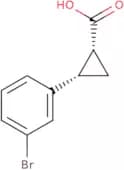
CAS:Versatile small molecule scaffoldFormula:C10H9BrO2Purity:Min. 95%Molecular weight:241.1 g/mol

![2-{3-Oxo-2H,3H,5H,6H-imidazo[2,1-b][1,3]thiazol-2-yl}acetic acid](/_next/image/?url=https%3A%2Fstatic.cymitquimica.com%2Fproducts%2F3D%2Fthumb-webp%2FJBA47750.webp&w=3840&q=75)

![1H,2H,3H-Pyrrolo[3,4-b]quinolin-3-one](/_next/image/?url=https%3A%2Fstatic.cymitquimica.com%2Fproducts%2F3D%2Fthumb-webp%2FJBA53542.webp&w=3840&q=75)

amine](/_next/image/?url=https%3A%2Fstatic.cymitquimica.com%2Fproducts%2F3D%2Fthumb-webp%2FJBA56934.webp&w=3840&q=75)
![3-[Methyl(phenyl)amino]propan-1-ol](/_next/image/?url=https%3A%2Fstatic.cymitquimica.com%2Fproducts%2F3D%2Fthumb-webp%2FJBA57944.webp&w=3840&q=75)
![1-[1-(Pyridin-2-yl)ethyl]piperazine](/_next/image/?url=https%3A%2Fstatic.cymitquimica.com%2Fproducts%2F3D%2Fthumb-webp%2FJBA58120.webp&w=3840&q=75)
![N-[(4-Methylphenyl)sulfonyl]phenylalanine](/_next/image/?url=https%3A%2Fstatic.cymitquimica.com%2Fproducts%2F3D%2Fthumb-webp%2FJBA63534.webp&w=3840&q=75)

![4-Oxo-4H-Pyrido[1,2-A]Pyrimidine-3-Carboxylic Acid](/_next/image/?url=https%3A%2Fstatic.cymitquimica.com%2Fproducts%2F3D%2Fthumb-webp%2FJBA66258.webp&w=3840&q=75)
![8-Methyl-4-Oxo-4H-Pyrido[1,2-A]Pyrimidine-3-Carboxylic Acid](/_next/image/?url=https%3A%2Fstatic.cymitquimica.com%2Fproducts%2F3D%2Fthumb-webp%2FJBA66259.webp&w=3840&q=75)
![6,7,8,9-Tetrahydro-5H-benzo[7]annulen-6-one](/_next/image/?url=https%3A%2Fstatic.cymitquimica.com%2Fproducts%2F3D%2Fthumb-webp%2FJBA66315.webp&w=3840&q=75)
![2-Thioxo-2,3-dihydropyrazolo[1,5-a][1,3,5]triazin-4(1H)-one](/_next/image/?url=https%3A%2Fstatic.cymitquimica.com%2Fproducts%2F3D%2Fthumb-webp%2FJBA68299.webp&w=3840&q=75)

![2-[(Methylsulfanyl)methyl]aniline](/_next/image/?url=https%3A%2Fstatic.cymitquimica.com%2Fproducts%2F3D%2Fthumb-webp%2FJBA77484.webp&w=3840&q=75)
![1-Amino-7,7-dimethylbicyclo[2.2.1]heptan-2-one hydrochloride](/_next/image/?url=https%3A%2Fstatic.cymitquimica.com%2Fproducts%2F3D%2Fthumb-webp%2FJBA78312.webp&w=3840&q=75)




![3-[2-(Aminomethyl)phenyl]propanoic acid hydrochloride](/_next/image/?url=https%3A%2Fstatic.cymitquimica.com%2Fproducts%2F3D%2Fthumb-webp%2FJBA84484.webp&w=3840&q=75)

![2-rac-[(3aR,7aS)-1,3-Dioxo-2,3,3a,4,7,7a-hexahydro-1H-isoindol-2-yl]acetic acid](/_next/image/?url=https%3A%2Fstatic.cymitquimica.com%2Fproducts%2F3D%2Fthumb-webp%2FJBA89618.webp&w=3840&q=75)
![[4-(Prop-2-yn-1-yloxy)phenyl]methanol](/_next/image/?url=https%3A%2Fstatic.cymitquimica.com%2Fproducts%2F3D%2Fthumb-webp%2FJBA90502.webp&w=3840&q=75)
![[3-(Prop-2-yn-1-yloxy)phenyl]methanol](/_next/image/?url=https%3A%2Fstatic.cymitquimica.com%2Fproducts%2F3D%2Fthumb-webp%2FJBA90503.webp&w=3840&q=75)
![[3-(Prop-2-en-1-yloxy)phenyl]methanol](/_next/image/?url=https%3A%2Fstatic.cymitquimica.com%2Fproducts%2F3D%2Fthumb-webp%2FJBA90507.webp&w=3840&q=75)