Building Blocks
Subcategories of "Building Blocks"
- Boronic Acids & Boronic Acid Derivatives(5,780 products)
- Chiral Building Blocks(1,241 products)
- Hydrocarbon Building Blocks(6,100 products)
- Organic Building Blocks(61,023 products)
Found 205289 products of "Building Blocks"
2-[1-(Carboxymethyl)cycloheptyl]acetic acid
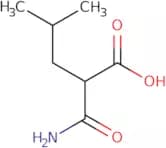
CAS:Versatile small molecule scaffoldFormula:C11H18O4Purity:Min. 95%Molecular weight:214.26 g/mol2-Carbamoyl-4-methylpentanoic acid
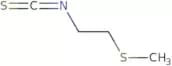
CAS:Versatile small molecule scaffoldFormula:C7H13NO3Purity:Min. 95%Molecular weight:159.18 g/mol1-Isothiocyanato-2-(methylsulfanyl)ethane
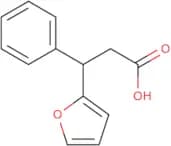
CAS:Versatile small molecule scaffoldFormula:C4H7NS2Purity:Min. 95%Molecular weight:133.2 g/mol3-(2-Furyl)-3-phenylpropanoic acid
CAS:Versatile small molecule scaffoldFormula:C13H12O3Purity:Min. 95%Molecular weight:216.23 g/mol4-Phenyl-1,3-dioxolan-2-one
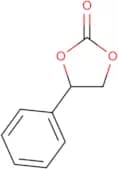
CAS:4-Phenyl-1,3-dioxolan-2-one is a chemical compound that can be synthesized using styrene and an asymmetric synthesis. It is a nonaqueous reaction with a solid catalyst and has been shown to react with halides. 4-Phenyl-1,3-dioxolan-2-one is an aromatic hydrocarbon that reacts with zirconium oxide in the presence of hydrogen fluoride to produce carbonate. This interaction produces a molecule that can be used as an intermediate in other reactions. 4-Phenyl-1,3-dioxolan-2-one has been shown to have synergistic interactions with other chemicals during experiments involving its use as a catalyst for carbonate production.Formula:C9H8O3Purity:Min. 95%Molecular weight:164.16 g/mol[4-(Propan-2-yl)phenyl]methanethiol
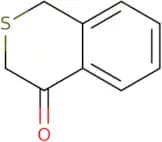
CAS:Versatile small molecule scaffoldFormula:C10H14SPurity:Min. 95%Molecular weight:166.29 g/mol2-Thioisochroman-4-one
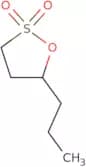
CAS:2-Thioisochroman-4-one is a hydrogen bond inhibitor that binds to the hydroxyl group of the enzyme. It has antiinflammatory activity, and has been shown to inhibit prostaglandin synthesis in vitro. 2-Thioisochroman-4-one also inhibits arachidonic acid release from membrane phospholipids by inhibiting phospholipase A2, and is thought to be an endogenous inhibitor of cyclooxygenase (COX) enzymes. 2-Thioisochroman-4-one is a type of fatty acid that contains a nitro group, which can be reduced to form an intramolecular hydrogen bond with the carbonyl group. 2-Thioisochroman-4-one has been studied using X-ray diffraction data and molecular modeling techniques.Formula:C9H8OSPurity:Min. 95%Molecular weight:164.23 g/mol5-Propyl-1,2-oxathiolane-2,2-dioxide
CAS:Versatile small molecule scaffold
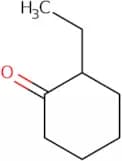
Formula:C6H12O3SPurity:Min. 95%Molecular weight:164.22 g/mol2-Ethylcyclohexanone
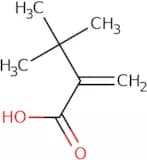
CAS:2-Ethylcyclohexanone is a colorless liquid that has a pungent, sweet odor. It is an alkyl substituent with a conformational isomerization reaction. This process can be catalyzed by sulfide and ethyl bromoacetate. 2-Ethylcyclohexanone also has the ability to form carbonyl groups, which are susceptible to electrophilic substitution reactions with hydroxyl groups. The carbonyl group of 2-ethylcyclohexanone can undergo conformational changes because of its electron donating properties. The carbonyl group in this compound can also react with other nucleophiles that include amines, thiols, and alcohols. 2-Ethylcyclohexanone has been detected in rat brain tissue by nmr spectra and diffraction experiments.Formula:C8H14OPurity:Min. 95%Molecular weight:126.2 g/mol3,3-Dimethyl-2-methylidenebutanoic acid
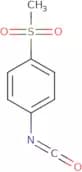
CAS:Versatile small molecule scaffoldFormula:C7H12O2Purity:Min. 95%Molecular weight:128.17 g/mol1-Isocyanato-4-methanesulfonylbenzene
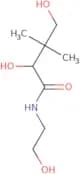
CAS:Versatile small molecule scaffoldFormula:C8H7NO3SPurity:Min. 95%Molecular weight:197.21 g/mol2,4-Dihydroxy-N-(2-hydroxyethyl)-3,3-dimethylbutanamide
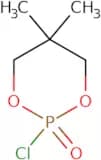
CAS:Versatile small molecule scaffoldFormula:C8H17NO4Purity:Min. 95%Molecular weight:191.22 g/mol2-Chloro-5,5-dimethyl-1,3,2-dioxaphosphorinane 2-oxide
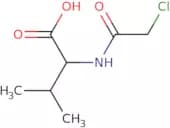
CAS:2-Chloro-5,5-dimethyl-1,3,2-dioxaphosphorinane 2-oxide is a molecule with two chlorine atoms and one oxygen atom. The phosphoryl group has two phosphoranes that are linked by a pyrophosphate bond. The molecule also has a nucleophilic hydrogen chloride and an oxygen carbon double bond. The conformation of the molecule can be determined by the three cyclic groups on the left side of the molecule. This compound is used as an intermediate in organic synthesis for the preparation of other molecules. This reinvestigation shows that this compound bonds to a nucleophilic atom or group to form a new carbon chain and an oxo bridge.Formula:C5H10ClO3PPurity:Min. 95%Molecular weight:184.56 g/molN-Chloroacetyl-DL-valine
CAS:N-Chloroacetyl-DL-valine is a natural amino acid with the formula CH3C(O)NH2. It is one of the 22 proteinogenic amino acids. The N-chloroacetyl group in this compound is attached to nitrogen at the α-position, and its carboxylic acid moiety is attached to the β-position of the amino acid backbone. In crystallized form, it has a n-terminal pyrolysable amide bond that can be cleaved by heat. In solution, it hydrolyzes readily to DL-alanine and chloroacetic acid. Aminoacylase and dipeptidase enzymes catalyze this reaction in vivo. NCA is an L-amino acid that contains an α-carbon atom with two substituents: an amide group (NHCOCH3) and a chloroacetyl group (CH3C(O)Cl). The molecular weight
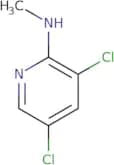
Formula:C7H12ClNO3Purity:Min. 95%Molecular weight:193.63 g/mol3,5-Dichloro-N-methylpyridin-2-amine
CAS:Versatile small molecule scaffold
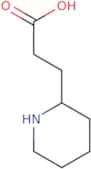
Formula:C6H6Cl2N2Purity:Min. 95%Molecular weight:177.03 g/mol3-(Piperidin-2-yl)propanoic acid
CAS:Versatile small molecule scaffold
Formula:C8H15NO2Purity:Min. 95%Molecular weight:157.21 g/mol6,7,8,9-Tetrahydro-5H-benzo[7]annulene-1-carboxylic acid
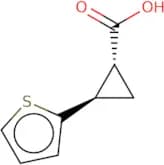
CAS:Versatile small molecule scaffoldFormula:C12H14O2Purity:Min. 95%Molecular weight:190.24 g/molrac-(1R,2R)-2-(Thiophen-2-yl)cyclopropane-1-carboxylic acid
CAS:Versatile small molecule scaffold
Formula:C8H8O2SPurity:Min. 95%Molecular weight:168.2 g/mol1-Thia-4-azaspiro[5.5]undecane
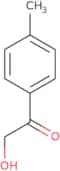
CAS:Versatile small molecule scaffoldFormula:C9H17NSPurity:Min. 95%Molecular weight:171.31 g/mol2-Hydroxy-1-(4-methylphenyl)ethanone
CAS:Versatile small molecule scaffold
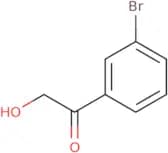
Formula:C9H10O2Purity:Min. 95%Molecular weight:150.17 g/mol1-(3-Bromophenyl)-2-hydroxyethan-1-one
CAS:Versatile small molecule scaffoldFormula:C8H7BrO2Purity:Min. 95%Molecular weight:215.04 g/molDimethyl 1H-pyrazole-3,5-dicarboxylate
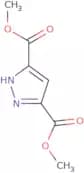
CAS:Dimethyl 1H-pyrazole-3,5-dicarboxylate is a heterocyclic compound that can be synthesized by refluxing methyl groups with pyrazole derivatives. The anion of this compound has been shown to form crystalline complexes with nucleophilic ligands. Dimethyl 1H-pyrazole-3,5-dicarboxylate has been studied in x-ray crystallography and single crystal diffraction studies. The unsymmetrical nature of the molecule allows the two different methyl groups to bind to the same metal atom, which is often observed in other pyrazole derivatives. This property makes dimethyl 1H-pyrazole-3,5-dicarboxylate reactive and a good ligand for metal ions.Formula:C7H8N2O4Purity:Min. 95%Molecular weight:184.15 g/mol2-Benzoyl-5-chloroaniline
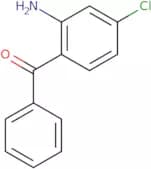
CAS:2-Benzoyl-5-chloroaniline is a synthetic chemical that can be used as an intermediate in the synthesis of other chemicals. It has been found in urine samples and is also used to prepare other compounds. 2-Benzoyl-5-chloroaniline is typically acetylated, salicylated, or trifluoroacetylated before use in order to protect against degradation by acidic conditions. This chemical can react with amines to form conjugates and has functional groups such as chloride and amines that are detectable by gas chromatography. 2-Benzoyl-5-chloroaniline regulates the activity of enzymes related to the metabolism of proteins and nucleic acids, which may be due to its ability to inhibit protein synthesis or DNA replication.
Formula:C13H10ClNOPurity:Min. 95%Molecular weight:231.68 g/mol1-[4-(tert-Butoxy)phenyl]ethan-1-one
CAS:Versatile small molecule scaffoldFormula:C12H16O2Purity:Min. 95%Molecular weight:192.25 g/mol1,3,2-Benzodioxathiole, 2,2-dioxide
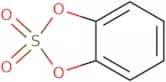
CAS:1,3,2-Benzodioxathiole, 2,2-dioxide is a hydroxy group and an aliphatic hydrocarbon. It is used as a surfactant in detergent compositions. The compound has been shown to be a potent control agent for inflammatory diseases such as atopic dermatitis and psoriasis. It also has the ability to inhibit active enzymes such as cyclooxygenase and lipoxygenase. 1,3,2-Benzodioxathiole, 2,2-dioxide has been shown to have anti-inflammatory properties that may be due to its ability to inhibit the production of inflammatory mediators such as gamma-aminobutyric acid or prostaglandins. 1,3,2-Benzodioxathiole, 2,2-dioxide is also used as a light stabilizer in polymers exposed to light.Formula:C6H4O4SPurity:Min. 95%Molecular weight:172.16 g/mol1-[4-(Propan-2-ylsulfanyl)phenyl]ethan-1-one
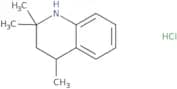
CAS:Versatile small molecule scaffoldFormula:C11H14OSPurity:Min. 95%Molecular weight:194.3 g/mol2,2,4-Trimethyl-1,2,3,4-tetrahydroquinoline hydrochloride
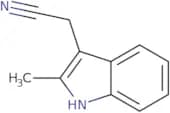
CAS:Versatile small molecule scaffoldFormula:C12H18ClNPurity:Min. 95%Molecular weight:211.73 g/mol2-(2-Methyl-1H-indol-3-yl)acetonitrile
CAS:Versatile small molecule scaffold
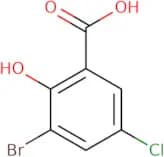
Formula:C11H10N2Purity:Min. 95%Molecular weight:170.21 g/mol3-Bromo-5-chloro-2-hydroxybenzoic acid
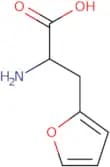
CAS:Versatile small molecule scaffoldFormula:C7H4BrClO3Purity:Min. 95%Molecular weight:251.5 g/mol3-(2-Furyl)-DL-alanine
CAS:3-(2-Furyl)-DL-alanine is a chiral amino acid that is used as a building block in the synthesis of peptides and proteins. The enantiomers of 3-(2-furyl)alanine have been shown to have different properties. One enantiomer has been shown to be more soluble in cyclohexane and 2-propanol, while the other has been shown to be more soluble in water. This difference can be optimized by using an appropriate solvent or by adding a complexing agent such as sodium chloride. It also has been found that one enantiomer is more reactive than the other with metal ions such as copper(II).
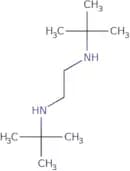
Formula:C7H9NO3Purity:Min. 95%Molecular weight:155.15 g/molN,N'-Di-tert-butylethylenediamine
CAS:N,N'-Di-tert-butylethylenediamine is a diamine compound that has been used as an optical reference in infrared spectroscopy and as a ligand for catalysis. It is soluble in organic solvents and has a magnetic susceptibility of 0.0014 cm3/mol. The optical properties of N,N'-Di-tert-butylethylenediamine are the result of a chromophore with an absorption maximum at 595 nm and emission maxima at 600 nm. This substance also has been shown to have functional groups that can be reduced to form peroxide radicals.
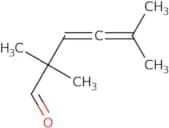
Formula:C10H24N2Purity:Min. 95%Molecular weight:172.32 g/mol2,2,5-Trimethylhexa-3,4-dienal
CAS:Versatile small molecule scaffoldFormula:C9H14OPurity:Min. 95%Molecular weight:138.21 g/mol2,2-Dimethyl-3-phenylcyclobutan-1-one
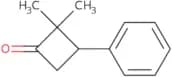
CAS:Versatile small molecule scaffold
Formula:C12H14OPurity:Min. 95%Molecular weight:174.24 g/mol2-Acetyl-cyclohexane-1,3-dione
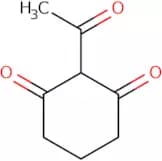
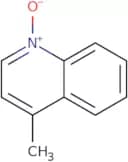
CAS:2-Acetyl-cyclohexane-1,3-dione is a synthetic compound that belongs to the class of quinoline derivatives. It has been used as an antimicrobial agent in cosmetics and topical pharmaceuticals. 2-Acetyl-cyclohexane-1,3-dione has shown bacteriostatic properties against Staphylococcus and Clostridium perfringens, but not against Listeria monocytogenes. This antibiotic also functions as a preservative against Gram-positive bacteria, but not against Gram negative bacteria such as Escherichia coli. 2-Acetyl-cyclohexane-1,3-dione binds to metal ions such as copper and zinc by chelation. The structure of this compound contains a diphenyl ether group and a benzyl group.Formula:C8H10O3Purity:Min. 95%Molecular weight:154.16 g/mol4-Methylquinolin-1-ium-1-olate
CAS:4-Methylquinolin-1-ium-1-olate is a chemical compound that contains a quinoline ring, which is composed of six carbons and three nitrogens. The quinoline ring is attached to a methyl group, which is one carbon atom bonded to three hydrogen atoms. 4-Methylquinolin-1-ium-1-olate has been shown to react with alkali metals such as lithium and sodium, forming an ionic salt. This reaction may be due to the formation of a hydrogen bond between the quinoline nitrogen and the metal cation. 4-Methylquinolin-1-ium-1-olate can also undergo alkylation reactions with halogens, such as chlorine or bromine, in trichloroacetic acid, forming a chloromethyl or bromomethyl group on the quinoline ring. The addition of trichloroacetic acid leads to the cleavage of a bondFormula:C10H9NOPurity:Min. 95%Molecular weight:159.18 g/mol7-Methyl-1,2-dihydroquinolin-2-one
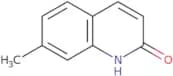
CAS:Versatile small molecule scaffold
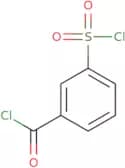
Formula:C10H9NOPurity:Min. 95%Molecular weight:159.18 g/mol3-(Chlorosulfonyl)benzoyl chloride
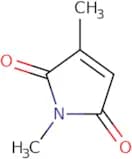
CAS:3-(Chlorosulfonyl)benzoyl chloride is a chemical compound that is used as an additive in various industries, such as the textile industry. It is also used to modify the hydrogen bond between two molecules. This chemical has been shown to inhibit cell growth in vitro by binding to the amines of protein molecules, which prevents osmosis. 3-(Chlorosulfonyl)benzoyl chloride has also been shown to be an inhibitor for a number of enzymes, including piperazine amidohydrolase and aminotransferases. 3-(Chlorosulfonyl)benzoyl chloride is made from the reaction of chlorosulfonic acid with benzoyl chloride. The nitro group on this molecule can react with carboxamido groups on other molecules, forming a new molecule called N-nitrosocarbamylchloride.Formula:C7H4Cl2O3SPurity:Min. 95%Color and Shape:Clear LiquidMolecular weight:239.08 g/mol1,3-Dimethyl-2,5-dihydro-1H-pyrrole-2,5-dione
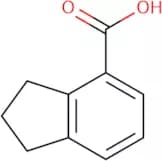
CAS:1,3-Dimethyl-2,5-dihydro-1H-pyrrole-2,5-dione is a photopolymerization initiator that can be used in the production of polyurethane foams. It is a cyclic compound that absorbs ultraviolet light and undergoes polymerization reactions to form polyurethane. This chemical also has low molecular weight and isomeric properties. 1,3-Dimethyl-2,5-dihydro-1H-pyrrole-2,5-dione has been shown to be a stereoisomeric compound with aspartic acid and amines. It has also been shown to have diffraction peaks at 2θ values of 5.8° and 7.6° when irradiated with UV light at 365 nm wavelength and can be used for the production of polyurethane foams at temperatures between 120°C and 160°C.Formula:C6H7NO2Purity:Min. 95%Molecular weight:125.13 g/mol2,3-Dihydro-1H-indene-4-carboxylic acid
CAS:Versatile small molecule scaffold
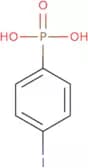
Formula:C10H10O2Purity:Min. 95%Molecular weight:162.18 g/mol(4-Iodophenyl)phosphonic acid
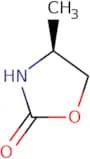
CAS:Versatile small molecule scaffoldFormula:C6H6IO3PPurity:Min. 95%Molecular weight:283.99 g/mol(S)-4-Methyloxazolidin-2-one
CAS:Versatile small molecule scaffoldFormula:C4H7NO2Purity:Min. 95%Molecular weight:101.1 g/molBicyclo[2.2.1]heptan-2-ylmethanamine hydrochloride
CAS:Controlled ProductBicyclo[2.2.1]heptan-2-ylmethanamine hydrochloride is a chemical compound that is used to treat inflammatory diseases. It has been shown to be effective in animals with experimental arthritis, and it has been found to suppress the production of nitric oxide, which is involved in inflammation. Bicyclo[2.2.1]heptan-2-ylmethanamine hydrochloride binds to proteins and peptides in the body, forming conjugates that are excreted in urine samples or plasma concentrations. The enantiomers of this drug have different effects on the body, with one being more potent than the other. It has been shown that this drug can inhibit cell dysfunction by modulating cell signaling pathways as well as inhibiting inflammatory responses via interactions with opioid receptors on cells. This drug also inhibits the production of inflammatory cytokines such as IL-6 and TNF-α by binding to their
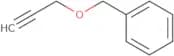
Formula:C20H27NOPurity:Min. 95%Molecular weight:297.4 g/molPropargyl Benzyl Ether
CAS:Propargyl benzyl ether is an organic compound with the formula CHCH=C(CH)OCH. It is a colorless liquid that has been used as a synthetic intermediate in organic synthesis. Propargyl benzyl ether has been shown to induce apoptotic cell death, which may be due to its ability to bind and inhibit the activity of pyrazole-3-carboxamide ribonucleotide transformylase, an enzyme involved in purine metabolism. This compound also induces apoptosis through the activation of caspases. The sample is pretreated before analysis by activating the cells with a solution of HCl and KOH before adding propargyl benzyl ether. Analysis is then conducted using analytical chemistry techniques such as gas chromatography or mass spectrometry. The chemical synthesis can be accomplished by reacting a β-unsaturated ketone with an acid catalyst such as HCl or acetic acid in the presence of a chelate ligand such as pyridine hydro
Formula:C10H10OPurity:Min. 95%Molecular weight:146.19 g/mol2,4,4Prime-Trimethoxybenzophenone
CAS:Versatile small molecule scaffold
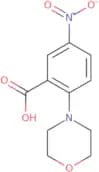
Formula:C16H16O4Purity:Min. 95%Molecular weight:272.29 g/mol5-Nitro-2-(morpholin-4-yl)benzoic acid
CAS:5-Nitro-2-(morpholin-4-yl)benzoic acid is a cytotoxic agent that induces apoptosis in cells. This compound binds to tubulin and inhibits its polymerization, which leads to the disruption of microtubules. 5NMBA has potent cytotoxicity against cancer cells, including human lung cancer cells. It has been shown to be a potent inhibitor of paclitaxel polymerization, and also can disrupt the polymerization of other drugs such as colchicine and vinblastine. 5NMBA expresses itself at high levels in human lung cancer tissues and is often found in multidrug resistant tumor cells.
Formula:C11H12N2O5Purity:Min. 95%Molecular weight:252.22 g/molN-{4-[(3-Chloroquinoxalin-2-yl)sulfamoyl]phenyl}acetamide
CAS:Versatile small molecule scaffold
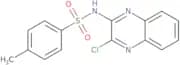
Formula:C16H13ClN4O3SPurity:Min. 95%Molecular weight:376.8 g/molN-(3-Chloroquinoxalin-2-yl)-4-methylbenzenesulfonamide
CAS:3-Chloroquinoxaline-2-carboxylic acid (3CQC) is a halogen atom, oxadiazole, benzene, alkoxycarbonyl, alkoxy, cyano, trifluoromethyl, dihedral and halogen. 3CQC is used as a chemical intermediate in organic synthesis. It can be used as a starting material for the synthesis of other organic compounds and pharmaceuticals. 3CQC has been found to inhibit bacterial growth by inhibiting RNA polymerase. This compound also inhibits protein synthesis by binding to the ribosome's 50S subunit and prevents the production of proteins vital for cell division.
Formula:C15H12ClN3O2SPurity:Min. 95%Molecular weight:333.79 g/mol2,2-Dimethyl-4-oxocyclohexanecarboxylic acid
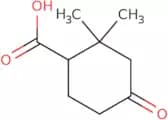
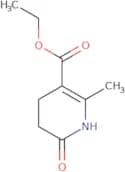
CAS:Versatile small molecule scaffoldFormula:C9H14O3Purity:Min. 95%Molecular weight:170.21 g/molEthyl 2-methyl-6-oxo-1,4,5,6-tetrahydropyridine-3-carboxylate
CAS:Versatile small molecule scaffoldFormula:C9H13NO3Purity:Min. 95%Molecular weight:183.2 g/molSpiro[4.5]decan-8-one
CAS:Spiro[4.5]decan-8-one is a phenylhydrazine that has been used in the synthesis of indole and cycloalkyl compounds. The spectra of this compound show two peaks at 6.3 and 8.7 ppm in the IR spectrum, which correspond to the C=C stretching mode for the cycloalkyl group and the C=N stretch for the phenylhydrazine moiety respectively. This structural isomer shows different chemical properties when compared to other isomers because it has a spirocyclic ring system with an 8-membered ring fused to a 10-membered ring, whereas other isomers have a 9-membered ring fused to a 10-membered ring.Formula:C10H16OPurity:Min. 95%Molecular weight:152.23 g/mol2-Hydroxy-2,3,3-trimethylbutanoic acid
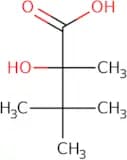
CAS:2-Hydroxy-2,3,3-trimethylbutanoic acid is a molecule that has been used in the synthesis of ligands and is also used to stabilize the carboxylic acid group. The protonation of this molecule leads to its acidic properties, which are useful for many purposes, including as a precursor for insect pheromones. The addition of chloride ions to 2-hydroxy-2,3,3-trimethylbutanoic acid produces an ion with a mononuclear charge that can be detected by nmr spectroscopy. This molecule forms hydrogen bonds with water molecules.
Formula:C7H14O3Purity:Min. 95%Molecular weight:146.18 g/mol1-(4-Bromophenyl)-1,3-butanedione
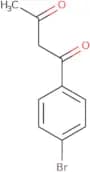
CAS:1-(4-Bromophenyl)-1,3-butanedione is a colorless liquid that has a molecular weight of 98.09 and an elemental analysis of C, H, Br, O. It is soluble in water and alcohols and has an enol form. 1-(4-Bromophenyl)-1,3-butanedione reacts with tantalum to give the tantalum salt with a molecular weight of 203.59. 1-(4-Bromophenyl)-1,3-butanedione can be used as a raw material for organic synthesis or as an intermediate for chemical reactions involving bromine or halogens.Formula:C10H9BrO2Purity:Min. 95%Molecular weight:241.08 g/mol6,7-Dimethoxy-4-methylquinazoline
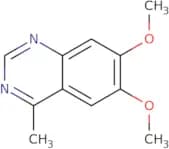
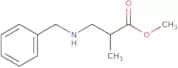
CAS:Versatile small molecule scaffoldFormula:C11H12N2O2Purity:Min. 95%Molecular weight:204.22 g/molMethyl 3-(benzylamino)-2-methylpropanoate
CAS:Versatile small molecule scaffoldFormula:C12H17NO2Purity:Min. 95%Molecular weight:207.27 g/mol1,2,3,4-Tetrahydroquinolin-2-imine
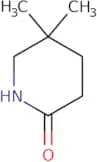
CAS:Versatile small molecule scaffoldFormula:C9H10N2Purity:Min. 95%Molecular weight:146.2 g/mol5,5-Dimethylpiperidin-2-one
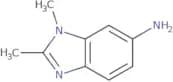
CAS:Versatile small molecule scaffoldFormula:C7H13NOPurity:Min. 95%Molecular weight:127.18 g/mol1,2-Dimethyl-1H-1,3-benzodiazol-6-amine
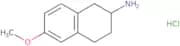
CAS:Versatile small molecule scaffoldFormula:C9H11N3Purity:Min. 95%Molecular weight:161.2 g/mol6-Methoxy-1,2,3,4-tetrahydro-naphthalen-2-ylamine hydrochloride
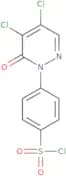
CAS:Controlled ProductVersatile small molecule scaffoldFormula:C11H16ClNOPurity:Min. 95%Molecular weight:213.7 g/mol4-(4,5-Dichloro-6-oxopyridazin-1-yl)benzenesulfonyl chloride
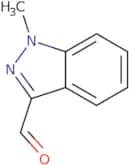
CAS:Versatile small molecule scaffoldFormula:C10H5Cl3N2O3SPurity:Min. 95%Molecular weight:339.6 g/mol1-Methyl-1H-indazole-3-carbaldehyde
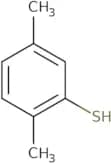
CAS:1-Methyl-1H-indazole-3-carbaldehyde is a chemical compound that belongs to the family of heterocyclic compounds. It is used as a starting material for other chemicals, including hydantoins and semicarbazones. The condensation reaction between 1-methyl-1H-indazole-3-carbaldehyde and malonic acid yields hippuric acid and semicarbazone. Oximes may be prepared from 1-methyl-1H-indazole-3-carbaldehyde by reaction with sulfuric acid or dichromate.Formula:C9H8N2OPurity:Min. 95%Molecular weight:160.18 g/mol2,5-Dimethylbenzenethiol
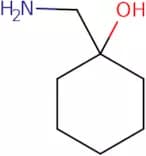
CAS:2,5-Dimethylbenzenethiol is a functionalized thiol that is used in cross-coupling reactions. It can be used to synthesize organic compounds with a wide range of structures, including alcohols, amines, carbonyls, and esters. In addition to being an efficient method for the synthesis of these compounds, this thiol has been shown to be cytotoxic against cancer cells. 2,5-Dimethylbenzenethiol has also been shown to have gas sensing properties. The synthesis of this thiol is achieved through a reaction between 2-bromobenzene and ethanethiol. This reaction produces 2-bromoethanethiol and 2,5-dimethylbenzenethiol as products. This molecule then undergoes hydrolysis in order to produce the final product. The molecular structure of this compound consists of two benzene rings connected by a carbon chain with two methyl groups on either end of theFormula:C8H10SPurity:Min. 95%Molecular weight:138.23 g/mol1-(Aminomethyl)cyclohexanol
CAS:1-(Aminomethyl)cyclohexanol (1-ACOH) is a ligand that binds to the benzodiazepine receptor that has a neuroprotective effect. 1-ACOH is orally bioavailable and exhibits anticonvulsant, hypoglycemic, and anti-inflammatory activities. 1-ACOH has been shown to be a fluorescent compound with an absorption maximum at 337 nm. It can bind covalently to anions such as chloride, bromide, iodide, and fluoride via its amine group. The binding of 1-ACOH to these anions results in changes in its fluorescence properties. Deramciclane fumarate is a prodrug that undergoes hydrolysis by esterases to form dibutyl 1-(Aminomethyl)cyclohexanol (DBA). DBA is the active form of deramciclane fumarate that binds to the benzodiazepineFormula:C7H15NOPurity:Min. 95%Molecular weight:129.2 g/mol1-[1-(Pyridin-2-yl)ethyl]piperidin-4-amine dihydrochloride
CAS:Versatile small molecule scaffold
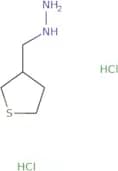
Formula:C12H21Cl2N3Purity:Min. 95%Molecular weight:278.22 g/mol(Thiolan-3-ylmethyl)hydrazine dihydrochloride
CAS:Versatile small molecule scaffoldFormula:C5H14Cl2N2SPurity:Min. 95%Molecular weight:205.15 g/mol2-({[4-(3-Bromophenyl)-1,3-thiazol-2-yl]methyl}amino)ethan-1-ol
CAS:Versatile small molecule scaffoldFormula:C12H13BrN2OSPurity:Min. 95%Molecular weight:313.22 g/mol3-[(4-Chlorophenyl)methyl]oxan-3-amine hydrochloride
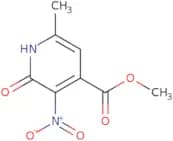
CAS:Versatile small molecule scaffoldFormula:C12H17Cl2NOPurity:Min. 95%Molecular weight:262.17 g/molMethyl 2-hydroxy-6-methyl-3-nitropyridine-4-carboxylate
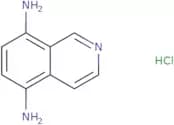
CAS:Versatile small molecule scaffoldFormula:C8H8N2O5Purity:Min. 95%Molecular weight:212.16 g/molIsoquinoline-5,8-diamine hydrochloride
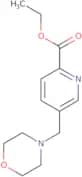
CAS:Versatile small molecule scaffoldFormula:C9H10ClN3Purity:Min. 95%Molecular weight:195.65 g/molEthyl 5-(morpholin-4-ylmethyl)pyridine-2-carboxylate
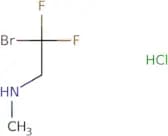
CAS:Versatile small molecule scaffoldFormula:C13H18N2O3Purity:Min. 95%Molecular weight:250.29 g/mol(2-Bromo-2,2-difluoroethyl)(methyl)amine hydrochloride
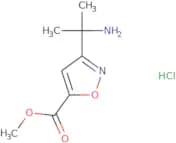
CAS:Versatile small molecule scaffoldFormula:C3H7BrClF2NPurity:Min. 95%Molecular weight:210.45 g/molMethyl 3-(2-aminopropan-2-yl)-1,2-oxazole-5-carboxylate hydrochloride
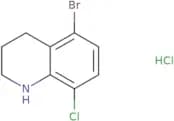
CAS:Versatile small molecule scaffoldFormula:C8H13ClN2O3Purity:Min. 95%Molecular weight:220.65 g/mol5-Bromo-8-chloro-1,2,3,4-tetrahydroquinoline hydrochloride
CAS:Versatile small molecule scaffold
Formula:C9H10BrCl2NPurity:Min. 95%Molecular weight:282.99 g/mol2-Fluoro-1-(methoxymethyl)-4-nitrobenzene
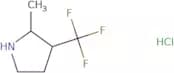
CAS:Versatile small molecule scaffoldFormula:C8H8FNO3Purity:Min. 95%Molecular weight:185.15 g/mol2-Methyl-3-(trifluoromethyl)pyrrolidine hydrochloride
CAS:Versatile small molecule scaffoldFormula:C6H11ClF3NPurity:Min. 95%Molecular weight:189.6 g/mol2-[4-(Trifluoromethyl)pyridin-2-yl]ethan-1-amine hydrochloride
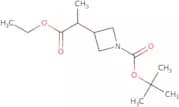
CAS:Versatile small molecule scaffoldFormula:C8H10ClF3N2Purity:Min. 95%Molecular weight:226.62 g/moltert-Butyl 3-(1-ethoxy-1-oxopropan-2-yl)azetidine-1-carboxylate
CAS:Versatile small molecule scaffoldFormula:C13H23NO4Purity:Min. 95%Molecular weight:257.33 g/mol3-Cyclopentylazetidine hydrochloride
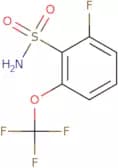
CAS:Versatile small molecule scaffoldFormula:C8H16ClNPurity:Min. 95%Molecular weight:161.67 g/mol2-Fluoro-6-(trifluoromethoxy)benzene-1-sulfonamide
CAS:Versatile small molecule scaffold
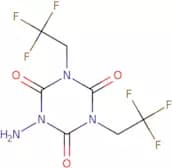
Formula:C7H5F4NO3SPurity:Min. 95%Molecular weight:259.18 g/mol1-Amino-3,5-bis(2,2,2-trifluoroethyl)-1,3,5-triazinane-2,4,6-trione
CAS:Versatile small molecule scaffoldFormula:C7H6F6N4O3Purity:Min. 95%Molecular weight:308.14 g/molN-Methyl-N-[(pyridin-2-yl)methyl]azepan-4-amine trihydrochloride
CAS:Versatile small molecule scaffold
Formula:C13H24Cl3N3Purity:Min. 95%Molecular weight:328.7 g/mol1-[(3-Fluorophenyl)methyl]pyrrolidine-3-carboxylic acid hydrochloride
CAS:Versatile small molecule scaffold
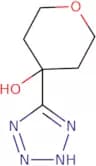
Formula:C12H15ClFNO2Purity:Min. 95%Molecular weight:259.7 g/mol4-(1H-1,2,3,4-Tetrazol-5-yl)oxan-4-ol
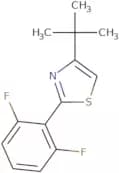
CAS:Versatile small molecule scaffoldFormula:C6H10N4O2Purity:Min. 95%Molecular weight:170.17 g/mol4-tert-Butyl-2-(2,6-difluorophenyl)-1,3-thiazole
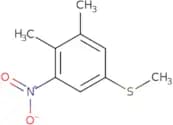
CAS:Versatile small molecule scaffoldFormula:C13H13F2NSPurity:Min. 95%Molecular weight:253.31 g/mol1,2-Dimethyl-5-(methylsulfanyl)-3-nitrobenzene
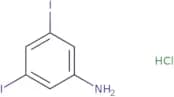
CAS:Versatile small molecule scaffoldFormula:C9H11NO2SPurity:Min. 95%Molecular weight:197.26 g/mol3,5-Diiodoaniline hydrochloride
CAS:Versatile small molecule scaffold
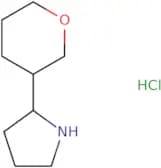
Formula:C6H6ClI2NPurity:Min. 95%Molecular weight:381.38 g/mol2-(Oxan-3-yl)pyrrolidine hydrochloride
CAS:Versatile small molecule scaffoldFormula:C9H18ClNOPurity:Min. 95%Molecular weight:191.7 g/mol[4-(Trifluoroprop-1-yn-1-yl)phenyl]methanol
CAS:Versatile small molecule scaffold
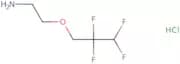
Formula:C10H7F3OPurity:Min. 95%Molecular weight:200.16 g/mol2-(2,2,3,3-Tetrafluoropropoxy)ethan-1-amine hydrochloride
CAS:Versatile small molecule scaffoldFormula:C5H10ClF4NOPurity:Min. 95%Molecular weight:211.58 g/mol4-(2-Methyl-1,3-dioxolan-2-yl)benzene-1-sulfonyl fluoride
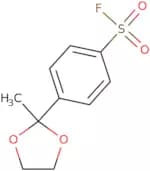
CAS:Versatile small molecule scaffold
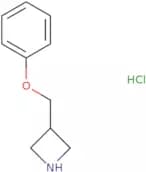
Formula:C10H11FO4SPurity:Min. 95%Molecular weight:246.26 g/mol3-(Phenoxymethyl)azetidine hydrochloride
CAS:Versatile small molecule scaffoldFormula:C10H14ClNOPurity:Min. 95%Molecular weight:199.68 g/mol4-Amino-1-{[2-(trifluoromethyl)phenyl]methyl}pyrrolidin-2-one hydrochloride
CAS:Versatile small molecule scaffold
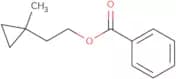
Formula:C12H14ClF3N2OPurity:Min. 95%Molecular weight:294.7 g/mol2-(1-Methylcyclopropyl)ethyl benzoate
CAS:Versatile small molecule scaffold
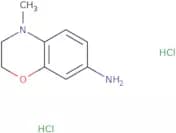
Formula:C13H16O2Purity:Min. 95%Molecular weight:204.26 g/mol4-Methyl-3,4-dihydro-2H-1,4-benzoxazin-7-amine dihydrochloride
CAS:Versatile small molecule scaffoldFormula:C9H14Cl2N2OPurity:Min. 95%Molecular weight:237.12 g/mol4-[(Cyclopropylamino)methyl]-3-fluorobenzonitrile hydrochloride
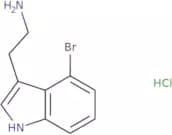
CAS:Versatile small molecule scaffoldFormula:C11H12ClFN2Purity:Min. 95%Molecular weight:226.68 g/mol2-(4-Bromo-1H-indol-3-yl)ethan-1-amine hydrochloride
CAS:Controlled ProductVersatile small molecule scaffoldFormula:C10H12BrClN2Purity:Min. 95%Molecular weight:275.57 g/moltert-Butyl N-{3-hydroxy-2-[(1-methyl-1H-pyrazol-5-yl)methyl]propyl}carbamate
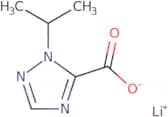
CAS:Versatile small molecule scaffoldFormula:C13H23N3O3Purity:Min. 95%Molecular weight:269.34 g/molLithium 1-(propan-2-yl)-1H-1,2,4-triazole-5-carboxylate
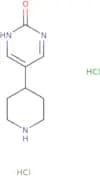
CAS:Versatile small molecule scaffoldFormula:C6H8LiN3O2Purity:Min. 95%Molecular weight:161.1 g/mol5-(Piperidin-4-yl)pyrimidin-2-ol dihydrochloride
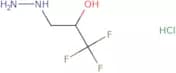
CAS:Versatile small molecule scaffoldFormula:C9H15Cl2N3OPurity:Min. 95%Molecular weight:252.14 g/mol1,1,1-Trifluoro-3-hydrazinylpropan-2-ol hydrochloride
CAS:Versatile small molecule scaffold
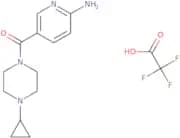
Formula:C3H8ClF3N2OPurity:Min. 95%Molecular weight:180.56 g/mol5-(4-Cyclopropylpiperazine-1-carbonyl)pyridin-2-amine, trifluoroacetic acid
CAS:Versatile small molecule scaffoldFormula:C15H19F3N4O3Purity:Min. 95%Molecular weight:360.33 g/mol
![2-[1-(Carboxymethyl)cycloheptyl]acetic acid](/_next/image/?url=https%3A%2Fstatic.cymitquimica.com%2Fproducts%2F3D%2Fthumb-webp%2FEAA43218.webp&w=3840&q=75)

![[4-(Propan-2-yl)phenyl]methanethiol](/_next/image/?url=https%3A%2Fstatic.cymitquimica.com%2Fproducts%2F3D%2Fthumb-webp%2FEAA42753.webp&w=3840&q=75)
![6,7,8,9-Tetrahydro-5H-benzo[7]annulene-1-carboxylic acid](/_next/image/?url=https%3A%2Fstatic.cymitquimica.com%2Fproducts%2F3D%2Fthumb-webp%2FEAA08743.webp&w=3840&q=75)
![1-Thia-4-azaspiro[5.5]undecane](/_next/image/?url=https%3A%2Fstatic.cymitquimica.com%2Fproducts%2F3D%2Fthumb-webp%2FEAA08356.webp&w=3840&q=75)
![1-[4-(tert-Butoxy)phenyl]ethan-1-one](/_next/image/?url=https%3A%2Fstatic.cymitquimica.com%2Fproducts%2F3D%2Fthumb-webp%2FEAA07463.webp&w=3840&q=75)
![1-[4-(Propan-2-ylsulfanyl)phenyl]ethan-1-one](/_next/image/?url=https%3A%2Fstatic.cymitquimica.com%2Fproducts%2F3D%2Fthumb-webp%2FEAA07453.webp&w=3840&q=75)
![Bicyclo[2.2.1]heptan-2-ylmethanamine hydrochloride](/_next/image/?url=https%3A%2Fstatic.cymitquimica.com%2Fproducts%2F3D%2Fthumb-webp%2FEAA04059.webp&w=3840&q=75)
![N-{4-[(3-Chloroquinoxalin-2-yl)sulfamoyl]phenyl}acetamide](/_next/image/?url=https%3A%2Fstatic.cymitquimica.com%2Fproducts%2F3D%2Fthumb-webp%2FEAA02942.webp&w=3840&q=75)
![Spiro[4.5]decan-8-one](/_next/image/?url=https%3A%2Fstatic.cymitquimica.com%2Fproducts%2F3D%2Fthumb-webp%2FEAA02735.webp&w=3840&q=75)

![1-[1-(Pyridin-2-yl)ethyl]piperidin-4-amine dihydrochloride](/_next/image/?url=https%3A%2Fstatic.cymitquimica.com%2Fproducts%2F3D%2Fthumb-webp%2FDXC60778.webp&w=3840&q=75)
![2-({[4-(3-Bromophenyl)-1,3-thiazol-2-yl]methyl}amino)ethan-1-ol](/_next/image/?url=https%3A%2Fstatic.cymitquimica.com%2Fproducts%2F3D%2Fthumb-webp%2FDXC60776.webp&w=3840&q=75)
![3-[(4-Chlorophenyl)methyl]oxan-3-amine hydrochloride](/_next/image/?url=https%3A%2Fstatic.cymitquimica.com%2Fproducts%2F3D%2Fthumb-webp%2FDXC60773.webp&w=3840&q=75)

![2-[4-(Trifluoromethyl)pyridin-2-yl]ethan-1-amine hydrochloride](/_next/image/?url=https%3A%2Fstatic.cymitquimica.com%2Fproducts%2F3D%2Fthumb-webp%2FDXC60761.webp&w=3840&q=75)

![N-Methyl-N-[(pyridin-2-yl)methyl]azepan-4-amine trihydrochloride](/_next/image/?url=https%3A%2Fstatic.cymitquimica.com%2Fproducts%2F3D%2Fthumb-webp%2FDXC60755.webp&w=3840&q=75)
![1-[(3-Fluorophenyl)methyl]pyrrolidine-3-carboxylic acid hydrochloride](/_next/image/?url=https%3A%2Fstatic.cymitquimica.com%2Fproducts%2F3D%2Fthumb-webp%2FDXC60754.webp&w=3840&q=75)
![[4-(Trifluoroprop-1-yn-1-yl)phenyl]methanol](/_next/image/?url=https%3A%2Fstatic.cymitquimica.com%2Fproducts%2F3D%2Fthumb-webp%2FDXC60747.webp&w=3840&q=75)
![4-Amino-1-{[2-(trifluoromethyl)phenyl]methyl}pyrrolidin-2-one hydrochloride](/_next/image/?url=https%3A%2Fstatic.cymitquimica.com%2Fproducts%2F3D%2Fthumb-webp%2FDXC60740.webp&w=3840&q=75)
![4-[(Cyclopropylamino)methyl]-3-fluorobenzonitrile hydrochloride](/_next/image/?url=https%3A%2Fstatic.cymitquimica.com%2Fproducts%2F3D%2Fthumb-webp%2FDXC60736.webp&w=3840&q=75)
![tert-Butyl N-{3-hydroxy-2-[(1-methyl-1H-pyrazol-5-yl)methyl]propyl}carbamate](/_next/image/?url=https%3A%2Fstatic.cymitquimica.com%2Fproducts%2F3D%2Fthumb-webp%2FDXC60733.webp&w=3840&q=75)