Building Blocks
This section contains fundamental products for the synthesis of organic and biological compounds. Building blocks are the essential starting materials used to construct complex molecules through various chemical reactions. They play a critical role in drug discovery, material science, and chemical research. At CymitQuimica, we offer a diverse range of high-quality building blocks to support your innovative research and industrial projects, ensuring you have the essential components for successful synthesis.
Subcategories of "Building Blocks"
- Boronic Acids & Boronic Acid Derivatives(5,778 products)
- Chiral Building Blocks(1,242 products)
- Hydrocarbon Building Blocks(6,098 products)
- Organic Building Blocks(61,084 products)
Found 198714 products of "Building Blocks"
Sort by
Purity (%)
0
100
|
0
|
50
|
90
|
95
|
100
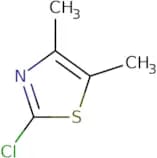
2-Chloro-4,5-dimethyl-1,3-thiazole
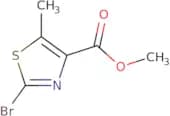
CAS:<p>Versatile small molecule scaffold</p>Formula:C5H6NSClPurity:Min. 95%Molecular weight:147.62 g/molMethyl 2-bromo-5-methylthiazole-4-carboxylate
CAS:<p>Versatile small molecule scaffold</p>Formula:C6H6BrNO2SPurity:Min. 95%Molecular weight:236.09 g/mol4-[4-(Chlorosulfonyl)-2-methylphenoxy]butanoic acid
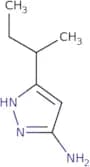
CAS:Controlled Product<p>Versatile small molecule scaffold</p>Formula:C11H13ClO5SPurity:Min. 95%Molecular weight:292.74 g/mol3-(Butan-2-yl)-1H-pyrazol-5-amine
CAS:<p>Versatile small molecule scaffold</p>Formula:C7H13N3Purity:Min. 95%Molecular weight:139.2 g/mol3-Butyl-1H-pyrazol-5-amine
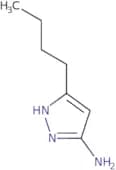
CAS:<p>3-Butyl-1H-pyrazol-5-amine is a cytotoxic agent that has been shown to inhibit the proliferation of glioblastoma cells in vitro. The drug is an analog of pyrazolopyrimidinone, which is a prodrug that can be activated by cytochrome P450 enzymes. In this study, 3-butyl-1H-pyrazol-5-amine was found to be a potent and selective inhibitor of cancer cell proliferation. It also exhibits greater stability than pyrazolopyrimidinone, making it more suitable for clinical trials. This prodrug derivative has been synthesized and its prodrug derivatives have been generated with different activation chemistries to allow for the selective delivery of cytotoxic agents to cancer cells.</p>Formula:C7H13N3Purity:Min. 95%Molecular weight:139.2 g/mol4,4-Dimethyl-2,3,4,5-tetrahydro-1H-1,5-benzodiazepin-2-one
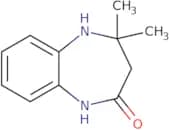
CAS:<p>Versatile small molecule scaffold</p>Formula:C11H14N2OPurity:Min. 95%Molecular weight:190.24 g/mol2-(4-Ethoxyphenyl)ethanamine HCl
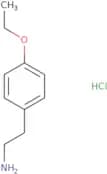
CAS:Controlled Product<p>Versatile small molecule scaffold</p>Formula:C10H16ClNOPurity:Min. 95%Molecular weight:201.69 g/mol2-(4-Isopropoxyphenyl)ethylamine HCl
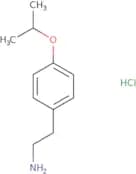
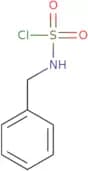
CAS:Controlled Product<p>Versatile small molecule scaffold</p>Formula:C11H18ClNOPurity:Min. 95%Molecular weight:215.72 g/molN-Benzylsulfamoyl chloride
CAS:N-Benzylsulfamoyl chloride is an inhibitor of the enzyme, racemase. This inhibitor has been shown to be active against a variety of hyperproliferative diseases. N-Benzylsulfamoyl chloride inhibits the production of cell proteins and can be used for the treatment of mycoses and thioether-related disorders. It also has cytoprotective activity in liver cells and neuronal cells, which may be due to its ability to inhibit carboxyalkylases.Formula:C7H8ClNO2SPurity:Min. 95%Molecular weight:205.66 g/mol6-Chloro-3-(4-methylphenyl)-[1,2,4]triazolo[4,3-b]pyridazine
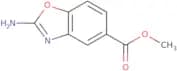
CAS:<p>Versatile small molecule scaffold</p>Formula:C12H9ClN4Purity:Min. 95%Molecular weight:244.68 g/molMethyl 2-amino-1,3-benzoxazole-5-carboxylate
CAS:<p>Versatile small molecule scaffold</p>Formula:C9H8N2O3Purity:Min. 95%Molecular weight:192.17 g/mol2-[4-(6-Chloropyridazin-3-yl)piperazin-1-yl]ethan-1-ol
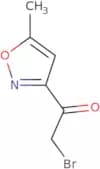
CAS:<p>Versatile small molecule scaffold</p>Formula:C10H15ClN4OPurity:Min. 95%Molecular weight:242.7 g/mol2-Bromo-1-(5-methyl-1,2-oxazol-3-yl)ethan-1-one
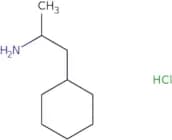
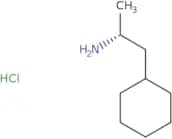
CAS:<p>Versatile small molecule scaffold</p>Formula:C6H6BrNO2Purity:Min. 95%Molecular weight:204.02 g/mol(2S)-1-Cyclohexylpropan-2-amine hydrochloride
CAS:<p>Versatile small molecule scaffold</p>Formula:C9H20ClNPurity:Min. 95%Molecular weight:177.71 g/mol(2R)-1-Cyclohexylpropan-2-amine hydrochloride
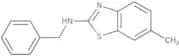
CAS:<p>Versatile small molecule scaffold</p>Formula:C9H20ClNPurity:Min. 95%Molecular weight:177.7 g/molN-Benzyl-6-methyl-1,3-benzothiazol-2-amine
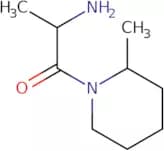
CAS:<p>Versatile small molecule scaffold</p>Formula:C15H14N2SPurity:Min. 95%Molecular weight:254.4 g/mol2-Amino-1-(2-methylpiperidin-1-yl)propan-1-one
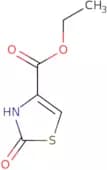
CAS:Controlled Product<p>Versatile small molecule scaffold</p>Formula:C9H18N2OPurity:Min. 95%Molecular weight:170.25 g/molEthyl 2-hydroxy-1,3-thiazole-4-carboxylate
CAS:<p>Versatile small molecule scaffold</p>Formula:C6H7NO3SPurity:Min. 95%Molecular weight:173.19 g/mol2-(Carbamoylmethoxy)benzoic acid
CAS:<p>Versatile small molecule scaffold</p>Formula:C9H9NO4Purity:Min. 95%Molecular weight:195.17 g/molo-[3-(Dimethylamino)propyl]hydroxylamine dihydrochloride
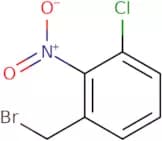
CAS:<p>o-[3-(Dimethylamino)propyl]hydroxylamine dihydrochloride is a drug used to treat cardiovascular disorders. It is a prodrug that is metabolized in the body to form hydroxylamine, which has affinity for c1-6 alkyl groups. The hydroxyl group on the heterocycle of o-[3-(Dimethylamino)propyl]hydroxylamine dihydrochloride also has biological properties. This drug is an inhibitor of monoamine oxidase and may reduce the risk of heart disease by lowering blood pressure and decreasing cholesterol levels. The stereoisomers of this compound are used for the treatment of hypertension. The benzyl group on o-[3-(Dimethylamino)propyl]hydroxylamine dihydrochloride may be responsible for its ability to inhibit monoamine oxidase A and B, as well as other enzymes involved in cardiovascular diseases.</p>Formula:C5H16Cl2N2OPurity:Min. 95%Molecular weight:191.1 g/mol3-Chloro-2-nitrobenzyl bromide
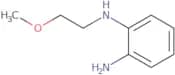
CAS:<p>Versatile small molecule scaffold</p>Formula:C7H5BrClNO2Purity:Min. 95%Molecular weight:250.48 g/molN1-(2-Methoxyethyl)benzene-1,2-diamine
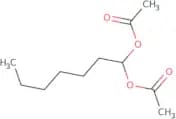
CAS:<p>Versatile small molecule scaffold</p>Formula:C9H14N2OPurity:Min. 95%Molecular weight:166.22 g/mol1-(Acetyloxy)heptyl acetate
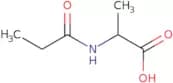
CAS:<p>1-(Acetyloxy)heptyl acetate is an organic compound that has the molecular formula CH3COOC7H15. It is a colorless liquid with boiling point of 174°C at 1 mmHg. This compound is used as a solvent, and it is also used in the synthesis of some pharmaceuticals. The melting point of 1-(acetyloxy)heptyl acetate varies depending on the temperature because this compound exists as two polymorphs. The compound can be activated by heating to temperatures above 145°C, which will cause it to form hydrogen bonds with water molecules. One of the major uses for 1-(acetyloxy)heptyl acetate is as an excipient in tablets and capsules. The most common use for this substance is in pharmaceuticals that are taken orally and require solvents or solubilizers to dissolve other components such as inactive ingredients, active ingredients, or colors.</p>Formula:C11H20O4Purity:Min. 95%Molecular weight:216.27 g/mol(2S)-2-Propanamidopropanoic acid
CAS:<p>(2S)-2-Propanamidopropanoic acid is a non-protein amino acid that is used in the synthesis of peptides. It has an acidic side chain and can be reacted with amines to form a beta-amide linkage. These reactions are catalyzed by enzymes such as proteases and thiols. This compound has been shown to inhibit the activity of proteases, which may be due to its ability to compete for binding sites on the enzyme. The equilibrium constant for this reaction is 1.5 x 10^9 M^(-1).</p>Formula:C6H11NO3Purity:Min. 95%Molecular weight:145.16 g/molMethyl 2-[(3-aminophenyl)formamido]acetate
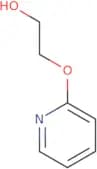
CAS:<p>Versatile small molecule scaffold</p>Formula:C10H12N2O3Purity:Min. 95%Molecular weight:208.21 g/mol2-(Pyridin-2-yloxy)ethan-1-ol
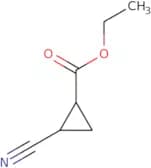
CAS:<p>Versatile small molecule scaffold</p>Formula:C7H9NO2Purity:Min. 95%Molecular weight:139.15 g/molethyl 2-cyanocyclopropane-1-carboxylate
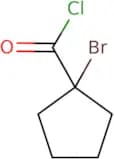
CAS:<p>Ethyl 2-cyanocyclopropane-1-carboxylate is a reactive chemical reagent that can be used to synthesize a variety of compounds. It is an aliphatic compound with a carbonyl group at the end of the molecule and belongs to a class of compounds called chlorohydrins. Ethyl 2-cyanocyclopropane-1-carboxylate has been used as an organoindium compound for the synthesis of stilbene derivatives. It can also be used to synthesize chlorinated alkenes, oxiranes, and other cyclopropanes. Ethyl 2-cyanocyclopropane-1-carboxylate can react with alcohols or phenols in presence of acid to form acetals or ketals, respectively.</p>Formula:C7H9NO2Purity:Min. 95%Molecular weight:139.15 g/mol1-Bromocyclopentane-1-carbonyl chloride
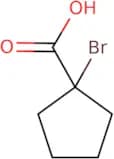
CAS:<p>Versatile small molecule scaffold</p>Formula:C6H8BrClOPurity:Min. 95%Molecular weight:211.48 g/mol1-Bromocyclopentane-1-carboxylic acid
CAS:<p>Cyclopentane-1,2-dicarboxylic acid is an organic compound with the molecular formula C5H8O4. The molecule consists of a cyclopentane ring and two carboxylic acid groups. Cyclopentane-1,2-dicarboxylic acid can be synthesized by an intramolecular cyclization reaction between a 1-bromocyclopentane and a chalcone. This reagent can also be used to synthesize other compounds such as phenoxyethanol, an enolate, and organozinc compounds.</p>Formula:C6H9BrO2Purity:Min. 95%Molecular weight:193.04 g/mol(E)-3-Cyclohexylacrylic acid
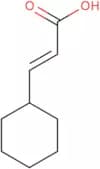
CAS:<p>(E)-3-Cyclohexylacrylic acid is an antibacterial agent that inhibits the growth of bacteria by binding to the 50S ribosomal subunit. It binds to bacterial 16S ribosomal RNA and inhibits protein synthesis, leading to cell death by inhibiting the production of proteins vital for cell division. (E)-3-Cyclohexylacrylic acid has been shown to be effective against methicillin-resistant Staphylococcus aureus (MRSA) and Clostridium perfringens, although is not active against acid-fast bacteria such as Mycobacterium tuberculosis or Mycobacterium avium complex. This compound also has anticancer activity, which may be due to its ability to inhibit topoisomerase II activity in cells.</p>Formula:C9H14O2Purity:Min. 95%Molecular weight:154.21 g/mol2,6-Dichloro-N-methylaniline
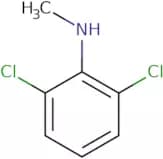
CAS:<p>Versatile small molecule scaffold</p>Formula:C7H7Cl2NPurity:Min. 95%Molecular weight:176.04 g/mol1-(2-Chlorophenyl)-1,3-butanedione
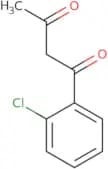
CAS:<p>Versatile small molecule scaffold</p>Formula:C10H9O2ClPurity:Min. 95%Molecular weight:196.63 g/mol7H,8H-Imidazo[1,5-a]pyrazin-8-one
CAS:7H,8H-Imidazo[1,5-a]pyrazin-8-one is a potent and selective inhibitor of the bromodomain family. Bromodomains are protein domains found in many proteins that have been implicated in regulating gene expression, DNA repair, and protein degradation. Inhibiting this domain leads to decreased proliferation of tumor cells. 7H,8H-Imidazo[1,5-a]pyrazin-8-one has also shown potential as an anti-neurodegenerative agent by inhibiting the enzyme acetylcholinesterase. This compound is active against cancerous cell lines and is crystalline with a polymorphic form that can be used for medicine production.Formula:C6H5N3OPurity:Min. 95%Molecular weight:135.12 g/mol8-chloroimidazo[1,5-a]pyrazine
CAS:<p>8-Chloroimidazo[1,5-a]pyrazine is a potent insulin-like growth factor-I receptor (IGF-IR) inhibitor with potential therapeutic use for type II diabetes. It was found to inhibit IGF-I induced activation of the IR and downstream signaling pathways in a dose dependent manner. 8-Chloroimidazo[1,5-a]pyrazine inhibited IGF-I induced mitogenesis in human colon cancer cells and showed antiangiogenic activity in nude mice bearing xenografts of human colon cancer cells.</p>Formula:C6H4ClN3Purity:Min. 95%Molecular weight:153.57 g/mol4-(Propan-2-yl)benzene-1,2-diamine
CAS:<p>Versatile small molecule scaffold</p>Formula:C9H14N2Purity:Min. 95%Molecular weight:150.22 g/molFuro[3,2-b]pyridine-5-carboxylic acid
CAS:<p>Versatile small molecule scaffold</p>Formula:C8H5NO3Purity:Min. 95%Molecular weight:163.13 g/molThieno[3,2-b]pyridine-5-carboxylic acid
CAS:Versatile small molecule scaffoldFormula:C8H5NO2SPurity:Min. 95%Molecular weight:179.2 g/mol2-Chlorocyclohex-1-ene-1-carboxylic acid
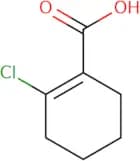
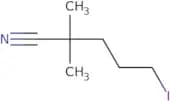
CAS:<p>2-Chlorocyclohex-1-ene-1-carboxylic acid is a synthetic compound that has been used as a reactant for the production of phthalic anhydride. The reaction mechanism begins with the formation of isocyanide, which reacts with benzoic acid to form an intermediate benzoyl isocyanide. This intermediate reacts with the acetic acid to produce 2-chlorocyclohexanecarboxylic acid, which in turn undergoes hydrolysis to give phthalic anhydride.</p>Formula:C7H9ClO2Purity:Min. 95%Molecular weight:160.6 g/mol5-Iodo-2,2-dimethylpentanenitrile
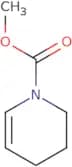
CAS:<p>Versatile small molecule scaffold</p>Formula:C7H12INPurity:Min. 95%Molecular weight:237.08 g/molMethyl 1,2,3,4-tetrahydropyridine-1-carboxylate
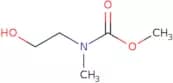
CAS:<p>Versatile small molecule scaffold</p>Formula:C7H11NO2Purity:Min. 95%Molecular weight:141.17 g/molMethyl N-(2-hydroxyethyl)-N-methylcarbamate
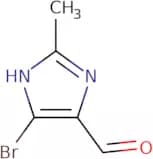
CAS:<p>Methyl N-(2-hydroxyethyl)-N-methylcarbamate (HEMC) is a diazonium salt that is synthesized by the reaction of an amide and methyl ethyl carbamate. HEMC is a potent inhibitor of phosphodiesterase type 5 (PDE5), a type of enzyme found in cells that breaks down the important signaling molecule, cyclic guanosine monophosphate (cGMP). HEMC also has an effect on fatty acid metabolism, leading to changes in the levels of polyunsaturated fatty acids. These effects are thought to be responsible for its anti-inflammatory and emphysema properties. The use of HEMC is restricted to medical purposes.<br>Methyl N-(2-hydroxyethyl)-N-methylcarbamate has been shown to inhibit PDE5 at nanomolar concentrations, with an IC50 value of 0.3 μM. This inhibition leads to increased cGMP levels</p>Formula:C5H11NO3Purity:Min. 95%Molecular weight:133.15 g/mol4-Bromo-2-methyl-1H-imidazole-5-carbaldehyde
CAS:<p>Versatile small molecule scaffold</p>Formula:C5H5BrN2OPurity:Min. 95%Molecular weight:189.01 g/mol1-(4-Methoxyphenyl)-2-methylpropan-2-amine
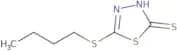
CAS:Controlled Product<p>Versatile small molecule scaffold</p>Formula:C11H17NOPurity:Min. 95%Molecular weight:179.26 g/mol5-(Butylsulfanyl)-1,3,4-thiadiazole-2-thiol
CAS:<p>Versatile small molecule scaffold</p>Formula:C6H10N2S3Purity:Min. 95%Molecular weight:206.4 g/mol4-[(Oxiran-2-yl)methyl]-3-phenyl-4,5-dihydro-1,2,4-oxadiazol-5-one
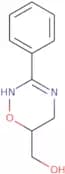
CAS:<p>Versatile small molecule scaffold</p>Formula:C11H10N2O3Purity:Min. 95%Molecular weight:218.21 g/mol(3-Phenyl-5,6-dihydro-4H-1,2,4-oxadiazin-6-yl)methanol
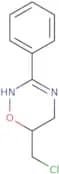
CAS:<p>Versatile small molecule scaffold</p>Formula:C10H12N2O2Purity:Min. 95%Molecular weight:192.21 g/mol6-(Chloromethyl)-3-phenyl-5,6-dihydro-4H-1,2,4-oxadiazine
CAS:<p>Versatile small molecule scaffold</p>Formula:C10H11ClN2OPurity:Min. 95%Molecular weight:210.66 g/mol2,6-Dimethylbenzene-1,4-diamine dihydrochloride
CAS:<p>Versatile small molecule scaffold</p>Formula:C8H14Cl2N2Purity:Min. 95%Molecular weight:209.11 g/molMethyl 2-oxobicyclo[2.2.1]heptane-1-carboxylate
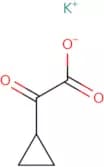
CAS:<p>Versatile small molecule scaffold</p>Formula:C9H12O3Purity:Min. 95%Molecular weight:168.2 g/molPotassium 2-cyclopropyl-2-oxoacetate
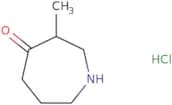
CAS:Versatile small molecule scaffoldFormula:C5H5KO3Purity:Min. 95%Molecular weight:152.19 g/mol3-Methylazepan-4-one Hydrochloride
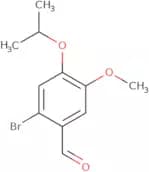
CAS:<p>Versatile small molecule scaffold</p>Formula:C7H13NO·HClPurity:Min. 95%Molecular weight:163.64 g/mol2-Bromo-4-isopropoxy-5-methoxybenzaldehyde
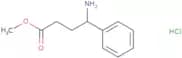
CAS:<p>Versatile small molecule scaffold</p>Formula:C11H13BrO3Purity:Min. 95%Molecular weight:273.12 g/molMethyl 4-amino-4-phenylbutanoate hydrochloride
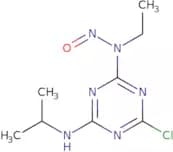
CAS:<p>Versatile small molecule scaffold</p>Formula:C11H16ClNO2Purity:Min. 95%Molecular weight:229.7 g/molN-Nitrosoatrazine
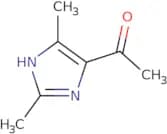
CAS:<p>N-Nitrosoatrazine is a genotoxic compound that is used as an analytical reagent in the field of toxicology. It has been shown to be clastogenic and to cause micronucleus formation in mammalian cells. The toxicity of this compound is related to its ability to induce DNA damage, which may be due to its ability to generate reactive oxygen species by nitrating tyrosine residues on proteins in the cell. N-Nitrosoatrazine also inhibits growth rate and reduces the number of ovary cells in female rats. This effect may be due to its ability to inhibit the synthesis of amines, which are required for follicle development.</p>Formula:C8H13ClN6OPurity:Min. 95%Molecular weight:244.68 g/mol1-(2,5-Dimethyl-1H-imidazol-4-yl)ethan-1-one
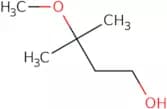
CAS:<p>Versatile small molecule scaffold</p>Formula:C7H10N2OPurity:Min. 95%Molecular weight:138.17 g/mol3-Methoxy-3-methyl-1-butanol
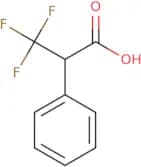
CAS:<p>3-Methoxy-3-methyl-1-butanol is a chemical with a phase equilibrium in water. It has been shown to be effective in the treatment of lung damage caused by radiation, and is also used as an antimicrobial agent in industrial processes. This chemical is used to remove particles from air streams that are contaminated with bacteria. 3-Methoxy-3-methyl-1-butanol binds to fatty acids on the surface of bacteria, which disrupts their cell membranes and inhibits their growth. The molecular weight of this chemical is 138 g/mol.</p>Formula:C6H14O2Purity:Min. 95%Molecular weight:118.17 g/mol3,3,3-Trifluoro-2-phenylpropionic acid
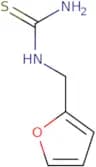
CAS:<p>3,3,3-Trifluoro-2-phenylpropionic acid (TFPA) is a chiral molecule that can be used as a derivatizing agent to identify compounds. It has antibacterial properties and may be used in the manufacture of thin films or coatings. TFPA is insoluble in water and exhibits antibacterial activity when applied to surfaces. This compound can also be used in the synthesis of perovskite solar cells, as well as for particle size measurements. TFPA reacts with alcohols and amides to form esters and amides respectively. TFPA is also reactive with phosphines such as triphenylphosphine to form phosphonium salts. TFPA has been shown to have anti-inflammatory effects in mice by inhibiting prostaglandin synthesis.</p>Formula:C9H7F3O2Purity:Min. 95%Molecular weight:204.15 g/mol1-(2-Furfuryl)-2-thiourea
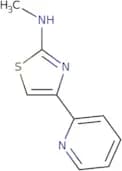
CAS:<p>1-(2-Furfuryl)-2-thiourea is a herbicidal compound that inhibits the growth of plants by interrupting the synthesis of chlorophyll. This reaction occurs through the formation of an intermediate called betacyanin, which absorbs light at 670 nm and prevents it from being used in photosynthesis. 1-(2-Furfuryl)-2-thiourea is synthesized through a two step process, starting with the condensation of phenylurea and thiourea. The second step involves the deuteriumation of 1-(2-furfuryl)thiourea to produce 1-(2-furfuryl)-2-thiourea. The deuteriumation process is achieved by reacting 1-(2-furfuryl)thiourea with sodium borohydride in methanol solution. The yield for this reaction is about 80%.</p>Formula:C6H8N2OSPurity:Min. 95%Molecular weight:156.2 g/molN-Methyl-4-(pyridin-2-yl)-1,3-thiazol-2-amine
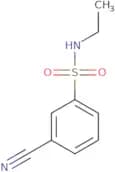
CAS:<p>Versatile small molecule scaffold</p>Formula:C9H9N3SPurity:Min. 95%Molecular weight:191.26 g/mol3-Cyano-N-ethylbenzene-1-sulfonamide
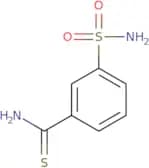
CAS:<p>3-Cyano-N-ethylbenzene-1-sulfonamide is a drug that has been used for the treatment of tuberculosis and as an antidote for poisoning. It is a derivative of aniline that has been treated with ethyl sulfate to make it more soluble in water. 3-Cyano-N-ethylbenzene-1-sulfonamide is used to detect small amounts of drugs, such as methamphetamine, cocaine, and heroin. The detection method involves mixing the compound with a reagent called benzidine and then measuring the color change produced by the reaction. This drug can also be used to detect impurities in other medicines, such as aspirin or amphetamine.</p>Formula:C9H10N2O2SPurity:Min. 95%Molecular weight:210.26 g/mol3-Sulfamoylbenzene-1-carbothioamide
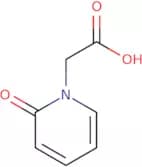
CAS:<p>Versatile small molecule scaffold</p>Formula:C7H8N2O2S2Purity:Min. 95%Molecular weight:216.3 g/mol(2-Oxopyridin-1(2H)-yl)acetic acid
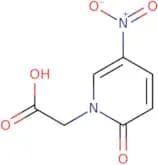
CAS:<p>2-Oxopyridin-1(2H)-yl)acetic acid is a colorless, crystalline solid that can be used as a reagent for organic synthesis. It has been shown to inhibit the growth of C. parapsilosis and T. tetracosane at low concentrations. 2-Oxopyridin-1(2H)-yl)acetic acid may have an inhibitory effect on the enzyme dehydrogenase, which catalyzes the conversion of hexadecanoic acid to hexadecenoic acid during lipid metabolism and is required for cell survival. This compound has also been shown to be effective against M. tuberculosis and M. avium complex, but not against other bacteria such as B. subtilis or S. aureus.</p>Formula:C7H7NO3Purity:Min. 95%Molecular weight:153.14 g/mol2-(5-Nitro-2-oxo-1,2-dihydropyridin-1-yl)acetic acid
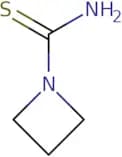
CAS:<p>Versatile small molecule scaffold</p>Formula:C7H6N2O5Purity:Min. 95%Molecular weight:198.13 g/molAzetidine-1-carbothioamide
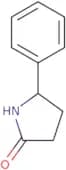
CAS:Versatile small molecule scaffoldFormula:C4H8N2SPurity:Min. 95%Molecular weight:116.19 g/mol(5S)-5-Phenylpyrrolidin-2-one
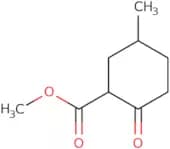
CAS:<p>Versatile small molecule scaffold</p>Formula:C10H11NOPurity:Min. 95%Molecular weight:161.2 g/molMethyl 5-methyl-2-oxocyclohexane-1-carboxylate
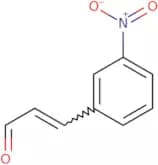
CAS:<p>Methyl 5-methyl-2-oxocyclohexane-1-carboxylate is a racemic compound with the chemical formula CH3(CH2)4CO2. The individual enantiomers are known as D and L methyl 5-methyl-2-oxocyclohexane-1-carboxylate. This compound is a sesquiterpenoid and has been found to inhibit the growth of certain bacteria, fungi, and parasites. The biological activity of this compound is due to its ability to interfere with protein synthesis by binding to the active site of enzymes that require a carboxyl group for their function. Methyl 5-methyl-2-oxocyclohexane-1-carboxylate can be found in nature as a mixture of two enantiomers, but it can also be synthesized in a racemic form.</p>Formula:C9H14O3Purity:Min. 95%Molecular weight:170.21 g/mol3-(3-Nitrophenyl)acrylaldehyde
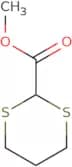
CAS:<p>3-(3-Nitrophenyl)acrylaldehyde is an organic compound that belongs to the class of aldehydes. It is used in the synthesis of halogenated compounds, such as dibromohexane, and in organic chemistry as a building block for the preparation of hydrophobic compounds. 3-(3-Nitrophenyl)acrylaldehyde reacts with benzene in an aldol condensation reaction to form 2,4-dinitrobenzaldehyde. This reaction may be catalyzed by acid or base. The efficiency of this reaction is increased when it is carried out at lower temperatures and higher pressures. The ring-opening reaction of 3-(3-nitrophenyl)acrylaldehyde with methanal also proceeds efficiently at lower temperatures and higher pressures.</p>Formula:C9H7NO3Purity:Min. 95%Molecular weight:177.16 g/molMethyl 1,3-dithiane-2-carboxylate
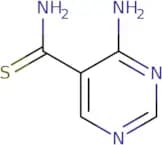
CAS:Versatile small molecule scaffoldFormula:C6H10O2S2Purity:Min. 95%Molecular weight:178.3 g/mol4-Aminopyrimidine-5-carbothioamide
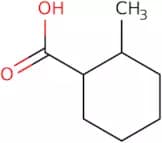
CAS:<p>Versatile small molecule scaffold</p>Formula:C5H6N4SPurity:Min. 95%Molecular weight:154.2 g/mol2-Methyl-1-cyclohexanecarboxylic Acid
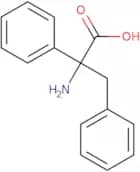
CAS:2-Methyl-1-cyclohexanecarboxylic acid is a monounsaturated fatty acid. It is soluble in water, but not in organic solvents. 2-Methyl-1-cyclohexanecarboxylic acid has been shown to be an attractant for pyrylium ion and a substrate for the enzyme cyclohexane carboxylase. The compound is also found in plants, including leaves of the Acacia tree and bark of the Eucalyptus tree. This monounsaturated fatty acid has been shown to have high chiral purity and low levels of formic acid impurities, making it suitable as an additive in products such as pharmaceuticals, cosmetics, and foodstuffs.Formula:C8H14O2Purity:Min. 95%Molecular weight:142.2 g/mol2-Amino-2,3-diphenylpropanoic acid
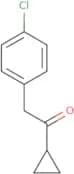
CAS:Versatile small molecule scaffoldFormula:C15H15NO2Purity:Min. 95%Molecular weight:241.28 g/mol2-(4-Chlorophenyl)-1-cyclopropylethan-1-one
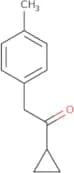
CAS:<p>Versatile small molecule scaffold</p>Formula:C11H11ClOPurity:Min. 95%Molecular weight:194.66 g/mol1-Cyclopropyl-2-(4-methylphenyl)ethan-1-one
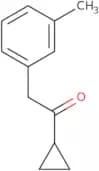
CAS:<p>Versatile small molecule scaffold</p>Formula:C12H14OPurity:Min. 95%Molecular weight:174.24 g/mol1-Cyclopropyl-2-(3-methylphenyl)ethan-1-one
CAS:Versatile small molecule scaffoldFormula:C12H14OPurity:Min. 95%Molecular weight:174.24 g/mol1-Cyclopropyl-2-(2-methylphenyl)ethan-1-one
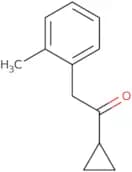
CAS:<p>Versatile small molecule scaffold</p>Formula:C12H14OPurity:Min. 95%Molecular weight:174.24 g/mol2,4-Difluoroquinazoline
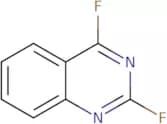
CAS:<p>Versatile small molecule scaffold</p>Formula:C8H4F2N2Purity:Min. 95%Molecular weight:166.13 g/molDiethyl 2-(methylamino)malonate hydrochloride
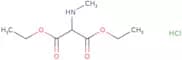
CAS:<p>Versatile small molecule scaffold</p>Formula:C8H16ClNO4Purity:Min. 95%Molecular weight:225.67 g/mol2-(4-Oxo-1,4-dihydroquinolin-1-yl)acetic acid
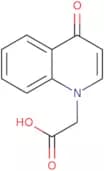
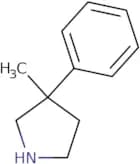
CAS:<p>Versatile small molecule scaffold</p>Formula:C11H9NO3Purity:Min. 95%Molecular weight:203.19 g/mol3-methyl-3-phenylpyrrolidine
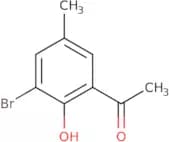
CAS:<p>3-Methyl-3-phenylpyrrolidine is a pharmacological lactam with nicotinic acetylcholine activity. It has been shown to be active in the treatment of epilepsy in rats, which may be due to its ability to bind to and activate neuronal nicotinic acetylcholine receptors. The crystal structure of 3-methyl-3-phenylpyrrolidine has been determined and shows that this molecule can connect with two receptor sites on the acetylcholine receptor. This suggests that 3-methyl-3-phenylpyrrolidine is able to act as an agonist at both sites on the receptor and may have a greater inhibitory effect on neuronal nicotinic acetylcholine receptors than other drugs currently available for the treatment of epilepsy.</p>Formula:C11H15NPurity:Min. 95%Molecular weight:161.24 g/mol1-(3-Bromo-2-hydroxy-5-methylphenyl)ethan-1-one
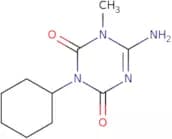
CAS:<p>Versatile small molecule scaffold</p>Formula:C9H9BrO2Purity:Min. 95%Molecular weight:229.07 g/mol6-Amino-3-cyclohexyl-1-methyl-1,2,3,4-tetrahydro-1,3,5-triazine-2,4-dione
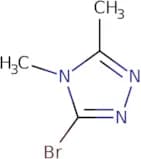
CAS:<p>6-Amino-3-cyclohexyl-1-methyl-1,2,3,4-tetrahydro-1,3,5-triazine-2,4-dione is the metabolite of cyclophosphamide and is extracted using n-hexane and acetonitrile. It has been shown to be a potent inhibitor of DNA synthesis in vitro at concentrations as low as 10 μM. The average recoveries for this compound are 96.6% with an average recovery of 99.7%.</p>Formula:C10H16N4O2Purity:Min. 95%Molecular weight:224.26 g/mol3-Bromo-4,5-dimethyl-4H-1,2,4-triazole
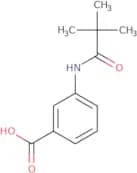
CAS:<p>Versatile small molecule scaffold</p>Formula:C4H6BrN3Purity:Min. 95%Molecular weight:176.01 g/mol3-(2,2-Dimethylpropionylamino)benzoic acid
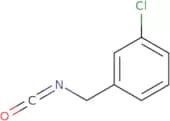
CAS:<p>Versatile small molecule scaffold</p>Formula:C12H15NO3Purity:Min. 95%Molecular weight:221.26 g/mol1-Chloro-3-(isocyanatomethyl)benzene
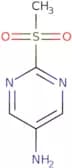
CAS:<p>Versatile small molecule scaffold</p>Formula:C8H6ClNOPurity:Min. 95%Molecular weight:167.59 g/mol2-(Methylsulfonyl)pyrimidin-5-amine
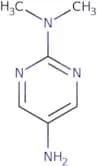
CAS:<p>Versatile small molecule scaffold</p>Formula:C5H7N3O2SPurity:Min. 95%Molecular weight:173.19 g/molN2,N2-Dimethylpyrimidine-2,5-diamine
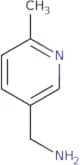
CAS:Versatile small molecule scaffoldFormula:C6H10N4Purity:Min. 95%Molecular weight:138.17 g/mol(6-Methylpyridin-3-yl)methanamine
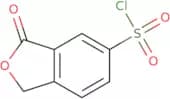
CAS:<p>Versatile small molecule scaffold</p>Formula:C7H10N2Purity:Min. 95%Molecular weight:122.17 g/mol3-Oxo-1,3-dihydro-2-benzofuran-5-sulfonyl chloride
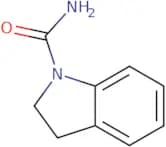
CAS:<p>Versatile small molecule scaffold</p>Formula:C8H5ClO4SPurity:Min. 95%Molecular weight:232.64 g/mol2,3-Dihydro-1H-indole-1-carboxamide
CAS:<p>2,3-Dihydro-1H-indole-1-carboxamide is a factor receptor inhibitor that prevents the binding of growth factors to their receptors. It has been shown to have endothelial dysfunction activity and to inhibit cell growth in cardiac, atherosclerotic lesions, and pulmonary endothelial cells. 2,3-Dihydro-1H-indole-1-carboxamide has also been shown to prevent vascular endothelial cell growth and to reduce the size of atherosclerotic lesions in mice. This drug is a pharmaceutical product that can be used as an antiangiogenic agent or as a medicament for the treatment of pulmonary diseases.</p>Formula:C9H10N2OPurity:Min. 95%Molecular weight:162.19 g/mol4-Bromofuran-2-one
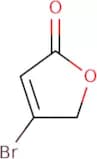
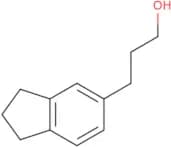
CAS:Bromofuran-2-one is an organotin compound that is used in the synthesis of pharmaceuticals, agrochemicals, and other organic compounds. The compound has a sequence of reactions that can be controlled by the substitution of the chloride group with a variety of functional groups. Bromofuran-2-one has been shown to undergo a Suzuki coupling reaction with an olefin, which produces a substituted furanone product.Formula:C4H3BrO2Purity:Min. 95%Molecular weight:162.97 g/mol3-(2,3-Dihydro-1H-inden-5-yl)propan-1-ol
CAS:<p>Versatile small molecule scaffold</p>Formula:C12H16OPurity:Min. 95%Molecular weight:176.25 g/mol1-(3-Chlorobenzyl)imidazole
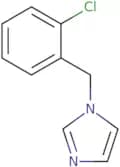
CAS:<p>Versatile small molecule scaffold</p>Formula:C10H9ClN2Purity:Min. 95%Molecular weight:192.64 g/mol1-(2-Chlorobenzyl)imidazole
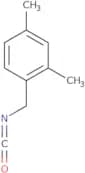
CAS:<p>Versatile small molecule scaffold</p>Formula:C10H9ClN2Purity:Min. 95%Molecular weight:192.64 g/mol1-(Isocyanatomethyl)-2,4-dimethylbenzene
CAS:<p>Versatile small molecule scaffold</p>Formula:C10H11NOPurity:Min. 95%Molecular weight:161.2 g/mol2-(2-Hydroxyethyl)-2H,3H-[1,2,4]triazolo[4,3-a]pyridin-3-one
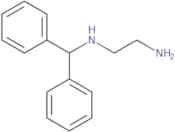
CAS:<p>Versatile small molecule scaffold</p>Formula:C8H9N3O2Purity:Min. 95%Molecular weight:179.18 g/mol(2-Aminoethyl)(diphenylmethyl)amine
CAS:<p>Versatile small molecule scaffold</p>Formula:C15H18N2Purity:Min. 95%Molecular weight:226.32 g/mol4-(Propan-2-yl)-1H-imidazole-2-thiol
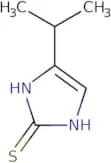
CAS:<p>Versatile small molecule scaffold</p>Formula:C6H10N2SPurity:Min. 95%Molecular weight:142.22 g/mol2,3-Dibromooxane
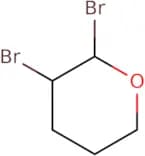
CAS:<p>Versatile small molecule scaffold</p>Formula:C5H8Br2OPurity:Min. 95%Molecular weight:243.92 g/mol4-Methyl-1-oxo-1H-isochromene-3-carboxylic acid
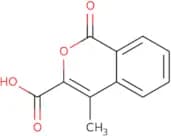
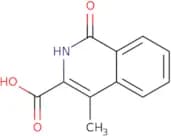
CAS:<p>Versatile small molecule scaffold</p>Formula:C11H8O4Purity:Min. 95%Molecular weight:204.18 g/mol4-Methyl-1-oxo-1,2-dihydroisoquinoline-3-carboxylic acid
CAS:Versatile small molecule scaffoldFormula:C11H9NO3Purity:Min. 95%Molecular weight:203.19 g/mol

![4-[4-(Chlorosulfonyl)-2-methylphenoxy]butanoic acid](/_next/image/?url=https%3A%2Fstatic.cymitquimica.com%2Fproducts%2F3D%2Fthumb-webp%2FGCA35914.webp&w=3840&q=75)
![6-Chloro-3-(4-methylphenyl)-[1,2,4]triazolo[4,3-b]pyridazine](/_next/image/?url=https%3A%2Fstatic.cymitquimica.com%2Fproducts%2F3D%2Fthumb-webp%2FGCA38342.webp&w=3840&q=75)
![2-[4-(6-Chloropyridazin-3-yl)piperazin-1-yl]ethan-1-ol](/_next/image/?url=https%3A%2Fstatic.cymitquimica.com%2Fproducts%2F3D%2Fthumb-webp%2FGCA39287.webp&w=3840&q=75)

![o-[3-(Dimethylamino)propyl]hydroxylamine dihydrochloride](/_next/image/?url=https%3A%2Fstatic.cymitquimica.com%2Fproducts%2F3D%2Fthumb-webp%2FGCA42532.webp&w=3840&q=75)
![Methyl 2-[(3-aminophenyl)formamido]acetate](/_next/image/?url=https%3A%2Fstatic.cymitquimica.com%2Fproducts%2F3D%2Fthumb-webp%2FGCA44569.webp&w=3840&q=75)
![7H,8H-Imidazo[1,5-a]pyrazin-8-one](/_next/image/?url=https%3A%2Fstatic.cymitquimica.com%2Fproducts%2F3D%2Fthumb-webp%2FGCA46821.webp&w=3840&q=75)
![8-chloroimidazo[1,5-a]pyrazine](/_next/image/?url=https%3A%2Fstatic.cymitquimica.com%2Fproducts%2F3D%2Fthumb-webp%2FGCA46823.webp&w=3840&q=75)

![Furo[3,2-b]pyridine-5-carboxylic acid](/_next/image/?url=https%3A%2Fstatic.cymitquimica.com%2Fproducts%2F3D%2Fthumb-webp%2FGCA47391.webp&w=3840&q=75)
![Thieno[3,2-b]pyridine-5-carboxylic acid](/_next/image/?url=https%3A%2Fstatic.cymitquimica.com%2Fproducts%2F3D%2Fthumb-webp%2FGCA47392.webp&w=3840&q=75)

![4-[(Oxiran-2-yl)methyl]-3-phenyl-4,5-dihydro-1,2,4-oxadiazol-5-one](/_next/image/?url=https%3A%2Fstatic.cymitquimica.com%2Fproducts%2F3D%2Fthumb-webp%2FGCA49376.webp&w=3840&q=75)

![Methyl 2-oxobicyclo[2.2.1]heptane-1-carboxylate](/_next/image/?url=https%3A%2Fstatic.cymitquimica.com%2Fproducts%2F3D%2Fthumb-webp%2FGCA50563.webp&w=3840&q=75)

![2-(2-Hydroxyethyl)-2H,3H-[1,2,4]triazolo[4,3-a]pyridin-3-one](/_next/image/?url=https%3A%2Fstatic.cymitquimica.com%2Fproducts%2F3D%2Fthumb-webp%2FGCA65449.webp&w=3840&q=75)