Building Blocks
This section contains fundamental products for the synthesis of organic and biological compounds. Building blocks are the essential starting materials used to construct complex molecules through various chemical reactions. They play a critical role in drug discovery, material science, and chemical research. At CymitQuimica, we offer a diverse range of high-quality building blocks to support your innovative research and industrial projects, ensuring you have the essential components for successful synthesis.
Subcategories of "Building Blocks"
- Boronic Acids & Boronic Acid Derivatives(5,756 products)
- Chiral Building Blocks(1,242 products)
- Hydrocarbon Building Blocks(6,095 products)
- Organic Building Blocks(61,055 products)
Found 199650 products of "Building Blocks"
Sort by
Purity (%)
0
100
|
0
|
50
|
90
|
95
|
100
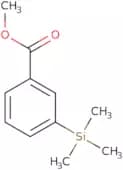
Methyl 3-(trimethylsilyl)benzoate
CAS:<p>Versatile small molecule scaffold</p>Formula:C11H16O2SiPurity:Min. 95%Molecular weight:208.33 g/molMethyl 4-(Trimethylsilyl)benzoate
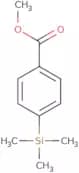
CAS:<p>Methyl 4-(trimethylsilyl)benzoate is a chemical compound that is used in geosmin removal. Geosmin is a natural chemical compound that has a strong, earthy smell. Methyl 4-(trimethylsilyl)benzoate is used to remove geosmin from recycled water and wastewater, as well as the fatty acids that have been released into the environment by oil spills. It is also used in the synthesis of linearis, which can be used for the production of halides and undecanoic acid. Methyl 4-(trimethylsilyl)benzoate can be used for catalysis of reactions at room temperature or below, without the need for high pressures or temperatures. This chemical compound has been shown to be an effective catalyst for cross-coupling reactions involving disilane, isolating silicon from siloxanes, and producing linearis from unsaturated fatty acids and alcohols. Methyl 4</p>Formula:C11H16O2SiPurity:Min. 95%Molecular weight:208.33 g/molMethyl 3-(4-hydroxy-3-methylphenyl)propanoate
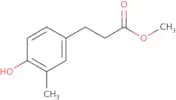
CAS:<p>Versatile small molecule scaffold</p>Formula:C11H14O3Purity:Min. 95%Molecular weight:194.23 g/mol3-(4-Hydroxy-3-methylphenyl)propanenitrile
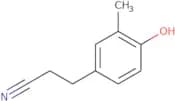
CAS:<p>Versatile small molecule scaffold</p>Formula:C10H11NOPurity:Min. 95%Molecular weight:161.2 g/mol4-(4-Aminophenyl)pyrrolidin-2-one
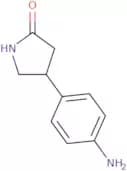
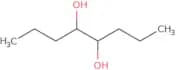
CAS:<p>Versatile small molecule scaffold</p>Formula:C10H12N2OPurity:Min. 95%Molecular weight:176.21 g/mol(4R,5S)-Octane-4,5-diol
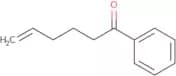
CAS:<p>Versatile small molecule scaffold</p>Formula:C8H18O2Purity:Min. 95%Molecular weight:146.2 g/mol1-Phenylhex-5-en-1-one
CAS:<p>Pyrrole is a heterocyclic organic compound with the chemical formula C5H5N. It is structurally similar to benzene, with one of the hydrogen atoms replaced by a nitrogen atom in the 1-position. Pyrrole has been used extensively as a starting material for synthesizing other heterocycles and compounds. The advances in pyrrole synthesis have been made using acetonitrile as an acceptor and phenyl ring as a five-membered ring. In this reaction, photoirradiation or irradiation can be used to generate an oxime which can then be coupled with an acceptor molecule such as aniline or cyclohexanone. This process yields neocryptolepine, which has shown anti-inflammatory properties and is currently being researched for use in drug development.</p>Formula:C12H14OPurity:Min. 95%Molecular weight:174.24 g/mol1-(2-Methoxyphenyl)-2,2-dimethylpropan-1-one
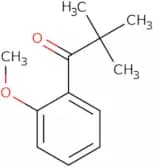
CAS:<p>Versatile small molecule scaffold</p>Formula:C12H16O2Purity:Min. 95%Molecular weight:192.25 g/mol1-(4,5-Dichloro-2-hydroxyphenyl)ethanone
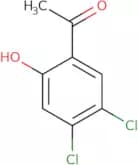
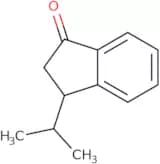
CAS:<p>Versatile small molecule scaffold</p>Formula:C8H6O2Cl2Purity:Min. 95%Molecular weight:205.03 g/mol3-(Propan-2-yl)-2,3-dihydro-1H-inden-1-one
CAS:<p>The conformational analysis of 3-(Propan-2-yl)-2,3-dihydro-1H-inden-1-one was carried out by the technique of conformational analysis. It was found that this molecule has two possible conformations, one with an alkyl group in the axial position and another with an alkyl group on the equatorial position.</p>Formula:C12H14OPurity:Min. 95%Molecular weight:174.24 g/mol[(2-Oxo-2-phenylethyl)sulfanyl]acetic acid
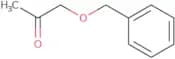
CAS:<p>[(2-Oxo-2-phenylethyl)sulfanyl]acetic acid is a methyl ester that belongs to the class of alpha,alpha-diphenylacetates. It has been shown to be an effective inhibitor of protein synthesis in bacteria and yeast. This inhibition may be due to its ability to inhibit ribosome function by binding to the 30S subunit of bacterial ribosomes. The acid methyl ester form of [(2-Oxo-2-phenylethyl)sulfanyl]acetic acid is also an inhibitor of protein synthesis in bacteria and yeast, but it does not inhibit ribosome function.</p>Formula:C10H10O3SPurity:Min. 95%Molecular weight:210.25 g/molbenzyloxyacetone
CAS:<p>Benzyloxyacetone is a chiral compound that can be synthesized from salicylic acid. It has been shown to induce apoptosis in cancer cells, and is also an antibiotic. Benzyloxyacetone can be used as a substrate for the biosynthesis of various isoprenoid compounds such as cholesterol, steroids, and vitamins. The asymmetric synthesis of benzyloxyacetone is due to the presence of a hydroxyl group on one side of the molecule.</p>Formula:C10H12O2Purity:Min. 95%Molecular weight:164.2 g/mol[(4-Methoxyphenyl)methyl][2-(pyridin-2-yl)ethyl]amine
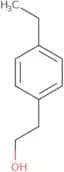
CAS:<p>Versatile small molecule scaffold</p>Formula:C15H18N2OPurity:Min. 95%Molecular weight:242.32 g/mol2-(4-Ethylphenyl)ethan-1-ol
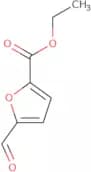
CAS:<p>Versatile small molecule scaffold</p>Formula:C10H14OPurity:Min. 95%Molecular weight:150.22 g/molEthyl 5-formylfuran-2-carboxylate
CAS:<p>Versatile small molecule scaffold</p>Formula:C8H8O4Purity:Min. 95%Molecular weight:168.15 g/mol1,2-Dimethoxy-4-[(E)-2-nitroethenyl]benzene
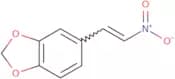
CAS:Versatile small molecule scaffoldFormula:C10H11NO4Purity:Min. 95%Molecular weight:209.2 g/mol5-(2-Nitroethenyl)-2H-1,3-benzodioxole
CAS:<p>Versatile small molecule scaffold</p>Formula:C9H7NO4Purity:Min. 95%Molecular weight:193.16 g/mol2-({4-[(Carboxymethyl)carbamoyl]phenyl}formamido)acetic acid
CAS:<p>Versatile small molecule scaffold</p>Formula:C12H12N2O6Purity:Min. 95%Molecular weight:280.23 g/mol(2-Bromoethyl)cycloheptane
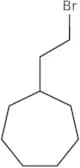
CAS:<p>Versatile small molecule scaffold</p>Formula:C9H17BrPurity:Min. 95%Molecular weight:205.13 g/mol4-(Methylsulfanyl)pyridine
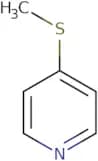
CAS:<p>4-Methylsulfanylpyridine is a ligand, chiral, and metallophilic. It has a pyridine ring that is magnetic. 4-Methylsulfanylpyridine also shows oxidation process profiles in hexane and tetrahydrofuran. 4-Methylsulfanylpyridine interacts with other compounds through a number of spectroscopies, including photoelectron, diffraction, and single-crystal x-ray diffraction. 4-Methylsulfanylpyridine can be used to catalyze reactions.</p>Formula:C6H7NSPurity:Min. 95%Molecular weight:125.19 g/mol1,1-Dimethylguanidine hydrochloride
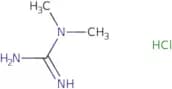
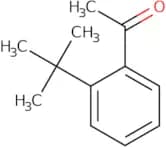
CAS:<p>1,1-Dimethylguanidine hydrochloride is an oxadiazole derivative that is used in the treatment of bacterial infections. It is a competitive inhibitor of bacterial leukocyte-mediated killing of bacteria and inhibits the growth of staphylococcal and staphylococcus aureus isolates. In vitro, 1,1-dimethylguanidine hydrochloride has been shown to inhibit the growth of gram-positive bacteria by binding to their cell wall. This drug also has a kinetic effect on leukocytes, which may be due to its ability to inhibit the release of reactive oxygen species from these cells.</p>Formula:C3H10ClN3Purity:Min. 95%Molecular weight:123.58 g/mol1-(2-tert-Butylphenyl)ethan-1-one
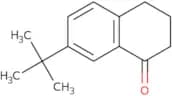
CAS:<p>Versatile small molecule scaffold</p>Formula:C12H16OPurity:Min. 95%Molecular weight:176.25 g/mol7-tert-Butyl-1,2,3,4-tetrahydronaphthalen-1-one
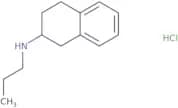
CAS:Versatile small molecule scaffoldFormula:C14H18OPurity:Min. 95%Molecular weight:202.29 g/molN-Propyl-1,2,3,4-tetrahydronaphthalen-2-amine hydrochloride
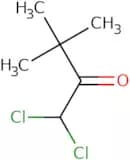
CAS:Controlled Product<p>Versatile small molecule scaffold</p>Formula:C13H20ClNPurity:Min. 95%Molecular weight:225.76 g/mol1,1-Dichloropinacolone
CAS:<p>1,1-Dichloropinacolone is a chlorinated derivative of the organic compound 1,1-dichloropinacol. It is used as a precursor to produce chloride gas and hydrogen chloride. The reaction of 1,1-dichloropinacolone with hydrochloric acid produces hydrogen and chlorine gas. This method has been used to remove nitro compounds from wastewater as well as to produce pesticides. The reaction products include hydrogen peroxide which can be used for wastewater treatment. Treatment methods include the use of organic solvents or catalysts to speed up the reaction rate.</p>Formula:C6H10Cl2OPurity:Min. 95%Molecular weight:169.05 g/molMethyl 5-amino-2-furoate
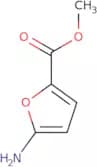
CAS:<p>Methyl 5-amino-2-furoate is a nitrofuran that is used as a reagent in the synthesis of other compounds. It has been shown to be metabolized by acetylation, hydrazine, and reduction. Methyl 5-amino-2-furoate can also act as an inhibitor of xanthine oxidase and xanthine dehydrogenase. The compound has been shown to inhibit the production of xanthine and aminofuran in an incubated system containing these enzymes. Spectrometry analysis showed that methyl 5-amino-2-furoate was reduced to form methyl 2,5-dihydroxybenzoate during incubation with xanthine oxidase and xanthine dehydrogenase.</p>Formula:C6H7NO3Purity:Min. 95%Molecular weight:141.13 g/molCyclohex-2-en-1-amine hydrochloride
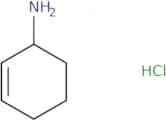
CAS:<p>Versatile small molecule scaffold</p>Formula:C6H12ClNPurity:Min. 95%Molecular weight:133.62 g/molCyclohex-3-en-1-amine hydrochloride
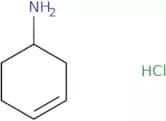
CAS:<p>Versatile small molecule scaffold</p>Formula:C6H11N·HClPurity:Min. 95%Molecular weight:133.62 g/mol3-(5-fluoropyridin-3-yl)propanoic acid
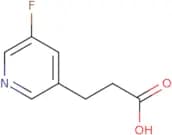
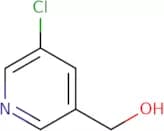
CAS:<p>Versatile small molecule scaffold</p>Formula:C8H8NO2FPurity:Min. 95%Molecular weight:169.15 g/mol(5-Chloro-3-pyridinyl)methanol
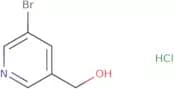
CAS:<p>Versatile small molecule scaffold</p>Formula:C6H6ClNOPurity:Min. 95%Molecular weight:143.57 g/mol(5-bromopyridin-3-yl)methanol hcl
CAS:<p>Versatile small molecule scaffold</p>Formula:C6H7BrClNOPurity:Min. 95%Molecular weight:224.48 g/mol3-Ethoxy-2-cyclopentenone
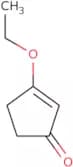
CAS:<p>3-Ethoxy-2-cyclopentenone is an unsaturated fatty acid that is used in the synthesis of prostaglandins and other biologically active compounds. It can be synthesized by the hydrogenation of 3-ethoxy-2-cyclohexenecarboxaldehyde, which is an analog of a natural product. 3-Ethoxy-2-cyclopentenone has been used as a radioisotope for medical diagnosis, yielding high specific activity with low radiation dosages. This compound can also be produced by formylation and hydrogenation of 2-(3'-formoxyphenoxy)propane. 3-Ethoxy-2-cyclopentenone has shown inhibitory effects on glycosidases and can be diluted at 1:10 to produce a 10% concentration.</p>Formula:C7H10O2Purity:Min. 95%Molecular weight:126.15 g/mol3-(3-Butenyl)cyclopentanone
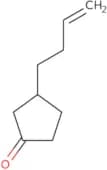
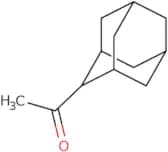
CAS:<p>Versatile small molecule scaffold</p>Formula:C9H14OPurity:Min. 95%Molecular weight:138.21 g/mol1-(Adamantan-2-yl)ethan-1-one
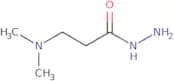
CAS:<p>Adamantan-2-yl ethan-1-one is a carbocation with an electron deficient double bond. This compound has been shown to react with alkyl halides, such as benzyl chloride, to form a 1,3-diphenylpropane. Adamantan-2-yl ethan-1-one was synthesized by radical intermediates in the course of hydrocarbon activation and has shown to be an important reaction intermediate for the synthesis of carbonyl compounds. The activation of hydrocarbons by adamantan-2-yl ethan-1-one has been studied extensively and has led to advances in medicinal chemistry.</p>Formula:C12H18OPurity:Min. 95%Molecular weight:178.27 g/mol3-(Dimethylamino)propanohydrazide
CAS:<p>3-(Dimethylamino)propanohydrazide is a potent inhibitor of lipoxygenases in the nanomolar range. It has been shown to inhibit a number of lipoxygenases, including 5-lipoxygenase and 15-lipoxygenase, which are enzymes that catalyze the conversion of arachidonic acid to leukotrienes. 3-(Dimethylamino)propanohydrazide was also found to be an efficient inhibitor of acylhydrazone formation and is being used as a lead compound for drug discovery. This compound has been shown to be potent inhibitors of regulatory enzymes in the lung disease screening reaction mixtures, such as those that regulate inflammation or blood pressure.</p>Formula:C5H13N3OPurity:Min. 95%Molecular weight:131.18 g/mol3-{Bicyclo[2.2.1]heptan-2-yl}propanoic acid
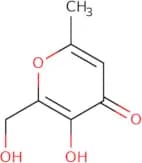
CAS:<p>Versatile small molecule scaffold</p>Formula:C10H16O2Purity:Min. 95%Molecular weight:168.23 g/mol3-Hydroxy-2-(hydroxymethyl)-6-methyl-4H-pyran-4-one
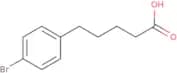
CAS:<p>Versatile small molecule scaffold</p>Formula:C7H8O4Purity:Min. 95%Molecular weight:156.14 g/mol5-(4-bromophenyl)pentanoic acid
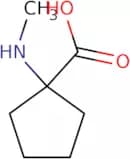
CAS:<p>5-(4-Bromophenyl)pentanoic acid is a molecule that is synthetically derived from the natural product pentalenene. It can be used to debrominate ccr5 in vitro, and has been envisaged as a synthetic chemotherapeutic agent for HIV infection. 5-(4-Bromophenyl)pentanoic acid is an amide of pentanoic acid and dibenzoylmethane. It is a biomolecular agent that has been shown to induce chromosomal rearrangements and chemokine modifications in cancer cells. 5-(4-Bromophenyl)pentanoic acid also prevents apoptosis by binding to survivin, thereby inhibiting its ability to trigger apoptosis.</p>Formula:C11H13BrO2Purity:Min. 95%Molecular weight:257.1 g/mol1-(Methylamino)cyclopentane-1-carboxylic acid
CAS:Versatile small molecule scaffoldFormula:C7H13NO2Purity:Min. 95%Molecular weight:143.18 g/molEthyl 1-aminocyclopentanecarboxylate hydrochloride
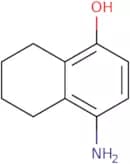
CAS:Controlled Product<p>Ethyl 1-aminocyclopentanecarboxylate hydrochloride is a urokinase inhibitor. It binds to the active site of the enzyme, blocks its substrate access and prevents cleavage of plasminogen to form plasmin. This leads to inhibition of fibrinolysis. Ethyl 1-aminocyclopentanecarboxylate hydrochloride has been shown to inhibit the activity of urokinase in calf thymus DNA, as well as in bacterial DNA gyrase and DNA topoisomerase, which are enzymes that maintain the integrity of bacterial DNA.</p>Formula:C8H16ClNO2Purity:Min. 95%Molecular weight:193.68 g/mol4-Amino-5,6,7,8-tetrahydronaphthalen-1-ol
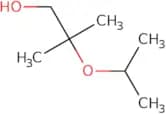
CAS:<p>Versatile small molecule scaffold</p>Formula:C10H13NOPurity:Min. 95%Molecular weight:163.22 g/mol2-Methyl-2-(propan-2-yloxy)propan-1-ol
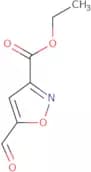
CAS:<p>Versatile small molecule scaffold</p>Formula:C7H16O2Purity:Min. 95%Molecular weight:132.2 g/molEthyl 5-formylisoxazole-3-carboxylate
CAS:Versatile small molecule scaffoldFormula:C7H7NO4Purity:Min. 95%Molecular weight:169.14 g/moltert-Butyl[(4-methoxyphenyl)methyl]amine
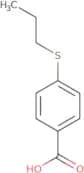
CAS:<p>Versatile small molecule scaffold</p>Formula:C12H19NOPurity:Min. 95%Molecular weight:193.28 g/mol4-(Propylsulfanyl)benzoic acid
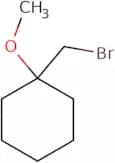
CAS:<p>Versatile small molecule scaffold</p>Formula:C10H12O2SPurity:Min. 95%Molecular weight:196.27 g/mol1-(Bromomethyl)-1-methoxycyclohexane
CAS:<p>Versatile small molecule scaffold</p>Formula:C8H15BrOPurity:Min. 95%Molecular weight:207.11 g/mol1-Chloro-5-methoxypentane
CAS:<p>1-Chloro-5-methoxypentane is a chlorinating agent that can be used to produce linear chlorides. 1-Chloro-5-methoxypentane is not an acid, but it can react with sulfur to form sulfuryl chloride. It has been shown to be a good nucleophile and reacts with ethers and chloride ions. 1-Chloro-5-methoxypentane is uncatalyzed and its rate of reaction increases when it is catalyzed by a metal salt such as zinc or iron.</p>Formula:C6H13ClOPurity:Min. 95%Molecular weight:136.62 g/molN-[4-(2,5-Dioxoimidazolidin-4-yl)phenyl]acetamide
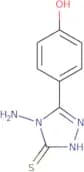
CAS:<p>Versatile small molecule scaffold</p>Formula:C11H11N3O3Purity:Min. 95%Molecular weight:233.22 g/mol4-(4-Amino-5-sulfanyl-4H-1,2,4-triazol-3-yl)phenol
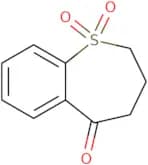
CAS:<p>4-(4-Amino-5-sulfanyl-4H-1,2,4-triazol-3-yl)phenol is a crystalline solid that has been shown to have biological activities. It can be synthesized from elemental sulfur and phosphorus. The yield of this process is high (>97%) and the product can be purified by x-ray crystallography. This compound contains both silicon and phosphorus, which are essential for life on Earth. Elemental analysis of 4-(4-Amino-5-sulfanyl-4H-1,2,4-triazol-3-yl)phenol has shown that it is made up of carbon (C), hydrogen (H), oxygen (O), nitrogen (N), sulfur (S), silicon (Si), and phosphorus (P).</p>Formula:C8H8N4OSPurity:Min. 95%Molecular weight:208.24 g/mol3,4-Dihydro-1-benzothiepin-5(2H)-one 1,1-dioxide
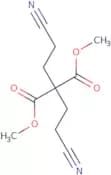
CAS:Versatile small molecule scaffoldFormula:C10H10O3SPurity:Min. 95%Molecular weight:210.25 g/mol1,3-Dimethyl 2,2-bis(2-cyanoethyl)propanedioate
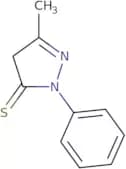
CAS:<p>Dimethyl 2,2-bis(2-cyanoethyl)propanedioate is a symmetric molecule with a cis-trans isomerism that can be described by an X and Y axis. The molecule has two hydrogen bonds and four asymmetric carbon atoms. The trans form of the molecule is shown below.</p>Formula:C11H14N2O4Purity:Min. 95%Molecular weight:238.24 g/mol3-Methyl-1-phenyl-4,5-dihydro-1H-pyrazole-5-thione
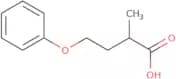
CAS:<p>3-Methyl-1-phenyl-4,5-dihydro-1H-pyrazole-5-thione (MPPT) is a lanthanide and actinide extractant that is used to separate these elements from other metals. MPPT forms a coordination complex with the metal ions and extracts them from their solution. This product can be used in conjunction with other extractants to create a synergistic effect.</p>Formula:C10H10N2SPurity:Min. 95%Molecular weight:190.27 g/mol2-Methyl-4-phenoxybutanoic acid
CAS:<p>Versatile small molecule scaffold</p>Formula:C11H14O3Purity:Min. 95%Molecular weight:194.23 g/mol2-Phenylcyclohexan-1-amine hydrochlorides
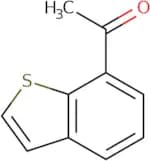
CAS:<p>Versatile small molecule scaffold</p>Formula:C12H18ClNPurity:Min. 95%Molecular weight:211.7 g/mol1-(1-Benzothiophen-7-yl)ethan-1-one
CAS:<p>Versatile small molecule scaffold</p>Formula:C10H8OSPurity:Min. 95%Molecular weight:176.24 g/mol5-Bromo-2-(methylamino)benzoic acid
CAS:<p>Versatile small molecule scaffold</p>Formula:C8H8BrNO2Purity:Min. 95%Molecular weight:230.06 g/mol6-Bromo-1-methyl-1H-benzo[D][1,3]oxazine-2,4-dione
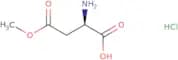
CAS:<p>Versatile small molecule scaffold</p>Formula:C9H6BrNO3Purity:Min. 95%Molecular weight:256.05 g/molD-Aspartic Acid 4-Methyl Ester Hydrochloride
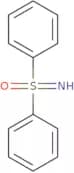
CAS:<p>Versatile small molecule scaffold</p>Formula:C5H10ClNO4Purity:Min. 95%Molecular weight:183.59 g/molS,S-Diphenyl-sulfoximine
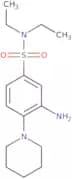
CAS:<p>S,S-Diphenyl sulfoximine is a sulfoxide with the chemical formula C6H6O2S. It has been used as a synthetic intermediate for the production of other chemicals. S,S-Diphenyl sulfoximine is also an efficient method for methylation reactions in organic solvents and radical coupling. In addition, it can be used to form functional groups with the functional theory and its analogs have been used as control experiments. S,S-Diphenyl sulfoximine is monosubstituted by two phenyl groups.</p>Formula:C12H11NOSPurity:Min. 95%Molecular weight:217.29 g/mol3-Amino-N,N-diethyl-4-piperidin-1-yl-benzenesulfonamide
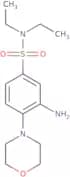
CAS:<p>Versatile small molecule scaffold</p>Formula:C15H25N3O2SPurity:Min. 95%Molecular weight:311.4 g/mol3-Amino-N,N-diethyl-4-(morpholin-4-yl)benzene-1-sulfonamide
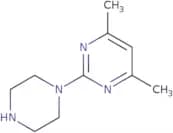
CAS:<p>Versatile small molecule scaffold</p>Formula:C14H23N3O3SPurity:Min. 95%Molecular weight:313.42 g/mol4,6-Dimethyl-2-(piperazin-1-yl)pyrimidine
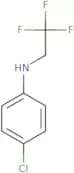
CAS:<p>Versatile small molecule scaffold</p>Formula:C10H16N4Purity:Min. 95%Molecular weight:192.26 g/mol4-Chloro-N-(2,2,2-trifluoroethyl)aniline
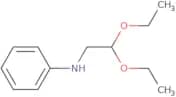
CAS:<p>Versatile small molecule scaffold</p>Formula:C8H7ClF3NPurity:Min. 95%Molecular weight:209.59 g/molAnilinoacetaldehyde diethyl acetal
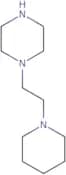
CAS:<p>Anilinoacetaldehyde diethyl acetal is a surfactant that has been shown to have an inhibitory effect on osteoclasts. It also inhibits bone resorption by inhibiting the enzymatic activity of cathepsin K. Anilinoacetaldehyde diethyl acetal works synergistically with other drugs such as hydrochloric acid and methoxy, and can be used in combination with hydrogenated polyvinyl alcohol for drug delivery. The particle size is typically around 1 micrometre.</p>Formula:C12H19NO2Purity:Min. 95%Molecular weight:209.28 g/mol1-(2-piperidinoethyl)piperazine
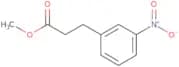
CAS:<p>Versatile small molecule scaffold</p>Formula:C11H23N3Purity:Min. 95%Molecular weight:197.32 g/molMethyl 3-(3-nitrophenyl)propanoate
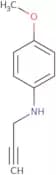
CAS:<p>Versatile small molecule scaffold</p>Formula:C10H11NO4Purity:Min. 95%Molecular weight:209.2 g/mol4-Methoxy-N-(prop-2-yn-1-yl)aniline
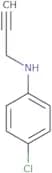
CAS:<p>Versatile small molecule scaffold</p>Formula:C10H11NOPurity:Min. 95%Molecular weight:161.2 g/mol(4-Chloro-phenyl)-prop-2-ynyl-amine
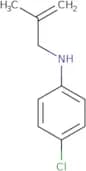
CAS:<p>Versatile small molecule scaffold</p>Formula:C9H8ClNPurity:Min. 95%Molecular weight:165.62 g/mol4-Chloro-N-(2-methylprop-2-en-1-yl)aniline
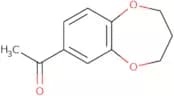
CAS:<p>Versatile small molecule scaffold</p>Formula:C10H12ClNPurity:Min. 95%Molecular weight:181.66 g/mol1-(3,4-Dihydro-2H-1,5-benzodioxepin-7-yl)ethan-1-one
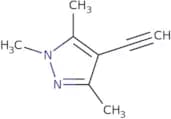
CAS:<p>Versatile small molecule scaffold</p>Formula:C11H12O3Purity:Min. 95%Molecular weight:192.21 g/mol4-Ethynyl-1,3,5-trimethyl-1H-pyrazole
CAS:<p>4-Ethynyl-1,3,5-trimethyl-1H-pyrazole is an aromatic compound that belongs to the pyrazole family. It has been shown to be a potent inhibitor of the dehydrochlorination of 4-ethynylphenol by chlorine at low pH. The spectral data indicate that 4-ethynyl-1,3,5-trimethylpyrazole is a n-substituted pyrazole with a ketone group in the para position.</p>Formula:C8H10N2Purity:Min. 95%Molecular weight:134.18 g/mol2-{[(2E)-3-(4-Methoxyphenyl)prop-2-enoyl]amino}benzoic acid
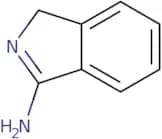
CAS:<p>2-{[(2E)-3-(4-Methoxyphenyl)prop-2-enoyl]amino}benzoic acid is a carboxamide, benzoic acid, anthranilic acid, and anthranilic. It has been shown to inhibit the growth of Mycobacterium tuberculosis and Mycobacterium avium complex. This compound also has anti-inflammatory properties that may be due to its ability to inhibit prostaglandin synthesis.</p>Formula:C17H15NO4Purity:Min. 95%Molecular weight:297.3 g/mol1H-Isoindol-3-amine
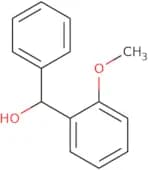
CAS:<p>1H-Isoindol-3-amine is a coordination complex with a palladium atom coordinated to three active methylene ligands. It is used as an intermediate in the synthesis of organic compounds. 1H-Isoindol-3-amine can be synthesized by the reaction of sodium hydrogen with hydroxybenzoic acid, followed by the Suzuki coupling reaction with copper chloride and an aryl chloride. The coordination chemistry between 1H-Isoindol-3-amine and palladium has been studied using viscosity measurements and X-ray diffraction data. The coordination complexes are usually based on aryl chlorides, which are electron rich, electron deficient, or electrophilic. The reaction mechanism for 1H-Isoindol-3-amine has been recorded.</p>Formula:C8H8N2Purity:Min. 95%Molecular weight:132.16 g/mol(2-Methoxyphenyl)(phenyl)methanol
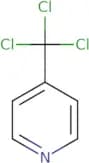
CAS:<p>2-Methoxyphenyl)(phenyl)methanol is a protonated molecule that becomes deuterium-labeled when it is treated with deuterium gas. The deuterium label can be used to measure the rate of proton transport in biological systems, including mitochondria and chloroplasts. 2-Methoxyphenyl)(phenyl)methanol has been shown to have a high yield of labeled product, which allows for the study of reactions involving carbonyl groups. This compound can also be used for labeling chalcones and other elements. It has been shown to catalyze benzene ring formation from phenol.</p>Formula:C14H14O2Purity:Min. 95%Molecular weight:214.26 g/mol4-(Trichloromethyl)pyridine
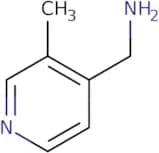
CAS:<p>4-(Trichloromethyl)pyridine is an organic compound that can be used as a pesticide. It is the main active ingredient in chloropicrin, which is used primarily for agricultural purposes to help protect crops from insect damage. 4-(Trichloromethyl)pyridine has been shown to have toxic effects on animals, including humans, and may cause adverse health effects such as headaches, nausea, vomiting and dizziness. The chemical reacts with hydrogen chloride in the presence of an organic solvent to form the chlorinated derivative of 4-chloropyridinol. The reactivity of 4-(trichloromethyl)pyridine towards nucleophilic inorganic bases has also been studied and it was found that it reacts with potassium hydroxide at room temperature to form a 1:1 mixture of 4-chloropyridinol and potassium chloride.</p>Formula:C6H4Cl3NPurity:Min. 95%Molecular weight:196.5 g/mol(3-Methylpyridin-4-yl)methanamine
CAS:<p>Versatile small molecule scaffold</p>Formula:C7H10N2Purity:Min. 95%Molecular weight:122.17 g/mol2-Cyclohexylbenzoic Acid
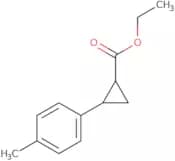
CAS:<p>2-Cyclohexylbenzoic acid is a chiral compound that belongs to the class of pharmaceutical preparations. It is used as an inhibitor of enzymes such as hydroxylase, which is involved in the production of prostaglandins and leukotrienes, and has been shown to be effective in treating bowel disease. 2-Cyclohexylbenzoic acid may also be effective in the treatment of chronic bronchitis and autoimmune diseases. <br>2-Cyclohexylbenzoic acid binds to the active site on certain enzymes, thereby inhibiting their function. This drug also has a strong inhibitory effect on inflammation and oxidative stress, which may be due to its ability to inhibit phospholipase A2 (PLA2), an enzyme that triggers inflammatory reactions by catalyzing the release of arachidonic acid from membrane phospholipids. The light exposure can cause photochemical damage to the skin by inducing oxidation or perox</p>Formula:C13H16O2Purity:Min. 95%Molecular weight:204.26 g/molEthyl 2-(4-methylphenyl)cyclopropane-1-carboxylate
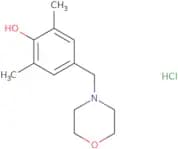
CAS:Versatile small molecule scaffoldFormula:C13H16O2Purity:Min. 95%Molecular weight:204.26 g/mol2,6-Dimethyl-4-(morpholin-4-ylmethyl)phenol hydrochloride
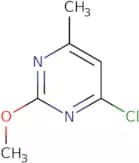
CAS:<p>Versatile small molecule scaffold</p>Formula:C13H20ClNO2Purity:Min. 95%Molecular weight:257.75 g/mol4-Chloro-2-methoxy-6-methylpyrimidine
CAS:<p>Versatile small molecule scaffold</p>Formula:C6H7ClN2OPurity:Min. 95%Molecular weight:158.59 g/mol1,2-benzothiazol-6-amine
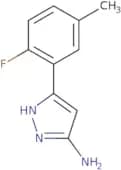
CAS:<p>Versatile small molecule scaffold</p>Formula:C7H6N2SPurity:Min. 95%Molecular weight:150.2 g/mol3-(2-Fluoro-5-methylphenyl)-1H-pyrazol-5-amine
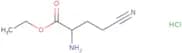
CAS:<p>Versatile small molecule scaffold</p>Formula:C10H10FN3Purity:Min. 95%Molecular weight:191.2 g/molEthyl 2-amino-4-cyanobutanoate hydrochloride
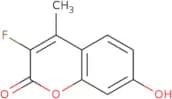
CAS:<p>Versatile small molecule scaffold</p>Formula:C7H13ClN2O2Purity:Min. 95%Molecular weight:192.6 g/mol3-Fluoro-7-hydroxy-4-methyl-2H-chromen-2-one
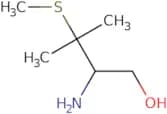
CAS:<p>Versatile small molecule scaffold</p>Formula:C10H7FO3Purity:Min. 95%Molecular weight:194.16 g/mol(2R)-2-Amino-3-methyl-3-(methylsulfanyl)butan-1-ol
CAS:<p>Versatile small molecule scaffold</p>Formula:C6H15NOSPurity:Min. 95%Molecular weight:149.3 g/mol2-(5-Methylfuran-2-yl)piperidine
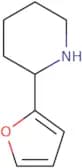
CAS:<p>Versatile small molecule scaffold</p>Formula:C10H15NOPurity:Min. 95%Molecular weight:165.23 g/mol2-(Furan-2-yl)piperidine
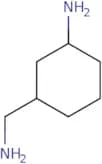
CAS:<p>Versatile small molecule scaffold</p>Formula:C9H13NOPurity:Min. 95%Molecular weight:151.21 g/mol3-(Aminomethyl)cyclohexan-1-amine
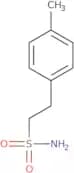
CAS:<p>Versatile small molecule scaffold</p>Formula:C7H16N2Purity:Min. 95%Molecular weight:128.22 g/mol2-(4-Methylphenyl)ethane-1-sulfonamide
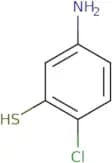
CAS:<p>Versatile small molecule scaffold</p>Formula:C9H13NO2SPurity:Min. 95%Molecular weight:199.27 g/mol5-Amino-2-chlorobenzene-1-thiol
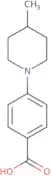
CAS:<p>5-Amino-2-chlorobenzene-1-thiol is a herbicide that is used to control weeds in wheat, soybean, and other crops. It is a hydrolysis product of 2,4-dichlorophenol (2,4-D) and reacts with chloride ions to form the hydrochloric acid. 5-Amino-2-chlorobenzene-1-thiol inhibits the growth of plants by inhibiting chlorophyll synthesis. This product also has phytotoxic properties and can be found in fruit juice as an additive to prevent browning. 5-Amino-2-chlorobenzene-1 thiol may cause skin irritation or burns when it comes into contact with skin.</p>Formula:C6H6ClNSPurity:Min. 95%Molecular weight:159.64 g/mol4-(4-Methylpiperidin-1-yl)benzoic acid
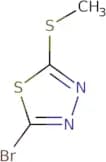
CAS:<p>Versatile small molecule scaffold</p>Formula:C13H17NO2Purity:Min. 95%Molecular weight:219.28 g/mol2-Bromo-5-(methylsulfanyl)-1,3,4-thiadiazole
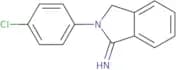
CAS:<p>Versatile small molecule scaffold</p>Formula:C3H3BrN2S2Purity:Min. 95%Molecular weight:211.1 g/mol2-(4-Chlorophenyl)-2,3-dihydro-1H-isoindol-1-imine
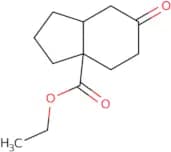
CAS:<p>Versatile small molecule scaffold</p>Formula:C14H11ClN2Purity:Min. 95%Molecular weight:242.7 g/molEthyl 6-oxo-octahydro-1H-indene-3a-carboxylate
CAS:<p>Versatile small molecule scaffold</p>Formula:C12H18O3Purity:Min. 95%Molecular weight:210.27 g/mol4-[(tert-Butyldimethylsilyl)oxy]piperidine
CAS:<p>Versatile small molecule scaffold</p>Formula:C11H25NOSiPurity:Min. 95%Molecular weight:215.41 g/mol[1,3]Thiazolo[4,5-c]pyridine-2-carboxylic acid
CAS:<p>Versatile small molecule scaffold</p>Formula:C7H4N2O2SPurity:Min. 95%Molecular weight:180.19 g/mol5-benzyl-1-Oxa-5-azaspiro[2.4]heptane
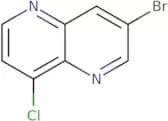
CAS:<p>Versatile small molecule scaffold</p>Formula:C12H15NOPurity:Min. 95%Molecular weight:189.25 g/mol3-bromo-8-chloro-1,5-naphthyridine
CAS:<p>3-bromo-8-chloro-1,5-naphthyridine is a nucleophilic amine that has been shown to have antimalarial activity against Plasmodium falciparum. It is injected intraperitoneally and has significant activity at 50 mg/kg. 3-bromo-8-chloro-1,5-naphthyridine is not active against other strains of the parasite, such as Plasmodium berghei. This drug can be synthesized from dimethylaminomethyl malonate and substituted naphthyridines.</p>Formula:C8H4BrClN2Purity:Min. 95%Molecular weight:243.5 g/mol3-Bromo-8-methoxy-1,5-naphthyridine
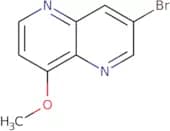
CAS:<p>Versatile small molecule scaffold</p>Formula:C9H7BrN2OPurity:Min. 95%Molecular weight:239.07 g/mol2-Amino-3-nitrobenzaldehyde
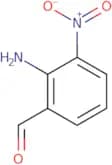
CAS:<p>2-Amino-3-nitrobenzaldehyde is an organic compound that contains a quinoline ring. It is the product of the oxidative coupling of 2-amino-3-nitrobenzoic acid and hydrogen peroxide. The reaction mechanism begins with epoxidation of the quinoline ring, followed by a nitration to form 7-nitroindole. The 8-nitroquinoline is formed from an oxidation of the 7-nitroindole, which then undergoes hydrogenation to form 2-amino-3-nitrobenzaldehyde. This reaction can be used in elucidating the molecular structure of 8-nitroquinoline.</p>Formula:C7H6N2O3Purity:Min. 95%Molecular weight:166.14 g/mol

![[(2-Oxo-2-phenylethyl)sulfanyl]acetic acid](/_next/image/?url=https%3A%2Fstatic.cymitquimica.com%2Fproducts%2F3D%2Fthumb-webp%2FXAA53646.webp&w=3840&q=75)
![[(4-Methoxyphenyl)methyl][2-(pyridin-2-yl)ethyl]amine](/_next/image/?url=https%3A%2Fstatic.cymitquimica.com%2Fproducts%2F3D%2Fthumb-webp%2FXAA54058.webp&w=3840&q=75)
![1,2-Dimethoxy-4-[(E)-2-nitroethenyl]benzene](/_next/image/?url=https%3A%2Fstatic.cymitquimica.com%2Fproducts%2F3D%2Fthumb-webp%2FXAA56847.webp&w=3840&q=75)
![2-({4-[(Carboxymethyl)carbamoyl]phenyl}formamido)acetic acid](/_next/image/?url=https%3A%2Fstatic.cymitquimica.com%2Fproducts%2F3D%2Fthumb-webp%2FXAA57894.webp&w=3840&q=75)
![3-{Bicyclo[2.2.1]heptan-2-yl}propanoic acid](/_next/image/?url=https%3A%2Fstatic.cymitquimica.com%2Fproducts%2F3D%2Fthumb-webp%2FXAA63741.webp&w=3840&q=75)
![tert-Butyl[(4-methoxyphenyl)methyl]amine](/_next/image/?url=https%3A%2Fstatic.cymitquimica.com%2Fproducts%2F3D%2Fthumb-webp%2FXAA67583.webp&w=3840&q=75)

![N-[4-(2,5-Dioxoimidazolidin-4-yl)phenyl]acetamide](/_next/image/?url=https%3A%2Fstatic.cymitquimica.com%2Fproducts%2F3D%2Fthumb-webp%2FXAA70608.webp&w=3840&q=75)

![6-Bromo-1-methyl-1H-benzo[D][1,3]oxazine-2,4-dione](/_next/image/?url=https%3A%2Fstatic.cymitquimica.com%2Fproducts%2F3D%2Fthumb-webp%2FXAA72117.webp&w=3840&q=75)
![2-{[(2E)-3-(4-Methoxyphenyl)prop-2-enoyl]amino}benzoic acid](/_next/image/?url=https%3A%2Fstatic.cymitquimica.com%2Fproducts%2F3D%2Fthumb-webp%2FXAA78032.webp&w=3840&q=75)



![4-[(tert-Butyldimethylsilyl)oxy]piperidine](/_next/image/?url=https%3A%2Fstatic.cymitquimica.com%2Fproducts%2F3D%2Fthumb-webp%2FXDA23191.webp&w=3840&q=75)
![[1,3]Thiazolo[4,5-c]pyridine-2-carboxylic acid](/_next/image/?url=https%3A%2Fstatic.cymitquimica.com%2Fproducts%2F3D%2Fthumb-webp%2FXDA26626.webp&w=3840&q=75)
![5-benzyl-1-Oxa-5-azaspiro[2.4]heptane](/_next/image/?url=https%3A%2Fstatic.cymitquimica.com%2Fproducts%2F3D%2Fthumb-webp%2FXDA26684.webp&w=3840&q=75)