


Building Blocks
This section contains fundamental products for the synthesis of organic and biological compounds. Building blocks are the essential starting materials used to construct complex molecules through various chemical reactions. They play a critical role in drug discovery, material science, and chemical research. At CymitQuimica, we offer a diverse range of high-quality building blocks to support your innovative research and industrial projects, ensuring you have the essential components for successful synthesis.
Subcategories of "Building Blocks"
- Boronic Acids & Boronic Acid Derivatives(5,756 products)
- Chiral Building Blocks(1,242 products)
- Hydrocarbon Building Blocks(6,095 products)
- Organic Building Blocks(61,055 products)
Found 199650 products of "Building Blocks"
Sort by
Purity (%)
0
100
|
0
|
50
|
90
|
95
|
100
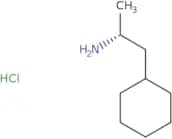
(2R)-1-Cyclohexylpropan-2-amine hydrochloride
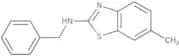
CAS:<p>Versatile small molecule scaffold</p>Formula:C9H20ClNPurity:Min. 95%Molecular weight:177.7 g/molN-Benzyl-6-methyl-1,3-benzothiazol-2-amine
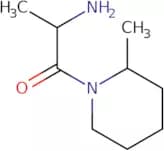
CAS:<p>Versatile small molecule scaffold</p>Formula:C15H14N2SPurity:Min. 95%Molecular weight:254.4 g/mol2-Amino-1-(2-methylpiperidin-1-yl)propan-1-one
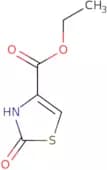
CAS:Controlled Product<p>Versatile small molecule scaffold</p>Formula:C9H18N2OPurity:Min. 95%Molecular weight:170.25 g/molEthyl 2-hydroxy-1,3-thiazole-4-carboxylate
CAS:<p>Versatile small molecule scaffold</p>Formula:C6H7NO3SPurity:Min. 95%Molecular weight:173.19 g/mol2-(Carbamoylmethoxy)benzoic acid
CAS:<p>Versatile small molecule scaffold</p>Formula:C9H9NO4Purity:Min. 95%Molecular weight:195.17 g/molo-[3-(Dimethylamino)propyl]hydroxylamine dihydrochloride
CAS:<p>o-[3-(Dimethylamino)propyl]hydroxylamine dihydrochloride is a drug used to treat cardiovascular disorders. It is a prodrug that is metabolized in the body to form hydroxylamine, which has affinity for c1-6 alkyl groups. The hydroxyl group on the heterocycle of o-[3-(Dimethylamino)propyl]hydroxylamine dihydrochloride also has biological properties. This drug is an inhibitor of monoamine oxidase and may reduce the risk of heart disease by lowering blood pressure and decreasing cholesterol levels. The stereoisomers of this compound are used for the treatment of hypertension. The benzyl group on o-[3-(Dimethylamino)propyl]hydroxylamine dihydrochloride may be responsible for its ability to inhibit monoamine oxidase A and B, as well as other enzymes involved in cardiovascular diseases.</p>Formula:C5H16Cl2N2OPurity:Min. 95%Molecular weight:191.1 g/mol3-Chloro-2-nitrobenzyl bromide
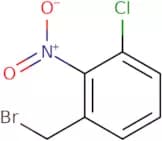
CAS:<p>Versatile small molecule scaffold</p>Formula:C7H5BrClNO2Purity:Min. 95%Molecular weight:250.48 g/molN1-(2-Methoxyethyl)benzene-1,2-diamine
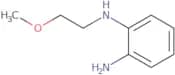
CAS:<p>Versatile small molecule scaffold</p>Formula:C9H14N2OPurity:Min. 95%Molecular weight:166.22 g/mol1-(Acetyloxy)heptyl acetate
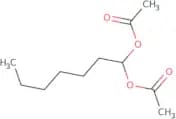
CAS:<p>1-(Acetyloxy)heptyl acetate is an organic compound that has the molecular formula CH3COOC7H15. It is a colorless liquid with boiling point of 174°C at 1 mmHg. This compound is used as a solvent, and it is also used in the synthesis of some pharmaceuticals. The melting point of 1-(acetyloxy)heptyl acetate varies depending on the temperature because this compound exists as two polymorphs. The compound can be activated by heating to temperatures above 145°C, which will cause it to form hydrogen bonds with water molecules. One of the major uses for 1-(acetyloxy)heptyl acetate is as an excipient in tablets and capsules. The most common use for this substance is in pharmaceuticals that are taken orally and require solvents or solubilizers to dissolve other components such as inactive ingredients, active ingredients, or colors.</p>Formula:C11H20O4Purity:Min. 95%Molecular weight:216.27 g/mol(2S)-2-Propanamidopropanoic acid
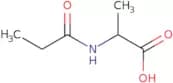
CAS:<p>(2S)-2-Propanamidopropanoic acid is a non-protein amino acid that is used in the synthesis of peptides. It has an acidic side chain and can be reacted with amines to form a beta-amide linkage. These reactions are catalyzed by enzymes such as proteases and thiols. This compound has been shown to inhibit the activity of proteases, which may be due to its ability to compete for binding sites on the enzyme. The equilibrium constant for this reaction is 1.5 x 10^9 M^(-1).</p>Formula:C6H11NO3Purity:Min. 95%Molecular weight:145.16 g/molMethyl 2-[(3-aminophenyl)formamido]acetate
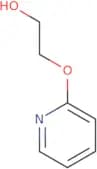
CAS:<p>Versatile small molecule scaffold</p>Formula:C10H12N2O3Purity:Min. 95%Molecular weight:208.21 g/mol2-(Pyridin-2-yloxy)ethan-1-ol
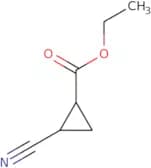
CAS:<p>Versatile small molecule scaffold</p>Formula:C7H9NO2Purity:Min. 95%Molecular weight:139.15 g/molethyl 2-cyanocyclopropane-1-carboxylate
CAS:<p>Ethyl 2-cyanocyclopropane-1-carboxylate is a reactive chemical reagent that can be used to synthesize a variety of compounds. It is an aliphatic compound with a carbonyl group at the end of the molecule and belongs to a class of compounds called chlorohydrins. Ethyl 2-cyanocyclopropane-1-carboxylate has been used as an organoindium compound for the synthesis of stilbene derivatives. It can also be used to synthesize chlorinated alkenes, oxiranes, and other cyclopropanes. Ethyl 2-cyanocyclopropane-1-carboxylate can react with alcohols or phenols in presence of acid to form acetals or ketals, respectively.</p>Formula:C7H9NO2Purity:Min. 95%Molecular weight:139.15 g/mol1-Bromocyclopentane-1-carbonyl chloride
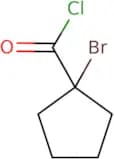
CAS:<p>Versatile small molecule scaffold</p>Formula:C6H8BrClOPurity:Min. 95%Molecular weight:211.48 g/mol1-Bromocyclopentane-1-carboxylic acid
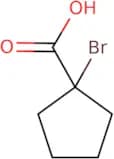
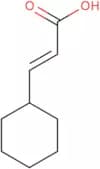
CAS:<p>Cyclopentane-1,2-dicarboxylic acid is an organic compound with the molecular formula C5H8O4. The molecule consists of a cyclopentane ring and two carboxylic acid groups. Cyclopentane-1,2-dicarboxylic acid can be synthesized by an intramolecular cyclization reaction between a 1-bromocyclopentane and a chalcone. This reagent can also be used to synthesize other compounds such as phenoxyethanol, an enolate, and organozinc compounds.</p>Formula:C6H9BrO2Purity:Min. 95%Molecular weight:193.04 g/mol(E)-3-Cyclohexylacrylic acid
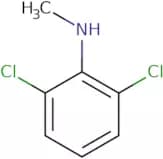
CAS:<p>(E)-3-Cyclohexylacrylic acid is an antibacterial agent that inhibits the growth of bacteria by binding to the 50S ribosomal subunit. It binds to bacterial 16S ribosomal RNA and inhibits protein synthesis, leading to cell death by inhibiting the production of proteins vital for cell division. (E)-3-Cyclohexylacrylic acid has been shown to be effective against methicillin-resistant Staphylococcus aureus (MRSA) and Clostridium perfringens, although is not active against acid-fast bacteria such as Mycobacterium tuberculosis or Mycobacterium avium complex. This compound also has anticancer activity, which may be due to its ability to inhibit topoisomerase II activity in cells.</p>Formula:C9H14O2Purity:Min. 95%Molecular weight:154.21 g/mol2,6-Dichloro-N-methylaniline
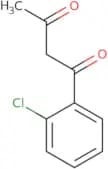
CAS:<p>Versatile small molecule scaffold</p>Formula:C7H7Cl2NPurity:Min. 95%Molecular weight:176.04 g/mol1-(2-Chlorophenyl)-1,3-butanedione
CAS:<p>Versatile small molecule scaffold</p>Formula:C10H9O2ClPurity:Min. 95%Molecular weight:196.63 g/mol7H,8H-Imidazo[1,5-a]pyrazin-8-one
CAS:<p>7H,8H-Imidazo[1,5-a]pyrazin-8-one is a potent and selective inhibitor of the bromodomain family. Bromodomains are protein domains found in many proteins that have been implicated in regulating gene expression, DNA repair, and protein degradation. Inhibiting this domain leads to decreased proliferation of tumor cells. 7H,8H-Imidazo[1,5-a]pyrazin-8-one has also shown potential as an anti-neurodegenerative agent by inhibiting the enzyme acetylcholinesterase. This compound is active against cancerous cell lines and is crystalline with a polymorphic form that can be used for medicine production.</p>Formula:C6H5N3OPurity:Min. 95%Molecular weight:135.12 g/mol8-chloroimidazo[1,5-a]pyrazine
CAS:<p>8-Chloroimidazo[1,5-a]pyrazine is a potent insulin-like growth factor-I receptor (IGF-IR) inhibitor with potential therapeutic use for type II diabetes. It was found to inhibit IGF-I induced activation of the IR and downstream signaling pathways in a dose dependent manner. 8-Chloroimidazo[1,5-a]pyrazine inhibited IGF-I induced mitogenesis in human colon cancer cells and showed antiangiogenic activity in nude mice bearing xenografts of human colon cancer cells.</p>Formula:C6H4ClN3Purity:Min. 95%Molecular weight:153.57 g/mol4-(Propan-2-yl)benzene-1,2-diamine
CAS:<p>Versatile small molecule scaffold</p>Formula:C9H14N2Purity:Min. 95%Molecular weight:150.22 g/molFuro[3,2-b]pyridine-5-carboxylic acid
CAS:<p>Versatile small molecule scaffold</p>Formula:C8H5NO3Purity:Min. 95%Molecular weight:163.13 g/molThieno[3,2-b]pyridine-5-carboxylic acid
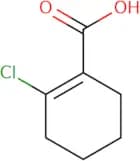
CAS:<p>Versatile small molecule scaffold</p>Formula:C8H5NO2SPurity:Min. 95%Molecular weight:179.2 g/mol2-Chlorocyclohex-1-ene-1-carboxylic acid
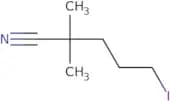
CAS:<p>2-Chlorocyclohex-1-ene-1-carboxylic acid is a synthetic compound that has been used as a reactant for the production of phthalic anhydride. The reaction mechanism begins with the formation of isocyanide, which reacts with benzoic acid to form an intermediate benzoyl isocyanide. This intermediate reacts with the acetic acid to produce 2-chlorocyclohexanecarboxylic acid, which in turn undergoes hydrolysis to give phthalic anhydride.</p>Formula:C7H9ClO2Purity:Min. 95%Molecular weight:160.6 g/mol5-Iodo-2,2-dimethylpentanenitrile
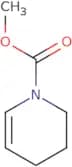
CAS:<p>Versatile small molecule scaffold</p>Formula:C7H12INPurity:Min. 95%Molecular weight:237.08 g/molMethyl 1,2,3,4-tetrahydropyridine-1-carboxylate
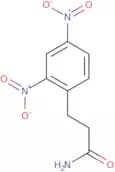
CAS:<p>Versatile small molecule scaffold</p>Formula:C7H11NO2Purity:Min. 95%Molecular weight:141.17 g/mol3-(2,4-Dinitrophenyl)propanamide
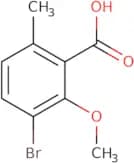
CAS:<p>Versatile small molecule scaffold</p>Formula:C9H9N3O5Purity:Min. 95%Molecular weight:239.18 g/mol3-Bromo-2-methoxy-6-methylbenzoic acid
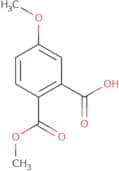
CAS:<p>Versatile small molecule scaffold</p>Formula:C9H9BrO3Purity:Min. 95%Molecular weight:245.07 g/mol5-Methoxy-2-(methoxycarbonyl)benzoic acid
CAS:<p>Versatile small molecule scaffold</p>Formula:C10H10O5Purity:Min. 95%Molecular weight:210.18 g/molN4-[(Furan-2-yl)methyl]-N2-methylquinazoline-2,4-diamine
CAS:<p>Versatile small molecule scaffold</p>Formula:C14H14N4OPurity:Min. 95%Molecular weight:254.29 g/mol{1-[4-(Trifluoromethyl)phenyl]piperidin-4-yl}methanol
CAS:<p>Versatile small molecule scaffold</p>Formula:C13H16F3NOPurity:Min. 95%Molecular weight:259.27 g/mol1-{[4-(Trifluoromethoxy)phenyl]methyl}piperidin-4-ol
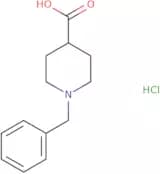
CAS:<p>Versatile small molecule scaffold</p>Formula:C13H16F3NO2Purity:Min. 95%Molecular weight:275.27 g/mol1-Benzylpiperidine-4-carboxylic acid hydrochloride
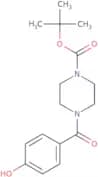
CAS:<p>Versatile small molecule scaffold</p>Formula:C13H18ClNO2Purity:Min. 95%Molecular weight:255.74 g/moltert-Butyl 4-(4-hydroxybenzoyl)piperazine-1-carboxylate
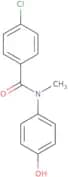
CAS:<p>Versatile small molecule scaffold</p>Formula:C16H22N2O4Purity:Min. 95%Molecular weight:306.36 g/mol4-Chloro-N-(4-hydroxyphenyl)-N-methylbenzamide
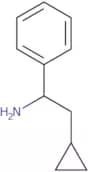
CAS:<p>Versatile small molecule scaffold</p>Formula:C14H12ClNO2Purity:Min. 95%Molecular weight:261.7 g/mol2-Cyclopropyl-1-phenylethan-1-amine
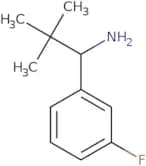
CAS:<p>Versatile small molecule scaffold</p>Formula:C11H15NPurity:Min. 95%Molecular weight:161.24 g/mol1-(3-Fluorophenyl)-2,2-dimethylpropan-1-amine
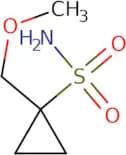
CAS:<p>Versatile small molecule scaffold</p>Formula:C11H16FNPurity:Min. 95%Molecular weight:181.25 g/mol1-(Methoxymethyl)cyclopropane-1-sulfonamide
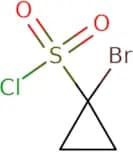
CAS:<p>Versatile small molecule scaffold</p>Formula:C5H11NO3SPurity:Min. 95%Molecular weight:165.21 g/mol1-Bromocyclopropane-1-sulfonyl chloride
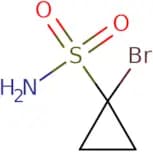
CAS:<p>Versatile small molecule scaffold</p>Formula:C3H4BrClO2SPurity:Min. 95%Molecular weight:219.49 g/mol1-Bromocyclopropane-1-sulfonamide
CAS:<p>Versatile small molecule scaffold</p>Formula:C3H6BrNO2SPurity:Min. 95%Molecular weight:200.06 g/mol1-ethylcyclopropane-1-sulfonamide
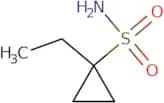
CAS:<p>Versatile small molecule scaffold</p>Formula:C5H11NO2SPurity:Min. 95%Molecular weight:149.21 g/mol1-Chlorocyclopropane-1-sulfonamide
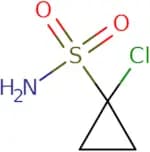
CAS:<p>Versatile small molecule scaffold</p>Formula:C3H6ClNO2SPurity:Min. 95%Molecular weight:155.6 g/mol2-Cyclohexyl-1,1,1-trifluoropropan-2-ol
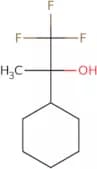
CAS:<p>Versatile small molecule scaffold</p>Formula:C9H15F3OPurity:Min. 95%Molecular weight:196.21 g/molN-Cyclopropylquinolin-4-amine
CAS:<p>Versatile small molecule scaffold</p>Formula:C12H12N2Purity:Min. 95%Molecular weight:184.24 g/mol1-Ethyl-1H-indol-6-amine
CAS:<p>Versatile small molecule scaffold</p>Formula:C10H12N2Purity:Min. 95%Molecular weight:160.22 g/mol4,6-Dimethyl-3-(1H-pyrrol-1-yl)thieno[2,3-b]pyridine-2-carboxylic acid
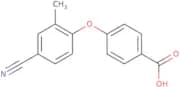
CAS:<p>Versatile small molecule scaffold</p>Formula:C14H12N2O2SPurity:Min. 95%Molecular weight:272.32 g/mol4-(4-Cyano-2-methylphenoxy)benzoic acid
CAS:<p>Versatile small molecule scaffold</p>Formula:C15H11NO3Purity:Min. 95%Molecular weight:253.25 g/mol[3-(4-Benzylpiperidin-1-yl)propyl](ethyl)amine
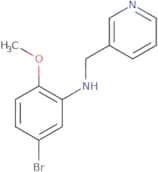
CAS:<p>Versatile small molecule scaffold</p>Formula:C17H28N2Purity:Min. 95%Molecular weight:260.4 g/mol5-Bromo-2-methoxy-N-(pyridin-3-ylmethyl)aniline
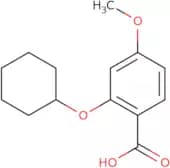
CAS:<p>Versatile small molecule scaffold</p>Formula:C13H13BrN2OPurity:Min. 95%Molecular weight:293.16 g/mol2-(Cyclohexyloxy)-4-methoxybenzoic acid
CAS:<p>Versatile small molecule scaffold</p>Formula:C14H18O4Purity:Min. 95%Molecular weight:250.29 g/mol1-({[(3-Bromophenyl)methyl]amino}methyl)cyclohexan-1-ol
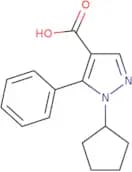
CAS:<p>Versatile small molecule scaffold</p>Formula:C14H20BrNOPurity:Min. 95%Molecular weight:298.22 g/mol1-Cyclopentyl-5-phenyl-1H-pyrazole-4-carboxylic acid
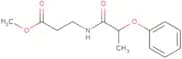
CAS:<p>Versatile small molecule scaffold</p>Formula:C15H16N2O2Purity:Min. 95%Molecular weight:256.3 g/molMethyl 3-(2-phenoxypropanamido)propanoate
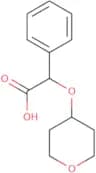
CAS:<p>Versatile small molecule scaffold</p>Formula:C13H17NO4Purity:Min. 95%Molecular weight:251.28 g/mol2-(Oxan-4-yloxy)-2-phenylacetic acid
CAS:<p>Versatile small molecule scaffold</p>Formula:C13H16O4Purity:Min. 95%Molecular weight:236.26 g/mol6-Chloro-N-[2-(4-chlorophenyl)ethyl]-3-nitropyridin-2-amine
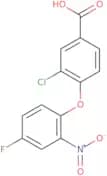
CAS:<p>Versatile small molecule scaffold</p>Formula:C13H11Cl2N3O2Purity:Min. 95%Molecular weight:312.15 g/mol3-Chloro-4-(4-fluoro-2-nitrophenoxy)benzoic acid
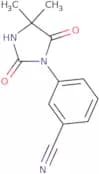
CAS:<p>Versatile small molecule scaffold</p>Formula:C13H7ClFNO5Purity:Min. 95%Molecular weight:311.65 g/mol3-(4,4-Dimethyl-2,5-dioxoimidazolidin-1-yl)benzonitrile
CAS:<p>Versatile small molecule scaffold</p>Formula:C12H11N3O2Purity:Min. 95%Molecular weight:229.23 g/mol1-[4-(4-Chlorophenyl)piperazin-1-yl]-2-methylpropan-2-amine
CAS:<p>Versatile small molecule scaffold</p>Formula:C14H22ClN3Purity:Min. 95%Molecular weight:267.8 g/mol3-Amino-4,5-dichloro-N-[1-(dimethylamino)-4-methylpentan-2-yl]benzamide
CAS:<p>Versatile small molecule scaffold</p>Formula:C15H23Cl2N3OPurity:Min. 95%Molecular weight:332.3 g/mol[(2,4-Dichlorophenyl)(pyridin-3-yl)methyl](methyl)amine
CAS:<p>Versatile small molecule scaffold</p>Formula:C13H12Cl2N2Purity:Min. 95%Molecular weight:267.15 g/mol4-Methoxy-3-[(6-methylpyridazin-3-yl)oxy]aniline
CAS:<p>Versatile small molecule scaffold</p>Formula:C12H13N3O2Purity:Min. 95%Molecular weight:231.25 g/molMethyl[2-(3-phenyl-1,2,4-oxadiazol-5-yl)ethyl]amine
CAS:<p>Versatile small molecule scaffold</p>Formula:C11H13N3OPurity:Min. 95%Molecular weight:203.24 g/mol[2-(Benzyloxy)-4,6-dimethylpyridin-3-yl]methanol
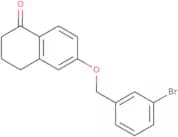
CAS:<p>Versatile small molecule scaffold</p>Formula:C15H17NO2Purity:Min. 95%Molecular weight:243.3 g/mol6-((3-Bromobenzyl)oxy)-3,4-dihydronaphthalen-1(2H)-one
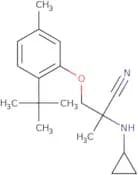
CAS:<p>Versatile small molecule scaffold</p>Formula:C17H15BrO2Purity:Min. 95%Molecular weight:331.2 g/mol3-(2-tert-Butyl-5-methylphenoxy)-2-(cyclopropylamino)-2-methylpropanenitrile
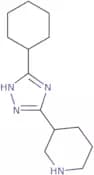
CAS:<p>Versatile small molecule scaffold</p>Formula:C18H26N2OPurity:Min. 95%Molecular weight:286.4 g/mol3-(5-Cyclohexyl-1H-1,2,4-triazol-3-yl)piperidine
CAS:<p>Versatile small molecule scaffold</p>Formula:C13H22N4Purity:Min. 95%Molecular weight:234.34 g/mol2-[2-(Aminomethyl)piperidin-1-yl]ethan-1-ol
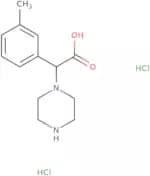
CAS:<p>Versatile small molecule scaffold</p>Formula:C8H18N2OPurity:Min. 95%Molecular weight:158.24 g/mol2-(3-Methylphenyl)-2-(piperazin-1-yl)acetic acid dihydrochloride
CAS:<p>Versatile small molecule scaffold</p>Formula:C13H20Cl2N2O2Purity:Min. 95%Molecular weight:307.21 g/mol2-(Diethylamino)-2-[3-(trifluoromethyl)phenyl]acetic acid hydrochloride
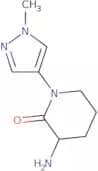
CAS:<p>Versatile small molecule scaffold</p>Formula:C13H17ClF3NO2Purity:Min. 95%Molecular weight:311.73 g/mol3-Amino-1-(1-methyl-1H-pyrazol-4-yl)piperidin-2-one
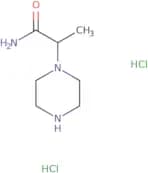
CAS:Versatile small molecule scaffoldFormula:C9H14N4OPurity:Min. 95%Molecular weight:194.23 g/mol2-(Piperazin-1-yl)propanamide dihydrochloride
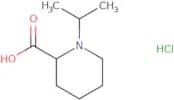
CAS:<p>Versatile small molecule scaffold</p>Formula:C7H17Cl2N3OPurity:Min. 95%Molecular weight:230.13 g/mol1-(Propan-2-yl)piperidine-2-carboxylic acid hydrochloride
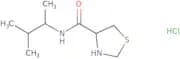
CAS:<p>Versatile small molecule scaffold</p>Formula:C9H18ClNO2Purity:Min. 95%Molecular weight:207.7 g/molN-(3-Methylbutan-2-yl)-1,3-thiazolidine-4-carboxamide hydrochloride
CAS:<p>Versatile small molecule scaffold</p>Formula:C9H19ClN2OSPurity:Min. 95%Molecular weight:238.78 g/mol1-{1,6-Dimethyl-1H-pyrazolo[3,4-d]pyrimidin-4-yl}piperazine dihydrochloride
CAS:<p>Versatile small molecule scaffold</p>Formula:C11H18Cl2N6Purity:Min. 95%Molecular weight:305.2 g/mol2-Chloro-N-[(3-methylthiophen-2-yl)methyl]acetamide
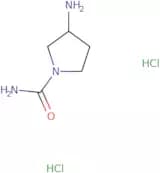
CAS:<p>Versatile small molecule scaffold</p>Formula:C8H10ClNOSPurity:Min. 95%Molecular weight:203.69 g/mol3-Aminopyrrolidine-1-carboxamide dihydrochloride
CAS:<p>Versatile small molecule scaffold</p>Formula:C5H13Cl2N3OPurity:Min. 95%Molecular weight:202.08 g/molN-[1-(2-Chloroacetyl)piperidin-4-yl]-3-phenylpropanamide
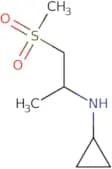
CAS:<p>Versatile small molecule scaffold</p>Formula:C16H21ClN2O2Purity:Min. 95%Molecular weight:308.8 g/molN-(1-Methanesulfonylpropan-2-yl)cyclopropanamine
CAS:<p>Versatile small molecule scaffold</p>Formula:C7H15NO2SPurity:Min. 95%Molecular weight:177.27 g/mol2-{4-[(Methylamino)methyl]piperidin-1-yl}-1-phenylethan-1-ol
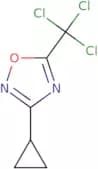
CAS:Versatile small molecule scaffoldFormula:C15H24N2OPurity:Min. 95%Molecular weight:248.36 g/mol3-Cyclopropyl-5-(trichloromethyl)-1,2,4-oxadiazole
CAS:<p>Versatile small molecule scaffold</p>Formula:C6H5Cl3N2OPurity:Min. 95%Molecular weight:227.5 g/molDocosane
CAS:<p>Please enquire for more information about Docosane including the price, delivery time and more detailed product information at the technical inquiry form on this page</p>Formula:C22H46Purity:Min. 95%Molecular weight:310.6 g/mol3,5-Diamino-2,4,6-triiodobenzoic acid
CAS:<p>3,5-Diamino-2,4,6-triiodobenzoic acid is a metabolite of hydrochloric acid and has been used in sample preparation for roentgenographic techniques. It is also used in the preparation of methylating agents for mass spectrometric analysis. It is hydrophilic with a methyl esterification that can be activated by amines. This chemical compound is found in human urine and has been shown to have an enhanced effect on tissues when combined with hydrochloric acid.</p>Formula:C7H5I3N2O2Purity:Min. 95%Color and Shape:PowderMolecular weight:529.84 g/mol2,3-Diaminotoluene
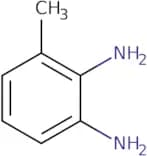
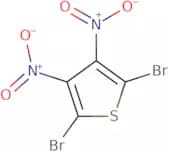
CAS:<p>2,3-Diaminotoluene is a compound that can be synthesized through the reaction of 2,4-diaminotoluene and picric acid. It has been used as a fluorescent probe for palladium complexes and has been shown to have efficient fluorescence properties in chromatographic applications. 2,3-Diaminotoluene has also been found to be an effective anti-bacterial agent against Gram-positive bacteria such as Staphylococcus aureus and Enterococcus faecalis. This compound has also been shown to have antitumour activity against leukemia cells. The synthesis of 2,3-diaminotoluene involves the reaction of amines with formaldehyde followed by dehydration.</p>Formula:C7H10N2Purity:Min. 95%Color and Shape:PowderMolecular weight:122.17 g/mol2,5-Dibromo-3,4-dinitrothiophene
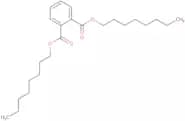
CAS:<p>2,5-Dibromo-3,4-dinitrothiophene is a functional group that has been used in the synthesis of electroactive polymers. It is an electron deficient compound with a redox potential of 1.29 V and an overpotential of 0.07 V for the oxidation of nitro groups to the corresponding dinitrothiophene radical cations. 2,5-Dibromo-3,4-dinitrothiophene can be used as an acceptor in polymer films and as a substrate concentration indicator in sulfate solutions. The structural theory for 2,5-dibromo-3,4-dinitrothiophene is based on the assumption that it has two electrons in its outer shell and one electron in its inner shell.</p>Formula:C4Br2N2O4SPurity:Min. 95%Color and Shape:White PowderMolecular weight:331.93 g/molDi-n-octyl phthalate
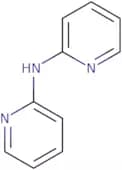
CAS:<p>Di-n-octyl phthalate (DNOP) is a phthalate that is used as a plasticizer in polyvinyl chloride. It is also used as an analytical reagent for the determination of activated phthalates in water, food, and human serum samples. DNOP has been shown to inhibit mitochondrial function and cellular respiration. This inhibition may be due to its ability to bind to the mitochondrial membrane and cause oxidative damage. It has also been shown to inhibit the growth of bacteria such as Escherichia coli by blocking protein synthesis. DNOP has been found to be chemically stable in rat liver microsomes, which indicates that it does not easily react with other chemicals or degrade over time.</p>Formula:C24H38O4Purity:Min. 95%Molecular weight:390.56 g/mol2,2'-Dipyridylamine
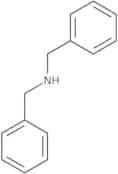
CAS:<p>2,2'-Dipyridylamine is a compound that belongs to the group of low-energy compounds. It has been shown to have antimicrobial activity against bacteria and fungi and has been demonstrated to be effective in treating cancer cells. 2,2'-Dipyridylamine is a molecule with two nitrogen atoms, which are bound by hydrogen bonds. This compound also contains methoxy groups that are coordinated by the nitrogen atoms. The structural analysis shows that there are three open coordination sites for metal ions that can bind with the nitrogen atoms. The x-ray diffraction data show that 2,2'-dipyridylamine crystallizes in a monoclinic system with an orthorhombic unit cell.</p>Formula:C10H9N3Purity:Min. 95%Molecular weight:171.2 g/molN,N-Dibenzylamine
CAS:<p>N,N-Dibenzylamine is a pyrimidine compound that is used as a model system to study the fatty acid-pyrimidine interactions. The iminodibenzyl group on N,N-dibenzylamine reacts with the ethylene diamine moiety in a reaction mechanism that is analogous to the reactions of natural nucleic acids. This reaction can be used to determine the water vapor pressure, which is useful in predicting locomotor activity and pharmacokinetic properties. This compound has been found to have antidepressant effects when administered orally in rats.</p>Formula:C14H15NPurity:Min. 95%Color and Shape:Clear LiquidMolecular weight:197.28 g/molDiethyl aniline
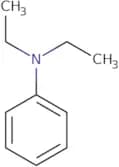
CAS:<p>Diethyl aniline is a colorless liquid that is soluble in organic solvents. It is used to synthesize polycarboxylic acids and as a solvent for paints, dyes, waxes, and other organic compounds. It has been shown to inhibit the synthesis of cholesterol esters by transferring one of its alkyl groups to the ester group on cholesterol. This reaction is catalyzed by enzymes such as cyclooxygenase and lipoxygenase. Diethyl aniline can also be used for the preparation of diazonium salts through reactions with sodium nitrite in hydrochloric acid or potassium dichromate in sulfuric acid. The reaction mechanism starts with the oxidation of diethyl aniline to give a diazonium salt intermediate. This intermediate reacts with water and gives hydrogen peroxide as a product. Hydrogen peroxide then reacts with bromoethane, which leads to the formation of another diazon</p>Formula:C10H15NPurity:Min. 95%Molecular weight:149.23 g/mol3,4-Dihydro-2H-pyran-2-methanol
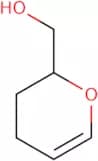
CAS:<p>3,4-Dihydro-2H-pyran-2-methanol is a tetrahydropyran alcohol that has been shown to be able to form cationic polymers in the presence of a ring-opening metathesis polymerization catalyst. The chloride anion is also capable of initiating the polymerization reaction. This compound has potential applications as a drug delivery agent or biomaterials scaffold due to its ability to act as a linker for the synthesis of biocompatible polymers. 3,4-Dihydro-2H-pyran-2-methanol can also be used in molecular modelling studies to explore the reactivity between hydroxy groups and nucleophiles.</p>Formula:C6H10O2Purity:Min. 95%Color and Shape:Colorless PowderMolecular weight:114.14 g/mol4,4'-Dimethylbenzophenone
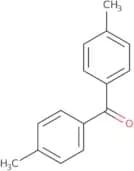
CAS:<p>4,4'-Dimethylbenzophenone is a chemical that belongs to the group of phenols. It is used in pharmaceutical preparations as a stabilizer. 4,4'-Dimethylbenzophenone reacts with halides and radical coupling to form urethane bonds. This reaction can be used to prepare urethanes from ethyl chloride and hydroxybenzonitrile. The rate of this reaction is accelerated by UV irradiation.</p>Formula:C15H14OPurity:Min. 98%Color and Shape:White PowderMolecular weight:210.27 g/mol(3,5-Dimethoxy-4-hydroxyphenyl)acetone
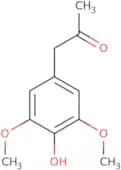
CAS:<p>(3,5-Dimethoxy-4-hydroxyphenyl)acetone is a phenolic compound that is used as a calibration standard in the analysis of tannins. It has been shown to have a catalytic effect on the oxidation of oleic acid and linoleic acid in the presence of peroxides. The addition of (3,5-dimethoxy-4-hydroxyphenyl)acetone to an oil or fat emulsion at room temperature leads to an increase in the viscosity of the emulsion. This compound can be found in many plants, such as tea and coffee beans, cocoa beans, and red wine grapes.</p>Formula:C11H14O4Purity:Min. 95%Color and Shape:Orange PowderMolecular weight:210.23 g/mol3,4-Dichlorobenzaldehyde
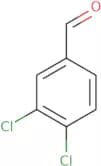
CAS:3,4-Dichlorobenzaldehyde is a monosubstituted aromatic organic compound with inhibitory effects. 3,4-Dichlorobenzaldehyde has shown significant antifungal activity against Candida albicans and Saccharomyces cerevisiae. It also inhibits the growth of certain cancer cells in cell culture studies. 3,4-Dichlorobenzaldehyde has been found to have anti-inflammatory properties and would be effective in treating inflammatory diseases such as asthma or arthritis. This compound has been shown to have significant effects on energy metabolism and fatty acid synthesis by inhibiting enzymes that are involved in these processes. 3,4-Dichlorobenzaldehyde can also be used to treat metabolic disorders such as diabetes mellitus type II and hyperlipidemia by inhibiting enzymes that are involved in these processes.Formula:C7H4Cl2OPurity:Min. 95%Color and Shape:White To Off-White SolidMolecular weight:175.01 g/moltert-Butyl N-(2-amino-2-iminiumylethyl)-N-methylcarbamate chloride
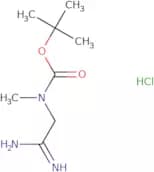
CAS:<p>Versatile small molecule scaffold</p>Formula:C8H18ClN3O2Purity:Min. 95%Molecular weight:223.7 g/moltert-Butyl N-(1-carbamimidoylethyl)carbamate hydrochloride
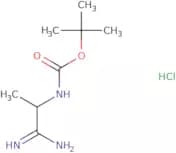
CAS:<p>Versatile small molecule scaffold</p>Formula:C8H18ClN3O2Purity:Min. 95%Molecular weight:223.7 g/molPyridin-2-ylmethanesulfonic acid amine
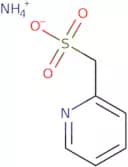
CAS:<p>Versatile small molecule scaffold</p>Formula:C6H10N2O3SPurity:Min. 95%Molecular weight:190.22 g/mol8-Bromo-1H,2H,3H,4H,5H-pyrido[4,3-b]indole hydrochloride
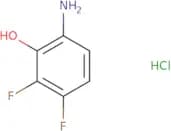
CAS:<p>Versatile small molecule scaffold</p>Formula:C11H12BrClN2Purity:Min. 95%Molecular weight:287.58 g/mol3,4-Difluoro-2-hydroxyaniline HCl
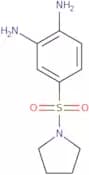
CAS:<p>Versatile small molecule scaffold</p>Formula:C6H5F2NO·HClPurity:Min. 95%Molecular weight:181.57 g/mol4-(Pyrrolidine-1-sulfonyl)benzene-1,2-diamine
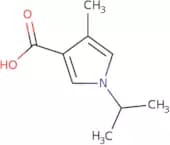
CAS:<p>Versatile small molecule scaffold</p>Formula:C10H15N3O2SPurity:Min. 95%Molecular weight:241.31 g/mol4-Methyl-1-(propan-2-yl)-1H-pyrrole-3-carboxylic acid
CAS:<p>Versatile small molecule scaffold</p>Formula:C9H13NO2Purity:Min. 95%Molecular weight:167.2 g/mol[5-(Propan-2-yl)-1,3,4-thiadiazol-2-yl]methanol
CAS:<p>Versatile small molecule scaffold</p>Formula:C6H10N2OSPurity:Min. 95%Molecular weight:158.22 g/mol


![o-[3-(Dimethylamino)propyl]hydroxylamine dihydrochloride](/_next/image/?url=https%3A%2Fstatic.cymitquimica.com%2Fproducts%2F3D%2Fthumb-webp%2FGCA42532.webp&w=3840&q=75)
![Methyl 2-[(3-aminophenyl)formamido]acetate](/_next/image/?url=https%3A%2Fstatic.cymitquimica.com%2Fproducts%2F3D%2Fthumb-webp%2FGCA44569.webp&w=3840&q=75)
![7H,8H-Imidazo[1,5-a]pyrazin-8-one](/_next/image/?url=https%3A%2Fstatic.cymitquimica.com%2Fproducts%2F3D%2Fthumb-webp%2FGCA46821.webp&w=3840&q=75)
![8-chloroimidazo[1,5-a]pyrazine](/_next/image/?url=https%3A%2Fstatic.cymitquimica.com%2Fproducts%2F3D%2Fthumb-webp%2FGCA46823.webp&w=3840&q=75)

![Furo[3,2-b]pyridine-5-carboxylic acid](/_next/image/?url=https%3A%2Fstatic.cymitquimica.com%2Fproducts%2F3D%2Fthumb-webp%2FGCA47391.webp&w=3840&q=75)
![Thieno[3,2-b]pyridine-5-carboxylic acid](/_next/image/?url=https%3A%2Fstatic.cymitquimica.com%2Fproducts%2F3D%2Fthumb-webp%2FGCA47392.webp&w=3840&q=75)
![N4-[(Furan-2-yl)methyl]-N2-methylquinazoline-2,4-diamine](/_next/image/?url=https%3A%2Fstatic.cymitquimica.com%2Fproducts%2F3D%2Fthumb-webp%2FGCB47524.webp&w=3840&q=75)
![{1-[4-(Trifluoromethyl)phenyl]piperidin-4-yl}methanol](/_next/image/?url=https%3A%2Fstatic.cymitquimica.com%2Fproducts%2F3D%2Fthumb-webp%2FGCB48199.webp&w=3840&q=75)
![1-{[4-(Trifluoromethoxy)phenyl]methyl}piperidin-4-ol](/_next/image/?url=https%3A%2Fstatic.cymitquimica.com%2Fproducts%2F3D%2Fthumb-webp%2FGCB48200.webp&w=3840&q=75)


![4,6-Dimethyl-3-(1H-pyrrol-1-yl)thieno[2,3-b]pyridine-2-carboxylic acid](/_next/image/?url=https%3A%2Fstatic.cymitquimica.com%2Fproducts%2F3D%2Fthumb-webp%2FGCB85003.webp&w=3840&q=75)
amine](/_next/image/?url=https%3A%2Fstatic.cymitquimica.com%2Fproducts%2F3D%2Fthumb-webp%2FGCC03451.webp&w=3840&q=75)
![1-({[(3-Bromophenyl)methyl]amino}methyl)cyclohexan-1-ol](/_next/image/?url=https%3A%2Fstatic.cymitquimica.com%2Fproducts%2F3D%2Fthumb-webp%2FGCC07989.webp&w=3840&q=75)
![6-Chloro-N-[2-(4-chlorophenyl)ethyl]-3-nitropyridin-2-amine](/_next/image/?url=https%3A%2Fstatic.cymitquimica.com%2Fproducts%2F3D%2Fthumb-webp%2FGCC18361.webp&w=3840&q=75)
![1-[4-(4-Chlorophenyl)piperazin-1-yl]-2-methylpropan-2-amine](/_next/image/?url=https%3A%2Fstatic.cymitquimica.com%2Fproducts%2F3D%2Fthumb-webp%2FGCC19931.webp&w=3840&q=75)
![3-Amino-4,5-dichloro-N-[1-(dimethylamino)-4-methylpentan-2-yl]benzamide](/_next/image/?url=https%3A%2Fstatic.cymitquimica.com%2Fproducts%2F3D%2Fthumb-webp%2FGCC21447.webp&w=3840&q=75)
amine](/_next/image/?url=https%3A%2Fstatic.cymitquimica.com%2Fproducts%2F3D%2Fthumb-webp%2FGCC22507.webp&w=3840&q=75)
![4-Methoxy-3-[(6-methylpyridazin-3-yl)oxy]aniline](/_next/image/?url=https%3A%2Fstatic.cymitquimica.com%2Fproducts%2F3D%2Fthumb-webp%2FGCC39561.webp&w=3840&q=75)
![Methyl[2-(3-phenyl-1,2,4-oxadiazol-5-yl)ethyl]amine](/_next/image/?url=https%3A%2Fstatic.cymitquimica.com%2Fproducts%2F3D%2Fthumb-webp%2FGCC40548.webp&w=3840&q=75)
![[2-(Benzyloxy)-4,6-dimethylpyridin-3-yl]methanol](/_next/image/?url=https%3A%2Fstatic.cymitquimica.com%2Fproducts%2F3D%2Fthumb-webp%2FGCC43942.webp&w=3840&q=75)
![2-[2-(Aminomethyl)piperidin-1-yl]ethan-1-ol](/_next/image/?url=https%3A%2Fstatic.cymitquimica.com%2Fproducts%2F3D%2Fthumb-webp%2FGCC57174.webp&w=3840&q=75)
![2-(Diethylamino)-2-[3-(trifluoromethyl)phenyl]acetic acid hydrochloride](/_next/image/?url=https%3A%2Fstatic.cymitquimica.com%2Fproducts%2F3D%2Fthumb-webp%2FGCC60292.webp&w=3840&q=75)
![1-{1,6-Dimethyl-1H-pyrazolo[3,4-d]pyrimidin-4-yl}piperazine dihydrochloride](/_next/image/?url=https%3A%2Fstatic.cymitquimica.com%2Fproducts%2F3D%2Fthumb-webp%2FGCC60302.webp&w=3840&q=75)
![2-Chloro-N-[(3-methylthiophen-2-yl)methyl]acetamide](/_next/image/?url=https%3A%2Fstatic.cymitquimica.com%2Fproducts%2F3D%2Fthumb-webp%2FGCC60304.webp&w=3840&q=75)
![N-[1-(2-Chloroacetyl)piperidin-4-yl]-3-phenylpropanamide](/_next/image/?url=https%3A%2Fstatic.cymitquimica.com%2Fproducts%2F3D%2Fthumb-webp%2FGCC60307.webp&w=3840&q=75)
![2-{4-[(Methylamino)methyl]piperidin-1-yl}-1-phenylethan-1-ol](/_next/image/?url=https%3A%2Fstatic.cymitquimica.com%2Fproducts%2F3D%2Fthumb-webp%2FGCC60313.webp&w=3840&q=75)


![8-Bromo-1H,2H,3H,4H,5H-pyrido[4,3-b]indole hydrochloride](/_next/image/?url=https%3A%2Fstatic.cymitquimica.com%2Fproducts%2F3D%2Fthumb-webp%2FFDC56885.webp&w=3840&q=75)
![[5-(Propan-2-yl)-1,3,4-thiadiazol-2-yl]methanol](/_next/image/?url=https%3A%2Fstatic.cymitquimica.com%2Fproducts%2F3D%2Fthumb-webp%2FFDC75183.webp&w=3840&q=75)