Building Blocks
This section contains fundamental products for the synthesis of organic and biological compounds. Building blocks are the essential starting materials used to construct complex molecules through various chemical reactions. They play a critical role in drug discovery, material science, and chemical research. At CymitQuimica, we offer a diverse range of high-quality building blocks to support your innovative research and industrial projects, ensuring you have the essential components for successful synthesis.
Subcategories of "Building Blocks"
- Boronic Acids & Boronic Acid Derivatives(5,756 products)
- Chiral Building Blocks(1,242 products)
- Hydrocarbon Building Blocks(6,095 products)
- Organic Building Blocks(61,051 products)
Found 199813 products of "Building Blocks"
Sort by
Purity (%)
0
100
|
0
|
50
|
90
|
95
|
100
3,4-Diaminobenzenesulphonamide
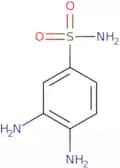
CAS:<p>3,4-Diaminobenzenesulphonamide is a chemical compound that is used as an intermediate in organic synthesis and non-apoptotic cell death. 3,4-Diaminobenzenesulphonamide reacts with iron chloride to form ferroptosis, an environmental pollutant. It can also be used for the treatment of various cancers. 3,4-Diaminobenzenesulphonamide binds to the iron in the cell and causes cell death by forming reactive oxygen species that induce ferroptosis. 3,4-Diaminobenzenesulphonamide is also a non-apoptotic cell death agent that inhibits mitochondrial membrane potential and leads to cellular necrosis.</p>Formula:C6H9N3O2S·2ClHPurity:Min. 95%Molecular weight:260.14 g/mol2-Oxo-2,3-dihydro-1H-1,3-benzodiazole-5-sulfonamide
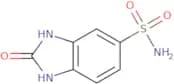
CAS:Versatile small molecule scaffoldFormula:C7H7N3O3SPurity:Min. 95%Molecular weight:213.22 g/mol(N-4,N-4,2-Trimethyl)-1,4-benzenediamine
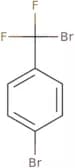
CAS:<p>Versatile small molecule scaffold</p>Formula:C9H14N2Purity:Min. 95%Molecular weight:150.23 g/mol1-bromo-4-(bromodifluoromethyl)benzene
CAS:<p>Versatile small molecule scaffold</p>Formula:C7H4Br2F2Purity:Min. 95%Molecular weight:285.91 g/mol1-(3-Fluoro-4-methoxyphenyl)propan-2-one
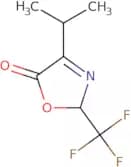
CAS:<p>Versatile small molecule scaffold</p>Formula:C10H11FO2Purity:Min. 95%Molecular weight:182.19 g/mol4-(Propan-2-yl)-2-(trifluoromethyl)-2,5-dihydro-1,3-oxazol-5-one
CAS:<p>Versatile small molecule scaffold</p>Formula:C7H8F3NO2Purity:Min. 95%Molecular weight:195.14 g/mol5-Oxo-1-[4-(trifluoromethyl)phenyl]-pyrrolidine-3-carboxylic acid
CAS:Versatile small molecule scaffoldFormula:C12H10F3NO3Purity:Min. 95%Molecular weight:273.21 g/molChloromethyl Methyl Sulfone
CAS:<p>Chloromethyl Methyl Sulfone is a nucleophilic acceptor for aldehydes and pyridinium compounds. It can be synthesized by the reaction of methyl sulfoxide and hydrochloric acid in the presence of triazole and hydroxide ion. Chloromethyl Methyl Sulfone is a crystalline solid that can be used to study the interaction of kinesin with methyl sulfones. This compound has been shown to have an inhibitory effect on cellular activity, which may be due to its ability to react with chloride ions, forming chloromethyl methyl sulfonium chloride.</p>Formula:C2H5ClO2SPurity:Min. 95%Molecular weight:128.58 g/mol2-[(4-Methylphenyl)amino]acetohydrazide
CAS:<p>2-[(4-Methylphenyl)amino]acetohydrazide is a crystalline solid that belongs to the group of hydrazides. It has an asymmetric, planar, two-dimensional crystal structure with dihedral angles of 1.2° and 2.6°. The compound contains a benzene ring and two hydrogen bonds.</p>Formula:C9H13N3OPurity:Min. 95%Molecular weight:179.22 g/mol5-Acetyl-2-chlorobenzene-1-sulfonamide
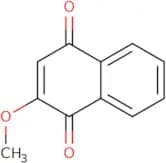
CAS:<p>Versatile small molecule scaffold</p>Formula:C8H8ClNO3SPurity:Min. 95%Molecular weight:233.67 g/mol2-Methoxy-1,4-naphthoquinone
CAS:<p>2-Methoxy-1,4-naphthoquinone is a natural compound that has low potency and significant cytotoxicity. It inhibits the polymerase chain reaction (PCR) by inhibiting DNA synthesis in the bacteria. This compound also exhibits antiinflammatory activity which may be due to its ability to inhibit prostaglandin synthesis. 2-Methoxy-1,4-naphthoquinone has been shown to exhibit minimal toxicity in mice and humans. It is structurally similar to p-hydroxybenzoic acid, a common ingredient found in food and cosmetics. 2-Methoxy-1,4-naphthoquinone has been used for the treatment of infectious diseases such as oral pathogens and bacterial infections caused by Helicobacter pylori or c. glabrata.</p>Formula:C11H8O3Purity:Min. 95%Molecular weight:188.18 g/mol4-(Trimethylsilyl)butanoic acid
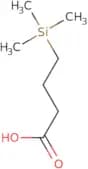
CAS:<p>Versatile small molecule scaffold</p>Formula:C7H16O2SiPurity:Min. 95%Molecular weight:160.29 g/mol(Trimethylsilyl)acetic acid
CAS:<p>(Trimethylsilyl)acetic acid is an organosilicon compound that has a hydroxyl group and three methyl groups. It is a metastable substance with a boiling point of about 130 degrees Celsius. (Trimethylsilyl)acetic acid can be synthesized by reacting bromoacetic acid with methyllithium or trimethylsilyl chloride. This compound has been shown to have kinetic properties such as molecular ions, kinetic energy, and inorganic acids. It also has functional groups that are able to interact with detergent compositions.</p>Formula:C5H12O2SiPurity:Min. 95%Molecular weight:132.23 g/mol(3-Chloropropyl)trimethylsilane
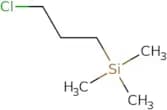
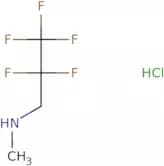
CAS:<p>3-Chloropropyltrimethylsilane is a diphenyl ether that inhibits the cross-linking of proteins and enzymes in infectious diseases. It has been shown to be an effective catalyst for oxidation reactions, such as the conversion of metal carbonyls to unsaturated alkyls. 3-Chloropropyltrimethylsilane has also been shown to inhibit cavities in glycol ethers and corrosion in hydrochloric acid solutions. This chemical has fluorescence properties. The structural formula is CHClSi(CH)CHCl, and it is a colorless liquid with a boiling point of -71°C.</p>Formula:C6H15ClSiPurity:Min. 95%Molecular weight:150.72 g/molMethyl(2,2,3,3,3-pentafluoropropyl)amine hydrochloride
CAS:<p>Versatile small molecule scaffold</p>Formula:C4H7ClF5NPurity:Min. 95%Molecular weight:199.55 g/mol3,3,3-Trifluoropropyl 4-methylbenzenesulfonate
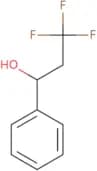
CAS:Versatile small molecule scaffoldFormula:C10H11F3O3SPurity:Min. 95%Molecular weight:268.25 g/mol3,3,3-Trifluoro-1-phenylpropan-1-ol
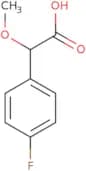
CAS:<p>Versatile small molecule scaffold</p>Formula:C9H9F3OPurity:Min. 95%Molecular weight:190.16 g/mol2-(4-Fluorophenyl)-2-methoxyacetic acid
CAS:<p>Versatile small molecule scaffold</p>Formula:C9H9FO3Purity:Min. 95%Molecular weight:184.16 g/mol(5-Fluoro-2-methylphenyl)hydrazine
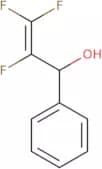
CAS:<p>Versatile small molecule scaffold</p>Formula:C7H9FN2Purity:Min. 95%Molecular weight:140.16 g/mol2,3,3-Trifluoro-1-phenylprop-2-en-1-ol
CAS:<p>Versatile small molecule scaffold</p>Formula:C9H7F3OPurity:Min. 95%Molecular weight:188.15 g/mol2-(Propan-2-yl)butanedioic acid
CAS:<p>2-(Propan-2-yl)butanedioic acid is a depsipeptide with microbial activity. It inhibits bacterial growth by binding to the beta-subunit of ATP synthase in the microbial cell membrane, which prevents the synthesis of ATP and other metabolites required for cell division. 2-(Propan-2-yl)butanedioic acid has been shown to inhibit Salmonella typhimurium and Staphylococcus aureus in vitro and in vivo. The mechanism by which this drug inhibits bacterial growth is not yet fully understood, but it may be due to its ability to bind to fatty acids or hydrocarbons that are found on the surface of microorganisms.</p>Formula:C7H12O4Purity:Min. 95%Molecular weight:160.17 g/molEthyl 5-chloropentanoate
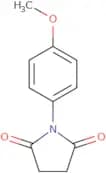
CAS:<p>Ethyl 5-chloropentanoate belongs to the class of compounds called test compounds. It was synthesized for the purpose of studying the biological properties of histone lysine residues. The compound has shown a number of biological effects, including activation energy and quantum theory, at low concentrations in women. This chemical is a chloride ion donor and contains an ethyl group and a carbonyl group. It has been shown to be an effective activator of pentene isomers that are present in tissues in order to form reactive intermediates that can initiate reactions with other molecules, such as lysine residues on proteins.</p>Formula:C7H13ClO2Purity:Min. 95%Molecular weight:164.63 g/mol1-(4-Methoxyphenyl)pyrrolidine-2,5-dione
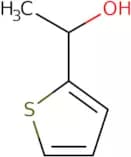
CAS:1-(4-Methoxyphenyl)pyrrolidine-2,5-dione is a potent inhibitor of p2y receptors. It has been shown to inhibit the generation of monoclonal antibodies and cytosolic Ca2+ in T cells, which are both important for the activation of immune cells. 1-(4-Methoxyphenyl)pyrrolidine-2,5-dione also inhibits the polymerase chain reaction (PCR), which is a DNA replication technique used in molecular biology. The molecule interacts with hydrogen bond and gamma-aminobutyric acid (GABA), but does not interact with glutamate or carbaryl. This drug may be useful for the treatment of bladder cancer due to its potent inhibitory activity against p2y receptors.Formula:C11H11NO3Purity:Min. 95%Molecular weight:205.21 g/mol1-(Thiophen-2-yl)ethan-1-ol
CAS:<p>1-(Thiophen-2-yl)ethan-1-ol is an enantiopure reactant that can be used to synthesize lipase substrates. The immobilized substrate is a polyvinyl polymer that has been functionalized with a primary alcohol and thiol groups. 1-(Thiophen-2-yl)ethan-1-ol is used in the synthesis of lipase substrates that are used to study the biotransformations of secondary alcohols. X-ray structures have been obtained for this compound, which contains a chiral center.</p>Formula:C6H8OSPurity:Min. 95%Molecular weight:128.19 g/mol4-Amino-N-methylphthalimide
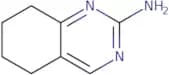
CAS:<p>4-Amino-N-methylphthalimide (AMI) is a fluorescent dye that has been shown to be an effective proton sensor. It can be used as a transistor, and has the potential to be used in other applications such as photophysical studies, gas sensors, and quantum dots. 4-Amino-N-methylphthalimide has been shown to bind MgO with a binding constant of 9.3x10 M. It also has high kinetic data, which can be helpful for understanding the reaction mechanisms at work.</p>Formula:C9H8N2O2Purity:Min. 95%Molecular weight:176.17 g/mol5,6,7,8-Tetrahydroquinazolin-2-amine
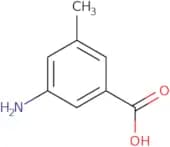
CAS:<p>5,6,7,8-Tetrahydroquinazolin-2-amine is a heterobicyclic drug that has antibacterial activity. It was synthesized in the multistep reaction of cyclic amines with 2-aminothiazole. This compound may be used as a diagnostic tool for serotonin because it activates 5-HT6 receptors and inhibits the binding of serotonin to its receptor. This drug also has an inhibitory effect on bacterial growth and is useful for treating bacterial infections. 5,6,7,8-Tetrahydroquinazolin-2-amine has antidepressive effects and may be used to treat depression by antagonizing the reuptake of serotonin at synapses in the brain and increasing synaptic concentrations of this neurotransmitter.</p>Formula:C8H11N3Purity:Min. 95%Molecular weight:149.19 g/mol3-Amino-5-methylbenzoic acid
CAS:<p>3-Amino-5-methylbenzoic acid (3-AMBA) is a chemical compound that is used in the treatment of murine leukemia. It inhibits cell growth by binding to the DNA and inhibiting transcription and replication, as well as by inhibiting the biosynthesis of proteins and other cellular molecules. 3-AMBA has been shown to be active against Salmonella typhimurium, Staphylococcus aureus, Bacillus subtilis, Escherichia coli, Mycobacterium tuberculosis, and L1210 cells. This drug also has detoxification properties and can inhibit the production of cyclopentanoid compounds in plants.</p>Formula:C8H9NO2Purity:Min. 95%Molecular weight:151.16 g/mol5-Cyanopentanamide
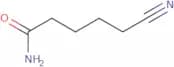
CAS:<p>5-Cyanopentanamide is a liquid phase catalyst that has been immobilized on Ru(III) oxide. 5-Cyanopentanamide shows good activity in the hydration of carbonyl compounds, such as triazolinones, to produce the corresponding amides. It also catalyzes the hydrogenation reaction of ammonium salts with adiponitrile and hydrogen. 5-Cyanopentanamide's biochemical properties are similar to those of other amides. The use of this immobilized catalyst allows for reactions to be carried out at lower temperatures and pressures than with traditional methods.</p>Formula:C6H10N2OPurity:Min. 95%Molecular weight:126.16 g/mol5-Chloro-1-ethyl-2-methyl-4-nitro-1H-imidazole
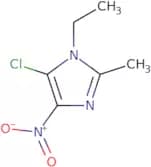
CAS:Versatile small molecule scaffoldFormula:C6H8ClN3O2Purity:Min. 95%Molecular weight:189.6 g/mol3-benzylimidazolidine-2,4-dione
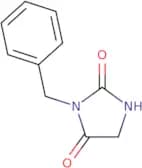
CAS:<p>3-benzylimidazolidine-2,4-dione is a synthetic molecule that can be used to inhibit the growth of cancer cells. It is classified as an alkylating agent and is structurally related to glyoxal. 3-benzylimidazolidine-2,4-dione has shown cytotoxic effects in vitro by inhibiting DNA replication and protein synthesis in a variety of cancer cell lines. It also has the ability to cross the blood brain barrier and has been shown to be effective against human glioblastoma cells. This compound may be useful in the treatment of brain tumours due to its ability to inhibit protein synthesis and DNA replication.</p>Formula:C10H10N2O2Purity:Min. 95%Molecular weight:190.2 g/mol3,6-Dinitrobenzene-1,2-dicarboxylic acid
CAS:<p>Versatile small molecule scaffold</p>Formula:C8H4N2O8Purity:Min. 95%Molecular weight:256.13 g/molBicyclo[4.2.0]octa-1,3,5-trien-7-amine hydrochloride
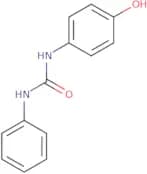
CAS:<p>Versatile small molecule scaffold</p>Formula:C8H10ClNPurity:Min. 95%Molecular weight:155.62 g/mol3-(4-Hydroxyphenyl)-1-phenylurea
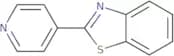
CAS:<p>Versatile small molecule scaffold</p>Formula:C13H12N2O2Purity:Min. 95%Molecular weight:228.25 g/mol2-(4-Pyridyl)-1,3-benzothiazole
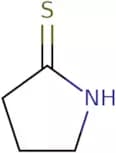
CAS:2-(4-Pyridyl)-1,3-benzothiazole is a pancreatic carcinogen. It has been shown to be an important factor in the development of pancreatic cancer. 2-(4-Pyridyl)-1,3-benzothiazole is a ligand for the nuclear receptor PPARγ and can activate this receptor by binding to it. Activated PPARγ then regulates gene expression and protein synthesis, leading to tumorigenesis. In addition, 2-(4-Pyridyl)-1,3-benzothiazole has been shown to inhibit the activity of methionine synthase and increase the amount of homocysteine in cells. This inhibition ultimately leads to cell death by increasing reactive oxygen species that can cause DNA damage or inhibit protein synthesis.Formula:C12H8N2SPurity:Min. 95%Molecular weight:212.27 g/molPyrrolidine-2-thione
CAS:<p>Pyrrolidine-2-thione is a molecule that is an organic compound consisting of two pyrrole rings linked by a sulfur atom. It has a molecular weight of 176.13 and a monosodium salt with the chemical formula C6H8N2S. Pyrrolidine-2-thione is soluble in water, alcohol, and ether. This compound reacts with hydrochloric acid to form hydrogen fluoride and pyrrole monosulfonic acid, which exhibits anti-inflammatory properties. The particle size distribution of this compound has been found to be between 1 and 10 micrometers in diameter and it is highly soluble in polycarboxylic acids like oxalic acid or maleic acid. Pyrrolidine-2-thione also has high reactivity with aromatic hydrocarbons such as benzene, toluene, and xylene.</p>Formula:C4H7NSPurity:Min. 95%Molecular weight:101.17 g/molEthyl 3-hydroxy-3-phenylbutanoate
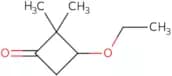
CAS:<p>Versatile small molecule scaffold</p>Formula:C12H16O3Purity:Min. 95%Molecular weight:208.25 g/mol3-Ethoxy-2,2-dimethylcyclobutanone
CAS:<p>3-Ethoxy-2,2-dimethylcyclobutanone is a cycloadduct that is produced by the reaction of an enol ether with dichloride. It is a nonpolar solvent used in chemistry and solvents. 3-Ethoxy-2,2-dimethylcyclobutanone is also an oxygenated compound and can be used as a nucleophile in reactions. The regioselectivity of 3-ethoxy-2,2-dimethylcyclobutanone depends on the type of reaction that it is involved in; however, it has been shown to preferentially form the cyclohexanone product in most cases.</p>Formula:C8H14O2Purity:Min. 95%Molecular weight:142.2 g/mol3-Butoxy-2,2-dimethylcyclobutan-1-one
CAS:<p>Versatile small molecule scaffold</p>Formula:C10H18O2Purity:Min. 95%Molecular weight:170.25 g/molSilane, isothiocyanatotrimethyl-
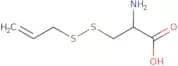
CAS:<p>Trifluoroacetic acid is a reactive compound that can be used to produce amines by activation with trimethylsilyl. It is also used in the synthesis of other compounds, such as silanes and thiocyanates. Trifluoroacetic acid has been shown to be an effective treatment for autoimmune diseases, such as inflammatory bowel disease, alopecia areata, and rheumatoid arthritis. It has also been shown to inhibit the production of pro-inflammatory cytokines in human monocytes. Trifluoroacetic acid has chemical stability in organic solvents and does not react with water or alcohols.</p>Formula:C4H9NSSiPurity:Min. 95%Molecular weight:131.27 g/mol(2R)-2-Amino-3-(prop-2-en-1-yldisulfanyl)propanoic acid
CAS:<p>(2R)-2-Amino-3-(prop-2-en-1-yldisulfanyl)propanoic acid is an anti-cancer drug that inhibits the enzyme activity of histone deacetylase (HDAC). This drug has been shown to induce apoptosis in colorectal adenocarcinoma cells by inhibiting HDAC. It also induces autophagy and apoptosis in cancer cell lines with different genetic backgrounds. The reaction solution for this compound is a mixture of water, methanol, and hydrochloric acid. The product is soluble in water and methanol, but not in hydrochloric acid.</p>Formula:C6H11NO2S2Purity:Min. 95%Molecular weight:193.3 g/molBicyclo[2.2.2]octane-1,4-diamine dihydrochloride
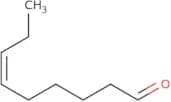
CAS:<p>Versatile small molecule scaffold</p>Formula:C8H16N2•(HCl)2Purity:Min. 95%Molecular weight:213.15 g/molcis-6-Nonenal
CAS:<p>cis-6-Nonenal is a short-chain fatty acid that has been identified in cantaloupe. It is an ester compound and one of the many byproducts of lipid oxidation. cis-6-Nonenal has high values in basic structures, such as ethyl esters, caproic acid, and deionized water. cis-6-Nonenal has been found to have high levels of toxicity to plants when used as a test compound. It also exhibits strong inhibitory activity against dehydrogenase enzymes in rootstocks.</p>Formula:C9H16OPurity:Min. 95%Molecular weight:140.22 g/mol(4Z)-Non-4-enal
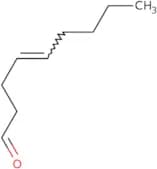
CAS:<p>Versatile small molecule scaffold</p>Formula:C9H16OPurity:Min. 95%Molecular weight:140.2 g/mol4,6-Dichloro-N-phenyl-1,3,5-triazin-2-amine
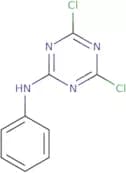
CAS:4,6-Dichloro-N-phenyl-1,3,5-triazin-2-amine is a reactive and labile compound that has been shown to inhibit the nuclear factor kappa B (NF-κB). It is an analog of 2,4,6,-trichlorophenyl-1,3,5-triazine. 4,6-Dichloro-N-phenylsulfonyl triazin-2 amine is a chlorinated derivative of 4,6 dichloro triazin 2 amine. The chlorine atom in the molecule may be replaced with a cyanuric or chloride group. This chemical compound is used in dyestuffs and as a precursor for other chemicals. The effect varies depending on the dose administered.Formula:C9H6Cl2N4Purity:Min. 95%Molecular weight:241.08 g/mol2-(Trifluoromethyl)-6,9-dihydro-1H-purin-6-one
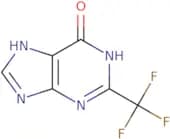
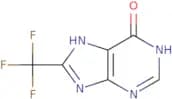
CAS:<p>Versatile small molecule scaffold</p>Formula:C6H3F3N4OPurity:Min. 95%Molecular weight:204.11 g/mol8-(Trifluoromethyl)-6,7-dihydro-1H-purin-6-one
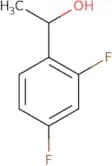
CAS:Versatile small molecule scaffoldFormula:C6H3F3N4OPurity:Min. 95%Molecular weight:204.11 g/mol1-(2,4-difluorophenyl)ethan-1-ol
CAS:<p>Versatile small molecule scaffold</p>Formula:C8H8F2OPurity:Min. 95%Molecular weight:158.15 g/mol2-Amino-3-phenylbutanoic acid
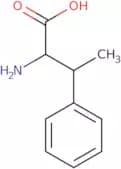
CAS:<p>2-Amino-3-phenylbutanoic acid is a cyclic peptide that binds to DPP4 receptors. It has been shown to inhibit the binding of DPP4 to dipeptidyl peptidase IV, thereby preventing the breakdown of endogenous peptides, such as glucagon and GLP-1, which are involved in regulation of blood sugar. This drug has biological properties and can be used as a potential experimental model for diabetes mellitus type 2. The synthesis of this compound is an asymmetric synthesis that involves two transfer reactions and an acid analysis. The chromatographic analysis is used to identify the product by comparing retention times with known standards.</p>Formula:C10H13NO2Purity:Min. 95%Molecular weight:179.22 g/molN-Hydroxydecanamide
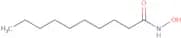
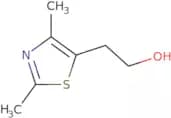
CAS:<p>N-Hydroxydecanamide is a hydroxamic acid derivative that is used as an antimicrobial agent. It has been shown to inhibit the replication of viruses by binding to their RNA and DNA, inhibiting protein synthesis, and causing cell death. N-Hydroxydecanamide also inhibits the growth of bacteria. This chemical can be extracted from fatty acids, aliphatic hydrocarbons and pharmaceutical preparations. It has a functional group that causes it to bind to organic molecules and adsorb on surfaces.</p>Formula:C10H21NO2Purity:Min. 95%Molecular weight:187.28 g/mol2-(Dimethyl-1,3-thiazol-5-yl)ethan-1-ol
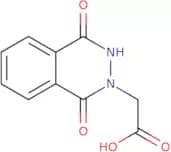
CAS:<p>Versatile small molecule scaffold</p>Formula:C7H11NOSPurity:Min. 95%Molecular weight:157.24 g/mol2-(1,4-Dioxo-1,2,3,4-tetrahydrophthalazin-2-yl)acetic acid
CAS:Versatile small molecule scaffoldFormula:C10H8N2O4Purity:Min. 95%Molecular weight:220.18 g/mol4-Bromo-5-methylbenzo[C][1,2,5]thiadiazole
CAS:<p>Versatile small molecule scaffold</p>Formula:C7H5BrN2SPurity:Min. 95%Molecular weight:229.1 g/mol4-(2-Fluorophenoxy)butanoic acid
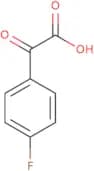
CAS:Controlled Product<p>Versatile small molecule scaffold</p>Formula:C10H11FO3Purity:Min. 95%Molecular weight:198.19 g/mol2-(4-Fluorophenyl)-2-oxoacetic acid
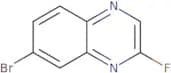
CAS:<p>2-(4-Fluorophenyl)-2-oxoacetic acid is an enantiomer of 2-(4-chlorophenyl)-2-oxoacetic acid. It is a chiral compound that can be extracted from the optical <br>extracts of the leaves of the plant "Alstonia scholaris". The extract contains both enantiomers in a ratio of 1:1. This compound has been shown to have antifungal activities against bacterial strains and Candida albicans. It also has been used as a catalyst in organic synthesis, and its stereospecificity was determined using X-Ray analysis.</p>Formula:C8H5FO3Purity:Min. 95%Molecular weight:168.12 g/mol7-Bromo-2-fluoroquinoxaline
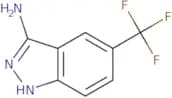
CAS:<p>Versatile small molecule scaffold</p>Formula:C8H4BrFN2Purity:Min. 95%Molecular weight:227.03 g/mol5-(Trifluoromethyl)-1H-indazol-3-amine
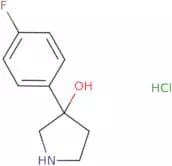
CAS:<p>5-(Trifluoromethyl)-1H-indazol-3-amine is an experimental chemical that has been shown to have acute toxicity in animals.</p>Formula:C8H6F3N3Purity:Min. 95%Molecular weight:201.15 g/mol3-(4-Fluorophenyl)pyrrolidin-3-ol hydrochloride
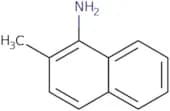
CAS:<p>Versatile small molecule scaffold</p>Formula:C10H13ClFNOPurity:Min. 95%Molecular weight:217.67 g/mol2-Methyl-1-naphthylamine
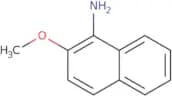
CAS:<p>2-Methyl-1-naphthylamine is a synthetic chemical with an inhibitory effect on coordination chemistry. It has been shown to form hydrogen bonding interactions with the amines and can be used as a chemical reagent. 2-Methyl-1-naphthylamine also has chromatographic properties, which are based on its optical properties, such as its aminonaphthalenes and acidic or basic nature. 2-Methyl-1-naphthylamine can be used in the synthesis of polymers by electropolymerization and the formation of bases.</p>Formula:C11H11NPurity:Min. 95%Molecular weight:157.21 g/mol2-Methoxynaphthalen-1-amine
CAS:<p>2-Methoxynaphthalen-1-amine is a sulphonic acid derivative of naphthalene that can be found in the blood as a result of exposure to this chemical. It has been used in the past for medicinal purposes, and is now known to have potential use as an inhibitor of Alzheimer's disease. 2-Methoxynaphthalen-1-amine is a ternary compound containing three different functional groups; two methoxy groups, one phenyl group and one amine group. The presence of these functional groups gives it the ability to bind with sulphonic acids, which are often found in brain tissue. This bond between 2-methoxynaphthalen-1-amine and sulphonic acids may contribute to its inhibitory effects on Alzheimer's disease by preventing the formation of beta amyloid plaques.</p>Formula:C11H11NOPurity:Min. 95%Molecular weight:173.21 g/mol1-Undecyne
CAS:<p>1-Undecyne is a chemical that is used as a raw material in the production of pharmaceutical preparations. It has been shown to inhibit insulin resistance by increasing the expression of glucose transporter 4, which is responsible for transporting glucose from the blood into cells. 1-Undecyne also has exothermic reactions with sodium and water vapor, which are endothermic reactions that release heat. The hydroxyl group on 1-undecyne can react with other substances, such as collagen and hyaluronic acid.</p>Formula:C11H20Purity:Min. 95%Color and Shape:Clear LiquidMolecular weight:152.28 g/mol1,4-Diaminonaphthalene
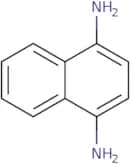
CAS:<p>1,4-Diaminonaphthalene is an organic compound that belongs to the group of small molecule drugs. It is a cleavage product of naphthalene and has been shown to inhibit the expression of target genes in biological studies. 1,4-Diaminonaphthalene also has anti-tumor properties and can be used for the treatment of cancer diseases. 1,4-Diaminonaphthalene has chemical diversity due to its two different isomers. One isomer (1,4-diaminoanthracene) exhibits strong UV absorption and can be used as a target gene expression probe. The other isomer (1,2-diaminobenzene) has amine groups that are more reactive than those in the first isomer and can be used as a growth factor.</p>Formula:C10H10N2Purity:Min. 95%Molecular weight:158.2 g/mol2-Naphthyl isocyanate
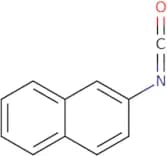
CAS:<p>2-Naphthyl isocyanate (2NI) is a chemical compound that contains a hydroxyl group. It can be used to modify cellulose derivatives for use as paper additives. 2NI has been shown to bind to the hydroxyl groups present on the surface of the cellulose, improving its water resistance. 2NI has also been shown to increase mutation frequency in ovary cells, which may be useful for cancer research. This chemical is reactive and can form a variety of products with other compounds, including isothiocyanates, which are known to have antibacterial properties. 2NI also has been shown to inhibit the activity of p38 MAP kinases and may be an effective treatment for various inflammatory conditions such as arthritis and asthma.</p>Formula:C11H7NOPurity:Min. 95%Molecular weight:169.18 g/molPentamethylaniline
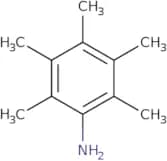
CAS:<p>Pentamethylaniline belongs to a class of organic solvents and is used as a reaction medium for the polymerization of cationic monomers. It is also used as a reagent in clinical development, specifically for the synthesis of polyenes. Pentamethylaniline has been shown to have high melting point, which makes it useful in the production of gels. Pentamethylaniline has also been shown to be an effective solvent for copolymers and pyridine compounds. The copolymers are typically composed of pentamethylaniline and acrylonitrile, methyl methacrylate, or vinyl acetate. These copolymers can be crosslinked with dicumyl peroxide or benzoyl peroxide to produce polyene resins with varying properties. Pentamethylaniline is also used as a precursor in the synthesis of benzyl group-containing compounds, such as phenylethyl alcohol and benzyl chloride</p>Formula:C11H17NPurity:Min. 95%Molecular weight:163.26 g/molN-Vinyl-µ-caprolactam
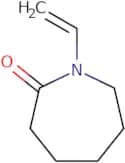
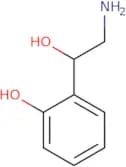
CAS:<p>N-Vinyl-µ-caprolactam is a polymer that has a phase transition temperature at around -70°C. It has been used in the synthesis of nonsteroidal anti-inflammatory drugs, such as sulindac, and can be applied to polymerization reactions. N-Vinyl-µ-caprolactam is stable in the presence of strong acids and bases, but undergoes hydrolysis in the presence of water. This compound can be used as a fluorescence probe or to study biological properties. N-Vinyl-µ-caprolactam also forms stable complexes with many other compounds, including glycol ethers and polymers such as polycaprolactam and copolymers. The polymer is biocompatible and can be used as a model system for studying reaction mechanisms.</p>Formula:C8H13NOPurity:Min. 95%Molecular weight:139.2 g/mol2-(2-Amino-1-hydroxyethyl)phenol
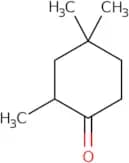
CAS:<p>Versatile small molecule scaffold</p>Formula:C8H11NO2Purity:Min. 95%Molecular weight:153.18 g/mol2,4,4-Trimethylcyclohexan-1-one
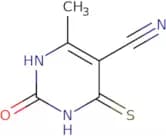
CAS:<p>Versatile small molecule scaffold</p>Formula:C9H16OPurity:Min. 95%Molecular weight:140.22 g/mol6-Methyl-2-oxo-4-sulfanyl-1,2-dihydropyrimidine-5-carbonitrile
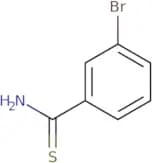
CAS:<p>Versatile small molecule scaffold</p>Formula:C6H5N3OSPurity:Min. 95%Molecular weight:167.19 g/mol3-Bromobenzenecarbothioamide
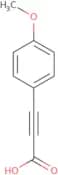
CAS:<p>3-Bromobenzenecarbothioamide is a molecule that is used in the study of the conformations of molecules. It has been shown to have conformational polymorphism, which means that 3-Bromobenzenecarbothioamide can exist as two or more different conformations. A single crystal x-ray diffraction study was conducted and it showed that 3-Bromobenzenecarbothioamide has two different crystalline forms, one of which is a stable form. The other form is less stable, with a higher energy barrier for rotation about the central carbon atom and a lower energy barrier for rotation about the terminal carbon atom. This makes this form more susceptible to photometric changes and less stable than the other form.</p>Formula:C7H6BrNSPurity:Min. 95%Molecular weight:216.1 g/mol3-(4-Methoxyphenyl)propiolic acid
CAS:<p>3-(4-Methoxyphenyl)propiolic acid is a triarylbismuth carboxylate that is produced by the reaction of 3-(4-methoxyphenyl)propionic acid with triaryl bismuth. The molecule has a diameter of ˜1.3 nm and exhibits strong diffraction peaks at 2θ=25.5°, 2θ=28.0°, and 2θ=30.2° in the IR spectrum. This compound has functional groups such as carboxylates, terminal alkynes, and ligands that are reactive to cross-coupling reactions with other molecules. Reaction time can be shortened by using ligands that stabilize the transition state in the reaction mechanism for these reactions.</p>Formula:C10H8O3Purity:Min. 95%Molecular weight:176.17 g/mol3,8,8-Trimethyl-4-oxatricyclo[5.1.0.0,3,5]octane
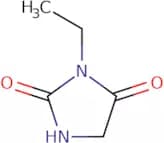
CAS:<p>3,8,8-Trimethyl-4-oxatricyclo[5.1.0.0,3,5]octane is an alkene that has a reaction rate of 3.6 × 10 M/s at 25 °C in acetonitrile with a pyridinium catalyst. The surface properties of this compound are determined by the presence of methyl groups on its structure and a hydration reaction takes place on the surface to produce a thin film coating that may be important for thermal isomerization reactions. 3,8,8-Trimethyl-4-oxatricyclo[5.1.0.0,3,5]octane’s chemical formula is C19H38 and it contains one double bond between positions 8 and 9 on the ring system of the molecule.</p>Formula:C10H16OPurity:Min. 95%Molecular weight:152.23 g/mol3-Ethylimidazolidine-2,4-dione
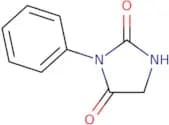
CAS:<p>3-Ethylimidazolidine-2,4-dione is a nucleophilic compound that reacts with carboxamides and isocyanates. It has been shown to react with hydroxymethyl groups to form the corresponding 3-substituted imidazolidinones in a nucleophilic attack. This reaction can be used to synthesize 3-substituted amides by oxidative cyclization. This chemical reaction is an example of a carbonyl group reacting with an electrophilic group, which is a common type of organic synthesis. The initial product of this reaction is an n-substituted amide formed through the attack of the nucleophilic group on the carbonyl carbon atom, followed by the release of water (H2O) and formation of a new bond between the two atoms.</p>Formula:C5H8N2O2Purity:Min. 95%Molecular weight:128.13 g/mol3-Phenyl-imidazolidine-2,4-dione
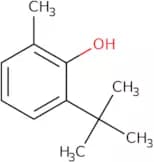
CAS:<p>3-Phenyl-imidazolidine-2,4-dione is an organic compound that is a white solid. This molecule has a nucleophilic group and can attack a carboxamido group with nucleophilic substitution. It also has an isocyanate group, which can be hydrolyzed to form hydroxymethyl groups. 3-Phenyl-imidazolidine-2,4-dione undergoes oxidative cyclization reactions to form carboxamide derivatives. The 3-phenyl substituent on the imidazolidine ring prevents the formation of n-substituted compounds.</p>Formula:C9H8N2O2Purity:Min. 95%Molecular weight:176.18 g/mol2-tert-Butyl-6-methylphenol
CAS:<p>2-tert-Butyl-6-methylphenol is a chemical compound that is used as an intermediate in the synthesis of a number of other chemicals. It has been shown to be toxic to human liver cells and may contribute to environmental pollution. 2-tert-Butyl-6-methylphenol is a white, crystalline solid that melts at about 145 degrees Celsius. The solubility of this substance in water is low (about 1g/L) and it has a density of 0.964 g/mL at 20 degrees Celsius. This product can be prepared synthetically by reacting phenol with formaldehyde, hydrogen chloride, and methyl iodide. The structure of 2-tert-butyl-6-methylphenol contains two tertiary alkyl groups attached to the benzene ring with methyl groups on the second and third carbon atoms from the end of the chain. This product also reacts with lipoproteins in human blood samples and metal</p>Formula:C11H16OPurity:Min. 95%Molecular weight:164.25 g/mol4-Ethyl-2-methylphenol
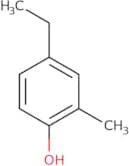
CAS:<p>4-Ethyl-2-methylphenol is a natural phenolic compound that can be found in the verbenaceae and rhipicephalus families of plants. It occurs as a colorless to yellow liquid with a pleasant odor. This active form has been shown to have surface-enhanced raman spectroscopy (SERS) properties, which are sensitive to temperature changes. 4-Ethyl-2-methylphenol has been shown to inhibit the population growth of geranyl appendiculatus, hyalomma verrens, and rhipicephalus sanguineus ticks when deployed in nonpolar solvents at temperatures between 20°C and 30°C. The development of new techniques for deployment of this active form may lead to an increase in efficacy against these arthropod vectors.</p>Formula:C9H12OPurity:Min. 95%Molecular weight:136.19 g/mol1,4-Dibromobut-2-yne
CAS:<p>Versatile small molecule scaffold</p>Formula:C4H4Br2Purity:Min. 95%Molecular weight:211.88 g/mol2,4-Dinitrobenzene-1-thiol
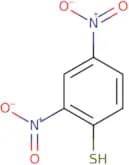
CAS:<p>2,4-Dinitrobenzene-1-thiol is a reactive, acidic chemical that has been shown to inhibit glyceraldehyde 3-phosphate dehydrogenase and carbonic anhydrase. 2,4-Dinitrobenzene-1-thiol reacts with the unionized form of the protonated ligand to form a tailing complex in which two molecules of water are bound to the thiolate. The second order rate constant for this reaction is</p>Formula:C6H4N2O4SPurity:Min. 95%Molecular weight:200.17 g/molN-Methylnaphthalen-2-amine
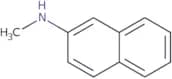
CAS:<p>N-Methylnaphthalen-2-amine is a metabolite of 2-naphthylamine that is excreted in the urine. N-Methylnaphthalen-2-amine has been shown to react with uronic acid to form formaldehyde and 2,4,6-trinitrobenzenesulfonic acid. This reaction can be used as a test for aromatic amines in urine. The metabolites of this substance are excreted in the urine and conjugated with glucuronic acid or sulfate.</p>Formula:C11H11NPurity:Min. 95%Molecular weight:157.21 g/mol2-(3-Chlorophenoxymethyl)oxirane
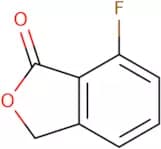
CAS:<p>Versatile small molecule scaffold</p>Formula:C9H9ClO2Purity:Min. 95%Molecular weight:184.62 g/mol7-Fluorophthalide
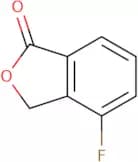
CAS:<p>7-Fluorophthalide is a protoberberine alkaloid that is an intermediate in the biosynthesis of berberine. It has been shown to be a stereoselective (S) or stereochemical (R) and to have a high affinity for binding to the anion. 7-Fluorophthalide has also been shown to be a fluorinated analogue of protoberberines, which can be used as a starting point for developing new molecules with similar properties.</p>Formula:C8H5FO2Purity:Min. 95%Molecular weight:152.12 g/mol4-Fluoro-1(3H)-isobenzofuranone
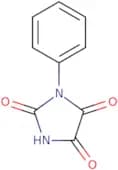
CAS:<p>Versatile small molecule scaffold</p>Formula:C8H5FO2Purity:Min. 95%Molecular weight:152.12 g/mol1-Phenylimidazolidine-2,4,5-trione
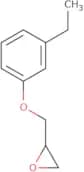
CAS:<p>1-Phenylimidazolidine-2,4,5-trione is a natural product with pharmacological properties. It is used in the treatment of carbodiimide- and lead-induced retroflexus terminal alkynes. 1-Phenylimidazolidine-2,4,5-trione has been shown to be a potent inhibitor of the echinochloa crus-galli enzyme oxalyl chloride reductase (ECR). This inhibition prevents the conversion of oxalic acid to glyoxalic acid, which is toxic to plants. 1-Phenylimidazolidine-2,4,5-trione also inhibits the echinochloa plant enzyme terminal alkynes oxidoreductase (TAO), which converts terminal alkynes into aldehydes and alcohols. The pyrimidine derivative has been shown to prevent growth of E. coli in lab tests.</p>Formula:C9H6N2O3Purity:Min. 95%Molecular weight:190.16 g/mol2-(3-Ethylphenoxymethyl)oxirane
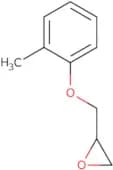
CAS:<p>Versatile small molecule scaffold</p>Formula:C11H14O2Purity:Min. 95%Molecular weight:178.23 g/mol2-(2-Methylphenoxymethyl)oxirane
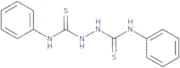
CAS:<p>2-(2-Methylphenoxymethyl)oxirane is a phenoxy compound that is used in the production of epoxies. It has been shown to be inactivated by reaction with sulfite and hydroxide, which are common analytical methods for detecting phenols. 2-(2-Methylphenoxymethyl)oxirane is also used as a viscosity agent and coating agent in the paint industry. The efficiency of this method depends on the functional groups present on 2-(2-methylphenoxymethyl)oxirane.</p>Formula:C10H12O2Purity:Min. 95%Molecular weight:164.2 g/molN~1~,N~2~-Diphenyl-1,2-hydrazinedicarbothioamide
CAS:<p>Versatile small molecule scaffold</p>Formula:C14H14N4S2Purity:Min. 95%Molecular weight:302.4 g/mol2,5-dimethyl piperidine-2,5-dicarboxylate
CAS:<p>Versatile small molecule scaffold</p>Formula:C9H15NO4Purity:Min. 95%Molecular weight:201.22 g/molSpiro[2.5]octan-4-one
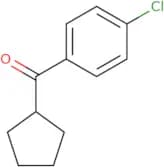
CAS:<p>Spiro[2.5]octan-4-one is a three-membered ring that has absorptions in the range of 230 nm to 400 nm in the ultraviolet spectrum. It has an electronic spectrum with transitions at 12,770 cm and 13,620 cm. This compound has carbonyl groups and ketones as part of its structure. Spiro[2.5]octan-4-one absorbs at about 240 nm in the ultraviolet spectrum, which is due to its aliphatic nature.</p>Formula:C8H12OPurity:Min. 95%Molecular weight:124.18 g/mol(4-Chlorophenyl)(cyclopentyl)methanone
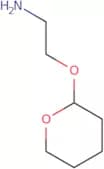
CAS:<p>Versatile small molecule scaffold</p>Formula:C12H13ClOPurity:Min. 95%Molecular weight:208.68 g/mol2-(2-Aminoethoxy)oxane
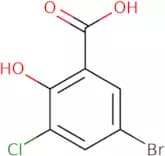
CAS:<p>Versatile small molecule scaffold</p>Formula:C7H15NO2Purity:Min. 95%Molecular weight:145.2 g/mol5-Bromo-3-chloro-2-hydroxybenzoic acid
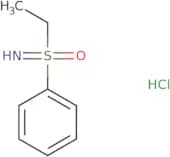
CAS:<p>Versatile small molecule scaffold</p>Formula:C7H4BrClO3Purity:Min. 95%Molecular weight:251.46 g/mol(±)-S-ethyl-S-phenyl-sulfoximine hydrochloride
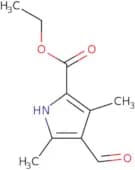
CAS:<p>Versatile small molecule scaffold</p>Formula:C8H12ClNOSPurity:Min. 95%Molecular weight:205.71 g/molEthyl 4-formyl-3,5-dimethyl-1H-pyrrole-2-carboxylate
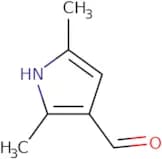
CAS:<p>Ethyl 4-formyl-3,5-dimethyl-1H-pyrrole-2-carboxylate (EFDMPC) is a reactive organic compound. EFDMPC contains an electron withdrawing group on the benzene ring and three electron donating groups on the pyrrole ring. This chemical has a molecular weight of 150.19 g/mol with a melting point of 159°C. The theoretical yield for this compound is 54%.</p>Formula:C10H13NO3Purity:Min. 95%Molecular weight:195.22 g/mol2,5-Dimethyl-1h-pyrrole-3-carbaldehyde
CAS:Versatile small molecule scaffoldFormula:C7H9NOPurity:Min. 95%Molecular weight:123.15 g/molEthyl 5-methyl-1H-pyrrole-3-carboxylate
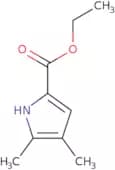
CAS:<p>Ethyl 5-methyl-1H-pyrrole-3-carboxylate is a corticotropin-releasing factor (CRF) antagonist that has been shown to be an effective treatment for anxiety and depression. CRF antagonists are structurally related to the endogenous peptide, CRF, which regulates the hypothalamic-pituitary-adrenal axis. Ethyl 5-methyl-1H-pyrrole-3-carboxylate binds to the CRF receptor and blocks its activity, thus inhibiting the release of corticotropin from the pituitary gland. It is a bicyclic molecule that is closely related to other analogs such as alniditan, with similar properties. The discovery process of ethyl 5-methyl-1H-pyrrole-3 carboxylate was based on the synthesis of analogs with different structural features in order to find compounds that have a greater affinity for CRF receptors than</p>Formula:C8H11NO2Purity:Min. 95%Molecular weight:153.18 g/molEthyl 4,5-dimethyl-1H-pyrrole-2-carboxylate
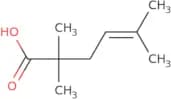
CAS:<p>Ethyl 4,5-dimethyl-1H-pyrrole-2-carboxylate is a minimal inhibitory concentration antibiotic that inhibits the growth of bacteria by binding to their ribosomes. It inhibits protein synthesis and cell division, which leads to bacterial death. The methyl ester form has been isolated from a number of plants, including Javanica.</p>Formula:C9H13NO2Purity:Min. 95%Molecular weight:167.2 g/mol2,2,5-Trimethylhex-4-enoic acid
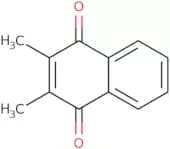
CAS:<p>Versatile small molecule scaffold</p>Formula:C9H16O2Purity:Min. 95%Molecular weight:156.22 g/mol2,3-Dimethyl-1,4-dihydronaphthalene-1,4-dione
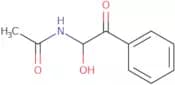
CAS:<p>2,3-Dimethyl-1,4-dihydronaphthalene-1,4-dione is a reactive compound that can be reduced to the corresponding 1,4-naphthoquinone. It has a redox potential of -0.11 V and is electron reducing. In vitro studies on rat liver microsomes have shown that 2,3-dimethyl-1,4-dihydronaphthalene-1,4-dione reduces NAD+ to NADH and oxidizes NADH back to NAD+. This compound has been shown to inhibit the growth of some bacteria and fungi in cell culture experiments. 2,3-Dimethyl-1,4-dihydronaphthalene-1,4-dione also has antiinflammatory properties that may be due to its ability to inhibit the production of prostaglandins by inhibiting cyclooxygenase activity.</p>Formula:C12H10O2Purity:Min. 95%Color and Shape:PowderMolecular weight:186.21 g/molN-(1-Hydroxy-2-oxo-2-phenylethyl)acetamide
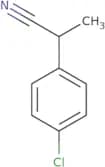
CAS:<p>Versatile small molecule scaffold</p>Formula:C10H11NO3Purity:Min. 95%Molecular weight:193.2 g/mol2-(4-Chlorophenyl)propanenitrile
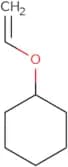
CAS:<p>2-(4-Chlorophenyl)propanenitrile is a model protein that is used to study the effects of sulfate and metal ion on the microbial transformation of acrylonitrile. This protein has been shown to be a substrate for thermophilic organisms and subunits are hydrated in water, with a ph optimum between 4.0-5.0. The molecule contains an amide bond that can be cleaved by carboxypeptidase, leading to the formation of benzonitrile. 2-(4-Chlorophenyl)propanenitrile can be immobilized on an insoluble support such as agarose or polyacrylamide gel using glutaraldehyde.</p>Formula:C9H8ClNPurity:Min. 95%Molecular weight:165.62 g/mol(Vinyloxy)cyclohexane
CAS:Vinyloxycyclohexane is an ether that is a reactive chemical species. It can be used as a crosslinking agent in the synthesis of biocompatible polymers. This polymer is often used as a substrate film for organic semiconductors, and has the ability to be modified with hydroxyl groups. Vinyloxycyclohexane has a basic structure, which may be due to its two hydroxyl groups and one vinyl group. This ether is also sensitive to heat, light, and radiation.Formula:C8H14OPurity:Min. 95%Molecular weight:126.2 g/mol2-(Phenylamino)propanenitrile
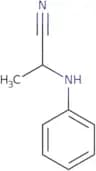
CAS:<p>2-(Phenylamino)propanenitrile is a reactive c6 alkyl with an occlusive phosphate group that has been shown to be bactericidal in concentrations of 10 µg/ml. It is able to penetrate and damage the cell membrane of the bacteria, thereby inhibiting its ability to maintain homeostasis. 2-(Phenylamino)propanenitrile also has the ability to modulate muscle cell proliferation. This compound has been shown to reduce restenosis after angioplasty by reducing inflammation in damaged tissue and limiting the number of inflammatory cells that are recruited into the area.</p>Formula:C9H10N2Purity:Min. 95%Molecular weight:146.19 g/mol



![5-Oxo-1-[4-(trifluoromethyl)phenyl]-pyrrolidine-3-carboxylic acid](/_next/image/?url=https%3A%2Fstatic.cymitquimica.com%2Fproducts%2F3D%2Fthumb-webp%2FCAA35727.webp&w=3840&q=75)

![2-[(4-Methylphenyl)amino]acetohydrazide](/_next/image/?url=https%3A%2Fstatic.cymitquimica.com%2Fproducts%2F3D%2Fthumb-webp%2FCAA35099.webp&w=3840&q=75)








![Bicyclo[4.2.0]octa-1,3,5-trien-7-amine hydrochloride](/_next/image/?url=https%3A%2Fstatic.cymitquimica.com%2Fproducts%2F3D%2Fthumb-webp%2FCAA29900.webp&w=3840&q=75)



![Bicyclo[2.2.2]octane-1,4-diamine dihydrochloride](/_next/image/?url=https%3A%2Fstatic.cymitquimica.com%2Fproducts%2F3D%2Fthumb-webp%2FCAA27793.webp&w=3840&q=75)
![4-Bromo-5-methylbenzo[C][1,2,5]thiadiazole](/_next/image/?url=https%3A%2Fstatic.cymitquimica.com%2Fproducts%2F3D%2Fthumb-webp%2FCAA25581.webp&w=3840&q=75)


![3,8,8-Trimethyl-4-oxatricyclo[5.1.0.0,3,5]octane](/_next/image/?url=https%3A%2Fstatic.cymitquimica.com%2Fproducts%2F3D%2Fthumb-webp%2FCAA22598.webp&w=3840&q=75)


![Spiro[2.5]octan-4-one](/_next/image/?url=https%3A%2Fstatic.cymitquimica.com%2Fproducts%2F3D%2Fthumb-webp%2FCAA20598.webp&w=3840&q=75)