Building Blocks
This section contains fundamental products for the synthesis of organic and biological compounds. Building blocks are the essential starting materials used to construct complex molecules through various chemical reactions. They play a critical role in drug discovery, material science, and chemical research. At CymitQuimica, we offer a diverse range of high-quality building blocks to support your innovative research and industrial projects, ensuring you have the essential components for successful synthesis.
Subcategories of "Building Blocks"
- Boronic Acids & Boronic Acid Derivatives(5,756 products)
- Chiral Building Blocks(1,242 products)
- Hydrocarbon Building Blocks(6,095 products)
- Organic Building Blocks(61,051 products)
Found 199813 products of "Building Blocks"
Sort by
Purity (%)
0
100
|
0
|
50
|
90
|
95
|
100
2,2,2-Trifluoro-N-(piperidin-3-ylmethyl)acetamide
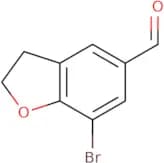
CAS:Versatile small molecule scaffoldFormula:C8H13F3N2OPurity:Min. 95%Molecular weight:210.2 g/mol7-Bromo-2,3-dihydro-1-benzofuran-5-carbaldehyde
CAS:<p>Versatile small molecule scaffold</p>Formula:C9H7BrO2Purity:Min. 95%Molecular weight:227.06 g/mol4-Chlorothieno[3,2-d]pyrimidine-6-carboxylic acid
CAS:Versatile small molecule scaffoldFormula:C7H3ClN2O2SPurity:Min. 95%Molecular weight:214.63 g/mol5-Fluoro-2-(2-pyridyl)-1H-benzimidazole
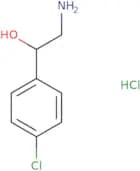
CAS:<p>5-Fluoro-2-(2-pyridyl)-1H-benzimidazole is a compound that has been used in the synthesis of metronidazole. It can be synthesized by reacting pyridine with lead molecules and equimolar amounts of carboxaldehyde and 2,5-difluorobenzene. The filtrate is then purified by recrystallization to yield 5-fluoro-2-(2-pyridyl)-1H-benzimidazole. This compound can also be obtained from the reaction of 1,4-dihydropyridine with hydrogen fluoride. 5FBA has been used in the synthesis of other drugs such as clozapine and fluoxetine.</p>Formula:C12H8FN3Purity:Min. 95%Molecular weight:213.21 g/mol(1R)-2-Amino-1-(4-chlorophenyl)ethan-1-ol hydrochloride
CAS:<p>Versatile small molecule scaffold</p>Formula:C8H11Cl2NOPurity:Min. 95%Molecular weight:208.08 g/mol4-(3,4-Difluorophenyl)pyrrolidin-2-one
CAS:<p>Versatile small molecule scaffold</p>Formula:C10H9F2NOPurity:Min. 95%Molecular weight:197.18 g/molMethyl 6-(4-fluorophenyl)-3-methylisoxazolo[5,4-b]pyridine-4-carboxylate
CAS:<p>Versatile small molecule scaffold</p>Formula:C15H11FN2O3Purity:Min. 95%Molecular weight:286.26 g/mol1-Benzyl-4-[(4-methoxyphenyl)methylidene]-2-sulfanyl-4,5-dihydro-1H-imidazol-5-one
CAS:<p>Versatile small molecule scaffold</p>Formula:C18H16N2O2SPurity:Min. 95%Molecular weight:324.4 g/mol9-Phenyl-2H,3H-[1,4]dioxino[2,3-G]quinoline-7-thiol
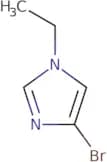
CAS:<p>Versatile small molecule scaffold</p>Formula:C17H13NO2SPurity:Min. 95%Molecular weight:295.4 g/mol4-Bromo-1-ethyl-1H-imidazole
CAS:<p>4-Bromo-1-ethyl-1H-imidazole is a halogenating agent that reacts with ethyl formate to produce 4-bromo-1,2,3,4-tetrahydroimidazole. It has been used in the synthesis of imidazoles and can be used to synthesize compounds such as 1,4,9,10-tetrahydroacridine. This chemical is also a low yield product that is difficult to synthesize. The lithiation reaction with dinitrate produces an ethyl formate derivative that reacts with methyl iodide in the presence of trihydrochloride to produce 4-bromo-1H-imidazole. The Grignard reaction with ethyl formate yields a mixture of products including 4-(N,N dimethylamino)benzaldehyde.</p>Formula:C5H7BrN2Purity:Min. 95%Molecular weight:175.03 g/mol3-[(tert-Butyldimethylsilanyl)oxy]azetidine
CAS:<p>Versatile small molecule scaffold</p>Formula:C9H21NOSiPurity:Min. 95%Molecular weight:187.35 g/mol7-Chloro-1-methyl-1H-pyrrolo[2,3-c]pyridine
CAS:<p>Versatile small molecule scaffold</p>Formula:C8H7ClN2Purity:Min. 95%Molecular weight:166.61 g/mol4-chlorothieno[3,2-d]pyrimidine-6-carbaldehyde
CAS:<p>Versatile small molecule scaffold</p>Formula:C7H3ClN2OSPurity:Min. 95%Molecular weight:198.62 g/mol1-[2-(2-Chlorophenyl)cyclopropyl]ethan-1-one
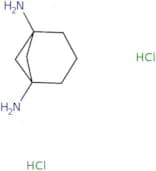
CAS:<p>Versatile small molecule scaffold</p>Formula:C11H11ClOPurity:Min. 95%Molecular weight:194.66 g/molNorpinane-1,5-diamine dihydrochloride
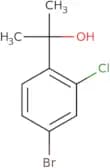
CAS:<p>Norpinane-1,5-diamine dihydrochloride is a cytosolic Ca2+ antagonist that is used to treat respiratory and allergic symptoms. This drug inhibits the activation of phospholipase A2, which is responsible for the release of arachidonic acid from membrane phospholipids. Norpinane-1,5-diamine dihydrochloride also has anti-cancer effects on squamous cell carcinoma and histidine decarboxylase cells. It is metabolized by carboxylesterases and CYP450 enzymes to form norpinane-1,5-diaminium dihydrogen citrate, which can be detected in urine using chromatography. Norpinane-1,5-diamine dihydrochloride binds to fatty acids in the mitochondrial membrane and inhibits mitochondrial respiration.</p>Formula:C7H16Cl2N2Purity:Min. 95%Molecular weight:199.12 g/mol2-(4-Bromo-2-chlorophenyl)propan-2-ol
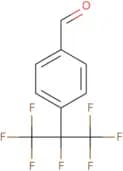
CAS:Versatile small molecule scaffoldFormula:C9H10BrClOPurity:Min. 95%Molecular weight:249.53 g/mol4-(Heptafluoropropan-2-yl)benzaldehyde
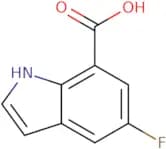
CAS:<p>Versatile small molecule scaffold</p>Formula:C10H5F7OPurity:Min. 95%Molecular weight:274.13 g/mol5-Fluoro-1H-indole-7-carboxylic acid
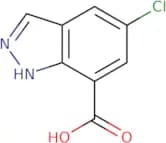
CAS:<p>Versatile small molecule scaffold</p>Formula:C9H6FNO2Purity:Min. 95%Molecular weight:179.15 g/mol5-chloro-1h-indazole-7-carboxylic acid
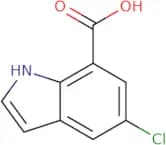
CAS:Versatile small molecule scaffoldFormula:C8H5ClN2O2Purity:Min. 95%Molecular weight:196.59 g/mol5-chloro-1h-indole-7-carboxylic acid
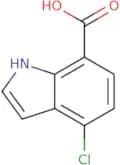
CAS:<p>5-Chloro-1H-indole-7-carboxylic acid is an anticholesterol agent that modulates plasma lipid levels. It is a pharmaceutical drug used in the treatment of high cholesterol and high triglyceride levels. 5-Chloro-1H-indole-7-carboxylic acid has been shown to decrease the level of total cholesterol, low density lipoprotein (LDL), and triglycerides in the blood by inhibiting the production of these lipids in the liver. 5-Chloro-1H-indole-7-carboxylic acid can be used as an adjuvant therapy for those with high cholesterol or hypercholesterolemia.</p>Formula:C9H6ClNO2Purity:Min. 95%Molecular weight:195.6 g/mol4-Chloro-1H-indole-7-carboxylic acid
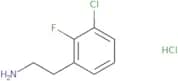
CAS:<p>Versatile small molecule scaffold</p>Formula:C9H6ClNO2Purity:Min. 95%Molecular weight:195.6 g/mol2-(3-Chloro-2-fluorophenyl)ethan-1-amine hydrochloride
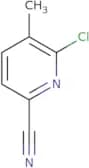
CAS:Controlled Product<p>Versatile small molecule scaffold</p>Formula:C8H10Cl2FNPurity:Min. 95%Molecular weight:210.07 g/mol6-Chloro-5-methylpyridine-2-carbonitrile
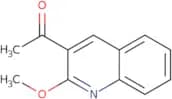
CAS:<p>Versatile small molecule scaffold</p>Formula:C7H5ClN2Purity:Min. 95%Molecular weight:152.58 g/mol1-(2-Methoxyquinolin-3-yl)ethan-1-one
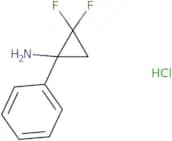
CAS:<p>Versatile small molecule scaffold</p>Formula:C12H11NO2Purity:Min. 95%Molecular weight:201.22 g/mol2,2-Difluoro-1-phenylcyclopropan-1-amine hydrochloride
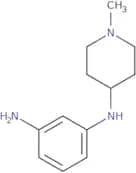
CAS:<p>Versatile small molecule scaffold</p>Formula:C9H10ClF2NPurity:Min. 95%Molecular weight:205.63 g/mol1-N-(1-Methylpiperidin-4-yl)benzene-1,3-diamine
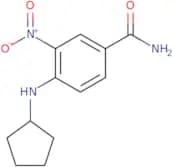
CAS:<p>Versatile small molecule scaffold</p>Formula:C12H19N3Purity:Min. 95%Molecular weight:205.3 g/mol4-(Cyclopentylamino)-3-nitrobenzamide
CAS:Versatile small molecule scaffoldFormula:C12H15N3O3Purity:Min. 95%Molecular weight:249.27 g/mol2-[({[2-(3,4-Dimethoxyphenyl)ethyl]carbamoyl}methyl)sulfanyl]benzoic acid
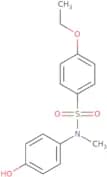
CAS:<p>Versatile small molecule scaffold</p>Formula:C19H21NO5SPurity:Min. 95%Molecular weight:375.4 g/mol4-Ethoxy-N-(4-hydroxyphenyl)-N-methylbenzene-1-sulfonamide
CAS:<p>Versatile small molecule scaffold</p>Formula:C15H17NO4SPurity:Min. 95%Molecular weight:307.4 g/mol4-[(Propan-2-yloxy)methyl]benzoic acid
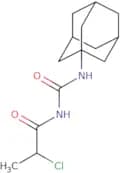
CAS:<p>Versatile small molecule scaffold</p>Formula:C11H14O3Purity:Min. 95%Color and Shape:PowderMolecular weight:194.23 g/mol1-(Adamantan-1-yl)-3-(2-chloropropanoyl)urea
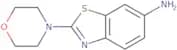
CAS:<p>Versatile small molecule scaffold</p>Formula:C14H21ClN2O2Purity:Min. 95%Molecular weight:284.78 g/mol2-Morpholin-4-yl-1,3-benzothiazol-6-amine
CAS:<p>Versatile small molecule scaffold</p>Formula:C11H13N3OSPurity:Min. 95%Molecular weight:235.31 g/mol2-{[(4,5-Dimethoxy-2-methylphenyl)methyl]sulfanyl}acetic acid
CAS:<p>Versatile small molecule scaffold</p>Formula:C12H16O4SPurity:Min. 95%Molecular weight:256.32 g/mol2-Chloro-N-methyl-N-[(propylcarbamoyl)methyl]acetamide
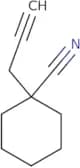
CAS:Versatile small molecule scaffoldFormula:C8H15ClN2O2Purity:Min. 95%Molecular weight:206.67 g/mol1-(Prop-2-yn-1-yl)cyclohexane-1-carbonitrile
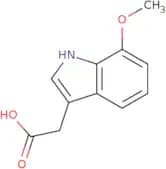
CAS:<p>Versatile small molecule scaffold</p>Formula:C10H13NPurity:Min. 95%Molecular weight:147.22 g/mol2-(7-Methoxy-1H-indol-3-yl)acetic acid
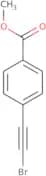
CAS:Versatile small molecule scaffoldFormula:C11H11NO3Purity:Min. 95%Molecular weight:205.21 g/molmethyl 4-(bromoethynyl)benzoate
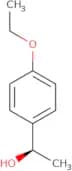
CAS:<p>Methyl 4-(bromoethynyl)benzoate is a cross-coupling reaction that is used to synthesize alkynyl compounds. It is an efficient synthesis that can be carried out with toluene and unsymmetrical bromides as the substrates. This process can also be carried out in the presence of a catalyst, such as palladium chloride, to promote the reaction. The reaction has been shown to produce high yields of desired products with good enantioselectivity.</p>Formula:C10H7BrO2Purity:Min. 95%Molecular weight:239.07 g/mol(R)-1-(4-Ethoxyophenyl)ethanol
CAS:<p>(R)-1-(4-Ethoxyphenyl)ethanol is a chiral alcohol that has been shown to be an optimal substrate for the asymmetric catalytic hydrogenation of prochiral olefins. This compound is also known to be a prochiral molecule, and thus can exist in two forms, (R)- and (S)-enantiomers. The reaction can be carried out at various pH levels, with optimum activity occurring at pH 6-8. The morphology of the catalytic material is dependent on the type of metal used as a catalyst. The chirality of the substrate affects the stereospecificity of the reaction.</p>Formula:C10H14O2Purity:Min. 95%Molecular weight:166.22 g/mol6-(4-Methoxyphenyl)-3H,4H-thieno[3,2-d]pyrimidin-4-one
CAS:<p>Versatile small molecule scaffold</p>Formula:C13H10N2O2SPurity:Min. 95%Molecular weight:258.3 g/mol2-Bromo-7-chlorothieno[3,2-b]pyridine
CAS:<p>Versatile small molecule scaffold</p>Formula:C7H3BrClNSPurity:Min. 95%Molecular weight:248.52 g/mol6-Bromo-4-chlorothieno[3,2-d]pyrimidine
CAS:<p>Versatile small molecule scaffold</p>Formula:C6H2BrClN2SPurity:Min. 95%Molecular weight:249.52 g/mol4-Chloro-6-iodothieno[3,2-d]pyrimidine
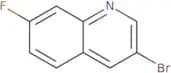
CAS:<p>Versatile small molecule scaffold</p>Formula:C6H2ClIN2SPurity:Min. 95%Molecular weight:296.52 g/mol3-Bromo-7-fluoroquinoline
CAS:<p>Versatile small molecule scaffold</p>Formula:C9H5BrFNPurity:Min. 95%Molecular weight:226.05 g/mol2-[(5-Aminopyridin-2-yl)oxy]ethan-1-ol
CAS:<p>Versatile small molecule scaffold</p>Formula:C7H10N2O2Purity:Min. 95%Molecular weight:154.17 g/moltert-butyl N-[(4-aminophenyl)methyl]-N-methylcarbamate
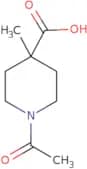
CAS:Versatile small molecule scaffoldFormula:C13H20N2O2Purity:Min. 95%Molecular weight:236.3 g/mol1-Acetyl-4-methylpiperidine-4-carboxylic acid
CAS:<p>Versatile small molecule scaffold</p>Formula:C9H15NO3Purity:Min. 95%Molecular weight:185.22 g/mol1-{[(9H-Fluoren-9-yl)methoxy]carbonyl}-4-methylpiperidine-4-carboxylic acid
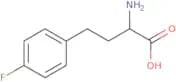
CAS:<p>Versatile small molecule scaffold</p>Formula:C22H23NO4Purity:Min. 95%Molecular weight:365.4 g/mol2-Amino-4-(4-fluorophenyl)butanoic acid
CAS:Versatile small molecule scaffoldFormula:C10H12FNO2Purity:Min. 95%Molecular weight:197.21 g/molMethyl 2-chloro-2-(2,4-dichlorophenyl)acetate
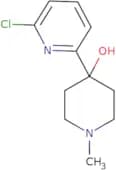
CAS:<p>Versatile small molecule scaffold</p>Formula:C9H7Cl3O2Purity:Min. 95%Molecular weight:253.5 g/mol4-(6-Chloropyridin-2-yl)-1-methylpiperidin-4-ol
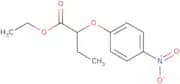
CAS:<p>Versatile small molecule scaffold</p>Formula:C11H15ClN2OPurity:Min. 95%Molecular weight:226.7 g/molEthyl 2-(4-nitrophenoxy)butanoate
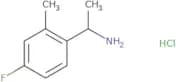
CAS:<p>Versatile small molecule scaffold</p>Formula:C12H15NO5Purity:Min. 95%Molecular weight:253.25 g/mol(S)-1-(4-Fluoro-2-methylphenyl)ethanamine hydrochloride
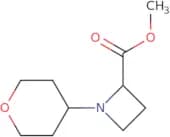
CAS:<p>Versatile small molecule scaffold</p>Formula:C9H13ClFNPurity:Min. 95%Molecular weight:189.66 g/molMethyl 1-(oxan-4-yl)azetidine-2-carboxylate
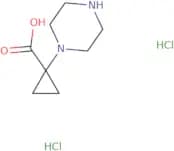
CAS:<p>Versatile small molecule scaffold</p>Formula:C10H17NO3Purity:Min. 95%Molecular weight:199.25 g/mol1-(Piperazin-1-yl)cyclopropane-1-carboxylic acid dihydrochloride
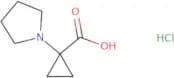
CAS:<p>Versatile small molecule scaffold</p>Formula:C8H16Cl2N2O2Purity:Min. 95%Molecular weight:243.13 g/mol1-(Pyrrolidin-1-yl)cyclopropane-1-carboxylic acid hydrochloride
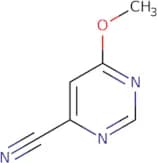
CAS:<p>Versatile small molecule scaffold</p>Formula:C8H14ClNO2Purity:Min. 95%Molecular weight:191.65 g/mol6-Methoxypyrimidine-4-carbonitrile
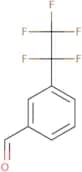
CAS:<p>Versatile small molecule scaffold</p>Formula:C6H5N3OPurity:Min. 95%Molecular weight:135.12 g/mol3-(Pentafluoroethyl)benzaldehyde
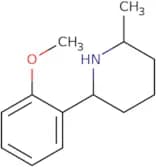
CAS:<p>Versatile small molecule scaffold</p>Formula:C9H5F5OPurity:Min. 95%Molecular weight:224.13 g/molrac-(2R,6R)-2-(2-Methoxyphenyl)-6-methylpiperidine
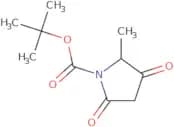
CAS:<p>Versatile small molecule scaffold</p>Formula:C13H19NOPurity:Min. 95%Molecular weight:205.3 g/molN-Boc-5-methylpyrrolidine-2,4-dione
CAS:<p>Versatile small molecule scaffold</p>Formula:C10H15NO4Purity:Min. 95%Molecular weight:213.23 g/mol1-Hydroxyhept-6-yn-3-one
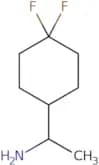
CAS:<p>Versatile small molecule scaffold</p>Formula:C7H10O2Purity:Min. 95%Molecular weight:126.15 g/mol1-(4,4-Difluorocyclohexyl)ethan-1-amine
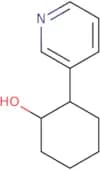
CAS:<p>Versatile small molecule scaffold</p>Formula:C8H15F2NPurity:Min. 95%Molecular weight:163.21 g/molrac-(1R,2S)-2-(Pyridin-3-yl)cyclohexan-1-ol
CAS:Versatile small molecule scaffoldFormula:C11H15NOPurity:Min. 95%Molecular weight:177.24 g/molML335
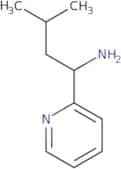
CAS:<p>ML335 is a selective inhibitor of the enzyme fatty acid amide hydrolase (FAAH), which is responsible for the degradation of endogenous cannabinoids. ML335 has been shown to inhibit FAAH with an IC50 value of 0.2 μM, and thereby increase the levels of endocannabinoids in mice and rats. This compound also binds to other basic proteins, including voltage-gated potassium channels, and may have analgesic effects as a result. The activation of these channels leads to increased neuronal excitability and pain relief. It is thought that ML335 could be used for chronic pain treatment due to its ability to inhibit FAAH and its downstream effects on other proteins.</p>Formula:C15H14Cl2N2O3SPurity:Min. 95%Molecular weight:373.25 g/mol3-Methyl-1-(pyridin-2-yl)butan-1-amine
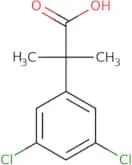
CAS:<p>Versatile small molecule scaffold</p>Formula:C10H16N2Purity:Min. 95%Molecular weight:164.25 g/mol2-(3,5-Dichlorophenyl)-2-methylpropanoic acid
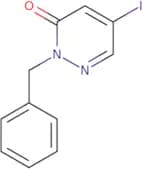
CAS:<p>Versatile small molecule scaffold</p>Formula:C10H10Cl2O2Purity:Min. 95%Molecular weight:233.09 g/mol2-Benzyl-5-iodopyridazin-3(2H)-one
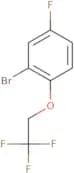
CAS:<p>2-Benzyl-5-iodopyridazin-3(2H)-one is an arylating agent that is used in the synthesis of pharmaceuticals and dyestuffs. The reaction is usually carried out at high temperatures, but can also be performed at room temperature. The product yield is usually high, but can be increased by using activated aryl halides as the starting material. The reaction temperature may require adjustment depending on the reactivity of the substituent groups present.</p>Formula:C11H9IN2OPurity:Min. 95%Molecular weight:312.11 g/mol2-Bromo-4-fluoro-1-(2,2,2-trifluoroethoxy)benzene
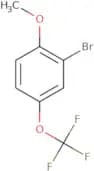
CAS:<p>Versatile small molecule scaffold</p>Formula:C8H5BrF4OPurity:Min. 95%Molecular weight:273.02 g/mol2-Bromo-4-(trifluoromethoxy)anisole
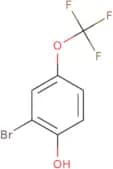
CAS:<p>2-Bromo-4-(trifluoromethoxy)anisole is a chemical that is metabolized to the active metabolites 2-bromo-4-(trifluoromethoxy)-phenol and 4-(trifluoromethoxy)benzoic acid. These metabolites are conjugated with glucuronic acid and excreted in urine. The mechanism of action of 2-bromo-4-(trifluoromethoxy)anisole is not well understood, but it has been shown to be effective against Salicylic acid and salicylic acid conjugates. This chemical also has a radioactive component, which can be used for diagnostic purposes.</p>Formula:C8H6BrF3O2Purity:Min. 95%Molecular weight:271.03 g/mol2-Bromo-4-(trifluoromethoxy)phenol
CAS:<p>Versatile small molecule scaffold</p>Formula:C7H4BrF3O2Purity:Min. 95%Molecular weight:257 g/mol2-[(2,4,6-Trimethylphenyl)carbamoyl]cyclohexane-1-carboxylic acid
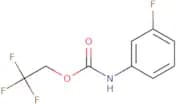
CAS:Versatile small molecule scaffoldFormula:C17H23NO3Purity:Min. 95%Molecular weight:289.4 g/mol2,2,2-Trifluoroethyl N-(3-fluorophenyl)carbamate
CAS:<p>Versatile small molecule scaffold</p>Formula:C9H7F4NO2Purity:Min. 95%Molecular weight:237.15 g/mol(4-Methyl-4H-[1,2,4]triazol-3-ylsulfanyl)-acetic acid
CAS:<p>Versatile small molecule scaffold</p>Formula:C5H7N3O2SPurity:Min. 95%Molecular weight:173.19 g/mol2-[(4-tert-Butyl-4H-1,2,4-triazol-3-yl)sulfanyl]acetic acid
CAS:Versatile small molecule scaffoldFormula:C8H13N3O2SPurity:Min. 95%Molecular weight:215.28 g/mol2-Cyclohexyl-2-(2-methylphenyl)acetic acid
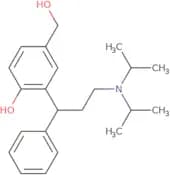
CAS:<p>Versatile small molecule scaffold</p>Formula:C15H20O2Purity:Min. 95%Molecular weight:232.32 g/molrac 5-Hydroxymethyl Tolterodine by HPLC
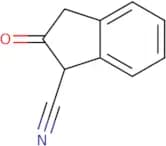
CAS:Racemic 5-Hydroxymethyl Tolterodine is an industrial chemical that can be used in the production of fesoterodine. It is a racemic form, which means it has two forms that are mirror images of each other, and cannot be separated. This chemical is produced by the reaction of tolterodine with acetone and isobutyric acid in an organic solvent. The yields are dependent on the type of reagents used, such as deacyl and intermediates. Racemic 5-Hydroxymethyl Tolterodine crystallizes as a white powder and has a melting point of 104°C. It can be chiral, meaning it has two different forms that are not superimposable on one another. Racemic 5-Hydroxymethyl Tolterodine utilises isobutyryl chloride as an intermediate in its synthesis process.br>br>Formula:C22H31NO2Purity:Min. 95%Molecular weight:341.49 g/mol2-Oxo-2,3-dihydro-1H-indene-1-carbonitrile
CAS:Versatile small molecule scaffoldFormula:C10H7NOPurity:Min. 95%Molecular weight:157.17 g/mol3-Mercapto-4-methylbenzoic acid
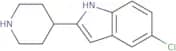
CAS:<p>Versatile small molecule scaffold</p>Formula:C8H8O2SPurity:Min. 95%Molecular weight:168.21 g/mol5-Chloro-2-(piperidin-4-yl)-1H-indole
CAS:Versatile small molecule scaffoldFormula:C13H15ClN2Purity:Min. 95%Molecular weight:234.72 g/mol2-(2-Methoxyethoxy)propanoic acid
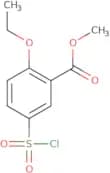
CAS:<p>2-(2-Methoxyethoxy)propanoic acid is a metabolite of clofibrate, a medication used to treat high cholesterol. It is also a metabolite of the drugs 2-methoxyethanol and 2-methoxyacetic acid. This metabolite has been shown to be an agonist for protein kinase C (PKC) isoforms alpha and gamma (PKA). It also acts as a monocarboxylic acid and has been shown to induce a syndrome in animals.</p>Formula:C6H12O4Purity:Min. 95%Molecular weight:148.16 g/molMethyl 5-(chlorosulfonyl)-2-ethoxybenzoate
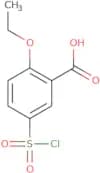
CAS:<p>Versatile small molecule scaffold</p>Formula:C10H11ClO5SPurity:Min. 95%Molecular weight:278.71 g/mol5-(Chlorosulfonyl)-2-ethoxybenzoic acid
CAS:<p>5-(Chlorosulfonyl)-2-ethoxybenzoic acid is a synthetic drug that inhibits the enzyme phosphodiesterase type 5 (PDE5), which is responsible for degradation of cyclic guanosine monophosphate (cGMP). It has been shown to be effective in the treatment of erectile dysfunction, with improved efficacy and reduced side effects when compared to sildenafil. 5-(Chlorosulfonyl)-2-ethoxybenzoic acid belongs to a class of drugs called phosphodiesterase inhibitors. Studies have found that it increases the duration and quality of erections by inhibiting PDE5, an enzyme that breaks down cGMP. This inhibition leads to an increase in cGMP levels, which relaxes smooth muscle cells in the corpus cavernosum and causes increased blood flow into the penis.</p>Formula:C9H9ClO5SPurity:Min. 95%Molecular weight:264.68 g/mol5-(Iodomethyl)-2-phenyl-4,5-dihydro-1,3-oxazole
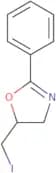
CAS:Versatile small molecule scaffoldFormula:C10H10INOPurity:Min. 95%Molecular weight:287.1 g/mol3-Chloro-1-methyl-1,2-dihydropyrazin-2-one
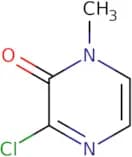
CAS:<p>Versatile small molecule scaffold</p>Formula:C5H5ClN2OPurity:Min. 95%Molecular weight:144.56 g/mol2-(Quinolin-8-yloxy)acetic acid hydrochloride
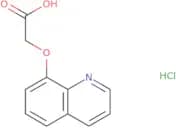
CAS:<p>Versatile small molecule scaffold</p>Formula:C11H10ClNO3Purity:Min. 95%Molecular weight:239.65 g/mol3-{[(tert-Butoxy)carbonyl]amino}-2,2-dimethylpentanoic acid
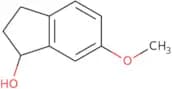
CAS:<p>Versatile small molecule scaffold</p>Formula:C12H23NO4Purity:Min. 95%Molecular weight:245.3 g/mol(1S)-6-Methoxy-2,3-dihydro-1H-inden-1-ol
CAS:<p>Versatile small molecule scaffold</p>Formula:C10H12O2Purity:Min. 95%Molecular weight:164.2 g/mol(1R)-6-Methoxy-2,3-dihydro-1H-inden-1-ol
CAS:<p>Versatile small molecule scaffold</p>Formula:C10H12O2Purity:Min. 95%Molecular weight:164.2 g/mol7-Methyl-octahydropyrrolo[1,2-a]piperazin-6-one
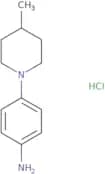
CAS:Versatile small molecule scaffoldFormula:C8H14N2OPurity:Min. 95%Molecular weight:154.21 g/mol4-(4-Methylpiperidin-1-yl)aniline HCl
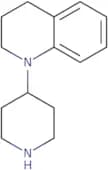
CAS:<p>Versatile small molecule scaffold</p>Formula:C12H18N2·HClPurity:Min. 95%Molecular weight:226.75 g/mol1-(Piperidin-4-yl)-1,2,3,4-tetrahydroquinoline
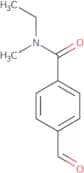
CAS:<p>Versatile small molecule scaffold</p>Formula:C14H20N2Purity:Min. 95%Molecular weight:216.32 g/molN-Ethyl-4-formyl-N-methylbenzamide
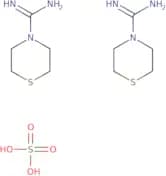
CAS:<p>Versatile small molecule scaffold</p>Formula:C11H13NO2Purity:Min. 95%Molecular weight:191.23 g/molBis(thiomorpholine-4-carboximidamide) sulfate
CAS:Versatile small molecule scaffoldFormula:C10H24N6O4S3Purity:Min. 95%Molecular weight:388.5 g/mol4-Methyl-2-(2-methylphenyl)pentanoic acid
CAS:<p>Versatile small molecule scaffold</p>Formula:C13H18O2Purity:Min. 95%Molecular weight:206.28 g/molMethyl[2-(3-methylphenoxy)ethyl]amine
CAS:<p>Versatile small molecule scaffold</p>Formula:C10H15NOPurity:Min. 95%Molecular weight:165.23 g/molMethyl[2-(2-methylphenoxy)ethyl]amine
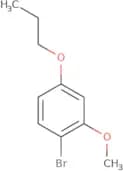
CAS:<p>Versatile small molecule scaffold</p>Formula:C10H15NOPurity:Min. 95%Molecular weight:165.23 g/mol1-Bromo-2-methoxy-4-propoxybenzene
CAS:<p>Versatile small molecule scaffold</p>Formula:C10H13BrO2Purity:Min. 95%Molecular weight:245.11 g/mol4-[(Cyclohexylamino)methyl]phenol
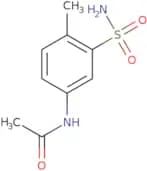
CAS:<p>Versatile small molecule scaffold</p>Formula:C13H19NOPurity:Min. 95%Molecular weight:205.3 g/molN-(4-Methyl-3-sulfamoylphenyl)acetamide
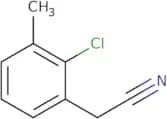
CAS:<p>Versatile small molecule scaffold</p>Formula:C9H12N2O3SPurity:Min. 95%Molecular weight:228.27 g/mol2-(2-Chloro-3-methylphenyl)acetonitrile
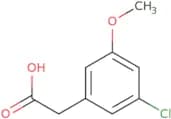
CAS:Versatile small molecule scaffoldFormula:C9H8ClNPurity:Min. 95%Molecular weight:165.62 g/mol2-(3-Chloro-5-methoxyphenyl)acetic acid
CAS:<p>Versatile small molecule scaffold</p>Formula:C9H9ClO3Purity:Min. 95%Molecular weight:200.62 g/mol


![4-Chlorothieno[3,2-d]pyrimidine-6-carboxylic acid](/_next/image/?url=https%3A%2Fstatic.cymitquimica.com%2Fproducts%2F3D%2Fthumb-webp%2FAKB51576.webp&w=3840&q=75)


![Methyl 6-(4-fluorophenyl)-3-methylisoxazolo[5,4-b]pyridine-4-carboxylate](/_next/image/?url=https%3A%2Fstatic.cymitquimica.com%2Fproducts%2F3D%2Fthumb-webp%2FAKB42464.webp&w=3840&q=75)
![1-Benzyl-4-[(4-methoxyphenyl)methylidene]-2-sulfanyl-4,5-dihydro-1H-imidazol-5-one](/_next/image/?url=https%3A%2Fstatic.cymitquimica.com%2Fproducts%2F3D%2Fthumb-webp%2FAKB42421.webp&w=3840&q=75)
![9-Phenyl-2H,3H-[1,4]dioxino[2,3-G]quinoline-7-thiol](/_next/image/?url=https%3A%2Fstatic.cymitquimica.com%2Fproducts%2F3D%2Fthumb-webp%2FAKB41953.webp&w=3840&q=75)
![3-[(tert-Butyldimethylsilanyl)oxy]azetidine](/_next/image/?url=https%3A%2Fstatic.cymitquimica.com%2Fproducts%2F3D%2Fthumb-webp%2FAKB34081.webp&w=3840&q=75)
![7-Chloro-1-methyl-1H-pyrrolo[2,3-c]pyridine](/_next/image/?url=https%3A%2Fstatic.cymitquimica.com%2Fproducts%2F3D%2Fthumb-webp%2FAKB34057.webp&w=3840&q=75)
![4-chlorothieno[3,2-d]pyrimidine-6-carbaldehyde](/_next/image/?url=https%3A%2Fstatic.cymitquimica.com%2Fproducts%2F3D%2Fthumb-webp%2FAKB34014.webp&w=3840&q=75)
![1-[2-(2-Chlorophenyl)cyclopropyl]ethan-1-one](/_next/image/?url=https%3A%2Fstatic.cymitquimica.com%2Fproducts%2F3D%2Fthumb-webp%2FAKB32569.webp&w=3840&q=75)
![2-[({[2-(3,4-Dimethoxyphenyl)ethyl]carbamoyl}methyl)sulfanyl]benzoic acid](/_next/image/?url=https%3A%2Fstatic.cymitquimica.com%2Fproducts%2F3D%2Fthumb-webp%2FAJB02136.webp&w=3840&q=75)
![4-[(Propan-2-yloxy)methyl]benzoic acid](/_next/image/?url=https%3A%2Fstatic.cymitquimica.com%2Fproducts%2F3D%2Fthumb-webp%2FAJB02134.webp&w=3840&q=75)
![2-{[(4,5-Dimethoxy-2-methylphenyl)methyl]sulfanyl}acetic acid](/_next/image/?url=https%3A%2Fstatic.cymitquimica.com%2Fproducts%2F3D%2Fthumb-webp%2FAJB02076.webp&w=3840&q=75)
![2-Chloro-N-methyl-N-[(propylcarbamoyl)methyl]acetamide](/_next/image/?url=https%3A%2Fstatic.cymitquimica.com%2Fproducts%2F3D%2Fthumb-webp%2FAJB02075.webp&w=3840&q=75)
![6-(4-Methoxyphenyl)-3H,4H-thieno[3,2-d]pyrimidin-4-one](/_next/image/?url=https%3A%2Fstatic.cymitquimica.com%2Fproducts%2F3D%2Fthumb-webp%2FAJA38522.webp&w=3840&q=75)
![2-Bromo-7-chlorothieno[3,2-b]pyridine](/_next/image/?url=https%3A%2Fstatic.cymitquimica.com%2Fproducts%2F3D%2Fthumb-webp%2FAJA38505.webp&w=3840&q=75)
![6-Bromo-4-chlorothieno[3,2-d]pyrimidine](/_next/image/?url=https%3A%2Fstatic.cymitquimica.com%2Fproducts%2F3D%2Fthumb-webp%2FAJA38503.webp&w=3840&q=75)
![4-Chloro-6-iodothieno[3,2-d]pyrimidine](/_next/image/?url=https%3A%2Fstatic.cymitquimica.com%2Fproducts%2F3D%2Fthumb-webp%2FAJA38262.webp&w=3840&q=75)
![2-[(5-Aminopyridin-2-yl)oxy]ethan-1-ol](/_next/image/?url=https%3A%2Fstatic.cymitquimica.com%2Fproducts%2F3D%2Fthumb-webp%2FAJA24095.webp&w=3840&q=75)
![tert-butyl N-[(4-aminophenyl)methyl]-N-methylcarbamate](/_next/image/?url=https%3A%2Fstatic.cymitquimica.com%2Fproducts%2F3D%2Fthumb-webp%2FAJA24083.webp&w=3840&q=75)
![1-{[(9H-Fluoren-9-yl)methoxy]carbonyl}-4-methylpiperidine-4-carboxylic acid](/_next/image/?url=https%3A%2Fstatic.cymitquimica.com%2Fproducts%2F3D%2Fthumb-webp%2FAJA24057.webp&w=3840&q=75)



![2-[(2,4,6-Trimethylphenyl)carbamoyl]cyclohexane-1-carboxylic acid](/_next/image/?url=https%3A%2Fstatic.cymitquimica.com%2Fproducts%2F3D%2Fthumb-webp%2FAIA93471.webp&w=3840&q=75)
![(4-Methyl-4H-[1,2,4]triazol-3-ylsulfanyl)-acetic acid](/_next/image/?url=https%3A%2Fstatic.cymitquimica.com%2Fproducts%2F3D%2Fthumb-webp%2FAIA81606.webp&w=3840&q=75)
![2-[(4-tert-Butyl-4H-1,2,4-triazol-3-yl)sulfanyl]acetic acid](/_next/image/?url=https%3A%2Fstatic.cymitquimica.com%2Fproducts%2F3D%2Fthumb-webp%2FAIA81593.webp&w=3840&q=75)



![3-{[(tert-Butoxy)carbonyl]amino}-2,2-dimethylpentanoic acid](/_next/image/?url=https%3A%2Fstatic.cymitquimica.com%2Fproducts%2F3D%2Fthumb-webp%2FAIA49080.webp&w=3840&q=75)

![7-Methyl-octahydropyrrolo[1,2-a]piperazin-6-one](/_next/image/?url=https%3A%2Fstatic.cymitquimica.com%2Fproducts%2F3D%2Fthumb-webp%2FAIA41823.webp&w=3840&q=75)

![Methyl[2-(3-methylphenoxy)ethyl]amine](/_next/image/?url=https%3A%2Fstatic.cymitquimica.com%2Fproducts%2F3D%2Fthumb-webp%2FAIA35018.webp&w=3840&q=75)
![Methyl[2-(2-methylphenoxy)ethyl]amine](/_next/image/?url=https%3A%2Fstatic.cymitquimica.com%2Fproducts%2F3D%2Fthumb-webp%2FAIA35017.webp&w=3840&q=75)
![4-[(Cyclohexylamino)methyl]phenol](/_next/image/?url=https%3A%2Fstatic.cymitquimica.com%2Fproducts%2F3D%2Fthumb-webp%2FAIA27473.webp&w=3840&q=75)