CymitQuimica logo
Building Blocks

Building Blocks

This section contains fundamental products for the synthesis of organic and biological compounds. Building blocks are the essential starting materials used to construct complex molecules through various chemical reactions. They play a critical role in drug discovery, material science, and chemical research. At CymitQuimica, we offer a diverse range of high-quality building blocks to support your innovative research and industrial projects, ensuring you have the essential components for successful synthesis.

Subcategories of "Building Blocks"

Found 204339 products of "Building Blocks"

Sort by

Purity (%)
0
100
|
0
|
50
|
90
|
95
|
100
products per page.
  • H-Lys(Boc)-OH

    CAS:
    H-Lys(Boc)-OH is an ε-amino-protected lysine that plays a pivotal role in solution phase peptide synthesis. Strategically protected at the ε-amino group, it allows controlled peptide assembly, and it serves as intermediate for synthesizing β-peptides. The bulky Boc (tert-butyloxycarbonyl) group shields its epsilon amine (NH2) group, acting as a protective measure to prevent unwanted side reactions.
    Formula:C11H22N2O4
    Color and Shape:White Powder
    Molecular weight:246.3 g/mol

    Ref: 3D-FL37225

    1kg
    765.00€
    2kg
    1,322.00€
    5kg
    2,340.00€
    250g
    378.00€
    500g
    538.00€
  • N-alpha-Z-L-lysine methyl ester hydrochloride

    CAS:

    N-alpha-Z-L-lysine methyl ester hydrochloride is a preparation that is used as a methyl ester. It is an ester of lysine and methyl chloride. This product has a molecular weight of 170.16 g/mol and the chemical formula CH3CONHCH2CH(NH)CO2CH3. The structural data has not been confirmed by X-ray crystallography, but it can be assumed to be in the form of a zwitterion. N-alpha-Z-L-lysine methyl ester hydrochloride can be used for the synthesis of peptides, which are building blocks for proteins and enzymes. N-alpha-Z-L-lysine methyl ester hydrochloride is also used in the production of certain kinds of drugs and organic acids such as acetylsalicylic acid (aspirin).

    Formula:C15H22N2O4·HCl
    Purity:Min. 95%
    Molecular weight:330.81 g/mol

    Ref: 3D-FL47291

    2g
    322.00€
    5g
    454.00€
    10g
    673.00€
    25g
    892.00€
  • (1-Pyridin-2-yl)piperidin-4-amine

    CAS:
    (1-Pyridin-2-yl)piperidin-4-amine is a drug that acts as an anorexiant. It binds to the serotonin 5HT3 receptor, which is involved in the regulation of appetite and mood. It also blocks the action of serotonin at the 5HT4 receptor, which is involved in mediating intestinal motility. This agent has been shown to have a potent antagonist effect on the 1-4c alkyl group of serotonin receptors. The phenoxy group and methyl group are also responsible for binding with serotonin receptors and blocking their activity.
    Formula:C10H15N3
    Purity:Min. 95%
    Molecular weight:177.25 g/mol

    Ref: 3D-UFA46594

    1g
    673.00€
    2g
    892.00€
    5g
    1,021.00€
  • 3-bromo-5-chloro-2-fluorobenzaldehyde

    CAS:
    Versatile small molecule scaffold
    Formula:C7H3BrClFO
    Purity:Min. 95%
    Molecular weight:237.5 g/mol

    Ref: 3D-UAC44082

    2g
    673.00€
    5g
    829.00€
    10g
    1,202.00€
    25g
    2,106.00€
  • Pentanimidamide hydrochloride

    CAS:
    Pentanimidamide hydrochloride is a drug that belongs to the group of aromatic hydrocarbon drugs. It is a potent antihypertensive agent with a rapid onset and long duration of action. Pentanimidamide hydrochloride has been shown to inhibit the production of reactive oxygen species, which are generated by the respiratory chain in mitochondria, and to prevent the formation of pyrazinoic acid, an inhibitor of blood vessel relaxation. This drug also has been shown to reduce blood pressure in animal models by binding to specific receptors on cells in the cardiovascular system. The active form is bound to plasma proteins such as albumin and alpha-1-acid glycoprotein, which are found in high concentrations in erythrocytes. Pentanimidamide hydrochloride also binds to alkynyl groups and phenyl groups, which may be due to its ability to form covalent bonds with these functional groups.
    Formula:C5H13ClN2
    Purity:Min. 95%
    Molecular weight:136.62 g/mol

    Ref: 3D-TAA25746

    25g
    344.00€
  • [Ir{dFCF3ppy}2(bpy)]PF6

    CAS:
    Iridium(III) bis-(2-phenylpyridine) (Ir{dFCF3ppy}2(bpy)) is a monomeric amido ligand that can be used in polymerization processes. It has an average molecular weight of 185.8 and a transition temperature of -55°C. Ir{dFCF3ppy}2(bpy) is soluble in organic solvents such as chloroform and acetone and will react with amines, anionic sites, and cycloalkyl groups to form polymers. The yields of the polymerization process are dependent on the starting materials used.
    Formula:C34H18F16IrN4P
    Purity:Min. 95%
    Molecular weight:1,009.7 g/mol

    Ref: 3D-STB77562

    1g
    892.00€
    2g
    1,202.00€
    250mg
    491.00€
    500mg
    673.00€
  • Imidazo[1,2-a]pyrazine-2-carbaldehyde

    CAS:

    Versatile small molecule scaffold

    Formula:C7H5N3O
    Purity:Min. 95%
    Molecular weight:147.14 g/mol

    Ref: 3D-SQB78215

    25g
    5,280.00€
    50g
    8,977.00€
    100mg
    538.00€
    250mg
    829.00€
  • Methyl 4-(hydroxymethyl)pyridine-2-carboxylate

    CAS:
    Versatile small molecule scaffold
    Formula:C8H9NO3
    Purity:Min. 95%
    Molecular weight:167.16 g/mol

    Ref: 3D-SMA33515

    5g
    673.00€
    10g
    892.00€
  • 7-Oxa-2-azaspiro[3.5]nonane hydrochloride

    CAS:
    Versatile small molecule scaffold
    Formula:C7H14ClNO
    Purity:Min. 95%
    Molecular weight:163.6 g/mol

    Ref: 3D-SGC63309

    2g
    673.00€
    5g
    892.00€
    10g
    1,021.00€
  • Leu-Leu-Leu-OH

    CAS:

    Leu-Leu-Leu-OH is a pentapeptide that is used in cancer treatment to inhibit the growth of cancer cells. It prevents the production of proteins and, as a result, cell division. Leu-Leu-Leu-OH has been shown to be effective against tumor cells with an antibody that binds to the surface of cells. The monoclonal antibody is taken up by the cancer cells through receptor mediated endocytosis, which leads to inhibition of protein synthesis and cell death.

    Formula:C18H35N3O4
    Purity:Min. 95%
    Color and Shape:White Powder
    Molecular weight:357.49 g/mol

    Ref: 3D-FL49327

    1g
    327.00€
    2g
    489.00€
    5g
    678.00€
    10g
    1,025.00€
    500mg
    207.00€
  • 2-(Morpholin-4-yl)acetyl chloride hydrochloride

    CAS:
    2-(Morpholin-4-yl)acetyl chloride hydrochloride is a fine chemical that is used as a building block for the synthesis of other compounds. It can be used in research and development, or as a reagent. 2-(Morpholin-4-yl)acetyl chloride hydrochloride has high purity and is easily soluble in water. This compound can be used as an intermediate to synthesize other compounds, or it can be used as a scaffold for the formation of complex structures.
    Formula:C6H11Cl2NO2
    Purity:Min. 95%
    Color and Shape:Powder
    Molecular weight:200.06 g/mol

    Ref: 3D-SGA98224

    10mg
    201.00€
    25mg
    322.00€
    50mg
    454.00€
    100mg
    673.00€
    250mg
    1,019.00€
  • Methyl 2-(6-chloropyridin-3-yl)acetate

    CAS:

    Versatile small molecule scaffold

    Formula:C8H8ClNO2
    Purity:Min. 95%
    Molecular weight:185.61 g/mol

    Ref: 3D-SDB10669

    50g
    673.00€
    100g
    892.00€
  • 1-(3,5-Dichloro-phenyl)-propan-1-one

    CAS:

    Versatile small molecule scaffold

    Formula:C9H8Cl2O
    Purity:Min. 95%
    Molecular weight:203.07 g/mol

    Ref: 3D-SDA82192

    10g
    413.00€
  • 1,3-Dioxo-2,3-dihydro-1H-isoindol-2-yl acetate

    CAS:
    1,3-Dioxo-2,3-dihydro-1H-isoindol-2-yl acetate is a reactive intermediate that can be used as a starting material for the synthesis of other organic compounds. It is synthesized by the reaction of an acid with an aldehyde or ketone in the presence of a base. The rate of this reaction depends on the functional groups present in both reactants and their relative concentrations. This intermediate can be converted to another chemical compound through various reactions, including hydroxymethylation, decarboxylation and oxidation. This chemical has been used as a cocatalyst for the production of 5-hydroxymethylfurfural (HMF).
    Formula:C10H7NO4
    Purity:Min. 95%
    Molecular weight:205.17 g/mol

    Ref: 3D-SAA72064

    10g
    413.00€
  • 6-Chloro-2-methyl-4-pyrimidinol

    CAS:
    6-Chloro-2-methyl-4-pyrimidinol is an aldehyde that reacts with hydrazine to form a monoxide, which reacts with carbon monoxide to form a hydrazide.
    Formula:C5H5ClN2O
    Purity:Min. 95%
    Molecular weight:144.56 g/mol

    Ref: 3D-SAA55152

    5g
    454.00€
    10g
    538.00€
    25g
    892.00€
    50g
    1,202.00€
    100g
    1,802.00€
  • tert-butyl 6,6-difluoro-1,4-diazepane-1-carboxylate

    CAS:
    Versatile small molecule scaffold
    Formula:C10H18F2N2O2
    Purity:Min. 95%
    Molecular weight:236.3 g/mol

    Ref: 3D-RWB82007

    1g
    1,021.00€
    250mg
    673.00€
    500mg
    829.00€
  • 2-Methyl-5-nitrobenzaldehyde

    CAS:

    2-Methyl-5-nitrobenzaldehyde is a nitro compound that is used in the synthesis of dobutamine. It has been shown to undergo rearrangements, with the formation of 2-methyl-5-nitrophenol. Kinetic studies have shown that chlorine can be substituted for hydrogen at the 2 position, and this substitution leads to an increase in reactivity. 2-methyl-5-nitrobenzaldehyde also reacts with dopamine to form a ketone. The hydroxy group on this molecule is nucleophilic and can attack electrophiles, making it useful as an active site for synthetic reactions. This compound is also pyrophoric, which means it will spontaneously ignite in air and burn until all its fuel is consumed.

    Formula:C8H7NO3
    Purity:Min. 95%
    Color and Shape:Off-White Powder
    Molecular weight:165.15 g/mol

    Ref: 3D-FM16343

    10g
    242.00€
    25g
    454.00€
    50g
    673.00€
  • 2-Mercapto-N-methylbenzamide

    CAS:

    2-Mercapto-N-methylbenzamide is a synthetic compound that has been shown to have inhibitory activities against activated brain cells and cell lines. This drug has been used in the synthesis of axitinib, a cancer drug that inhibits cellular growth. 2-Mercapto-N-methylbenzamide is also used as a preservative in cosmetics and can be found in carbonated drinks and foods. It has been shown to inhibit the production of serotonin in microbicidal reactions by inhibiting the enzyme hydroxymethyl transferase, which catalyzes the conversion of 5-hydroxytryptophan to serotonin. It also prevents the reaction products from being formed by reacting with hypoxanthine, xanthine, and phosphoribosyl pyrophosphate (PRPP). 2-Mercapto-N-methylbenzamide also reacts with plasma samples to form ethylmercaptoacetate, which is then oxidized to merc

    Formula:C8H9NOS
    Purity:Min. 95%
    Color and Shape:White Powder
    Molecular weight:167.23 g/mol

    Ref: 3D-FM45433

    5g
    136.00€
    10g
    197.00€
    25g
    338.00€
    50g
    476.00€
    100g
    678.00€
  • 4-Methylenepiperidine hydrochloride

    CAS:
    4-Methylenepiperidine hydrochloride is a synthetic, ethylene oxide derivative that is used as an antifungal drug. It is also used in the synthesis of other compounds and as a reagent in organic chemistry. 4-Methylenepiperidine hydrochloride can be synthesized by reacting ethylene with an alkoxide, followed by adding a metal halide such as organolithium reagents to form the desired product. The yield rate of this reaction is high and it is easy to perform on a large scale.
    Formula:C6H11N·HCl
    Purity:Min. 95%
    Color and Shape:White Powder
    Molecular weight:133.62 g/mol

    Ref: 3D-FM64058

    10g
    188.00€
    25g
    258.00€
    50g
    443.00€
    100g
    538.00€
    250g
    829.00€
  • 2-Naphthol-6,8-disulfonic acid

    CAS:
    2-Naphthol-6,8-disulfonic acid is a synthetic organic compound that was identified as an impurity in the glyphosate formulation, Roundup. 2-Naphthol-6,8-disulfonic acid has been shown to have good analytical properties and can be used for the analysis of glyphosate in wastewater samples. It is thermally stable with a melting point of about 220°C. The UV detection wavelength ranges from 220nm to 240nm and the chloride ion is detectable at concentrations greater than 0.1 ppm. 2-Naphthol-6,8-disulfonic acid can also be used for the analysis of fatty acids in plants and animals.
    Formula:C10H8O7S2
    Purity:Min. 95%
    Color and Shape:White Powder
    Molecular weight:304.3 g/mol

    Ref: 3D-FN37557

    1g
    352.00€
    10g
    505.00€
    100g
    956.00€
  • (Oc-6-21)-(4-Bromophenyl)Pentafluoro-Sulfur

    CAS:
    (Oc-6-21)-(4-Bromophenyl)Pentafluoro-Sulfur is the chemical compound with the formula BrSbF5. It is a yellow solid that is soluble in organic solvents. The molecule consists of a pentafluorothiophenium cation and a bromine anion. It has two regioisomers, one with the sulfur atom in the 4 position and one with it in the 6 position. The compound has been studied as a precursor to polythiophene, which can be synthesized by heating BrSbF5 with sulfur dichloride.
    Formula:C6H4BrF5S
    Purity:Min. 95%
    Molecular weight:283.06 g/mol

    Ref: 3D-FO87521

    1g
    605.00€
    2g
    829.00€
    5g
    1,442.00€
    250mg
    378.00€
    500mg
    471.00€
  • Pyridine-2-aldoxime

    CAS:

    Pyridine-2-aldoxime is a chemical compound that is used as a pesticide. It is an inhibitor of acetylcholinesterase, and it can be toxic at low doses. Pyridine-2-aldoxime binds to the active site of acetylcholinesterase and prevents the breakdown of acetylcholine by this enzyme, leading to paralysis of the respiratory muscles. Pyridine-2-aldoxime has been shown to be effective against chronic oral exposure to sarin gas, with lethal dose (LD) values ranging from 0.5–1 mg/kg in rats.

    Formula:C6H6N2O
    Purity:Min. 95%
    Color and Shape:White Powder
    Molecular weight:122.12 g/mol

    Ref: 3D-FP01183

    1kg
    892.00€
    2kg
    1,322.00€
    5kg
    2,633.00€
    10kg
    4,095.00€
    500g
    605.00€
  • 3,3-Diethoxypropan-1-amine

    CAS:

    3,3-Diethoxypropan-1-amine is a synthetic drug that reversibly inhibits the growth of bacteria. It has been shown to be effective against methicillin resistant strains of Staphylococcus aureus and Clostridium perfringens, with no detectable activity against acid-fast bacteria such as Mycobacterium tuberculosis or Mycobacterium avium complex. 3,3-Diethoxypropan-1-amine is a heterobifunctional compound that binds to epidermal growth factor with high affinity. 3,3-Diethoxypropan-1-amine can also bind to collagen and liposomal formulations, which may be useful for the treatment of wounds. This drug has been shown to inhibit δ opioid receptors in mice and rats, which is thought to contribute to its analgesic effects.

    Formula:C7H17NO2
    Purity:Min. 95%
    Molecular weight:147.22 g/mol

    Ref: 3D-RBA36575

    50g
    612.00€
  • N-Carbethoxy-4-hydroxypiperidine

    CAS:

    N-Carbethoxy-4-hydroxypiperidine is a drug substance that is a h1 receptor antagonist. It is used as an antihistamine to treat the symptoms of hay fever and other allergic reactions. N-Carbethoxy-4-hydroxypiperidine is available in two enantiomers, or mirror images, which are labelled S and R. The R enantiomer is more potent than the S enantiomer for inhibiting histamine h1 receptors. This drug has been shown to inhibit the growth of tuberculosis bacteria in cell culture and animal models, but not against Mycobacterium avium complex. N-Carbethoxy-4-hydroxypiperidine has also been shown to have significant antibacterial activity against Clostridium perfringens with minimal toxicity in mice.

    Formula:C8H15NO3
    Purity:Min. 95%
    Molecular weight:173.21 g/mol

    Ref: 3D-QCA21482

    500g
    To inquire
  • Methyl 4-chlorobenzenesulfonate

    CAS:

    Versatile small molecule scaffold

    Formula:C7H7ClO3S
    Purity:Min. 95%
    Molecular weight:206.65 g/mol

    Ref: 3D-QAA48145

    1g
    426.00€
    10g
    1,311.00€
  • Pyridine-2-aldehyde

    CAS:
    Pyridine-2-aldehyde is a stable complex that can be synthesized using the asymmetric synthesis of ethylene diamine and picolinic acid. The solid catalyst is the copper chloride, which coordinates to two nitrogen atoms in the pyridine ring. The coordination geometry is octahedral. Pyridine-2-aldehyde has been shown to react with copper complexes to form stable complexes, as well as undergoing kinetic reactions with metal carbonyls. Pyridine-2-aldehyde has also demonstrated analytical chemistry properties by reacting with picolinic acid to form a picolinic acid derivative.
    Purity:Min. 95%

    Ref: 3D-FP05593

    1kg
    1,442.00€
    50g
    322.00€
    100g
    454.00€
    250g
    673.00€
    500g
    1,020.00€
  • 2,2-Paracyclophane

    CAS:

    2,2-Paracyclophane is a high-sensitivity c-reactive protein (hsCRP) that has been isolated from the fungus Cryptococcus neoformans. This compound has shown to have anti-cancer properties in animal studies. 2,2-Paracyclophane binds to fatty acids and is soluble in water, which may be due to its hydrogen bonding with the hydroxyl group at C1. The crystal structure of this compound reveals that it has a cyclohexane ring and two fatty acids. The thermal expansion coefficient of this molecule is also high, which suggests that it may be suitable for use as a solid lubricant.

    Formula:C16H16
    Purity:Min. 98.5 Area-%
    Color and Shape:White Powder
    Molecular weight:208.3 g/mol

    Ref: 3D-FP06272

    1kg
    610.00€
    2kg
    897.00€
    5kg
    1,567.00€
    250g
    327.00€
    500g
    459.00€
  • 1-(1-Benzyl-1H-pyrazol-4-yl)-ethanone

    CAS:
    Versatile small molecule scaffold
    Formula:C12H12N2O
    Purity:Min. 95%
    Molecular weight:200.23 g/mol

    Ref: 3D-NXB26360

    2g
    673.00€
    5g
    829.00€
    10g
    1,081.00€
  • N-(11-Bromoundecyl)carbamic acid t-butyl ester

    CAS:
    Versatile small molecule scaffold
    Formula:C16H32BrNO2
    Purity:Min. 95%
    Molecular weight:350.33 g/mol

    Ref: 3D-NTA93053

    1g
    765.00€
    2g
    1,020.00€
    500mg
    673.00€
  • Ethyl 3-oxotetrahydro-2H-pyran-4-carboxylate

    CAS:
    Versatile small molecule scaffold
    Formula:C8H12O4
    Purity:Min. 95%
    Molecular weight:172.18 g/mol

    Ref: 3D-NQA10926

    1g
    673.00€
    2g
    1,020.00€
    5g
    1,442.00€
    10g
    305.00€
    500mg
    471.00€
  • 5-amino-2-chloropyridin-4-ol

    CAS:

    Versatile small molecule scaffold

    Formula:C5H5ClN2O
    Purity:Min. 95%
    Molecular weight:144.56 g/mol

    Ref: 3D-NFA08466

    50mg
    499.00€
    500mg
    1,365.00€
  • Methyl 3-oxocyclohexanecarboxylate

    CAS:
    Methyl 3-oxocyclohexanecarboxylate is a chiral molecule that belongs to the class of β-unsaturated ketones. It has been shown to interact with enzymes from horse liver, dehydrogenase and carbanion. Methyl 3-oxocyclohexanecarboxylate is unreactive under most conditions and does not react with other molecules. The compound can be used as a starting material for the synthesis of olefinic compounds.
    Formula:C8H12O3
    Purity:Min. 95%
    Molecular weight:156.18 g/mol

    Ref: 3D-NAA14883

    10g
    To inquire
    100g
    To inquire
  • Pyridoxal-5-phosphate monohydrate

    CAS:
    Bioavailable form of vitamin B6; coenzyme; food supplement
    Formula:C8H10NO6P·H2O
    Purity:Min. 98.5 Area-%
    Color and Shape:Off-White Slightly Yellow Powder
    Molecular weight:265.16 g/mol

    Ref: 3D-FP09498

    1kg
    892.00€
    2kg
    1,202.00€
    100g
    258.00€
    250g
    378.00€
    500g
    538.00€
  • Pyrazin-2-ylboronic acid

    CAS:
    Pyrazin-2-ylboronic acid is a white crystalline solid that is soluble in water. It is an efficient and economical selenium source for use in the synthesis of selenides and other selenium compounds. Pyrazin-2-ylboronic acid can be produced by the reaction of aniline with borohydride, or by the reaction of pyrazine with borane. This synthetic process also provides a convenient way to produce diaryl compounds.
    Formula:C4H5BN2O2
    Purity:Min. 95%
    Molecular weight:123.91 g/mol

    Ref: 3D-FP174849

    1g
    471.00€
    2g
    740.00€
    5g
    1,021.00€
    250mg
    305.00€
    500mg
    322.00€
  • Polycarbosilane

    CAS:

    Polycarbosilane is a cross-linking agent that can be used to modify the surface properties of polymers. It reacts with the hydroxyl groups on the polymer to form carbosilane bonds, which lead to a change in the viscosity and other physical properties of the material. Polycarbosilane is insoluble in water and has an absorption peak at 350 nm. When reacted with argon gas, polycarbosilane reacts with oxygen or nitrogen to produce carbonyls or amines, respectively. Polycarbosilane can react with x-rays or magnetic resonance spectroscopy to produce elemental analysis data for a variety of elements. This chemical also has optical properties that make it useful as an organic solution for optical devices such as lenses and mirrors. Polycarbosilane is stable under most conditions and can be used as an efficient method for environmental pollution control by removing heavy metals from wastewater streams.

    Formula:(C2H6Si)n
    Purity:Min. 95%
    Color and Shape:Powder

    Ref: 3D-FP180056

    10g
    458.00€
    25g
    734.00€
    50g
    1,093.00€
    100g
    1,820.00€
    250g
    2,341.00€
  • 2,5-Diethoxyterephthalohydrazide

    CAS:

    2,5-Diethoxyterephthalohydrazide is an organic compound that has been used for the synthesis of linkers with various functional groups. It is a reactive intermediate in the synthesis of amines and compounds containing amine functional groups. 2,5-Diethoxyterephthalohydrazide has been shown to be stable under environmental conditions and can be used as a linker in organic solvents such as amines, alcohols or esters. This compound has also been shown to exhibit photocatalytic activity when irradiated by UV light. Techniques such as analytical chemistry and techniques can be used to characterize this compound's reactivity and stability.

    Formula:C12H18N4O4
    Purity:Min. 95%
    Molecular weight:282.3 g/mol

    Ref: 3D-LVB29271

    5g
    1,600.00€
    10g
    2,494.00€
  • 5-Chloroquinoline-2-carboxylic acid

    CAS:
    Versatile small molecule scaffold
    Formula:C10H6ClNO2
    Purity:Min. 95%
    Molecular weight:207.61 g/mol

    Ref: 3D-LVA23170

    1g
    950.00€
    100mg
    357.00€
  • (R)-1-Propylpiperidin-3-amine

    CAS:
    Please enquire for more information about (R)-1-Propylpiperidin-3-amine including the price, delivery time and more detailed product information at the technical inquiry form on this page
    Formula:C8H18N2
    Purity:Min. 95%
    Molecular weight:142.24 g/mol

    Ref: 3D-FP183974

    1g
    305.00€
    2g
    354.00€
    5g
    606.00€
  • Diiodomethane

    CAS:
    Diiodomethane is a chemical compound with the molecular formula CHI. It is a colorless gas that can be obtained by reacting methyl ethyl and hydroxyl group in the presence of an oxidant such as boron nitride. Diiodomethane has been used as a substrate film for n-dimethyl formamide and reaction solution, which have been studied using spectroscopic data. The product of this reaction is water vapor that leaves the system due to its low boiling point. Reaction mechanism for this process is thought to be due to the kinetic energy of the particles that collide and produce diiodomethane molecules.
    Formula:CH2I2
    Purity:Min. 95%
    Color and Shape:Yellow Clear Liquid
    Molecular weight:267.84 g/mol

    Ref: 3D-FD10777

    1kg
    829.00€
    2kg
    1,202.00€
    100g
    258.00€
    250g
    378.00€
    500g
    538.00€
  • 2,4-Dibromothiazole

    CAS:
    2,4-Dibromothiazole is a nicotinic acetylcholine receptor (nAChR) antagonist which selectively blocks the binding of acetylcholine to nAChRs. It has been shown to be effective in treating inflammatory bowel disease by inhibiting the production of inflammatory mediators. This drug also has anti-inflammatory effects and can be used for the treatment of autoimmune diseases such as Crohn's disease. 2,4-Dibromothiazole also has low energy properties and is used in palladium complexes for cross-coupling reactions. It can also be used as a cancer chemotherapeutic agent and as a cardiac drug.
    Formula:C3HBr2NS
    Purity:Min. 95%
    Color and Shape:White Powder
    Molecular weight:242.92 g/mol

    Ref: 3D-FD09690

    1kg
    892.00€
    500g
    673.00€
  • 4,6-Dichloro-5-nitropyrimidine

    CAS:
    4,6-Dichloro-5-nitropyrimidine is an intermediate in the synthesis of Tenofovir, a nucleophilic drug that inhibits HIV. It is produced by the reaction of chloride with amines and nitro compounds in the presence of ammonium chloride. 4,6-Dichloro-5-nitropyrimidine has been shown to have anticancer activity against human lymphocytes and other cancer cells. It can also be used for the treatment of AIDS. The biological properties of this compound are dose dependent and are dependent on the size of chlorine atoms attached to nitrogen atoms.
    Formula:C4HCl2N3O2
    Purity:Min. 95%
    Color and Shape:Yellow Powder
    Molecular weight:193.98 g/mol

    Ref: 3D-FD09665

    25g
    155.00€
    50g
    220.00€
    100g
    327.00€
    250g
    585.00€
    500g
    962.00€
  • 2,4-Diamino-5-nitropyrimidine

    CAS:
    2,4-Diamino-5-nitropyrimidine is a synthetic molecule that belongs to the class of heterocyclic amines. It has been shown to be a potent antiproliferative agent and has been found to inhibit hepg2 cell growth in vitro. This compound was also found to inhibit cancer cells, including mcf-7. 2,4-Diamino-5-nitropyrimidine binds nucleophilic sites on proteins and inhibits enzymes involved in DNA synthesis. The inhibition of these enzymes leads to cell death by preventing the production of new proteins needed for cell division.
    Formula:C4H5N5O2
    Purity:Min. 95%
    Color and Shape:Off-White To Yellow Solid
    Molecular weight:155.12 g/mol

    Ref: 3D-FD09521

    5g
    202.00€
    10g
    286.00€
  • 4,4'-Diamino-2,2'-bipyridine

    CAS:
    4,4'-Diamino-2,2'-bipyridine (DABP) is a redox-active compound that is synthesized to be used as a single-stranded DNA probe. It has been shown to have high affinity for nucleic acids and can be used in many applications including the detection of mutations in human ovarian carcinoma cells. DABP can also be used as a model protein for studying interactions with other biomolecules. The immobilization of DABP on an electrode surface allows for the study of its electrochemical properties. This includes the correlation between the redox potential and luminescence intensity and the dependence on pH or ionic strength. DABP can also be used to detect oxygen concentration or ATP levels in mitochondria through its ability to absorb light at wavelengths from 400 nm to 800 nm which is then converted into light at lower wavelengths by uv irradiation.
    Formula:C10H10N4
    Purity:Min. 97 Area-%
    Color and Shape:White Powder
    Molecular weight:186.21 g/mol

    Ref: 3D-FD03978

    1g
    236.00€
    2g
    399.00€
    5g
    747.00€
    10g
    1,199.00€
  • 2,5-Dibromo-3-aminopyrazine

    CAS:

    2,5-Dibromo-3-aminopyrazine is an experimental drug with anticancer activity. It has been shown to have a high affinity for DNA and inhibit the growth of tumor cells in vivo. 2,5-Dibromo-3-aminopyrazine has undergone stability tests in vivo and in vitro and also completed clinical trials. This drug binds to DNA and inhibits the enzyme protein kinase C, leading to suppression of cellular proliferation. The pharmacokinetics of this drug were evaluated by measuring the concentration of 2,5-dibromo-3-aminopyrazine in plasma after oral administration to mice. This study found that the maximum concentration was achieved at 1 hour post dose and that there was a decrease in concentration over time. The drug has been shown to bind to the dimethoxybenzene metabolic pathway, which is involved in regulating cell proliferation.
    2,5-Dibromo-3-aminopyrazine

    Formula:C4H3Br2N3
    Purity:Min. 95%
    Color and Shape:Powder
    Molecular weight:252.89 g/mol

    Ref: 3D-FD02782

    5g
    454.00€
    10g
    538.00€
    25g
    1,020.00€
    50g
    1,322.00€
    100g
    1,682.00€
  • GSK'547

    CAS:
    GSK'547 is a small molecule that can interact with the ferroptosis pathway, which is involved in both acute and chronic kidney injury. GSK'547 has been shown to inhibit ischemia reperfusion-induced renal dysfunction by suppressing inflammation and oxidative stress. GSK'547 also inhibits cancer cell proliferation and acts as an anti-inflammatory agent. In addition, GSK'547 has been shown to be beneficial for treating tuberculosis infections and cavity diseases. The mechanism of action of GSK'547 involves inhibiting bacterial cell wall synthesis by binding to the beta-subunit of DNA gyrase. This binding prevents the formation of an antibiotic-inhibitor complex with the enzyme cell wall synthesis that is required for cell wall biosynthesis, inhibiting protein synthesis and cell division.
    Formula:C20H18F2N6O
    Purity:Min. 95%
    Molecular weight:396.39 g/mol

    Ref: 3D-BPD73555

    25mg
    673.00€
    50mg
    765.00€
    100mg
    1,020.00€
  • 2-Amino-5-fluoro-4-methoxybenzoic acid

    CAS:
    Versatile small molecule scaffold
    Formula:C8H8FNO3
    Purity:Min. 95%
    Molecular weight:185.15 g/mol

    Ref: 3D-NEC38091

    1g
    454.00€
    10g
    1,420.00€
  • p-Isobutylstyrene-d7

    CAS:

    p-Isobutylstyrene-d7 is a solid catalyst that can be used in the synthesis of organic compounds. It has been shown to have good activity for the transfer of acid chloride groups to aromatic ring systems and for the synthesis of thiadiazoles. p-Isobutylstyrene-d7 has been shown to be an excellent catalyst for the conversion of hydrochloric acid into hydrogen chloride, which can then be recycled. The toxicity studies on this compound have shown that it is not toxic to bacterial strains, which may make it a good candidate for use as a catalyst in bioremediation or a growth substrate. This catalyst has also been shown to have photocatalytic activity and may be used in the purification of water contaminated with heavy metals.

    Formula:C12H9D7
    Purity:Min. 95%
    Molecular weight:167.3 g/mol

    Ref: 3D-NCA44456

    50mg
    347.00€
    500mg
    1,002.00€
  • (1R,8S,9s)-Bicyclo[6.1.0]non-4-yn-9-ylmethanol

    CAS:
    (1R,8S,9s)-Bicyclo[6.1.0]non-4-yn-9-ylmethanol is a congener that belongs to the class of monoclonal antibodies. It is a degradable and photophysical agent that enhances ionotropic gelation and proton exchange in an acidic environment. This agent has been shown to react with nucleophilic groups, such as amines and thiols, and has fluorescence properties that are sensitive to pH changes. The reactive nature of this compound makes it useful for the localization of model proteins in analytical chemistry experiments.
    Formula:C10H14O
    Purity:Min. 95%
    Molecular weight:150.22 g/mol

    Ref: 3D-NAC16690

    1g
    673.00€
    2g
    956.00€
    5g
    1,442.00€
    10g
    2,223.00€
    25g
    5,031.00€
  • 3-amino-6-bromopyridin-2-ol hydrobromide

    CAS:

    Versatile small molecule scaffold

    Formula:C5H6Br2N2O
    Purity:Min. 95%
    Molecular weight:269.9 g/mol

    Ref: 3D-MXB93034

    2500mg
    447.00€
  • 4-Bromo-5-chloropyridin-2-amine

    CAS:
    Versatile small molecule scaffold
    Formula:C5H4BrClN2
    Purity:Min. 95%
    Molecular weight:207.46 g/mol

    Ref: 3D-MXB44901

    10g
    538.00€
    25g
    673.00€
    50g
    829.00€
    100g
    1,081.00€
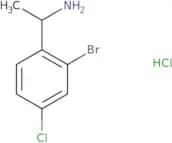
  • 1-(4-Chloro-3-fluorophenyl)ethan-1-amine HCl

    CAS:
    Versatile small molecule scaffold
    Formula:C8H10Cl2FN
    Purity:Min. 95%
    Molecular weight:210.08 g/mol

    Ref: 3D-MGB63387

    1g
    892.00€
    2g
    1,036.00€
    5g
    1,922.00€
    250mg
    538.00€
    500mg
    740.00€
  • 3-Bromo-2-hydroxy-5-iodopyridine

    CAS:
    Versatile small molecule scaffold
    Formula:C5H3BrINO
    Purity:Min. 95%
    Molecular weight:299.89 g/mol

    Ref: 3D-MAB34881

    5g
    673.00€
    10g
    829.00€
    25g
    1,202.00€
  • tert-butyl 2-amino-8-azaspiro[4.5]decane-8-carboxylate

    CAS:
    Versatile small molecule scaffold
    Formula:C14H26N2O2
    Purity:Min. 95%
    Molecular weight:254.37 g/mol

    Ref: 3D-BAC01090

    1g
    1,081.00€
    250mg
    673.00€
    500mg
    892.00€
  • 4-Bromo-2-cyclopropylpyridine

    CAS:

    Versatile small molecule scaffold

    Formula:C8H8NBr
    Purity:Min. 95%
    Molecular weight:198.05 g/mol

    Ref: 3D-LTB38128

    5g
    1,420.00€
    500mg
    454.00€
  • 4-(Aminomethyl)pyridine-2-carbonitrile hydrochloride

    CAS:
    Versatile small molecule scaffold
    Formula:C7H8ClN3
    Purity:Min. 95%
    Molecular weight:169.61 g/mol

    Ref: 3D-LIC71344

    50mg
    482.00€
    500mg
    1,322.00€
  • Methyl 4-(2-Bromoethyl)benzoate

    CAS:

    Methyl 4-(2-bromoethyl)benzoate is a potent HDAC6 inhibitor. It has been shown to inhibit cancer cell growth and induce apoptosis in vitro and in vivo. Methyl 4-(2-Bromoethyl)benzoate is also an anti-cancer agent that inhibits the histone deacetylase enzyme, which then prevents the transcription of genes involved in cancer development. In addition, this agent inhibits the production of prostaglandin E2, which may contribute to its anti-cancer activity. The most common side effects are nausea and vomiting.

    Formula:C10H11BrO2
    Purity:Min. 95%
    Molecular weight:243.1 g/mol

    Ref: 3D-LFA33397

    10g
    413.00€
  • 2-(Bromomethyl)-6-nitro-benzoic acid methyl ester

    CAS:
    Versatile small molecule scaffold
    Formula:C9H8BrNO4
    Purity:Min. 95%
    Molecular weight:274.07 g/mol

    Ref: 3D-LCA94021

    5g
    1,584.00€
    500mg
    426.00€
  • tert-Butyl 5-bromo-3,4-dihydro-2,7-naphthyridine-2(1H)-carboxylate

    CAS:

    Versatile small molecule scaffold

    Formula:C13H17BrN2O2
    Purity:Min. 95%
    Molecular weight:313.19 g/mol

    Ref: 3D-BAC01216

    1g
    3,218.00€
    50mg
    1,141.00€
    100mg
    1,442.00€
    250mg
    1,862.00€
    500mg
    2,340.00€
  • (S)-2,4-Dichloro-±-(chloromethyl)benzyl Alcohol

    CAS:

    Versatile small molecule scaffold

    Formula:C8H7Cl3O
    Purity:Min. 95%
    Molecular weight:225.49 g/mol

    Ref: 3D-BFA53431

    25g
    344.00€
  • (3R)-3-Methylpyrrolidine hydrochloride

    CAS:
    Versatile small molecule scaffold
    Formula:C5H11N•HCl
    Purity:Min. 95%
    Molecular weight:121.5 g/mol

    Ref: 3D-KJA09398

    1g
    344.00€
    10g
    1,529.00€
  • 4-bromo-1H-imidazole-2-carbaldehyde

    CAS:
    Versatile small molecule scaffold
    Formula:C4H3BrN2O
    Purity:Min. 95%
    Molecular weight:175 g/mol

    Ref: 3D-KAC87631

    50mg
    467.00€
    500mg
    1,272.00€
  • BMS-986165

    Controlled Product
    CAS:
    BMS-986165 is a P-glycoprotein (P-gp) inhibitor that has been shown to reduce the absorption of ciclosporin, tacrolimus, and everolimus in vitro. BMS-986165 has an activity index of 100% and inhibits the inflammatory response by inhibiting the production of cytokines. It has been found to be effective for treating bowel diseases, such as ulcerative colitis and Crohn's disease. The drug also may be used for the treatment of autoimmune diseases, such as psoriasis or rheumatoid arthritis. BMS-986165 is administered orally and is rapidly absorbed. It is metabolized by CYP3A4 and excreted in urine as metabolites. END>> END>>
    Formula:C20H19D3N8O3
    Purity:Min. 95%
    Molecular weight:425.46 g/mol

    Ref: 3D-JPC39227

    1g
    1,046.00€
    2g
    1,814.00€
    5g
    3,221.00€
    250mg
    400.00€
    500mg
    651.00€
  • 4,4,5,5-Tetramethyl-2-(1-methylcyclopropyl)-1,3,2-dioxaborolane

    CAS:
    Versatile small molecule scaffold
    Formula:C10H19BO2
    Purity:Min. 95%
    Molecular weight:182.07 g/mol

    Ref: 3D-BFA68904

    1g
    892.00€
    250mg
    673.00€
    500mg
    765.00€
  • 4,4'-Dithiopyridine

    CAS:

    4,4'-Dithiopyridine is a reactive molecule that can be used in the synthesis of other organic compounds. It is a disulfide bond with a redox potential of -0.43 V, which makes it readily available for reaction. The structural analysis of 4,4'-dithiopyridine has been performed using NMR spectroscopy and gas chromatography/mass spectrometry (GC/MS). This compound is an inhibitor of sugar transport and can be used to study the p-nitrophenyl phosphate reductase enzyme in bacteria. The reaction product between 4,4'-dithiopyridine and NADPH cytochrome P450 produces the fluorescent molecule 2-aminopurine. This fluorescent molecule may be used as a probe to study transfer reactions in bacteria.

    Formula:C10H8N2S2
    Purity:Min. 95%
    Color and Shape:Off-White To Light (Or Pale) Yellow Solid
    Molecular weight:220.32 g/mol

    Ref: 3D-FD12203

    10g
    305.00€
    25g
    572.00€
    50g
    1,020.00€
    100g
    1,501.00€
  • methyl 4-bromo-3-formylbenzoate

    CAS:
    Versatile small molecule scaffold
    Formula:C9H7BrO3
    Purity:Min. 95%
    Molecular weight:243.1 g/mol

    Ref: 3D-IJB12435

    10g
    673.00€
    25g
    892.00€
    50g
    1,082.00€
  • (1H-Indazol-4-yl)acetic acid

    CAS:
    (1H-Indazol-4-yl)acetic acid is a cation that has been shown to have pharmacological activity. It is hydrolyzable and is used as an anti-inflammatory agent. This compound also decarboxylates and hydrolyzes, which are processes that produce carboxyl and fluoro groups. (1H-Indazol-4-yl)acetic acid has been shown to be an anti-inflammatory agent, with effects against inflammation in the central nervous system. This drug also inhibits the production of inflammatory cytokines, including tumor necrosis factor alpha (TNFα), interleukin 1β (IL1β), and IL6.
    Formula:C9H8N2O2
    Purity:Min. 95%
    Molecular weight:176.17 g/mol

    Ref: 3D-CLB13133

    1g
    1,206.00€
    100mg
    673.00€
    250mg
    764.00€
    500mg
    1,019.00€
  • 6-fluoroquinoline-8-carboxylicacid

    CAS:

    Versatile small molecule scaffold

    Formula:C10H6FNO2
    Purity:Min. 95%
    Molecular weight:191.16 g/mol

    Ref: 3D-GCC60584

    1g
    928.00€
  • 5-Amino-2-bromo-3-fluoropyridine

    CAS:

    Versatile small molecule scaffold

    Formula:C5H4BrFN2
    Purity:Min. 95%
    Molecular weight:191 g/mol

    Ref: 3D-GAC27641

    5g
    454.00€
    10g
    673.00€
    25g
    829.00€
    50g
    1,021.00€
    100g
    1,442.00€
  • Methyl 3-chloropropionate

    CAS:

    Methyl 3-chloropropionate is an alkyl ether that has been used in clinical studies as a liquid phase ion-pair extraction solvent. It was developed to replace the use of hexane, which is not environmentally friendly and can also cause irritation. Methyl 3-chloropropionate has been shown to have a higher viscosity than hexane at room temperature and is less likely to evaporate than hexane. Methyl 3-chloropropionate has also been used as a synthetic process solvent, with the reaction time being shorter than that of hexane. This compound can be used for chromatography without any effect on the solute or the stationary phase. Methyl 3-chloropropionate has also been shown to be effective in lipase and agarose gel assays, as well as chloride ion extraction from water samples.

    Formula:C4H7ClO2
    Purity:Min. 95%
    Color and Shape:Clear Liquid
    Molecular weight:122.55 g/mol

    Ref: 3D-GAA00187

    100g
    305.00€
  • Methyl trans-4-bromo-2-butenoate

    CAS:

    Methyl trans-4-bromo-2-butenoate is a synthetic compound that contains a hydroxyl group and two bromine atoms. It is synthesized by the reaction of diethyl succinate, hydrogen, and piperazine in an aqueous solution. Methyl trans-4-bromo-2-butenoate has been shown to have antineoplastic activity in combination with epidermal growth factor (EGF) and carbohydrate conjugates. It also binds to cell surface receptors on the epidermal cells, inhibiting their growth. The structural formula of methyl trans-4-bromo-2-butenoate can be seen below: [[File:Methyltrans4bromobutanoate.png|thumb|300px|left|The structural formula of methyl trans-[4] -[bromo]-[2] -butenoate.]]

    Formula:C5H7BrO2
    Purity:Min. 95%
    Color and Shape:Clear Liquid
    Molecular weight:179.01 g/mol

    Ref: 3D-GAA00000

    10g
    413.00€
    100g
    2,127.00€
  • 2,4,5-Trimethoxybenzylamine

    CAS:
    2,4,5-Trimethoxybenzylamine is a synthetic compound that can be used as a precursor to the synthesis of other chemicals. It is prepared by reacting phenol with deuterium gas in a process called amination. This reaction is followed by reductive quaternization with cyanide. 2,4,5-Trimethoxybenzylamine is often used as an intermediate for the synthesis of drugs such as tamoxifen and clonidine.
    Formula:C10H15NO3
    Purity:Min. 95%
    Color and Shape:Powder
    Molecular weight:197.23 g/mol

    Ref: 3D-FT66824

    100mg
    205.00€
    250mg
    413.00€
    500mg
    586.00€
  • 2,2',4,4'-tetrahydroxybenzophenone

    CAS:

    2,2',4,4'-tetrahydroxybenzophenone is a hydroxylated benzophenone that has immunomodulatory effects. It binds to the receptor in the immune system and can cause an increase in cytokine production. 2,2',4,4'-tetrahydroxybenzophenone is cytotoxic and has significant toxicity in vitro. The molecule has been shown to disrupt mitochondrial membrane potential. This may be due to its ability to form hydrogen bonds with molecules on the mitochondrial membrane. 2,2',4,4'-tetrahydroxybenzophenone also modulates transcriptional regulation of genes involved in cell proliferation and apoptosis. The drug is detectable at low levels by mass spectrometry and is not known to have any toxicological effects.END>>

    Formula:C13H10O5
    Purity:Min. 95%
    Color and Shape:Green Powder
    Molecular weight:246.22 g/mol

    Ref: 3D-FT55663

    10g
    135.00€
    25g
    165.00€
    50g
    230.00€
    100g
    355.00€
    250g
    595.00€
  • 3-(3'-Trifluoromethylphenyl)propanol

    CAS:
    3-(3'-Trifluoromethylphenyl)propanol is a trifluoroacetic acid derivative that is used in acylation reactions to form esters. It can be obtained by the reaction of aluminium chloride, isopropyl alcohol, and phosphine with 3-trifluoromethylaniline. Impurities may include chloride and zirconium. The trifluoromethyl group on this molecule can react with the carbonyl group of an organic acid to form a trifluoroacetate ester.
    Purity:Min. 95%

    Ref: 3D-FT35084

    1kg
    To inquire
    50g
    378.00€
    100g
    To inquire
    250g
    To inquire
    500g
    To inquire
  • 6-Maleimidocaproic acid N-hydroxysuccinimide ester

    CAS:
    6-Maleimidocaproic acid N-hydroxysuccinimide ester (6MCA-NHS) is a fluorescent probe that reacts with the hydroxyl group of fatty acids in human serum and other biological samples. 6MCA-NHS binds to the carboxylic acid group at the end of a fatty acid molecule, forming a covalent bond. This process generates light emission that can be detected by a fluorescence probe to measure changes in pH or other chemical properties within the solution. 6MCA-NHS has been used as a tumor treatment, where laser ablation is used to break up tumor cells and release 6MCA-NHS into the cytoplasm. The drug can then bind to DNA molecules and inhibit protein synthesis, which results in cell death.
    Formula:C14H16N2O6
    Purity:Min. 95%
    Color and Shape:White Off-White Powder
    Molecular weight:308.29 g/mol

    Ref: 3D-FM48296

    25g
    327.00€
    50g
    476.00€
    100g
    770.00€
    250g
    1,325.00€
    500g
    1,925.00€
  • 3-Methyl-2-(methylthio)benzo[d]thiazol-3-ium iodide

    CAS:
    Please enquire for more information about 3-Methyl-2-(methylthio)benzo[d]thiazol-3-ium iodide including the price, delivery time and more detailed product information at the technical inquiry form on this page
    Formula:C9H10NS2•I
    Purity:Min. 95%
    Molecular weight:323.22 g/mol

    Ref: 3D-FM184304

    1g
    538.00€
    2g
    829.00€
    250mg
    305.00€
    500mg
    378.00€
  • MCPA 2-ethylhexyl ester

    CAS:
    Please enquire for more information about MCPA 2-ethylhexyl ester including the price, delivery time and more detailed product information at the technical inquiry form on this page
    Formula:C17H25ClO3
    Purity:Min. 95%
    Molecular weight:312.83 g/mol

    Ref: 3D-FM183671

    50mg
    305.00€
    100mg
    322.00€
    250mg
    605.00€
  • Methyl 2-Bromo-5-iodobenzoate

    CAS:
    Please enquire for more information about Methyl 2-Bromo-5-iodobenzoate including the price, delivery time and more detailed product information at the technical inquiry form on this page
    Formula:C8H8BrIO2
    Purity:Min. 95%
    Molecular weight:340.94 g/mol

    Ref: 3D-FM179031

    5g
    305.00€
    10g
    378.00€
    25g
    606.00€
    50g
    956.00€
    100g
    1,202.00€
  • Cbznh-PEG3-OH

    CAS:
    Cbznh-PEG3-OH is a pegylation product that belongs to the family of PEG products. It is a derivative of Cbz-NH-PEG5-OH and Cbz-N-PEG5-OH, which are carboxybenzyl amido PEG compounds. Pegylation is the process of attaching polyethylene glycol (PEG) chains to molecules, such as proteins or drugs, to enhance their stability, solubility, and bioavailability. Cbznh-PEG3-OH can be used in various applications, including drug delivery systems, diagnostics, and biotechnology. Its unique chemical structure allows for precise control over the size and properties of the PEG chains, making it a versatile tool in the field of biomedical research.
    Formula:C14H21NO5
    Purity:Min. 95%
    Molecular weight:283.32 g/mol

    Ref: 3D-FIA53592

    5g
    673.00€
    10g
    1,021.00€
    25g
    1,802.00€
    50g
    2,691.00€
    100g
    4,095.00€
  • (S)-2-Methylpiperidine hydrochloride

    CAS:
    (S)-2-Methylpiperidine hydrochloride is a synthetic reagent that can be used in asymmetric synthesis. It is a homochiral amide that can be used as a reagent for the efficient preparation of β-unsaturated piperidines. (S)-2-Methylpiperidine hydrochloride can be synthesized from a Grignard reaction with an aldehyde, which is an important chemical reaction in organic chemistry.
    Formula:C6H14ClN
    Purity:Min. 95%
    Molecular weight:135.64 g/mol

    Ref: 3D-FIA52661

    5g
    673.00€
    10g
    1,020.00€
    25g
    1,922.00€
  • 6-Quinolinecarboxylic acid, 4-chloro-7-methoxy-, methyl ester

    CAS:
    Versatile small molecule scaffold
    Formula:C12H10ClNO3
    Purity:Min. 95%
    Molecular weight:251.67 g/mol

    Ref: 3D-FIA44866

    10g
    413.00€
    100g
    1,093.00€
  • Methyl 7-methoxy-4-oxo-1,4-dihydro-6-quinolinecarboxylate

    CAS:
    Versatile small molecule scaffold
    Formula:C12H11NO4
    Purity:Min. 95%
    Molecular weight:233.22 g/mol

    Ref: 3D-FIA44865

    50mg
    458.00€
    500mg
    1,245.00€
  • 1-Boc-2-methyl (2R,3S)-3-hydroxypyrrolidine-2-carboxylate

    CAS:
    Please enquire for more information about 1-Boc-2-methyl (2R,3S)-3-hydroxypyrrolidine-2-carboxylate including the price, delivery time and more detailed product information at the technical inquiry form on this page
    Formula:C11H19NO5
    Purity:Min. 95%
    Molecular weight:245.27 g/mol

    Ref: 3D-FFA96641

    1g
    673.00€
    2g
    829.00€
    5g
    1,021.00€
    10g
    1,562.00€
    25g
    2,457.00€
  • 3-(boc-amino)-cyclobutanemethanol

    CAS:
    Versatile small molecule scaffold
    Formula:C10H19NO3
    Purity:Min. 95%
    Molecular weight:201.27 g/mol

    Ref: 3D-FFA36905

    5g
    673.00€
    10g
    892.00€
    25g
    1,502.00€
    50g
    2,457.00€
  • Fmoc-Ala-Ala-Pro-OH

    CAS:
    Fmoc-Ala-Ala-Pro-OH is a building block that is used in organic synthesis as a reaction component or reagent. It can be used to synthesize a wide range of complex compounds with speciality chemical and fine chemical applications. Fmoc-Ala-Ala-Pro-OH is also a versatile building block that can be used to synthesize various useful scaffolds, such as the Fmoc amino acid sequence, which has been shown to bind heparin. This compound has high purity and can be used in research and development.
    Formula:C26H29N3O6
    Purity:Min. 95%
    Color and Shape:Powder
    Molecular weight:479.53 g/mol

    Ref: 3D-FF75088

    1g
    378.00€
    250mg
    188.00€
    500mg
    258.00€
  • Fmoc-b-Ala-Phe-Pro-OH


    Fmoc-b-Ala-Phe-Pro-OH is a chemical compound that is used as a reaction component, reagent, and useful scaffold. It reacts with various other chemicals to form complex compounds. This synthetic compound can be used as an intermediate in the synthesis of peptides, proteins, and other organic compounds. Fmoc-b-Ala-Phe-Pro-OH can also be used as a building block for the synthesis of speciality chemicals.

    Formula:C32H33N3O6
    Purity:Min. 95%
    Color and Shape:Powder
    Molecular weight:555.62 g/mol

    Ref: 3D-FF75083

    5g
    1,679.00€
    10g
    2,698.00€
  • Methyl 3,3-bis(methylthio)-2-cyanoacrylate

    CAS:
    Methyl 3,3-bis(methylthio)-2-cyanoacrylate is a diphenyl ether that is used as a bactericide. It has been shown to be effective against both Gram-positive and Gram-negative bacteria. Methyl 3,3-bis(methylthio)-2-cyanoacrylate is synthesized by the reaction of malonate with dimethylamine chloride in the presence of hydrochloric acid salt in order to produce chloride ions. The reaction is then heated, which causes the methyl 3,3-bis(methylthio)-2-cyanoacrylate to form. This compound is soluble in organic solvents such as formic acid and can be purified by recrystallization or by distillation.
    Formula:C7H9NO2S2
    Purity:Min. 95%
    Molecular weight:203.28 g/mol

    Ref: 3D-DAA49092

    10g
    765.00€
    25g
    1,021.00€
    50g
    1,562.00€
  • Fmoc-b-Ala-Ala-Pro-OH

    CAS:
    Fmoc-b-Ala-Ala-Pro-OH is a reaction component that can be used in the synthesis of peptides and other compounds. It is a building block for the preparation of complex compounds, such as small molecules, polymers and natural products. Fmoc-b-Ala-Ala-Pro-OH has been shown to be useful in the synthesis of various types of reagents, including antibiotics and pharmaceuticals. This chemical has been reported as a useful scaffold for the preparation of high quality research chemicals. Fmoc-b-Ala-Ala-Pro is also an intermediate in the synthesis of speciality chemicals and fine chemicals.
    Formula:C26H29N3O6
    Purity:Min. 95%
    Color and Shape:White Powder
    Molecular weight:479.53 g/mol

    Ref: 3D-FF157270

    10g
    2,513.00€
  • 2-Fluoropyridine-5-carboxaldehyde

    CAS:
    2-Fluoropyridine-5-carboxaldehyde is a reactive chemical that can be used as an acceptor in organic synthesis. It has been shown to have antibacterial properties, and is also a synthon for the production of prosthetic groups. 2-Fluoropyridine-5-carboxaldehyde reacts with dopamine to form diphenyl ethers, which are used as labels for immunoassays. This chemical can be catalysed and has been shown to be resistant to catalysis. 2-Fluoropyridine-5-carboxaldehyde can also be used in the synthesis of cycloalkanes.
    Formula:C6H4FNO
    Purity:Min. 95%
    Molecular weight:125.1 g/mol

    Ref: 3D-FF137475

    25g
    454.00€
    50g
    605.00€
    100g
    765.00€
    250g
    1,560.00€
    500g
    2,806.00€
  • 2-Fluoro-3-pyridineboronic acid

    CAS:

    2-Fluoro-3-pyridineboronic acid is an amide that can be used as a catalyst for transfer reactions. It forms a complex with copper chloride and isohexane, which is then heated to produce the desired product. 2-Fluoro-3-pyridineboronic acid has been used in analytical methods such as constant pressure and methyl ethyl method. This compound also has high resistance to water vapor, hexane, and organic solvents. 2-Fluoro-3-pyridineboronic acid has been shown to inhibit the MCL-1 protein, which plays a role in regulating apoptosis. It can be used as a potential therapeutic agent against infectious diseases such as tuberculosis and HIV/AIDS due to its ability to inhibit MCL-1 protein expression.

    Formula:C5H5NO2BF
    Purity:Min. 95%
    Color and Shape:White Powder
    Molecular weight:140.91 g/mol

    Ref: 3D-FF13563

    25g
    158.00€
    50g
    225.00€
    100g
    359.00€
    250g
    713.00€
    500g
    1,174.00€
  • Fmoc-Tyr(Et)-OH

    CAS:
    Please enquire for more information about Fmoc-Tyr(Et)-OH including the price, delivery time and more detailed product information at the technical inquiry form on this page
    Formula:C26H25NO5
    Purity:Min. 95%
    Molecular weight:431.48 g/mol

    Ref: 3D-FF111404

    25g
    673.00€
    50g
    829.00€
  • 3,5-Diiodo-L-tyrosine

    CAS:
    3,5-Diiodo-L-tyrosine (3DILT) is an iodinated amino acid that can be used as a marker for human immunodeficiency virus (HIV) infection. It is synthesized by the reaction of 3,5-diiodotyrosine with L-tyrosine in the presence of a metal chelate and dinucleotide phosphate. This reaction proceeds via nucleophilic substitution on the aromatic ring with an iodide ion. The product is then purified to remove unreacted 3,5-diiodotyrosine and the metal chelate. 3DILT reacts with antibodies in a luminescence immunoassay to produce light that can be detected. The detection limit of this assay is 10 pg/mL.
    Formula:C9H9I2NO3
    Purity:Min. 95%
    Molecular weight:432.98 g/mol

    Ref: 3D-FD46930

    50g
    242.00€
    100g
    377.00€
  • 1H,1H,7H-Dodecafluoroheptanol

    CAS:

    1H,1H,7H-Dodecafluoroheptanol is a perfluorinated compound. It has been shown to be an efficient scavenger of reactive oxygen species (ROS) and to have a protective effect on collagen. The reaction mechanism of 1H,1H,7H-dodecafluoroheptanol is not fully understood. However, it has been shown that the chloride ion plays a key role in the formation of this product from 1H,1H,7F-dodecafluoroheptane. The reaction vessel used in this synthesis is critical because it must be anhydrous to prevent the formation of 1HF3OCl. Magnetic resonance spectroscopy has been used to study the chemical structures of this compound.

    Formula:C7H4F12O
    Purity:Min. 95%
    Color and Shape:Colorless Powder
    Molecular weight:332.09 g/mol

    Ref: 3D-FD37544

    1kg
    555.00€
    50g
    136.00€
    100g
    189.00€
    250g
    281.00€
    500g
    338.00€
  • 2,6-Dichloro-4-methoxyaniline

    CAS:
    2,6-Dichloro-4-methoxyaniline is a chemical that belongs to the group of methyl derivatives. It is used as an industrial chemical and as a precursor to other chemicals in the production of pesticides, herbicides, and other products. 2,6-Dichloro-4-methoxyaniline can be found in brominated flame retardants and phenolic resins. It is also present in pentachlorophenol (PCP) and hydroxylated congeners. 2,6-Dichloro-4-methoxyaniline has been detected in humans at levels ranging from 10 to 100 parts per billion. The chemical structure of 2,6-dichloro-4-methoxyaniline is similar to that of triclosan, which has been shown to have antimicrobial activity against bacteria such as Staphylococcus aureus and Escherich
    Formula:C7H7Cl2NO
    Purity:Min. 95%
    Molecular weight:192.04 g/mol

    Ref: 3D-FD21626

    5g
    606.00€
    10g
    829.00€
  • 4-Chloro-8-quinolinol

    CAS:

    4-Chloro-8-quinolinol is a quinoline derivative that has been shown to have pharmacological effects. It is used in the synthesis of other compounds, such as 5-chloro-8-hydroxyquinoline, which is used in the treatment of cancer. 4-Chloro-8-quinolinol can also be prepared by oxidizing 5,6,7,8 tetrachloroquinoline with chlorine and ammonia. The photophysical properties of this compound are analogous to those of benzothiazole derivatives. The fluorescence emission spectrum ranges from 360 nm to 450 nm with a maximum at 390 nm and emission intensity at 350 nm. This compound exhibits fungitoxicity against Penicillium notatum and Aspergillus fumigatus.

    Formula:C9H6ClNO
    Purity:Min. 95%
    Molecular weight:179.6 g/mol

    Ref: 3D-FC20174

    1g
    765.00€
    2g
    1,081.00€
    500mg
    673.00€
  • 2-Bromo-1-(4-chloro-3-fluorophenyl)ethanone

    CAS:
    Please enquire for more information about 2-Bromo-1-(4-chloro-3-fluorophenyl)ethanone including the price, delivery time and more detailed product information at the technical inquiry form on this page
    Formula:C8H5BrCIFO
    Purity:Min. 95%
    Molecular weight:354.94 g/mol

    Ref: 3D-FC167351

    1g
    305.00€
    2g
    322.00€
    5g
    454.00€
    10g
    606.00€
    25g
    892.00€
  • Chloroiodomethane, stabilised with copper

    CAS:
    Chloroiodomethane is a chemical that is used as an intermediate in the production of other chemicals. It is a colourless liquid with a strong odour. 3-Bromopropylamine hydrobromide reacts with chloroiodomethane to form 3-bromopropyl bromide, which can be reacted with hydrogen chloride to form the corresponding acid chloride. This reaction product can then be reacted with β-amino acids to form amides or esters. The reaction mechanism of this process involves nucleophilic substitution of chloroiodomethane by the amino group of the β-amino acid to produce an intermediate α,β-unsaturated carbonyl chloride, which undergoes elimination to give the final product. Chloroiodomethane also reacts rapidly with fatty acids and hydroxyl groups in biological systems, leading to inflammatory diseases such as HIV infection.
    Formula:CH2ClI
    Purity:Min. 95%
    Color and Shape:Colorless Clear Liquid
    Molecular weight:176.38 g/mol

    Ref: 3D-FC11231

    1kg
    765.00€
    2kg
    1,141.00€
    5kg
    2,106.00€
    250g
    435.00€
    500g
    538.00€
  • R-(-)-3-Chloro-1,2-propanediol

    CAS:

    R-(-)-3-Chloro-1,2-propanediol is a chiral epoxide that is used in the synthesis of other chemicals. It has been shown to be active against bacterial strains such as corynebacterium and coryneform bacteria. This chemical can be synthesized from hydrochloric acid and chlorinated propane with an asymmetric synthesis. The R-(-)-3-Chloro-1,2-propanediol can also be synthesized through electrochemical methods using chloride ion as the reducing agent. This compound is soluble in water and shows kinetic activity with carbon sources when used as an antibiotic.

    Formula:C3H7ClO2
    Purity:Min. 95%
    Color and Shape:Colorless Clear Liquid
    Molecular weight:110.54 g/mol

    Ref: 3D-FC01824

    1kg
    829.00€
    2kg
    1,202.00€
    100g
    185.00€
    250g
    359.00€
    500g
    525.00€
  • 6-Chlorohexanol

    CAS:
    6-Chlorohexanol is a fatty alcohol with a hydroxyl group. It is soluble in water and has a phase transition temperature of -114°C. 6-Chlorohexanol can be synthesized by reacting 2,6-dichlorophenol with hydrochloric acid and sodium hydroxide in the presence of azobenzene. The reaction solution is then heated to about 300°C for 3 hours. 6-Chlorohexanol is used as a model system for studying the photochemical reactions of fatty acids. Hydroxy groups are susceptible to light exposure, which leads to the formation of carbonyl compounds such as malonic acid and chloride monomers.
    Formula:C6H13ClO
    Purity:Min. 95%
    Color and Shape:Powder
    Molecular weight:136.62 g/mol

    Ref: 3D-FC00940

    1kg
    327.00€
    2kg
    503.00€
    5kg
    1,056.00€
    10kg
    1,447.00€
    500g
    247.00€
  • BocNH-PEG3-CH2CH2NH2

    CAS:
    BocNH-PEG3-CH2CH2NH2 is a PEG compound with two different functional groups (also known as heterobifunctional). Unlike homobifunctional PEG compounds (same functional group on both ends), this type of compounds are more versatile as have two different anchor points. BocNH-PEG3-CH2CH2NH2 is used as a linker and spacer to add a PEG moiety, via pegylation (a bioconjugation technique) to proteins, peptides, oligonucleotides, small molecules and nanoparticles.
    Formula:C13H28N2O5
    Purity:Min. 95%
    Color and Shape:Clear Liquid
    Molecular weight:292.37 g/mol

    Ref: 3D-FB72999

    10g
    454.00€
    25g
    To inquire
    50g
    To inquire
    100g
    To inquire
  • (R)-4-Boc-2-methylpiperazine

    CAS:

    (R)-4-Boc-2-methylpiperazine is a picolinamide dehydrogenase inhibitor that is used to treat type 2 diabetes. It has been shown to reduce blood glucose levels in animal models and human subjects with type 2 diabetes mellitus. The mechanism of action is thought to be via inhibition of the 11β-hydroxysteroid dehydrogenase, which increases insulin sensitivity. This drug also has good oral bioavailability, does not cause weight gain, and has an acceptable safety profile.

    Formula:C10H20N2O2
    Purity:Min. 95%
    Color and Shape:White Powder
    Molecular weight:200.28 g/mol

    Ref: 3D-FB72434

    1kg
    1,081.00€
    250g
    605.00€
    500g
    829.00€