Building Blocks
Subcategories of "Building Blocks"
- Boronic Acids & Boronic Acid Derivatives(5,778 products)
- Chiral Building Blocks(1,243 products)
- Hydrocarbon Building Blocks(6,099 products)
- Organic Building Blocks(61,038 products)
Found 205375 products of "Building Blocks"
(2S,3R)-2-((((9H-Fluoren-9-yl)methoxy)carbonyl)amino)-3-methoxybutanoic acid
CAS:Versatile small molecule scaffoldFormula:C20H21NO5Purity:Min. 95%Molecular weight:355.4 g/mol2-Bromo-4-(4-fluorophenyl)-1,3-thiazole
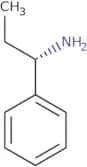
CAS:Versatile small molecule scaffoldFormula:C9H5NFSBrPurity:Min. 95%Molecular weight:258.11 g/mol(S)-(-)-1-Phenylpropylamine
CAS:(S)-(-)-1-Phenylpropylamine is a compound that can be synthesized by the asymmetric synthesis of 1-phenylethylamine. It is an amine that is used in the production of other compounds and has been shown to be reactive with a number of different compounds. The chemical profile of (S)-(-)-1-Phenylpropylamine consists mainly of aldehydes, amides, amines, and alkylating agents. This chiral molecule can be used for the production of drugs or as a precursor for other chemicals.
Formula:C9H13NPurity:Min. 95%Molecular weight:135.21 g/mol2-(4-Amino-1h-pyrazol-1-yl)ethanol
CAS:Versatile small molecule scaffold
Formula:C5H9N3OPurity:Min. 95%Molecular weight:127.15 g/mol(2S)-3-(3,4-dihydroxyphenyl)-2-{[(9H-fluoren-9-ylmethoxy)carbonyl]amino}propanoic acid
CAS:3,4-Dihydroxyphenylalanine (3,4-DOPA) is a non-protein amino acid that is an intermediate in the synthesis of dopamine and norepinephrine. 3,4-DOPA is metabolized by the enzyme dopa decarboxylase to dopamine and then by catechol-O-methyl transferase to norepinephrine. 3,4-DOPA has antioxidant properties and has been shown to have anticancer effects in animals. It also has been shown to interact with other biomolecules such as proteins and nucleic acids. 3,4-DOPA binds strongly to metal ions through its carboxylic acid group and can chelate metals such as copper or iron. This property may be used for coatings on metal surfaces or for interacting with other molecules.br>br> 3,4-Dopa contains a chiral center due to the presence of two stereogenic carbons on the phenFormula:C24H21NO6Purity:Min. 95%Molecular weight:419.4 g/mol(2S,6S)-2,6-Dimethylmorpholine
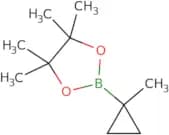
CAS:(2S,6S)-2,6-Dimethylmorpholine is an optically pure compound that can be used to optimize the epoxidase reaction. It belongs to the class of morpholines and has two enantiomers. The (2R,6R)-enantiomer is more active than the (2S,6S)-enantiomer in catalyzing the epoxidase reaction. The temperature optima for both enantiomers are different with the (2R,6R)-enantiomer having a higher optimal temperature than the (2S,6S) enantiomer. This compound can be used as a chiral auxiliary to separate racemic mixtures by focusing on one enantiomer at a time. It can also be used as an analytical method for determining plate number and plate height.Formula:C6H13NOPurity:Min. 95%Molecular weight:115.17 g/mol4,4,5,5-Tetramethyl-2-(1-methylcyclopropyl)-1,3,2-dioxaborolane
CAS:Versatile small molecule scaffoldFormula:C10H19BO2Purity:Min. 95%Molecular weight:182.07 g/mol3-Bromo-2-hydroxy-5-iodopyridine
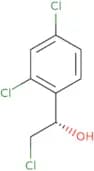
CAS:Versatile small molecule scaffoldFormula:C5H3BrINOPurity:Min. 95%Molecular weight:299.89 g/mol(S)-2,4-Dichloro-±-(chloromethyl)benzyl Alcohol
CAS:Versatile small molecule scaffoldFormula:C8H7Cl3OPurity:Min. 95%Molecular weight:225.49 g/molBromo-PEG4-azide
CAS:Bromo-PEG4-azide is a PEG compound with two different functional groups (also known as heterobifunctional). Unlike homobifunctional PEG compounds (same functional group on both ends), this type of compounds are more versatile as have two different anchor points. Bromo-PEG4-azide is used as a linker and spacer to add a PEG moiety, via pegylation (a bioconjugation technique) to proteins, peptides, oligonucleotides, small molecules and nanoparticles.
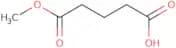
Formula:C10H20BrN3O4Purity:Min. 95%Molecular weight:326.19 g/molMonomethyl Glutarate
CAS:Monomethyl glutarate is a monomer for the synthesis of polymers. It has been used in the past as a precursor for the production of polyacrylic acid and its copolymers. Monomethyl glutarate is synthesized by the reaction of hydrochloric acid, high salt, and an expression plasmid containing glutarate dehydrogenase. This compound is also used as a reagent in kinetic studies of fatty acids and glutaric acid. Monomethyl glutarate is an acidic compound with a pKa value of 3.5 at 25°C. It is rapidly hydrolyzed in water to form monomethyl glutarate acid, which has a pKa value of 2.4 at 25°C. Monomethyl glutarate can be ingested orally or applied topically due to its low energy requirements for hydrolysis in water.
Formula:C6H10O4Purity:Min. 95%Molecular weight:146.14 g/mol1-[4-(Propan-2-yl)phenyl]ethan-1-ol
CAS:Versatile small molecule scaffold
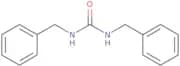
Formula:C11H16OPurity:Min. 95%Molecular weight:164.24 g/mol1,3-Dibenzylurea
CAS:1,3-Dibenzylurea is an organic molecule that has been used as a model system for the study of chemical reactions. This compound has been shown to have inhibitory properties against pain in animal studies and has been used to treat bowel disease. 1,3-Dibenzylurea can inhibit the inflammatory response by preventing the oxidative carbonylation of proteins. It also inhibits the production of inflammatory cytokines and chemokines in vitro. Nucleophilic attack by amines on the carbonyl group is a possible reaction pathway for this molecule.
Formula:C15H16N2OPurity:Min. 95%Molecular weight:240.3 g/molPyridazin-4-ylmethanol
CAS:Versatile small molecule scaffold
Formula:C5H6N2OPurity:Min. 95%Molecular weight:110.11 g/mol2-Azaspiro[3.3]heptane-2,6-dicarboxylic acid 2-tert-butyl ester
CAS:Versatile small molecule scaffoldFormula:C12H19NO4Purity:Min. 95%Molecular weight:241.28 g/molMethyl 2-cyanoprop-2-enoate, stabilized with MEHQ
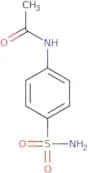
CAS:Please enquire for more information about Methyl 2-cyanoprop-2-enoate, stabilized with MEHQ including the price, delivery time and more detailed product information at the technical inquiry form on this pageFormula:C5H5NO2Purity:Min. 95%Molecular weight:111.10 g/mol4-Acetamidobenzenesulfonamide
CAS:4-Acetamidobenzenesulfonamide is a drug that inhibits the activity of several enzymes and is used in wastewater treatment. It has been shown to have a beneficial effect on metabolic disorders, such as insulin resistance, obesity, and type 2 diabetes. 4-Acetamidobenzenesulfonamide also regulates transcriptional activity by inhibiting the interaction between DNA and RNA polymerases. This drug has been shown to be active in treating autoimmune diseases, such as multiple sclerosis, rheumatoid arthritis, lupus erythematosus and Crohn's disease. It also aids in HIV infection by acting as an inhibitor of toll-like receptor signalling pathways. The drug binds to hydrogen bonds and hydrophobic interactions with water molecules to form a hydrophobic layer on the surface of cells in order to reduce water permeability. The drug also reduces bowel diseases such as ulcerative colitis and liver lesions caused by alcohol consumption or congestiveFormula:C8H10N2O3SPurity:Min. 95%Molecular weight:214.24 g/molMethyl 2-(6-chloropyridin-3-yl)acetate
CAS:Versatile small molecule scaffold
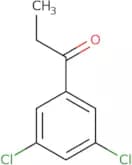
Formula:C8H8ClNO2Purity:Min. 95%Molecular weight:185.61 g/mol1-(3,5-Dichloro-phenyl)-propan-1-one
CAS:Versatile small molecule scaffold
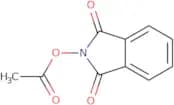
Formula:C9H8Cl2OPurity:Min. 95%Molecular weight:203.07 g/mol1,3-Dioxo-2,3-dihydro-1H-isoindol-2-yl acetate
CAS:1,3-Dioxo-2,3-dihydro-1H-isoindol-2-yl acetate is a reactive intermediate that can be used as a starting material for the synthesis of other organic compounds. It is synthesized by the reaction of an acid with an aldehyde or ketone in the presence of a base. The rate of this reaction depends on the functional groups present in both reactants and their relative concentrations. This intermediate can be converted to another chemical compound through various reactions, including hydroxymethylation, decarboxylation and oxidation. This chemical has been used as a cocatalyst for the production of 5-hydroxymethylfurfural (HMF).Formula:C10H7NO4Purity:Min. 95%Molecular weight:205.17 g/molMethyl 4-(2-Bromoethyl)benzoate
CAS:Methyl 4-(2-bromoethyl)benzoate is a potent HDAC6 inhibitor. It has been shown to inhibit cancer cell growth and induce apoptosis in vitro and in vivo. Methyl 4-(2-Bromoethyl)benzoate is also an anti-cancer agent that inhibits the histone deacetylase enzyme, which then prevents the transcription of genes involved in cancer development. In addition, this agent inhibits the production of prostaglandin E2, which may contribute to its anti-cancer activity. The most common side effects are nausea and vomiting.Formula:C10H11BrO2Purity:Min. 95%Molecular weight:243.1 g/moltert-Butyl 3-bromo-1,4,6,7-tetrahydro-5H-pyrazolo[4,3-c]pyridine-5-carboxylate
CAS:Versatile small molecule scaffoldFormula:C11H16BrN3O2Purity:Min. 95%Molecular weight:302.17 g/mol2,4-Dichloroimidazo[2,1-F][1,2,4]triazine
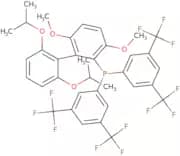
CAS:Versatile small molecule scaffoldFormula:C5H2Cl2N4Purity:Min. 95%Molecular weight:189 g/molBis(3,5-bis(trifluoromethyl)phenyl)(2²,6²-bis(isopropoxy)-3,6-dimethoxybiphenyl-2-yl)phosphine
CAS:Versatile small molecule scaffold
Formula:C36H31F12O4PPurity:Min. 95%Molecular weight:786.58 g/mol6-Chloro-2-methyl-4-pyrimidinol
CAS:6-Chloro-2-methyl-4-pyrimidinol is an aldehyde that reacts with hydrazine to form a monoxide, which reacts with carbon monoxide to form a hydrazide.Formula:C5H5ClN2OPurity:Min. 95%Molecular weight:144.56 g/moltert-Butyl 1,8-diazaspiro[4.5]decane-1-carboxylate
CAS:Versatile small molecule scaffoldFormula:C13H24N2O2Purity:Min. 95%Molecular weight:240.3 g/mol7-bromo-3-iodoimidazo[1,2-a]pyridine
CAS:Versatile small molecule scaffold
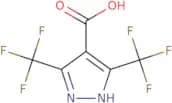
Formula:C7H4BrIN2Purity:Min. 95%Molecular weight:322.9 g/mol3,5-Bis(trifluoromethyl)-1H-pyrazole-4-carboxylic acid
CAS:3,5-Bis(trifluoromethyl)-1H-pyrazole-4-carboxylic acid is a chiral compound that has been shown to be an active building block for coordination frameworks. It is prepared from the reaction of 3,5-bis(trifluoromethyl)-1H-pyrazole with a carboxylic acid and can be used in the synthesis of metalloporphyrins. 3,5-Bis(trifluoromethyl)-1H-pyrazole-4-carboxylic acid has been shown to form stable coordination complexes with ligands such as bidentate or tridentate phosphoramidites and dimethylammonium chloride. This compound undergoes thermal treatment during the preparation process and reacts with various solvents and reagents.Formula:C6H2F6N2O2Purity:Min. 95%Molecular weight:248.08 g/mol1-(4-Chloro-2,6-dimethylphenyl)ethanone
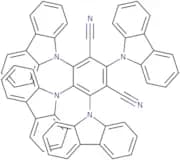
CAS:Versatile small molecule scaffoldFormula:C10H11ClOPurity:Min. 95%Molecular weight:182.64 g/mol2,4,5,6-Tetra(9H-carbazol-9-yl)isophthalonitrile
CAS:2,4,5,6-Tetra(9H-carbazol-9-yl)isophthalonitrile is a redox molecule that emits light when excited by an electron or photon. It is used in organic light emitting devices (OLEDs) as the emissive material. This compound has been shown to have low chemical stability and limited transport properties. Its efficiency can be improved by increasing the concentration of the molecule. Activated 2,4,5,6-tetra(9H-carbazol-9-yl)isophthalonitrile emits a bright red orange emission with a maximum at 569 nm and it is activated by electron transfer from an electrode. 2,4,5,6-Tetra(9H-carbazol-9-yl)isophthalonitrile has been shown to emit blue light when excited by UV light in the presence of oxygen as an oxidant.
Formula:C56H32N6Purity:Min. 98 Area-%Color and Shape:PowderMolecular weight:788.89 g/mol3-Methoxy-benzenesulfonic acid
CAS:Versatile small molecule scaffold
Formula:C7H8O4SPurity:Min. 95%Molecular weight:188.2 g/mol2-Methoxy-benzenesulfonic acid
CAS:2-Methoxy-benzenesulfonic acid is a synthetic chemical compound that is used in the production of polymers and other ester compounds. It can be produced by reacting benzenesulfonyl chloride with methanol in the presence of a strong acid catalyst. 2-Methoxy-benzenesulfonic acid reacts with radiation to produce reactive oxygen species that are capable of damaging cellular structures. The molecule contains an intramolecular hydrogen bond, which stabilizes the structure and helps to form hydrogen bonds with other molecules. 2-Methoxy-benzenesulfonic acid also has a hydroxyl group, which allows it to function as an acidic compound that can react with water and cause inflammation. This functional group also makes it soluble in water, allowing it to penetrate tissue structures.
Formula:C7H8O4SPurity:Min. 95%Molecular weight:188.2 g/moltert-Butyl 3-bromobenzylcarbamate
CAS:Versatile small molecule scaffoldFormula:C12H16BrNO2Purity:Min. 95%Molecular weight:286.16 g/mol4-Bromo-2-(hydroxymethyl)benzyl alcohol
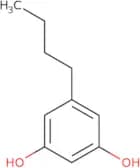
CAS:Versatile small molecule scaffoldFormula:C8H9BrO2Purity:Min. 95%Molecular weight:217.06 g/mol5-Butylbenzene-1,3-diol
CAS:Versatile small molecule scaffoldFormula:C10H14O2Purity:Min. 95%Molecular weight:166.22 g/mol1,7-Diazaspiro[4.4]nonane-7-carboxylic acid tert-butyl ester
CAS:Versatile small molecule scaffoldFormula:C12H22N2O2Purity:Min. 95%Molecular weight:226.32 g/mol8-Bromo-6-methoxyisoquinoline
CAS:Versatile small molecule scaffoldFormula:C10H8BrNOPurity:Min. 95%Molecular weight:238.08 g/mol3,3-Diethoxypropan-1-amine
CAS:3,3-Diethoxypropan-1-amine is a synthetic drug that reversibly inhibits the growth of bacteria. It has been shown to be effective against methicillin resistant strains of Staphylococcus aureus and Clostridium perfringens, with no detectable activity against acid-fast bacteria such as Mycobacterium tuberculosis or Mycobacterium avium complex. 3,3-Diethoxypropan-1-amine is a heterobifunctional compound that binds to epidermal growth factor with high affinity. 3,3-Diethoxypropan-1-amine can also bind to collagen and liposomal formulations, which may be useful for the treatment of wounds. This drug has been shown to inhibit δ opioid receptors in mice and rats, which is thought to contribute to its analgesic effects.Formula:C7H17NO2Purity:Min. 95%Molecular weight:147.22 g/molmethyl 4-bromo-3-formylbenzoate
CAS:Versatile small molecule scaffoldFormula:C9H7BrO3Purity:Min. 95%Molecular weight:243.1 g/molHexahydro-1H-pyrrolizin-1-amine
CAS:Hexahydro-1H-pyrrolizin-1-amine is a synthetic compound that is used to control endophytic fungi and fungal diseases in plants. The activity of this molecule is due to the acid molecules that are released when it reacts with plant tissue, which prevents the growth of fungi by inhibiting their cell membranes. Hexahydro-1H-pyrrolizin-1-amine also has an antibacterial effect, which may be due to its ability to bind to bacterial 16S ribosomal RNA and inhibit protein synthesis. This product can be used on plants that are infected with endophytic fungi or fungal diseases. It can also be applied as a preventative measure against future infections.Formula:C7H14N2Purity:Min. 95%Color and Shape:Clear LiquidMolecular weight:126.2 g/mol3-oxo-2,3,5,7-tetrahydro-pyrrolo[3,4-c]pyridazine-6-carboxylic acid tert-butyl ester
CAS:Versatile small molecule scaffoldFormula:C11H15N3O3Purity:Min. 95%Molecular weight:237.25 g/molABX464
CAS:ABX464 is a monoclonal antibody that targets bacterial translocation. It has been shown to have clinical efficacy in preventing the recurrence of inflammatory bowel disease. ABX464 binds to the M2 phenotype of macrophages and blocks the binding of chemoattractant protein to its receptor, leading to decreased inflammation and less bacterial translocation. It also prevents HIV infection by blocking viral attachment to CD4 cells and inhibiting HIV-1 replication.
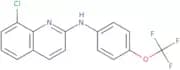
Formula:C16H10ClF3N2OPurity:Min. 95%Molecular weight:338.71 g/mol(4R)-5,7-Difluoro-3,4-dihydro-2H-1-benzopyran-4-ol
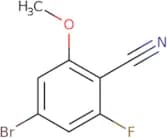
CAS:Versatile small molecule scaffoldFormula:C9H8F2O2Purity:Min. 95%Molecular weight:186.15 g/mol4-Bromo-2-fluoro-6-methoxybenzonitrile
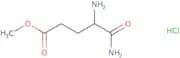
CAS:Versatile small molecule scaffoldFormula:C8H5NOFBrPurity:Min. 95%Molecular weight:230.03 g/molH-Glu(OMe)-NHdihydrochloride
CAS:Versatile small molecule scaffoldFormula:C6H13ClN2O3Purity:Min. 95%Molecular weight:196.63 g/mol2-Bromo-4-iodoanisole
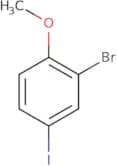
CAS:2-Bromo-4-iodoanisole is an electrophilic intermediate that can be synthetically prepared by regioselective halogenations of 4-iodoanisole. It is also a substrate for sequential halogenations with bromine or iodine. The 2-bromo-4-iodoanisole reacts with aluminum to form an aluminate, which can be used as a catalyst in organic synthesis. 2-Bromo-4-iodoanisole has been shown to react with aromatic rings by electrophilically attacking the ring and adding a second bromine atom to the ring, leading to quenching of the molecule and formation of structurally diverse products.Formula:C7H6BrIOPurity:Min. 95%Molecular weight:312.93 g/mol2-[3-Chloro-5-(trifluoromethyl)-2-pyridinyl]-acetonitrile
CAS:Versatile small molecule scaffoldFormula:C8H4ClF3N2Purity:Min. 95%Color and Shape:PowderMolecular weight:220.58 g/moltert-Butyl (3S,5S)-3-amino-5-fluoropiperidine-1-carboxylate
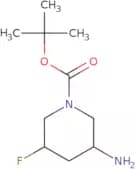
CAS:Versatile small molecule scaffoldFormula:C10H19FN2O2Purity:Min. 95%Molecular weight:218.27 g/mol2-(2-Bromophenyl)-2-hydroxyacetic acid
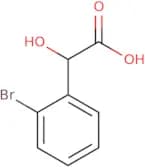
CAS:2-Bromophenyl-2-hydroxyacetic acid is a ligand that binds to the ethylene receptor in plants and can be used as a monomer for the polymerization of polyethylene. It has been shown that 2-bromophenyl-2-hydroxyacetic acid can also be used as an initiator for the polymerization of β-cyclodextrin. This compound has also been shown to be an analyte in gas chromatography, which is used to separate compounds based on their chemical properties. The use of this compound as a tethering agent has also been investigated with copolymerization reactions in order to create more stable polymers. 2-Bromophenyl-2-hydroxyacetic acid has been found to inhibit nonsteroidal antiinflammatory drugs and may have potential applications for chiral synthesis, such as mandelic acid production.
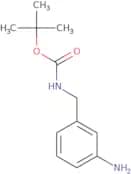
Formula:C8H7BrO3Purity:Min. 95%Molecular weight:231.04 g/mol(3-Aminobenzyl)carbamic acid tert-butyl ester
CAS:Versatile small molecule scaffold
Formula:C12H18N2O2Purity:Min. 95%Molecular weight:222.28 g/molFipexide hydrochloride
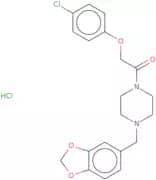
CAS:Fipexide is a dopamine analog that is used as an anti-inflammatory drug. Fipexide has been shown to be effective against inflammatory bowel disease, autoimmune diseases and chronic oral toxicity in animal models. The symptoms of fipexide are similar to the symptoms of Parkinson's disease, which include tremors, muscle rigidity and slowness of movement. Fipexide also has a reactive nitrogen atom in its molecular structure, which may contribute to its toxicity. It has been shown to have no effect on locomotor activity in animals with bowel disease.
Formula:C20H21ClN2O4·HClPurity:Min. 95%Molecular weight:425.31 g/mol1-(4-Ethylphenyl)-2,2,2-trifluoroethan-1-ol
CAS:Versatile small molecule scaffold
Formula:C10H11F3OPurity:Min. 95%Molecular weight:204.19 g/molAtorvastatin 3-deoxyhept-2-enoic acid calcium
CAS:Please enquire for more information about Atorvastatin 3-deoxyhept-2-enoic acid calcium including the price, delivery time and more detailed product information at the technical inquiry form on this pageFormula:(C33H33FN2O4)2•CaPurity:Min. 95%Molecular weight:1,121.26 g/mol1-tert-Butyl-1H-pyrazol-4-amine hydrochloride
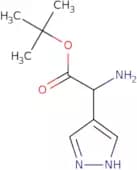
CAS:Versatile small molecule scaffoldFormula:C10H14ClN3O4Purity:Min. 95%Molecular weight:275.69 g/mol3-[(tert-butoxy)carbonyl]-3-azaspiro[5.5]undecane-9-carboxylic acid
CAS:Versatile small molecule scaffoldFormula:C16H27NO4Purity:Min. 95%Molecular weight:297.4 g/molEcamsule
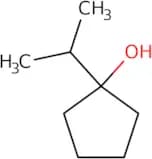
CAS:Ecamsule is a broad spectrum sunscreen agent that is used to protect skin from the harmful effects of ultraviolet radiation. It is a synthetic chemical compound with a molecular structure consisting of an octocrylene core and an organic side chain. Ecamsule is applied to the skin in the form of microcapsules and protects against UVA and UVB rays by absorbing them or by reflecting them away. The efficacy of this product has been shown in clinical studies on humans. Ecamsule has shown no adverse reactions in humans, but toxicological studies have not been conducted.Formula:C28H34O8S2Purity:Min. 95%Molecular weight:562.69 g/mol1-(Propan-2-yl)cyclopentan-1-ol
CAS:1-(Propan-2-yl)cyclopentan-1-ol is a chemical that belongs to the group of aliphatic alcohols. It has been synthesized in Australia.Formula:C8H16OPurity:Min. 95%Molecular weight:128.21 g/molH-Ala-Ala-Pro-OH trifluoroacetate
CAS:Please enquire for more information about H-Ala-Ala-Pro-OH trifluoroacetate including the price, delivery time and more detailed product information at the technical inquiry form on this page
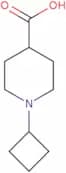
Formula:C11H19N3O4•C2HF3O2Purity:Min. 95%Molecular weight:371.31 g/mol1-Cyclobutylpiperidine-4-carboxylic acid
CAS:Versatile small molecule scaffold
Formula:C10H17NO2Purity:Min. 95%Molecular weight:183.25 g/mol(1S)-1-{[1,2,4]Triazolo[4,3-a]pyridin-3-yl}ethan-1-amine
CAS:Versatile small molecule scaffold
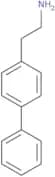
Formula:C8H10N4Purity:Min. 95%Molecular weight:162.19 g/mol2-(4-Biphenyl)ethylamine
CAS:2-(4-Biphenyl)ethylamine is a monovalent cation with a quaternary ammonium group. It has been shown to be an effective crystallization agent for the synthesis of 4-biphenylcarboxylic acid. The compound can be used as a standard for evaporative techniques and has been studied by x-ray crystallography. 2-(4-Biphenyl)ethylamine is soluble in water, ethanol, and chloroform but insoluble in ether. It appears as a white solid or colorless liquid with an amine odor that melts at 138 °C. 2-(4-Biphenyl)ethylamine exhibits optical properties similar to those of tetramethylenediamine and x-ray diffraction patterns similar to those of divalent metal ions such as iron.
Formula:C14H15NPurity:Min. 95%Color and Shape:PowderMolecular weight:197.28 g/mol[1,3]Diazino[4,5-d]pyrimidine-2,4-diamine
CAS:Please enquire for more information about [1,3]Diazino[4,5-d]pyrimidine-2,4-diamine including the price, delivery time and more detailed product information at the technical inquiry form on this pageFormula:C6H6N6Purity:Min. 95%Molecular weight:162.15 g/molTrans-3-aminocyclohexanecarboxylic acidhydrochloride
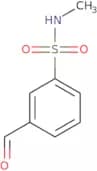
CAS:Versatile small molecule scaffoldFormula:C7H14ClNO2Purity:Min. 95%Molecular weight:179.64 g/mol3-Formyl-N-methyl-benzenesulfonamide
CAS:Versatile small molecule scaffoldFormula:C8H9NO3SPurity:Min. 95%Color and Shape:PowderMolecular weight:199.23 g/mol1-(2-Amino-4-methylthiazol-5-yl)-2-bromoethanone
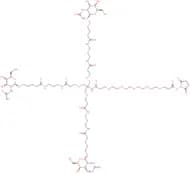
CAS:Versatile small molecule scaffoldFormula:C6H7BrN2OSPurity:Min. 95%Molecular weight:235.1 g/molTri-b-GalNAc-PEG5-NHS ester
CAS:Tri-GalNAc-NHS ester is a multivalent molecule composed of three GalNAc cluster arms. It is a protein degrader and a ligand of the asialoglycoprotein receptor (ASGPR) used for the development of targeted therapies for liver diseases. The GalNAc arms enable high-affinity binding to the ASGPR on hepatocyte surfaces. The crucial functional group, N-hydroxysuccinimide (NHS) ester, is known for its ease of conjugation with various biomolecules possessing amine (NH2) groups. This biocompatible reaction strategy allows the design and development of targeted conjugates such as drug-GalNAc conjugates, siRNA delivery vehicles, or probes for ASGPR imaging in the liver.Formula:C79H137N11O37Purity:Min. 95%Color and Shape:PowderMolecular weight:1,832.99 g/mol3,3',5'-Triiodo-D-thyronine
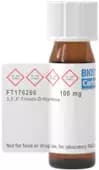
CAS:3,3',5'-Triiodo-D-thyronine is a thyroid hormone that is used in the treatment of hypothyroidism. It is administered by injection or by mouth. 3,3',5'-Triiodo-D-thyronine is an insoluble drug, which means it cannot be dissolved in water. This drug can be injected into the body or taken as a pill. 3,3',5'-Triiodo-D-thyronine has been shown to increase metabolic rate and may also inhibit the growth of certain types of tumors. 3,3',5'-Triiodo-D-thyronine has been used in diagnostic procedures such as iontophoresis and implanting devices to treat prostate cancer. This medication can also be used for cosmetic purposes such as skin rejuvenation and hair loss prevention. 3,3',5'-Triiodo-D-thyronine has two structural isomers: levothyroxine and
Formula:C15H12I3NO4Purity:Min. 95%Molecular weight:650.97 g/mol2-Sulfamoyl-1,3-thiazole-4-carboxylic acid
CAS:Please enquire for more information about 2-Sulfamoyl-1,3-thiazole-4-carboxylic acid including the price, delivery time and more detailed product information at the technical inquiry form on this pageFormula:C4H4N2O4S2Purity:Min. 95%Molecular weight:208.22 g/molH-Ser-Ala-Glu-Glu-Tyr-Glu-Tyr-Pro-Ser OH trifluoroacetate
CAS:Please enquire for more information about H-Ser-Ala-Glu-Glu-Tyr-Glu-Tyr-Pro-Ser OH trifluoroacetate including the price, delivery time and more detailed product information at the technical inquiry form on this page
Formula:C47H63N9O20•(C2HF3O2)xPurity:Min. 95%6-Amino-1,2-dihydro-2-thioxo-5-pyrimidinecarboxylic acid sodium
CAS:Please enquire for more information about 6-Amino-1,2-dihydro-2-thioxo-5-pyrimidinecarboxylic acid sodium including the price, delivery time and more detailed product information at the technical inquiry form on this pageFormula:C5H5N3O2S•NaPurity:Min. 95%Molecular weight:194.17 g/mol4-Amino-2-mercaptopyrimidine-5-carboxylic acid methyl ester
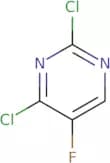
CAS:Please enquire for more information about 4-Amino-2-mercaptopyrimidine-5-carboxylic acid methyl ester including the price, delivery time and more detailed product information at the technical inquiry form on this pageFormula:C6H7N3O2SPurity:Min. 95%Molecular weight:185.21 g/mol2,4-Dichloro-5-fluoropyrimidine
CAS:2,4-Dichloro-5-fluoropyrimidine is an aromatic hydrocarbon that has been shown to inhibit the growth of mouse tumor cells in vitro. It also inhibits the production of amines by reacting with industrial chemicals and sodium carbonate. This compound has potent inhibitory activity against autoimmune diseases and cytotoxic potency on mcf-7 cells. Furthermore, 2,4-Dichloro-5-fluoropyrimidine has been shown to have a chlorinating effect on cancer cells.
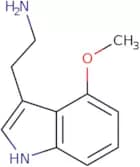
Formula:C4HCl2FN2Purity:Min. 95%Color and Shape:Off-White PowderMolecular weight:166.97 g/mol2-(4-Methoxy-1H-indol-3-yl)ethan-1-amine
CAS:Controlled Product2-(4-Methoxy-1H-indol-3-yl)ethan-1-amine is a synthetic compound that belongs to the class of organocatalysts. It is a serotonin receptor agonist, and has been shown to act as an antagonist at the 5HT2AR. This drug has been shown to have stereoselective effects in vitro, with high affinity for the S form of 5HT2AR. 2-(4-Methoxy-1H-indol-3-yl)ethan-1-amine also has some activity against dopamine receptors, but not as much as other compounds in its class. !--[if !supportLists]-->· !--[endif]-->This drug binds to speciogynine and alstovenine receptors, which are part of the opioid system.!--[if !supportLists]-->· !--[endif]-->Modelling studies suggest that 2-(4-M
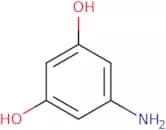
Formula:C11H14N2OPurity:Min. 95%Color and Shape:PowderMolecular weight:190.24 g/mol5-aminoresorcinol
CAS:5-aminoresorcinol is a nucleophilic compound that can be used in oriented photocatalysis. It has good operational stability and high photoreactivity, with a hydroxyl group and an aromatic benzyl group. The product has been shown to have neutral pH levels, which is suitable for the environment. 5-Aminoresorcinol can be reused for photoelectron mineralization and nitrate reduction.Formula:C6H7NO2Purity:Min. 95%Molecular weight:125.13 g/mol4-tert-Butyl-2,6-dimethylphenylsulfur trifluoride
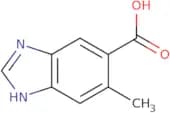
CAS:4-tert-Butyl-2,6-dimethylphenylsulfur Trifluoride is a chemical compound that is used as an intermediate in the synthesis of pharmaceuticals. It has been shown to be effective against 5-HT2C receptors and is used in the treatment of obesity. The mechanism of action for 4-tert-Butyl-2,6-dimethylphenylsulfur Trifluoride is not yet known but it may involve cleavage of amide bonds or stereoisomerism. 4-tert-Butyl-2,6-dimethylphenylsulfur Trifluoride has been synthesized by reacting hydrogen fluoride with sulfur trifluoride in the presence of a base.Formula:C12H17F3SPurity:90%MinColor and Shape:PowderMolecular weight:250.32 g/mol6-Methylbenzimidazole-5-carboxylic acid
CAS:Versatile small molecule scaffold
Formula:C9H8N2O2Purity:Min. 95%Molecular weight:176.17 g/molLithium orotate monohydrate
CAS:Please enquire for more information about Lithium orotate monohydrate including the price, delivery time and more detailed product information at the technical inquiry form on this pageFormula:C5H3LiN2O4Purity:Min. 95%Molecular weight:162.10 g/molPoly(dioxanone)
CAS:Poly(dioxanone) is a biocompatible polymer that has been shown to promote bone growth in animal models. It is a cross-linking agent and can be used as an alternative to copper chromite, which is the most common cross-linking agent used in tissue engineering. Poly(dioxanone) has been shown to promote bone growth by stimulating the production of growth factors and increasing the activity of osteoblasts, cells that produce new bone. The material also promotes matrix deposition and remodeling, leading to increased bone density.
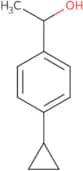
Formula:(C4H6O3)nPurity:Min. 95%Color and Shape:Powder1-(4-Cyclopropylphenyl)ethan-1-ol
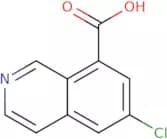
CAS:Versatile small molecule scaffoldFormula:C11H14OPurity:Min. 95%Color and Shape:Clear LiquidMolecular weight:162.23 g/mol6-Chloroisoquinoline-8-carboxylic acid
CAS:Versatile small molecule scaffoldFormula:C10H6ClNO2Purity:90%MinMolecular weight:207.61 g/mol4-[[5-[(4-Carboxyphenyl)amino]-2,4-dioxo-3-thiazolidinyl]methyl]benzoic acid
CAS:Please enquire for more information about 4-[[5-[(4-Carboxyphenyl)amino]-2,4-dioxo-3-thiazolidinyl]methyl]benzoic acid including the price, delivery time and more detailed product information at the technical inquiry form on this page
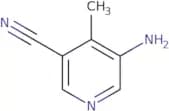
Formula:C1814N2O6SPurity:Min. 95%Molecular weight:386.38 g/mol5-Amino-4-methylnicotinonitrile
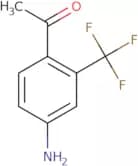
CAS:Versatile small molecule scaffoldFormula:C7H7N3Purity:Min. 95%Molecular weight:133.15 g/mol1-(4-Amino-2-trifluoromethyl-phenyl)-ethanone
CAS:Versatile small molecule scaffold
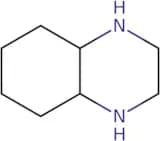
Formula:C9H8F3NOPurity:Min. 95%Molecular weight:203.16 g/molDecahydroquinoxaline
CAS:Decahydroquinoxaline is a heterocyclic compound that contains a nitrogen atom in its structure. The hydroxyl group on the ring can act as an electron-donating group, which can be important for receptor binding and neurotransmission. It also has anti-inflammatory properties. Decahydroquinoxaline has been shown to have anticancer and anti-inflammatory effects, as well as being used for the treatment of chronic arthritis, bowel disease, and dopamine production.
Formula:C8H16N2Purity:Min. 95%Molecular weight:140.23 g/mol1-[(4-Chlorophenyl)phenylmethyl]-4-[(3-methylphenyl)methyl]-piperazine hydrochloride
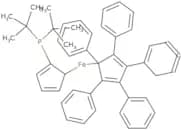
CAS:Please enquire for more information about 1-[(4-Chlorophenyl)phenylmethyl]-4-[(3-methylphenyl)methyl]-piperazine hydrochloride including the price, delivery time and more detailed product information at the technical inquiry form on this pageFormula:C25H27ClN2•HClPurity:Min. 95%Molecular weight:427.41 g/mol1,2,3,4,5-Pentaphenyl-1'-(di-tert-butylphosphino)ferrocene
CAS:1,2,3,4,5-Pentaphenyl-1'-(di-tert-butylphosphino)ferrocene (Pd(dba)2) is a reagent in the form of a dark brown liquid that can be used to synthesize benzene derivatives. It has been shown to be soluble in chloroform and toluene. This compound is stable at room temperature and it can be eluted with phenyl chloride. Pd(dba)2 is a ligand that binds to the metal palladium in order to facilitate the formation of complex compounds.
Formula:C48H47FePPurity:Min. 95%Color and Shape:Pink To Dark Red SolidMolecular weight:710.71 g/mol4-(Boc-aminomethyl)pyrazole
CAS:Versatile small molecule scaffoldFormula:C9H15N3O2Purity:Min. 95%Molecular weight:197.24 g/mol5-Chloro-3-methylpyridazine hydrochloride
CAS:Versatile small molecule scaffoldFormula:C5H6Cl2N2Purity:Min. 95%Molecular weight:165 g/molIsostearic acid
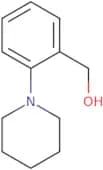
CAS:Please enquire for more information about Isostearic acid including the price, delivery time and more detailed product information at the technical inquiry form on this pageFormula:C18H36O2Molecular weight:284.48 g/mol(2-Piperidin-1-yl-phenyl)methanol
CAS:Versatile small molecule scaffold
Formula:C12H17NOPurity:Min. 95%Molecular weight:191.27 g/mol3,5,7-Trimethyl-1-aminoadamantane hydrochloride
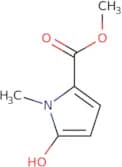
CAS:3,5,7-Trimethyl-1-aminoadamantane hydrochloride is a versatile building block that can be used in the production of various fine chemicals. 3,5,7-Trimethyl-1-aminoadamantane hydrochloride is a reagent and speciality chemical that has been used as a research chemical in the synthesis of complex compounds. It is also a useful building block for the synthesis of high quality reaction components and scaffolds.Formula:C13H23N•HClPurity:Min. 95%Color and Shape:White PowderMolecular weight:229.79 g/molMethyl 5-hydroxy-1-methyl-1H-pyrrole-2-carboxylate
CAS:Please enquire for more information about Methyl 5-hydroxy-1-methyl-1H-pyrrole-2-carboxylate including the price, delivery time and more detailed product information at the technical inquiry form on this page
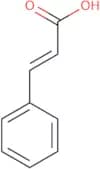
Formula:C7H9NO3Purity:Min. 95%Color and Shape:PowderMolecular weight:155.2 g/moltrans-Cinnamic acid
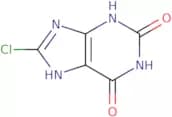
CAS:Cinnamic acid is a phenolic acid that is found in plants and has a general structure of CH2-C6H4-CO2H. It can be metabolized by the enzyme cinnamate 4-hydroxylase to caffeic acid. Cinnamic acid has been shown to have genotoxic activity through its ability to form DNA adducts, which can cause mutations in cells. This compound also has antioxidant properties and may be used as an anticancer agent due to its ability to inhibit proliferation of cancer cells and induce apoptosis. Cinnamic acid inhibits the production of prostaglandin E2 (PGE2) in rat primary astrocytes, which may lead to the development of inflammatory eye disorders such as uveitis or retinal detachment. The compound is also able to suppress the expression of toll-like receptor 2 (TLR2), which may make it useful for treatment of infectious diseases. Cinnamic acid also forms hydrogen bondsFormula:C9H8O2Purity:Min. 95%Color and Shape:White PowderMolecular weight:148.16 g/mol8-Chloro-3,7-dihydro-1H-purine-2,6-dione
CAS:8-Chloro-3,7-dihydro-1H-purine-2,6-dione is a reactive molecule that binds to the active site of bacterial cyclic nucleotide phosphodiesterases and inhibits their activity. This inhibition prevents the breakdown of cAMP and cGMP, which are important second messengers in eukaryotic cells. 8-Chloro-3,7-dihydro-1H-purine-2,6-dione is also a potent inhibitor of protein synthesis and has been used in research studies on wheat leaves.
Formula:C5H3N4O2ClPurity:Min. 95%Color and Shape:PowderMolecular weight:186.56 g/molTripropylphosphine
CAS:Tripropylphosphine is a fatty acid that can be synthesized by reacting tripropyl alcohol with phosphorus trichloride. Tripropylphosphine is soluble in organic solvents, and has an optical rotation of +58°. It has been shown to have cancer-inhibiting properties, as well as the ability to inhibit tumor growth and induce apoptosis in cancer cells. This compound may also be used as a growth regulator, since it inhibits the synthesis of certain proteins and enzymes.
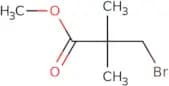
Formula:C9H21PPurity:Min. 95%Molecular weight:160.24 g/molMethyl 3-bromo-2,2-dimethylpropanoate
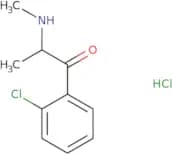
CAS:Versatile small molecule scaffoldFormula:C6H11BrO2Purity:Min. 95%Molecular weight:195.05 g/mol1-(2-Chlorophenyl)-2-(methylamino)propan-1-one hydrochloride
CAS:Controlled ProductVersatile small molecule scaffold
Formula:C10H12ClNO•HClPurity:Min. 95%Color and Shape:PowderMolecular weight:234.12 g/molH-His-pNA trifluoroacetate
CAS:Please enquire for more information about H-His-pNA trifluoroacetate including the price, delivery time and more detailed product information at the technical inquiry form on this pageFormula:C12H13N5O3•(C2HF3O2)xPurity:Min. 95%3-(Methoxymethoxy)bromobenzene
CAS:3-(Methoxymethoxy)bromobenzene is a white crystalline solid that is soluble in organic solvents. It has been shown to form polyethers and macrocyclic compounds, such as rotaxanes and catenanes. 3-(Methoxymethoxy)bromobenzene can be synthesized by reacting methoxymethanol with bromoiodobenzene in the presence of ammonium hexafluorophosphate. The compound has an x-ray crystallography and the chemical structure is determined by x-ray crystallography. It also has an NMR spectrum that consists of signals at δ 7.2, 6.7, 6.5, 5.0, 4.2, 3.7 ppm for C-H protons, which are characteristic of ethers; δ 190 for NH protons; δ 1.4 for CH protons; and δ 2.3 forFormula:C8H9BrO2Purity:Min. 95%Molecular weight:217.06 g/molγ-Ethyl L-glutamate N-carboxyanhydride
CAS:Please enquire for more information about γ-Ethyl L-glutamate N-carboxyanhydride including the price, delivery time and more detailed product information at the technical inquiry form on this pageFormula:C8H11NO5Purity:Min. 95%Molecular weight:201.18 g/mol



![(2S)-3-(3,4-dihydroxyphenyl)-2-{[(9H-fluoren-9-ylmethoxy)carbonyl]amino}propanoic acid](/_next/image/?url=https%3A%2Fstatic.cymitquimica.com%2Fproducts%2F3D%2Fthumb-webp%2FMFA01893.webp&w=3840&q=75)



![1-[4-(Propan-2-yl)phenyl]ethan-1-ol](/_next/image/?url=https%3A%2Fstatic.cymitquimica.com%2Fproducts%2F3D%2Fthumb-webp%2FBAA47510.webp&w=3840&q=75)

![2-Azaspiro[3.3]heptane-2,6-dicarboxylic acid 2-tert-butyl ester](/_next/image/?url=https%3A%2Fstatic.cymitquimica.com%2Fproducts%2F3D%2Fthumb-webp%2FLYB52653.webp&w=3840&q=75)


![tert-Butyl 3-bromo-1,4,6,7-tetrahydro-5H-pyrazolo[4,3-c]pyridine-5-carboxylate](/_next/image/?url=https%3A%2Fstatic.cymitquimica.com%2Fproducts%2F3D%2Fthumb-webp%2FLCD42906.webp&w=3840&q=75)
![2,4-Dichloroimidazo[2,1-F][1,2,4]triazine](/_next/image/?url=https%3A%2Fstatic.cymitquimica.com%2Fproducts%2F3D%2Fthumb-webp%2FKXC70089.webp&w=3840&q=75)

![tert-Butyl 1,8-diazaspiro[4.5]decane-1-carboxylate](/_next/image/?url=https%3A%2Fstatic.cymitquimica.com%2Fproducts%2F3D%2Fthumb-webp%2FKKB27992.webp&w=3840&q=75)
![7-bromo-3-iodoimidazo[1,2-a]pyridine](/_next/image/?url=https%3A%2Fstatic.cymitquimica.com%2Fproducts%2F3D%2Fthumb-webp%2FWZB18455.webp&w=3840&q=75)



![1,7-Diazaspiro[4.4]nonane-7-carboxylic acid tert-butyl ester](/_next/image/?url=https%3A%2Fstatic.cymitquimica.com%2Fproducts%2F3D%2Fthumb-webp%2FWAB05563.webp&w=3840&q=75)


![3-oxo-2,3,5,7-tetrahydro-pyrrolo[3,4-c]pyridazine-6-carboxylic acid tert-butyl ester](/_next/image/?url=https%3A%2Fstatic.cymitquimica.com%2Fproducts%2F3D%2Fthumb-webp%2FVFC49325.webp&w=3840&q=75)

![2-[3-Chloro-5-(trifluoromethyl)-2-pyridinyl]-acetonitrile](/_next/image/?url=https%3A%2Fstatic.cymitquimica.com%2Fproducts%2F3D%2Fthumb-webp%2FHGA76410.webp&w=3840&q=75)

![3-[(tert-butoxy)carbonyl]-3-azaspiro[5.5]undecane-9-carboxylic acid](/_next/image/?url=https%3A%2Fstatic.cymitquimica.com%2Fproducts%2F3D%2Fthumb-webp%2FVGA22881.webp&w=3840&q=75)


![(1S)-1-{[1,2,4]Triazolo[4,3-a]pyridin-3-yl}ethan-1-amine](/_next/image/?url=https%3A%2Fstatic.cymitquimica.com%2Fproducts%2F3D%2Fthumb-webp%2FMYB82328.webp&w=3840&q=75)
![[1,3]Diazino[4,5-d]pyrimidine-2,4-diamine](/_next/image/?url=https%3A%2Fstatic.cymitquimica.com%2Fproducts%2F3D%2Fthumb-webp%2FRAA35781.webp&w=3840&q=75)



![4-[[5-[(4-Carboxyphenyl)amino]-2,4-dioxo-3-thiazolidinyl]methyl]benzoic acid](/_next/image/?url=https%3A%2Fstatic.cymitquimica.com%2Fproducts%2F3D%2Fthumb-webp%2FFC183981.webp&w=3840&q=75)
![1-[(4-Chlorophenyl)phenylmethyl]-4-[(3-methylphenyl)methyl]-piperazine hydrochloride](/_next/image/?url=https%3A%2Fstatic.cymitquimica.com%2Fproducts%2F3D%2Fthumb-webp%2FFC183829.webp&w=3840&q=75)