Building Blocks
Subcategories of "Building Blocks"
- Boronic Acids & Boronic Acid Derivatives(5,778 products)
- Chiral Building Blocks(1,243 products)
- Hydrocarbon Building Blocks(6,098 products)
- Organic Building Blocks(61,036 products)
Found 205240 products of "Building Blocks"
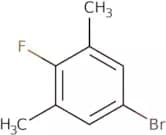
5-Bromo-2-fluoro-1,3-dimethylbenzene
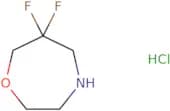
CAS:Please enquire for more information about 5-Bromo-2-fluoro-1,3-dimethylbenzene including the price, delivery time and more detailed product information at the technical inquiry form on this pageFormula:C8H8BrFPurity:Min. 95%Color and Shape:Clear Colourless To Yellow LiquidMolecular weight:203.05 g/mol6,6-difluoro-1,4-oxazepane hydrochloride
CAS:Versatile small molecule scaffoldFormula:C5H10ClF2NOPurity:Min. 95%Molecular weight:173.6 g/mol3-Bromo-2-fluoro-6-methylpyridine
CAS:Please enquire for more information about 3-Bromo-2-fluoro-6-methylpyridine including the price, delivery time and more detailed product information at the technical inquiry form on this pageFormula:C6H5BrFNPurity:Min. 95%Molecular weight:190.01 g/mol4-bromo-3-fluoro-1h-pyrazole
CAS:Versatile small molecule scaffold
Formula:C3H2BrFN2Purity:Min. 95%Molecular weight:164.97 g/mol5-Bromo-2-dimethylaminopyridine
CAS:Controlled ProductPlease enquire for more information about 5-Bromo-2-dimethylaminopyridine including the price, delivery time and more detailed product information at the technical inquiry form on this pageFormula:C7H9BrN2Purity:Min. 95%Molecular weight:201.01 g/mol3-(Difluoromethyl)-1-methyl-1H-pyrazole-4-carboxylic acid
CAS:3-(Difluoromethyl)-1-methyl-1H-pyrazole-4-carboxylic acid is a synthetic chemical that is used as a pesticide. This chemical has been found to be more effective than other pesticides because it can inhibit the synthesis of fatty acids, which are necessary for the growth of insect larvae. 3-(Difluoromethyl)-1-methyl-1H-pyrazole-4-carboxylic acid is synthesized by reacting sodium hydroxide solution with triethyl orthoformate in the presence of hexamethylenetetramine. This reaction produces a mixture of diethyl ester and carboxylate esters, which are then separated from each other. The resulting carboxylate ester is then oxidized to produce 3-(difluoromethyl)-1-methyl-1H pyrazole 4 carboxylic acid.
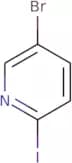
Formula:C6H6F2N2O2Purity:Min. 95%Color and Shape:White Off-White PowderMolecular weight:176.12 g/mol5-Bromo-2-iodopyridine
CAS:5-Bromo-2-iodopyridine is an antibiotic that is used to treat bacterial infections. It has been shown to inhibit the growth of bacteria by binding to the 50S ribosomal subunit. This drug also has a toxic effect on respiratory system cells, which may be due to its ability to induce apoptosis. 5-Bromo-2-iodopyridine interacts with DNA in a triazine ring and inhibits bacterial growth by inhibiting protein synthesis. The drug binds to the 50S ribosomal subunit at a site that is different from that of rifampin and other antibiotics. The reaction is catalyzed by palladium at high temperatures and takes place in organic solvents such as chloroform or benzene. This synthetic process can be made more efficient by using inexpensive starting materials, such as bromine, iodine, and acetone, rather than expensive starting materials like platinum or gold salts.
Formula:C5H3BrINPurity:Min. 95%Color and Shape:Slightly Yellow PowderMolecular weight:283.89 g/mol3,3-Diethoxypropan-1-amine
CAS:3,3-Diethoxypropan-1-amine is a synthetic drug that reversibly inhibits the growth of bacteria. It has been shown to be effective against methicillin resistant strains of Staphylococcus aureus and Clostridium perfringens, with no detectable activity against acid-fast bacteria such as Mycobacterium tuberculosis or Mycobacterium avium complex. 3,3-Diethoxypropan-1-amine is a heterobifunctional compound that binds to epidermal growth factor with high affinity. 3,3-Diethoxypropan-1-amine can also bind to collagen and liposomal formulations, which may be useful for the treatment of wounds. This drug has been shown to inhibit δ opioid receptors in mice and rats, which is thought to contribute to its analgesic effects.Formula:C7H17NO2Purity:Min. 95%Molecular weight:147.22 g/molSodium 2,3-dihydroxypropane-1-sulfonate
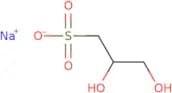
CAS:Sodium 2,3-dihydroxypropane-1-sulfonate is a granular detergent that can be used in the production of heavy duty liquid and solid granules. It is an anionic surfactant with a sulfonate group that has a granular consistency. This detergent is often used as a wetting agent in detergents and as a dispersing agent in paints, dyes, and pharmaceuticals. Sodium 2,3-dihydroxypropane-1-sulfonate has been shown to be effective at removing particulate matter from water and can also be used as a stabilizer for other surfactants during manufacturing.
Formula:C3H7NaO5SPurity:Min. 95%Molecular weight:178.14 g/mol2-Hydroxyethyl benzoate
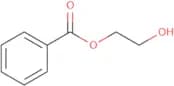
CAS:2-Hydroxyethyl benzoate is a model system that has been used to study the mechanism of hydrolysis of an ester with a hydroxyl group. The reaction products are a metal hydroxide and a chloride ion. 2-Hydroxyethyl benzoate is an antimicrobial agent that has shown activity against bacteria, fungi, and protozoa. It is thought to work by reacting with fatty acids in the cell membrane, leading to disruption of the membrane and leakage of cellular contents. It also reacts with chloride ions to form hydroxybenzoic acid and water molecules. The activation energy for this reaction was found to be around 19 kJ mol−1.
Formula:C9H10O3Purity:Min. 95%Molecular weight:166.17 g/mol2-Ethyl-4-methyl-1-pentanol
CAS:2-Ethyl-4-methyl-1-pentanol is a solvent that has been used in industrial applications such as wastewater treatment and chemical compositions. It is also a structural isomer of 2-ethylhexanol. 2-Ethyl-4-methyl-1-pentanol is soluble in water and has been shown to have toxic effects on test animals at high doses. However, it does not cause any acute toxicities in rats at lower doses. The use of this solvent may be limited by its potential carcinogenicity and toxicity to the liver and kidneys.Formula:C8H18OPurity:Min. 95%Color and Shape:Clear LiquidMolecular weight:130.23 g/mol2-Ethyl-4-methylpentanoic acid
CAS:2-Ethyl-4-methylpentanoic acid is an organic compound that can be found in vivo. It is a postoperative amide, which is used to reduce pain and inflammation. It has been shown to have anti-inflammatory effects in mice with allergic conjunctivitis. 2-Ethyl-4-methylpentanoic acid has also been shown to inhibit the proliferation of endothelial cells and increase ulceration in mice fed a high-fat diet. The compound binds to the CB2 receptor, inhibiting the production of matrix metalloproteinases, which are enzymes that break down collagen and cartilage. This drug also inhibits the production of nitric oxide and prostaglandin E2 by binding to the COX2 enzyme, which leads to reduced nasal congestion.br>br>
Formula:C8H16O2Purity:Min. 95%Molecular weight:144.21 g/mol2-(2-(3-Aminopropoxy)ethoxy)ethan-1-ol
CAS:Versatile small molecule scaffold
Formula:C7H17NO3Purity:Min. 95%Molecular weight:163.21 g/mol(2R,3S)-Benzyl 6-oxo-2,3-diphenylmorpholine-4-carboxylate
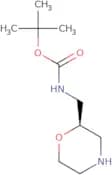
CAS:(2R,3S)-Benzyl 6-oxo-2,3-diphenylmorpholine-4-carboxylate is a molecule with an enantioselective synthesis and a preparative method. It has been catalysed by chiral reagents such as chiral catalysts, chiral auxiliaries, and chiral ligands. This molecule can be synthesized in racemic form or in the form of its two enantiomers. The two enantiomers have different physical properties and biological activities. (2S,3S)-Benzyl 6-oxo-2,3-diphenylmorpholine-4-carboxylate is known to be an inhibitor of protein kinase C (PKC) that causes the release of intracellular calcium ions from cytoplasmic stores. The other enantiomer (2R,3S)-benzyl 6-oxo-2,3-dFormula:C24H21NO4Purity:Min. 95%Molecular weight:387.43 g/mol(S)-2-(N-Boc-aminomethyl)morpholine
CAS:Versatile small molecule scaffold
Formula:C10H20N2O3Purity:Min. 95%Molecular weight:216.27 g/mol3-Methoxy-1-methyl-1H-pyrazole-4-carbaldehyde
CAS:Versatile small molecule scaffoldFormula:C6H8N2O2Purity:Min. 95%Color and Shape:PowderMolecular weight:140.14 g/molCASIN
CAS:CASIN is a lysine-derived antimicrobial agent that inhibits the growth of bacteria by binding to the peptide chains of collagen, which are found in skin and mucous membranes. CASIN has been shown to inhibit the growth of many bacterial species, including those that are resistant to other antibiotics. CASIN can be used for the treatment of infectious diseases caused by bacteria, such as bacterial vaginosis or chlamydia. CASIN has also been shown to reduce body mass index in animal models. The mechanism of action is not known but may involve interference with an enzyme that controls the biosynthesis of fatty acids. The use of CASIN in humans is limited due to its toxicity on human cells and potential safety concerns.
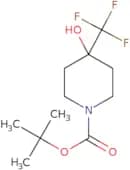
Formula:C20H22N2OPurity:Min. 95%Molecular weight:306.4 g/moltert-Butyl 4-hydroxy-4-(trifluoromethyl)piperidine-1-carboxylate
CAS:Versatile small molecule scaffoldFormula:C11H18F3NO3Purity:Min. 95%Molecular weight:269.26 g/molN-Methoxymethyl-N-(trimethylsilylmethyl)benzylamine
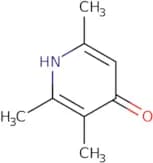
CAS:N-Methoxymethyl-N-(trimethylsilylmethyl)benzylamine is a chiral, electron deficient reagent that reacts with aldehydes and boronic esters to form products with high chemical yields. This compound can be used as a catalyst for acylation reactions, such as the synthesis of p-nitrophenol. N-Methoxymethyl-N-(trimethylsilylmethyl)benzylamine is synthesized by the reaction of trifluoroacetic acid and an amine, followed by chloroformate displacement. The product is then reacted with acylating agents in the presence of catalysts.Formula:C13H23NOSiPurity:Min. 95%Color and Shape:Clear Colourless To Pale Yellow LiquidMolecular weight:237.41 g/mol2,3,6-Trimethylpyridin-4(1H)-One
CAS:Versatile small molecule scaffoldFormula:C8H11NOPurity:Min. 95%Molecular weight:137.18 g/molMethyl 3-oxocyclohexanecarboxylate
CAS:Methyl 3-oxocyclohexanecarboxylate is a chiral molecule that belongs to the class of β-unsaturated ketones. It has been shown to interact with enzymes from horse liver, dehydrogenase and carbanion. Methyl 3-oxocyclohexanecarboxylate is unreactive under most conditions and does not react with other molecules. The compound can be used as a starting material for the synthesis of olefinic compounds.Formula:C8H12O3Purity:Min. 95%Molecular weight:156.18 g/molMethanesulfonato(diadamantyl-n-butylphosphino)-2'-amino-1,1'-biphenyl-2-yl)palladium(II) dichloromethane adduct
CAS:Please enquire for more information about Methanesulfonato(diadamantyl-n-butylphosphino)-2'-amino-1,1'-biphenyl-2-yl)palladium(II) dichloromethane adduct including the price, delivery time and more detailed product information at the technical inquiry form on this pageFormula:C37H52NO3PPdSPurity:Min. 95%Molecular weight:728.27 g/molN-Nitroso ramipril
Please enquire for more information about N-Nitroso ramipril including the price, delivery time and more detailed product information at the technical inquiry form on this page
Formula:C23H31N3O6Purity:Min. 95%Color and Shape:PowderMolecular weight:445.51 g/molN-Nitroso hydrochlorothiazide
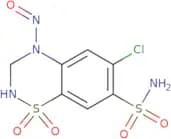
CAS:Please enquire for more information about N-Nitroso hydrochlorothiazide including the price, delivery time and more detailed product information at the technical inquiry form on this pageFormula:C7H7ClN4O5S2Purity:Min. 95%Molecular weight:326.74 g/molN-(4-Aminophenyl)-N-methyl-2-(4-methylpiperazin-1-yl)acetamide
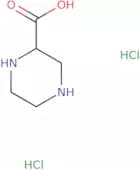
CAS:N-(4-Aminophenyl)-N-methyl-2-(4-methylpiperazin-1-yl)acetamide is an environmental and industrial chemical that is used as a formate, benzoate, and methyl benzoate intermediate. It reacts with nitric acid to form N-(4-aminophenyl)-N-methyl-2-(4-nitrophenoxy)acetamide (NPA). NPA has been shown to have antiangiogenic properties. NPA inhibits the proliferation of endothelial cells by interfering with the cell cycle and inducing apoptosis.Formula:C14H22N4OPurity:Min. 95%Molecular weight:262.35 g/molPiperazine-2-carboxylic acid dihydrochloride
CAS:Piperazine-2-carboxylic acid dihydrochloride (PZC) is an aminopyrimidine antibiotic that binds to the amine groups of plasma proteins and hydroxyapatite. It has been shown to have a specific interaction with Gram-negative bacteria, such as Escherichia coli and Salmonella typhimurium, as well as cancer cells. PZC can be used as a modifier in the treatment of staphylococcal infections and has been shown to inhibit protein synthesis in mammalian cells. PZC interacts with histidine residues on the surface of bacterial cells and inhibits their growth by binding to sites on DNA called triplexes. This drug also specifically binds to primary amines and reacts with other molecules containing amines such as polyamines, amides, or thiols.Formula:C5H12Cl2N2O2Purity:Min. 95%Color and Shape:PowderMolecular weight:203.07 g/mol2,5-Diethoxyterephthalohydrazide
CAS:2,5-Diethoxyterephthalohydrazide is an organic compound that has been used for the synthesis of linkers with various functional groups. It is a reactive intermediate in the synthesis of amines and compounds containing amine functional groups. 2,5-Diethoxyterephthalohydrazide has been shown to be stable under environmental conditions and can be used as a linker in organic solvents such as amines, alcohols or esters. This compound has also been shown to exhibit photocatalytic activity when irradiated by UV light. Techniques such as analytical chemistry and techniques can be used to characterize this compound's reactivity and stability.
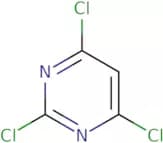
Formula:C12H18N4O4Purity:Min. 95%Molecular weight:282.3 g/mol2,4,6-Trichloropyrimidine
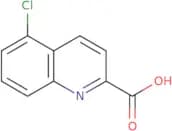
CAS:2,4,6-Trichloropyrimidine is an antimicrobial agent that belongs to the chemical class of pyrimidine compounds. It inhibits bacterial growth by cross-linking with amino acids and nucleic acids in the cell wall, thereby inhibiting protein synthesis. 2,4,6-Trichloropyrimidine is also a cross-linking agent for polymers such as polyurethane and vinyl chloride. This compound has been shown to be effective against P. aeruginosa and other bacteria that are resistant to antibiotics. 2,4,6-Trichloropyrimidine reacts with water vapor or oxygen nucleophiles to form hydrogen chloride and amine groups. These reactions can be used for identification of this compound in the laboratory.Formula:C4HCl3N2Purity:Min. 95%Color and Shape:PowderMolecular weight:183.42 g/mol5-Chloroquinoline-2-carboxylic acid
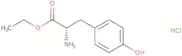
CAS:Versatile small molecule scaffoldFormula:C10H6ClNO2Purity:Min. 95%Molecular weight:207.61 g/molL-Tyrosine ethyl ester hydrochloride
CAS:L-Tyrosine ethyl ester hydrochloride is a non-protein amino acid that inhibits the activity of metalloproteases, which are enzymes that break down proteins. It has been shown to be effective against bowel disease and cancer by inhibiting the release of inflammatory cytokines. L-Tyrosine ethyl ester hydrochloride also has anti-inflammatory properties and can be used in the treatment of depression and liver cirrhosis. This drug is an inhibitor of hydroxylase, which is an enzyme involved in the synthesis of melanin. It is a structural analogue to L-DOPA, which is used for Parkinson's disease. L-Tyrosine ethyl ester hydrochloride has been shown to have antihypertensive effects and can be used as a diuretic agent.
Formula:C11H15NO3·HClPurity:Min. 95%Color and Shape:PowderMolecular weight:245.7 g/mol[2'-(Amino-ºN)[1,1'-biphenyl]-2-yl-C][[3,6-dimethoxy-2',4',6'-tris(1-methylethyl)[1,1'-biphenyl]-2-yl]bis(1,1-dimethylethyl)phosphin e-ºP](methanesulfonato-ºO)palladium (tBuBrettPhos Pd G3)
CAS:The chemical is a palladium-based complex that inhibits the activity of α4β7 integrin. It has been shown to be effective in prophylaxis and treatment of inflammatory diseases, such as autoimmune diseases, and other conditions, such as congenital disorders. The compound has been shown to inhibit the growth of plants by causing phytotoxic effects.Formula:C44H62NO5PPdSPurity:Min. 95%Molecular weight:854.43 g/mol(R)-2-(N-Boc-aminomethyl)morpholine
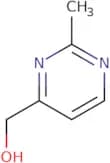
CAS:Versatile small molecule scaffoldFormula:C10H20N2O3Purity:Min. 95%Molecular weight:216.28 g/mol(2-Methyl-4-pyrimidinyl)methanol
CAS:Versatile small molecule scaffoldFormula:C6H8N2OPurity:Min. 95%Molecular weight:124.14 g/moltert-Butyl 3-bromo-1,4,6,7-tetrahydro-5H-pyrazolo[4,3-c]pyridine-5-carboxylate
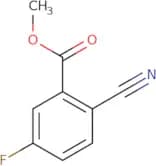
CAS:Versatile small molecule scaffoldFormula:C11H16BrN3O2Purity:Min. 95%Molecular weight:302.17 g/molMethyl 2-cyano-5-fluorobenzoate
CAS:Versatile small molecule scaffold
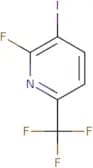
Formula:C9H6FNO2Purity:Min. 95%Molecular weight:179.15 g/mol2-Fluoro-3-iodo-6-(trifluoromethyl)pyridine
CAS:Versatile small molecule scaffoldFormula:C6H2F4INPurity:Min. 95%Molecular weight:290.98 g/moltert-Butyl 3-(4-aminophenyl)pyrrolidine-1-carboxylate
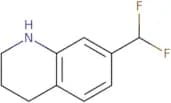
CAS:Versatile small molecule scaffoldFormula:C15H22N2O2Purity:Min. 95%Molecular weight:262.35 g/mol7-(Difluoromethyl)-1,2,3,4-tetrahydroquinoline
CAS:Versatile small molecule scaffold
Formula:C10H11F2NPurity:Min. 95%Molecular weight:183.2 g/mol1-Boc-pyrrolidine-3-ethanol
CAS:Versatile small molecule scaffold
Formula:C11H21NO3Purity:Min. 95%Molecular weight:215.29 g/mol1H-[1,2,3]Triazolo[4,5-d]pyrimidin-5-amine
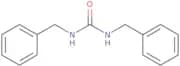
CAS:1H-[1,2,3]Triazolo[4,5-d]pyrimidin-5-amine is a nitro compound that binds to the receptor binding sites of certain inflammatory bowel disease and cancer cells. It also inhibits the production of adenosine in these cells. 1H-[1,2,3]Triazolo[4,5-d]pyrimidin-5-amine has been shown to be effective against bowel disease and cancer by inhibiting cyclic AMP (cAMP) degradation. This drug has also been shown to be an irreversible inhibitor of ischemia reperfusion injury in animal models. 1H-[1,2,3]Triazolo[4,5-d]pyrimidin-5-amine is a nitro compound that binds to the receptor binding sites of certain inflammatory bowel disease and cancer cells. It also inhibits the production of adenosine in these cells. 1HFormula:C4H4N6Purity:Min. 95%Molecular weight:136.12 g/mol1,3-Dibenzylurea
CAS:1,3-Dibenzylurea is an organic molecule that has been used as a model system for the study of chemical reactions. This compound has been shown to have inhibitory properties against pain in animal studies and has been used to treat bowel disease. 1,3-Dibenzylurea can inhibit the inflammatory response by preventing the oxidative carbonylation of proteins. It also inhibits the production of inflammatory cytokines and chemokines in vitro. Nucleophilic attack by amines on the carbonyl group is a possible reaction pathway for this molecule.
Formula:C15H16N2OPurity:Min. 95%Molecular weight:240.3 g/mol1-[4-(Propan-2-yl)phenyl]ethan-1-ol
CAS:Versatile small molecule scaffold
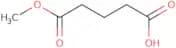
Formula:C11H16OPurity:Min. 95%Molecular weight:164.24 g/molMonomethyl Glutarate
CAS:Monomethyl glutarate is a monomer for the synthesis of polymers. It has been used in the past as a precursor for the production of polyacrylic acid and its copolymers. Monomethyl glutarate is synthesized by the reaction of hydrochloric acid, high salt, and an expression plasmid containing glutarate dehydrogenase. This compound is also used as a reagent in kinetic studies of fatty acids and glutaric acid. Monomethyl glutarate is an acidic compound with a pKa value of 3.5 at 25°C. It is rapidly hydrolyzed in water to form monomethyl glutarate acid, which has a pKa value of 2.4 at 25°C. Monomethyl glutarate can be ingested orally or applied topically due to its low energy requirements for hydrolysis in water.
Formula:C6H10O4Purity:Min. 95%Molecular weight:146.14 g/mol(1R,4R)-2-Oxa-5-azabicyclo[2.2.1]heptane hydrochloride
CAS:Versatile small molecule scaffoldFormula:C5H9NO·HClPurity:Min. 95%Molecular weight:135.59 g/mol6-Bromo-1-methyl-2,3-dihydro-1H-indazol-3-one
CAS:Versatile small molecule scaffold
Formula:C8H7BrN2OPurity:Min. 95%Molecular weight:227.06 g/mol4-Methoxy-3-(methoxymethyl)butan-1-ol
CAS:Versatile small molecule scaffoldFormula:C7H16O3Purity:Min. 95%Molecular weight:148.2 g/mol1,9-Nonanediol
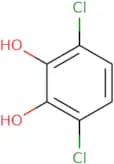
CAS:1,9-Nonanediol is a chemical substance that has been synthesized with the use of a constant pressure process. It is an asymmetric synthesis with light exposure. The molecule has been characterized by chromatographic methods and has the molecular formula CH3(CH2)9O. 1,9-Nonanediol is a dodecanedioic acid and an aliphatic hydrocarbon. It exists in two forms: one hydroxyl group and one hydrogen bond, which are both involved in the dehydration process. This substance does not have any chloride or magnetic resonance spectroscopy properties because it does not contain any chlorine atoms or hydrogen atoms.Formula:C9H20O2Purity:Min. 95%Molecular weight:160.25 g/mol3,6-Dichlorobenzene-1,2-diol
CAS:3,6-Dichlorobenzene-1,2-diol is a conjugate acid of benzene. It has two dimensions in the plane of the molecule and three dimensions in space. The molecule is composed of six carbon atoms, six hydrogen atoms, and one chlorine atom. 3,6-Dichlorobenzene-1,2-diol has a centroid at the center of the molecule that is surrounded by a ring of four hydrogen atoms. The hydrogen-bonded molecules stack on top of each other to form a hexagonal shape. 3,6-Dichlorobenzene-1,2-diol forms hydrogen bonds with other molecules through its lone pairs of electrons on both oxygen atoms as well as through its pi electron system.Formula:C6H4Cl2O2Purity:Min. 95%Molecular weight:179 g/mol3-(iodomethyl)oxetane
CAS:Versatile small molecule scaffold
Formula:C4H7IOPurity:Min. 95%Molecular weight:198 g/mol2-Bromo-5-methylpyridin-3-ol
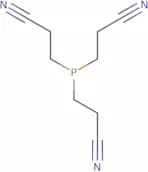
CAS:Versatile small molecule scaffoldFormula:C6H6BrNOPurity:Min. 95%Molecular weight:188.02 g/molTris(2-cyanoethyl)phosphine
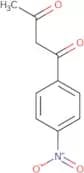
CAS:Tris(2-cyanoethyl)phosphine (TCEP) is a metal carbonyl compound that has been used as a reagent in organic chemistry. TCEP is an amphoteric molecule that can react with both acids and bases, and is stable in the pH range of 5 to 9. It has been shown to have anti-inflammatory properties by inhibiting neutrophil migration. TCEP also has biological properties, such as its ability to inhibit the growth of Cryptococcus neoformans. TCEP binds to the mitochondrial membrane potential, which prevents proton leakage through the membrane and inhibits oxidative phosphorylation. TCEP binds strongly to minerals such as sodium salts, which can be used to isolate this molecule from reaction solutions. TCEP can be obtained by laser ablation or X-ray crystallography techniques.Formula:C9H12N3PPurity:Min. 95 Area-%Molecular weight:193.19 g/mol1-(4-Nitrophenyl)butane-1,3-dione
CAS:1-(4-Nitrophenyl)butane-1,3-dione is a tautomer of 1,4-naphthoquinone. This compound has been reported to have an optical rotation of [alpha]D=+14.2° (C=1 in methanol). The triflate and carbonyl groups are involved in hydrogen bonding with each other. The hydrogen bond is a weak interaction that only occurs between polar molecules. This compound also has an x-ray crystal structure, which can be determined by diffraction studies. It is possible to synthesize this molecule from 1,4-naphthoquinone and butane-1,3-dione or by photolysis of 1-(4-nitrophenyl)-2,5-dioxopentanoic acid. In addition to its optical properties, the intramolecular hydrogen bonds give this molecule interesting optical properties.
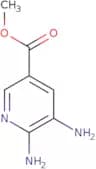
Formula:C10H9NO4Purity:Min. 95%Molecular weight:207.18 g/molMethyl 5,6-diaminopyridine-3-carboxylate
CAS:Versatile small molecule scaffoldFormula:C7H9N3O2Purity:Min. 95%Molecular weight:167.17 g/mol1-Boc-3-Oxo-1,4-diazepane
CAS:Versatile small molecule scaffold
Formula:C10H18N2O3Purity:Min. 95%Molecular weight:214.27 g/mol[(1S)-1-Ethyl-2-oxopropyl]-1,1-dimethylethyl ester carbamic acid
CAS:Versatile small molecule scaffoldFormula:C10H19NO3Purity:Min. 95%Molecular weight:201.26 g/moltert-Butyl (4-formylpyridin-2-yl)carbamate
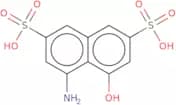
CAS:Versatile small molecule scaffoldFormula:C11H14N2O3Purity:Min. 95%Molecular weight:222.2 g/mol4-Amino-5-hydroxy-2,7-naphthalenedisulfonic acid
CAS:4-Amino-5-hydroxy-2,7-naphthalenedisulfonic acid (4-AHNDS) is a hydroxyl group and nitrogen containing molecule. It is a reactive compound that can be used to extract anions from water. 4-AHNDS has been shown to react with sodium ions in the presence of water, forming a salt that is soluble in water. This chemical also reacts with organic molecules and forms stable complexes. The reaction mechanism of 4-AHNDS has been studied by kinetic analysis and surface methodology measurements.Formula:C10H9NO7S2Purity:Min. 95%Color and Shape:PowderMolecular weight:319.31 g/mol1-Hydroxycyclopentane-1-carbonitrile
CAS:1-Hydroxycyclopentane-1-carbonitrile is a monomer that is hydrolyzed to form benzoin and cyanohydrins. It can be used in the production of scifinder as a monomer or dimerizer.
Formula:C6H9NOPurity:Min. 95%Molecular weight:111.14 g/mol(R)-tert-Butyl 2-methylpiperazine-1-carboxylate
CAS:(R)-tert-Butyl 2-methylpiperazine-1-carboxylate is a versatile building block that can be used for the synthesis of complex compounds. The compound is a reagent, speciality chemical, and useful building block in research. It can be used as a reaction component or scaffold in synthesis. (R)-tert-Butyl 2-methylpiperazine-1-carboxylate has been shown to react with nucleophiles such as amines and alcohols to form stable products. This product has high quality and is useful for chemical reactions involving carbonyl groups.Formula:C10H20N2O2Purity:Min. 95%Color and Shape:White PowderMolecular weight:200.28 g/molBisaboloxide A
CAS:Please enquire for more information about Bisaboloxide A including the price, delivery time and more detailed product information at the technical inquiry form on this pageFormula:C15H26O2Purity:Min. 95%Molecular weight:238.37 g/mol6-Bromo-4-hydroxypyrazolo[1,5-a]pyridine-3-carbonitrile
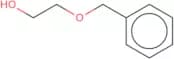
CAS:Please enquire for more information about 6-Bromo-4-hydroxypyrazolo[1,5-a]pyridine-3-carbonitrile including the price, delivery time and more detailed product information at the technical inquiry form on this pageFormula:C8H4BrN3OPurity:Min. 95%Molecular weight:238.04 g/mol2-Benzyloxyethanol
CAS:Please enquire for more information about 2-Benzyloxyethanol including the price, delivery time and more detailed product information at the technical inquiry form on this page
Formula:C9H12O2Purity:Min. 95%Color and Shape:Colorless Clear LiquidMolecular weight:152.19 g/mol(1S,4S)-tert-Butyl 2,5-diazabicyclo[2.2.1]heptane-2-carboxylate
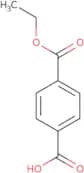
CAS:Please enquire for more information about (1S,4S)-tert-Butyl 2,5-diazabicyclo[2.2.1]heptane-2-carboxylate including the price, delivery time and more detailed product information at the technical inquiry form on this pagePurity:Min. 95%1,4-Benzenedicarboxylic acid, monoethyl ester
CAS:1,4-Benzenedicarboxylic acid, monoethyl ester (1,4-BDE) is a monomer that is used in the manufacture of polycarbonates and other plastics. 1,4-BDE is also used as a solvent for xylene and butanol. It has been shown to be useful in the production of polyester fibers. The monomer can be synthesized by reacting ethylene with terephthalic acid or dimethyl terephthalate (DMT). This reaction produces 1,4-BDE and methanol as byproducts. The process is carried out at temperatures of 250 °C to 300 °C and under atmospheric pressure. The purified product can be isolated using distillation or extraction with organic solvents such as benzene or butanol. The reaction can be carried out in the presence of ruthenium, which acts as a catalyst.Formula:C10H10O4Purity:Min. 95%Color and Shape:White PowderMolecular weight:194.18 g/mol7-Chloro-5-nitro-1H-indazole
CAS:Versatile small molecule scaffold
Formula:C7H4ClN3O2Purity:Min. 95%Molecular weight:197.58 g/molDoxazosin
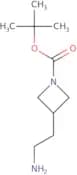
CAS:Doxazosin is a research chemical that has shown potential in various fields. It is a water-soluble compound that has been studied for its effects on microcystins, cytidine, and vitamins. Doxazosin has also been found to have aldehyde and particulate properties, making it a versatile compound for different applications. In the field of medicine, Doxazosin has been researched for its potential in treating certain conditions. Studies have shown that Doxazosin can interact with 1-hydroxy-2-naphthoic acid and glutamate, which are important molecules involved in various biological processes. Additionally, Doxazosin has shown promising results in inhibiting the growth of e. cloacae bacteria, making it a potential candidate for antibacterial treatments. Furthermore, Doxazosin has been studied in the field of chemistry due to its unique properties. It can undergo derivatization reactions with fatty acids and zFormula:C23H25N5O5Purity:Min. 95%Molecular weight:451.48 g/moltert-Butyl 3-(2-aminoethyl)azetidine-1-carboxylate
CAS:Versatile small molecule scaffoldFormula:C10H20N2O2Purity:Min. 95%Molecular weight:200.28 g/mol4-chloropyrimidine-2-carbonitrile
CAS:4-Chloropyrimidine-2-carbonitrile is an industrial chemical that belongs to the class of heterocycles. It is commonly used in the synthesis of amines, phenoxy compounds, and halides. This compound is widely used in research laboratories as a building block for the synthesis of various organic compounds. 4-Chloropyrimidine-2-carbonitrile is available in enantiopure form, making it suitable for chiral chemistry applications. It contains cyano and ethoxycarbonyl functional groups, which make it versatile for further derivatization. This compound exhibits solid catalyst properties and can be used as a methyl ether or amide precursor. Its emission properties make it useful in fluorescence-based assays and imaging techniques.
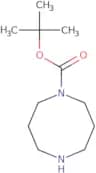
Formula:C5H2ClN3Purity:Min. 95%Molecular weight:139.5 g/moltert-Butyl 1,5-diazocane-1-carboxylate
CAS:Versatile small molecule scaffoldFormula:C11H22N2O2Purity:Min. 95%Molecular weight:214.3 g/mol4,7-dibromo-1H-benzo[d]imidazole
CAS:Versatile small molecule scaffoldFormula:C7H4Br2N2Purity:Min. 95%Molecular weight:275.93 g/mol1-Methyl-3-(3-sulfopropyl)-1H-imidazol-3-ium
CAS:Versatile small molecule scaffoldFormula:C7H12N2O3SPurity:Min. 95%Color and Shape:PowderMolecular weight:204.25 g/mol6-Chlorohexanol
CAS:6-Chlorohexanol is a fatty alcohol with a hydroxyl group. It is soluble in water and has a phase transition temperature of -114°C. 6-Chlorohexanol can be synthesized by reacting 2,6-dichlorophenol with hydrochloric acid and sodium hydroxide in the presence of azobenzene. The reaction solution is then heated to about 300°C for 3 hours. 6-Chlorohexanol is used as a model system for studying the photochemical reactions of fatty acids. Hydroxy groups are susceptible to light exposure, which leads to the formation of carbonyl compounds such as malonic acid and chloride monomers.Formula:C6H13ClOPurity:Min. 95%Color and Shape:PowderMolecular weight:136.62 g/molR-(-)-3-Chloro-1,2-propanediol
CAS:R-(-)-3-Chloro-1,2-propanediol is a chiral epoxide that is used in the synthesis of other chemicals. It has been shown to be active against bacterial strains such as corynebacterium and coryneform bacteria. This chemical can be synthesized from hydrochloric acid and chlorinated propane with an asymmetric synthesis. The R-(-)-3-Chloro-1,2-propanediol can also be synthesized through electrochemical methods using chloride ion as the reducing agent. This compound is soluble in water and shows kinetic activity with carbon sources when used as an antibiotic.
Formula:C3H7ClO2Purity:Min. 95%Color and Shape:Colorless Clear LiquidMolecular weight:110.54 g/molH-beta-Cyclohexyl-Ala-OMe·HCl
CAS:Please enquire for more information about H-beta-Cyclohexyl-Ala-OMe·HCl including the price, delivery time and more detailed product information at the technical inquiry form on this pageFormula:C10H19NO2·HClPurity:Min. 95%Molecular weight:221.72 g/mol(3S)-3- [4- [(2-Chlorophenyl) methyl] phenoxy] tetrahydrofuran
CAS:Please enquire for more information about (3S)-3- [4- [(2-Chlorophenyl) methyl] phenoxy] tetrahydrofuran including the price, delivery time and more detailed product information at the technical inquiry form on this pagePurity:Min. 95%Dibromoethane-d4
CAS:Controlled ProductPlease enquire for more information about Dibromoethane-d4 including the price, delivery time and more detailed product information at the technical inquiry form on this pageFormula:C2H4Br2Purity:Min. 95%Molecular weight:191.89 g/mol3-(3-Bromopropyl)thiophene
CAS:Versatile small molecule scaffoldFormula:C7H9BrSPurity:Min. 95%Molecular weight:205.12 g/mol2-Imidazolidone-4-carboxylic acid
CAS:2-Imidazolidone-4-carboxylic acid is a potent inhibitor of matrix metalloproteinases, which are enzymes that break down proteins in the extracellular matrix. 2-Imidazolidone-4-carboxylic acid inhibits the activity of both serine protease and matrix metalloproteinase, two enzymes involved in the inflammation process. 2-Imidazolidone-4-carboxylic acid has been shown to inhibit the transport of amino acids, leading to decreased protein synthesis and cell growth. It also inhibits cancer cells by disrupting their ability to grow new blood vessels and invade other tissues.Formula:C4H6N2O3Purity:Min. 95%Molecular weight:130.1 g/molChlorpheniramine N-oxide
CAS:Please enquire for more information about Chlorpheniramine N-oxide including the price, delivery time and more detailed product information at the technical inquiry form on this page
Formula:C16H19ClN2OPurity:Min. 95%Molecular weight:290.79 g/mol6-(Chloromethyl)pteridine-2,4-diamine monohydrochloride
CAS:Please enquire for more information about 6-(Chloromethyl)pteridine-2,4-diamine monohydrochloride including the price, delivery time and more detailed product information at the technical inquiry form on this pageFormula:C7H7ClN6•HClPurity:Min. 95%Molecular weight:247.08 g/molCyanidin 3-O-rutinoside
CAS:Please enquire for more information about Cyanidin 3-O-rutinoside including the price, delivery time and more detailed product information at the technical inquiry form on this pageFormula:C27H31O15Purity:Min. 95%Molecular weight:595.53 g/molCoproporphyrin III
CAS:Please enquire for more information about Coproporphyrin III including the price, delivery time and more detailed product information at the technical inquiry form on this page
Formula:C36H38N4O8Purity:Min. 95%Molecular weight:654.71 g/mol4-Chloro-N-[2-(1,2-dihydro-2-oxo-4-quinolinyl)ethyl]benzamide
CAS:Please enquire for more information about 4-Chloro-N-[2-(1,2-dihydro-2-oxo-4-quinolinyl)ethyl]benzamide including the price, delivery time and more detailed product information at the technical inquiry form on this page
Formula:C18H15ClN2O2Purity:Min. 95%Molecular weight:326.78 g/mol(Ir[dF(CF3)ppy]2(dtbpy))PF6
CAS:Ir(dF(CF3)ppy)2 (dtbpy)PF6 is a photosensitizer that can be used in cycloaddition reactions. It is soluble in nonpolar solvents and can be used as a catalyst for cycloadditions involving uncharged substrates. Ir(dF(CF3)ppy)2 (dtbpy)PF6 has been shown to catalyze the transfer of an electron from a donor molecule to an acceptor molecule, which generates energy that can be transferred to the environment. This process is called "energy transfer."Formula:C42H34F16IrN4PPurity:Min. 95%Molecular weight:1,121.91 g/mol(αR)-α-(2-Chlorophenyl)-2H-tetrazole-2-ethanol
CAS:Please enquire for more information about (αR)-α-(2-Chlorophenyl)-2H-tetrazole-2-ethanol including the price, delivery time and more detailed product information at the technical inquiry form on this page
Formula:C9H9ClN4OPurity:Min. 95%Molecular weight:224.65 g/molD-Carnosine trifluoroacetate
CAS:Please enquire for more information about D-Carnosine trifluoroacetate including the price, delivery time and more detailed product information at the technical inquiry form on this page
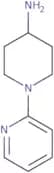
Formula:C9H14N4O3•(C2HF3O2)xPurity:Min. 95%(1-Pyridin-2-yl)piperidin-4-amine
CAS:(1-Pyridin-2-yl)piperidin-4-amine is a drug that acts as an anorexiant. It binds to the serotonin 5HT3 receptor, which is involved in the regulation of appetite and mood. It also blocks the action of serotonin at the 5HT4 receptor, which is involved in mediating intestinal motility. This agent has been shown to have a potent antagonist effect on the 1-4c alkyl group of serotonin receptors. The phenoxy group and methyl group are also responsible for binding with serotonin receptors and blocking their activity.Formula:C10H15N3Purity:Min. 95%Molecular weight:177.25 g/molN-[2-[(2S)-2-Cyano-4,4-difluoro-1-pyrrolidinyl]-2-oxoethyl]-6-[methyl[3-(1-piperazinyl)propyl]amino]-4-quinolinecarboxamide trifluor oacetate
CAS:Please enquire for more information about N-[2-[(2S)-2-Cyano-4,4-difluoro-1-pyrrolidinyl]-2-oxoethyl]-6-[methyl[3-(1-piperazinyl)propyl]amino]-4-quinolinecarboxamide trifluor oacetate including the price, delivery time and more detailed product information at the technical inquiry form on this pageFormula:C25H31F2N7O2•(C2HF3O2)xPurity:Min. 95%Molecular weight:499.56 g/molManganese bis(trifluoromethanesulfonate)
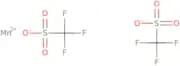
CAS:Manganese bis(trifluoromethanesulfonate) is a chemical compound that is soluble in acetone, ether, and anhydrous acetonitrile. It has been recrystallized from an ethanol-ether mixture and purified by filtration. The solubility of this chemical in acetone, ether, and anhydrous acetonitrile makes it useful for the preparation of manganese complexes with various ligands. Manganese bis(trifluoromethanesulfonate) is used as a catalyst in the epoxidation of olefins.Formula:C2F6MnO6S2Purity:Min. 95%Molecular weight:353.08 g/molPentanimidamide hydrochloride
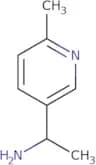
CAS:Pentanimidamide hydrochloride is a drug that belongs to the group of aromatic hydrocarbon drugs. It is a potent antihypertensive agent with a rapid onset and long duration of action. Pentanimidamide hydrochloride has been shown to inhibit the production of reactive oxygen species, which are generated by the respiratory chain in mitochondria, and to prevent the formation of pyrazinoic acid, an inhibitor of blood vessel relaxation. This drug also has been shown to reduce blood pressure in animal models by binding to specific receptors on cells in the cardiovascular system. The active form is bound to plasma proteins such as albumin and alpha-1-acid glycoprotein, which are found in high concentrations in erythrocytes. Pentanimidamide hydrochloride also binds to alkynyl groups and phenyl groups, which may be due to its ability to form covalent bonds with these functional groups.Formula:C5H13ClN2Purity:Min. 95%Molecular weight:136.62 g/mol1-(6-Methylpyridin-3-yl)ethanamine
CAS:Versatile small molecule scaffoldFormula:C8H12N2Purity:Min. 95%Molecular weight:136.19 g/mol4-Formylbenzoic acid
CAS:4-Formylbenzoic acid is an organic compound with the molecular formula CH2=C(O)CH=CHCO2H. It is a white solid that is soluble in water and has a strong, unpleasant odor. 4-Formylbenzoic acid has been shown to have affinity for binding to odorous molecules such as sulfur compounds, amines, and mercaptans. The binding of these molecules to the 4-formylbenzoic acid leads to a decrease in their odor concentration. This process can be done using electrochemical impedance spectroscopy or optical sensors. The oxidation of 4-formylbenzoic acid by trifluoroacetic acid produces 2-formylphenol and formaldehyde, which are themselves volatile compounds with an unpleasant odor. These reactions may be used as wastewater treatment methods. Langmuir adsorption isotherm may be used as an analytical method for measuring the concentration of 4-formylbenzoic acid
Formula:C8H6O3Purity:Min. 98 Area-%Color and Shape:White Yellow PowderMolecular weight:150.13 g/mol1-(Difluoromethyl)-1H-pyrazole-4-carbaldehyde
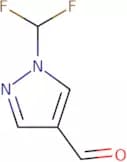
CAS:Versatile small molecule scaffoldFormula:C5H4F2N2OPurity:Min. 95%Molecular weight:146.09 g/molMethyl 2-(2-chloropyrimidin-4-yl)acetate
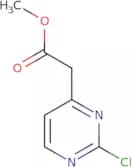
CAS:Versatile small molecule scaffold
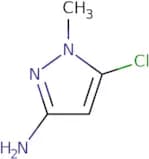
Formula:C7H7ClN2O2Purity:Min. 95%Molecular weight:186.59 g/mol5-Chloro-1-methyl-1H-pyrazol-3-amine
CAS:Versatile small molecule scaffold
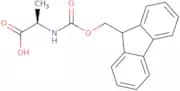
Formula:C4H6N3ClPurity:Min. 95%Molecular weight:131.56 g/molFmoc-D-Ala-OH
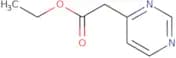
CAS:Fmoc-D-Ala-OH is a synthetic cyclic peptide that has been shown to have anticancer properties. This compound was synthesized by solid-phase chemistry and exhibits an inhibitory effect on cancer cells. Fmoc-D-Ala-OH blocks the synthesis of proteins in cancer cells, leading to cell death. It also inhibits the activity of serine proteases such as degarelix acetate, which are important for cancer cell growth and metastasis.Formula:C18H17NO4Purity:Min. 95%Color and Shape:PowderMolecular weight:311.33 g/molEthyl 2-(pyrimidin-4-yl)acetate
CAS:Versatile small molecule scaffoldFormula:C8H10N2O2Purity:Min. 95%Molecular weight:166.18 g/molFmoc-N-methylglycine
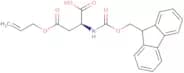
CAS:Fmoc-N-methylglycine is a modified form of the amino acid glycine, which has been modified to include a reactive group that can be used to link other molecules. This molecule has gram-negative bacterial activity and exhibits potent antibacterial activity against many gram-positive bacteria. Fmoc-N-methylglycine is also an antimicrobial peptide with binding constants in the nanomolar range. It is also an agent that binds to serotonin, which may explain its effects on mood and sleep. Fmoc-N-methylglycine can be synthesized using stepwise solid phase synthesis methods or by conjugation with other molecules.Formula:C18H17NO4Purity:Min. 95%Molecular weight:311.33 g/molFmoc-L-aspartic acid beta-allyl ester
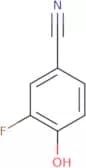
CAS:Fmoc-L-aspartic acid beta-allyl ester is a specific interaction between an amide and an enzyme target. It has been shown to have anti-inflammatory properties by inhibiting the activity of COX-2, which inhibits the production of prostaglandins. Fmoc-L-aspartic acid beta-allyl ester is a cyclic peptide with a lactam ring system that has been synthesized in a stepwise manner on a solid phase. This molecule interacts with cell line A549 and blocks the proliferation of cancer cells. Fmoc-L-aspartic acid beta-allyl ester also contains a disulfide bond that stabilizes its structure.Formula:C22H21NO6Purity:Min. 95%Molecular weight:395.41 g/mol3-Fluoro-4-hydroxybenzonitrile
CAS:3-Fluoro-4-hydroxybenzonitrile is a compound with an acidic ph and a strain that is dispersive, desorptive, and polyacrylamide gel. It is a colorless liquid at room temperature. 3-Fluoro-4-hydroxybenzonitrile has been shown to react with dodecyl inorganic base and hydrochloric acid to produce 3-fluoroaniline. The localization of the reaction yield is on hydrotalcite activated by fluorine. This chemical has been shown to react at temperatures between 0°C and 140°C.Formula:C7H4FNOPurity:Min. 95%Color and Shape:White PowderMolecular weight:137.11 g/mol















![[2'-(Amino-ºN)[1,1'-biphenyl]-2-yl-C][[3,6-dimethoxy-2',4',6'-tris(1-methylethyl)[1,1'-biphenyl]-2…](/_next/image/?url=https%3A%2Fstatic.cymitquimica.com%2Fproducts%2F3D%2Fthumb-webp%2FLLC47372.webp&w=3840&q=75)
![tert-Butyl 3-bromo-1,4,6,7-tetrahydro-5H-pyrazolo[4,3-c]pyridine-5-carboxylate](/_next/image/?url=https%3A%2Fstatic.cymitquimica.com%2Fproducts%2F3D%2Fthumb-webp%2FLCD42906.webp&w=3840&q=75)


![1H-[1,2,3]Triazolo[4,5-d]pyrimidin-5-amine](/_next/image/?url=https%3A%2Fstatic.cymitquimica.com%2Fproducts%2F3D%2Fthumb-webp%2FKAA17984.webp&w=3840&q=75)
![1-[4-(Propan-2-yl)phenyl]ethan-1-ol](/_next/image/?url=https%3A%2Fstatic.cymitquimica.com%2Fproducts%2F3D%2Fthumb-webp%2FBAA47510.webp&w=3840&q=75)
![(1R,4R)-2-Oxa-5-azabicyclo[2.2.1]heptane hydrochloride](/_next/image/?url=https%3A%2Fstatic.cymitquimica.com%2Fproducts%2F3D%2Fthumb-webp%2FBZA51579.webp&w=3840&q=75)






![[(1S)-1-Ethyl-2-oxopropyl]-1,1-dimethylethyl ester carbamic acid](/_next/image/?url=https%3A%2Fstatic.cymitquimica.com%2Fproducts%2F3D%2Fthumb-webp%2FEMA02105.webp&w=3840&q=75)



![6-Bromo-4-hydroxypyrazolo[1,5-a]pyridine-3-carbonitrile](/_next/image/?url=https%3A%2Fstatic.cymitquimica.com%2Fproducts%2F3D%2Fthumb-webp%2FFB182798.webp&w=3840&q=75)
![(1S,4S)-tert-Butyl 2,5-diazabicyclo[2.2.1]heptane-2-carboxylate](/_next/image/?url=https%3A%2Fstatic.cymitquimica.com%2Fproducts%2F3D%2Fthumb-webp%2FFB45380.webp&w=3840&q=75)

![4,7-dibromo-1H-benzo[d]imidazole](/_next/image/?url=https%3A%2Fstatic.cymitquimica.com%2Fproducts%2F3D%2Fthumb-webp%2FYFA18566.webp&w=3840&q=75)




![(3S)-3- [4- [(2-Chlorophenyl) methyl] phenoxy] tetrahydrofuran](/_next/image/?url=https%3A%2Fstatic.cymitquimica.com%2Fproducts%2F3D%2Fthumb-webp%2FFC181171.webp&w=3840&q=75)


![4-Chloro-N-[2-(1,2-dihydro-2-oxo-4-quinolinyl)ethyl]benzamide](/_next/image/?url=https%3A%2Fstatic.cymitquimica.com%2Fproducts%2F3D%2Fthumb-webp%2FFC184071.webp&w=3840&q=75)
![(Ir[dF(CF3)ppy]2(dtbpy))PF6](/_next/image/?url=https%3A%2Fstatic.cymitquimica.com%2Fproducts%2F3D%2Fthumb-webp%2FVJB98763.webp&w=3840&q=75)


![N-[2-[(2S)-2-Cyano-4,4-difluoro-1-pyrrolidinyl]-2-oxoethyl]-6-[methyl[3-(1-piperazinyl)propyl]amin…](/_next/image/?url=https%3A%2Fstatic.cymitquimica.com%2Fproducts%2F3D%2Fthumb-webp%2FFC184139.webp&w=3840&q=75)