Building Blocks
Subcategories of "Building Blocks"
- Boronic Acids & Boronic Acid Derivatives(5,778 products)
- Chiral Building Blocks(1,243 products)
- Hydrocarbon Building Blocks(6,098 products)
- Organic Building Blocks(61,036 products)
Found 205240 products of "Building Blocks"
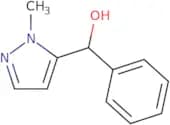
(1-Methyl-1H-pyrazol-5-yl)(phenyl)methanol
CAS:Versatile small molecule scaffold
Formula:C11H12N2OPurity:Min. 95%Molecular weight:188.23 g/molRef: 3D-HBA50065
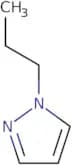
Discontinued product1-Propylpyrazole
CAS:1-Propylpyrazole is a non-classical inhibitor of aldehyde oxidase that has been shown to have an inhibitory effect on pentane. 1-Propylpyrazole has peroxidase-like activity, which means it can bind to lipid hydroperoxides in the presence of hydrogen peroxide or peroxidase. It has also been shown to be an effective inhibitor of dehydrogenase, which is an enzyme that catalyzes the oxidation of aldehydes and ketones to carboxylic acids. This drug is not active against classical aldehyde oxidases such as alcohol dehydrogenase, but it does inhibit polyunsaturated fatty acid synthesis by binding with cytochrome P450 enzymes.
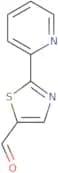
Formula:C6H10N2Purity:Min. 95%Molecular weight:110.16 g/mol2-(Pyridin-2-yl)-1,3-thiazole-5-carbaldehyde
CAS:Versatile small molecule scaffoldFormula:C9H6N2OSPurity:Min. 95%Molecular weight:190.22 g/molRef: 3D-ITB31725
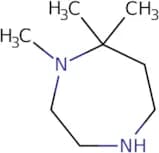
Discontinued product1,7,7-Trimethyl-1,4-diazepane
CAS:Versatile small molecule scaffold
Formula:C8H18N2Purity:Min. 95%Molecular weight:142.24 g/molRef: 3D-IMB71635
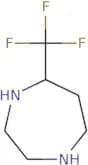
Discontinued product5-(Trifluoromethyl)-1,4-diazepane
CAS:Versatile small molecule scaffold
Formula:C6H11F3N2Purity:Min. 95%Molecular weight:168.16 g/molRef: 3D-MTB80067
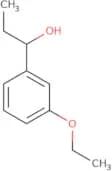
Discontinued product1-(3-Ethoxyphenyl)propan-1-ol
CAS:Versatile small molecule scaffold
Formula:C11H16O2Purity:Min. 95%Molecular weight:180.24 g/molRef: 3D-JLB56759
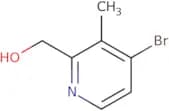
Discontinued product(4-Bromo-3-methylpyridin-2-yl)methanol
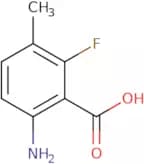
CAS:Versatile small molecule scaffoldFormula:C7H8BrNOPurity:Min. 95%Molecular weight:202.05 g/mol6-Amino-2-fluoro-3-methylbenzoic acid
CAS:Versatile small molecule scaffold
Formula:C8H8FNO2Purity:Min. 95%Molecular weight:169.15 g/molRef: 3D-MAB34784
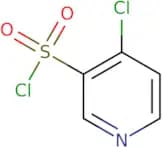
Discontinued product4-chloropyridine-3-sulfonyl chloride
CAS:4-Chloropyridine-3-sulfonyl chloride is a thrombin inhibitor that has been discovered through the use of in vitro screening methods. It is a small molecule with lipophilic properties and oral bioavailability. This compound inhibits thrombin by binding to the active site of the enzyme, which prevents the formation of an enzyme-thrombin complex. The discovery was made using a pharmacophore-based approach and further modifications were made to improve its potency and increase its lipophilicity. This compound also exhibits an acceptable level of bioavailability in vivo, which may be due to its high solubility in water.Formula:C5H3Cl2NO2SPurity:Min. 95%Molecular weight:212.1 g/molRef: 3D-IBA26344
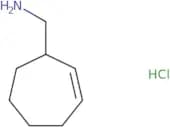
Discontinued product(Cyclohept-2-en-1-yl)methanamine hydrochloride
CAS:Versatile small molecule scaffold
Formula:C8H16ClNPurity:Min. 95%Molecular weight:161.7 g/molRef: 3D-KQD93769
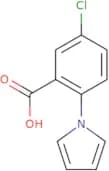
Discontinued product5-Chloro-2-(1H-pyrrol-1-yl)benzoic acid
CAS:Versatile small molecule scaffoldFormula:C11H8ClNO2Purity:Min. 95%Color and Shape:PowderMolecular weight:221.64 g/molRef: 3D-FCA54033
Discontinued product1-(Pyridin-3-yl)-1H-pyrazole-4-carboxylic acid hydrochloride
CAS:Versatile small molecule scaffold
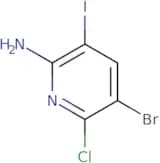
Formula:C9H8ClN3O2Purity:Min. 95%Molecular weight:225.63 g/mol5-Bromo-6-chloro-3-iodopyridin-2-amine
CAS:Versatile small molecule scaffold
Formula:C5H3BrClIN2Purity:Min. 95%Molecular weight:333.35 g/mol3-(Aminomethyl)-2,2-difluoropentane hydrochloride
CAS:Versatile small molecule scaffoldFormula:C6H14ClF2NPurity:Min. 95%Molecular weight:173.6 g/molRef: 3D-LUD64101
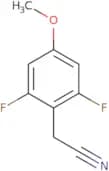
Discontinued product2,6-Difluoro-4-methoxyphenylacetonitrile
CAS:Versatile small molecule scaffold
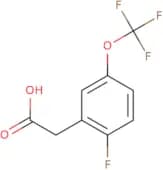
Formula:C9H7F2NOPurity:Min. 95%Molecular weight:183.16 g/mol2-Fluoro-5-(trifluoromethoxy)phenylacetic acid
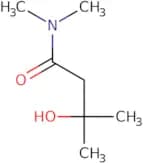
CAS:Versatile small molecule scaffoldFormula:C9H6F4O3Purity:Min. 95%Molecular weight:238.14 g/mol3-Hydroxy-N,N,3-trimethylbutanamide
CAS:3-Hydroxy-N,N,3-trimethylbutanamide is a liquid at room temperature. It is an additive that can be used in the production of nitrocellulose and as a preservative for nitrate film. 3-Hydroxy-N,N,3-trimethylbutanamide decomposes on exposure to UV light to form nitric oxide. It is also used as a photoinitiator in the synthesis of polymers by free radical polymerization reactions. The liquid composition can be thermally treated to produce stable silver nanoparticles.
Formula:C7H15NO2Purity:Min. 95%Molecular weight:145.2 g/molRef: 3D-LCA66547
Discontinued product3-[(3-Methoxypropyl)carbamoyl]propanoic acid
CAS:Versatile small molecule scaffold
Formula:C8H15NO4Purity:Min. 95%Molecular weight:189.21 g/mol2-{4-[2-(Pyrrolidin-1-yl)ethoxy]phenyl}ethan-1-amine dihydrochloride
CAS:Versatile small molecule scaffold
Formula:C14H24Cl2N2OPurity:Min. 95%Molecular weight:307.3 g/molRef: 3D-HHC68177
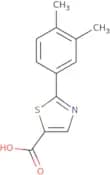
Discontinued product2-(3,4-Dimethylphenyl)-1,3-thiazole-5-carboxylic acid
CAS:Versatile small molecule scaffold
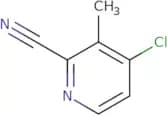
Formula:C12H11NO2SPurity:Min. 95%Molecular weight:233.29 g/mol4-chloro-3-methylpyridine-2-carbonitrile
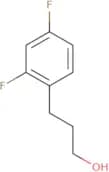
CAS:Rabeprazole is a proton pump inhibitor with antacid and anti-ulcer properties. It works by reducing the amount of acid produced in the stomach. Rabeprazole is used to treat conditions that cause excess stomach acid, such as Zollinger-Ellison syndrome and gastroesophageal reflux disease (GERD). Rabeprazole sodium is an alternative formulation of rabeprazole that has been modified to make it easier to dissolve in water.Formula:C7H5ClN2Purity:Min. 95%Molecular weight:152.58 g/mol3-(2,4-Difluorophenyl)propan-1-ol
CAS:Versatile small molecule scaffold
Formula:C9H10F2OPurity:Min. 95%Molecular weight:172.17 g/molRef: 3D-HNB20467
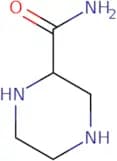
Discontinued productPiperazine-2-carboxamide
CAS:Piperazine-2-carboxamide is a synthetic drug that is used to treat tuberculosis. It binds to the mycolic acid of the bacterial cell wall, preventing it from forming an outer layer and disrupting its function. Piperazine-2-carboxamide also inhibits the synthesis of fatty acids and amines in bacteria, which are necessary for their survival. This drug can be synthesized by reacting piperazine with formaldehyde and acetamide.
Formula:C5H11N3OPurity:Min. 95%Molecular weight:129.16 g/mol[1-(Propan-2-yl)-1H-1,2,4-triazol-5-yl]methanamine
CAS:Versatile small molecule scaffoldFormula:C6H12N4Purity:Min. 95%Molecular weight:140.19 g/molRef: 3D-UIC24186
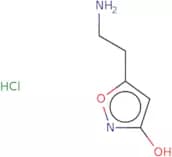
Discontinued product5-(2-Aminoethyl)-1,2-oxazol-3-ol hydrochloride
CAS:Versatile small molecule scaffold
Formula:C5H9ClN2O2Purity:Min. 95%Molecular weight:164.6 g/molRef: 3D-UND40740
Discontinued product2-Methyl-3-[2-(morpholin-4-yl)ethoxy]phenol
CAS:Versatile small molecule scaffold
Formula:C13H19NO3Purity:Min. 95%Molecular weight:237.29 g/molRef: 3D-UTB37022
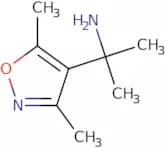
Discontinued product2-(Dimethyl-1,2-oxazol-4-yl)propan-2-amine
CAS:Versatile small molecule scaffold
Formula:C8H14N2OPurity:Min. 95%Molecular weight:154.21 g/molRef: 3D-VKC10832
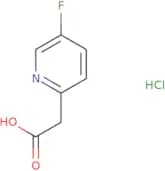
Discontinued product2-(5-Fluoropyridin-2-yl)acetic acid hydrochloride
CAS:Versatile small molecule scaffoldFormula:C7H7ClFNO2Purity:Min. 95%Molecular weight:191.59 g/mol2-[(1H-Indazol-5-yl)formamido]propanoic acid
CAS:Versatile small molecule scaffoldFormula:C11H11N3O3Purity:Min. 95%Molecular weight:233.22 g/molRef: 3D-WFC97336
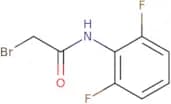
Discontinued product2-Bromo-N-(2,6-difluorophenyl)acetamide
CAS:Versatile small molecule scaffold
Formula:C8H6BrF2NOPurity:Min. 95%Molecular weight:250.04 g/molJMS-17-2
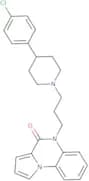
CAS:JMS-17-2 is a small molecule that was shown to have a potent and selective inhibitory effect on the production of chemokines in cancer cells. It blocks the interaction between CXCL12 and its receptor, CXCR4. This interaction is important for normal bone tissue development and function, as well as for chemotaxis and metastasis of cancer cells. JMS-17-2 has been shown to prevent tumor growth in animal models by inhibiting angiogenesis, or the formation of new blood vessels to supply nutrients to tumors. The drug also inhibits tumor growth by decreasing the number of primary tumors, reducing bone lesions, and inhibiting the progression of pancreatic cancer. Clinical trials are currently being conducted to assess the efficacy of JMS-17-2 in humans with advanced solid tumors.
Formula:C25H26ClN3OPurity:Min. 95%Molecular weight:419.95 g/molRef: 3D-FFC39205
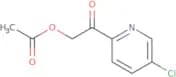
Discontinued product2-(5-Chloropyridin-2-yl)-2-oxoethyl acetate
CAS:Versatile small molecule scaffold
Formula:C9H8ClNO3Purity:Min. 95%Molecular weight:213.62 g/molRef: 3D-XWC38084
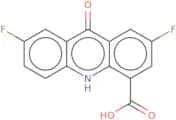
Discontinued product2,7-Difluoro-9-oxo-9,10-dihydroacridine-4-carboxylic acid
CAS:Versatile small molecule scaffold
Formula:C14H7F2NO3Purity:Min. 95%Molecular weight:275.2 g/molRef: 3D-XWC80123
Discontinued product2-(Benzylamino)-1-[3-(difluoromethoxy)phenyl]ethan-1-ol
CAS:Versatile small molecule scaffoldFormula:C16H17F2NO2Purity:Min. 95%Molecular weight:293.31 g/molRef: 3D-XWC80204
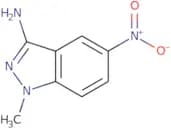
Discontinued product1-Methyl-5-nitro-1H-indazol-3-amine
CAS:Versatile small molecule scaffold
Formula:C8H8N4O2Purity:Min. 95%Molecular weight:192.18 g/mol4-Chloro-2-hydroxy-6-methylphenylboronic acid
CAS:Versatile small molecule scaffoldFormula:C7H8BClO3Purity:Min. 95%Molecular weight:186.4 g/mol3-Hydroxy-5-methylpyridine
CAS:3-Hydroxy-5-methylpyridine (3HMP) is a chemical substance that has been classified as an amine. It is a product of the metabolism of purines, which are nitrogenous bases found in DNA and RNA. 3HMP is produced by aerogenic bacteria (such as Enterobacter), and can be used to estimate the number of these bacteria present in water samples. 3HMP has been shown to have antiviral properties against influenza virus, and can be used as a biomarker for the presence of other viruses in animals. 3HMP also has mineralization properties, which have been studied extensively, particularly with regards to pancreatic disease.
Formula:C6H7NOPurity:Min. 95%Color and Shape:PowderMolecular weight:109.13 g/molRef: 3D-FH16174
Discontinued product2-Bromo-3,3,3-trifluoro-1-propene
CAS:Controlled Product2-Bromo-3,3,3-trifluoro-1-propene is a chemical compound that has been synthesized in an asymmetric reaction. The reactant is bromopropane and the product is 2,2,2-trifluoropropene. The methylene group on the propene molecule is activated by the nucleophilic attack of a fluoride ion from hydrogen fluoride to form a cavity with a highly strained bond. The kinetic study of this reaction revealed that the activation energy for the reaction is 42 kJ/mol. Palladium-catalyzed coupling reactions are catalyzed by palladium and require nonpolar solvents such as toluene or dichloromethane. This type of reaction has been shown to be exothermic with an isolated yield of 1%.
Formula:C3H2BrF3Purity:Min. 95%Color and Shape:Colorless PowderMolecular weight:174.95 g/mol4,5-Dihydroxy-2,3-Pentanedione
CAS:4,5-Dihydroxy-2,3-pentanedione is a carbonyl compound that is the product of the oxidation of ascorbic acid. It is used in wastewater treatment and has antimicrobial properties against infectious diseases. This compound has been shown to inhibit protein synthesis by binding to the ribosome and preventing the formation of peptide bonds between amino acids. 4,5-Dihydroxy-2,3-pentanedione has also been shown to bind to plasma proteins, which may be due to its acyl chain structure. 4,5-Dihydroxy-2,3-pentanedione can be synthesized in a catalytic mechanism that involves dehydroascorbic acid and molecular oxygen.
Formula:C5H8O4Purity:Min. 95%Color and Shape:PowderMolecular weight:132.11 g/molRef: 3D-FD180770
Discontinued productPiperyline
CAS:Piperyline is an alkanoic acid that has shown to be effective against skin cancer. It also has antimicrobial properties, which may be due to its ability to bind metal ions and form polymeric compounds. Piperyline inhibits microbial growth by inhibiting the synthesis of proteins and nucleic acids. The antimicrobial activity is related to its cationic polymerization with hydroxyl groups, which forms a structure that can inhibit microbial enzymes and disrupt microbial cell membranes. This compound also interacts with the skin's natural lipids, making it difficult for microorganisms to attach and grow on the skin. Piperyline is synthesized in organic chemistry laboratories as an amide precursor of other pharmaceuticals such as penicillin.
Formula:C16H17NO3Purity:Min. 95%Molecular weight:271.31 g/mol



![3-[(3-Methoxypropyl)carbamoyl]propanoic acid](/_next/image/?url=https%3A%2Fstatic.cymitquimica.com%2Fproducts%2F3D%2Fthumb-webp%2FLGA78591.webp&w=3840&q=75)
![2-{4-[2-(Pyrrolidin-1-yl)ethoxy]phenyl}ethan-1-amine dihydrochloride](/_next/image/?url=https%3A%2Fstatic.cymitquimica.com%2Fproducts%2F3D%2Fthumb-webp%2FHHC68177.webp&w=3840&q=75)
![[1-(Propan-2-yl)-1H-1,2,4-triazol-5-yl]methanamine](/_next/image/?url=https%3A%2Fstatic.cymitquimica.com%2Fproducts%2F3D%2Fthumb-webp%2FUIC24186.webp&w=3840&q=75)
![2-Methyl-3-[2-(morpholin-4-yl)ethoxy]phenol](/_next/image/?url=https%3A%2Fstatic.cymitquimica.com%2Fproducts%2F3D%2Fthumb-webp%2FUTB37022.webp&w=3840&q=75)
![2-[(1H-Indazol-5-yl)formamido]propanoic acid](/_next/image/?url=https%3A%2Fstatic.cymitquimica.com%2Fproducts%2F3D%2Fthumb-webp%2FWFC97336.webp&w=3840&q=75)
![2-(Benzylamino)-1-[3-(difluoromethoxy)phenyl]ethan-1-ol](/_next/image/?url=https%3A%2Fstatic.cymitquimica.com%2Fproducts%2F3D%2Fthumb-webp%2FXWC80204.webp&w=3840&q=75)