


Building Blocks
Subcategories of "Building Blocks"
- Boronic Acids & Boronic Acid Derivatives(5,778 products)
- Chiral Building Blocks(1,243 products)
- Hydrocarbon Building Blocks(6,099 products)
- Organic Building Blocks(61,038 products)
Found 205376 products of "Building Blocks"
3-(Chloromethyl)-5-phenylisoxazole
CAS:3-(Chloromethyl)-5-phenylisoxazole is a water soluble moiety that is used in the synthesis of conjugates with antitumor activity. 3-(Chloromethyl)-5-phenylisoxazole has been shown to inhibit the growth of brain tumors by binding to DNA, inhibiting transcription and replication. The drug also inhibits protein synthesis and cell division. This compound can be esterified and isothiazole substituted to form an antitumor drug that has a strong antiproliferative effect on human leukemia cells. The biological activity of 3-(chloromethyl)-5-phenylisoxazole can be enhanced by catalytic hydrogenation with methanol in acidic conditions.
Formula:C10H8ClNOPurity:Min. 95%Molecular weight:193.63 g/molRef: 3D-PAA73110
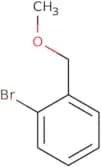
Discontinued product1-Bromo-2-(methoxymethyl)benzene
CAS:1-Bromo-2-(methoxymethyl)benzene is a boronic acid that is used in the synthesis of palladium complexes. It is synthesized by reacting 1-bromobenzene with methanol and methoxymethyl chloride. The 1-bromo-2-(methoxymethyl)benzene has been used as a ligand for palladium complexes, which are often used to catalyze organic reactions, such as the metathesis reaction. Synthetic methods have been developed to produce the compound and NMR spectra have been obtained to provide kinetic data on these reactions.
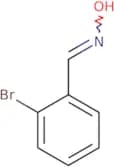
Formula:C8H9BrOPurity:Min. 95%Molecular weight:201.06 g/mol2-Bromobenzaldoxime
CAS:2-Bromobenzaldoxime is a biologically active molecule that has been shown to have significant physiological activities. It is an aldehyde, which is metabolized by the liver or kidneys into the corresponding alcohol, 2-bromoethanol. 2-Bromobenzaldoxime has been shown to be synthesized from diethyl ether and potassium phosphate in the presence of amino acids. The reaction proceeds with dehydration of the intermediate bromohydrin to form an aldoxime. This molecule can be used as a pharmaceutical drug for various diseases such as diabetes mellitus, hypertension, and inflammation.
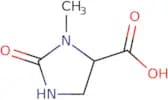
Formula:C7H6BrNOPurity:Min. 95%Molecular weight:200.03 g/mol3-Methyl-2-oxoimidazolidine-4-carboxylic acid
CAS:Versatile small molecule scaffold
Formula:C5H8N2O3Purity:Min. 95%Molecular weight:144.13 g/molRef: 3D-PCC89794
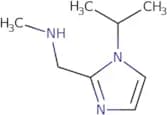
Discontinued product1-(1-Isopropyl-1H-imidazol-2-yl)-N-methylmethanamine
CAS:Versatile small molecule scaffold
Formula:C8H15N3Purity:Min. 95%Molecular weight:153.22 g/mol[1-(Fluoromethyl)cyclopropyl]methanesulfonyl chloride
CAS:Versatile small molecule scaffold
Formula:C5H8ClFO2SPurity:Min. 95%Molecular weight:186.63 g/molRef: 3D-PCC96395
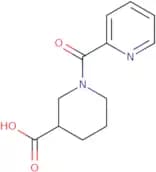
Discontinued product1-(Pyridine-2-carbonyl)piperidine-3-carboxylic acid
CAS:Versatile small molecule scaffold
Formula:C12H14N2O3Purity:Min. 95%Molecular weight:234.25 g/molRef: 3D-BMB24686
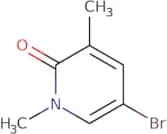
Discontinued product5-Bromo-1,3-dimethylpyridin-2(1H)-one
CAS:Benzyne is a reactive intermediate that is formed by the tautomerization of 5-bromo-1,3-dimethylpyridin-2(1H)-one. It is an adduct between a bromine atom and a benzene ring. This compound has been shown to react with electron-rich olefins to form bicyclic compounds called diels-alder adducts. These reactions are often catalyzed by metals, such as palladium or nickel. Benzyne also reacts with triple bonds or other electron rich centers to form benzyne adducts, which are highly reactive and can be used as chemical probes for electron density in molecules.
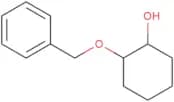
Formula:C7H8BrNOPurity:Min. 95%Molecular weight:202.05 g/molrac-(1R,2R)-2-(Benzyloxy)cyclohexan-1-ol
CAS:Versatile small molecule scaffold
Formula:C13H18O2Purity:Min. 95%Molecular weight:206.28 g/molRef: 3D-BCA32929
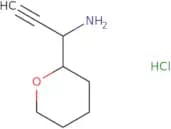
Discontinued product1-(Oxan-2-yl)prop-2-yn-1-amine hydrochloride
CAS:Versatile small molecule scaffoldFormula:C8H14ClNOPurity:Min. 95%Molecular weight:175.65 g/molRef: 3D-PED67166
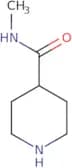
Discontinued productN-Methylpiperidine-4-carboxamide
CAS:Versatile small molecule scaffold
Formula:C7H14N2OPurity:Min. 95%Molecular weight:142.2 g/molRef: 3D-BAA90369
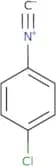
Discontinued product1-Chloro-4-isocyanobenzene
CAS:1-Chloro-4-isocyanobenzene (1CI) is an organic compound that has been used as a chemical probe for the detection of amines and other molecules on metal surfaces. The frequency shift in Raman spectra, which is observed after the addition of 1CI to the metal surface, is used to detect amines. 1CI has also been shown to be a potent inhibitor of mitochondrial function. This molecule binds to nucleophilic sites on metal surfaces and forms covalent bonds with them, leading to a high degree of inhibition.
1CI can be synthesized in three steps from commercially available starting materials and is relatively easy to purify.Formula:C7H4ClNPurity:Min. 95%Molecular weight:137.56 g/mol2-[3-(Propan-2-yl)phenoxy]acetic acid
CAS:2-[3-(Propan-2-yl)phenoxy]acetic acid is a chemical compound that is used as an additive in benzene, and is a phytotoxic chemical. It prevents the formation of chlorophyll by blocking electron transport and inhibiting photosynthesis. 2-[3-(Propan-2-yl)phenoxy]acetic acid is used to induce callus tissue from lettuce, radish, and other plants. This compound also inhibits the growth of various bacteria including Escherichia coli and Pseudomonas aeruginosa.
Formula:C11H14O3Purity:Min. 95%Molecular weight:194.23 g/molRef: 3D-BAA87852
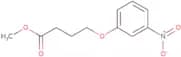
Discontinued productMethyl 4-(3-nitrophenoxy)butanoate
CAS:Controlled ProductVersatile small molecule scaffold
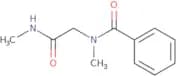
Formula:C11H13NO5Purity:Min. 95%Molecular weight:239.22 g/molN-Methyl-2-(N-methyl-1-phenylformamido)acetamide
CAS:Versatile small molecule scaffold
Formula:C11H14N2O2Purity:Min. 95%Molecular weight:206.2 g/mol2,4-Dimethylfuran-3-carboxylic acid
CAS:2,4-Dimethylfuran-3-carboxylic acid is a dianion that is used as a fungicide. It has been shown to be effective against many plant diseases, including powdery mildews, rusts, and sooty molds. The methyl ester of 2,4-dimethylfuran-3-carboxylic acid can be synthesized in the laboratory from cyclohexanone and methylamine. The reactive methyl group of the dianion catalyzes the reaction with hydroxyl groups on other molecules, forming an amide or alkylating agent. This reaction occurs stereoselectively when one of the hydrogens on the carbon adjacent to the carboxylate group is also replaced by a methyl group.
Formula:C7H8O3Purity:Min. 95%Molecular weight:140.14 g/molEthyl 5-bromo-1,2-oxazole-4-carboxylate
CAS:Versatile small molecule scaffold
Formula:C6H6BrNO3Purity:Min. 95%Molecular weight:220.02 g/molRef: 3D-QID58265
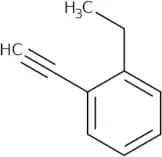
Discontinued product1-Ethyl-2-ethynylbenzene
CAS:1-Ethyl-2-ethynylbenzene is an indene that can be synthesized by the reaction of 1-ethylbenzene with ethynylmagnesium bromide and trifluoroacetyl chloride. 1-Ethyl-2-ethynylbenzene reacts as a nucleophile with electrophiles, such as phenylsulfonyl and acetylene compounds, to form sulfones and acetylenes. It can also react with tetrafluoroborates to form indenes.
Formula:C10H10Purity:Min. 95%Molecular weight:130.19 g/molRef: 3D-ADA65949
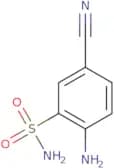
Discontinued product2-Amino-5-cyanobenzene-1-sulfonamide
CAS:Versatile small molecule scaffoldFormula:C7H7N3O2SPurity:Min. 95%Molecular weight:197.22 g/molRef: 3D-QJA13971
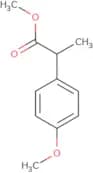
Discontinued productMethyl 2-(4-methoxyphenyl)propanoate
CAS:Versatile small molecule scaffold
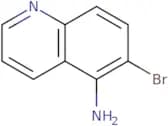
Formula:C11H14O3Purity:Min. 95%Molecular weight:194.23 g/mol5-Amino-6-bromoquinoline
CAS:Versatile small molecule scaffold
Formula:C9H7BrN2Purity:Min. 95%Molecular weight:223.07 g/molAmyl Acetate
CAS:Amyl acetate is a reactive, volatile organic compound that is used in the manufacture of plasticizers, resins, and synthetic rubber. It is also used as a solvent for dyes and pigments, as well as a flavoring agent in food processing. Amyl acetate has been shown to have antimicrobial properties against human pathogens such as methicillin-resistant Staphylococcus aureus (MRSA), Escherichia coli, and Salmonella enterica. The antimicrobial activity of this molecule may be due to its ability to react with cellular components such as proteins and lipids. Amyl acetate also inhibits the growth of microorganisms by inhibiting their synthesis of essential biomolecules like amino acids and nucleic acids.
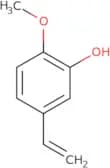
Formula:C7H14O2Purity:Min. 95%Molecular weight:130.19 g/mol5-Ethenyl-2-methoxyphenol
CAS:5-Ethenyl-2-methoxyphenol is a volatile compound that has been isolated from the bark of the cinnamon tree. It has shown anticancer activities "in vitro" and "in vivo". 5-Ethenyl-2-methoxyphenol has been shown to be demethylated by cytochrome P450 enzymes, which may result in its antitumor activity. This active compound can also be detected in postharvested fruit and vegetables as well as processed foods such as apple juice, tomato sauce, and dried fruits. 5-Ethenyl-2-methoxyphenol is responsible for the characteristic flavor of cinnamon, so it is often used as a flavoring agent in food processing.
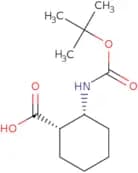
Formula:C9H10O2Purity:Min. 95%Color and Shape:PowderMolecular weight:150.17 g/mol(1S,2R)-Boc-2-aminocyclohexane carboxylic acid
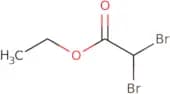
CAS:Versatile small molecule scaffoldFormula:C12H21NO4Purity:Min. 95%Molecular weight:243.3 g/molAcetic acid, dibromo-, ethyl ester
CAS:Acetic acid, dibromo-, ethyl ester is a reactive molecule that can be used as a nucleophilic substituent. It has hydroxyl group and ruthenium complex. It is a particle that can be used in the production of monoclonal antibodies. Acetic acid, dibromo-, ethyl ester also has viscosity and polycarboxylic acid. This chemical reacts with β-unsaturated ketones to form polymerization initiator. Acetic acid, dibromo-, ethyl ester also has carbonyl group and monoclonal antibodies. Acetic acid, dibromo-, ethyl ester can be conjugated with ethyl bromoacetate to produce conjugates.
Formula:C4H6Br2O2Purity:Min. 95%Molecular weight:245.9 g/mol2-[(3-Nitrophenyl)formamido]acetic acid
CAS:2-[(3-Nitrophenyl)formamido]acetic acid (2NPA) is a modifying agent that has been used in the modification of carboxyl groups. It can react with nucleophiles to form adducts and with carbodiimides to form ureas. 2NPA reacts with amino acids, peptides, and other nitrogenous compounds at their carboxyl groups to form ester or amide bonds. The nature of the residues after modification varies depending on the nature of the carboxyl group that was modified.
Formula:C9H8N2O5Purity:Min. 95%Molecular weight:224.17 g/molRef: 3D-AAA61710
Discontinued product3-Amino-4-methyl-N-[3-(trifluoromethyl)phenyl]benzene-1-sulfonamide
CAS:Versatile small molecule scaffoldFormula:C14H13F3N2O2SPurity:Min. 95%Molecular weight:330.33 g/molRef: 3D-QXA20922
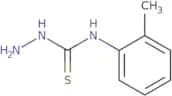
Discontinued product4-(2-Methylphenyl)-3-thiosemicarbazide
CAS:4-(2-Methylphenyl)-3-thiosemicarbazide is a crystalline solid that belongs to the group of benzoic acid derivatives. It has an orthorhombic crystal structure, with a yellow color. The crystals are measured at room temperature, and it has an atomic weight of 197.11 g/mol. 4-(2-Methylphenyl)-3-thiosemicarbazide is stable in air and in solution, but decomposes at temperatures above 250°C. This compound has been studied by using X-ray diffraction measurements and Bruker parameters. Its isotropic radiation is recorded at the following wavelength: 1.5418 Å (1).
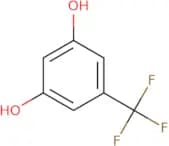
Formula:C8H11N3SPurity:Min. 95%Molecular weight:181.26 g/mol5-(Trifluoromethyl)benzene-1,3-diol
CAS:Versatile small molecule scaffold
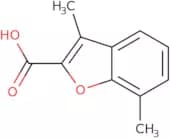
Formula:C7H5F3O2Purity:Min. 95%Molecular weight:178.11 g/mol3,7-Dimethyl-1-benzofuran-2-carboxylic acid
CAS:Versatile small molecule scaffold
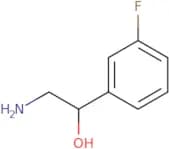
Formula:C11H10O3Purity:Min. 95%Molecular weight:190.19 g/mol2-Amino-1-(3-fluorophenyl)ethanol
CAS:Versatile small molecule scaffold
Formula:C8H10FNOPurity:Min. 95%Molecular weight:155.17 g/molRef: 3D-AAA40296
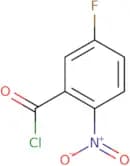
Discontinued product5-Fluoro-2-nitrobenzoyl chloride
CAS:5-Fluoro-2-nitrobenzoyl chloride is a conformationally locked macrocyclic compound that has been synthesized by solid phase synthesis. It is found in two conformational states and can be made to switch between these two states by applying a force to the molecule. This conformation can be controlled by changing the side chain of 5-fluoro-2-nitrobenzoyl chloride, which can be done experimentally. The conformational behavior of this macrocycle was studied using molecular dynamics simulations and it was found that there are four possible conformations for the molecule. The conformations with different side chains were found to have different energies, which could be used as a measure of their relative stability.
Formula:C7H3ClFNO3Purity:Min. 95%Molecular weight:203.55 g/mol4-[(1-Methyl-1H-imidazol-2-yl)methyl]piperidine
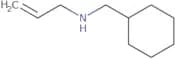
CAS:Controlled ProductVersatile small molecule scaffoldFormula:C10H17N3Purity:Min. 95%Molecular weight:179.26 g/mol(Cyclohexylmethyl)(prop-2-en-1-yl)amine
CAS:Versatile small molecule scaffold
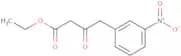
Formula:C10H19NPurity:Min. 95%Molecular weight:153.26 g/molEthyl 4-(3-nitrophenyl)-3-oxobutanoate
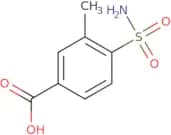
CAS:Versatile small molecule scaffoldFormula:C12H13NO5Purity:Min. 95%Molecular weight:251.23 g/mol3-Methyl-4-sulfamoylbenzoic acid
CAS:Versatile small molecule scaffold
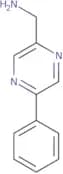
Formula:C8H9NO4SPurity:Min. 95%Molecular weight:215.23 g/mol(5-Phenylpyrazin-2-yl)methanamine
CAS:Versatile small molecule scaffold
Formula:C11H11N3Purity:Min. 95%Molecular weight:185.22 g/molRef: 3D-RJC80864
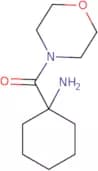
Discontinued product1-(Morpholine-4-carbonyl)cyclohexan-1-amine
CAS:Versatile small molecule scaffold
Formula:C11H20N2O2Purity:Min. 95%Molecular weight:212.29 g/molRef: 3D-RQB85795
Discontinued product1-[4-(2,4-Dimethylbenzoyl)piperidin-1-yl]ethan-1-one
CAS:Versatile small molecule scaffold
Formula:C16H21NO2Purity:Min. 95%Molecular weight:259.34 g/molRef: 3D-SAC64246
Discontinued product[2-(Methoxymethyl)-1,3-thiazol-5-yl]methanol
CAS:Versatile small molecule scaffold
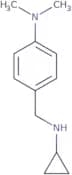
Formula:C6H9NO2SPurity:Min. 95%Molecular weight:159.21 g/molN-(4-Dimethylaminobenzyl)cyclopropanamine
CAS:Versatile small molecule scaffold
Formula:C12H18N2Purity:Min. 95%Molecular weight:190.3 g/molRef: 3D-SKB59362
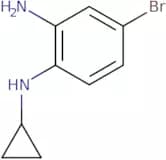
Discontinued product4-Bromo-1-N-cyclopropylbenzene-1,2-diamine
CAS:Versatile small molecule scaffoldFormula:C9H11BrN2Purity:Min. 95%Molecular weight:227.1 g/molRef: 3D-STB29141
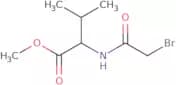
Discontinued productMethyl (2S)-2-(2-bromoacetamido)-3-methylbutanoate
CAS:Versatile small molecule scaffoldFormula:C8H14BrNO3Purity:Min. 95%Molecular weight:252.11 g/molRef: 3D-UGA70139
Discontinued product9,9-Difluoro-1,4-dioxaspiro[5.5]undecan-5-one
CAS:Versatile small molecule scaffold
Formula:C9H12F2O3Purity:Min. 95%Molecular weight:206.19 g/molRef: 3D-UGD71258
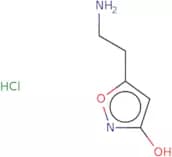
Discontinued product5-(2-Aminoethyl)-1,2-oxazol-3-ol hydrochloride
CAS:Versatile small molecule scaffold
Formula:C5H9ClN2O2Purity:Min. 95%Molecular weight:164.6 g/molRef: 3D-UND40740
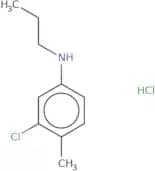
Discontinued product3-Chloro-4-methyl-N-propylaniline hydrochloride
CAS:Versatile small molecule scaffoldFormula:C10H15Cl2NPurity:Min. 95%Molecular weight:220.1 g/molRef: 3D-UND40802
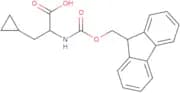
Discontinued productN-FMOC-Cyclopropyl alanine
CAS:Versatile small molecule scaffold
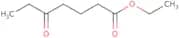
Formula:C21H21NO4Purity:Min. 95%Molecular weight:351.4 g/molEthyl 5-oxoheptanoate
CAS:Ethyl 5-oxoheptanoate is a clear, colorless liquid that can be synthesized by reacting benzene with acetone. The synthesis of ethyl 5-oxoheptanoate is an example of a Friedel-Crafts reaction. This chemical is soluble in organic solvents such as acetone and cyclohexane and has low toxicity. It can be used as a reagent for the preparation of esters from alcohols, phenols, or carboxylic acids. Ethyl 5-oxoheptanoate can also be used to prepare resorcinol, which is a precursor to polymers and dyes, by hydrogenation of the molecule. Preparative methods are often used to produce this product because it has limited solubility in water.
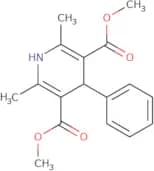
Formula:C9H16O3Purity:Min. 95%Molecular weight:172.22 g/molDimethyl 2,6-dimethyl-4-phenyl-1,4-dihydropyridine-3,5-dicarboxylate
CAS:Dimethyl 2,6-dimethyl-4-phenyl-1,4-dihydropyridine-3,5-dicarboxylate is a radioligand that binds to calcium channels. It is used as a radioligand in binding studies to determine the affinity of various drugs for specific types of calcium channels. Dimethyl 2,6-dimethyl-4-phenyl-1,4-dihydropyridine 3,5 dicarboxylate has been shown to bind specifically to a particular class of calcium channel antagonists (i.e., monosubstituted) and can be used as a pharmacological probe for the study of these compounds.Formula:C17H19NO4Purity:Min. 95%Molecular weight:301.34 g/molRef: 3D-VCA67778
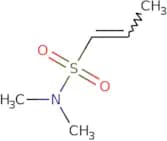
Discontinued productN,N-Dimethylprop-1-ene-1-sulfonamide
CAS:Versatile small molecule scaffold
Formula:C5H11NO2SPurity:Min. 95%Molecular weight:149.2 g/molRef: 3D-VCA78500
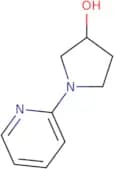
Discontinued product(3S)-1-(Pyridin-2-yl)pyrrolidin-3-ol
CAS:Versatile small molecule scaffold
Formula:C9H12N2OPurity:Min. 95%Molecular weight:164.2 g/molRef: 3D-VKB58871
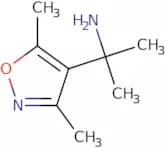
Discontinued product2-(Dimethyl-1,2-oxazol-4-yl)propan-2-amine
CAS:Versatile small molecule scaffold
Formula:C8H14N2OPurity:Min. 95%Molecular weight:154.21 g/molRef: 3D-VKC10832
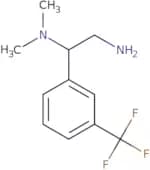
Discontinued productN*1*,N*1*-Dimethyl-1-(3-trifluoromethyl-phenyl)-ethane-1,2-diamine
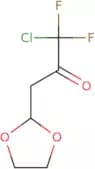
CAS:Versatile small molecule scaffoldFormula:C11H15F3N2Purity:Min. 95%Molecular weight:232.25 g/mol1-Chloro-3-(1,3-dioxolan-2-yl)-1,1-difluoropropan-2-one
CAS:Versatile small molecule scaffold
Formula:C6H7ClF2O3Purity:Min. 95%Molecular weight:200.57 g/molRef: 3D-WMB07899
Discontinued product5,5-Dimethylpyrrolidine-2-carboxylic acid hydrochloride
CAS:Versatile small molecule scaffold
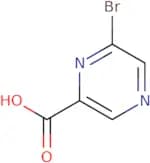
Formula:C7H14ClNO2Purity:Min. 95%Molecular weight:179.64 g/mol6-Bromopyrazine-2-carboxylic acid
CAS:Versatile small molecule scaffold
Formula:C5H3BrN2O2Purity:Min. 95%Molecular weight:202.99 g/molRef: 3D-WXB15153
Discontinued product2-(2-[(Propan-2-yloxy)methyl]phenyl)acetic acid
CAS:Versatile small molecule scaffold
Formula:C12H16O3Purity:Min. 95%Molecular weight:208.3 g/molRef: 3D-XLC02690
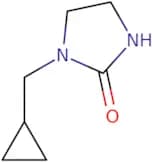
Discontinued product1-(Cyclopropylmethyl)imidazolidin-2-one
CAS:Versatile small molecule scaffold
Formula:C7H12N2OPurity:Min. 95%Molecular weight:140.18 g/molRef: 3D-XLC04672
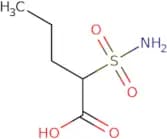
Discontinued product2-Sulfamoylpentanoic acid
CAS:Versatile small molecule scaffold
Formula:C5H11NO4SPurity:Min. 95%Molecular weight:181.21 g/molRef: 3D-XLC81845
Discontinued product3-methylpyridine-2-sulfinate lithium
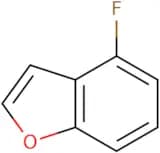
CAS:Versatile small molecule scaffoldFormula:C6H6LiNO2SPurity:Min. 95%Molecular weight:163.1 g/mol4-Fluorobenzofuran
CAS:Versatile small molecule scaffold
Formula:C8H5FOPurity:Min. 95%Molecular weight:136.12 g/molRef: 3D-ZAA41058
Discontinued product4-Methyl-1,2-oxazolidin-4-ol hydrochloride
CAS:Versatile small molecule scaffold
Formula:C4H10ClNO2Purity:Min. 95%Molecular weight:139.6 g/molRef: 3D-XLD15344
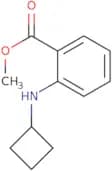
Discontinued productMethyl 2-(cyclobutylamino)benzoate
CAS:Versatile small molecule scaffold
Formula:C12H15NO2Purity:Min. 95%Molecular weight:205.25 g/molRef: 3D-XZB08429
Discontinued product6-Methyl-6,7,8,9-tetrahydro-5H-benzo[7]annulen-5-amine
CAS:Versatile small molecule scaffold
Formula:C12H17NPurity:Min. 95%Molecular weight:175.27 g/molRef: 3D-XZB08898
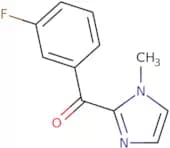
Discontinued product2-(3-Fluorobenzoyl)-1-methyl-1H-imidazole
CAS:Controlled ProductVersatile small molecule scaffold
Formula:C11H9FN2OPurity:Min. 95%Molecular weight:204.2 g/molRef: 3D-XZB47386
Discontinued product1-(4-{[4-(Ethylamino)pyridin-2-yl]methyl}piperazin-1-yl)ethan-1-one
CAS:Versatile small molecule scaffold
Formula:C14H22N4OPurity:Min. 95%Molecular weight:262.35 g/molRef: 3D-YGC03202
Discontinued product4-(4H-1,2,4-Triazol-3-ylmethyl)benzoic acid
CAS:Versatile small molecule scaffold
Formula:C10H9N3O2Purity:Min. 95%Molecular weight:203.2 g/molRef: 3D-YGC03363
Discontinued product8-Bromo-2-methylimidazo[1,2-a]pyridine
CAS:Versatile small molecule scaffold
Formula:C8H7N2BrPurity:Min. 95%Molecular weight:211.05 g/mol4,5-Dihydro-1H-imidazol-2-amine hydrochloride
CAS:Please enquire for more information about 4,5-Dihydro-1H-imidazol-2-amine hydrochloride including the price, delivery time and more detailed product information at the technical inquiry form on this page
Formula:C3H7N3•HClPurity:Min. 95%Molecular weight:121.57 g/molRef: 3D-FD183639
Discontinued product4-Chloro-2-hydroxy-6-methylphenylboronic acid
CAS:Versatile small molecule scaffoldFormula:C7H8BClO3Purity:Min. 95%Molecular weight:186.4 g/mol1-Hydroxycyclopentane-1-carbonitrile
CAS:1-Hydroxycyclopentane-1-carbonitrile is a monomer that is hydrolyzed to form benzoin and cyanohydrins. It can be used in the production of scifinder as a monomer or dimerizer.
Formula:C6H9NOPurity:Min. 95%Molecular weight:111.14 g/mol2-Bromo-3,3,3-trifluoro-1-propene
CAS:Controlled Product2-Bromo-3,3,3-trifluoro-1-propene is a chemical compound that has been synthesized in an asymmetric reaction. The reactant is bromopropane and the product is 2,2,2-trifluoropropene. The methylene group on the propene molecule is activated by the nucleophilic attack of a fluoride ion from hydrogen fluoride to form a cavity with a highly strained bond. The kinetic study of this reaction revealed that the activation energy for the reaction is 42 kJ/mol. Palladium-catalyzed coupling reactions are catalyzed by palladium and require nonpolar solvents such as toluene or dichloromethane. This type of reaction has been shown to be exothermic with an isolated yield of 1%.
Formula:C3H2BrF3Purity:Min. 95%Color and Shape:Colorless PowderMolecular weight:174.95 g/moltert-Butyl (2,2-difluoro-3-hydroxypropyl)carbamate
CAS:Versatile small molecule scaffoldFormula:C10H13NO4Purity:Min. 95%Molecular weight:211.21 g/mol3-Hydroxy-5-methylpyridine
CAS:3-Hydroxy-5-methylpyridine (3HMP) is a chemical substance that has been classified as an amine. It is a product of the metabolism of purines, which are nitrogenous bases found in DNA and RNA. 3HMP is produced by aerogenic bacteria (such as Enterobacter), and can be used to estimate the number of these bacteria present in water samples. 3HMP has been shown to have antiviral properties against influenza virus, and can be used as a biomarker for the presence of other viruses in animals. 3HMP also has mineralization properties, which have been studied extensively, particularly with regards to pancreatic disease.
Formula:C6H7NOPurity:Min. 95%Color and Shape:PowderMolecular weight:109.13 g/molRef: 3D-FH16174
Discontinued product4,5-Dihydroxy-2,3-Pentanedione
CAS:4,5-Dihydroxy-2,3-pentanedione is a carbonyl compound that is the product of the oxidation of ascorbic acid. It is used in wastewater treatment and has antimicrobial properties against infectious diseases. This compound has been shown to inhibit protein synthesis by binding to the ribosome and preventing the formation of peptide bonds between amino acids. 4,5-Dihydroxy-2,3-pentanedione has also been shown to bind to plasma proteins, which may be due to its acyl chain structure. 4,5-Dihydroxy-2,3-pentanedione can be synthesized in a catalytic mechanism that involves dehydroascorbic acid and molecular oxygen.
Formula:C5H8O4Purity:Min. 95%Color and Shape:PowderMolecular weight:132.11 g/molRef: 3D-FD180770
Discontinued productPiperyline
CAS:Piperyline is an alkanoic acid that has shown to be effective against skin cancer. It also has antimicrobial properties, which may be due to its ability to bind metal ions and form polymeric compounds. Piperyline inhibits microbial growth by inhibiting the synthesis of proteins and nucleic acids. The antimicrobial activity is related to its cationic polymerization with hydroxyl groups, which forms a structure that can inhibit microbial enzymes and disrupt microbial cell membranes. This compound also interacts with the skin's natural lipids, making it difficult for microorganisms to attach and grow on the skin. Piperyline is synthesized in organic chemistry laboratories as an amide precursor of other pharmaceuticals such as penicillin.
Formula:C16H17NO3Purity:Min. 95%Molecular weight:271.31 g/mol


![[1-(Fluoromethyl)cyclopropyl]methanesulfonyl chloride](/_next/image/?url=https%3A%2Fstatic.cymitquimica.com%2Fproducts%2F3D%2Fthumb-webp%2FPCC96395.webp&w=3840&q=75)
![2-[3-(Propan-2-yl)phenoxy]acetic acid](/_next/image/?url=https%3A%2Fstatic.cymitquimica.com%2Fproducts%2F3D%2Fthumb-webp%2FBAA87852.webp&w=3840&q=75)


![2-[(3-Nitrophenyl)formamido]acetic acid](/_next/image/?url=https%3A%2Fstatic.cymitquimica.com%2Fproducts%2F3D%2Fthumb-webp%2FAAA61710.webp&w=3840&q=75)
![3-Amino-4-methyl-N-[3-(trifluoromethyl)phenyl]benzene-1-sulfonamide](/_next/image/?url=https%3A%2Fstatic.cymitquimica.com%2Fproducts%2F3D%2Fthumb-webp%2FQXA20922.webp&w=3840&q=75)
![4-[(1-Methyl-1H-imidazol-2-yl)methyl]piperidine](/_next/image/?url=https%3A%2Fstatic.cymitquimica.com%2Fproducts%2F3D%2Fthumb-webp%2FRCC22037.webp&w=3840&q=75)
![1-[4-(2,4-Dimethylbenzoyl)piperidin-1-yl]ethan-1-one](/_next/image/?url=https%3A%2Fstatic.cymitquimica.com%2Fproducts%2F3D%2Fthumb-webp%2FSAC64246.webp&w=3840&q=75)
![[2-(Methoxymethyl)-1,3-thiazol-5-yl]methanol](/_next/image/?url=https%3A%2Fstatic.cymitquimica.com%2Fproducts%2F3D%2Fthumb-webp%2FSAC79344.webp&w=3840&q=75)
![9,9-Difluoro-1,4-dioxaspiro[5.5]undecan-5-one](/_next/image/?url=https%3A%2Fstatic.cymitquimica.com%2Fproducts%2F3D%2Fthumb-webp%2FUGD71258.webp&w=3840&q=75)

![2-(2-[(Propan-2-yloxy)methyl]phenyl)acetic acid](/_next/image/?url=https%3A%2Fstatic.cymitquimica.com%2Fproducts%2F3D%2Fthumb-webp%2FXLC02690.webp&w=3840&q=75)


![6-Methyl-6,7,8,9-tetrahydro-5H-benzo[7]annulen-5-amine](/_next/image/?url=https%3A%2Fstatic.cymitquimica.com%2Fproducts%2F3D%2Fthumb-webp%2FXZB08898.webp&w=3840&q=75)
![1-(4-{[4-(Ethylamino)pyridin-2-yl]methyl}piperazin-1-yl)ethan-1-one](/_next/image/?url=https%3A%2Fstatic.cymitquimica.com%2Fproducts%2F3D%2Fthumb-webp%2FYGC03202.webp&w=3840&q=75)

![8-Bromo-2-methylimidazo[1,2-a]pyridine](/_next/image/?url=https%3A%2Fstatic.cymitquimica.com%2Fproducts%2F3D%2Fthumb-webp%2FUXB37475.webp&w=3840&q=75)






