


Building Blocks
Subcategories of "Building Blocks"
- Boronic Acids & Boronic Acid Derivatives(5,778 products)
- Chiral Building Blocks(1,243 products)
- Hydrocarbon Building Blocks(6,099 products)
- Organic Building Blocks(61,038 products)
Found 205376 products of "Building Blocks"
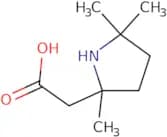
2-(2,5,5-Trimethylpyrrolidin-2-yl)acetic acid
CAS:Versatile small molecule scaffold
Formula:C9H17NO2Purity:Min. 95%Molecular weight:171.24 g/molRef: 3D-HDA83090
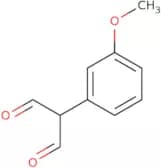
Discontinued product2-(3-Methoxyphenyl)malondialdehyde
CAS:Versatile small molecule scaffold
Formula:C10H10O3Purity:Min. 95%Molecular weight:178.18 g/molOpn4 Antagonist
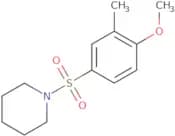
CAS:The Opn4 antagonist is a chemical that blocks the activity of the protein melanopsin, which is involved in regulating circadian rhythms. It has been shown to inhibit melatonin synthesis and muscle fiber contraction when applied intravitreally. These effects may be mediated by membrane channels that are activated by chloride ions. The effect of the Opn4 antagonist on photoreceptor cells is not yet known.
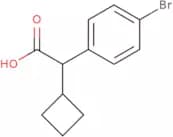
Formula:C13H19NO3SPurity:Min. 95%Molecular weight:269.36 g/mol(4-Bromo-phenyl)-cyclobutyl-acetic acid
CAS:Versatile small molecule scaffoldFormula:C12H13BrO2Purity:Min. 95%Molecular weight:269.13 g/molRef: 3D-HTB45352
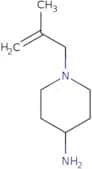
Discontinued product1-(2-Methylprop-2-en-1-yl)piperidin-4-amine
CAS:1-(2-Methylprop-2-en-1-yl)piperidin-4-amine is an inhibitor that blocks the activity of ion channels. It is a competitive antagonist at the NMDA receptor and has been shown to inhibit the binding of glutamate, which is a neurotransmitter involved in synaptic transmission. 1-(2-Methylprop-2-en-1-yl)piperidin-4-amine also inhibits β 2 -adrenergic receptors and has been shown to be a potent activator of G protein coupled receptors. This chemical may also be used as a research tool for studying the effects of ligands on cell biology, peptides, pharmacology, or life science. It has high purity and CAS No. 1082454-34-9.
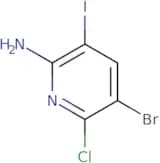
Formula:C9H18N2Purity:Min. 95%Molecular weight:154.25 g/mol5-Bromo-6-chloro-3-iodopyridin-2-amine
CAS:Versatile small molecule scaffold
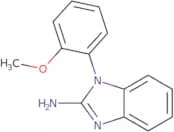
Formula:C5H3BrClIN2Purity:Min. 95%Molecular weight:333.35 g/mol1-(2-Methoxyphenyl)-1H-1,3-benzodiazol-2-amine
CAS:Versatile small molecule scaffoldFormula:C14H13N3OPurity:Min. 95%Molecular weight:239.27 g/molRef: 3D-IBA23539
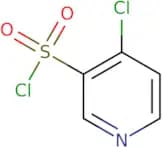
Discontinued product4-chloropyridine-3-sulfonyl chloride
CAS:4-Chloropyridine-3-sulfonyl chloride is a thrombin inhibitor that has been discovered through the use of in vitro screening methods. It is a small molecule with lipophilic properties and oral bioavailability. This compound inhibits thrombin by binding to the active site of the enzyme, which prevents the formation of an enzyme-thrombin complex. The discovery was made using a pharmacophore-based approach and further modifications were made to improve its potency and increase its lipophilicity. This compound also exhibits an acceptable level of bioavailability in vivo, which may be due to its high solubility in water.Formula:C5H3Cl2NO2SPurity:Min. 95%Molecular weight:212.1 g/molRef: 3D-IBA26344
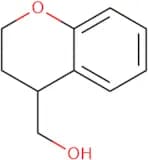
Discontinued product3,4-Dihydro-2H-1-benzopyran-4-ylmethanol
CAS:Versatile small molecule scaffold
Formula:C10H12O2Purity:Min. 95%Molecular weight:164.2 g/molRef: 3D-IBA31382
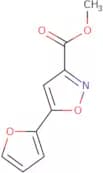
Discontinued productMethyl 5-(2-furyl)isoxazole-3-carboxylate
CAS:Versatile small molecule scaffold
Formula:C9H7NO4Purity:Min. 95%Molecular weight:193.16 g/mol3-Bromo-2-methyl-furan
CAS:3-Bromo-2-methyl-furan is a substituted quinoline. It is a synthetic reagent that can be used for the synthesis of bromofuran derivatives. The methyl group on the 3rd carbon atom in 3-bromo-2-methyl-furan is a substituent that can be exchanged with other substituents, such as alkylation, to produce a variety of products.
3-Bromo-2-methyl furan has been shown to be able to extract metal ions from their complexes and form stable complexes. This property makes it an ideal reagent for metalation reactions.Formula:C5H5BrOPurity:Min. 95%Molecular weight:161 g/molRef: 3D-IDA45706
Discontinued product(4-Amino-phenyl)-acetic acid methyl ester hydrochloride
CAS:Versatile small molecule scaffold
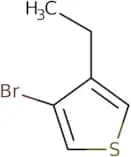
Formula:C9H12ClNO2Purity:Min. 95%Molecular weight:201.65 g/mol3-Bromo-4-ethylthiophene
CAS:Versatile small molecule scaffold
Formula:C6H7BrSPurity:Min. 95%Molecular weight:191.09 g/molRef: 3D-IDA66339
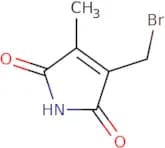
Discontinued product3-(Bromomethyl)-4-methyl-2,5-dihydro-1H-pyrrole-2,5-dione
CAS:Versatile small molecule scaffold
Formula:C6H6BrNO2Purity:Min. 95%Molecular weight:204.02 g/molRef: 3D-IIA33370
Discontinued product[2-(1H-1,3-Benzodiazol-1-yl)phenyl]methanamine dihydrochloride
CAS:Versatile small molecule scaffold
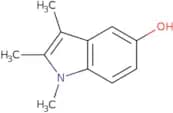
Formula:C14H15Cl2N3Purity:Min. 95%Molecular weight:296.2 g/mol1,2,3-Trimethyl-1H-indol-5-ol
CAS:Versatile small molecule scaffold
Formula:C11H13NOPurity:Min. 95%Molecular weight:175.23 g/molRef: 3D-IJB19354
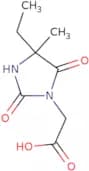
Discontinued product(4-Ethyl-4-methyl-2,5-dioxo-imidazolidin-1-yl)-acetic acid
CAS:Versatile small molecule scaffold
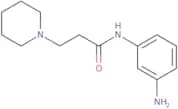
Formula:C8H12N2O4Purity:Min. 95%Molecular weight:200.2 g/molN-(3-Aminophenyl)-3-(piperidin-1-yl)propanamide
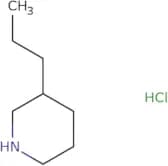
CAS:Versatile small molecule scaffoldFormula:C14H21N3OPurity:Min. 95%Molecular weight:247.34 g/mol3-Propylpiperidine hydrochloride
CAS:Versatile small molecule scaffold
Formula:C8H18ClNPurity:Min. 95%Molecular weight:163.69 g/molRef: 3D-IJB44389
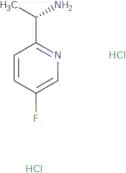
Discontinued product(S)-1-(5-Fluoropyridin-2-yl)ethanamine Dihydrochloride
CAS:Versatile small molecule scaffoldFormula:C7H9N2F·2HClPurity:Min. 95%Molecular weight:213.08 g/molRef: 3D-IYB89373
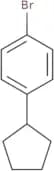
Discontinued product1-Bromo-4-cyclopentylbenzene
CAS:1-Bromo-4-cyclopentylbenzene (1-BCPB) is a chlorinated aromatic compound that can be synthesized by reacting 1-bromo-4-chlorobenzene and cyclopentylmagnesium bromide. The reaction sequence begins with the addition of hydrochloric acid to the first reactant, followed by magnesium chloride and ether. The mixture is heated to produce a liquid solution of ethylhexyloxy pyridine, which reacts with the second reactant in a sequence that leads to the desired product. 1-BCPB is used as an intermediate in organic synthesis. It has been shown to have moderate interaction with paraldehyde and pyridinium salts at room temperature, but it does not react with cycloalkyls or pyridinium salts at elevated temperatures.
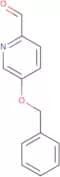
Formula:C11H13BrPurity:Min. 95%Molecular weight:225.13 g/mol5-(Benzyloxy)pyridine-2-carbaldehyde
CAS:Versatile small molecule scaffold
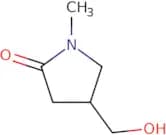
Formula:C13H11NO2Purity:Min. 95%Molecular weight:213.23 g/mol4-(Hydroxymethyl)-1-methylpyrrolidin-2-one
CAS:Versatile small molecule scaffold
Formula:C6H11NO2Purity:Min. 95%Molecular weight:129.16 g/molRef: 3D-JCA88720
Discontinued product5-(1,3-Dioxolan-2-yl)furan-2-carbonitrile
CAS:Versatile small molecule scaffold
Formula:C8H7NO3Purity:Min. 95%Molecular weight:165.15 g/molRef: 3D-JFC42874
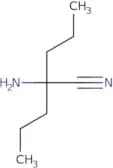
Discontinued product2-Amino-2-propylpentanenitrile
CAS:Versatile small molecule scaffold
Formula:C8H16N2Purity:Min. 95%Molecular weight:140.23 g/mol2-Bromo-7-phenyl-5H-[1,3,4]thiadiazolo[3,2-a]pyrimidin-5-one
CAS:Versatile small molecule scaffold
Formula:C11H6BrN3OSPurity:Min. 95%Molecular weight:308.16 g/molRef: 3D-JYB10753
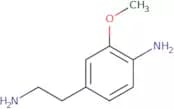
Discontinued product4-(2-Aminoethyl)-2-methoxyaniline
CAS:Controlled ProductVersatile small molecule scaffold
Formula:C9H14N2OPurity:Min. 95%Molecular weight:166.22 g/molRef: 3D-FHA14906
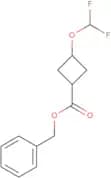
Discontinued productBenzyl 3-(difluoromethoxy)cyclobutane-1-carboxylate
CAS:Versatile small molecule scaffold
Formula:C13H14F2O3Purity:Min. 95%Molecular weight:256.24 g/molRef: 3D-FDD53187
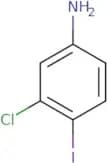
Discontinued product3-Chloro-4-iodoaniline
CAS:3-Chloro-4-iodoaniline is an activated, synthetic chemical that is used in the preparation of a variety of chemicals. 3-Chloro-4-iodoaniline can be prepared by the reaction of chloroacetic acid with nitrobenzene and hydrochloric acid. The compound may be purified by vacuum filtration and recrystallization from water. It is also a precursor to other chemicals that are used in the production of polyhalogenated aromatic compounds. 3-Chloro-4-iodoaniline has been found to react with amines and form the corresponding amides, which may be useful for chemical synthesis.
Formula:C6H5ClINPurity:Min. 95%Molecular weight:253.47 g/mol2-[(3-Chloro-4-fluorophenyl)methyl]-2-methylpyrrolidine hydrochloride
CAS:Versatile small molecule scaffold
Formula:C12H16Cl2FNPurity:Min. 95%Molecular weight:264.16 g/molRef: 3D-KHD06393
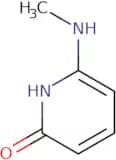
Discontinued product6-(Methylamino)pyridin-2-ol
CAS:Versatile small molecule scaffold
Formula:C6H8N2OPurity:Min. 95%Molecular weight:124.14 g/molRef: 3D-KIA55180
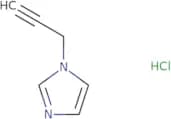
Discontinued product1-(Prop-2-yn-1-yl)-1H-imidazole hydrochloride
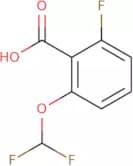
CAS:Versatile small molecule scaffoldFormula:C6H7ClN2Purity:Min. 95%Molecular weight:142.58 g/mol2-(Difluoromethoxy)-6-fluorobenzoic acid
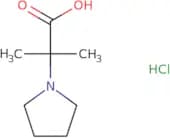
CAS:Versatile small molecule scaffoldFormula:C8H5F3O3Purity:Min. 95%Molecular weight:206.12 g/mol2-Methyl-2-(pyrrolidin-1-yl)propanoic acid hydrochloride
CAS:Versatile small molecule scaffold
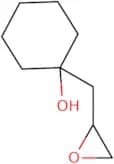
Formula:C8H16ClNO2Purity:Min. 95%Molecular weight:193.67 g/mol1-(Oxiran-2-ylmethyl)cyclohexan-1-ol
CAS:Versatile small molecule scaffold
Formula:C9H16O2Purity:Min. 95%Molecular weight:156.22 g/molRef: 3D-LBA39924
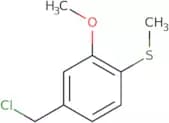
Discontinued product4-(Chloromethyl)-2-methoxy-1-(methylsulfanyl)benzene
CAS:Versatile small molecule scaffold
Formula:C9H11ClOSPurity:Min. 95%Molecular weight:202.7 g/mol[4-(4-Chlorophenyl)-1H-imidazol-2-yl]methanamine dihydrochloride
CAS:Versatile small molecule scaffold
Formula:C10H12Cl3N3Purity:Min. 95%Molecular weight:280.6 g/molRef: 3D-LCC31773
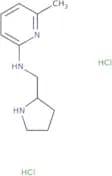
Discontinued product6-Methyl-N-(pyrrolidin-2-ylmethyl)pyridin-2-amine dihydrochloride
CAS:Versatile small molecule scaffold
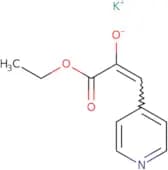
Formula:C11H19Cl2N3Purity:Min. 95%Molecular weight:264.19 g/molPotassium 3-ethoxy-3-oxo-1-(pyridin-4-yl)prop-1-en-2-olate
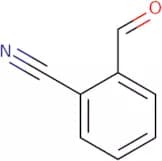
CAS:Versatile small molecule scaffoldFormula:C10H10KNO3Purity:Min. 95%Molecular weight:231.29 g/mol2-Cyanobenzaldehyde
CAS:2-Cyanobenzaldehyde is an aldehyde that reacts with nucleophiles such as trifluoromethanesulfonic acid to form a molecule. 2-Cyanobenzaldehyde has potent inhibitory activity against the kinase glycogen synthase kinase 3 (GSK3) and can be used to treat autoimmune diseases. It also reacts with hydrochloric acid in solution to form an intermediate, which is then reacted with glycine and ATP to produce a chiral compound. The product of this reaction has been shown to be active methylene, which was synthesized by asymmetric synthesis.
Formula:C8H5NOPurity:Min. 95%Color and Shape:PowderMolecular weight:131.13 g/mol2-(1-Ethyl-1H-1,2,3-triazol-4-yl)ethan-1-amine
CAS:Versatile small molecule scaffold
Formula:C6H12N4Purity:Min. 95%Molecular weight:140.19 g/molRef: 3D-LKC96014
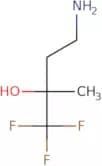
Discontinued product4-Amino-1,1,1-trifluoro-2-methylbutan-2-ol
CAS:Versatile small molecule scaffoldFormula:C5H10F3NOPurity:Min. 95%Molecular weight:157.13 g/molRef: 3D-LLB06086
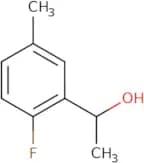
Discontinued product1-(2-Fluoro-5-methylphenyl)ethan-1-ol
CAS:Versatile small molecule scaffoldFormula:C9H11FOPurity:Min. 95%Molecular weight:154.18 g/molRef: 3D-LLB21808
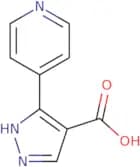
Discontinued product3-(Pyridin-4-yl)-1H-pyrazole-4-carboxylic acid
CAS:Versatile small molecule scaffoldFormula:C9H7N3O2Purity:Min. 95%Molecular weight:189.17 g/molRef: 3D-LLB46225
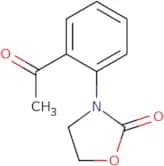
Discontinued product3-(2-Acetylphenyl)-1,3-oxazolidin-2-one
CAS:Versatile small molecule scaffoldFormula:C11H11NO3Purity:Min. 95%Molecular weight:205.21 g/molRef: 3D-LLC41176
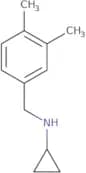
Discontinued productN-(3,4-Dimethylbenzyl)cyclopropanamine
CAS:Versatile small molecule scaffold
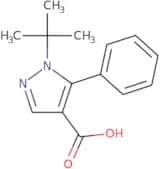
Formula:C12H17NPurity:Min. 95%Molecular weight:175.27 g/mol1-tert-Butyl-5-phenyl-1H-pyrazole-4-carboxylic acid
CAS:Versatile small molecule scaffold
Formula:C14H16N2O2Purity:Min. 95%Molecular weight:244.29 g/molRef: 3D-LMB12968
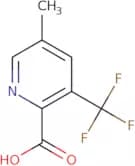
Discontinued product5-Methyl-3-(trifluoromethyl)picolinic acid
CAS:Versatile small molecule scaffold
Formula:C8H6F3NO2Purity:Min. 95%Molecular weight:205.13 g/molRef: 3D-LYB53531
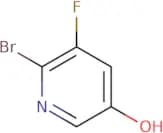
Discontinued product6-Bromo-5-fluoropyridin-3-ol
CAS:Versatile small molecule scaffold
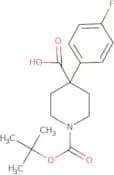
Formula:C5H3BrFNOPurity:Min. 95%Molecular weight:191.99 g/molBoc-4-(4-fluorophenyl)-piperidine-4-carboxylic acid
CAS:Please enquire for more information about Boc-4-(4-fluorophenyl)-piperidine-4-carboxylic acid including the price, delivery time and more detailed product information at the technical inquiry form on this page
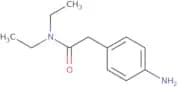
Formula:C17H22FNO4Purity:Min. 95%Molecular weight:323.36 g/mol2-(4-Aminophenyl)-N,N-diethylacetamide
CAS:Versatile small molecule scaffoldFormula:C12H18N2OPurity:Min. 95%Molecular weight:206.28 g/mol(1S)-1-(2,3-Dihydro-1H-inden-5-yl)ethan-1-ol
CAS:Versatile small molecule scaffoldFormula:C11H14OPurity:Min. 95%Molecular weight:162.23 g/molRef: 3D-MYB25242
Discontinued product4-oxo-2-spiro(N-Boc-piperidine-4-yl)-benzopyran
CAS:Versatile small molecule scaffold
Formula:C18H23NO4Purity:Min. 95%Molecular weight:317.39 g/molRef: 3D-ZIB92822
Discontinued product(R)-2-[(Phenylmethyl)amino]-1-propanol
CAS:Versatile small molecule scaffold
Formula:C10H15NOPurity:Min. 95%Molecular weight:165.23 g/molRef: 3D-ZCA60949
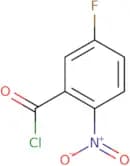
Discontinued product5-Fluoro-2-nitrobenzoyl chloride
CAS:5-Fluoro-2-nitrobenzoyl chloride is a conformationally locked macrocyclic compound that has been synthesized by solid phase synthesis. It is found in two conformational states and can be made to switch between these two states by applying a force to the molecule. This conformation can be controlled by changing the side chain of 5-fluoro-2-nitrobenzoyl chloride, which can be done experimentally. The conformational behavior of this macrocycle was studied using molecular dynamics simulations and it was found that there are four possible conformations for the molecule. The conformations with different side chains were found to have different energies, which could be used as a measure of their relative stability.
Formula:C7H3ClFNO3Purity:Min. 95%Molecular weight:203.55 g/mol3-[(Pyridin-4-yl)methyl]-1,2,4-oxadiazol-5-amine
CAS:Versatile small molecule scaffold
Formula:C8H8N4OPurity:Min. 95%Molecular weight:176.18 g/molRef: 3D-YZB21426
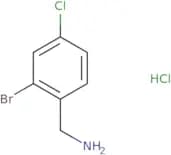
Discontinued product(2-Bromo-4-chlorophenyl)methanamine hydrochloride
CAS:Versatile small molecule scaffold
Formula:C7H8BrCl2NPurity:Min. 95%Molecular weight:256.95 g/molRef: 3D-YGD27370
Discontinued product1-{[1-(Bromomethyl)cyclopropyl]methoxy}-3-(methoxymethyl)benzene
CAS:Versatile small molecule scaffold
Formula:C13H17BrO2Purity:Min. 95%Molecular weight:285.18 g/molRef: 3D-YGC03501
Discontinued productN-{4-[(Carbamimidoylmethyl)sulfanyl]phenyl}-2,2-dimethylpropanamide hydrochloride
CAS:Versatile small molecule scaffoldFormula:C13H20ClN3OSPurity:Min. 95%Molecular weight:301.84 g/molRef: 3D-YGC03402
Discontinued productrac-(2R,4S)-1-[(tert-Butoxy)carbonyl]-4-ethylpiperidine-2-carboxylic acid
CAS:Versatile small molecule scaffoldFormula:C13H23NO4Purity:Min. 95%Molecular weight:257.33 g/molRef: 3D-YEA81184
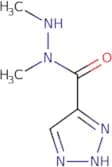
Discontinued productDimethyl-1H-1,2,3-triazole-4-carbohydrazide
CAS:Versatile small molecule scaffold
Formula:C5H9N5OPurity:Min. 95%Molecular weight:155.16 g/molRef: 3D-MZC90811
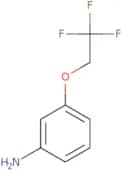
Discontinued product3-(2,2,2-Trifluoroethoxy)aniline
CAS:Versatile small molecule scaffold
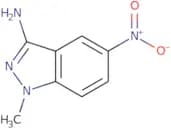
Formula:C8H8F3NOPurity:Min. 95%Molecular weight:191.15 g/mol1-Methyl-5-nitro-1H-indazol-3-amine
CAS:Versatile small molecule scaffold
Formula:C8H8N4O2Purity:Min. 95%Molecular weight:192.18 g/mol2-[(3,5-Dimethylphenyl)formamido]acetic acid
CAS:2-[(3,5-Dimethylphenyl)formamido]acetic acid is a compound with diverse applications and characteristics. It is a diphenyl ether that can be used as an electrode material in various electronic devices. Additionally, it has cholinergic properties, meaning it affects the neurotransmitter acetylcholine in the nervous system.
Formula:C11H13NO3Purity:Min. 95%Molecular weight:207.23 g/molRef: 3D-YAA08214
Discontinued productN-{[2-(Trifluoromethyl)phenyl]methyl}oxetan-3-amine
CAS:Versatile small molecule scaffoldFormula:C11H12F3NOPurity:Min. 95%Molecular weight:231.21 g/molRef: 3D-PDC89412
Discontinued product4-[2-(3-Nitrophenyl)diazen-1-yl]phenol
CAS:Versatile small molecule scaffoldFormula:C12H9N3O3Purity:Min. 95%Molecular weight:243.22 g/molRef: 3D-GTB83534
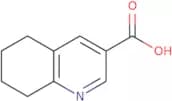
Discontinued product5,6,7,8-Tetrahydroquinoline-3-carboxylic acid
CAS:5,6,7,8-Tetrahydroquinoline-3-carboxylic acid is a quinoline derivative that has been shown to have bacteriostatic activity against Staphylococcus aureus. It binds to the hydroxyl groups of the bacterial cell membrane and inhibits the production of enzymes necessary for protein synthesis. The interaction between the 5,6,7,8-tetrahydroquinoline-3-carboxylic acid and the hydroxyl group is reversible. 5,6,7,8-Tetrahydroquinoline-3-carboxylic acid also has bacteriostatic activity against other bacteria such as Mycobacterium tuberculosis and Mycobacterium avium complex.Formula:C10H11NO2Purity:Min. 95%Molecular weight:177.2 g/mol4-Chloro-2-hydroxy-6-methylphenylboronic acid
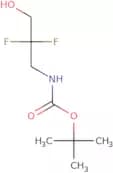
CAS:Versatile small molecule scaffoldFormula:C7H8BClO3Purity:Min. 95%Molecular weight:186.4 g/moltert-Butyl (2,2-difluoro-3-hydroxypropyl)carbamate
CAS:Versatile small molecule scaffoldFormula:C10H13NO4Purity:Min. 95%Molecular weight:211.21 g/mol8-Bromo-2-methylimidazo[1,2-a]pyridine
CAS:Versatile small molecule scaffold
Formula:C8H7N2BrPurity:Min. 95%Molecular weight:211.05 g/mol3-Hydroxy-5-methylpyridine
CAS:3-Hydroxy-5-methylpyridine (3HMP) is a chemical substance that has been classified as an amine. It is a product of the metabolism of purines, which are nitrogenous bases found in DNA and RNA. 3HMP is produced by aerogenic bacteria (such as Enterobacter), and can be used to estimate the number of these bacteria present in water samples. 3HMP has been shown to have antiviral properties against influenza virus, and can be used as a biomarker for the presence of other viruses in animals. 3HMP also has mineralization properties, which have been studied extensively, particularly with regards to pancreatic disease.
Formula:C6H7NOPurity:Min. 95%Color and Shape:PowderMolecular weight:109.13 g/molRef: 3D-FH16174
Discontinued product4,5-Dihydro-1H-imidazol-2-amine hydrochloride
CAS:Please enquire for more information about 4,5-Dihydro-1H-imidazol-2-amine hydrochloride including the price, delivery time and more detailed product information at the technical inquiry form on this page
Formula:C3H7N3•HClPurity:Min. 95%Molecular weight:121.57 g/molRef: 3D-FD183639
Discontinued product1-Hydroxycyclopentane-1-carbonitrile
CAS:1-Hydroxycyclopentane-1-carbonitrile is a monomer that is hydrolyzed to form benzoin and cyanohydrins. It can be used in the production of scifinder as a monomer or dimerizer.
Formula:C6H9NOPurity:Min. 95%Molecular weight:111.14 g/mol2-Bromo-3,3,3-trifluoro-1-propene
CAS:Controlled Product2-Bromo-3,3,3-trifluoro-1-propene is a chemical compound that has been synthesized in an asymmetric reaction. The reactant is bromopropane and the product is 2,2,2-trifluoropropene. The methylene group on the propene molecule is activated by the nucleophilic attack of a fluoride ion from hydrogen fluoride to form a cavity with a highly strained bond. The kinetic study of this reaction revealed that the activation energy for the reaction is 42 kJ/mol. Palladium-catalyzed coupling reactions are catalyzed by palladium and require nonpolar solvents such as toluene or dichloromethane. This type of reaction has been shown to be exothermic with an isolated yield of 1%.
Formula:C3H2BrF3Purity:Min. 95%Color and Shape:Colorless PowderMolecular weight:174.95 g/mol4,5-Dihydroxy-2,3-Pentanedione
CAS:4,5-Dihydroxy-2,3-pentanedione is a carbonyl compound that is the product of the oxidation of ascorbic acid. It is used in wastewater treatment and has antimicrobial properties against infectious diseases. This compound has been shown to inhibit protein synthesis by binding to the ribosome and preventing the formation of peptide bonds between amino acids. 4,5-Dihydroxy-2,3-pentanedione has also been shown to bind to plasma proteins, which may be due to its acyl chain structure. 4,5-Dihydroxy-2,3-pentanedione can be synthesized in a catalytic mechanism that involves dehydroascorbic acid and molecular oxygen.
Formula:C5H8O4Purity:Min. 95%Color and Shape:PowderMolecular weight:132.11 g/molRef: 3D-FD180770
Discontinued productPiperyline
CAS:Piperyline is an alkanoic acid that has shown to be effective against skin cancer. It also has antimicrobial properties, which may be due to its ability to bind metal ions and form polymeric compounds. Piperyline inhibits microbial growth by inhibiting the synthesis of proteins and nucleic acids. The antimicrobial activity is related to its cationic polymerization with hydroxyl groups, which forms a structure that can inhibit microbial enzymes and disrupt microbial cell membranes. This compound also interacts with the skin's natural lipids, making it difficult for microorganisms to attach and grow on the skin. Piperyline is synthesized in organic chemistry laboratories as an amide precursor of other pharmaceuticals such as penicillin.
Formula:C16H17NO3Purity:Min. 95%Molecular weight:271.31 g/mol



![[2-(1H-1,3-Benzodiazol-1-yl)phenyl]methanamine dihydrochloride](/_next/image/?url=https%3A%2Fstatic.cymitquimica.com%2Fproducts%2F3D%2Fthumb-webp%2FIIC59359.webp&w=3840&q=75)

![2-Bromo-7-phenyl-5H-[1,3,4]thiadiazolo[3,2-a]pyrimidin-5-one](/_next/image/?url=https%3A%2Fstatic.cymitquimica.com%2Fproducts%2F3D%2Fthumb-webp%2FJYB10753.webp&w=3840&q=75)
![2-[(3-Chloro-4-fluorophenyl)methyl]-2-methylpyrrolidine hydrochloride](/_next/image/?url=https%3A%2Fstatic.cymitquimica.com%2Fproducts%2F3D%2Fthumb-webp%2FKHD06393.webp&w=3840&q=75)
![[4-(4-Chlorophenyl)-1H-imidazol-2-yl]methanamine dihydrochloride](/_next/image/?url=https%3A%2Fstatic.cymitquimica.com%2Fproducts%2F3D%2Fthumb-webp%2FLCC31773.webp&w=3840&q=75)


![(R)-2-[(Phenylmethyl)amino]-1-propanol](/_next/image/?url=https%3A%2Fstatic.cymitquimica.com%2Fproducts%2F3D%2Fthumb-webp%2FZCA60949.webp&w=3840&q=75)
![3-[(Pyridin-4-yl)methyl]-1,2,4-oxadiazol-5-amine](/_next/image/?url=https%3A%2Fstatic.cymitquimica.com%2Fproducts%2F3D%2Fthumb-webp%2FYZB21426.webp&w=3840&q=75)
![1-{[1-(Bromomethyl)cyclopropyl]methoxy}-3-(methoxymethyl)benzene](/_next/image/?url=https%3A%2Fstatic.cymitquimica.com%2Fproducts%2F3D%2Fthumb-webp%2FYGC03501.webp&w=3840&q=75)
![N-{4-[(Carbamimidoylmethyl)sulfanyl]phenyl}-2,2-dimethylpropanamide hydrochloride](/_next/image/?url=https%3A%2Fstatic.cymitquimica.com%2Fproducts%2F3D%2Fthumb-webp%2FYGC03402.webp&w=3840&q=75)
![rac-(2R,4S)-1-[(tert-Butoxy)carbonyl]-4-ethylpiperidine-2-carboxylic acid](/_next/image/?url=https%3A%2Fstatic.cymitquimica.com%2Fproducts%2F3D%2Fthumb-webp%2FYEA81184.webp&w=3840&q=75)
![2-[(3,5-Dimethylphenyl)formamido]acetic acid](/_next/image/?url=https%3A%2Fstatic.cymitquimica.com%2Fproducts%2F3D%2Fthumb-webp%2FYAA08214.webp&w=3840&q=75)
![N-{[2-(Trifluoromethyl)phenyl]methyl}oxetan-3-amine](/_next/image/?url=https%3A%2Fstatic.cymitquimica.com%2Fproducts%2F3D%2Fthumb-webp%2FPDC89412.webp&w=3840&q=75)
![4-[2-(3-Nitrophenyl)diazen-1-yl]phenol](/_next/image/?url=https%3A%2Fstatic.cymitquimica.com%2Fproducts%2F3D%2Fthumb-webp%2FGTB83534.webp&w=3840&q=75)

![8-Bromo-2-methylimidazo[1,2-a]pyridine](/_next/image/?url=https%3A%2Fstatic.cymitquimica.com%2Fproducts%2F3D%2Fthumb-webp%2FUXB37475.webp&w=3840&q=75)





