Building Blocks
This section contains fundamental products for the synthesis of organic and biological compounds. Building blocks are the essential starting materials used to construct complex molecules through various chemical reactions. They play a critical role in drug discovery, material science, and chemical research. At CymitQuimica, we offer a diverse range of high-quality building blocks to support your innovative research and industrial projects, ensuring you have the essential components for successful synthesis.
Subcategories of "Building Blocks"
- Boronic Acids & Boronic Acid Derivatives(5,778 products)
- Chiral Building Blocks(1,242 products)
- Hydrocarbon Building Blocks(6,098 products)
- Organic Building Blocks(61,059 products)
Found 199580 products of "Building Blocks"
Sort by
Purity (%)
0
100
|
0
|
50
|
90
|
95
|
100
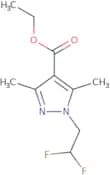
Ethyl 1-(2,2-difluoroethyl)-3,5-dimethyl-1H-pyrazole-4-carboxylate
CAS:<p>Versatile small molecule scaffold</p>Formula:C10H14F2N2O2Purity:Min. 95%Molecular weight:232.23 g/molRef: 3D-LIC70885
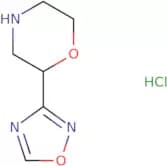
Discontinued product2-(1,2,4-Oxadiazol-3-yl)morpholine hydrochloride
CAS:<p>Versatile small molecule scaffold</p>Formula:C6H10ClN3O2Purity:Min. 95%Molecular weight:191.61 g/molRef: 3D-LIC70858
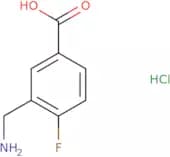
Discontinued product3-(Aminomethyl)-4-fluorobenzoic acid hydrochloride
CAS:<p>Versatile small molecule scaffold</p>Formula:C8H9ClFNO2Purity:Min. 95%Molecular weight:205.61 g/mol3-Methyl-4-[5-(propan-2-yl)-1H-1,2,3,4-tetrazol-1-yl]aniline hydrochloride
CAS:<p>Versatile small molecule scaffold</p>Formula:C11H16ClN5Purity:Min. 95%Molecular weight:253.73 g/molRef: 3D-LIC70757
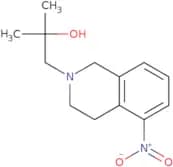
Discontinued product2-Methyl-1-(5-nitro-1,2,3,4-tetrahydroisoquinolin-2-yl)propan-2-ol
CAS:<p>Versatile small molecule scaffold</p>Formula:C13H18N2O3Purity:Min. 95%Molecular weight:250.29 g/molRef: 3D-LIC70742
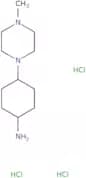
Discontinued product4-(4-Methylpiperazin-1-yl)cyclohexan-1-amine trihydrochloride
CAS:<p>Versatile small molecule scaffold</p>Formula:C11H26Cl3N3Purity:Min. 95%Molecular weight:306.7 g/molRef: 3D-LIC68922
Discontinued product5-bromo-4-methyl-1H-indole-2-carboxylic acid
CAS:<p>Versatile small molecule scaffold</p>Formula:C10H8BrNO2Purity:Min. 95%Molecular weight:254.1 g/molRef: 3D-ACA53658
Discontinued product2-[(2-Methoxyphenoxy)methyl]benzoic acid
CAS:<p>Versatile small molecule scaffold</p>Formula:C15H14O4Purity:Min. 95%Molecular weight:258.27 g/molRef: 3D-ACA45688
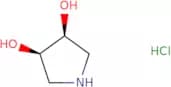
Discontinued productcis-3,4-Pyrrolidinediol hydrochloride
CAS:<p>Versatile small molecule scaffold</p>Formula:C4H10ClNO2Purity:Min. 95%Molecular weight:139.6 g/mol1-Iodo-3-methylbicyclo[1.1.1]pentane
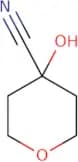
CAS:<p>Versatile small molecule scaffold</p>Formula:C6H9IPurity:Min. 95%Molecular weight:208.04 g/mol4-Hydroxytetrahydro-2H-pyran-4-carbonitrile
CAS:<p>Versatile small molecule scaffold</p>Formula:C6H9NO2Purity:Min. 95%Molecular weight:127.14 g/molRef: 3D-ACA28910
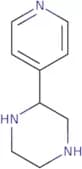
Discontinued product2-(Pyridin-4-yl)piperazine
CAS:<p>Versatile small molecule scaffold</p>Formula:C9H13N3Purity:Min. 95%Molecular weight:163.22 g/molRef: 3D-LEA78157
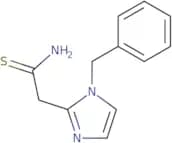
Discontinued product2-(1-Benzyl-1H-imidazol-2-yl)ethanethioamide
CAS:<p>Versatile small molecule scaffold</p>Formula:C12H13N3SPurity:Min. 95%Molecular weight:231.32 g/molRef: 3D-ACA28875
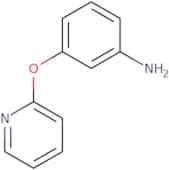
Discontinued product3-(Pyridin-2-yloxy)aniline
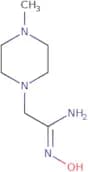
CAS:<p>3-(Pyridin-2-yloxy)aniline is a synthetic compound that is used as a potent inhibitor of the enzyme tyrosine hydroxylase. This enzyme catalyzes the conversion of tyrosine to L-3,4-dihydroxyphenylalanine and plays a key role in the synthesis of dopamine. 3-(Pyridin-2-yloxy)aniline has been shown to be effective in treating Parkinson's disease and other disorders that involve neuronal degeneration and cell death. This drug inhibits the production of dopamine by binding to tyrosine hydroxylase, thereby preventing it from converting tyrosine into L-3,4-dihydroxyphenylalanine. The compound also has significant inhibitory activity against cyclin dependent kinases (CDKs), which are enzymes that regulate the activity of protein kinases.</p>Formula:C11H10N2OPurity:Min. 95%Molecular weight:186.21 g/mol(1Z)-N'-Hydroxy-2-(4-methyl-1-piperazinyl)ethaneimidamide
CAS:<p>Versatile small molecule scaffold</p>Formula:C7H16N4OPurity:Min. 95%Molecular weight:172.23 g/molRef: 3D-ABB57966
Discontinued product5-Amino-6,7,8,9-tetrahydro-5H-benzo[7]annulene-5-carboxylic acid hydrochloride
CAS:<p>Versatile small molecule scaffold</p>Formula:C12H16ClNO2Purity:Min. 95%Molecular weight:241.71 g/molRef: 3D-LCC31529
Discontinued product7-(Trifluoromethyl)-2-azabicyclo[4.1.0]heptane hydrochloride
CAS:<p>Versatile small molecule scaffold</p>Formula:C7H11ClF3NPurity:Min. 95%Molecular weight:201.62 g/molRef: 3D-LCC31527
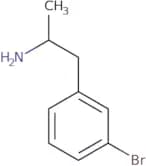
Discontinued product1-(3-bromophenyl)propan-2-amine
CAS:Controlled Product<p>1-(3-Bromophenyl)propan-2-amine is an inorganic compound that has been analysed with a variety of techniques, including energy-dispersive x-ray spectroscopy, diffraction, and microscopy. It exhibits ferroelectric properties and has been used to produce nanofibers and magnetic materials. 1-(3-Bromophenyl)propan-2-amine is manufactured by electrospinning, which involves the use of an electric field to draw a polymer solution through a small nozzle to produce fibers. Impurities are often found in this compound due to the manufacturing process.</p>Formula:C9H12BrNPurity:Min. 95%Molecular weight:214.1 g/molRef: 3D-LCA61065
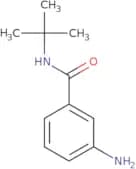
Discontinued product3-Amino-N-(tert-butyl)benzamide
CAS:<p>Versatile small molecule scaffold</p>Formula:C11H16N2OPurity:Min. 95%Molecular weight:192.26 g/molRef: 3D-ABA90062
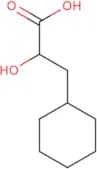
Discontinued product3-Cyclohexyl-2-hydroxypropanoic acid
CAS:<p>Versatile small molecule scaffold</p>Formula:C9H16O3Purity:Min. 95%Molecular weight:172.22 g/molrac-(1R,5R,7S)-7-Methylbicyclo[3.2.0]hept-2-en-6-one
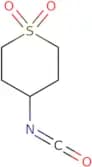
CAS:<p>Versatile small molecule scaffold</p>Formula:C8H10OPurity:Min. 95%Molecular weight:122.2 g/molTetrahydro-4-isocyanato-2H-thiopyran 1,1-dioxide
CAS:<p>Versatile small molecule scaffold</p>Formula:C6H9NO3SPurity:Min. 95%Molecular weight:175.21 g/molRef: 3D-AAC97229
Discontinued product2-Cyclopropyl-5-fluorobenzoic acid
CAS:<p>Versatile small molecule scaffold</p>Formula:C10H9FO2Purity:Min. 95%Molecular weight:180.17 g/molRef: 3D-AAC50478
Discontinued product3-[(6-Chloropyrimidin-4-yl)amino]propanamide
CAS:<p>Versatile small molecule scaffold</p>Formula:C7H9ClN4OPurity:Min. 95%Molecular weight:200.62 g/mol1-(3-Methoxyphenyl)ethane-1-sulfonamide
CAS:<p>Versatile small molecule scaffold</p>Formula:C9H13NO3SPurity:Min. 95%Molecular weight:215.27 g/molRef: 3D-AAC48760
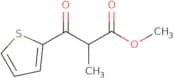
Discontinued productMethyl 2-methyl-3-oxo-3-(thiophen-2-yl)propanoate
CAS:<p>Versatile small molecule scaffold</p>Formula:C9H10O3SPurity:Min. 95%Molecular weight:198.24 g/molRef: 3D-KCA84831
Discontinued product3-Chloro-N-methyl-2-nitroaniline
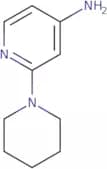
CAS:<p>3-Chloro-N-methyl-2-nitroaniline is an antibiotic that belongs to the group of quinolone antibiotics. It has a broad spectrum against Gram-positive and Gram-negative bacteria, including methicillin resistant Staphylococcus aureus (MRSA) and Pseudomonas aeruginosa. 3-Chloro-N-methyl-2-nitroaniline binds to bacterial DNA gyrase and topoisomerase IV, as well as human DNA gyrase and topoisomerase II, inhibiting their activity. This leads to cell death by interfering with the production of proteins vital for cell division. The optimal parameters for this drug have been found using isothermal titration calorimetry on the enzyme gyrase in the presence of different concentrations of 3CMA. Pharmacological targets for this drug include DNA gyrase and topoisomerase IV.</p>Formula:C7H7ClN2O2Purity:Min. 95%Molecular weight:186.59 g/mol2-(Piperidin-1-yl)pyridin-4-amine
CAS:<p>Versatile small molecule scaffold</p>Formula:C10H15N3Purity:Min. 95%Molecular weight:177.25 g/molRef: 3D-KBA98078
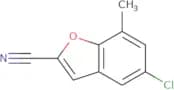
Discontinued product5-Chloro-7-methyl-1-benzofuran-2-carbonitrile
CAS:<p>Versatile small molecule scaffold</p>Formula:C10H6ClNOPurity:Min. 95%Molecular weight:191.61 g/molRef: 3D-AAC39356
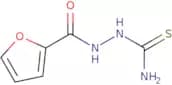
Discontinued productN-(Carbamothioylamino)furan-2-carboxamide
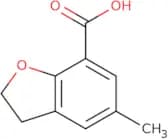
CAS:<p>N-(Carbamothioylamino)furan-2-carboxamide is a chemical compound that has been used as a liver protectant and to treat calcium deficiencies. The calcium salt of the drug is prepared by mixing anhydrous ethanol with calcium chloride and adding pyridine dropwise. Upon refluxing, the mixture is cooled and then evaporated under vacuum to yield the desired product.</p>Formula:C6H7N3O2SPurity:Min. 95%Molecular weight:185.21 g/mol5-Methyl-2,3-dihydro-1-benzofuran-7-carboxylic acid
CAS:<p>Versatile small molecule scaffold</p>Formula:C10H10O3Purity:Min. 95%Molecular weight:178.18 g/molRef: 3D-KBA70051
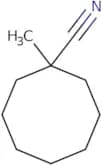
Discontinued product1-Methylcyclooctane-1-carbonitrile
CAS:<p>Versatile small molecule scaffold</p>Formula:C10H17NPurity:Min. 95%Molecular weight:151.2 g/molRef: 3D-KBA66488
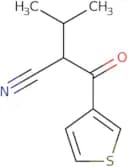
Discontinued product3-Methyl-2-(thiophene-3-carbonyl)butanenitrile
CAS:<p>Versatile small molecule scaffold</p>Formula:C10H11NOSPurity:Min. 95%Molecular weight:193.27 g/molRef: 3D-AAC35155
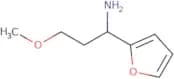
Discontinued product1-(Furan-2-yl)-3-methoxypropan-1-amine
CAS:<p>Versatile small molecule scaffold</p>Formula:C8H13NO2Purity:Min. 95%Molecular weight:155.19 g/molRef: 3D-AAC28244
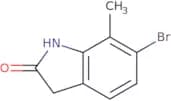
Discontinued product6-Bromo-7-methyl-1,3-dihydro-indol-2-one
CAS:<p>Versatile small molecule scaffold</p>Formula:C9H8BrNOPurity:Min. 95%Molecular weight:226.07 g/mol1-(tert-butyl)-1H-1,2,3-triazole-4-carboxylic acid
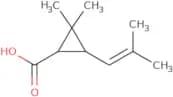
CAS:<p>Versatile small molecule scaffold</p>Formula:C7H11N3O2Purity:Min. 95%Molecular weight:169.18 g/molChrysanthemic acid
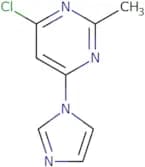
CAS:<p>Chrysanthemic acid is a chiral molecule that has been shown to have anti-inflammatory properties. The hydroxyl group in the molecule reacts with malonic acid, forming a chrysanthemic ester. Chrysanthemic acid is also known as an analytical method for determining the degree of unsaturation of fatty acids. Chrysanthemic acid is used in the synthesis of monoclonal antibodies, which can be applied for the treatment and prevention of diseases such as cancer, rheumatoid arthritis, Crohn's disease, and other autoimmune disorders. It can also be used to treat infections caused by bacteria that are resistant to antibiotics. The basic structure of chrysanthemic acid is an inorganic acid that contains a hydroxyl group and an asymmetric carbon atom.</p>Formula:C10H16O2Purity:Min. 95%Molecular weight:168.23 g/mol4-Chloro-6-(1H-imidazol-1-yl)-2-methylpyrimidine
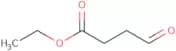
CAS:<p>Versatile small molecule scaffold</p>Formula:C8H7ClN4Purity:Min. 95%Molecular weight:194.62 g/molEthyl 4-oxobutanoate
CAS:<p>Ethyl 4-oxobutanoate is a volatile compound that belongs to the group of organic compounds. It has an unpleasant odor and taste, which may be due to its deamination. It is also classified as a glutamic acid derivative because it is synthesised from L-glutamic acid. Ethyl 4-oxobutanoate has been shown to have antibacterial properties against Gram-positive bacteria such as staphylococcus aureus and listeria monocytogenes. The antimicrobial activity of ethyl 4-oxobutanoate is related to its ability to inhibit bacterial protein synthesis by deaminating L-glutamic acid and forming an adduct with the ribosome.</p>Formula:C6H10O3Purity:Min. 95%Molecular weight:130.14 g/mol[4-(2,2-Difluoroethoxy)phenyl]methanol
CAS:<p>Versatile small molecule scaffold</p>Formula:C9H10F2O2Purity:Min. 95%Molecular weight:188.17 g/molRef: 3D-JXB38953
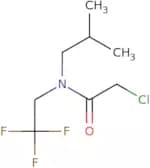
Discontinued product2-Chloro-N-(2-methylpropyl)-N-(2,2,2-trifluoroethyl)acetamide
CAS:<p>Versatile small molecule scaffold</p>Formula:C8H13ClF3NOPurity:Min. 95%Molecular weight:231.64 g/molRef: 3D-JXB08809
Discontinued product2-[(2-Cyclohexylethyl)amino]acetamide
CAS:<p>Versatile small molecule scaffold</p>Formula:C10H20N2OPurity:Min. 95%Molecular weight:184.28 g/molRef: 3D-JXB07544
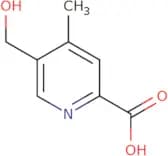
Discontinued product5-(Hydroxymethyl)-4-methylpyridine-2-carboxylic acid
CAS:<p>Versatile small molecule scaffold</p>Formula:C8H9NO3Purity:Min. 95%Molecular weight:167.2 g/molRef: 3D-JSD45843
Discontinued product4-{3-Methyl-[1,2,4]triazolo[4,3-b]pyridazin-6-yl}piperidine dihydrochloride
CAS:<p>Versatile small molecule scaffold</p>Formula:C11H17Cl2N5Purity:Min. 95%Molecular weight:290.2 g/molRef: 3D-JSD45646
Discontinued product(1S,5R,6S)-Rel-8-[(tert-butoxy)carbonyl]-8-azabicyclo[3.2.1]octane-6-carboxylic acid
CAS:<p>Versatile small molecule scaffold</p>Formula:C13H21NO4Purity:Min. 95%Molecular weight:255.31 g/molRef: 3D-JQB62995
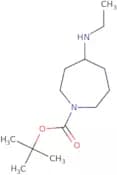
Discontinued producttert-Butyl 4-(ethylamino)azepane-1-carboxylate
CAS:<p>Versatile small molecule scaffold</p>Formula:C13H26N2O2Purity:Min. 95%Molecular weight:242.36 g/molRef: 3D-JQB07549
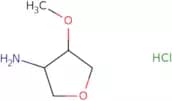
Discontinued productrac-(3R,4R)-4-Methoxyoxolan-3-amine hydrochloride
CAS:<p>Versatile small molecule scaffold</p>Formula:C5H12ClNO2Purity:Min. 95%Molecular weight:153.61 g/mol4-Bromo-6-methyl-2,3-dihydro-1H-inden-1-one
CAS:<p>Versatile small molecule scaffold</p>Formula:C10H9BrOPurity:Min. 95%Molecular weight:225.09 g/molrac-(1R,3S)-1-{[(tert-Butoxy)carbonyl]amino}-3-methylcyclohexane-1-carboxylic acid
CAS:<p>Versatile small molecule scaffold</p>Formula:C13H23NO4Purity:Min. 95%Molecular weight:257.3 g/molRef: 3D-JND07961
Discontinued product4-(Azidomethyl)-1,2-dichlorobenzene
CAS:<p>Versatile small molecule scaffold</p>Formula:C7H5Cl2N3Purity:Min. 95%Molecular weight:202.04 g/mol2-[(1-Phenyl-1H-pyrazol-4-yl)(2-phenylhydrazin-1-ylidene)methyl]phenol
CAS:<p>Versatile small molecule scaffold</p>Formula:C22H18N4OPurity:Min. 95%Molecular weight:354.4 g/molRef: 3D-ZCA99094
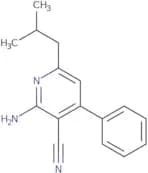
Discontinued product2-Amino-6-isobutyl-4-phenylnicotinonitrile
CAS:<p>Versatile small molecule scaffold</p>Formula:C16H17N3Purity:Min. 95%Molecular weight:251.33 g/molRef: 3D-ZCA87332
Discontinued product7-Fluoro-1,2,3,4-tetrahydroquinoline-4-carboxylic acid
CAS:<p>Versatile small molecule scaffold</p>Formula:C10H10FNO2Purity:Min. 95%Molecular weight:195.19 g/molRef: 3D-ZJC33741
Discontinued product1-[5-(Trifluoromethyl)pyridin-2-yl]azetidin-3-ol
CAS:<p>Versatile small molecule scaffold</p>Formula:C9H9F3N2OPurity:Min. 95%Molecular weight:218.18 g/molRef: 3D-ZJB83239
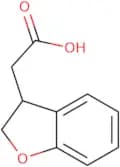
Discontinued product2-(2,3-Dihydro-1-benzofuran-3-yl)acetic acid
CAS:<p>Versatile small molecule scaffold</p>Formula:C10H10O3Purity:Min. 95%Molecular weight:178.18 g/molRef: 3D-BDA57083
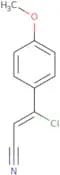
Discontinued product(Z)-3-Chloro-3-(4-methoxyphenyl)acrylonitrile
CAS:<p>Versatile small molecule scaffold</p>Formula:C10H8ClNOPurity:Min. 95%Molecular weight:193.63 g/molRef: 3D-ZJB47916
Discontinued producttert-Butyl 4-[(1,3-thiazol-2-yl)amino]piperidine-1-carboxylate
CAS:<p>Versatile small molecule scaffold</p>Formula:C13H21N3O2SPurity:Min. 95%Molecular weight:283.39 g/molRef: 3D-ZIB54665
Discontinued productImidazo[1,2-c]pyrimidin-5(1H)-one
CAS:<p>Imidazo[1,2-c]pyrimidin-5(1H)-one is a compound that exhibits various characteristics and functions. It acts as a glycosylase, which is an enzyme involved in DNA repair processes. Additionally, it interacts with melatonin receptors and racemase enzymes. Imidazo[1,2-c]pyrimidin-5(1H)-one has been found to have reactive properties towards diclofenac and amino groups. It can also form complexes with zeolite and glycosylases.</p>Formula:C6H5N3OPurity:Min. 95%Molecular weight:135.1 g/molRef: 3D-ZIB03592
Discontinued productN-Benzyl-N'-boc-ethylenediamine
CAS:<p>Versatile small molecule scaffold</p>Formula:C14H22N2O2Purity:Min. 95%Molecular weight:250.34 g/molBoc-DL-m-tyrosine
CAS:<p>Versatile small molecule scaffold</p>Formula:C14H19NO5Purity:Min. 95%Molecular weight:281.31 g/molRef: 3D-ZGA73296
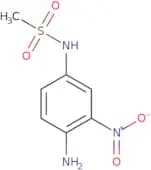
Discontinued productN-(4-Amino-3-nitrophenyl)methanesulfonamide
CAS:<p>Versatile small molecule scaffold</p>Formula:C7H9N3O4SPurity:Min. 95%Molecular weight:231.23 g/mol1-Boc-6-amino-1-azaspiro[3.3]heptane
CAS:<p>Versatile small molecule scaffold</p>Formula:C11H20N2O2Purity:Min. 95%Molecular weight:212.29 g/molRef: 3D-ZEC65919
Discontinued product2-[({12-Oxo-7-thia-9,11-diazatricyclo[6.4.0.0,2,6]dodeca-1(8),2(6),9-trien-10-yl}methyl)sulfanyl]acetic acid
CAS:<p>Versatile small molecule scaffold</p>Formula:C12H12N2O3S2Purity:Min. 95%Molecular weight:296.4 g/molRef: 3D-ZEB92070
Discontinued product2-[2-(2-Methylphenyl)-2-oxoethylidene]-1,3-thiazolidin-4-one
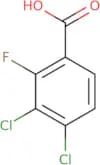
CAS:<p>Versatile small molecule scaffold</p>Formula:C12H11NO2SPurity:Min. 95%Molecular weight:233.29 g/mol3,4-Dichloro-2-fluorobenzoic acid
CAS:<p>Versatile small molecule scaffold</p>Formula:C7H3Cl2FO2Purity:Min. 95%Molecular weight:209 g/molRef: 3D-ZDC71568
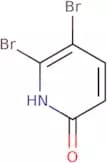
Discontinued product5,6-Dibromopyridin-2-ol
CAS:<p>Versatile small molecule scaffold</p>Formula:C5H3Br2NOPurity:Min. 95%Molecular weight:252.89 g/moltert-Butyl 5-bromo-3,4-dihydro-2,7-naphthyridine-2(1H)-carboxylate
CAS:<p>Versatile small molecule scaffold</p>Formula:C13H17BrN2O2Purity:Min. 95%Molecular weight:313.19 g/mol3-(Methoxycarbonyl)pyridine-4-carboxylic acid
CAS:<p>Versatile small molecule scaffold</p>Formula:C8H7NO4Purity:Min. 95%Molecular weight:181.15 g/mol3-[5-(Aminomethyl)-1-oxo-2,3-dihydro-1H-isoindol-2-yl]piperidine-2,6-dione hydrochloride
CAS:<p>Versatile small molecule scaffold</p>Formula:C14H16ClN3O3Purity:Min. 95%Molecular weight:309.75 g/mol1-[3-(Dimethylamino)propyl]-1-(4-fluorophenyl)-1,3-dihydro-3-oxo-5-isobenzofurancarbonitrile
CAS:<p>Please enquire for more information about 1-[3-(Dimethylamino)propyl]-1-(4-fluorophenyl)-1,3-dihydro-3-oxo-5-isobenzofurancarbonitrile including the price, delivery time and more detailed product information at the technical inquiry form on this page</p>Formula:C20H19FN2O2Purity:Min. 95%Molecular weight:338.38 g/molRef: 3D-FD184085
Discontinued product2-Acetylbenzoic acid
CAS:<p>2-Acetylbenzoic acid is a functional molecule that contains an acetyl group. It can form hydrogen bonds with other molecules and has been shown to induce apoptosis in cells. The reaction products of 2-acetylbenzoic acid are malonic acid, acetylsalicylic acid, and 2-benzoylbenzoic acid. These three compounds are made by the addition of hydrogen or hydroxide to the molecule 2-acetylbenzoic acid. The molecule has two functional groups: a carbonyl group and an acetyl group. The chemical structure of this molecule can be seen in the figure below.<br>2-Acetylbenzoic Acid</p>Formula:C9H8O3Purity:Min. 95%Color and Shape:PowderMolecular weight:164.16 g/molRef: 3D-FA05086
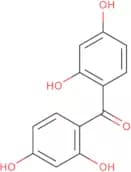
Discontinued product2,2',4,4'-tetrahydroxybenzophenone
CAS:<p>2,2',4,4'-tetrahydroxybenzophenone is a hydroxylated benzophenone that has immunomodulatory effects. It binds to the receptor in the immune system and can cause an increase in cytokine production. 2,2',4,4'-tetrahydroxybenzophenone is cytotoxic and has significant toxicity in vitro. The molecule has been shown to disrupt mitochondrial membrane potential. This may be due to its ability to form hydrogen bonds with molecules on the mitochondrial membrane. 2,2',4,4'-tetrahydroxybenzophenone also modulates transcriptional regulation of genes involved in cell proliferation and apoptosis. The drug is detectable at low levels by mass spectrometry and is not known to have any toxicological effects.END>></p>Formula:C13H10O5Purity:Min. 95%Color and Shape:Green PowderMolecular weight:246.22 g/molRef: 3D-FT55663
Discontinued product(2S,3R)-2-((((9H-Fluoren-9-yl)methoxy)carbonyl)amino)-3-methoxybutanoic acid
CAS:<p>Versatile small molecule scaffold</p>Formula:C20H21NO5Purity:Min. 95%Molecular weight:355.4 g/mol4-(Methylamino)benzene-1-sulfonamide
CAS:<p>Versatile small molecule scaffold</p>Formula:C7H10N2O2SPurity:Min. 95%Molecular weight:186.23 g/mol3-Methylbenzo[b]thiophene-2-carboxylic acid
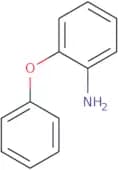
CAS:<p>3-Methylbenzo[b]thiophene-2-carboxylic acid (MBTCA) is a heterocyclic compound that is an intermediate in the synthesis of 3-methylthiophene-2-carboxylic acid, a precursor to other drugs. MBTCA is an aerobic, nonpolar compound that has shown antimicrobial activity against some bacteria and fungi. It also has been shown to have practicality as a biomolecular probe for methyl groups in organic solvents. MBTCA can be synthesized by nitration of benzene in the presence of sulfur and sulfoxides. This reaction produces nitrobenzene, which can then be oxidized by potassium permanganate or hydrogen peroxide to produce MBTCA. The most common isomer of MBTCA is 2-(3,5-dimethoxybenzylidene)tetrahydrofuran, with three methyl groups on the</p>Formula:C10H8O2SPurity:Min. 95%Molecular weight:192.23 g/mol2-Phenoxyaniline
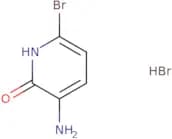
CAS:<p>2-Phenoxyaniline is a nitro compound that can be converted to the corresponding palladium complexes. It is an inhibitor of the acylation reaction, which is a type of chemical reaction in which an organic molecule reacts with an acid. The inhibition of this reaction has been shown to have an effect on heart disease, specifically by lowering cholesterol levels and reducing atherosclerosis. 2-Phenoxyaniline has also been shown to inhibit the activation energy for electron transfer reactions, making it useful as a catalyst in analytical methods. 2-Phenoxyaniline also undergoes vibrational spectroscopy when exposed to liquid chromatography and other analytical methods.</p>Formula:C12H11NOPurity:Min. 95%Color and Shape:Brown PowderMolecular weight:185.22 g/mol3-amino-6-bromopyridin-2-ol hydrobromide
CAS:<p>Versatile small molecule scaffold</p>Formula:C5H6Br2N2OPurity:Min. 95%Molecular weight:269.9 g/mol2-Bromo-3,3,3-trifluoro-1-propene
CAS:Controlled Product<p>2-Bromo-3,3,3-trifluoro-1-propene is a chemical compound that has been synthesized in an asymmetric reaction. The reactant is bromopropane and the product is 2,2,2-trifluoropropene. The methylene group on the propene molecule is activated by the nucleophilic attack of a fluoride ion from hydrogen fluoride to form a cavity with a highly strained bond. The kinetic study of this reaction revealed that the activation energy for the reaction is 42 kJ/mol. Palladium-catalyzed coupling reactions are catalyzed by palladium and require nonpolar solvents such as toluene or dichloromethane. This type of reaction has been shown to be exothermic with an isolated yield of 1%.</p>Formula:C3H2BrF3Purity:Min. 95%Color and Shape:Colorless PowderMolecular weight:174.95 g/molH-Ser-Ala-Glu-Glu-Tyr-Glu-Tyr-Pro-Ser OH trifluoroacetate
CAS:<p>Please enquire for more information about H-Ser-Ala-Glu-Glu-Tyr-Glu-Tyr-Pro-Ser OH trifluoroacetate including the price, delivery time and more detailed product information at the technical inquiry form on this page</p>Formula:C47H63N9O20•(C2HF3O2)xPurity:Min. 95%Ref: 3D-FS183525
Discontinued productGivinostat hydrochloride
CAS:<p>Givinostat hydrochloride is a research chemical that has shown potential in various fields. It is a molybdenum-based compound that has been studied for its effects on dopamine release and hydrogen evolution. Givinostat hydrochloride has also been investigated as an osteoclast inhibitor, which may be beneficial in the treatment of bone-related disorders such as osteoporosis. Additionally, it has shown promise as a retinoid and calpain inhibitor, suggesting its potential use in dermatological conditions and neurodegenerative diseases. The compound contains fluorine atoms, making it suitable for imaging studies using fluorine MRI techniques. Givinostat hydrochloride has been tested on MDA-MB-231 cells and has shown inhibitory effects on their growth, indicating its potential as an anticancer agent.</p>Formula:C24H27N3O4·HClPurity:Min. 95%Molecular weight:457.95 g/mol

![3-Methyl-4-[5-(propan-2-yl)-1H-1,2,3,4-tetrazol-1-yl]aniline hydrochloride](/_next/image/?url=https%3A%2Fstatic.cymitquimica.com%2Fproducts%2F3D%2Fthumb-webp%2FLIC70757.webp&w=3840&q=75)

![2-[(2-Methoxyphenoxy)methyl]benzoic acid](/_next/image/?url=https%3A%2Fstatic.cymitquimica.com%2Fproducts%2F3D%2Fthumb-webp%2FACA45688.webp&w=3840&q=75)
![1-Iodo-3-methylbicyclo[1.1.1]pentane](/_next/image/?url=https%3A%2Fstatic.cymitquimica.com%2Fproducts%2F3D%2Fthumb-webp%2FLFA39910.webp&w=3840&q=75)
![5-Amino-6,7,8,9-tetrahydro-5H-benzo[7]annulene-5-carboxylic acid hydrochloride](/_next/image/?url=https%3A%2Fstatic.cymitquimica.com%2Fproducts%2F3D%2Fthumb-webp%2FLCC31529.webp&w=3840&q=75)
![7-(Trifluoromethyl)-2-azabicyclo[4.1.0]heptane hydrochloride](/_next/image/?url=https%3A%2Fstatic.cymitquimica.com%2Fproducts%2F3D%2Fthumb-webp%2FLCC31527.webp&w=3840&q=75)
![rac-(1R,5R,7S)-7-Methylbicyclo[3.2.0]hept-2-en-6-one](/_next/image/?url=https%3A%2Fstatic.cymitquimica.com%2Fproducts%2F3D%2Fthumb-webp%2FABA16969.webp&w=3840&q=75)

![3-[(6-Chloropyrimidin-4-yl)amino]propanamide](/_next/image/?url=https%3A%2Fstatic.cymitquimica.com%2Fproducts%2F3D%2Fthumb-webp%2FAAC48959.webp&w=3840&q=75)



![[4-(2,2-Difluoroethoxy)phenyl]methanol](/_next/image/?url=https%3A%2Fstatic.cymitquimica.com%2Fproducts%2F3D%2Fthumb-webp%2FJXB38953.webp&w=3840&q=75)
![2-[(2-Cyclohexylethyl)amino]acetamide](/_next/image/?url=https%3A%2Fstatic.cymitquimica.com%2Fproducts%2F3D%2Fthumb-webp%2FJXB07544.webp&w=3840&q=75)
![4-{3-Methyl-[1,2,4]triazolo[4,3-b]pyridazin-6-yl}piperidine dihydrochloride](/_next/image/?url=https%3A%2Fstatic.cymitquimica.com%2Fproducts%2F3D%2Fthumb-webp%2FJSD45646.webp&w=3840&q=75)
![(1S,5R,6S)-Rel-8-[(tert-butoxy)carbonyl]-8-azabicyclo[3.2.1]octane-6-carboxylic acid](/_next/image/?url=https%3A%2Fstatic.cymitquimica.com%2Fproducts%2F3D%2Fthumb-webp%2FJQB62995.webp&w=3840&q=75)

![rac-(1R,3S)-1-{[(tert-Butoxy)carbonyl]amino}-3-methylcyclohexane-1-carboxylic acid](/_next/image/?url=https%3A%2Fstatic.cymitquimica.com%2Fproducts%2F3D%2Fthumb-webp%2FJND07961.webp&w=3840&q=75)
![2-[(1-Phenyl-1H-pyrazol-4-yl)(2-phenylhydrazin-1-ylidene)methyl]phenol](/_next/image/?url=https%3A%2Fstatic.cymitquimica.com%2Fproducts%2F3D%2Fthumb-webp%2FZCA99094.webp&w=3840&q=75)
![1-[5-(Trifluoromethyl)pyridin-2-yl]azetidin-3-ol](/_next/image/?url=https%3A%2Fstatic.cymitquimica.com%2Fproducts%2F3D%2Fthumb-webp%2FZJB83239.webp&w=3840&q=75)
![tert-Butyl 4-[(1,3-thiazol-2-yl)amino]piperidine-1-carboxylate](/_next/image/?url=https%3A%2Fstatic.cymitquimica.com%2Fproducts%2F3D%2Fthumb-webp%2FZIB54665.webp&w=3840&q=75)
![Imidazo[1,2-c]pyrimidin-5(1H)-one](/_next/image/?url=https%3A%2Fstatic.cymitquimica.com%2Fproducts%2F3D%2Fthumb-webp%2FZIB03592.webp&w=3840&q=75)
![1-Boc-6-amino-1-azaspiro[3.3]heptane](/_next/image/?url=https%3A%2Fstatic.cymitquimica.com%2Fproducts%2F3D%2Fthumb-webp%2FZEC65919.webp&w=3840&q=75)
![2-[({12-Oxo-7-thia-9,11-diazatricyclo[6.4.0.0,2,6]dodeca-1(8),2(6),9-trien-10-yl}methyl)sulfanyl]a…](/_next/image/?url=https%3A%2Fstatic.cymitquimica.com%2Fproducts%2F3D%2Fthumb-webp%2FZEB92070.webp&w=3840&q=75)
![2-[2-(2-Methylphenyl)-2-oxoethylidene]-1,3-thiazolidin-4-one](/_next/image/?url=https%3A%2Fstatic.cymitquimica.com%2Fproducts%2F3D%2Fthumb-webp%2FZEB92039.webp&w=3840&q=75)


![3-[5-(Aminomethyl)-1-oxo-2,3-dihydro-1H-isoindol-2-yl]piperidine-2,6-dione hydrochloride](/_next/image/?url=https%3A%2Fstatic.cymitquimica.com%2Fproducts%2F3D%2Fthumb-webp%2FIWB26469.webp&w=3840&q=75)
![1-[3-(Dimethylamino)propyl]-1-(4-fluorophenyl)-1,3-dihydro-3-oxo-5-isobenzofurancarbonitrile](/_next/image/?url=https%3A%2Fstatic.cymitquimica.com%2Fproducts%2F3D%2Fthumb-webp%2FFD184085.webp&w=3840&q=75)



![3-Methylbenzo[b]thiophene-2-carboxylic acid](/_next/image/?url=https%3A%2Fstatic.cymitquimica.com%2Fproducts%2F3D%2Fthumb-webp%2FDAA13378.webp&w=3840&q=75)