Building Blocks
This section contains fundamental products for the synthesis of organic and biological compounds. Building blocks are the essential starting materials used to construct complex molecules through various chemical reactions. They play a critical role in drug discovery, material science, and chemical research. At CymitQuimica, we offer a diverse range of high-quality building blocks to support your innovative research and industrial projects, ensuring you have the essential components for successful synthesis.
Subcategories of "Building Blocks"
- Boronic Acids & Boronic Acid Derivatives(5,778 products)
- Chiral Building Blocks(1,243 products)
- Hydrocarbon Building Blocks(6,097 products)
- Organic Building Blocks(61,052 products)
Found 201390 products of "Building Blocks"
Sort by
Purity (%)
0
100
|
0
|
50
|
90
|
95
|
100
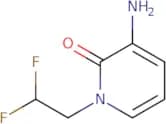
3-Amino-1-(2,2-difluoroethyl)-1,2-dihydropyridin-2-one
CAS:<p>Versatile small molecule scaffold</p>Formula:C7H8F2N2OPurity:Min. 95%Molecular weight:174.15 g/molRef: 3D-AAC64665
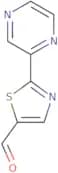
Discontinued product2-(Pyrazin-2-yl)-1,3-thiazole-5-carbaldehyde
CAS:Versatile small molecule scaffoldFormula:C8H5N3OSPurity:Min. 95%Molecular weight:191.21 g/molRef: 3D-AAC59409
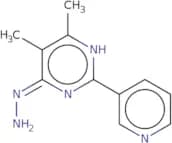
Discontinued product4-Hydrazinylidene-5,6-dimethyl-2-(pyridin-3-yl)-1,4-dihydropyrimidine
CAS:<p>Versatile small molecule scaffold</p>Formula:C11H13N5Purity:Min. 95%Molecular weight:215.3 g/molRef: 3D-AAC57157
Discontinued productBicyclo[4.1.0]heptan-7-ylmethanol
CAS:<p>Bicyclo[4.1.0]heptan-7-ylmethanol is a hydride inhibitor of lactate dehydrogenase, which is an enzyme that catalyzes the conversion of pyruvate to lactate in the liver. Bicyclo[4.1.0]heptan-7-ylmethanol has inhibitory properties against aldehyde dehydrogenase and alcohol dehydrogenase, which are enzymes involved in the metabolism of aldehydes and alcohols respectively. This substance also inhibits mitochondrial monoamine oxidase (MAO), which is an enzyme that breaks down neurotransmitters such as dopamine, norepinephrine, and serotonin. Bicyclo[4.1.0]heptan-7-ylmethanol can be used to inhibit the function of MAO in order to increase levels of these neurotransmitters in the brain, which may be helpful for conditions like depression or Parkinson</p>Formula:C8H14OPurity:Min. 95%Molecular weight:126.2 g/molRef: 3D-GAA22639
Discontinued product2-Cyclopropyl-5-fluorobenzoic acid
CAS:<p>Versatile small molecule scaffold</p>Formula:C10H9FO2Purity:Min. 95%Molecular weight:180.17 g/molRef: 3D-AAC50478
Discontinued product3,6-Dimethylimidazo[2,1-b]thiazole-5-carbaldehyde
CAS:<p>Versatile small molecule scaffold</p>Formula:C8H8N2OSPurity:Min. 95%Molecular weight:180.23 g/mol3-[(6-Chloropyrimidin-4-yl)amino]propanamide
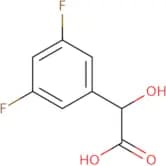
CAS:<p>Versatile small molecule scaffold</p>Formula:C7H9ClN4OPurity:Min. 95%Molecular weight:200.62 g/molBenzeneacetic acid, 3,5-difluoro-hydroxy-, (S)-
CAS:<p>Benzeneacetic acid, 3,5-difluoro-hydroxy-, (S)- is a ligand that can bind to transition metals such as copper or iron. It has been shown to be a good sensing ligand for the detection of mandelate and enantioselective for the synthesis of chiral molecules. The divalent bonding between the benzeneacetic acid and the metal may be due to coordination or dipyridyl. The stability of this molecule is also dependent on the type of metal it is bonded with.</p>Formula:C8H6F2O3Purity:Min. 95%Molecular weight:188.13 g/mol1-(3-Methoxyphenyl)ethane-1-sulfonamide
CAS:<p>Versatile small molecule scaffold</p>Formula:C9H13NO3SPurity:Min. 95%Molecular weight:215.27 g/molRef: 3D-AAC48760
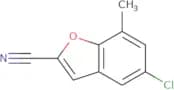
Discontinued product5-Chloro-7-methyl-1-benzofuran-2-carbonitrile
CAS:<p>Versatile small molecule scaffold</p>Formula:C10H6ClNOPurity:Min. 95%Molecular weight:191.61 g/molRef: 3D-AAC39356
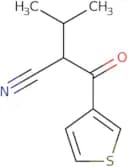
Discontinued product3-Methyl-2-(thiophene-3-carbonyl)butanenitrile
CAS:<p>Versatile small molecule scaffold</p>Formula:C10H11NOSPurity:Min. 95%Molecular weight:193.27 g/molRef: 3D-AAC35155
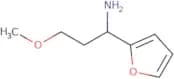
Discontinued product1-(Furan-2-yl)-3-methoxypropan-1-amine
CAS:<p>Versatile small molecule scaffold</p>Formula:C8H13NO2Purity:Min. 95%Molecular weight:155.19 g/molRef: 3D-AAC28244
Discontinued product2-[(2-Cyclohexylethyl)amino]acetamide
CAS:<p>Versatile small molecule scaffold</p>Formula:C10H20N2OPurity:Min. 95%Molecular weight:184.28 g/molRef: 3D-JXB07544
Discontinued productN-Methoxy-N,2-dimethylbenzamide
CAS:<p>Versatile small molecule scaffold</p>Formula:C10H13NO2Purity:Min. 95%Molecular weight:179.22 g/molRef: 3D-FFA25061
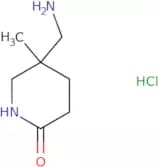
Discontinued product5-(Aminomethyl)-5-methylpiperidin-2-one hydrochloride
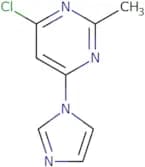
CAS:<p>Versatile small molecule scaffold</p>Formula:C7H15ClN2OPurity:Min. 95%Molecular weight:178.66 g/mol4-Chloro-6-(1H-imidazol-1-yl)-2-methylpyrimidine
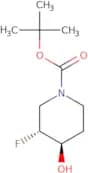
CAS:<p>Versatile small molecule scaffold</p>Formula:C8H7ClN4Purity:Min. 95%Molecular weight:194.62 g/moltrans-1-BOC-3-Fluoro-4-hydroxypiperidine
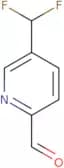
CAS:<p>Versatile small molecule scaffold</p>Formula:C10H18FNO3Purity:Min. 95%Molecular weight:219.26 g/mol5-(Difluoromethyl)pyridine-2-carbaldehyde
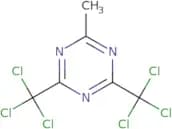
CAS:<p>Versatile small molecule scaffold</p>Formula:C7H5F2NOPurity:Min. 95%Molecular weight:157.12 g/mol2-Methyl-4,6-bis(trichloromethyl)-1,3,5-triazine
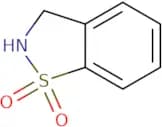
CAS:<p>2-Methyl-4,6-bis(trichloromethyl)-1,3,5-triazine is a triazine with an ionic structure. It is used as a precursor to benzene and acetonitrile. The yields of 2-methyl-4,6-bis(trichloromethyl)-1,3,5-triazine are higher in the presence of benzene compared to acetonitrile. The quantum yield for 2-methyl-4,6-bis(trichloromethyl)-1,3,5-triazine has been found to be 0.2 from the photophysical properties of its emission spectrum. This technique has been used to detect small amounts of singlet oxygen that are generated by photolysis or irradiation with lasers.</p>Formula:C6H3Cl6N3Purity:Min. 95%Molecular weight:329.81 g/mol2,3-dihydro-1lambda6,2-benzothiazole-1,1-dione
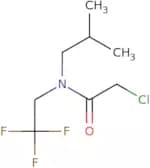
CAS:<p>2,3-Dihydro-1lambda6,2-benzothiazole-1,1-dione is a plant growth regulator that is used in horticultural applications. It is an anion that can be used as an additive to prevent corrosion and rusting of metals. 2,3-Dihydro-1lambda6,2-benzothiazole-1,1-dione reacts with chloride ions to form the corresponding chromatographic product. This compound also forms reaction products with other compounds such as pyrrole, amide and carbonyl group.</p>Formula:C7H7NO2SPurity:Min. 95%Molecular weight:169.2 g/mol2-Chloro-N-(2-methylpropyl)-N-(2,2,2-trifluoroethyl)acetamide
CAS:<p>Versatile small molecule scaffold</p>Formula:C8H13ClF3NOPurity:Min. 95%Molecular weight:231.64 g/molRef: 3D-JXB08809
Discontinued product4-Bromo-6-methyl-2,3-dihydro-1H-inden-1-one
CAS:<p>Versatile small molecule scaffold</p>Formula:C10H9BrOPurity:Min. 95%Molecular weight:225.09 g/mol1-Bromo-2-(2-bromoethanesulfonyl)ethane
CAS:<p>Versatile small molecule scaffold</p>Formula:C4H8Br2O2SPurity:Min. 95%Molecular weight:279.98 g/molRef: 3D-HAA61767
Discontinued productN-(2-Aminoethyl)-3-bromo-1-methyl-1H-pyrazolo[3,4-d]pyrimidin-4-amine
CAS:<p>Versatile small molecule scaffold</p>Formula:C8H11BrN6Purity:Min. 95%Molecular weight:271.12 g/mol4-{[(4-Fluorophenyl)methyl]amino}butanoic acid hydrochloride
CAS:<p>Versatile small molecule scaffold</p>Formula:C11H15ClFNO2Purity:Min. 95%Molecular weight:247.69 g/molRef: 3D-GXB45825
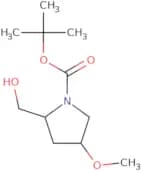
Discontinued producttert-Butyl (2S,4R)-2-(hydroxymethyl)-4-methoxypyrrolidine-1-carboxylate
CAS:<p>Versatile small molecule scaffold</p>Formula:C11H21NO4Purity:Min. 95%Molecular weight:231.29 g/molRef: 3D-KHA95113
Discontinued product5-(4-Nitro-phenyl)-[1,3,4]thiadiazol-2-ylamine
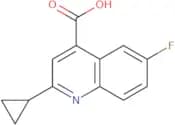
CAS:<p>Versatile small molecule scaffold</p>Formula:C8H6N4O2SPurity:Min. 95%Molecular weight:222.23 g/mol2-Cyclopropyl-6-fluoroquinoline-4-carboxylic acid
CAS:<p>Versatile small molecule scaffold</p>Formula:C13H10FNO2Purity:Min. 95%Molecular weight:231.22 g/molRef: 3D-AAA78458
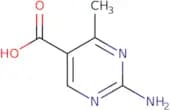
Discontinued product2-Amino-4-methyl-pyrimidine-5-carboxylic acid
CAS:<p>2-Amino-4-methyl-pyrimidine-5-carboxylic acid is a spleen cell immunogen that induces antibody production in animals. 2-Amino-4-methyl-pyrimidine-5-carboxylic acid is an immunogen that belongs to the class of pyrimidine carboxylic acids. It has been optimised for use as an animal vaccine by inoculating it into tissues and monitoring antibody production with an enzyme linked immunosorbent assay. This compound has also been used to monitor and screen for antibodies in liquid chromatography.</p>Formula:C6H7N3O2Purity:Min. 95%Molecular weight:153.14 g/molRef: 3D-AAA76951
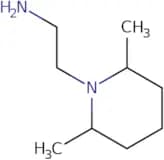
Discontinued product2-(2,6-Dimethylpiperidin-1-yl)ethan-1-amine
CAS:<p>Versatile small molecule scaffold</p>Formula:C9H20N2Purity:Min. 95%Molecular weight:156.27 g/molRef: 3D-AAA76924
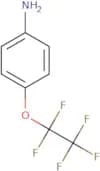
Discontinued product4-(Perfluoroethoxy)aniline
CAS:<p>Versatile small molecule scaffold</p>Formula:C8H6F5NOPurity:Min. 95%Molecular weight:227.13 g/molRef: 3D-AAA71785
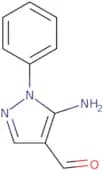
Discontinued product5-Amino-1-phenyl-1H-pyrazole-4-carbaldehyde
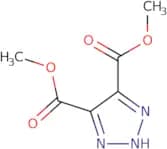
CAS:<p>Versatile small molecule scaffold</p>Formula:C10H9N3OPurity:Min. 95%Molecular weight:187.2 g/mol4,5-Dimethyl 1H-1,2,3-triazole-4,5-dicarboxylate
CAS:<p>Versatile small molecule scaffold</p>Formula:C6H7N3O4Purity:Min. 95%Molecular weight:185.14 g/molRef: 3D-AAA70794
Discontinued product2-[Bis(2-methoxyethyl)amino]-5-methylbenzoic acid
CAS:<p>Versatile small molecule scaffold</p>Formula:C14H21NO4Purity:Min. 95%Molecular weight:267.32 g/molRef: 3D-GCC60399
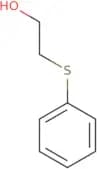
Discontinued product2-(Phenylthio)ethanol
CAS:<p>2-Phenylthioethanol is a monomer that is used in the synthesis of silver trifluoromethanesulfonate. 2-Phenylthioethanol reacts with hydroxyl groups to form an ether linkage, which is the basis for its use as a monomer. 2-Phenylthioethanol has been shown to react with orthophosphate to form an ester linkage. This reaction is catalyzed by a nucleophile (e.g., chloride) and occurs at neutral pH in the presence of aluminium powder. The rate of this reaction increases with temperature and can be accelerated by diphenyl sulfoxide. The coatings industry uses 2-phenylthioethanol as a solvent for polyvinylchloride and polyurethane coatings, due to its ability to dissolve these materials without degrading them.</p>Formula:C8H10OSPurity:Min. 95%Molecular weight:154.23 g/molMethyl 2-formyl-6H-thieno[2,3-b]pyrrole-5-carboxylate
CAS:<p>Versatile small molecule scaffold</p>Formula:C9H7NO3SPurity:Min. 95%Molecular weight:209.22 g/molRef: 3D-MKD78215
Discontinued productTricyclo[2.2.1.0,2,6]heptane-3-carboxylic acid
CAS:<p>Versatile small molecule scaffold</p>Formula:C8H10O2Purity:Min. 95%Molecular weight:138.16 g/molRef: 3D-AAA69756
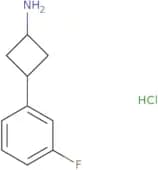
Discontinued product3-(3-Fluorophenyl)cyclobutan-1-amine hydrochloride
CAS:<p>Versatile small molecule scaffold</p>Formula:C10H13ClFNPurity:Min. 95%Molecular weight:201.67 g/molRef: 3D-HXC93975
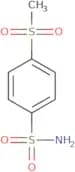
Discontinued product4-Methanesulfonylbenzene-1-sulfonamide
CAS:<p>4-Methanesulfonylbenzene-1-sulfonamide is a research chemical that is used in assays to study the metabolism of penicillium chrysogenum and other fungi. The metabolite 4-methanesulfonylbenzenesulfonic acid has been shown to inhibit fungal growth by inhibiting the synthesis of proteins, such as ribosomal proteins, which are necessary for cell division. This research chemical has also been shown to inhibit the production of aflatoxins, which are carcinogenic compounds produced by Aspergillus flavus and other species of fungi. 4-Methanesulfonylbenzene-1-sulfonamide has been found to be safe for use in humans and animals and can be used as a replacement for methyl bromide due to its sustainable functionality.</p>Formula:C7H9NO4S2Purity:Min. 95%Molecular weight:235.3 g/mol2-Methyl-3-[(propan-2-yl)amino]benzoic acid
CAS:<p>Versatile small molecule scaffold</p>Formula:C11H15NO2Purity:Min. 95%Molecular weight:193.24 g/molRef: 3D-HWB40532
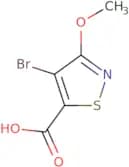
Discontinued product4-Bromo-3-methoxy-1,2-thiazole-5-carboxylic acid
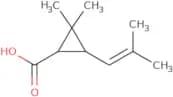
CAS:<p>Versatile small molecule scaffold</p>Formula:C5H4BrNO3SPurity:Min. 95%Molecular weight:238.06 g/molChrysanthemic acid
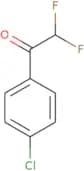
CAS:<p>Chrysanthemic acid is a chiral molecule that has been shown to have anti-inflammatory properties. The hydroxyl group in the molecule reacts with malonic acid, forming a chrysanthemic ester. Chrysanthemic acid is also known as an analytical method for determining the degree of unsaturation of fatty acids. Chrysanthemic acid is used in the synthesis of monoclonal antibodies, which can be applied for the treatment and prevention of diseases such as cancer, rheumatoid arthritis, Crohn's disease, and other autoimmune disorders. It can also be used to treat infections caused by bacteria that are resistant to antibiotics. The basic structure of chrysanthemic acid is an inorganic acid that contains a hydroxyl group and an asymmetric carbon atom.</p>Formula:C10H16O2Purity:Min. 95%Molecular weight:168.23 g/mol1-(4-Chloro-phenyl)-2,2-difluoro-ethanone
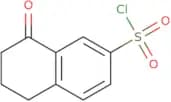
CAS:<p>Versatile small molecule scaffold</p>Formula:C8H5ClF2OPurity:Min. 95%Molecular weight:190.57 g/mol8-Oxo-5,6,7,8-tetrahydronaphthalene-2-sulfonyl chloride
CAS:<p>Versatile small molecule scaffold</p>Formula:C10H9ClO3SPurity:Min. 95%Molecular weight:244.69 g/molRef: 3D-CWB55902
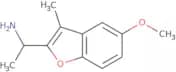
Discontinued product1-(5-Methoxy-3-methyl-1-benzofuran-2-yl)ethan-1-amine
CAS:<p>Versatile small molecule scaffold</p>Formula:C12H15NO2Purity:Min. 95%Molecular weight:205.25 g/mol2-[4-(1,3-Dioxaindan-5-yl)-4-methyl-2,5-dioxoimidazolidin-1-yl]acetic acid
CAS:<p>Versatile small molecule scaffold</p>Formula:C13H12N2O6Purity:Min. 95%Molecular weight:292.24 g/molRef: 3D-CWB51377
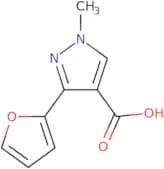
Discontinued product3-(Furan-2-yl)-1-methyl-1H-pyrazole-4-carboxylic acid
CAS:<p>Versatile small molecule scaffold</p>Formula:C9H8N2O3Purity:Min. 95%Molecular weight:192.17 g/molRef: 3D-CWB50987
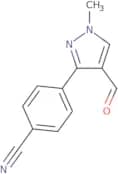
Discontinued product4-(4-Formyl-1-methyl-1H-pyrazol-3-yl)benzonitrile
CAS:<p>Versatile small molecule scaffold</p>Formula:C12H9N3OPurity:Min. 95%Molecular weight:211.22 g/molRef: 3D-CWB50850
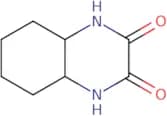
Discontinued productrac-(4aR,8aS)-Decahydroquinoxaline-2,3-dione
CAS:<p>Versatile small molecule scaffold</p>Formula:C8H12N2O2Purity:Min. 95%Molecular weight:168.19 g/mol2'-Amino-[1,1'-bi(cyclopropane)]-2-carboxylic acid hydrochloride
CAS:<p>Versatile small molecule scaffold</p>Formula:C7H12ClNO2Purity:Min. 95%Molecular weight:177.6 g/molRef: 3D-CVD03476
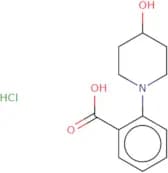
Discontinued product2-(4-Hydroxypiperidin-1-yl)benzoic acid hydrochloride
CAS:<p>Versatile small molecule scaffold</p>Formula:C12H16ClNO3Purity:Min. 95%Molecular weight:257.7 g/molRef: 3D-CVD03422
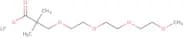
Discontinued productLithium 13,13-dimethyl-2,5,8,11-tetraoxatetradecan-14-oate
CAS:<p>Versatile small molecule scaffold</p>Formula:C12H23LiO6Purity:Min. 95%Molecular weight:270.2 g/molRef: 3D-CVD03383
Discontinued productN-{[2-(Prop-2-en-1-yloxy)phenyl]methyl}-1,3-dioxaindan-5-amine hydrochloride
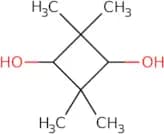
CAS:<p>Versatile small molecule scaffold</p>Formula:C17H18ClNO3Purity:Min. 95%Molecular weight:319.8 g/mol2,2,4,4-Tetramethyl-1,3-cyclobutanediol, mixture of isomers
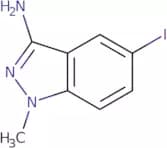
CAS:<p>Tetramethyl-1,3-cyclobutanediol is a diacid that can be used as a monomer for the production of polyesters. It has conformational properties that are different from other diols. Tetramethyl-1,3-cyclobutanediol is soluble in hydrochloric acid and reacts with coatings containing dibutyltin oxide to produce residues. This chemical also reacts with copper oxide, resulting in the formation of copper cyclohexanol and dibutyltin oxide. Tetramethyl-1,3-cyclobutanediol is able to react with carboxylic acids to form esters. This compound has been shown to be employed in the synthesis of polycarboxylic acids such as adipic acid and sebacic acid. Tetramethyl-1,3-cyclobutanediol has been used in the production of polyester resins by reacting with ethylene glycol and tere</p>Formula:C8H16O2Purity:Min. 95%Molecular weight:144.21 g/mol5-Iodo-1-methyl-1H-indazol-3-amine
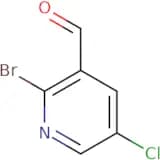
CAS:<p>Versatile small molecule scaffold</p>Formula:C8H8IN3Purity:Min. 95%Molecular weight:273.07 g/mol2-bromo-5-chloropyridine-3-carbaldehyde
CAS:<p>Versatile small molecule scaffold</p>Formula:C6H3BrClNOPurity:Min. 95%Molecular weight:220.5 g/molRef: 3D-CZB60552
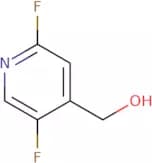
Discontinued product(2,5-Difluoropyridin-4-yl)methanol
CAS:<p>Versatile small molecule scaffold</p>Formula:C6H5F2NOPurity:Min. 95%Molecular weight:145.11 g/mol2-Chloro-5-methoxy-4-methylpyridine
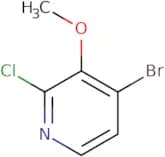
CAS:<p>Versatile small molecule scaffold</p>Formula:C7H8ClNOPurity:Min. 95%Molecular weight:157.6 g/mol4-Bromo-2-chloro-3-methoxypyridine
CAS:<p>Versatile small molecule scaffold</p>Formula:C6H5BrClNOPurity:Min. 95%Molecular weight:222.47 g/molRef: 3D-CZB56335
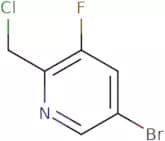
Discontinued product5-Bromo-2-(chloromethyl)-3-fluoropyridine
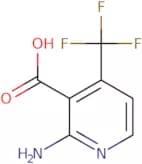
CAS:<p>Versatile small molecule scaffold</p>Formula:C6H4BrClFNPurity:Min. 95%Molecular weight:224.46 g/mol2-Amino-4-(trifluoromethyl)nicotinic acid
CAS:<p>Versatile small molecule scaffold</p>Formula:C7H5F3N2O2Purity:Min. 95%Molecular weight:206.12 g/molRef: 3D-CZB48968
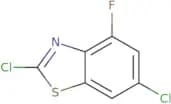
Discontinued product2,6-Dichloro-4-fluoro-1,3-benzothiazole
CAS:<p>Versatile small molecule scaffold</p>Formula:C7H2Cl2FNSPurity:Min. 95%Molecular weight:222.07 g/molRef: 3D-CXB35078
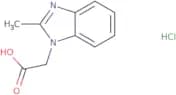
Discontinued product2-(2-Methyl-1H-1,3-benzodiazol-1-yl)acetic acid hydrochloride
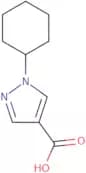
CAS:<p>Versatile small molecule scaffold</p>Formula:C10H11ClN2O2Purity:Min. 95%Molecular weight:226.66 g/mol1-Cyclohexyl-1H-pyrazole-4-carboxylic acid
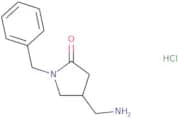
CAS:<p>Versatile small molecule scaffold</p>Formula:C10H14N2O2Purity:Min. 95%Molecular weight:194.23 g/mol4-(Aminomethyl)-1-benzylpyrrolidin-2-one hydrochloride
CAS:<p>Versatile small molecule scaffold</p>Formula:C12H17ClN2OPurity:Min. 95%Molecular weight:240.73 g/mol5-(Propan-2-yl)-1-(pyridin-4-yl)-1H-pyrazole-3-carboxylic acid
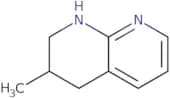
CAS:<p>Versatile small molecule scaffold</p>Formula:C12H13N3O2Purity:Min. 95%Molecular weight:231.25 g/mol3-Methyl-1,2,3,4-tetrahydro-1,8-naphthyridine
CAS:<p>Versatile small molecule scaffold</p>Formula:C9H12N2Purity:Min. 95%Molecular weight:148.2 g/molRef: 3D-CWD82961
Discontinued productMethyl 2-amino-2-(1-hydroxycyclohexyl)acetate hydrochloride
CAS:<p>Versatile small molecule scaffold</p>Formula:C9H18ClNO3Purity:Min. 95%Molecular weight:223.7 g/molRef: 3D-CWD82898
Discontinued product4-(1-Phenyl-1H-pyrazol-4-yl)-1H-pyrrole-3-carboxylic acid
CAS:<p>Versatile small molecule scaffold</p>Formula:C14H11N3O2Purity:Min. 95%Molecular weight:253.26 g/molRef: 3D-CWB96426
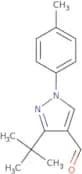
Discontinued product3-tert-Butyl-1-(4-methylphenyl)-1H-pyrazole-4-carbaldehyde
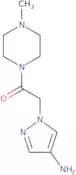
CAS:<p>Versatile small molecule scaffold</p>Formula:C15H18N2OPurity:Min. 95%Molecular weight:242.32 g/mol2-(4-Amino-1H-pyrazol-1-yl)-1-(4-methylpiperazin-1-yl)ethan-1-one
CAS:<p>Versatile small molecule scaffold</p>Formula:C10H17N5OPurity:Min. 95%Molecular weight:223.28 g/molRef: 3D-CWB91424
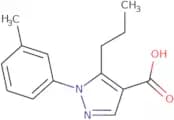
Discontinued product1-(3-Methylphenyl)-5-propyl-1H-pyrazole-4-carboxylic acid
CAS:Versatile small molecule scaffoldFormula:C14H16N2O2Purity:Min. 95%Molecular weight:244.29 g/molRef: 3D-CWB88210
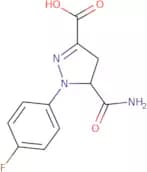
Discontinued product5-Carbamoyl-1-(4-fluorophenyl)-4,5-dihydro-1H-pyrazole-3-carboxylic acid
CAS:<p>Versatile small molecule scaffold</p>Formula:C11H10FN3O3Purity:Min. 95%Molecular weight:251.21 g/molRef: 3D-CWB88087
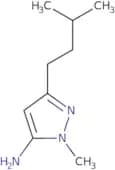
Discontinued product1-Methyl-3-(3-methylbutyl)-1H-pyrazol-5-amine
CAS:<p>Versatile small molecule scaffold</p>Formula:C9H17N3Purity:Min. 95%Molecular weight:167.25 g/molRef: 3D-CWB70775
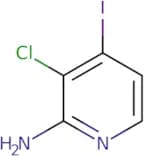
Discontinued product3-Chloro-4-iodopyridin-2-amine
CAS:<p>3-Chloro-4-iodopyridin-2-amine is a chemical compound with the formula CHI. It is a white solid that can be used in evaluating cross-coupling reactions, such as the coupling of an alkyne with a chlorine atom. This chemical has been shown to react well with chlorination reagents and to form substituted cyanides. The nature of the substituent on the chlorine atom determines its regioselectivity and reactivity, making this compound useful for regiocontrolled synthesis.</p>Formula:C5H4ClIN2Purity:Min. 95%Molecular weight:254.46 g/mol3-Ethyl-3-(4-methylphenyl)pyrrolidine-2,5-dione
CAS:<p>Versatile small molecule scaffold</p>Formula:C13H15NO2Purity:Min. 95%Molecular weight:217.26 g/molRef: 3D-CWB58411
Discontinued product4-[(2-Aminopyridin-3-yl)oxy]butanenitrile
CAS:<p>Versatile small molecule scaffold</p>Formula:C9H11N3OPurity:Min. 95%Molecular weight:177.2 g/mol2-Bromo-3,3,3-trifluoro-1-propene
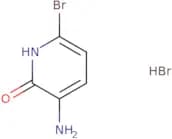
CAS:Controlled Product<p>2-Bromo-3,3,3-trifluoro-1-propene is a chemical compound that has been synthesized in an asymmetric reaction. The reactant is bromopropane and the product is 2,2,2-trifluoropropene. The methylene group on the propene molecule is activated by the nucleophilic attack of a fluoride ion from hydrogen fluoride to form a cavity with a highly strained bond. The kinetic study of this reaction revealed that the activation energy for the reaction is 42 kJ/mol. Palladium-catalyzed coupling reactions are catalyzed by palladium and require nonpolar solvents such as toluene or dichloromethane. This type of reaction has been shown to be exothermic with an isolated yield of 1%.</p>Formula:C3H2BrF3Purity:Min. 95%Color and Shape:Colorless PowderMolecular weight:174.95 g/mol3-amino-6-bromopyridin-2-ol hydrobromide
CAS:<p>Versatile small molecule scaffold</p>Formula:C5H6Br2N2OPurity:Min. 95%Molecular weight:269.9 g/mol1-[3-(Dimethylamino)propyl]-1-(4-fluorophenyl)-1,3-dihydro-3-oxo-5-isobenzofurancarbonitrile
CAS:<p>Please enquire for more information about 1-[3-(Dimethylamino)propyl]-1-(4-fluorophenyl)-1,3-dihydro-3-oxo-5-isobenzofurancarbonitrile including the price, delivery time and more detailed product information at the technical inquiry form on this page</p>Formula:C20H19FN2O2Purity:Min. 95%Molecular weight:338.38 g/molRef: 3D-FD184085
Discontinued product2-Acetylbenzoic acid
CAS:<p>2-Acetylbenzoic acid is a functional molecule that contains an acetyl group. It can form hydrogen bonds with other molecules and has been shown to induce apoptosis in cells. The reaction products of 2-acetylbenzoic acid are malonic acid, acetylsalicylic acid, and 2-benzoylbenzoic acid. These three compounds are made by the addition of hydrogen or hydroxide to the molecule 2-acetylbenzoic acid. The molecule has two functional groups: a carbonyl group and an acetyl group. The chemical structure of this molecule can be seen in the figure below.<br>2-Acetylbenzoic Acid</p>Formula:C9H8O3Purity:Min. 95%Color and Shape:PowderMolecular weight:164.16 g/molRef: 3D-FA05086
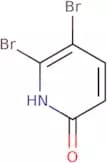
Discontinued product5,6-Dibromopyridin-2-ol
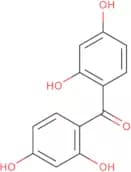
CAS:<p>Versatile small molecule scaffold</p>Formula:C5H3Br2NOPurity:Min. 95%Molecular weight:252.89 g/mol2,2',4,4'-tetrahydroxybenzophenone
CAS:<p>2,2',4,4'-tetrahydroxybenzophenone is a hydroxylated benzophenone that has immunomodulatory effects. It binds to the receptor in the immune system and can cause an increase in cytokine production. 2,2',4,4'-tetrahydroxybenzophenone is cytotoxic and has significant toxicity in vitro. The molecule has been shown to disrupt mitochondrial membrane potential. This may be due to its ability to form hydrogen bonds with molecules on the mitochondrial membrane. 2,2',4,4'-tetrahydroxybenzophenone also modulates transcriptional regulation of genes involved in cell proliferation and apoptosis. The drug is detectable at low levels by mass spectrometry and is not known to have any toxicological effects.END>></p>Formula:C13H10O5Purity:Min. 95%Color and Shape:Green PowderMolecular weight:246.22 g/molRef: 3D-FT55663
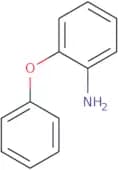
Discontinued product2-Phenoxyaniline
CAS:<p>2-Phenoxyaniline is a nitro compound that can be converted to the corresponding palladium complexes. It is an inhibitor of the acylation reaction, which is a type of chemical reaction in which an organic molecule reacts with an acid. The inhibition of this reaction has been shown to have an effect on heart disease, specifically by lowering cholesterol levels and reducing atherosclerosis. 2-Phenoxyaniline has also been shown to inhibit the activation energy for electron transfer reactions, making it useful as a catalyst in analytical methods. 2-Phenoxyaniline also undergoes vibrational spectroscopy when exposed to liquid chromatography and other analytical methods.</p>Formula:C12H11NOPurity:Min. 95%Color and Shape:Brown PowderMolecular weight:185.22 g/moltert-Butyl 5-bromo-3,4-dihydro-2,7-naphthyridine-2(1H)-carboxylate
CAS:<p>Versatile small molecule scaffold</p>Formula:C13H17BrN2O2Purity:Min. 95%Molecular weight:313.19 g/mol3-Methylbenzo[b]thiophene-2-carboxylic acid
CAS:<p>3-Methylbenzo[b]thiophene-2-carboxylic acid (MBTCA) is a heterocyclic compound that is an intermediate in the synthesis of 3-methylthiophene-2-carboxylic acid, a precursor to other drugs. MBTCA is an aerobic, nonpolar compound that has shown antimicrobial activity against some bacteria and fungi. It also has been shown to have practicality as a biomolecular probe for methyl groups in organic solvents. MBTCA can be synthesized by nitration of benzene in the presence of sulfur and sulfoxides. This reaction produces nitrobenzene, which can then be oxidized by potassium permanganate or hydrogen peroxide to produce MBTCA. The most common isomer of MBTCA is 2-(3,5-dimethoxybenzylidene)tetrahydrofuran, with three methyl groups on the</p>Formula:C10H8O2SPurity:Min. 95%Molecular weight:192.23 g/mol4-(Methylamino)benzene-1-sulfonamide
CAS:<p>Versatile small molecule scaffold</p>Formula:C7H10N2O2SPurity:Min. 95%Molecular weight:186.23 g/mol3-(Methoxycarbonyl)pyridine-4-carboxylic acid
CAS:<p>Versatile small molecule scaffold</p>Formula:C8H7NO4Purity:Min. 95%Molecular weight:181.15 g/molH-Ser-Ala-Glu-Glu-Tyr-Glu-Tyr-Pro-Ser OH trifluoroacetate
CAS:<p>Please enquire for more information about H-Ser-Ala-Glu-Glu-Tyr-Glu-Tyr-Pro-Ser OH trifluoroacetate including the price, delivery time and more detailed product information at the technical inquiry form on this page</p>Formula:C47H63N9O20•(C2HF3O2)xPurity:Min. 95%Ref: 3D-FS183525
Discontinued productGivinostat hydrochloride
CAS:<p>Givinostat hydrochloride is a research chemical that has shown potential in various fields. It is a molybdenum-based compound that has been studied for its effects on dopamine release and hydrogen evolution. Givinostat hydrochloride has also been investigated as an osteoclast inhibitor, which may be beneficial in the treatment of bone-related disorders such as osteoporosis. Additionally, it has shown promise as a retinoid and calpain inhibitor, suggesting its potential use in dermatological conditions and neurodegenerative diseases. The compound contains fluorine atoms, making it suitable for imaging studies using fluorine MRI techniques. Givinostat hydrochloride has been tested on MDA-MB-231 cells and has shown inhibitory effects on their growth, indicating its potential as an anticancer agent.</p>Formula:C24H27N3O4·HClPurity:Min. 95%Molecular weight:457.95 g/mol

![Bicyclo[4.1.0]heptan-7-ylmethanol](/_next/image/?url=https%3A%2Fstatic.cymitquimica.com%2Fproducts%2F3D%2Fthumb-webp%2FGAA22639.webp&w=3840&q=75)

![3,6-Dimethylimidazo[2,1-b]thiazole-5-carbaldehyde](/_next/image/?url=https%3A%2Fstatic.cymitquimica.com%2Fproducts%2F3D%2Fthumb-webp%2FFFA18230.webp&w=3840&q=75)
![3-[(6-Chloropyrimidin-4-yl)amino]propanamide](/_next/image/?url=https%3A%2Fstatic.cymitquimica.com%2Fproducts%2F3D%2Fthumb-webp%2FAAC48959.webp&w=3840&q=75)

![2-[(2-Cyclohexylethyl)amino]acetamide](/_next/image/?url=https%3A%2Fstatic.cymitquimica.com%2Fproducts%2F3D%2Fthumb-webp%2FJXB07544.webp&w=3840&q=75)



![N-(2-Aminoethyl)-3-bromo-1-methyl-1H-pyrazolo[3,4-d]pyrimidin-4-amine](/_next/image/?url=https%3A%2Fstatic.cymitquimica.com%2Fproducts%2F3D%2Fthumb-webp%2FIAC65137.webp&w=3840&q=75)
![4-{[(4-Fluorophenyl)methyl]amino}butanoic acid hydrochloride](/_next/image/?url=https%3A%2Fstatic.cymitquimica.com%2Fproducts%2F3D%2Fthumb-webp%2FGXB45825.webp&w=3840&q=75)
![5-(4-Nitro-phenyl)-[1,3,4]thiadiazol-2-ylamine](/_next/image/?url=https%3A%2Fstatic.cymitquimica.com%2Fproducts%2F3D%2Fthumb-webp%2FAAA83363.webp&w=3840&q=75)
![2-[Bis(2-methoxyethyl)amino]-5-methylbenzoic acid](/_next/image/?url=https%3A%2Fstatic.cymitquimica.com%2Fproducts%2F3D%2Fthumb-webp%2FGCC60399.webp&w=3840&q=75)
![Methyl 2-formyl-6H-thieno[2,3-b]pyrrole-5-carboxylate](/_next/image/?url=https%3A%2Fstatic.cymitquimica.com%2Fproducts%2F3D%2Fthumb-webp%2FMKD78215.webp&w=3840&q=75)
![Tricyclo[2.2.1.0,2,6]heptane-3-carboxylic acid](/_next/image/?url=https%3A%2Fstatic.cymitquimica.com%2Fproducts%2F3D%2Fthumb-webp%2FAAA69756.webp&w=3840&q=75)
![2-Methyl-3-[(propan-2-yl)amino]benzoic acid](/_next/image/?url=https%3A%2Fstatic.cymitquimica.com%2Fproducts%2F3D%2Fthumb-webp%2FHWB40532.webp&w=3840&q=75)
![2-[4-(1,3-Dioxaindan-5-yl)-4-methyl-2,5-dioxoimidazolidin-1-yl]acetic acid](/_next/image/?url=https%3A%2Fstatic.cymitquimica.com%2Fproducts%2F3D%2Fthumb-webp%2FCWB51377.webp&w=3840&q=75)
![2'-Amino-[1,1'-bi(cyclopropane)]-2-carboxylic acid hydrochloride](/_next/image/?url=https%3A%2Fstatic.cymitquimica.com%2Fproducts%2F3D%2Fthumb-webp%2FCVD03476.webp&w=3840&q=75)
![N-{[2-(Prop-2-en-1-yloxy)phenyl]methyl}-1,3-dioxaindan-5-amine hydrochloride](/_next/image/?url=https%3A%2Fstatic.cymitquimica.com%2Fproducts%2F3D%2Fthumb-webp%2FCVD03113.webp&w=3840&q=75)




![4-[(2-Aminopyridin-3-yl)oxy]butanenitrile](/_next/image/?url=https%3A%2Fstatic.cymitquimica.com%2Fproducts%2F3D%2Fthumb-webp%2FCWB56149.webp&w=3840&q=75)

![1-[3-(Dimethylamino)propyl]-1-(4-fluorophenyl)-1,3-dihydro-3-oxo-5-isobenzofurancarbonitrile](/_next/image/?url=https%3A%2Fstatic.cymitquimica.com%2Fproducts%2F3D%2Fthumb-webp%2FFD184085.webp&w=3840&q=75)


![3-Methylbenzo[b]thiophene-2-carboxylic acid](/_next/image/?url=https%3A%2Fstatic.cymitquimica.com%2Fproducts%2F3D%2Fthumb-webp%2FDAA13378.webp&w=3840&q=75)