


Building Blocks
Subcategories of "Building Blocks"
- Boronic Acids & Boronic Acid Derivatives(5,778 products)
- Chiral Building Blocks(1,243 products)
- Hydrocarbon Building Blocks(6,099 products)
- Organic Building Blocks(61,038 products)
Found 205373 products of "Building Blocks"
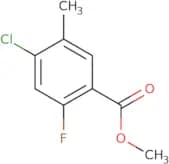
Methyl 4-chloro-2-fluoro-5-methylbenzoate
CAS:Versatile small molecule scaffoldFormula:C9H8ClFO2Purity:Min. 95%Molecular weight:202.61 g/molRef: 3D-SXB54788
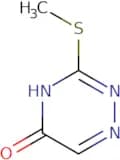
Discontinued product3-(Methylthio)-1,2,4-triazin-5(4H)-one
CAS:3-(Methylthio)-1,2,4-triazin-5(4H)-one is an organic compound that belongs to the class of thiones. It is a ligand in coordination chemistry and can be used for the discovery of new lead compounds. 3-(Methylthio)-1,2,4-triazin-5(4H)-one binds to heavy metals such as lead or zinc by forming chelate complexes with them. This ligand also has nitro groups that are sensitive to oxidation and nitration under acidic conditions. The compound has been shown to have high chemical stability when exposed to air or moisture and heat. 3-(Methylthio)-1,2,4-triazin-5(4H)-one is not toxic when ingested orally and does not cause skin irritation or eye damage in animal studies.
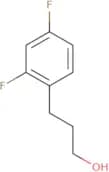
Formula:C4H5N3OSPurity:Min. 95%Molecular weight:143.17 g/mol3-(2,4-Difluorophenyl)propan-1-ol
CAS:Versatile small molecule scaffold
Formula:C9H10F2OPurity:Min. 95%Molecular weight:172.17 g/molRef: 3D-HNB20467
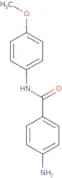
Discontinued product4-Amino-n-(4-methoxyphenyl)benzamide
CAS:4-Amino-N-(4-methoxyphenyl)benzamide is a catalytic sulfamate that has been optimized for use in the synthesis of benzimidazole derivatives. 4-Amino-N-(4-methoxyphenyl)benzamide is used as a reagent for the preparation of aldehydes from sulfamic acid and various types of carboxylic acids. The reaction mechanism involves nucleophilic attack by the hydroxyl group from the sulfamate on the carbonyl carbon atom to form an intermediate, which then reacts with water to release hydrogen sulfate and form a new double bond.
Formula:C14H14N2O2Purity:Min. 95%Molecular weight:242.27 g/molRef: 3D-AAA89135
Discontinued producttert-Butyl 7-hydroxy-1-azaspiro[3.5]nonane-1-carboxylate
CAS:Versatile small molecule scaffold
Formula:C13H23NO3Purity:Min. 95%Molecular weight:241.33 g/molRef: 3D-SLD21134
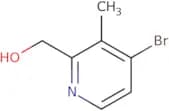
Discontinued product(4-Bromo-3-methylpyridin-2-yl)methanol
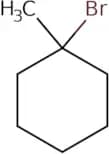
CAS:Versatile small molecule scaffoldFormula:C7H8BrNOPurity:Min. 95%Molecular weight:202.05 g/mol1-Bromo-1-methylcyclohexane
CAS:1-Bromo-1-methylcyclohexane is a monomolecular gas that is used as an intermediate in organic synthesis. It reacts with halides to form cyclopentyl derivatives. This reaction has been shown to be faster than the corresponding reaction of 1-bromocyclohexane with chlorides or bromides. The rate of this reaction may be due to the polarizability and conformational changes of the molecule upon substitution by a methyl group. 1-Bromo-1-methylcyclohexane is also an ionizing reagent, which means it can cause electrophilic reactions to occur on other molecules. It has been found that the solvent effect on this product can affect its reactivity, with solvents such as water having more of an effect than solvents such as benzene. 1-Bromo-1-methylcyclohexane has been shown to interact with other compounds in both transfer and complex
Formula:C7H13BrPurity:Min. 95%Molecular weight:177.08 g/molRef: 3D-AAA93177
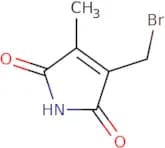
Discontinued product3-(Bromomethyl)-4-methyl-2,5-dihydro-1H-pyrrole-2,5-dione
CAS:Versatile small molecule scaffold
Formula:C6H6BrNO2Purity:Min. 95%Molecular weight:204.02 g/molRef: 3D-IIA33370
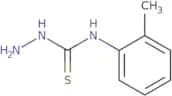
Discontinued product4-(2-Methylphenyl)-3-thiosemicarbazide
CAS:4-(2-Methylphenyl)-3-thiosemicarbazide is a crystalline solid that belongs to the group of benzoic acid derivatives. It has an orthorhombic crystal structure, with a yellow color. The crystals are measured at room temperature, and it has an atomic weight of 197.11 g/mol. 4-(2-Methylphenyl)-3-thiosemicarbazide is stable in air and in solution, but decomposes at temperatures above 250°C. This compound has been studied by using X-ray diffraction measurements and Bruker parameters. Its isotropic radiation is recorded at the following wavelength: 1.5418 Å (1).
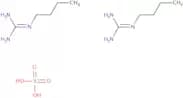
Formula:C8H11N3SPurity:Min. 95%Molecular weight:181.26 g/molBis(1-butylguanidine), sulfuric acid
CAS:Bis(1-butylguanidine), sulfuric acid (BBSS) is a disinfectant that belongs to the group of isothiocyanates. It has been shown to be an effective fungicide and bactericide in the treatment of herpesvirus infections. BBSS causes death of cells by reacting with and destroying their DNA, which is important for the production of new cell material. The reaction also results in the formation of hydroxyl radicals, which are highly reactive and destructive molecules that can damage other biomolecules such as proteins and lipids. This chemical also acts as an anesthetic by blocking nerve transmissions in certain regions of the body, such as the brain or spinal cord.
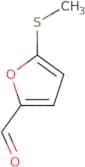
Formula:C10H28N6O4SPurity:Min. 95%Molecular weight:328.44 g/mol5-(Methylsulfanyl)furan-2-carbaldehyde
CAS:Versatile small molecule scaffold
Formula:C6H6O2SPurity:Min. 95%Molecular weight:142.18 g/molRef: 3D-AAA93294
Discontinued product6-Chloro-3-methyl-[1,2,4]triazolo[3,4-a]-phthalazine
CAS:Versatile small molecule scaffold
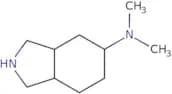
Formula:C10H7ClN4Purity:Min. 95%Molecular weight:218.65 g/molN,N-Dimethyl-octahydro-1H-isoindol-5-amine
CAS:Versatile small molecule scaffold
Formula:C10H20N2Purity:Min. 95%Molecular weight:168.28 g/molRef: 3D-KCD26889
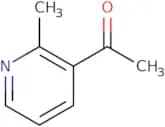
Discontinued product1-(2-Methylpyridin-3-yl)ethanone
CAS:1-(2-Methylpyridin-3-yl)ethanone is a ketone that can be synthesized using the reaction of methyl sulfone, benzyl sulfone, and sulphone. It has been shown to have anti-inflammatory properties by inhibiting prostaglandin synthesis and has been used as a nonsteroidal anti-inflammatory drug (NSAID). 1-(2-Methylpyridin-3-yl)ethanone has also been shown to have analgesic effects in mice. This synthetic compound may be useful in treating inflammation, pain, and fever.
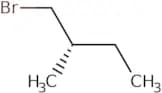
Formula:C8H9NOPurity:Min. 95%Molecular weight:135.16 g/mol(S)-(+)-1-Bromo-2-methylbutane
CAS:(S)-(+)-1-Bromo-2-methylbutane is a chiral molecule with two stereoisomers, the cis and trans forms. The cis form has been observed to be the more stable of the two. It is a functional theory that these two forms are not mirror images of each other because they have different conformations. (S)-(+)-1-Bromo-2-methylbutane has been used in the synthesis of a number of important molecules. The stereoisomers can be distinguished by conformational analysis and optical microscopy. (S)-(+)-1-Bromo-2-methylbutane also has an application in biotechnology for use as a precursor for hydrazones, which are important in organic chemistry and molecular biology, such as DNA sequencing.
Formula:C5H11BrPurity:Min. 95%Molecular weight:151.04 g/mol4H-pyrrolo[2,3-D]thiazole-5-carboxylic acid
CAS:Versatile small molecule scaffold
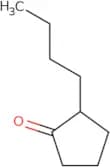
Formula:C6H4N2O2SPurity:Min. 95%Molecular weight:168.17 g/mol2-Butylcyclopentanone
CAS:2-Butylcyclopentanone is a protonated molecule that can be used in the kinetic protonation of alkyl halides. It has been shown to catalyze the formation of chiral carbanions from enolates and to form stereoisomers by kinetic asymmetric addition. The homologous series of 2-butylcyclopentanones has been studied extensively, as these molecules have been shown to have a wide range of uses, including as catalysts and reagents in organic synthesis.
The mechanistic studies on this molecule have revealed that it is an electrophilic alkylation agent that reacts with nucleophiles at the protonated carbon atom. The selectivity of this reaction depends on the reactivity of the nucleophile, with more reactive nucleophiles leading to higher levels of selectivity. Protonation and alkylation are reversible processes and equilibrium constants for these reactions can be determined experimentally by measuring rates for both forward andFormula:C9H16OPurity:Min. 95%Molecular weight:140.22 g/molRef: 3D-AAA93442
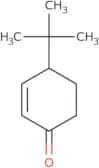
Discontinued product4-tert-Butylcyclohex-2-en-1-one
CAS:Versatile small molecule scaffold
Formula:C10H16OPurity:Min. 95%Molecular weight:152.23 g/molRef: 3D-AAA93707
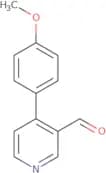
Discontinued product4-(4-Methoxyphenyl)pyridine-3-carbaldehyde
CAS:Versatile small molecule scaffold
Formula:C13H11NO2Purity:Min. 95%Molecular weight:213.23 g/molRef: 3D-ERA33870
Discontinued product5-Benzo[1,3]dioxol-5-yl-2H-pyrazole-3-carboxylic acid methyl ester
CAS:Versatile small molecule scaffoldFormula:C12H10N2O4Purity:Min. 95%Molecular weight:246.22 g/molRef: 3D-ERB10454
Discontinued product[1-(1-Ethyl-3-methyl-1H-pyrazol-4-yl)propyl]amine
CAS:Versatile small molecule scaffold
Formula:C9H17N3Purity:Min. 95%Molecular weight:167.25 g/molRef: 3D-HQB46021
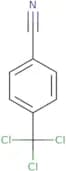
Discontinued product4-(Trichloromethyl)benzonitrile
CAS:4-(Trichloromethyl)benzonitrile is an organochlorine compound that can be chlorinating, chlorinating and chlorinating. It can also form mixtures with chlorine, chloride and methyl groups. 4-(Trichloromethyl)benzonitrile is a colorless liquid with a strong odor of chlorine.
Formula:C8H4Cl3NPurity:Min. 95%Molecular weight:220.5 g/molRef: 3D-CAA17945
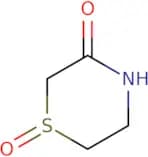
Discontinued product1λ⁴-Thiomorpholine-1,3-dione
CAS:Versatile small molecule scaffold
Formula:C4H7NO2SPurity:Min. 95%Molecular weight:133.17 g/molRef: 3D-NDA62029
Discontinued productrac-(1R,2S,6R,7S)-2-Methyl-4-oxatricyclo[5.2.1.0,2,6]dec-8-ene-3,5-dione
CAS:Rac-2,2'-Methylenebis(4-oxatricyclo[5.2.1.0,2,6]dec-8-ene)-3,5-dione is a polyvalent anhydride that has been used as a crosslinking agent in epoxy resin systems and as a viscosity modifier in polymerizable systems. It is also used as an additive to improve the properties of powder coatings and to produce polycarboxylic acid dispersions for use in alkyd resins and oil field chemical additives. The material is supplied as a colloidal suspension in water with a particle size of less than 1 micron. Racemic 2,2'-Methylenebis(4-oxatricyclo[5.2.1.0,2,6]dec-8-ene)-3,5-dione (rac-(1R,2S,6R,7S)-
Formula:C10H10O3Purity:Min. 95%Molecular weight:178.18 g/molRef: 3D-TAA31060
Discontinued product5,6,7,8-Tetrahydroindolizine-1-carbonitrile
CAS:Versatile small molecule scaffold
Formula:C9H10N2Purity:Min. 95%Molecular weight:146.19 g/molRef: 3D-SCA42169
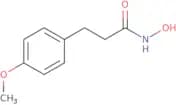
Discontinued productN-Hydroxy-3-(4-methoxyphenyl)propanamide
CAS:Versatile small molecule scaffold
Formula:C10H13NO3Purity:Min. 95%Molecular weight:195.21 g/mol2-Amino-4-chloro-3-methoxybenzoic acid
CAS:Versatile small molecule scaffold
Formula:C8H8ClNO3Purity:Min. 95%Molecular weight:201.61 g/molRef: 3D-SCA30346
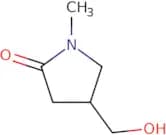
Discontinued product4-(Hydroxymethyl)-1-methylpyrrolidin-2-one
CAS:Versatile small molecule scaffold
Formula:C6H11NO2Purity:Min. 95%Molecular weight:129.16 g/molRef: 3D-JCA88720
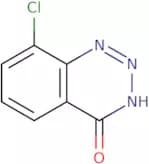
Discontinued product8-Chloro-3,4-dihydro-1,2,3-benzotriazin-4-one
CAS:Versatile small molecule scaffold
Formula:C7H4ClN3OPurity:Min. 95%Molecular weight:181.58 g/molRef: 3D-TAA34345
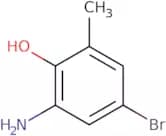
Discontinued product2-Amino-4-bromo-6-methylphenol
CAS:Versatile small molecule scaffold
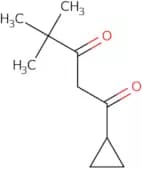
Formula:C7H8BrNOPurity:Min. 95%Color and Shape:PowderMolecular weight:202.05 g/mol1-Cyclopropyl-4,4-dimethylpentane-1,3-dione
CAS:Versatile small molecule scaffold
Formula:C10H16O2Purity:Min. 95%Molecular weight:168.23 g/molRef: 3D-SCA07876
Discontinued product2-[(2S)-Oxiran-2-yl]-1-benzofuran
CAS:Versatile small molecule scaffold
Formula:C10H8O2Purity:Min. 95%Molecular weight:160.17 g/molRef: 3D-TNA61408
Discontinued product4-[(Methylsulfanyl)methyl]benzoic acid
CAS:4-[(Methylsulfanyl)methyl]benzoic acid is a chiral compound with a sulfur atom. It can be prepared by the reaction between methylsulfonyl chloride and benzoyl chloride in chloroform or by the reaction of methoxysulfur trifluoride with benzoic acid. 4-[(Methylsulfanyl)methyl]benzoic acid can also be synthesized by the reaction of sulfone and carboxylic acid derivatives, such as benzyl or cyano. 4-[(Methylsulfanyl)methyl]benzoic acid is used as a fungicide, insecticide, and herbicide. The substituents on this molecule are able to form bonds with other molecules to create an array of different structures. The most common substitution is for methoxy, which has a hydroxy group attached to it. This substitution is found in many different types of molecules including some drugs, hormones, vitamins,
Formula:C9H10O2SPurity:Min. 95%Molecular weight:182.24 g/mol[2-(Methoxymethyl)-1,3-thiazol-5-yl]methanol
CAS:Versatile small molecule scaffold
Formula:C6H9NO2SPurity:Min. 95%Molecular weight:159.21 g/mol3-Bromo-5H,6H,8H-[1,2,4]triazolo[3,4-c][1,4]oxazine
CAS:Versatile small molecule scaffoldFormula:C5H6BrN3OPurity:Min. 95%Molecular weight:204.02 g/molRef: 3D-HWC64136
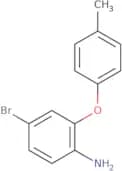
Discontinued product4-Bromo-2-(4-methylphenoxy)aniline
CAS:Versatile small molecule scaffold
Formula:C13H12BrNOPurity:Min. 95%Molecular weight:278.14 g/molRef: 3D-DJC67568
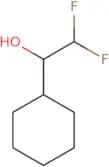
Discontinued product1-Cyclohexyl-2,2-difluoroethan-1-ol
CAS:Versatile small molecule scaffold
Formula:C8H14F2OPurity:Min. 95%Molecular weight:164.19 g/molRef: 3D-DGA80110
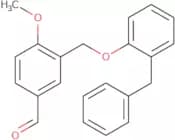
Discontinued product3-(2-Benzyl-phenoxymethyl)-4-methoxy-benzaldehyde
CAS:Versatile small molecule scaffold
Formula:C22H20O3Purity:Min. 95%Molecular weight:332.4 g/molRef: 3D-HIB73916
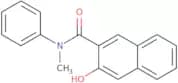
Discontinued product3-Hydroxy-N-methyl-N-phenylnaphthalene-2-carboxamide
CAS:Versatile small molecule scaffold
Formula:C18H15NO2Purity:Min. 95%Molecular weight:277.3 g/molRef: 3D-IDA03839
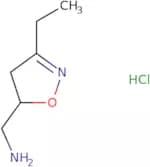
Discontinued product(3-Ethyl-4,5-dihydro-1,2-oxazol-5-yl)methanamine hydrochloride
CAS:Versatile small molecule scaffold
Formula:C6H13ClN2OPurity:Min. 95%Molecular weight:164.63 g/molRef: 3D-KXB29497
Discontinued product4-(5-{[(3-Phenyl-1,2,4-oxadiazol-5-yl)methyl]sulfanyl}-1,3,4-oxadiazol-2-yl)pyridine
CAS:Versatile small molecule scaffoldFormula:C16H11N5O2SPurity:Min. 95%Molecular weight:337.4 g/molPB-22 3-carboxyindole metabolite solution
CAS:Controlled ProductPB-22 is a synthetic cannabinoid, which can be classified as a CB1 receptor agonist. It is one of the many cannabinoids that have been created in an attempt to circumvent drug laws by creating compounds that are similar to those found in cannabis but have different chemical structures. PB-22 has shown to increase locomotor activity and stimulate the cb1 receptor in mice. Magnetic resonance spectroscopy (MRS) and assays were used to determine the binding affinity of PB-22 for the CB1 receptor. The MRS data showed that PB-22 bound with high affinity to the CB1 receptor and had a lower affinity for CB2 receptors. This suggests that PB-22 may be more potent than other synthetic cannabinoids, such as JWH-018 and CP 55,940, which bind better with CB2 receptors than CB1 receptors.
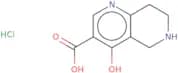
PB-22 is an analog of JWH-073 and has been shown to have a stronger effect on locomotor activity than JWHFormula:C14H17NO2Purity:Min. 95%Molecular weight:231.29 g/mol4-Hydroxy-5,6,7,8-tetrahydro-1,6-naphthyridine-3-carboxylic acid hydrochloride
CAS:Versatile small molecule scaffold
Formula:C9H11ClN2O3Purity:Min. 95%Molecular weight:230.6 g/molRef: 3D-UND36914
Discontinued product1-{[5-Chloro-2-(difluoromethoxy)phenyl]methyl}-5-nitro-1,2-dihydropyridin-2-one
CAS:Versatile small molecule scaffold
Formula:C13H9ClF2N2O4Purity:Min. 95%Molecular weight:330.67 g/molRef: 3D-RZB30774
Discontinued product3-(Aminomethyl)-2,2-difluoropentane hydrochloride
CAS:Versatile small molecule scaffoldFormula:C6H14ClF2NPurity:Min. 95%Molecular weight:173.6 g/molRef: 3D-LUD64101
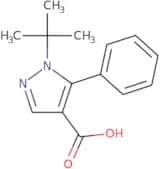
Discontinued product1-tert-Butyl-5-phenyl-1H-pyrazole-4-carboxylic acid
CAS:Versatile small molecule scaffold
Formula:C14H16N2O2Purity:Min. 95%Molecular weight:244.29 g/molRef: 3D-LMB12968
Discontinued product[3-(Oxan-4-yl)pyrrolidin-3-yl]methanol hydrochloride
CAS:Versatile small molecule scaffoldFormula:C10H20ClNO2Purity:Min. 95%Molecular weight:221.7 g/molRef: 3D-UND37404
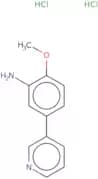
Discontinued product2-Methoxy-5-(pyridin-3-yl)aniline dihydrochloride
CAS:Versatile small molecule scaffold
Formula:C12H14Cl2N2OPurity:Min. 95%Molecular weight:273.2 g/molRef: 3D-UND37427
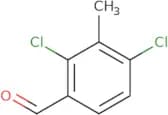
Discontinued product2,4-Dichloro-3-methylbenzaldehyde
CAS:Versatile small molecule scaffold
Formula:C8H6Cl2OPurity:Min. 95%Molecular weight:189.04 g/molRef: 3D-NCA52518
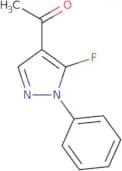
Discontinued product1-(5-Fluoro-1-phenyl-1H-pyrazol-4-yl)ethan-1-one
CAS:Versatile small molecule scaffold
Formula:C11H9FN2OPurity:Min. 95%Molecular weight:204.2 g/molRef: 3D-RSC00051
Discontinued product8-Oxo-8H-pyrano[3,4-b]pyridine-6-carboxylic acid
CAS:Versatile small molecule scaffold
Formula:C9H5NO4Purity:Min. 95%Molecular weight:191.14 g/molRef: 3D-RID26773
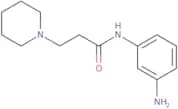
Discontinued productN-(3-Aminophenyl)-3-(piperidin-1-yl)propanamide
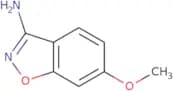
CAS:Versatile small molecule scaffoldFormula:C14H21N3OPurity:Min. 95%Molecular weight:247.34 g/mol6-Methoxy-1,2-benzoxazol-3-amine
CAS:Versatile small molecule scaffold
Formula:C8H8N2O2Purity:Min. 95%Molecular weight:164.16 g/mol2-[(tert-Butyldimethylsilyl)oxy]benzaldehyde
CAS:2-[(tert-Butyldimethylsilyl)oxy]benzaldehyde (BBSA) is a traceless synthetic reagent that is used for the termination of peptide synthesis. It can also be used in the synthesis of benzofurans, carbonyl compounds, and thioacetals. The high yield and chemoselectivity makes BBSA a competitive reagent for these types of reactions. BBSA can be prepared from hydrogen peroxide, esters, enol ethers, or peroxides. These latter reactants are more selective than hydrogen peroxide and do not lead to oxidation of substrates or side products. This product is also useful for the synthesis of thioketals.
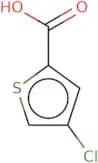
Formula:C13H20O2SiPurity:Min. 95%Molecular weight:236.38 g/mol4-Chlorothiophene-2- carboxylic acid
CAS:4-Chlorothiophene-2-carboxylic acid is a chemical compound that belongs to the group of carboxylic acids. The synthesis of this compound is regioselective, which means that it can be synthesized in only one possible stereoisomer. 4-Chlorothiophene-2-carboxylic acid is used as an intermediate for pharmaceutical products and as a medicament, which has been shown to have trackable properties. This compound has also been shown to inhibit the interaction between anions and cations, which may lead to the development of new drugs.
Formula:C5H3ClO2SPurity:Min. 95%Molecular weight:162.59 g/molRef: 3D-JCA61495
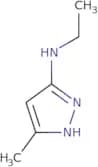
Discontinued productN-Ethyl-5-methyl-1H-pyrazol-3-amine
CAS:Versatile small molecule scaffold
Formula:C6H11N3Purity:Min. 95%Molecular weight:125.17 g/molRef: 3D-REA54520
Discontinued product[3-Bromo-4-(morpholin-4-yl)phenyl]methanol
CAS:Versatile small molecule scaffold
Formula:C11H14BrNO2Purity:Min. 95%Molecular weight:272.14 g/molRef: 3D-USC85031
Discontinued product2-Cyclopropylbenzaldehyde
CAS:Versatile small molecule scaffold
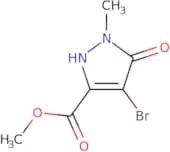
Formula:C10H10OPurity:Min. 95%Molecular weight:146.19 g/molMethyl 4-bromo-5-hydroxy-1-methyl-1H-pyrazole-3-carboxylate
CAS:Versatile small molecule scaffold
Formula:C6H7BrN2O3Purity:Min. 95%Molecular weight:235.04 g/molRef: 3D-ICA36495
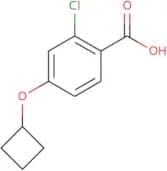
Discontinued product2-Chloro-4-cyclobutoxybenzoic acid
CAS:Versatile small molecule scaffoldFormula:C11H11ClO3Purity:Min. 95%Molecular weight:226.65 g/molRef: 3D-RDC28603
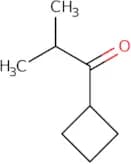
Discontinued product1-Cyclobutyl-2-methylpropan-1-one
CAS:Versatile small molecule scaffold
Formula:C8H14OPurity:Min. 95%Molecular weight:126.2 g/molRef: 3D-ABA11133
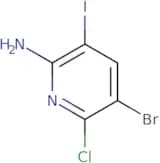
Discontinued product5-Bromo-6-chloro-3-iodopyridin-2-amine
CAS:Versatile small molecule scaffold
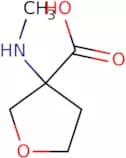
Formula:C5H3BrClIN2Purity:Min. 95%Molecular weight:333.35 g/mol3-(Methylamino)oxolane-3-carboxylic acid
CAS:Versatile small molecule scaffold
Formula:C6H11NO3Purity:Min. 95%Molecular weight:145.16 g/molRef: 3D-RDC12146
Discontinued product1-Hydroxymethyl-2-Oxa-5-Aza-Bicyclo[2.2.1]Heptane-5-Carboxylic Acid Tert-Butyl Ester
CAS:Versatile small molecule scaffold
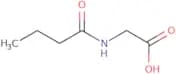
Formula:C11H19NO4Purity:Min. 95%Molecular weight:229.27 g/moln-Butyrylglycine
CAS:n-Butyrylglycine is a compound that was first identified in human urine as a metabolite of the amino acid glycine. It is an intermediate in the conversion of glycine to succinic acid, which is required for the production of energy in mitochondria. Deficiency of this enzyme causes mitochondrial dysfunction and leads to various metabolic disorders including fatty acid oxidation disorders and homocysteine metabolism defects. n-Butyrylglycine can be detected by gas chromatography or liquid chromatography with mass spectrometry detection.
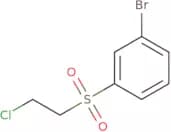
Formula:C6H11NO3Purity:Min. 95%Molecular weight:145.16 g/mol1-Bromo-3-(2-chloroethanesulfonyl)benzene
CAS:Versatile small molecule scaffold
Formula:C8H8BrClO2SPurity:Min. 95%Molecular weight:283.57 g/mol4-Chloro-2-hydroxy-6-methylphenylboronic acid
CAS:Versatile small molecule scaffoldFormula:C7H8BClO3Purity:Min. 95%Molecular weight:186.4 g/mol2-Bromo-3,3,3-trifluoro-1-propene
CAS:Controlled Product2-Bromo-3,3,3-trifluoro-1-propene is a chemical compound that has been synthesized in an asymmetric reaction. The reactant is bromopropane and the product is 2,2,2-trifluoropropene. The methylene group on the propene molecule is activated by the nucleophilic attack of a fluoride ion from hydrogen fluoride to form a cavity with a highly strained bond. The kinetic study of this reaction revealed that the activation energy for the reaction is 42 kJ/mol. Palladium-catalyzed coupling reactions are catalyzed by palladium and require nonpolar solvents such as toluene or dichloromethane. This type of reaction has been shown to be exothermic with an isolated yield of 1%.
Formula:C3H2BrF3Purity:Min. 95%Color and Shape:Colorless PowderMolecular weight:174.95 g/mol3-Hydroxy-5-methylpyridine
CAS:3-Hydroxy-5-methylpyridine (3HMP) is a chemical substance that has been classified as an amine. It is a product of the metabolism of purines, which are nitrogenous bases found in DNA and RNA. 3HMP is produced by aerogenic bacteria (such as Enterobacter), and can be used to estimate the number of these bacteria present in water samples. 3HMP has been shown to have antiviral properties against influenza virus, and can be used as a biomarker for the presence of other viruses in animals. 3HMP also has mineralization properties, which have been studied extensively, particularly with regards to pancreatic disease.
Formula:C6H7NOPurity:Min. 95%Color and Shape:PowderMolecular weight:109.13 g/molRef: 3D-FH16174
Discontinued product1-Hydroxycyclopentane-1-carbonitrile
CAS:1-Hydroxycyclopentane-1-carbonitrile is a monomer that is hydrolyzed to form benzoin and cyanohydrins. It can be used in the production of scifinder as a monomer or dimerizer.
Formula:C6H9NOPurity:Min. 95%Molecular weight:111.14 g/mol8-Bromo-2-methylimidazo[1,2-a]pyridine
CAS:Versatile small molecule scaffold
Formula:C8H7N2BrPurity:Min. 95%Molecular weight:211.05 g/mol4,5-Dihydroxy-2,3-Pentanedione
CAS:4,5-Dihydroxy-2,3-pentanedione is a carbonyl compound that is the product of the oxidation of ascorbic acid. It is used in wastewater treatment and has antimicrobial properties against infectious diseases. This compound has been shown to inhibit protein synthesis by binding to the ribosome and preventing the formation of peptide bonds between amino acids. 4,5-Dihydroxy-2,3-pentanedione has also been shown to bind to plasma proteins, which may be due to its acyl chain structure. 4,5-Dihydroxy-2,3-pentanedione can be synthesized in a catalytic mechanism that involves dehydroascorbic acid and molecular oxygen.
Formula:C5H8O4Purity:Min. 95%Color and Shape:PowderMolecular weight:132.11 g/molRef: 3D-FD180770
Discontinued productPiperyline
CAS:Piperyline is an alkanoic acid that has shown to be effective against skin cancer. It also has antimicrobial properties, which may be due to its ability to bind metal ions and form polymeric compounds. Piperyline inhibits microbial growth by inhibiting the synthesis of proteins and nucleic acids. The antimicrobial activity is related to its cationic polymerization with hydroxyl groups, which forms a structure that can inhibit microbial enzymes and disrupt microbial cell membranes. This compound also interacts with the skin's natural lipids, making it difficult for microorganisms to attach and grow on the skin. Piperyline is synthesized in organic chemistry laboratories as an amide precursor of other pharmaceuticals such as penicillin.
Formula:C16H17NO3Purity:Min. 95%Molecular weight:271.31 g/mol

![tert-Butyl 7-hydroxy-1-azaspiro[3.5]nonane-1-carboxylate](/_next/image/?url=https%3A%2Fstatic.cymitquimica.com%2Fproducts%2F3D%2Fthumb-webp%2FSLD21134.webp&w=3840&q=75)
![6-Chloro-3-methyl-[1,2,4]triazolo[3,4-a]-phthalazine](/_next/image/?url=https%3A%2Fstatic.cymitquimica.com%2Fproducts%2F3D%2Fthumb-webp%2FSCA45838.webp&w=3840&q=75)
![4H-pyrrolo[2,3-D]thiazole-5-carboxylic acid](/_next/image/?url=https%3A%2Fstatic.cymitquimica.com%2Fproducts%2F3D%2Fthumb-webp%2FHQB38672.webp&w=3840&q=75)
![5-Benzo[1,3]dioxol-5-yl-2H-pyrazole-3-carboxylic acid methyl ester](/_next/image/?url=https%3A%2Fstatic.cymitquimica.com%2Fproducts%2F3D%2Fthumb-webp%2FERB10454.webp&w=3840&q=75)
![[1-(1-Ethyl-3-methyl-1H-pyrazol-4-yl)propyl]amine](/_next/image/?url=https%3A%2Fstatic.cymitquimica.com%2Fproducts%2F3D%2Fthumb-webp%2FHQB46021.webp&w=3840&q=75)
![rac-(1R,2S,6R,7S)-2-Methyl-4-oxatricyclo[5.2.1.0,2,6]dec-8-ene-3,5-dione](/_next/image/?url=https%3A%2Fstatic.cymitquimica.com%2Fproducts%2F3D%2Fthumb-webp%2FTAA31060.webp&w=3840&q=75)


![2-[(2S)-Oxiran-2-yl]-1-benzofuran](/_next/image/?url=https%3A%2Fstatic.cymitquimica.com%2Fproducts%2F3D%2Fthumb-webp%2FTNA61408.webp&w=3840&q=75)
![4-[(Methylsulfanyl)methyl]benzoic acid](/_next/image/?url=https%3A%2Fstatic.cymitquimica.com%2Fproducts%2F3D%2Fthumb-webp%2FSCA00348.webp&w=3840&q=75)
![[2-(Methoxymethyl)-1,3-thiazol-5-yl]methanol](/_next/image/?url=https%3A%2Fstatic.cymitquimica.com%2Fproducts%2F3D%2Fthumb-webp%2FSAC79344.webp&w=3840&q=75)
![3-Bromo-5H,6H,8H-[1,2,4]triazolo[3,4-c][1,4]oxazine](/_next/image/?url=https%3A%2Fstatic.cymitquimica.com%2Fproducts%2F3D%2Fthumb-webp%2FHWC64136.webp&w=3840&q=75)
![4-(5-{[(3-Phenyl-1,2,4-oxadiazol-5-yl)methyl]sulfanyl}-1,3,4-oxadiazol-2-yl)pyridine](/_next/image/?url=https%3A%2Fstatic.cymitquimica.com%2Fproducts%2F3D%2Fthumb-webp%2FULB93670.webp&w=3840&q=75)

![1-{[5-Chloro-2-(difluoromethoxy)phenyl]methyl}-5-nitro-1,2-dihydropyridin-2-one](/_next/image/?url=https%3A%2Fstatic.cymitquimica.com%2Fproducts%2F3D%2Fthumb-webp%2FRZB30774.webp&w=3840&q=75)

![[3-(Oxan-4-yl)pyrrolidin-3-yl]methanol hydrochloride](/_next/image/?url=https%3A%2Fstatic.cymitquimica.com%2Fproducts%2F3D%2Fthumb-webp%2FUND37404.webp&w=3840&q=75)
![8-Oxo-8H-pyrano[3,4-b]pyridine-6-carboxylic acid](/_next/image/?url=https%3A%2Fstatic.cymitquimica.com%2Fproducts%2F3D%2Fthumb-webp%2FRID26773.webp&w=3840&q=75)
![2-[(tert-Butyldimethylsilyl)oxy]benzaldehyde](/_next/image/?url=https%3A%2Fstatic.cymitquimica.com%2Fproducts%2F3D%2Fthumb-webp%2FREA58512.webp&w=3840&q=75)
![[3-Bromo-4-(morpholin-4-yl)phenyl]methanol](/_next/image/?url=https%3A%2Fstatic.cymitquimica.com%2Fproducts%2F3D%2Fthumb-webp%2FUSC85031.webp&w=3840&q=75)

![1-Hydroxymethyl-2-Oxa-5-Aza-Bicyclo[2.2.1]Heptane-5-Carboxylic Acid Tert-Butyl Ester](/_next/image/?url=https%3A%2Fstatic.cymitquimica.com%2Fproducts%2F3D%2Fthumb-webp%2FHEC35186.webp&w=3840&q=75)




![8-Bromo-2-methylimidazo[1,2-a]pyridine](/_next/image/?url=https%3A%2Fstatic.cymitquimica.com%2Fproducts%2F3D%2Fthumb-webp%2FUXB37475.webp&w=3840&q=75)

