


Building Blocks
This section contains fundamental products for the synthesis of organic and biological compounds. Building blocks are the essential starting materials used to construct complex molecules through various chemical reactions. They play a critical role in drug discovery, material science, and chemical research. At CymitQuimica, we offer a diverse range of high-quality building blocks to support your innovative research and industrial projects, ensuring you have the essential components for successful synthesis.
Subcategories of "Building Blocks"
- Boronic Acids & Boronic Acid Derivatives(5,778 products)
- Chiral Building Blocks(1,242 products)
- Hydrocarbon Building Blocks(6,098 products)
- Organic Building Blocks(61,063 products)
Found 197855 products of "Building Blocks"
Sort by
Purity (%)
0
100
|
0
|
50
|
90
|
95
|
100
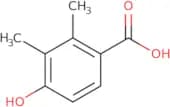
4-Hydroxy-2,3-dimethylbenzoic acid
CAS:<p>4-Hydroxy-2,3-dimethylbenzoic acid is a hydroxybenzoic acid that is soluble in oil solutions. It has been shown to be a ligand with additives such as hydrocarbon groups and can be used as an additive for hydrocarbons. 4-Hydroxy-2,3-dimethylbenzoic acid also has cyclic properties and can be used as a lubricant. This compound has been shown to have anticorrosive properties and can be used to treat metals. 4-Hydroxy-2,3-dimethylbenzoic acid is also a reactive compound with the chemical formula CH(COOH)CH(OH)COOH. It reacts with trifluoromethanesulfonic acid (TFMS) to produce the corresponding carboxylic acid and sulfonic acid products, which are strong absorbers of UV light. 4-Hydroxyl benzoic acid is found in the molecule</p>Formula:C9H10O3Purity:Min. 95%Molecular weight:166.17 g/mol4-Chloropyrrolo[1,2-a]quinoxaline
CAS:4-Chloropyrrolo[1,2-a]quinoxaline is an organic compound that is used in the synthesis of other drugs. It is a chiral molecule that can be derived from the natural product quinoxaline. 4-Chloropyrrolo[1,2-a]quinoxaline has been shown to inhibit efflux proteins in mammalian cells and to inhibit the kinase activity of hepg2 cell lines. These effects may be due to its ability to bind to the ATP binding site of these enzymes and prevent ATP hydrolysis. 4-Chloropyrrolo[1,2-a]quinoxaline has been shown to bind selectively with protein kinases and has antimalarial activity against Plasmodium falciparum, a parasite that causes malaria.Formula:C11H7ClN2Purity:Min. 95%Molecular weight:202.64 g/molPiperidine-3-carboxylic acid hydrochloride
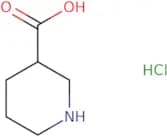
CAS:Versatile small molecule scaffoldFormula:C6H12ClNO2Purity:Min. 95%Molecular weight:165.62 g/mol2,3-Dihydro-1,3-thiazol-2-one
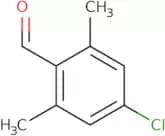
CAS:<p>Versatile small molecule scaffold</p>Formula:C3H3NOSPurity:Min. 95%Molecular weight:101.13 g/mol4-Chloro-2,6-dimethylbenzaldehyde
CAS:<p>Versatile small molecule scaffold</p>Formula:C9H9ClOPurity:Min. 95%Molecular weight:168.62 g/molQuinoline-4-sulfonic acid
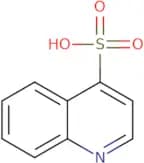
CAS:<p>Quinoline-4-sulfonic acid is a chemical compound that belongs to the class of quinoline derivatives. It has a linear range of activity and inhibits enzymes such as glutamicum, organisms, additives, metal ion, alkali metal, heterocycle, methyl groups and oxygenated. The optimum pH for this compound is 7. Quinoline-4-sulfonic acid is not very soluble in water but is soluble in an organic solvent such as acetone or ethanol. This molecule has been shown to be active against strains of Escherichia coli.</p>Formula:C9H7NO3SPurity:Min. 95%Molecular weight:209.22 g/molN-[(Naphthalen-1-yl)methyl]guanidine hydrochloride
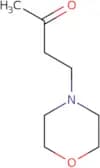
CAS:<p>Versatile small molecule scaffold</p>Formula:C12H14ClN3Purity:Min. 95%Molecular weight:235.71 g/mol4-Morpholin-4-ylbutan-2-one
CAS:<p>Versatile small molecule scaffold</p>Formula:C8H15NO2Purity:Min. 95%Molecular weight:157.21 g/mol2H,3H-Naphtho[1,2-b]furan-2-one
CAS:<p>2H,3H-Naphtho[1,2-b]furan-2-one is a potent antagonist of the plasminogen activator inhibitor type 1 (PAI-1) and the urokinase-type plasminogen activator (uPA). It has been shown to be a potential therapeutic agent for the treatment of cancer and rheumatoid arthritis. The inhibition of PAI-1 and uPA by 2H,3H-Naphtho[1,2-b]furan-2-one leads to an increase in fibrinolysis or dissolution of blood clots, as well as angiogenesis. This may account for its antitumor activity. 2H,3H-Naphtho[1,2-b]furan-2-one has also been synthesized using intramolecular cyclization reactions with high yields and purity.</p>Formula:C12H8O2Purity:Min. 95%Molecular weight:184.19 g/mol2-Oxaspiro[4.5]decane-1,3-dione
CAS:<p>2-Oxaspiro[4.5]decane-1,3-dione is a heterocyclic compound that is used in pharmaceutical research and the development of new drugs. It can be synthesized by reacting phenylhydrazine with 2-oxaspiro[4.5]decane-1,3-dione. The nitrogen atom in this molecule is essential for its activity and pharmacological properties, which are similar to those of phenacetin. The profile of 2-oxaspiro[4.5]decane-1,3-dione has been studied using physicochemical parameters such as molecular weight and melting point. This molecule was first discovered to have antilead activities by Friedel and Crafts reaction with lead iodide.</p>Formula:C9H12O3Purity:Min. 95%Molecular weight:168.19 g/mol2-Phenylbut-3-en-2-ol
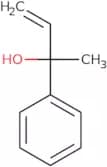
CAS:<p>2-Phenylbut-3-en-2-ol is a synthetic molecule that has been shown to be an efficient ligand for the treatment of halides. It also has been used in allylation reactions with proton catalysis and as an epoxide functional group. This compound can be synthesized from the reaction of acetone, propylene oxide, and butadiene. 2-Phenylbut-3-en-2-ol is a byproduct of the synthesis of obtustyrene. This compound has been used in cross coupling reactions as well as carbonic acid transfer reactions.</p>Formula:C10H12OPurity:Min. 95%Molecular weight:148.2 g/mol1-(Ethylsulfanyl)-2-{[2-(ethylsulfanyl)ethyl]sulfanyl}ethane
CAS:<p>1-(Ethylsulfanyl)-2-[(2-ethylsulfanyl) ethyl]sulfanylethane is a polymerizable and ultraviolet absorber that can be used in acrylic paints. It interacts with the double bonds of acrylic resin to form cross-linked polymers, thereby increasing the hardness and durability of the paint. 1-(Ethylsulfanyl)-2-[(2-ethylsulfanyl) ethyl]sulfanylethane absorbs UV light in the range of 320 - 350 nm and exhibits high optical purity.</p>Formula:C8H18S3Purity:Min. 95%Molecular weight:210.4 g/mol1-Phenylbut-3-en-2-ol
CAS:<p>Versatile small molecule scaffold</p>Formula:C10H12OPurity:Min. 95%Molecular weight:148.2 g/mol2,3,4,9-Tetrahydro-1H-pyrido[3,4-β]indole-3-carboxylic acid
CAS:<p>2,3,4,9-Tetrahydro-1H-pyrido[3,4-β]indole-3-carboxylic acid is an organic compound that is found in plant sources. It is an isomer of tryptophan and can be found as a racemic mixture. 2,3,4,9-Tetrahydro-1H-pyrido[3,4-β]indole-3-carboxylic acid has been shown to have antiplatelet activity in animals and humans because it inhibits the release of acetylcholine from platelets.</p>Formula:C12H12N2O2Purity:Min. 95%Color and Shape:PowderMolecular weight:216.24 g/mol4-Hydroxy-1,6-Dimethyl-1H-Pyridin-2-One
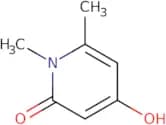
CAS:<p>4-Hydroxy-1,6-dimethyl-1H-pyridin-2-one is a heterocyclic compound that is used as an intermediate in the synthesis of other compounds. It has been shown to have antiproliferative activity against human tumor cells and induces apoptosis. This compound also has anti-inflammatory properties and can be used as a substitute for malononitrile in the synthesis of cytotoxic drugs. 4-Hydroxy-1,6-dimethyl-1H-pyridin-2-one is synthesized by cyclocondensation reaction between cyanate and sulfinyl chlorides. The yield of this compound can be increased with the use of a Lewis acid such as aluminum chloride or zinc chloride.</p>Formula:C7H9NO2Purity:Min. 95%Molecular weight:139.15 g/mol(3-Cyclopentylpropyl)amine
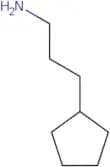
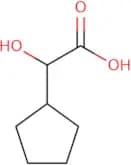
CAS:Versatile small molecule scaffoldFormula:C8H17NPurity:Min. 95%Molecular weight:127.23 g/mol2-Cyclopentyl-2-hydroxyacetic acid
CAS:<p>Versatile small molecule scaffold</p>Formula:C7H12O3Purity:Min. 95%Molecular weight:144.17 g/molcis-1,3-Cyclopentanedicarboxylic anhydride
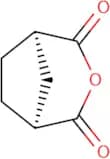
CAS:<p>cis-1,3-Cyclopentanedicarboxylic anhydride (cis-DCC) is a solvent that is used in analytical chemistry. It has a relatively high boiling point and is soluble in both organic solvents and water. cis-DCC's solvating properties are enhanced by its ability to form hydrogen bonds with the substrate. cis-DCC also has a limited ability to adsorb on surfaces due to its low surface tension. cis-DCC is thermally stable, which makes it useful as a solvent for reactions that require elevated temperatures.</p>Formula:C7H8O3Purity:Min. 95%Molecular weight:140.14 g/mol7-Methyl-2H,3H,4H-pyrido[1,2-a]pyrimidin-3-ol hydrochloride
CAS:<p>Versatile small molecule scaffold</p>Formula:C9H13ClN2OPurity:Min. 95%Molecular weight:200.66 g/mol4-(4-Biphenylyl)butyric acid
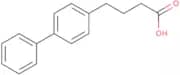
CAS:<p>4-(4-Biphenylyl)butyric acid (4-BPBA) is a phenylbutazone analog that has been shown to have anti-inflammatory properties. It interacts with the nonsteroidal nitro group of 4-BPBA and inhibits the production of prostaglandins by inhibition of cyclooxygenase. 4-BPBA also interacts with serotonin, which may be due to its ability to inhibit phosphodiesterase activity. 4-(4-Biphenylyl)butyric acid is an orally active drug that can suppress inflammation in animals and humans. It has been shown to cause thrombocytopenia and hemolytic anemia in humans due to its effect on red blood cells.</p>Formula:C16H16O2Purity:Min. 95%Molecular weight:240.3 g/mol1,3-Dihydro-5-Hydroxy-1-Methyl-2H-Indol-2-One
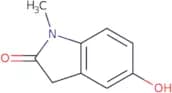
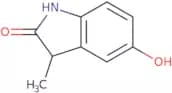
CAS:<p>Versatile small molecule scaffold</p>Formula:C9H9NO2Purity:Min. 95%Molecular weight:163.17 g/mol5-Hydroxy-3-methyl-2,3-dihydro-1H-indol-2-one
CAS:Versatile small molecule scaffoldFormula:C9H9NO2Purity:Min. 95%Molecular weight:163.17 g/mol2-Hydroxyhexanoic acid
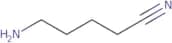
CAS:<p>2-Hydroxyhexanoic acid is a fatty acid that is used in the treatment of diabetic patients. It is an intermediate product of the metabolism of glucose, which can be obtained by hydrolysis of glycerol with hydrochloric acid and supercritical carbon dioxide. The molecule has two hydroxyl groups, which are important for its function as a substrate in chemical reactions. 2-Hydroxyhexanoic acid also reacts with lysine residues at neutral pH, forming an ester linkage. This reaction can be demonstrated by adding phosphotungstic acid to a solution containing 2-hydroxyhexanoic acid or lysine residues.</p>Formula:C6H12O3Purity:Min. 95%Molecular weight:132.16 g/mol5-Aminopentanenitrile hydrochloride
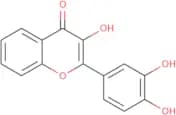
CAS:5-Aminopentanenitrile hydrochloride is a chemical compound that has been used as a food additive. It is also found in medicines and dietary supplements, where it is used to prevent the formation of gas in the stomach. The chlorine atom in 5-aminopentanenitrile hydrochloride can be substituted with other atoms, such as hydrogen or bromine, which changes its properties. Substituting the chlorine atom with an organic solvent such as ethylene (or replacing it with a nucleophilic group) will lead to different chemical transformations. When catalyzed by enzymes, 5-aminopentanenitrile hydrochloride becomes l-glutamic acid and l-phenylalanine through a process called amination. This transformation requires the presence of hydrogen peroxide and an organic solvent, such as ethylene or alcohols.Formula:C5H10N2Purity:Min. 95%Molecular weight:98.15 g/mol3',4'-Dihydroxyflavonol
CAS:3,4-Dihydroxyflavonol is a potent antioxidant that prevents oxidative damage to DNA and proteins. It has been shown to be effective in experimental models of ischemia–reperfusion injury and cardiac ischemia reperfusion. 3,4-Dihydroxyflavonol also inhibits the production of reactive oxygen species during reperfusion and reduces the size of infarcted myocardial tissue. 3,4-Dihydroxyflavonol has been shown to have anti-cancer effects in animal models of bone cancer and mesenteric lymphadenopathy. In addition, it may have neuroprotective effects that are due to its ability to inhibit monoamine oxidase activity.Formula:C15H10O5Purity:Min. 95%Molecular weight:270.24 g/mol(Isothiocyanatomethyl)cyclopropane
CAS:<p>(Isothiocyanatomethyl)cyclopropane is a cyclopropane derivative that has been used to study the conformational properties of molecules in solution. It has been shown that the vibrational frequencies of (isothiocyanatomethyl)cyclopropane are strongly dependent on the solvent, temperature, and concentration. FT-IR spectra show that the molecule has a strong dipole moment and symmetrical vibrations. The theory behind this work is based on the functional theory of quantum mechanics, which predicts that the frequency of vibration should depend on the functions, intensities, and parameters of a molecule. This work also shows how conformational studies can be used to investigate different types of molecules.</p>Formula:C5H7NSPurity:Min. 95%Molecular weight:113.18 g/molIsothiocyanatocyclobutane
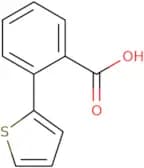
CAS:Versatile small molecule scaffoldFormula:C5H7NSPurity:Min. 95%Molecular weight:113.18 g/mol2-(Thien-2-yl)benzoic acid
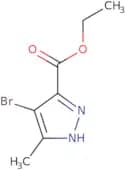
CAS:<p>2-(Thien-2-yl)benzoic acid (TBA) is an organic compound. It is a structural analog of thiophene, with the sulfur replaced by a carbon atom. TBA has been shown to have functional groups that are activated by spontaneous reactions and is classified as an organic acid. TBA has been seen to have biological properties, such as being able to protect against radiation damage in the heart, and it also has been shown to be effective at lowering blood pressure in rats. TBA's chemical formula can be written as C6H5COOH.</p>Formula:C11H8O2SPurity:Min. 95%Molecular weight:204.25 g/molEthyl 4-bromo-5-methyl-1H-pyrazole-3-carboxylate
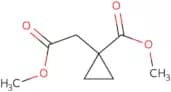
CAS:<p>Versatile small molecule scaffold</p>Formula:C7H9BrN2O2Purity:Min. 95%Molecular weight:233.06 g/molMethyl 1-(2-methoxy-2-oxoethyl)cyclopropane-1-carboxylate
CAS:<p>Versatile small molecule scaffold</p>Formula:C8H12O4Purity:Min. 95%Molecular weight:172.18 g/mol3-[3-(2-Carboxyethyl)phenyl]propanoic acid
CAS:<p>3-[3-(2-Carboxyethyl)phenyl]propanoic acid is a reagent used in oxidation reactions. It has been shown to be a good catalyst for the amination of alkanes, as well as oxidation of benzylic substrates. 3-[3-(2-Carboxyethyl)phenyl]propanoic acid is a dinuclear molecule with two sulfamoyl groups. The sulfamoyl group can be oxidized by adding an oxidizing agent such as hydrogen peroxide or potassium permanganate. This then leads to the formation of the sulfonamide and carboxylic acid products.</p>Formula:C12H14O4Purity:Min. 95%Molecular weight:222.24 g/mol2-Hydroxy-3-iodo-5-methylbenzoic acid
CAS:Versatile small molecule scaffoldFormula:C8H7IO3Purity:Min. 95%Molecular weight:278.04 g/molo-(Butan-2-yl)hydroxylamine hydrochloride
CAS:<p>Versatile small molecule scaffold</p>Formula:C4H12ClNOPurity:Min. 95%Molecular weight:125.6 g/mol2-Chloro-1-N-methylbenzene-1,4-diamine
CAS:<p>Versatile small molecule scaffold</p>Formula:C7H9ClN2Purity:Min. 95%Molecular weight:156.61 g/mol2-Chloro-1-N,1-N-dimethylbenzene-1,4-diamine
CAS:<p>2-Chloro-1-N,1-N-dimethylbenzene-1,4-diamine is a chemical compound that belongs to the class of organic compounds. It is used as an analytical reagent for flow cells and has been shown to be adsorbed onto activated carbon under acidic conditions. The flow rate of 2CBDD can be determined by measuring the optical density at 250 nm. The elution time can be determined by measuring the absorption at 280 nm.</p>Formula:C8H11ClN2Purity:Min. 95%Molecular weight:170.64 g/mol4-Azido-3-nitrophenol
CAS:Versatile small molecule scaffoldFormula:C6H4N4O3Purity:Min. 95%Molecular weight:180.12 g/mol2,4,6-Trimethylphenyl Isothiocyanate
CAS:<p>2,4,6-Trimethylphenyl Isothiocyanate is a reactive compound that can inactivate enzymes. It is used as a catalyst and an intermediate in the production of dyes and pharmaceuticals. 2,4,6-Trimethylphenyl Isothiocyanate reacts with dimethyldioxirane to form diphenylphosphine acid. This acid reacts with choline to produce sulfines. The sulfines react with hydrogen to yield the desired product or prodrug. 2,4,6-Trimethylphenyl Isothiocyanate also catalyzes the reaction between sulfur and hydrogen gas at high temperatures to form hydrogen sulfide gas.br>br><br>br>br><br>Yield: 100%</p>Formula:C10H11NSPurity:Min. 95%Molecular weight:177.27 g/mol4-chloro-5-fluoro-2-(methylsulfanyl)pyrimidine
CAS:<p>Versatile small molecule scaffold</p>Formula:C5H4ClFN2SPurity:Min. 95%Molecular weight:178.61 g/mol3-Amino-1-(4-methylphenyl)pyrrolidin-2-one
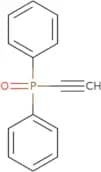
CAS:Versatile small molecule scaffoldFormula:C11H14N2OPurity:Min. 95%Molecular weight:190.24 g/molEthynyl(diphenyl)phosphine oxide
CAS:<p>Ethynyl(diphenyl)phosphine oxide is an amide that has been shown to be useful in coordination, catalysis, and organic chemistry. It is a conformational analog of the amide group. Ethynyl(diphenyl)phosphine oxide has been used as a hydrogen-bond donor in esterification reactions. This compound can be synthesized by reacting the corresponding boronic acid with ethynyl alcohol. The yields of this reaction are dependent on the temperature and have been found to range from 60% to 70%. The nmr spectra of this compound show two signals at δ 2.95 and δ 4.85 ppm, corresponding to two different conformers of ethynyl(diphenyl)phosphine oxide.</p>Formula:C14H11OPPurity:Min. 95%Molecular weight:226.21 g/molN-(3-Aminopropyl)benzamide
CAS:Versatile small molecule scaffoldFormula:C10H14N2OPurity:Min. 95%Molecular weight:178.23 g/mol4-(4-Nitrophenyl)-1H-1,2,3-triazole
CAS:<p>4-(4-Nitrophenyl)-1H-1,2,3-triazole (NPT) is a bioactive molecule that inhibits the growth of promyelocytic leukemia cells by interfering with the activity of certain enzymes. NPT has been shown to inhibit the influenza virus and human cervical carcinoma cells in vitro. In addition, it has been shown to inhibit the proliferation of leukemia HL60 cells. NPT is an unsymmetrical molecule that forms an imine during the enzymatic process. The molecular modeling studies show that this compound binds to the active site of enzyme histidine kinase in a manner similar to ATP. This binding prevents ATP from forming a stable complex with histidine kinase and phosphorylating its target protein, which disrupts cellular homeostasis and leads to cell death.</p>Formula:C8H6N4O2Purity:Min. 95%Molecular weight:190.16 g/mol2,3-Dimethyl-1H-indole-5-carboxamide
CAS:<p>Versatile small molecule scaffold</p>Formula:C11H12N2OPurity:Min. 95%Molecular weight:188.23 g/molMethyl 2-nitropropanoate
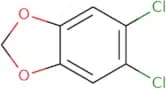
CAS:<p>Methyl 2-nitropropanoate is a reactive compound that is used as an epigenetic marker. It reacts with lysine residues in proteins and histones, resulting in the methylation of these proteins. Methyl 2-nitropropanoate has been shown to inhibit the replication of DNA and induce cellular apoptosis in mammalian cells. The effector proteins H3K9me2 and H4K5me1 are involved in epigenetic changes that include gene silencing and histone demethylation. Methyl 2-nitropropanoate can also cause clastogenic effects by forming adducts on dna replication enzymes, such as amide and demethylation. Histone lysines are methylated by methyl 2-nitropropanoate, which causes histones to condense into tight bundles of DNA that contribute to the formation of actin filaments.</p>Formula:C4H7NO4Purity:Min. 95%Molecular weight:133.1 g/mol5,6-Dichlorobenzo(1,3)dioxole
CAS:<p>5,6-Dichlorobenzo(1,3)dioxole (DDD) is an inhibitor of both the cytochrome P450 and the dioxolane monooxygenase. It is stable in vivo and has been shown to have a high selectivity for these enzymes. DDD has been shown to inhibit monoxide production by phenobarbital in rat liver microsomes. This drug also inhibits hepatic microsomes of animals treated with β-naphthoflavone, but not those of animals treated with dioxolane. The inhibition may be due to the inhibition of cytochromes P450 and/or dioxolane monooxygenase by DDD.</p>Formula:C7H4Cl2O2Purity:Min. 95%Molecular weight:191.01 g/molMethyl 1-phenylcyclopropane-1-carboxylate
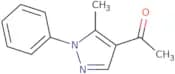
CAS:<p>Versatile small molecule scaffold</p>Formula:C11H12O2Purity:Min. 95%Molecular weight:176.21 g/mol1-(5-Methyl-1-phenyl-1H-pyrazol-4-yl)-1-ethanone
CAS:<p>Phenylhydrazine is a synthetic compound that has been shown to have antioxidant activity. It also has antidiabetic properties and can be used in the development of drugs for diabetes mellitus. Phenylhydrazine is an inhibitor of glycolysis, which results in increased glucose levels in blood. This compound also inhibits the oxidation of glucose by pyruvate kinase and phosphofructokinase, and it has been shown to decrease the level of glycogen in liver cells. Phenylhydrazine was found to have protective effects against alloxan-induced diabetes in mice. The mechanism of action is not fully understood, but it may work by increasing the activity of cellular antioxidant enzymes such as glutathione peroxidase and catalase.</p>Formula:C12H12N2OPurity:Min. 95%Molecular weight:200.24 g/molEthyl 3-methyl-5-oxo-[1,3]thiazolo[3,2-a]pyrimidine-6-carboxylate
CAS:Versatile small molecule scaffoldFormula:C10H10N2O3SPurity:Min. 95%Molecular weight:238.27 g/mol2-Chloro-N-[4-(3-nitrophenyl)-1,3-thiazol-2-yl]acetamide
CAS:<p>Versatile small molecule scaffold</p>Formula:C11H8ClN3O3SPurity:Min. 95%Molecular weight:297.72 g/mol6-Bromo-2-methylindole
CAS:<p>Versatile small molecule scaffold</p>Formula:C9H8BrNPurity:Min. 95%Molecular weight:210.07 g/molEthyl 5-methyl-2-oxocyclohexane-1-carboxylate
CAS:<p>Ethyl 5-methyl-2-oxocyclohexane-1-carboxylate is a versatile compound with a wide range of applications. It has been found to exhibit properties similar to coumestrol and zearalenone, which are phytoestrogens commonly found in plants. Additionally, it shares structural similarities with azithromycin, an antibiotic used to treat various bacterial infections.</p>Formula:C10H16O3Purity:Min. 95%Molecular weight:184.23 g/molChloromethyl 2-chloroacetate
CAS:<p>Chloromethyl 2-chloroacetate is a chemical compound that is used in the synthesis of organic compounds. It has been shown to be a reversible, first-order reaction with methanol concentration and hydrogen chloride as reactants. Chloromethyl 2-chloroacetate can be prepared by electrolysis of an acidic solution of chloromethyl acetate in acetonitrile. The mechanism for this reaction is still unclear but it may involve the formation of an acyl chloride intermediate followed by hydrolysis to give the desired product. The rate at which chloromethyl 2-chloroacetate reacts depends on the acidity or basicity of the solution, with acidic solutions giving higher rates than basic ones.</p>Formula:C3H4Cl2O2Purity:Min. 95%Molecular weight:142.97 g/mol5-Ethylnonan-3-one
CAS:Versatile small molecule scaffoldFormula:C11H22OPurity:Min. 95%Molecular weight:170.3 g/mol2-[(4-Sulfamoylphenyl)amino]acetic acid
CAS:<p>Versatile small molecule scaffold</p>Formula:C8H10N2O4SPurity:Min. 95%Molecular weight:230.24 g/mol4-(2,2,6-Trimethylcyclohexyl)butan-2-one
CAS:<p>4-(2,2,6-Trimethylcyclohexyl)butan-2-one is a cyclic ketone that is an inhibitor of the nuclear hormone receptors PPARα and PPARγ. This chemical has been shown to promote the synthesis of fatty acids in melanocytes and to have an inhibitory effect on the synthesis of cholesterol. It also inhibits the growth of cancer cells in culture, such as those derived from breast cancer. The secondary metabolite has been found in plants such as Prenanthes lanceolata and cyanobacteria such as Lyngbya sp., which are used for the production of this compound. 4-(2,2,6-Trimethylcyclohexyl)butan-2-one is synthesized by oxidation of 3-(2,2,6-trimethylcyclohexyl)-1,3-dioxane with potassium permanganate or hydrogen peroxide in methanol solvent at low</p>Formula:C13H24OPurity:Min. 95%Molecular weight:196.33 g/molN,N,4-Trimethyl-1,3-thiazol-2-amine
CAS:<p>Versatile small molecule scaffold</p>Formula:C6H10N2SPurity:Min. 95%Molecular weight:142.22 g/mol2-Methylcyclopropane-1-carbonitrile
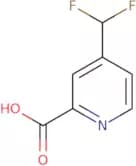
CAS:Versatile small molecule scaffoldFormula:C5H7NPurity:Min. 95%Molecular weight:81.12 g/mol4-(Difluoromethyl)picolinic acid
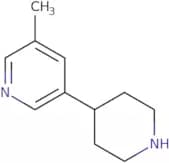
CAS:<p>Versatile small molecule scaffold</p>Formula:C7H5F2NO2Purity:Min. 95%Molecular weight:173.12 g/mol3-Methyl-5-(piperidin-4-yl)pyridine
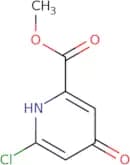
CAS:<p>Versatile small molecule scaffold</p>Formula:C11H16N2Purity:Min. 95%Molecular weight:176.26 g/molMethyl 6-chloro-4-hydroxypyridine-2-carboxylate
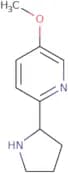
CAS:Versatile small molecule scaffoldFormula:C7H6ClNO3Purity:Min. 95%Molecular weight:187.58 g/mol5-Methoxy-2-(pyrrolidin-2-yl)pyridine
CAS:<p>Versatile small molecule scaffold</p>Formula:C10H14N2OPurity:Min. 95%Molecular weight:178.23 g/mol6-Chloro-4-methoxypyridin-3-amine
CAS:Versatile small molecule scaffoldFormula:C6H7ClN2OPurity:Min. 95%Molecular weight:158.59 g/mol6-Methoxy-1H,2H,3H-pyrrolo[2,3-b]pyridine
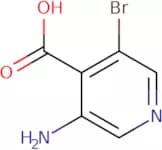
CAS:<p>Versatile small molecule scaffold</p>Formula:C8H10N2OPurity:Min. 95%Molecular weight:150.18 g/mol3-Amino-5-bromopyridine-4-carboxylic acid
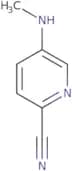
CAS:<p>Versatile small molecule scaffold</p>Formula:C6H5BrN2O2Purity:Min. 95%Molecular weight:217.02 g/mol5-(Methylamino)picolinonitrile
CAS:Versatile small molecule scaffoldFormula:C7H7N3Purity:Min. 95%Molecular weight:133.15 g/mol{2H,3H,4H-Pyrido[3,2-b][1,4]oxazin-6-yl}methanol
CAS:Versatile small molecule scaffoldFormula:C8H10N2O2Purity:Min. 95%Molecular weight:166.18 g/mol(6-Chloro-4-methylpyridin-2-yl)methanamine
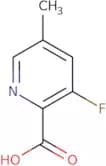
CAS:Versatile small molecule scaffoldFormula:C7H9ClN2Purity:Min. 95%Molecular weight:156.61 g/mol3-Fluoro-5-methylpyridine-2-carboxylic acid
CAS:<p>Versatile small molecule scaffold</p>Formula:C7H6FNO2Purity:Min. 95%Molecular weight:155.13 g/mol4,6-dimethoxypyridine-3-carboxylic acid
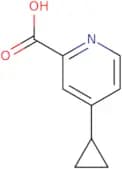
CAS:<p>Versatile small molecule scaffold</p>Formula:C8H9NO4Purity:Min. 95%Molecular weight:183.16 g/mol4-Cyclopropylpyridine-2-carboxylic acid
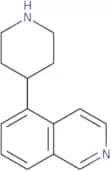
CAS:<p>Versatile small molecule scaffold</p>Formula:C9H9NO2Purity:Min. 95%Molecular weight:163.17 g/mol5-(Piperidin-4-yl)isoquinoline
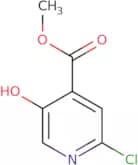
CAS:<p>Versatile small molecule scaffold</p>Formula:C14H16N2Purity:Min. 95%Molecular weight:212.29 g/molMethyl 2-chloro-5-hydroxypyridine-4-carboxylate
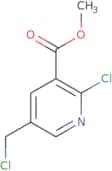
CAS:<p>Versatile small molecule scaffold</p>Formula:C7H6ClNO3Purity:Min. 95%Molecular weight:187.58 g/molMethyl 2-chloro-5-(chloromethyl)pyridine-3-carboxylate
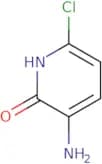
CAS:<p>Versatile small molecule scaffold</p>Formula:C8H7Cl2NO2Purity:Min. 95%Molecular weight:220.05 g/mol3-Amino-6-chloropyridin-2-ol
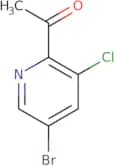
CAS:Versatile small molecule scaffoldFormula:C5H5ClN2OPurity:Min. 95%Molecular weight:144.56 g/mol1-(5-Bromo-3-chloropyridin-2-yl)ethanone
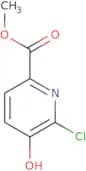
CAS:<p>Versatile small molecule scaffold</p>Formula:C7H5NOClBrPurity:Min. 95%Molecular weight:234.47 g/molMethyl 6-chloro-5-hydroxypyridine-2-carboxylate
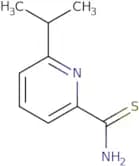
CAS:<p>Versatile small molecule scaffold</p>Formula:C7H6ClNO3Purity:Min. 95%Molecular weight:187.58 g/mol6-(Propan-2-yl)pyridine-2-carbothioamide
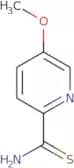
CAS:Versatile small molecule scaffoldFormula:C9H12N2SPurity:Min. 95%Molecular weight:180.27 g/mol5-Methoxypyridine-2-carbothioamide
CAS:Versatile small molecule scaffoldFormula:C7H8N2OSPurity:Min. 95%Molecular weight:168.22 g/mol2-(Trifluoromethyl)pyridine-4-carbothioamide
CAS:<p>Versatile small molecule scaffold</p>Formula:C7H5F3N2SPurity:Min. 95%Molecular weight:206.19 g/mol2-(Difluoromethyl)pyridine-3-carboxylic acid
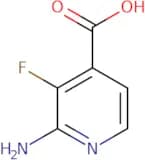
CAS:<p>Versatile small molecule scaffold</p>Formula:C7H5F2NO2Purity:Min. 95%Molecular weight:173.12 g/mol2-Amino-3-fluoropyridine-4-carboxylic acid
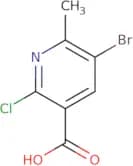
CAS:<p>Versatile small molecule scaffold</p>Formula:C6H5FN2O2Purity:Min. 95%Molecular weight:156.11 g/mol5-bromo-2-chloro-6-methylpyridine-3-carboxylic acid
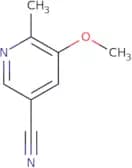
CAS:<p>Versatile small molecule scaffold</p>Formula:C7H5BrClNO2Purity:Min. 95%Molecular weight:250.5 g/mol5-Methoxy-6-methylpyridine-3-carbonitrile
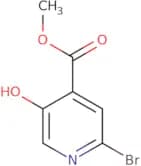
CAS:<p>Versatile small molecule scaffold</p>Formula:C8H8N2OPurity:Min. 95%Molecular weight:148.16 g/molmethyl 2-bromo-5-hydroxypyridine-4-carboxylate
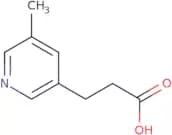
CAS:<p>Versatile small molecule scaffold</p>Formula:C7H6NO3BrPurity:Min. 95%Molecular weight:232.03 g/mol3-(5-Methylpyridin-3-yl)propanoic acid
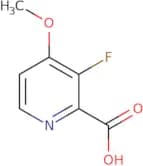
CAS:<p>Versatile small molecule scaffold</p>Formula:C9H11NO2Purity:Min. 95%Molecular weight:165.19 g/mol3-Fluoro-4-methoxypyridine-2-carboxylic acid
CAS:<p>Versatile small molecule scaffold</p>Formula:C7H6FNO3Purity:Min. 95%Molecular weight:171.13 g/mol3,6-Dibromo-2-cyclopropylpyridine
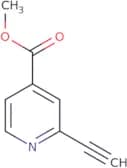
CAS:<p>Versatile small molecule scaffold</p>Formula:C8H7Br2NPurity:Min. 95%Molecular weight:276.96 g/molMethyl 2-ethynylisonicotinate
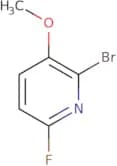
CAS:<p>Versatile small molecule scaffold</p>Formula:C9H7NO2Purity:Min. 95%Molecular weight:161.16 g/mol2-Bromo-6-fluoro-3-methoxypyridine
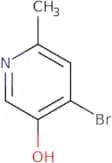
CAS:Versatile small molecule scaffoldFormula:C6H5BrFNOPurity:Min. 95%Molecular weight:206.01 g/mol4-bromo-6-methylpyridin-3-ol
CAS:<p>Versatile small molecule scaffold</p>Formula:C6H6BrNOPurity:Min. 95%Molecular weight:188.02 g/mol4-Chloro-7-methoxypyrido[3,2-d]pyrimidine
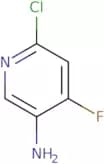
CAS:<p>Versatile small molecule scaffold</p>Formula:C8H6ClN3OPurity:Min. 95%Molecular weight:195.61 g/mol6-Chloro-4-fluoropyridin-3-amine
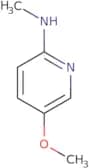
CAS:<p>Versatile small molecule scaffold</p>Formula:C5H4N2FClPurity:Min. 95%Molecular weight:146.55 g/mol5-Methoxy-N-methylpyridin-2-amine
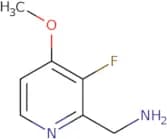
CAS:<p>Versatile small molecule scaffold</p>Formula:C7H10N2OPurity:Min. 95%Molecular weight:138.17 g/mol(3-Fluoro-4-methoxypyridin-2-yl)methanamine
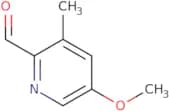
CAS:<p>Versatile small molecule scaffold</p>Formula:C7H9FN2OPurity:Min. 95%Molecular weight:156.16 g/mol5-Methoxy-3-methylpyridine-2-carbaldehyde
CAS:<p>Versatile small molecule scaffold</p>Formula:C8H9NO2Purity:Min. 95%Molecular weight:151.16 g/mol2-(5-Bromopyridin-3-yl)-2-methylpropanoic acid
CAS:<p>Versatile small molecule scaffold</p>Formula:C9H10BrNO2Purity:Min. 95%Molecular weight:244.08 g/mol5-(Difluoromethyl)pyridine-3-carboxylic acid
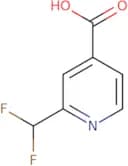
CAS:<p>Versatile small molecule scaffold</p>Formula:C7H5F2NO2Purity:Min. 95%Molecular weight:173.12 g/mol2-(Difluoromethyl)Isonicotinic Acid
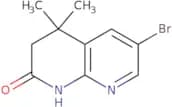
CAS:<p>Versatile small molecule scaffold</p>Formula:C7H5NO2F2Purity:Min. 95%Molecular weight:173.11 g/mol6-Bromo-4,4-dimethyl-3,4-dihydro-1,8-naphthyridin-2(1H)-one
CAS:<p>Versatile small molecule scaffold</p>Formula:C10H11BrN2OPurity:Min. 95%Molecular weight:255.11 g/mol5H,7H-Furo[3,4-b]pyridine-3-carboxylic acid
CAS:<p>Versatile small molecule scaffold</p>Formula:C8H7NO3Purity:Min. 95%Molecular weight:165.1 g/mol

![4-Chloropyrrolo[1,2-a]quinoxaline](/_next/image/?url=https%3A%2Fstatic.cymitquimica.com%2Fproducts%2F3D%2Fthumb-webp%2FGAA02569.webp&w=3840&q=75)

![N-[(Naphthalen-1-yl)methyl]guanidine hydrochloride](/_next/image/?url=https%3A%2Fstatic.cymitquimica.com%2Fproducts%2F3D%2Fthumb-webp%2FGAA04771.webp&w=3840&q=75)
![2H,3H-Naphtho[1,2-b]furan-2-one](/_next/image/?url=https%3A%2Fstatic.cymitquimica.com%2Fproducts%2F3D%2Fthumb-webp%2FGAA05080.webp&w=3840&q=75)
![2-Oxaspiro[4.5]decane-1,3-dione](/_next/image/?url=https%3A%2Fstatic.cymitquimica.com%2Fproducts%2F3D%2Fthumb-webp%2FGAA05125.webp&w=3840&q=75)
![1-(Ethylsulfanyl)-2-{[2-(ethylsulfanyl)ethyl]sulfanyl}ethane](/_next/image/?url=https%3A%2Fstatic.cymitquimica.com%2Fproducts%2F3D%2Fthumb-webp%2FGAA05245.webp&w=3840&q=75)

![2,3,4,9-Tetrahydro-1H-pyrido[3,4-β]indole-3-carboxylic acid](/_next/image/?url=https%3A%2Fstatic.cymitquimica.com%2Fproducts%2F3D%2Fthumb-webp%2FGAA05268.webp&w=3840&q=75)
![7-Methyl-2H,3H,4H-pyrido[1,2-a]pyrimidin-3-ol hydrochloride](/_next/image/?url=https%3A%2Fstatic.cymitquimica.com%2Fproducts%2F3D%2Fthumb-webp%2FGAA05642.webp&w=3840&q=75)



![3-[3-(2-Carboxyethyl)phenyl]propanoic acid](/_next/image/?url=https%3A%2Fstatic.cymitquimica.com%2Fproducts%2F3D%2Fthumb-webp%2FGAA08286.webp&w=3840&q=75)





![Ethyl 3-methyl-5-oxo-[1,3]thiazolo[3,2-a]pyrimidine-6-carboxylate](/_next/image/?url=https%3A%2Fstatic.cymitquimica.com%2Fproducts%2F3D%2Fthumb-webp%2FGAA12413.webp&w=3840&q=75)
![2-Chloro-N-[4-(3-nitrophenyl)-1,3-thiazol-2-yl]acetamide](/_next/image/?url=https%3A%2Fstatic.cymitquimica.com%2Fproducts%2F3D%2Fthumb-webp%2FGAA12533.webp&w=3840&q=75)


![2-[(4-Sulfamoylphenyl)amino]acetic acid](/_next/image/?url=https%3A%2Fstatic.cymitquimica.com%2Fproducts%2F3D%2Fthumb-webp%2FGAA13811.webp&w=3840&q=75)



![6-Methoxy-1H,2H,3H-pyrrolo[2,3-b]pyridine](/_next/image/?url=https%3A%2Fstatic.cymitquimica.com%2Fproducts%2F3D%2Fthumb-webp%2FGAC80571.webp&w=3840&q=75)
![{2H,3H,4H-Pyrido[3,2-b][1,4]oxazin-6-yl}methanol](/_next/image/?url=https%3A%2Fstatic.cymitquimica.com%2Fproducts%2F3D%2Fthumb-webp%2FGAC80694.webp&w=3840&q=75)





![4-Chloro-7-methoxypyrido[3,2-d]pyrimidine](/_next/image/?url=https%3A%2Fstatic.cymitquimica.com%2Fproducts%2F3D%2Fthumb-webp%2FGAC81143.webp&w=3840&q=75)


![5H,7H-Furo[3,4-b]pyridine-3-carboxylic acid](/_next/image/?url=https%3A%2Fstatic.cymitquimica.com%2Fproducts%2F3D%2Fthumb-webp%2FGAC81833.webp&w=3840&q=75)