Building Blocks
This section contains fundamental products for the synthesis of organic and biological compounds. Building blocks are the essential starting materials used to construct complex molecules through various chemical reactions. They play a critical role in drug discovery, material science, and chemical research. At CymitQuimica, we offer a diverse range of high-quality building blocks to support your innovative research and industrial projects, ensuring you have the essential components for successful synthesis.
Subcategories of "Building Blocks"
- Boronic Acids & Boronic Acid Derivatives(5,778 products)
- Chiral Building Blocks(1,242 products)
- Hydrocarbon Building Blocks(6,098 products)
- Organic Building Blocks(61,084 products)
Found 198714 products of "Building Blocks"
Sort by
Purity (%)
0
100
|
0
|
50
|
90
|
95
|
100
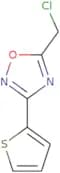
5-(Chloromethyl)-3-thien-2-yl-1,2,4-oxadiazole
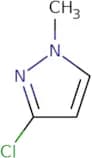
CAS:<p>Versatile small molecule scaffold</p>Formula:C7H5ClN2OSPurity:Min. 95%Molecular weight:200.65 g/mol3-Chloro-1-methyl-1H-pyrazole
CAS:<p>3-Chloro-1-methyl-1H-pyrazole is a regioselective, heterocyclic compound. It is a halovinyl derivative of pyrazole and is used in the synthesis of other heterocycles. 3-Chloro-1-methyl-1H-pyrazole has been found to be an efficient synthetic intermediate for both ketones and pyrazoles. The reaction mechanism for this compound involves an initial alkylation followed by a substitution reaction with the nucleophilic hydroxyl group. The final product is formed via a heterocyclization step involving fragmentation and halogenation.</p>Formula:C4H5ClN2Purity:Min. 95%Molecular weight:116.55 g/mol1-Cbz-2-methylpyrrolidine-2-carboxylic acid
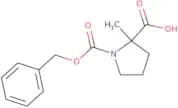
CAS:1-Cbz-2-methylpyrrolidine-2-carboxylic acid is an orally active PARP inhibitor that has been shown to inhibit tumor growth in clinical trials. It is a carboxamide derivative with a cyclic structure. 1-Cbz-2-methylpyrrolidine-2-carboxylic acid blocks cellular proliferation and induces apoptosis by inhibiting DNA synthesis and protein expression. This agent also inhibits the growth of murine melanoma cells in vitro, as well as xenografts in vivo. In addition, 1-Cbz-2-methylpyrrolidine-2-carboxylic acid has been shown to be more potent against cancer cells than other PARP inhibitors, such as abt 888.Formula:C14H17NO4Purity:Min. 95%Molecular weight:263.29 g/mol3-(4-Formyl-2-methoxyphenoxy)propanoic acid
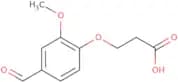
CAS:<p>Versatile small molecule scaffold</p>Formula:C11H12O5Purity:Min. 95%Molecular weight:224.21 g/mol6,7-Dimethoxy-3-methyl-1-benzofuran-2-carboxylic acid
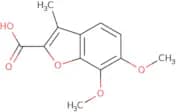
CAS:<p>Versatile small molecule scaffold</p>Formula:C12H12O5Purity:Min. 95%Molecular weight:236.22 g/mol3-Methyl-1,5,6,7-tetrahydroindazol-4-one
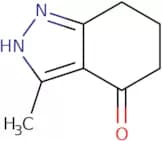
CAS:Versatile small molecule scaffoldFormula:C8H10N2OPurity:Min. 95%Molecular weight:150.18 g/molMethyl 4-aminobenzoate hydrochloride
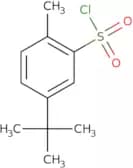
CAS:Methyl 4-aminobenzoate hydrochloride is a compound that is soluble in water and has a molecular weight of 155.14 g/mol. The compound has an acidic nature, with the pKa being 2.5, which makes it a proton donor and an acid catalyst. It can be used to synthesize retinoic acid, which is used to treat acne, by reacting with glycinamide ribonucleotide. Methyl 4-aminobenzoate hydrochloride can also be used for sample pretreatment before analysis by gas chromatography (GC), liquid chromatography (LC) or mass spectrometry (MS). This compound is not highly polar and can therefore be dissolved in non-polar solvents such as hexane or dichloromethane. Methyl 4-aminobenzoate hydrochloride reacts with anthracene and amines to form methyl derivatives.Formula:C8H9NO2·HClPurity:Min. 95%Molecular weight:187.63 g/mol5-tert-Butyl-2-methyl-benzenesulfonyl chloride
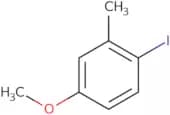
CAS:<p>Versatile small molecule scaffold</p>Formula:C11H15ClO2SPurity:Min. 95%Molecular weight:246.75 g/mol1-Iodo-4-methoxy-2-methylbenzene
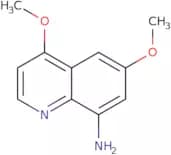
CAS:<p>1-Iodo-4-methoxy-2-methylbenzene (1IMMB) is an iodide which has been used as a precursor in the synthesis of carbonyl groups. This compound has also been shown to have high yields and mechanistic. The carbonyl group is located at the 1,3 positions and the methoxy group is located at the 2 position. This compound reacts with acetonitrile to form a naphthalene derivative. 1IMMB also reacts with an alcohol to form a cyclic ether with regiospecificity. It can also be used as a catalyst in the synthesis of unsymmetrical compounds that contain both carbonyl groups and alcohols.</p>Formula:C8H9IOPurity:Min. 95%Molecular weight:248.06 g/mol4,6-Dimethoxyquinolin-8-amine
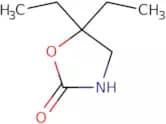
CAS:Versatile small molecule scaffoldFormula:C11H12N2O2Purity:Min. 95%Molecular weight:204.22 g/mol5,5-Diethyl-1,3-oxazolidin-2-one
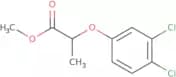
CAS:Versatile small molecule scaffoldFormula:C7H13NO2Purity:Min. 95%Molecular weight:143.18 g/molMethyl 2-(3,4-dichlorophenoxy)propanoate
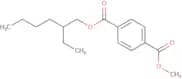
CAS:<p>Versatile small molecule scaffold</p>Formula:C10H10Cl2O3Purity:Min. 95%Molecular weight:249.09 g/mol1-(2-Ethylhexyl) 4-methyl benzene-1,4-dicarboxylate
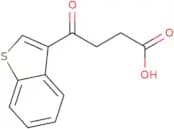
CAS:1-(2-Ethylhexyl) 4-methyl benzene-1,4-dicarboxylate is a silylated, polysulphide sealant with good adhesion to many plastics and metals. It is also used as a plasticizer for acrylates and a sealant for polyurethanes. This product has been shown to be an effective sealant for terephthalate and polyethers. The molecule contains two ester groups that react with the hydroxyl groups on the surface of the substrate to form the crosslinked network.Formula:C17H24O4Purity:Min. 95%Molecular weight:292.4 g/mol4-(1-Benzothiophen-3-yl)-4-oxobutanoic acid
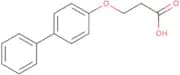
CAS:<p>Versatile small molecule scaffold</p>Formula:C12H10O3SPurity:Min. 95%Molecular weight:234.27 g/mol3-(4-Phenylphenoxy)propanoic acid
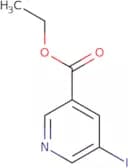
CAS:<p>Versatile small molecule scaffold</p>Formula:C15H14O3Purity:Min. 95%Molecular weight:242.27 g/molEthyl 5-iodonicotinate
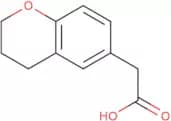
CAS:Versatile small molecule scaffoldFormula:C8H8INO2Purity:Min. 95%Molecular weight:277.06 g/molChroman-6-yl-acetic acid
CAS:<p>Versatile small molecule scaffold</p>Formula:C11H12O3Purity:Min. 95%Molecular weight:192.22 g/mol7-Methyl-1H-benzo[d][1,3]oxazine-2,4-dione
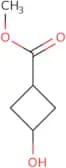
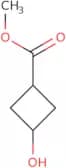
CAS:Versatile small molecule scaffoldFormula:C9H7NO3Purity:Min. 95%Molecular weight:177.16 g/molMethyl cis-3-hydroxycyclobutanecarboxylate
CAS:Versatile small molecule scaffoldFormula:C6H10O3Purity:Min. 95%Molecular weight:130.14 g/molTrans-methyl 3-hydroxycyclobutanecarboxylate
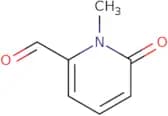
CAS:Versatile small molecule scaffoldFormula:C6H10O3Purity:Min. 95%Molecular weight:130.1 g/mol1-Methyl-6-oxo-1,6-dihydropyridine-2-carbaldehyde
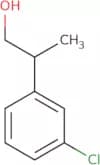
CAS:<p>Versatile small molecule scaffold</p>Formula:C7H7NO2Purity:Min. 95%Molecular weight:137.14 g/mol2-(3-Chlorophenyl)propan-1-ol
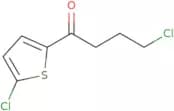
CAS:<p>Versatile small molecule scaffold</p>Formula:C9H11ClOPurity:Min. 95%Molecular weight:170.63 g/mol4-Chloro-1-(5-chlorothiophen-2-yl)butan-1-one
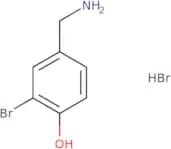
CAS:<p>Versatile small molecule scaffold</p>Formula:C8H8Cl2OSPurity:Min. 95%Molecular weight:223.12 g/mol4-(Aminomethyl)-2-bromophenol hydrobromide
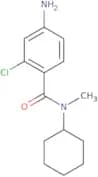
CAS:Versatile small molecule scaffoldFormula:C7H9Br2NOPurity:Min. 95%Molecular weight:282.96 g/mol4-Amino-2-chloro-N-cyclohexyl-N-methylbenzamide
CAS:<p>Versatile small molecule scaffold</p>Formula:C14H19ClN2OPurity:Min. 95%Molecular weight:266.76 g/mol8-Chloro-1H-benzo[D][1,3]oxazine-2,4-dione
CAS:<p>8-Chloro-1H-benzo[D][1,3]oxazine-2,4-dione is an organic chemical used as a precursor to pharmaceuticals. It is produced by the esterification of an acid chloride with a carboxylic acid. This chemical can be converted into other products through hydrogenation or hydrochlorination. 8-Chloro-1H-benzo[D][1,3]oxazine-2,4-dione is also used in the production of xylene and dichlorobenzene. This compound has two isomers that differ in their reactivity due to steric hindrance. The less reactive isomer has been shown to have antiinflammatory effects in mice.</p>Formula:C8H4ClNO3Purity:Min. 95%Molecular weight:197.58 g/molCyclobutane-1,3-diol
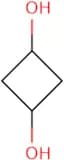
CAS:<p>Cyclobutane-1,3-diol is an organic compound that is a viscous liquid at room temperature. It is used in the production of polyesters and coatings. Cyclobutane-1,3-diol has been shown to be a good ligation partner with ethylene glycol in the liquid phase. It also has been used as an impurity scavenger and as a skeleton for other compounds. Cyclobutane-1,3-diol can be purified by distillation or crystallization, but it may contain fluorine or alkali metal residues that are difficult to remove. There are two stereoisomers of cyclobutane-1,3-diol: D-(+)-cyclobutane-1,3-diol and L-(+)-cyclobutane-1,3-diol.</p>Formula:C4H8O2Purity:Min. 95%Molecular weight:88.11 g/mol2,4-Dichloro-3-methylbenzaldehyde
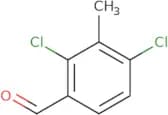
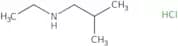
CAS:<p>Versatile small molecule scaffold</p>Formula:C8H6Cl2OPurity:Min. 95%Molecular weight:189.04 g/molEthyl(2-methylpropyl)amine hydrochloride
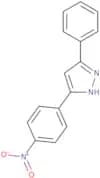
CAS:<p>Versatile small molecule scaffold</p>Formula:C6H16ClNPurity:Min. 95%Molecular weight:137.65 g/mol3-(4-Nitrophenyl)-5-phenyl-1H-pyrazole
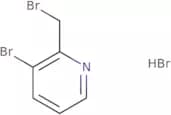
CAS:<p>3-(4-Nitrophenyl)-5-phenyl-1H-pyrazole is a dipole tautomeric proton tautomer with a fluorescence photophysical. It has a molecular orbital that is acidic. 3-(4-Nitrophenyl)-5-phenyl-1H-pyrazole has the following transfer functional groups: nitro, fluorescence, and photophysical. 3-(4-Nitrophenyl)-5-phenyl-1H-pyrazole is an experimentally determined molecule with a molecular orbitals of acidic. It has two tautomers, which are the dipole and tautomers. The dipole tautomeric proton tautomer is the more stable form of 3-(4-Nitrophenyl)-5-phenyl-1H-pyrazole in solution.</p>Formula:C15H11N3O2Purity:Min. 95%Molecular weight:265.27 g/mol3-Bromo-2-(bromomethyl)pyridine hydrobromide
CAS:Versatile small molecule scaffoldFormula:C6H6Br3NPurity:Min. 95%Molecular weight:331.83 g/molBiphenyl-4-yl-hydrazine hydrochloride
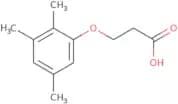
CAS:Versatile small molecule scaffoldFormula:C12H13ClN2Purity:Min. 95%Molecular weight:220.7 g/mol3-(2,3,5-Trimethylphenoxy)propanoic acid
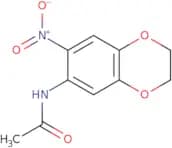
CAS:<p>Versatile small molecule scaffold</p>Formula:C12H16O3Purity:Min. 95%Molecular weight:208.25 g/molN-(7-Nitro-2,3-dihydro-1,4-benzodioxin-6-yl)acetamide
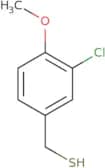
CAS:<p>Versatile small molecule scaffold</p>Formula:C10H10N2O5Purity:Min. 95%Molecular weight:238.2 g/mol(3-Chloro-4-methoxyphenyl)methanethiol
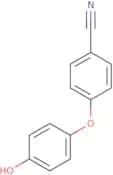
CAS:<p>Versatile small molecule scaffold</p>Formula:C8H9ClOSPurity:Min. 95%Molecular weight:188.67 g/mol4-(4-Hydroxyphenoxy)benzonitrile
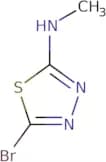
CAS:<p>Versatile small molecule scaffold</p>Formula:C13H9NO2Purity:Min. 95%Molecular weight:211.22 g/mol5-Bromo-N-methyl-1,3,4-thiadiazol-2-amine
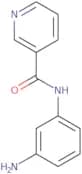
CAS:<p>Versatile small molecule scaffold</p>Formula:C3H4BrN3SPurity:Min. 95%Molecular weight:194.06 g/molN-(3-Aminophenyl)nicotinamide
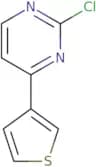
CAS:<p>Versatile small molecule scaffold</p>Formula:C12H11N3OPurity:Min. 95%Molecular weight:213.23 g/mol2-Chloro-4-(thiophen-3-yl)pyrimidine
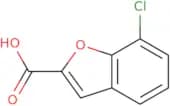
CAS:Versatile small molecule scaffoldFormula:C8H5ClN2SPurity:Min. 95%Molecular weight:196.66 g/mol7-Chlorobenzofuran-2-carboxylic acid
CAS:<p>Versatile small molecule scaffold</p>Formula:C9H5O3ClPurity:Min. 95%Molecular weight:196.58 g/molmethyl 2-[1-(aminomethyl)cyclohexyl]acetate hydrochloride
CAS:Controlled ProductVersatile small molecule scaffoldFormula:C10H20ClNO2Purity:Min. 95%Molecular weight:221.7 g/mol2-[1-(Aminomethyl)cyclopentyl]acetic acid hydrochloride
CAS:<p>Versatile small molecule scaffold</p>Formula:C8H16ClNO2Purity:Min. 95%Molecular weight:193.67 g/mol4-Amino-2-methyl-1-phenylbutan-2-ol
CAS:<p>Versatile small molecule scaffold</p>Formula:C11H17NOPurity:Min. 95%Molecular weight:179.3 g/mol8-Bromo-2,3-dihydro-1,4-benzodioxin-5-amine
CAS:<p>Versatile small molecule scaffold</p>Formula:C8H8BrNO2Purity:Min. 95%Molecular weight:230.06 g/molrac-(1R,2R)-N1,N1-Dimethylcyclobutane-1,2-diamine dihydrochloride
CAS:Versatile small molecule scaffoldFormula:C6H16Cl2N2Purity:Min. 95%Molecular weight:187.1 g/mol3-Chloro-5-(2-chlorophenyl)-1H-1,2,4-triazole
CAS:<p>Versatile small molecule scaffold</p>Formula:C8H5Cl2N3Purity:Min. 95%Molecular weight:214.05 g/mol(Quinazolin-4-ylsulfanyl)-acetic acid
CAS:<p>Versatile small molecule scaffold</p>Formula:C10H8N2O2SPurity:Min. 95%Molecular weight:220.25 g/mol2-[(4-Methoxyphenyl)methyl]piperidine
CAS:Controlled ProductVersatile small molecule scaffoldFormula:C13H19NOPurity:Min. 95%Molecular weight:205.3 g/molMethyl 3-amino-4-chloro-5-methoxybenzenecarboxylate
CAS:<p>Versatile small molecule scaffold</p>Formula:C9H10ClNO3Purity:Min. 95%Molecular weight:215.63 g/mol4-(Phenoxymethyl)piperidine hydrochloride
CAS:<p>Versatile small molecule scaffold</p>Formula:C12H18ClNOPurity:Min. 95%Molecular weight:227.74 g/mol3,4-Dimethoxybenzenesulfonamide
CAS:<p>Versatile small molecule scaffold</p>Formula:C8H11NO4SPurity:Min. 95%Molecular weight:217.24 g/mol4,5-Dimethoxy-2-(methylsulfanyl)benzaldehyde
CAS:<p>Versatile small molecule scaffold</p>Formula:C10H12O3SPurity:Min. 95%Molecular weight:212.27 g/mol2-(Aminomethyl)-1,3-thiazole-4-carboxylic acid hydrochloride
CAS:<p>Versatile small molecule scaffold</p>Formula:C5H7ClN2O2SPurity:Min. 95%Molecular weight:194.64 g/mol3,4-Diphenyl-1H-pyrazol-5-amine
CAS:<p>Versatile small molecule scaffold</p>Formula:C15H13N3Purity:Min. 95%Molecular weight:235.28 g/molMethyl 1,1,3-trioxo-2,3-dihydro-1,2-benzothiazole-6-carboxylate
CAS:<p>Versatile small molecule scaffold</p>Formula:C9H7NO5SPurity:Min. 95%Molecular weight:241.22 g/mol3-(Propan-2-yl)imidazolidine-2,4-dione
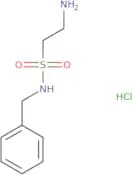
CAS:<p>Versatile small molecule scaffold</p>Formula:C6H10N2O2Purity:Min. 95%Molecular weight:142.16 g/mol2-Amino-N-benzylethane-1-sulfonamide hydrochloride
CAS:<p>Versatile small molecule scaffold</p>Formula:C9H15ClN2O2SPurity:Min. 95%Molecular weight:250.75 g/mol2,5-Dimethylpyrrolidine hydrochloride
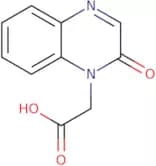
CAS:<p>2,5-Dimethylpyrrolidine hydrochloride is a chiral compound that is used to prepare cyclopropanes. It can be used in enantioselective reductions of diazoacetates and cyclopropanations. It is an efficient reagent for the synthesis of styrene derivatives with high enantioselectivity. 2,5-Dimethylpyrrolidine hydrochloride has been used to synthesize the binaphthyl system using dinitrogen as the source of chirality. The configuration of the binaphthyl system was determined by the configuration of the nitrogen atom on 2,5-dimethylpyrrolidine hydrochloride.</p>Formula:C6H14ClNPurity:Min. 95%Molecular weight:135.64 g/mol(2-Oxoquinoxalin-1(2h)-yl)acetic acid
CAS:<p>Versatile small molecule scaffold</p>Formula:C10H8N2O3Purity:Min. 95%Molecular weight:204.18 g/mol2-(1H-Pyrrol-1-yl)thiophene-3-carbonitrile
CAS:<p>Versatile small molecule scaffold</p>Formula:C9H6N2SPurity:Min. 95%Molecular weight:174.22 g/mol[2-(1H-Pyrrol-1-yl)thiophen-3-yl]methanamine
CAS:<p>Versatile small molecule scaffold</p>Formula:C9H10N2SPurity:Min. 95%Molecular weight:178.26 g/mol4-Trifluoromethanesulfonylbenzene-1-sulfonyl chloride
CAS:Versatile small molecule scaffoldFormula:C7H4ClF3O4S2Purity:Min. 95%Molecular weight:308.7 g/mol4-Trifluoromethanesulfonylbenzene-1-thiol
CAS:<p>Versatile small molecule scaffold</p>Formula:C7H5F3O2S2Purity:Min. 95%Molecular weight:242.2 g/mol2-Difluoromethanesulfonylbenzene-1-sulfonyl chloride
CAS:Versatile small molecule scaffoldFormula:C7H5ClF2O4S2Purity:Min. 95%Molecular weight:290.7 g/mol2-Difluoromethanesulfonylbenzene-1-thiol
CAS:<p>Versatile small molecule scaffold</p>Formula:C7H6F2O2S2Purity:Min. 95%Molecular weight:224.3 g/molMethyl 2,4-dioxo-4-(4-phenylphenyl)butanoate
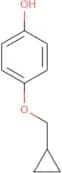
CAS:Versatile small molecule scaffoldFormula:C17H14O4Purity:Min. 95%Molecular weight:282.29 g/mol4-(Cyclopropylmethoxy)phenol
CAS:Versatile small molecule scaffoldFormula:C10H12O2Purity:Min. 95%Molecular weight:164.2 g/mol2-(Cyclobutylmethoxy)ethan-1-ol
CAS:<p>Versatile small molecule scaffold</p>Formula:C7H14O2Purity:Min. 95%Molecular weight:130.18 g/mol2-(Cyclopropylmethoxy)ethyl methanesulfonate
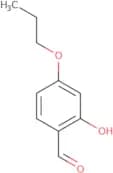
CAS:<p>Versatile small molecule scaffold</p>Formula:C7H14O4SPurity:Min. 95%Molecular weight:194.25 g/mol2-Hydroxy-4-propoxybenzaldehyde
CAS:<p>Versatile small molecule scaffold</p>Formula:C10H12O3Purity:Min. 95%Molecular weight:180.2 g/mol6-methylpyridine-2-carboxamide
CAS:<p>6-Methylpyridine-2-carboxamide is a nitrogenous compound that contains a metal ion. It has an amide group and a carboxylate group, which are both protonated at physiological pH. The compound is soluble in water and alcohols. 6-Methylpyridine-2-carboxamide can be used as an amplifier in the measurement of magnetic resonance imaging (MRI) spectra and nuclear magnetic resonance (NMR) spectra. It has been shown to have transistor properties, which may be due to its ability to transfer an electron from one side of the molecule to the other. 6-Methylpyridine-2-carboxamide also has a high melting point, which makes it suitable for use in high temperature environments such as in the production of semiconductors.</p>Formula:C7H8N2OPurity:Min. 95%Molecular weight:136.15 g/mol2-{[(Pyridin-2-ylmethyl)amino]methyl}phenol
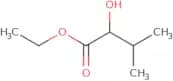
CAS:2-{[(Pyridin-2-ylmethyl)amino]methyl}phenol is a ligand that crystallizes in the monoclinic space group P21/c. The compound crystallizes with two molecules per asymmetric unit, and contains one water molecule per molecule. It has been shown to have cyclic voltammetry, which includes cyclic voltammetry and linear sweep voltammetry. 2-{[(Pyridin-2-ylmethyl)amino]methyl}phenol binds to the perchlorate ion and oxygen atoms coordinate to the nitrogen atoms of the ligand.Formula:C13H14N2OPurity:Min. 95%Molecular weight:214.26 g/molEthyl (2S)-2-hydroxy-3-methylbutanoate
CAS:<p>Versatile small molecule scaffold</p>Formula:C7H14O3Purity:Min. 95%Molecular weight:146.18 g/mol(3S)-3-Hydroxy-4-methylpentanoic acid
CAS:Versatile small molecule scaffoldFormula:C6H12O3Purity:Min. 95%Molecular weight:132.16 g/mol1-[3-(Methylthio)phenyl]-5-oxopyrrolidine-3-carboxylic acid
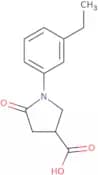
CAS:Versatile small molecule scaffoldFormula:C12H13NO3SPurity:Min. 95%Molecular weight:251.3 g/mol1-(3-Ethylphenyl)-5-oxopyrrolidine-3-carboxylic acid
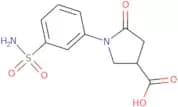
CAS:Versatile small molecule scaffoldFormula:C13H15NO3Purity:Min. 95%Molecular weight:233.26 g/mol5-Oxo-1-(3-sulfamoylphenyl)pyrrolidine-3-carboxylic acid
CAS:Versatile small molecule scaffoldFormula:C11H12N2O5SPurity:Min. 95%Molecular weight:284.29 g/mol1-(4-Fluoro-3-methylphenyl)-5-oxopyrrolidine-3-carboxylic acid
CAS:<p>Versatile small molecule scaffold</p>Formula:C12H12FNO3Purity:Min. 95%Molecular weight:237.23 g/mol5-Oxo-1-(2,4,6-trimethyl-phenyl)-pyrrolidine-3-carboxylic acid
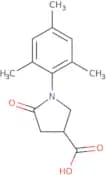
CAS:<p>Versatile small molecule scaffold</p>Formula:C14H17NO3Purity:Min. 95%Molecular weight:247.3 g/mol2,2,6-Trimethyl-2,3-dihydro-4H-chromen-4-one
CAS:<p>Versatile small molecule scaffold</p>Formula:C12H14O2Purity:Min. 95%Molecular weight:190.24 g/molN,N'-Diethyl(dodecylsulfanyl)methanimidamide hydrobromide
CAS:Versatile small molecule scaffoldFormula:C17H37BrN2SPurity:Min. 95%Molecular weight:381.5 g/mol3-Ethyl-1,2,4-thiadiazole-5-thiol
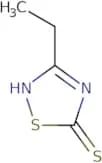
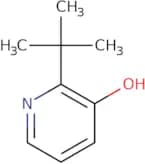
CAS:<p>Versatile small molecule scaffold</p>Formula:C4H6N2S2Purity:Min. 95%Molecular weight:146.2 g/mol2-tert-butylpyridin-3-ol
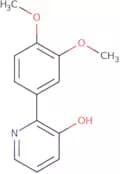
CAS:<p>Versatile small molecule scaffold</p>Formula:C9H13NOPurity:Min. 95%Molecular weight:151.2 g/mol2-(3,4-Dimethoxyphenyl)pyridin-3-ol
CAS:<p>Versatile small molecule scaffold</p>Formula:C13H13NO3Purity:Min. 95%Molecular weight:231.25 g/mol3-(2-Hydroxyethyl)imidazolidine-2,4-dione
CAS:Versatile small molecule scaffoldFormula:C5H8N2O3Purity:Min. 95%Molecular weight:144.13 g/molMethyl 2-(2-hydroxyphenyl)-2-methoxyacetate
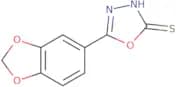
CAS:<p>Versatile small molecule scaffold</p>Formula:C10H12O4Purity:Min. 95%Molecular weight:196.2 g/mol5-(1,3-Dioxaindan-5-yl)-1,3,4-oxadiazole-2-thiol
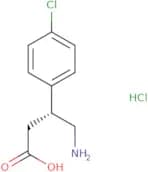
CAS:<p>Versatile small molecule scaffold</p>Formula:C9H6N2O3SPurity:Min. 95%Molecular weight:222.22 g/molR(+)-Baclofen.Hydrochloride
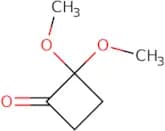
CAS:Controlled Product<p>R(+)-Baclofen.Hydrochloride is a GABA analogue that stimulates the GABA-benzodiazepine receptor complex and produces antinociception. It has been shown to be effective against diabetic neuropathy in rats, with no observed side effects. R(+)-Baclofen.Hydrochloride is used for the treatment of trigeminal neuralgia, butyric acid induced hyperalgesia and chronic constriction injury in rats. The main mechanism of action of R(+)-Baclofen.Hydrochloride is its ability to activate the benzodiazepine receptor by binding to it, which leads to mitochondrial membrane potential depolarization and an increase in the release of gamma-aminobutyric acid (GABA) from neurons.</p>Formula:C10H13Cl2NO2Purity:Min. 95%Molecular weight:250.12 g/mol2,2-Dimethoxycyclobutan-1-one
CAS:<p>Versatile small molecule scaffold</p>Formula:C6H10O3Purity:Min. 95%Molecular weight:130.14 g/mol4-amino-5H,6H,7H-cyclopenta[b]pyridin-2-ol
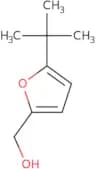
CAS:<p>Versatile small molecule scaffold</p>Formula:C8H10N2OPurity:Min. 95%Molecular weight:150.17 g/mol(5-(tert-Butyl)furan-2-yl)methanol
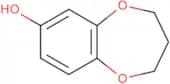
CAS:<p>Versatile small molecule scaffold</p>Formula:C9H14O2Purity:Min. 95%Molecular weight:154.21 g/mol3,4-Dihydro-2H-1,5-benzodioxepin-7-ol
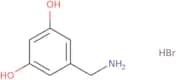
CAS:<p>Versatile small molecule scaffold</p>Formula:C9H10O3Purity:Min. 95%Molecular weight:166.17 g/mol5-(Aminomethyl)benzene-1,3-diol hydrobromide
CAS:<p>Versatile small molecule scaffold</p>Formula:C7H10BrNO2Purity:Min. 95%Molecular weight:220.06 g/mol6-Amino-1H-pyrazolo[3,4-b]pyridine
CAS:<p>6-Amino-1H-pyrazolo[3,4-b]pyridine is a cholesterol inhibitor that belongs to the pyridine derivative class. It has been shown to decrease the level of total cholesterol and low density lipoprotein (LDL) cholesterol in rats with atherosclerosis. This drug inhibits protein synthesis by binding to the active site of HMG-CoA reductase and preventing it from forming an enzyme-substrate complex with cholesteryl ester. 6-Amino-1H-pyrazolo[3,4-b]pyridine is an enantiomeric mixture of two stereoisomers, R and S. The R isomer has been shown to be more potent than the S isomer in inhibiting HMG CoA reductase activity.</p>Formula:C6H6N4Purity:Min. 95%Molecular weight:134.14 g/mol6-chloro-1-methyl-1h-pyrazolo[3,4-b]pyridine
CAS:<p>Versatile small molecule scaffold</p>Formula:C7H6ClN3Purity:Min. 95%Molecular weight:167.6 g/mol6-Chloro-2,4-dimethyl-2H-pyrazolo[3,4-b]pyridine
CAS:<p>Versatile small molecule scaffold</p>Formula:C8H8ClN3Purity:Min. 95%Molecular weight:181.62 g/mol3,5-Dibromoimidazo[1,2-a]pyrazine
CAS:<p>Versatile small molecule scaffold</p>Formula:C6H3Br2N3Purity:Min. 95%Molecular weight:276.92 g/mol5-bromo-[1,2,4]triazolo[4,3-a]pyrazine
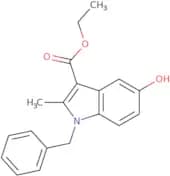
CAS:Versatile small molecule scaffoldFormula:C5H3BrN4Purity:Min. 95%Molecular weight:199.01 g/molEthyl 1-benzyl-5-hydroxy-2-methyl-1H-indole-3-carboxylate
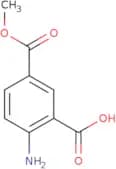
CAS:Controlled Product<p>Versatile small molecule scaffold</p>Formula:C19H19NO3Purity:Min. 95%Molecular weight:309.4 g/mol2-Amino-5-methoxycarbonylbenzoic acid
CAS:<p>Versatile small molecule scaffold</p>Formula:C9H9NO4Purity:Min. 95%Molecular weight:195.17 g/mol

![7-Methyl-1H-benzo[d][1,3]oxazine-2,4-dione](/_next/image/?url=https%3A%2Fstatic.cymitquimica.com%2Fproducts%2F3D%2Fthumb-webp%2FNCA48011.webp&w=3840&q=75)
![8-Chloro-1H-benzo[D][1,3]oxazine-2,4-dione](/_next/image/?url=https%3A%2Fstatic.cymitquimica.com%2Fproducts%2F3D%2Fthumb-webp%2FNCA49760.webp&w=3840&q=75)

![methyl 2-[1-(aminomethyl)cyclohexyl]acetate hydrochloride](/_next/image/?url=https%3A%2Fstatic.cymitquimica.com%2Fproducts%2F3D%2Fthumb-webp%2FNCA56201.webp&w=3840&q=75)
![2-[1-(Aminomethyl)cyclopentyl]acetic acid hydrochloride](/_next/image/?url=https%3A%2Fstatic.cymitquimica.com%2Fproducts%2F3D%2Fthumb-webp%2FNCA56209.webp&w=3840&q=75)


![2-[(4-Methoxyphenyl)methyl]piperidine](/_next/image/?url=https%3A%2Fstatic.cymitquimica.com%2Fproducts%2F3D%2Fthumb-webp%2FNCA58760.webp&w=3840&q=75)




![[2-(1H-Pyrrol-1-yl)thiophen-3-yl]methanamine](/_next/image/?url=https%3A%2Fstatic.cymitquimica.com%2Fproducts%2F3D%2Fthumb-webp%2FNCA64704.webp&w=3840&q=75)





![2-{[(Pyridin-2-ylmethyl)amino]methyl}phenol](/_next/image/?url=https%3A%2Fstatic.cymitquimica.com%2Fproducts%2F3D%2Fthumb-webp%2FNCA67168.webp&w=3840&q=75)

![1-[3-(Methylthio)phenyl]-5-oxopyrrolidine-3-carboxylic acid](/_next/image/?url=https%3A%2Fstatic.cymitquimica.com%2Fproducts%2F3D%2Fthumb-webp%2FNCA67452.webp&w=3840&q=75)





![4-amino-5H,6H,7H-cyclopenta[b]pyridin-2-ol](/_next/image/?url=https%3A%2Fstatic.cymitquimica.com%2Fproducts%2F3D%2Fthumb-webp%2FNCA70454.webp&w=3840&q=75)
![6-Amino-1H-pyrazolo[3,4-b]pyridine](/_next/image/?url=https%3A%2Fstatic.cymitquimica.com%2Fproducts%2F3D%2Fthumb-webp%2FNCA72549.webp&w=3840&q=75)
![6-chloro-1-methyl-1h-pyrazolo[3,4-b]pyridine](/_next/image/?url=https%3A%2Fstatic.cymitquimica.com%2Fproducts%2F3D%2Fthumb-webp%2FNCA72552.webp&w=3840&q=75)
![6-Chloro-2,4-dimethyl-2H-pyrazolo[3,4-b]pyridine](/_next/image/?url=https%3A%2Fstatic.cymitquimica.com%2Fproducts%2F3D%2Fthumb-webp%2FNCA72554.webp&w=3840&q=75)
![3,5-Dibromoimidazo[1,2-a]pyrazine](/_next/image/?url=https%3A%2Fstatic.cymitquimica.com%2Fproducts%2F3D%2Fthumb-webp%2FNCA74421.webp&w=3840&q=75)
![5-bromo-[1,2,4]triazolo[4,3-a]pyrazine](/_next/image/?url=https%3A%2Fstatic.cymitquimica.com%2Fproducts%2F3D%2Fthumb-webp%2FNCA74429.webp&w=3840&q=75)