Building Blocks
This section contains fundamental products for the synthesis of organic and biological compounds. Building blocks are the essential starting materials used to construct complex molecules through various chemical reactions. They play a critical role in drug discovery, material science, and chemical research. At CymitQuimica, we offer a diverse range of high-quality building blocks to support your innovative research and industrial projects, ensuring you have the essential components for successful synthesis.
Subcategories of "Building Blocks"
- Boronic Acids & Boronic Acid Derivatives(5,778 products)
- Chiral Building Blocks(1,242 products)
- Hydrocarbon Building Blocks(6,098 products)
- Organic Building Blocks(61,092 products)
Found 199296 products of "Building Blocks"
Sort by
Purity (%)
0
100
|
0
|
50
|
90
|
95
|
100
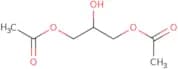
2-Hydroxypropane-1,3-diyl diacetate
CAS:<p>2-Hydroxypropane-1,3-diyl diacetate is a compound that has been studied for use as an antiviral drug. It is a glycol ether and a glycol with the chemical formula CH2OHC(O)CH2CO2H. This compound is an ester of hydroxypropane-1,3-diyl diacetate and zinc powder. The molecular weight of this compound is 254.21 g/mol and its melting point is -7°C to -8°C. It also has a boiling point of 107°C at 760 mm Hg pressure. 2-Hydroxypropane-1,3-diyl diacetate has been shown to inhibit the growth of viruses such as penciclovir and famciclovir in the laboratory, but more research on its effectiveness in humans needs to be done before it can be approved for use in people.</p>Formula:C7H12O5Purity:Min. 95%Molecular weight:176.17 g/molMethyl 3-[(3-methoxy-3-oxopropyl)(methyl)amino]propanoate
CAS:Versatile small molecule scaffoldFormula:C9H17NO4Purity:Min. 95%Molecular weight:203.24 g/molDi(2-ethylhexyl)amine
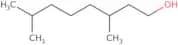
CAS:<p>Di(2-ethylhexyl)amine is an aliphatic amine that has a high viscosity. It is used as a reactive agent in chemical reactions, a corrosion inhibitor in industry, and as a transport agent in the petroleum industry. Di(2-ethylhexyl)amine reacts with hydroxyl groups to form ester compounds. Di(2-ethylhexyl)amine is also used to extract ethylene diamine from coal tar oils.</p>Formula:C16H35NPurity:Min. 95%Molecular weight:241.46 g/mol3,7-Dimethyl-1-octanol
CAS:<p>3,7-Dimethyl-1-octanol is a natural compound that is used as a model organism to study the effects of cationic surfactants and detergent compositions on bacteria. It can be found in the odorant binding protein (OBP) of Streptomyces lavendulae where it binds to chlorine atoms. 3,7-Dimethyl-1-octanol has been shown to inhibit bacterial growth by binding to hydroxyl groups and fatty acid chains in proteins. <br>This compound is also used as an ingredient in detergent compositions and glycol ethers. 3,7-Dimethyl-1-octanol has been reported to have a phenolic odor that is likely due to its ability to bind with tryptophan residues at high pH.</p>Formula:C10H22OPurity:Min. 95%Molecular weight:158.29 g/molEthyl Laurate(Ethyl Dodecanoate)
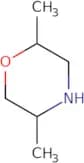
CAS:Ethyl Laurate (Ethyl Dodecanoate) is a glycol ether that is used as a solvent for petroleum products and other organic solvents. It is also used in the manufacturing of polymers and pharmaceuticals. Ethyl Laurate has been shown to inhibit the activity of the receptor in gland cells, which may be due to its ability to form complexes with enzymes or proteins. This compound also inhibits intramolecular hydrogen transfer reactions. The LC-MS/MS method has been used to identify the protein MCL-1 as an ethyl laurate target.Formula:C14H28O2Purity:Min. 95%Molecular weight:228.37 g/mol2,5-Dimethylmorpholine
CAS:<p>2,5-Dimethylmorpholine is an isomeric mixture of two compounds that are related to the morpholine class of chemical compounds. It has been shown to be a good acceptor for styrene and long-chain alkanes. 2,5-Dimethylmorpholine can be used as a mechanistic probe for styrene polymerization reactions, because it yields mechanistic information about the reaction selectivity. It has also been shown to have catalytic properties in amine synthesis and isomers with dodecyl chains.<br>2,5-Dimethylmorpholine is a colorless liquid with a boiling point of 69°C and an odor threshold of 1 ppm.</p>Formula:C6H14ClNOPurity:Min. 95%Molecular weight:151.63 g/molMethyl Hexanoate
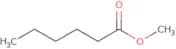
CAS:<p>Methyl hexanoate is a fatty acid that is found in natural oils and fats, such as olive oil. It has a chemical structure of C6H12O2. Methyl hexanoate is used as a model system to study the reactions of organic compounds with hydroxyl groups. The kinetic data obtained from receptor cells show that methyl hexanoate reacts with acyl chains to form methyl myristate, which is an alkane with the molecular formula CH3(CH2)4CO2H. The reaction mechanism for this process includes the following steps: 1) deprotonation of methyl hexanoate by an acid catalyst; 2) elimination of water from the deprotonated molecule; 3) reaction of the resulting carboxylic acid with an acyl chain to produce an ester product; 4) elimination of water from the ester product to form a fatty acid.</p>Formula:C7H14O2Purity:Min. 95%Molecular weight:130.19 g/mol4,4-Dioxo-1,4-oxathiane
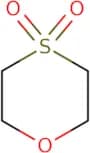
CAS:4,4-Dioxo-1,4-oxathiane is the oxidation product of 1,2,3-trioxane. It has been shown to have a linear range from 0.5 to 5.0 µg/mL with an ionization detector and hydrogen peroxide as the reagent. 4,4-Dioxo-1,4-oxathiane is also capable of detecting sulfide with its photometric assay. A sample containing sodium sulfide will turn the solution yellow due to a reaction between sodium sulfide and hydrogen peroxide in the presence of light. The presence of hyaluronate will cause a decrease in the intensity of coloration at 490 nm due to an increased absorbance at this wavelength. The addition of NaOH will result in a blue color due to a reaction with thioacetals. Agilent offers 4,4-dioxo-1,4-oxathiane as part of their catalog for MS analysisFormula:C4H8O3SPurity:Min. 95%Molecular weight:136.17 g/mol2,2,2-Trichloroethyl carbamate
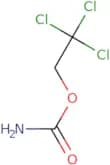
CAS:<p>Trichloroethanol is a chemical compound with the molecular formula CHClCHOH. It is an organic solvent that has been used in the manufacture of lacquers and varnishes, as well as in pharmaceuticals to dissolve resins before making tablets. Trichloroethanol also has been used for therapeutic purposes for the treatment of autoimmune diseases, bowel disease, cancer and metabolic disorders. Trichloroethanol is metabolized by cytochrome P450 enzymes to produce its active form trichloroacetic acid. The metabolites may then bind to DNA, inhibiting RNA synthesis and protein synthesis. This process leads to cell death by apoptosis. Trichloroethanol is also metabolized by glycosidic bond hydrolysis that leads to the formation of a bicyclic heterocycle intermediate which reacts with fatty acids to produce acrolein and other reactive aldehydes that are cytotoxic and can cause oxidative stress in cells.</p>Formula:C3H4Cl3NO2Purity:Min. 95%Color and Shape:PowderMolecular weight:192.42 g/mol4-Methoxy-4-methyl-2-pentanone
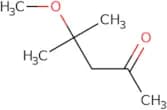
CAS:<p>4-Methoxy-4-methyl-2-pentanone is a colorless liquid that is soluble in water. The molecule has a boiling point of 177 °C and a density of 0.895 g/mL. This compound has strong UV absorption at 260 nm, which can be used to identify it. 4-Methoxy-4-methyl-2-pentanone is an organic solvent that can be used for pest control as well as for the production of iron oxides and silicon. It also has functional groups such as phenoxy, surfactant, fatty acid, and radiation. 4-Methoxy-4-methyl-2-pentanone can be synthesized by reacting methyl vinyl ketone with methylamine hydrochloride in the presence of iron oxide catalyst.</p>Formula:C7H14O2Purity:Min. 95%Molecular weight:130.18 g/mol1,3-DIVINYLBENZENE
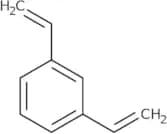
CAS:<p>1,3-divinylbenzene is a monomer that belongs to the group of divinylbenzenes. It is an important polymerization initiator in the production of polyvinyl chloride (PVC). Divinylbenzene is used as a crosslinking agent for vinyl polymers, and can be copolymerized with other monomers such as styrene. This compound has been shown to increase renal blood flow by inhibiting angiotensin II synthesis in rats. 1,3-Divinylbenzene can also be used as a chromatographic stationary phase or as a gelation stabilizer.</p>Formula:C10H10Purity:Min. 95%Molecular weight:130.19 g/mol2-[(1-Hydroxypropan-2-yl)oxy]propan-1-ol
CAS:<p>2-[(1-Hydroxypropan-2-yl)oxy]propan-1-ol is a chiral compound that has two enantiomers. The racemic mixture of this molecule is homochiral, meaning that the two enantiomers are not present in equal amounts. The synthetic route to this compound includes the preparation of aminopropanol by reaction with hydrochloric acid followed by addition of ethylene oxide to produce an acetate ester. This synthesis can be accomplished using a preparative scale or on a laboratory scale. The product is then reacted with chlorine gas to produce 2-[(1-hydroxypropan-2-yl)oxy]propan-1-ol as a single diacetate ester, which can be purified by chromatography and finally recrystallized from methanol. This process generates the desired product in high yield and purity.</p>Formula:C6H14O3Purity:Min. 95%Molecular weight:134.17 g/molButyl butyrate
CAS:<p>Butyl butyrate is a colorless liquid that has a pleasant odor. It is used in the production of biofuels and as an organic solvent, as well as a flavorant and fragrance. The compound can be found in many fruits such as apples and oranges, where it is responsible for their distinctive smell. Butyl butyrate has been shown to have binding properties with odorants. It reacts with hydrogen fluoride (HF) in the presence of sodium hydroxide (NaOH) to form sodium butyrate, which is used in the manufacture of polyester polymers. Butyl butyrate also participates in the process optimization of polymerase chain reactions by enhancing the efficiency of DNA amplification.</p>Formula:C8H16O2Purity:Min. 95%Color and Shape:Clear LiquidMolecular weight:144.21 g/mol3-Isopropoxy-1-propanol
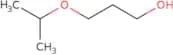
CAS:<p>3-Isopropoxy-1-propanol is a molecule that consists of a hydroxyl group, three isopropoxy groups, and a carboxylic acid. It has two functionalities: the hydroxyl group can act as an alcohol, while the carboxylic acid can act as an acid. 3-Isopropoxy-1-propanol can be used in the synthesis of malonic acid with copper (II) chloride. It also has a role in purification of glycol ethers and fatty acids by radiation. This molecule is used as a crosslinking agent for polymeric matrices and it reacts with hydrogen fluoride to form intramolecular hydrogen bonds. 3-Isopropoxy-1-propanol reacts with carbonyl groups to form ketones or esters.</p>Formula:C8H16N2OPurity:Min. 95%Molecular weight:156.23 g/molDiisobutylamine
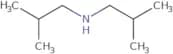
CAS:<p>Diisobutylamine is an antimicrobial agent that is used in the treatment of infectious diseases. It is a reactive chemical that reacts with inorganic acids to form soluble salts. Diisobutylamine inhibits the production of amines and enzymes, which may lead to the development of autoimmune diseases. Diisobutylamine also has a hydroxyl group and nitrogen atoms, which are essential for its antimicrobial properties. This drug is insoluble in water and polymerizes when heated or exposed to light.</p>Formula:C8H19NPurity:Min. 95%Molecular weight:129.25 g/molMethyl 2-Octynoate
CAS:<p>Methyl 2-octynoate is a chemical that has been shown to bind to the nicotinic acetylcholine receptor. Methyl 2-octynoate has been shown to have antitumor activity in various types of cancer cells, including breast, prostate, and lung cancer cells. This chemical is not known to be chemically stable or film-forming. It also disrupts mitochondrial membrane potential and reduces the endpoints of oxidative phosphorylation. Methyl 2-octynoate was found to have low potency against cancer cells in vitro and in vivo.</p>Formula:C9H14O2Purity:Min. 95%Molecular weight:154.21 g/mol1-Decanol
CAS:<p>1-Decanol is a fatty acid that is soluble in water and has a hydroxyl group. It is used as a raw material for the production of surfactants and other products. 1-Decanol has significant interactions with hydrogen bond, hydrochloric acid, cationic surfactants, biological products, water vapor, and surfaces. The surface methodology for 1-decanol includes surface tension measurements, contact angle measurements, and surface morphology characterization. The hydroxyl group on 1-decanol can react with oxygen or other molecules to form peroxides or other reactive intermediates. Kinetic data for 1-decanol include the rate of reaction with chlorine at various concentrations of hydrogen chloride in an inert atmosphere. Stability data for 1-decanol include thermal expansion coefficients at different temperatures from −10°C to 100°C. Caproic acid is an impurity found in 1-decanol that can form during its production or by degradation during storage.</p>Formula:C10H22OPurity:Min. 95%Molecular weight:158.29 g/mol1-Undecanol
CAS:<p>1-Undecanol is a colorless liquid that is insoluble in water and soluble in organic solvents. It has been shown to be an effective absorption enhancer for the analysis of p-hydroxybenzoic acid with zirconium oxide as a solid phase extraction material. 1-Undecanol has been used as a reaction solution for the polymerase chain reaction (PCR) technique and has been shown to be an effective extractant for fatty acids and hydroxyl groups. It also functions as an antimicrobial agent, cationic surfactant, and polymerase chain reaction enhancer.</p>Formula:C11H24OPurity:Min. 95%Molecular weight:172.31 g/molDodecanal
CAS:<p>Dodecanal is an odorant that can be used as a trifluoroacetic acid (TFA) fluorescence probe. It has been shown to inhibit the growth of human pathogens and human serum, and it also has antimicrobial properties. Dodecanal binds to the hydroxyl group of TFA and forms a covalent bond with the cysteine residues in proteins, inhibiting their function. The optimum concentration for dodecanal is 0.1 mM in human serum. Dodecanal will bind to caproic acid at concentrations of 2 mM or greater, which may affect its fluorescence properties. Dodecanal also binds to CD-1 mice when exposed to concentrations of 1 mM or greater, which may cause some interference with its fluorescence properties.</p>Formula:C12H24OPurity:Min. 95%Molecular weight:184.32 g/mol5-(Chloromethyl)-3-phenyl-1,3-oxazolidin-2-one
CAS:Versatile small molecule scaffoldFormula:C10H10ClNO2Purity:Min. 95%Molecular weight:211.64 g/molN-(3-Chloro-4-nitrophenyl)acetamide
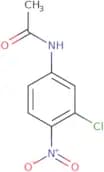
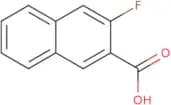
CAS:<p>Versatile small molecule scaffold</p>Formula:C8H7ClN2O3Purity:Min. 95%Molecular weight:214.6 g/mol3-Fluoronaphthalene-2-carboxylic acid
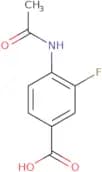
CAS:<p>3-Fluoronaphthalene-2-carboxylic acid is a nitrile that is derivatized with carboxylic acid, amide, and benzimidazole. It has been shown to be reactive toward radical, carbonyl, halide, and imidoester. 3-Fluoronaphthalene-2-carboxylic acid can also be used in the synthesis of 3-(3'-fluoro)benzoxazinones and related compounds.</p>Formula:C11H7FO2Purity:Min. 95%Molecular weight:190.17 g/mol4-Acetamido-3-fluorobenzoic acid
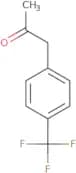
CAS:<p>Versatile small molecule scaffold</p>Formula:C9H8FNO3Purity:Min. 95%Molecular weight:197.16 g/mol1-(4-(Trifluoromethyl)phenyl)propan-2-one
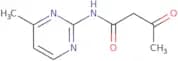
CAS:<p>Versatile small molecule scaffold</p>Formula:C10H9F3OPurity:Min. 95%Molecular weight:202.17 g/molN-(4-Methylpyrimidin-2-yl)-3-oxobutanamide
CAS:Versatile small molecule scaffoldFormula:C9H11N3O2Purity:Min. 95%Molecular weight:193.2 g/mol(2,4-Dioxo-1,3-diaza-spiro[4.4]non-3-yl)-acetic acid
CAS:Versatile small molecule scaffoldFormula:C9H12N2O4Purity:Min. 95%Molecular weight:212.2 g/mol6-Nitro-1,3-dioxaindane-5-carboxylic acid
CAS:6-Nitro-1,3-dioxaindane-5-carboxylic acid is a potent antibacterial agent that has been shown to have antimicrobial properties. It binds to the cell wall of bacteria and prevents their growth. 6-Nitro-1,3-dioxaindane-5-carboxylic acid is stable in aqueous solution and has favorable physicochemical properties. It has been shown to be effective against gram positive bacteria such as Staphylococcus spp., Streptococcus spp., and Enterococcus faecalis, as well as gram negatives such as Escherichia coli and Pseudomonas aeruginosa. The drug also inhibits the production of bacterial exoenzymes like beta lactamase, which are required for the degradation of beta lactam antibiotics.Formula:C8H5NO6Purity:Min. 95%Molecular weight:211.13 g/mol2,3-Naphthalic Anhydride
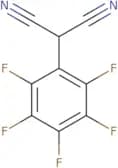
CAS:<p>2,3-Naphthalic anhydride is a naphthalene derivative that can be used to synthesize amides, amines and other organic compounds. It is obtained by the reaction of 2,3-dihydroxynaphthalene with a metal halide such as chloride or bromide. This reaction produces 2,3-naphthalic anhydride in high yield. The compound has been used as a precursor for the fluorescent derivative naphthofluorescein and propiolic acid. A synthetic process for this compound was first developed in 1887 by R. Pinner and L. Hahn. The compound has been found to have numerous applications in the production of plastics, textiles and dyes.</p>Formula:C12H6O3Purity:Min. 95%Molecular weight:198.17 g/mol2-(Pentafluorophenyl)propanedinitrile
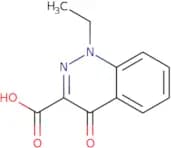
CAS:<p>Versatile small molecule scaffold</p>Formula:C9HF5N2Purity:Min. 95%Molecular weight:232.11 g/mol1-Ethyl-4-oxo-1,4-dihydrocinnoline-3-carboxylic acid
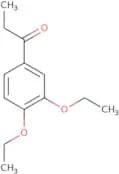
CAS:Versatile small molecule scaffoldFormula:C11H10N2O3Purity:Min. 95%Molecular weight:218.21 g/mol1-(3,4-Diethoxyphenyl)propan-1-one
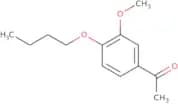
CAS:<p>Versatile small molecule scaffold</p>Formula:C13H18O3Purity:Min. 95%Molecular weight:222.28 g/mol1-(4-Butoxy-3-methoxyphenyl)ethan-1-one
CAS:<p>Versatile small molecule scaffold</p>Formula:C13H18O3Purity:Min. 95%Molecular weight:222.28 g/mol2,2,2-Trifluoro-1-[3-(trifluoromethyl)phenyl]ethan-1-ol
CAS:Versatile small molecule scaffoldFormula:C9H6F6OPurity:Min. 95%Molecular weight:244.13 g/mol2,2,2-Trifluoro-3'-(trifluoromethyl)acetophenone
CAS:<p>2,2,2-Trifluoro-3'-(trifluoromethyl)acetophenone is a layered compound that has been used to test the reaction of sulfur with industrial and research nitro compounds. It is also used in the synthesis of trifluoroacetic acid catalysts. The chemical structure of 2,2,2-Trifluoro-3'-(trifluoromethyl)acetophenone was determined by analyzing its sulfur content and comparing it to other similar compounds. This compound has been shown to be an efficient catalyst system for the ionizing chemistry of trifluoroacetic acid.</p>Formula:C9H4F6OPurity:Min. 95%Molecular weight:242.12 g/mol2-[4-(Trifluoromethyl)phenyl]ethane-1-sulfonyl chloride
CAS:Versatile small molecule scaffoldFormula:C9H8ClF3O2SPurity:Min. 95%Molecular weight:272.67 g/mol2-(2,5-Dioxo-4,4-dipropylimidazolidin-1-yl)acetic acid
CAS:Versatile small molecule scaffoldFormula:C11H18N2O4Purity:Min. 95%Molecular weight:242.27 g/mol1-Benzyl-3-phenylthiourea
CAS:<p>1-Benzyl-3-phenylthiourea is a molecule that has been shown to inhibit corrosion in the presence of blood pressure. It has also been shown to be a potent inhibitor of hexamethylenetetramine, an organic compound that is used as a corrosion inhibitor. 1-Benzyl-3-phenylthiourea can be used as a biomimetic corrosion inhibitor for blood pressure and sensitivity tests. It is also capable of membrane hyperpolarization, which can be used to prevent nerve cell death from lack of oxygen and glucose.</p>Formula:C14H14N2SPurity:Min. 95%Molecular weight:242.34 g/mol2-Chloro-3-phenyl-3,4-dihydroquinazolin-4-one
CAS:Controlled ProductVersatile small molecule scaffoldFormula:C14H9ClN2OPurity:Min. 95%Molecular weight:256.68 g/mol2,6-di(tert-butyl)-4-Nitrobenzenol
CAS:<p>2,6-di(tert-butyl)-4-Nitrobenzenol is a chemical that is used as a reference standard for the gravimetric determination of sodium. It has been shown to have low toxicity in animals and environmental monitoring studies, but can be hazardous if ingested by humans. The LD50 (lethal dose) for 2,6-di(tert-butyl)-4-nitrobenzenol in Sprague Dawley rats is greater than 10 g/kg body weight. This chemical also has the potential to react with pyrimidine nucleosides and organic chemicals such as methylene chloride or urea nitrogen.</p>Formula:C14H21NO3Purity:Min. 95%Molecular weight:251.32 g/mol2-(4-Ethyl-2,5-dioxo-4-phenylimidazolidin-1-yl)acetic acid
CAS:<p>Versatile small molecule scaffold</p>Formula:C13H14N2O4Purity:Min. 95%Molecular weight:262.26 g/mol4-[1-(4-Fluorophenyl)-1-(4-hydroxyphenyl)ethyl]phenol
CAS:Versatile small molecule scaffoldFormula:C20H17FO2Purity:Min. 95%Molecular weight:308.3 g/mol2-(2,2,3,3,3-Pentafluoropropoxy)ethan-1-ol
CAS:<p>Versatile small molecule scaffold</p>Formula:C5H7F5O2Purity:Min. 95%Molecular weight:194.1 g/mol2-Mercaptoacetamide
CAS:Versatile small molecule scaffoldFormula:C2H5NOSPurity:Min. 95%Molecular weight:91.13 g/mol3,4-Dichloro-1-butene
CAS:<p>3,4-Dichloro-1-butene (3,4-DCB) is an industrial chemical that is used in the production of a variety of chemicals and plastics. It has been shown to be toxic to the liver and kidneys following chronic exposure, which may be due to its ability to form reactive quaternary ammonium salts. 3,4-DCB reacts with copper salt to produce hydrogen chloride gas, which can then react with water vapor in the air to produce hydrochloric acid. Hydrochloric acid is highly corrosive and can cause severe burns on contact with skin. 3,4-DCB also has the ability to isomerize into 1,2-dichloroethane (1,2-DCA), a known human carcinogen.</p>Formula:C4H6Cl2Purity:Min. 95%Molecular weight:124.99 g/mol1,3-Difluoropropan-2-amine hydrochloride
CAS:Versatile small molecule scaffoldFormula:C3H8ClF2NPurity:Min. 95%Molecular weight:131.55 g/mol2-Cyano-4-methylpent-2-enoic acid
CAS:<p>Versatile small molecule scaffold</p>Formula:C7H9NO2Purity:Min. 95%Molecular weight:139.15 g/mol1,5-dimethyl 2-bromopentanedioate
CAS:<p>1,5-Dimethyl 2-bromopentanedioate is an organic compound that is a colorless solid. It is used as a synthetic intermediate for cyclen and other compounds. 1,5-Dimethyl 2-bromopentanedioate undergoes a shift reaction to form dippinine. This reaction can be catalyzed by lanthanide metals or nitroethane. The efficiency of this conversion has been studied with magnetic preparative strategies.</p>Formula:C7H11BrO4Purity:Min. 95%Molecular weight:239.07 g/molPropane-1-sulfonyl fluoride
CAS:<p>Versatile small molecule scaffold</p>Formula:C3H7FO2SPurity:Min. 95%Molecular weight:126.15 g/mol2-Chloroethanesulfonyl fluoride
CAS:<p>2-Chloroethanesulfonyl fluoride is a synthetic compound that belongs to the class of aliphatic chlorofluorocarbons. It is a highly reactive and useful reagent in organic synthesis, as well as in chemical biology. The chloride ion is a common functional group that can be introduced using 2-chloroethanesulfonyl fluoride. Aliphatic chlorofluorocarbons are versatile molecules with many possible applications in chemistry due to their modularity and scalability. They have been used for the synthesis of new compounds by introducing various substituents, as well as for highlighting specific chemical features such as fluorine atoms or magnesium ions, which are often difficult to detect using other analytical techniques.<br>2-Chloroethanesulfonyl fluoride has been used in x-ray crystallographic studies to investigate the structure and reactivity of magnesium oxide and magnesium chloride complexes. These studies highlight the importance of magnesium ions in chemical biology.</p>Formula:C2H4ClFO2SPurity:Min. 95%Molecular weight:146.57 g/molEthyl 3-Ethoxypropionate
CAS:<p>Ethyl 3-ethoxypropionate is a cycloaddition product of ethyl 3-ethoxypropanoate. It has been shown to be more chemically stable than the reactants and has an increased uptake in the reaction solution. <br>Ethyl 3-ethoxypropionate is able to undergo a cycloaddition process with diethyl succinate under conditions of high temperature and pressure, leading to the formation of methyl ethyl malonic acid. This chemical reaction takes place via an intermolecular hydrogen bonding interaction between the ethoxy group on one molecule and the ester group on the other molecule. The cyclohexane ring on each molecule also forms a hydrogen bonding interaction with its corresponding methyl or ethyl groups. Ethyl 3-ethoxypropionate is not reactive in its pure form but can undergo reactions when exposed to chemicals such as potassium hydroxide, which leads to its degradation into propionic acid and ethanol.</p>Formula:C7H14O3Purity:Min. 95%Molecular weight:146.19 g/mol2,2,2-Trichloroethyl Chlorosulfate
CAS:<p>2,2,2-Trichloroethyl chlorosulfate is an organic compound that has a hydroxyl group and a chlorine in its structure. It is cytotoxic to cells and causes health effects in humans. This compound binds to the p-coumaric acid in the cell and inhibits the enzyme activity of the demethylase, which is responsible for the oxidation of p-coumaric acid to ferulic acid. This prevents p-coumaric acid from being converted into other metabolites such as dihydroferulic acid and dihydrocaffeic acid. 2,2,2-Trichloroethyl chlorosulfate also inhibits enzymes involved in the synthesis of cholesterol by competitively inhibiting HMG CoA reductase.</p>Formula:C2H2Cl4O3SPurity:Min. 95%Molecular weight:247.91 g/mol5-Fluoro-1-pentyne
CAS:<p>Versatile small molecule scaffold</p>Formula:C5H7FPurity:Min. 95%Molecular weight:86.11 g/mol(E)-Pent-3-en-1-ol
CAS:<p>Versatile small molecule scaffold</p>Formula:C5H10OPurity:Min. 95%Molecular weight:86.13 g/mol6,6,6-Trifluorohexanoic acid
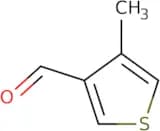
CAS:<p>Versatile small molecule scaffold</p>Formula:C6H9F3O2Purity:Min. 95%Molecular weight:170.13 g/mol4-methylthiophene-3-carbaldehyde
CAS:<p>Versatile small molecule scaffold</p>Formula:C6H6OSPurity:Min. 95%Molecular weight:126.17 g/mol2-Cyclopentylethanol
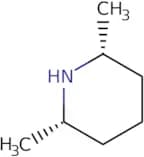
CAS:<p>2-Cyclopentylethanol is a type of organic compound that belongs to the class of ethyl esters. It has been shown to have receptor activity, which may be related to its ability to reduce plasma glucose levels in type 2 diabetes patients. The mechanism by which 2-cyclopentylethanol affects glucose metabolism is not clear, but it has been found to inhibit serine protease and sulfonic acid-induced platelet aggregation. It has also been found to have anti-inflammatory effects and can inhibit the production of inflammatory mediators such as prostaglandin E2 (PGE2). 2-Cyclopentylethanol also inhibits the activity of certain types of enzymes, including pyrimidine hydroxylases and acylureas.</p>Formula:C7H14OPurity:Min. 95%Molecular weight:114.19 g/molCis-2,6-dimethylpiperidine
CAS:<p>Cis-2,6-dimethylpiperidine is an organic chemical compound that belongs to the group of amines. It is a colorless solid that is soluble in organic solvents such as chloroform and methanol. Cis-2,6-dimethylpiperidine reacts with zinc powder in the presence of a solvent to form cis-2,6-dimethylpiperidinium zinc (II) chloride. This reaction can be used to synthesize other compounds such as morpholine and piperidine. This compound also has a supramolecular interaction with electron deficient palladium catalysts for cross-coupling reactions. Cross coupling reactions are a type of chemical reaction where two or more organic molecules are combined to form new compounds by using organometallic reagents like Grignard reagents or trisubstituted phosphine ligands.</p>Formula:C7H15NPurity:Min. 95%Molecular weight:113.2 g/mol2,5,5-Trimethyl-1,3-dioxane
CAS:<p>2,5,5-Trimethyl-1,3-dioxane is an organic compound that has a strong odor. It is classified as an aliphatic ketone and has a cyclopropyl group.</p>Formula:C7H14O2Purity:Min. 95%Molecular weight:130.18 g/mol7-Azaspiro[3.5]nonane
CAS:<p>Isoxazole compounds are a class of heterocyclic compounds that inhibit the enzyme acetylcholine esterase (AChE) and thus have anticholinesterase activity. Isoxazoles have been shown to be effective in treating bladder and bowel disease, cancer, depression and other neurological disorders. The isooxazole 7-azaspiro[3.5]nonane has been shown to be effective in vitro against fungi. It is a covalent inhibitor of the fungal enzyme β-glucosidase and can also act as an endocannabinoid receptor agonist. 7-Azaspiro[3.5]nonane has not been studied in vivo, but its pharmacokinetic properties suggest it may be useful for treatment of inflammatory bowel disease or depression due to its high bioavailability and long elimination half-life.</p>Formula:C8H15NPurity:Min. 95%Molecular weight:125.21 g/mol3,4-Dibromo-5-hydroxy-2,5-dihydrofuran-2-one
CAS:3,4-Dibromo-5-hydroxy-2,5-dihydrofuran-2-one (3,4DB) is a metabolic agent that belongs to the group of mucobromic compounds. It is used as a pharmaceutical intermediate in the production of ethylene diamine and as an intermediate in the synthesis of antiinflammatory agents. 3,4DB has been shown to have an antiallergic effect by inhibiting histamine release from mast cells and by reducing inflammatory responses. 3,4DB also inhibits cervical cancer cell growth by inhibiting DNA replication and protein synthesis. This agent also has a low toxicity for humans because it does not react with water or oxygen at neutral pH levels. The mechanism of action for 3,4DB is unknown but its activity may be due to its ability to form intramolecular hydrogen bonds with other nitrogen atoms on the molecule.Formula:C4H2Br2O3Purity:Min. 95%Molecular weight:257.87 g/mol3,4-Dichloro-5-hydroxyfuran-2(5H)-one
CAS:<p>3,4-Dichloro-5-hydroxyfuran-2(5H)-one (3,4-DCHF) is a hydroxylated compound that is the substrate for human enzymes. It reacts with serum proteins and forms products that are genotoxic in vitro. In vivo, 3,4-DCHF has been shown to induce mutations in the ovary of female mice.</p>Formula:C4H2Cl2O3Purity:Min. 95%Molecular weight:168.96 g/mol2-Ethynyltoluene
CAS:<p>2-Ethynyltoluene is an organic compound that has been reported to be reactive with various compounds. This chemical has been shown to inhibit the phosphorylation of tyrosine residues on human insulin receptor, which is a key step in insulin signaling pathways. The phosphate group in 2-ethynyl-toluene can be removed by protonation, allowing the molecule to react with other molecules and form model complexes. This chemical also forms polymers when heated and coated onto surfaces.2-Ethynyltoluene is soluble in polar solvents such as water, alcohols, and acetone.<br>2-Ethynyltoluene has a molecular weight of 130.1 g/mol and a boiling point of 148°C at 760 mmHg.</p>Formula:C9H8Purity:Min. 95%Molecular weight:116.16 g/mol3-(Chloromethyl)-2,5-dimethylthiophene
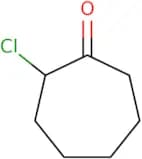
CAS:<p>Versatile small molecule scaffold</p>Formula:C7H9ClSPurity:Min. 95%Molecular weight:160.66 g/mol2-Chlorocycloheptanone
CAS:<p>2-Chlorocycloheptanone is a quaternary ammonium salt that has a cyclic and conformational geometry. It reacts with sodium borohydride to form the corresponding tertiary alcohol, and it can be reduced by borohydride or carbon tetrachloride to form the corresponding secondary alcohol. The compound is used in the synthesis of enamines and piperazinil esters, which are used in the field of population genetics. 2-Chlorocycloheptanone has been shown to yield high yields of product when synthesized from cyclohexanol.</p>Formula:C7H11ClOPurity:Min. 95%Molecular weight:146.61 g/mol2-(Cyclopent-3-en-1-yl)acetic acid
CAS:<p>Versatile small molecule scaffold</p>Formula:C7H10O2Purity:Min. 95%Molecular weight:126.15 g/mol3-Cyclopentyl-1-propanol
CAS:<p>3-Cyclopentyl-1-propanol (1-CPP) is a synthetic compound that is used as an intermediate in the production of other chemicals. It is also used to make pharmaceuticals, such as antibiotics and anti-allergic drugs. 1-CPP is soluble in water and has a boiling point of about 190 °C. It can be synthesized by reacting cyclohexanol with ethylene, or it can be produced by hydrolysis of 3-cyclohexene-1-methanol with strong acid. The hydroxyl group on the molecule makes it reactive with alkoxy radicals, which are found in small amounts in the environment and are generated by sunlight.</p>Formula:C8H16OPurity:Min. 95%Molecular weight:128.21 g/mol3-(Oxolan-2-yl)propan-1-ol
CAS:<p>3-(Oxolan-2-yl)propan-1-ol is a compound that has been shown to have antioxidative activities. It can inhibit the formation of lipid hydroperoxides and prevent the denaturation of proteins. 3-(Oxolan-2-yl)propan-1-ol has a high melting point and is thermophilic, which makes it suitable for reactions requiring a high temperature. 3-(Oxolan-2-yl)propan-1-ol also reacts with ethanolamine to form reaction products that are more stable than the original compounds. This compound is used as an analytical reagent in methods such as chemical reactions or plasma protein assays. The chemical structure of 3-(oxolan-2-yl)propan-1-ol is similar to that of phosphatidylethanolamine, which may account for its antioxidative activity.</p>Formula:C7H14O2Purity:Min. 95%Molecular weight:130.18 g/mol3,3-Dimethylcyclohexan-1-ol
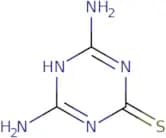
CAS:<p>Dimedone is a ketone that is found in the oils of many plants. It can be synthesized by the transformation of 3,3-dimethylcyclohexan-1-ol with ethynylation and sequence. This reaction sequence has been shown to produce high yields of dimedone.</p>Formula:C8H16OPurity:Min. 95%Molecular weight:128.21 g/molThioammeline
CAS:<p>Thioammeline is a natural compound that is classified as a fatty acid. It has been shown to be an oxidation product of triazine, and it can also form by reaction with inorganic metal ions such as copper or iron. Thioammeline is used in the production of amines, acids, and other organic compounds. The compound has been found to have a viscosity of 0.5 centipoise at 25 degrees Celsius in a sodium hydroxide solution with an acid catalyst. Thioammeline can also react with methyl ethyl chloride to form ethyl thioammine, which is then reacted with ammonia to produce ammonium thiocyanate.</p>Formula:C3H5N5SPurity:Min. 95%Molecular weight:143.17 g/mol[1,2,4]Triazolo[4,3-a]pyridin-3-amine
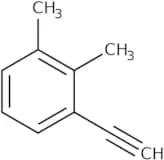
CAS:<p>[1,2,4]Triazolo[4,3-a]pyridin-3-amine is a heterocyclic compound that has been synthesized from hydrazine and isothiocyanate. The reaction proceeds via an oxidative coupling of the hydrazine with the isothiocyanate. This reaction is scalable, efficient, and can be performed using a variety of substrates. The synthesis of this compound can be followed in a stepwise manner and it has been shown to undergo reactions that are sequential and efficient.</p>Formula:C6H6N4Purity:Min. 95%Molecular weight:134.14 g/mol1-Ethynyl-2,3-dimethylbenzene
CAS:<p>1-Ethynyl-2,3-dimethylbenzene is a mesoporous material with a large surface area. It has the ability to adsorb large amounts of nitrogen gas and can be used as an adsorbent for the removal of nitrogen from natural gas. The cyclophane is composed of an aromatic ring and a heterocyclic ring, which are connected by a single bond. This compound has been shown to have high emission profiles in the visible region. It also has hysteresis properties due to its microporous nature. 1-Ethynyl-2,3-dimethylbenzene is a polymer that is conjugated, giving it high stacking abilities with other materials.</p>Formula:C10H10Purity:Min. 95%Molecular weight:130.19 g/mol2-Ethylbenzyl alcohol
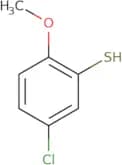
CAS:<p>2-Ethylbenzyl alcohol is a metabolite of the drug 2-ethylhexanol. It is an active antiretroviral therapy that inhibits HIV replication by binding to the RNA polymerase of the virus, thus inhibiting its activity. 2-Ethylbenzyl alcohol has been shown to inhibit hepatitis C virus replication in cell culture and has anti-inflammatory properties, which may be due to its inhibition of prostaglandin synthesis. This drug also has ferroelectric properties, which can be used as a sensor for kinetic energy.</p>Formula:C9H12OPurity:Min. 95%Molecular weight:136.19 g/mol5-Chloro-2-methoxybenzenethiol
CAS:<p>Versatile small molecule scaffold</p>Formula:C7H7ClOSPurity:Min. 95%Molecular weight:174.65 g/mol5-Nitrobicyclo[2.2.1]hept-2-ene
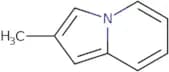
CAS:<p>Versatile small molecule scaffold</p>Formula:C7H9NO2Purity:Min. 95%Molecular weight:139.15 g/mol2-Methylindolizine
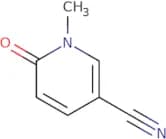
CAS:<p>2-Methylindolizine is an azide that reacts with electron-rich aromatic compounds in a quinolizine reaction. It is a heterocyclic compound with nitrogen and carbon atoms. 2-Methylindolizine can be used as a precursor to form other heterocycles, such as naphthalene and pyridine derivatives. 2-Methylindolizines are used to synthesize acetyl derivatives of piperidine, which are useful for the manufacture of pharmaceuticals.</p>Formula:C9H9NPurity:Min. 95%Molecular weight:131.17 g/mol1-Methyl-6-oxo-1,6-dihydropyridine-3-carbonitrile
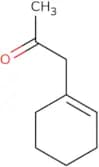
CAS:<p>1-Methyl-6-oxo-1,6-dihydropyridine-3-carbonitrile is an oxidation product of osmium and phosphorus oxychloride. It has been shown to have a hypoglycemic effect in mice. The mechanism of this effect is unknown, but it may be due to the antioxidant potential of 1-methyl-6-oxo-1,6-dihydropyridine 3 carbonitrile. There are no studies that indicate whether this compound has any effects on humans. This chemical is found in the leaves of a plant called Acalypha wilkesiana and also in the extract from Ricinus communis seedlings and Acalypha wilkesiana seedlings.</p>Formula:C7H6N2OPurity:Min. 95%Molecular weight:134.14 g/mol1-(Cyclohex-1-en-1-yl)propan-2-one
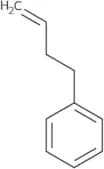
CAS:<p>Versatile small molecule scaffold</p>Formula:C9H14OPurity:Min. 95%Molecular weight:138.21 g/mol4-Phenyl-1-butene
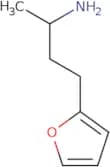
CAS:<p>4-Phenyl-1-butene is an aryl halide that undergoes acylation reactions with the addition of hydrochloric acid. The reaction is efficient and produces high yields. 4-Phenyl-1-butene can be used in the synthesis of fosinopril sodium, which is a drug used to treat high blood pressure. The reaction requires hydrogen chloride gas, which reacts with the butene to produce chloride ions as well as sequences containing 4 phenyl groups. 4-Phenyl-1-butene is also used for asymmetric synthesis and copolymerization reactions. Copolymerization reactions are done at low temperatures to avoid polymerization and crosslinking of monomers.</p>Formula:C10H12Purity:Min. 95%Molecular weight:132.21 g/mol3-Furan-2-yl-1-methyl-propylamine
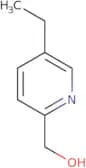
CAS:<p>Versatile small molecule scaffold</p>Formula:C8H13NOPurity:Min. 95%Molecular weight:139.2 g/mol(5-Ethylpyridin-2-yl)methanol
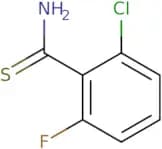
CAS:<p>Versatile small molecule scaffold</p>Formula:C8H11NOPurity:Min. 95%Molecular weight:137.18 g/mol2-Chloro-6-fluorobenzene-1-carbothioamide
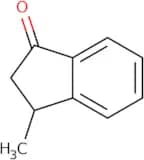
CAS:<p>2-Chloro-6-fluorobenzene-1-carbothioamide is a chemical that is used in the production of insecticides. Research has been done to investigate the insecticidal properties of 2-chloro-6-fluorobenzene-1-carbothioamide and how it can be synthesized in an organic process.</p>Formula:C7H5ClFNSPurity:Min. 95%Molecular weight:189.64 g/mol(3R)-3-Methyl-2,3-dihydro-1H-inden-1-one
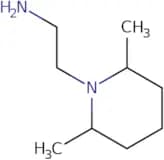
CAS:<p>Versatile small molecule scaffold</p>Formula:C10H10OPurity:Min. 95%Molecular weight:146.19 g/mol2-(2,6-Dimethylpiperidin-1-yl)ethan-1-amine
CAS:<p>Versatile small molecule scaffold</p>Formula:C9H20N2Purity:Min. 95%Molecular weight:156.27 g/mol4,6-Dibromo-2,1,3-benzoxadiazole
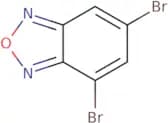
CAS:<p>4,6-Dibromo-2,1,3-benzoxadiazole is an azide compound that is used as a precursor for the synthesis of other compounds. The structure of this molecule consists of two benzene rings with a single oxygen atom in between. It contains four bromine atoms and one fluorine atom. This molecule has an isomeric relationship to 2,1,3-benzoxyazetidine and 2,1,3-benzothiadiazetidine because it has two identical groups on each ring. 4,6-Dibromo-2,1,3-benzoxadiazole can be synthesized by reacting phenols with sodium azide or fluorine atoms in the presence of a catalytic amount of copper(II) chloride.</p>Formula:C6H2Br2N2OPurity:Min. 95%Molecular weight:277.9 g/mol(3-Methylbut-2-en-2-yl)benzene
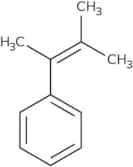
CAS:<p>(3-Methylbut-2-en-2-yl)benzene is a cyclopentyl compound with a hydrophilized molecule. It has an acidic nature and can be used as a crosslinker, linking amino acids together to form polymers. (3-Methylbut-2-en-2-yl)benzene can also be used as a linker in the synthesis of linear polymers, which are made up of repeating units. This chemical reacts with hydroxyl groups to form esters and amides. (3-Methylbut-2-en-2-yl)benzene is used as a polymerization initiator in organic solvents to produce linear polymers that have functional groups on the end of each molecule. The number of daltons in this chemical determines its solubility in water.</p>Formula:C11H14Purity:Min. 95%Molecular weight:146.23 g/mol2,6-Dioxo-1,2,3,6-tetrahydropyrimidine-4-carboxamide
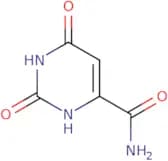
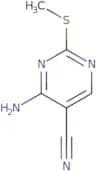
CAS:2,6-Dioxo-1,2,3,6-tetrahydropyrimidine-4-carboxamide (DOTPC) is a monomer that can be used to stabilize duplexed and triplexed nucleic acid structures. DOTPC binds to the amine groups in RNA and DNA molecules, which stabilizes the structure of nucleic acids by preventing the formation of undesirable hydrogen bonds between nucleotides. The compound has been shown to be effective in hybridizing duplexes and triplexes with complementary strands containing uracil or thymine bases. DOTPC is synthesized from orotic acid by reacting it with an amine in a carboxamide reaction.Formula:C5H5N3O3Purity:Min. 95%Molecular weight:155.11 g/mol4-Amino-2-(methylthio)pyrimidine-5-carbonitrile
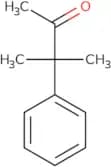
CAS:Versatile small molecule scaffoldFormula:C6H6N4SPurity:Min. 95%Molecular weight:166.21 g/mol3-Methyl-3-phenylbutan-2-one
CAS:<p>3-Methyl-3-phenylbutan-2-one is a ketone that is damaging to benzene and horticultural olefinic methoxy. It has been shown to be an antidopaminergic agent and has been used in the kinetic scheme as a competitive inhibitor of dopamine. 3-Methyl-3-phenylbutan-2-one is reactive with chloride, alcohols, and aluminium. This chemical has also been shown to have dehydrating effects on organic substances.</p>Formula:C11H14OPurity:Min. 95%Molecular weight:162.23 g/mol1,5-Difluoro-3-iodo-2-nitrobenzene
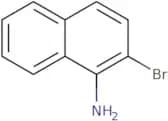
CAS:<p>Versatile small molecule scaffold</p>Formula:C6H2F2INO2Purity:Min. 95%Molecular weight:284.99 g/mol1-Amino-2-bromonaphthalene
CAS:<p>1-Amino-2-bromonaphthalene is a synthetic compound that is used as a recyclable reagent. It has been shown to have an inhibitory effect on cancer cells and tissue, stabilizing the DNA molecule and preventing it from being broken down. 1-Amino-2-bromonaphthalene also has affinity for cancer cells and stabilizes the cell membrane by inhibiting phosphonate degradation. The drug has been envisaged as a potential candidate for cancer therapy due to its ability to stabilize the cell membrane and inhibit phosphonates, which are involved in cell division.</p>Formula:C10H8BrNPurity:Min. 95%Molecular weight:222.09 g/mol3-Methyl-3,4-dihydro-2H-1-benzothiopyran-4-one
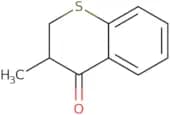
CAS:3-Methyl-3,4-dihydro-2H-1-benzothiopyran-4-one is a pentacyclic compound with a molecular formula of C9H10O2. It has a melting point of 175 °C and a boiling point of 270 °C. 3-methyl-3,4-dihydrobenzo[b]thiopyran-4(3H)-one has been shown to react with dimethyl acetylenedicarboxylate in the presence of pyrrolidine to form an adduct. This adduct can then be converted into an enamine by reacting with dimethyl. The resulting enamine can be reacted with pentacyclic compound to form the title product, which has been shown to have antibiotic activity against gram positive bacteria such as Staphylococcus aureus and Streptococcus pneumoniae.Formula:C10H10OSPurity:Min. 95%Molecular weight:178.25 g/mol2-Fluoro-4-methylquinoline
CAS:<p>2-Fluoro-4-methylquinoline is an antibacterial agent that inhibits the growth of bacteria by binding to their ribosomes. The structure of this compound is similar to that of fluoroquinolones, but it is not a member of this group. 2-Fluoro-4-methylquinoline has been shown to be effective against Staphylococcus aureus and Salmonella typhimurium cells in vitro and in animal models. This drug binds to the bacterial ribosomes, preventing protein synthesis and cell division. It also inhibits the growth of mammalian cells in culture, but does not inhibit DNA replication or repair.</p>Formula:C10H8FNPurity:Min. 95%Molecular weight:161.18 g/mol1-(2,2,2-Trifluoroethyl)-2,5-dihydro-1H-pyrrole-2,5-dione
CAS:Versatile small molecule scaffoldFormula:C6H4F3NO2Purity:Min. 95%Molecular weight:179.1 g/mol1-Chloro-4,5-difluoro-2-nitrobenzene
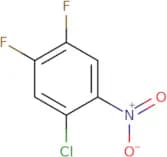
CAS:<p>1-Chloro-4,5-difluoro-2-nitrobenzene is a water soluble, colorless liquid that is soluble in chloroform and reacts with hydrochloric acid to form 1-chloro-4,5-difluoro-2-nitrobenzene hydrochloride. It is a catalyst for the conversion of chloroformates to nitro radicals. 1,4,5-Trichloronitrobenzenes are used as catalysts in the nitration of aromatic compounds. The reaction temperature should be between 0 and 10 degrees Celsius.</p>Formula:C6H2ClF2NO2Purity:Min. 95%Molecular weight:193.54 g/mol4-Amino-2-(methylthio)pyrimidine-5-carboxylic acid
CAS:<p>4-Amino-2-(methylthio)pyrimidine-5-carboxylic acid (4AMP) is a molecule that inhibits protein kinase. It does this by binding to the ATP site of the enzyme, preventing ATP from binding and thus inhibiting the phosphorylation of proteins. 4AMP has been shown to inhibit the activity of various protein kinases including cAMP-dependent protein kinase, tyrosine kinase, and serine/threonine kinases. 4AMP is also an acidic functional group that can be used in organic chemistry as a nucleophile or electrophile. This compound can be dissolved in vacuo or in solvents such as methanol, acetone, dichloromethane, and ethanol.</p>Formula:C6H7N3O2SPurity:Min. 95%Molecular weight:185.21 g/mol1-Phenyl-1-cyclohexene
CAS:<p>1-Phenyl-1-cyclohexene is a phenolic compound that is synthesized by the cleavage of trifluoroacetic acid. It can be hydrogenated to form cyclohexylbenzene and hydroxylated to form cyclohexanone. 1-Phenyl-1-cyclohexene has been shown to have a locomotor activity in mice, which may be due to its effect on the central nervous system. This compound also reacts with phenol and cyclohexanone to form 1,2,3,4-tetrahydroquinoline and 1,2,3,4-tetrahydropyridine respectively. Kinetic data for this reaction were obtained using the catalyst (palladium) and reaction solution (dimethylformamide). Nitrogen atoms are observed in the reaction mechanism as they bind with oxygen atoms from water molecules in order to produce hydroxide ions. Reaction conditions</p>Formula:C12H14Purity:Min. 95%Molecular weight:158.24 g/mol(S)-3-Phenylbutyric Acid
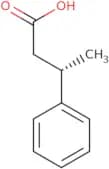
CAS:<p>(S)-3-Phenylbutyric Acid is a chiral compound that has been synthesized using the asymmetric synthesis method. The conformational properties of this compound have been studied in detail and its optical activity has been determined. Its hydrolysis products are cinnamic acid and phenylacetic acid, which can be analyzed through spectrometry. It is used as an analytical tool for determining the enantiomeric purity of butyric acid, as well as being used for optimization purposes. (S)-3-Phenylbutyric Acid also shows high uptake in bacteria, yeast, and mammalian cells, which may be due to its magnetic resonance properties.</p>Formula:C10H12O2Purity:Min. 95%Molecular weight:164.2 g/mol1-(tert-Butyl)-4-ethynylbenzene
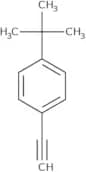
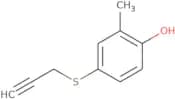
CAS:<p>1-(tert-Butyl)-4-ethynylbenzene is a ruthenium complex that reacts with terminal alkynes to form an aromatic hydrocarbon. The reaction system is homogeneous and the catalyst is a coordination geometry, which is electron microscopic and reactive. 1-(tert-Butyl)-4-ethynylbenzene has been shown to be nonpolar solvents such as benzene, chloroform, ether, or hexane. It also emits light when excited by ultraviolet radiation.</p>Formula:C12H14Purity:Min. 95%Molecular weight:158.24 g/mol2-Methyl-4-(prop-2-yn-1-ylsulfanyl)phenol
CAS:Versatile small molecule scaffoldFormula:C10H10OSPurity:Min. 95%Molecular weight:178.25 g/mol3-Bromo-4-methoxybenzyl Cyanide
CAS:<p>3-Bromo-4-methoxybenzyl Cyanide is a desorption agent that specifically targets the ribonucleic acid (RNA) template strand of DNA and prevents the synthesis of proteins. 3-Bromo-4-methoxybenzyl Cyanide has been shown to be effective against Gram-positive bacteria and has a synergistic effect when used in combination with antibiotics such as chloramphenicol and erythromycin. This compound is also active against Gram-negative bacteria, but it is not effective against thermally resistant bacteria such as Mycobacterium smegmatis. The antibacterial activity of 3-Bromo-4-methoxybenzyl Cyanide may be due to its ability to inhibit protein synthesis by preventing the binding of aminoacyl tRNA to the ribosome.</p>Formula:C9H8BrNOPurity:Min. 95%Molecular weight:226.07 g/mol

![Methyl 3-[(3-methoxy-3-oxopropyl)(methyl)amino]propanoate](/_next/image/?url=https%3A%2Fstatic.cymitquimica.com%2Fproducts%2F3D%2Fthumb-webp%2FAAA10571.webp&w=3840&q=75)


![2-[(1-Hydroxypropan-2-yl)oxy]propan-1-ol](/_next/image/?url=https%3A%2Fstatic.cymitquimica.com%2Fproducts%2F3D%2Fthumb-webp%2FAAA10861.webp&w=3840&q=75)






![(2,4-Dioxo-1,3-diaza-spiro[4.4]non-3-yl)-acetic acid](/_next/image/?url=https%3A%2Fstatic.cymitquimica.com%2Fproducts%2F3D%2Fthumb-webp%2FAAA71472.webp&w=3840&q=75)


![2,2,2-Trifluoro-1-[3-(trifluoromethyl)phenyl]ethan-1-ol](/_next/image/?url=https%3A%2Fstatic.cymitquimica.com%2Fproducts%2F3D%2Fthumb-webp%2FAAA72136.webp&w=3840&q=75)

![2-[4-(Trifluoromethyl)phenyl]ethane-1-sulfonyl chloride](/_next/image/?url=https%3A%2Fstatic.cymitquimica.com%2Fproducts%2F3D%2Fthumb-webp%2FAAA72164.webp&w=3840&q=75)


![4-[1-(4-Fluorophenyl)-1-(4-hydroxyphenyl)ethyl]phenol](/_next/image/?url=https%3A%2Fstatic.cymitquimica.com%2Fproducts%2F3D%2Fthumb-webp%2FAAA74135.webp&w=3840&q=75)




![7-Azaspiro[3.5]nonane](/_next/image/?url=https%3A%2Fstatic.cymitquimica.com%2Fproducts%2F3D%2Fthumb-webp%2FAAA76634.webp&w=3840&q=75)




![[1,2,4]Triazolo[4,3-a]pyridin-3-amine](/_next/image/?url=https%3A%2Fstatic.cymitquimica.com%2Fproducts%2F3D%2Fthumb-webp%2FAAA76762.webp&w=3840&q=75)

![5-Nitrobicyclo[2.2.1]hept-2-ene](/_next/image/?url=https%3A%2Fstatic.cymitquimica.com%2Fproducts%2F3D%2Fthumb-webp%2FAAA76816.webp&w=3840&q=75)